
Reviewed · LAKE TITICACA TRIPS FROM CUSCO
Titicaca Lake 2 Day 1 Night from Cusco to Puno
Lake Titicaca is the star here, but the journey earns its keep. You cross the high Andes by comfortable tourist bus, visit Inca and pre-Inca sites, sleep one night in Puno, then spend a full day on the water among the Uros floating islands and Taquile. It is an efficient way to connect Cusco and Puno without arranging each transfer yourself.
I like the smart route design and the range of stops. Andahuaylillas brings remarkable colonial art, Raqchi shows the scale of an important Inca religious site, and La Raya gives you a quick high-altitude mountain view. The small group of up to 15 people also makes the many guide changes easier to manage.
The catch is the schedule. You leave Cusco at 6:30 a.m., spend most of the first day on the road, and return to Cusco at about 5:00 a.m. after sleeping on the bus. The advertised two days means one hotel night plus one overnight bus ride, so pack with that in mind.
Key points at a glance
- One route, many sights: Visit Andahuaylillas, Raqchi, La Raya, Pukara, Uros, and Taquile in two packed days.
- The return is overnight: You leave Puno at 9:15 p.m. and reach Cusco around 5:00 a.m. the next day.
- Lake time is substantial: The second day includes a long boat outing, with about an hour at Uros and an hour at Taquile, plus lunch.
- The bus journey is part of the tour: The first day follows the Route of the Sun from Cusco to Puno with several planned stops.
- The price covers the main framework: At $269 per person, you get transport, guides, lodging, the first-day buffet, and boat fares, but not tips or the Taquile lunch.
- Altitude matters: La Raya reaches 4,338 meters, and both Cusco and Puno are high-altitude destinations, so arriving acclimatized is sensible.
Why this Cusco to Puno route works
The clever part of this tour is that it turns a long transfer into a sightseeing day. Instead of spending the entire journey on a direct bus, you stop at churches, archaeological sites, a high mountain pass, and a museum area before reaching Puno.
That saves planning time. You do not need to find separate transport to Andahuaylillas, Raqchi, La Raya, or Pukara, and a guide provides context at each stop. The route also lets you travel from Cusco toward Lake Titicaca in a logical order, finishing with the lake itself rather than trying to squeeze it into a rushed half-day.
The tradeoff is a long day. Pickup is scheduled for 6:30 a.m., and arrival in Puno is around 5:30 p.m. You should expect a full day of sitting, walking, boarding, and reboarding. The tourist bus is described as comfortable, which matters, but comfort does not turn a ten-hour sightseeing transfer into a quiet morning.
The group size is capped at 15 people. That is useful on a route with several handoffs between local guides and transport services. You still need to pay attention to meeting times, but a small group is less cumbersome than a large coach party.
More Lake Titicaca Trips from Cusco:
- Cusco: Scenic Route of the Sun to Puno with Buffet Lunch
★ 4.8 · 101 reviews - Full Day Lake Titicaca Tour from Cusco
★ 4.5 · 91 reviews - From Cusco: 2-Day Lake Titicaca Tour
★ 4.4 · 74 reviews
Andahuaylillas and the first morning stops
The first major stop is the Church of San Pedro de Andahuaylillas, about 40 minutes. Built by Jesuits in the 16th century on a site associated with an Inca sacred place, it is often called the Sistine Chapel of America because of its decorated interior.
This stop gives the day an important change of pace. You are not only looking at stone ruins. You are seeing how Spanish religious buildings were placed over or beside older Andean sacred sites, a pattern that appears across Peru. The church visit is included, and 40 minutes is enough for a focused visit, though not enough for a slow study of every detail.
The route also includes Oropesa and Chacacupe, listed among the stops on the Sun Route. Exact time at those places is not specified, so think of them as part of the guided journey rather than guaranteed long visits. The itinerary lists Checacupe in the included visits as well, while the detailed schedule names Chacacupe. If a particular village matters to you, confirm the exact stop before departure.
Raqchi: a large Inca site with a clear purpose
Raqchi receives about 50 minutes. Its centerpiece is the Temple of Wiracocha, built in honor of the same deity, within a wider complex divided into areas with different functions.
This is a good stop for seeing that an archaeological site is more than a single temple. The complex includes separate spaces for different activities, giving you a better sense of how a major ceremonial and administrative place operated. The guide is especially useful here because the remains can be hard to read without an explanation of the site plan.
Fifty minutes is enough to walk through the main area and take photographs. It is not a long archaeological visit, so visitors who want extended time at Raqchi may find the stop brisk. Still, as one piece of a full transfer day, it adds substance without turning the route into a series of long museum sessions.
Sicuani lunch and the climb to La Raya
Lunch is scheduled in Sicuani for one hour. A buffet is included on the first day, making this more than a quick roadside snack. It is a practical pause after the morning sites and before the high pass.
La Raya comes next, at 4,338 meters above sea level. You have only about ten minutes there, but that is enough to step out, look toward the snow-capped Andes, and take a few photographs. This is the highest point on the Cusco to Puno route described here, so the stop may feel more physical than its short duration suggests.
Bring a warm layer even if Cusco feels mild when you leave. The supplied advice also calls for cold-weather clothing, a hat, sunscreen, sunglasses, and a rain jacket or poncho. At this altitude, weather can change quickly, and the sun can feel strong.
If you are not used to high altitude, La Raya is a reminder that this is not a lowland bus ride. The tour advises acclimatizing before departure and suggests coca tea. You should also bring personal medication and energy bars. The stated fitness requirement is moderate, but you still need to handle walking, stairs, boarding, and a long day at altitude.
A few more Cusco days worth weighing up
- Cusco by Night: Planetarium Cusco, Dinner, and Pisco Sour
★ 5.0 · 75 reviews - From Cusco: 2-Night Lake Titicaca Excursion
★ 3.7 · 62 reviews - Rainbow Mountain and Red Valley Hike – 2 Days / 1 Night
★ 5.0 · 41 reviews - From Cusco: 3-Night Lake Titicaca Excursion
★ 4.3 · 17 reviews
Pukara closes the first sightseeing day
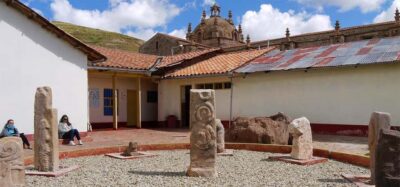
The final scheduled archaeological stop is Pukara, for about 30 minutes. The site is known for monolithic sculptures with geometric, animal, and human forms, along with colorful pottery in varied shapes.
Half an hour is brief, but Pukara works as a final introduction to the cultural material of the high plateau before you reach Puno. The visit is not intended as a full archaeological study. It is a compact stop that breaks up the last stretch of the bus journey.
You arrive in Puno at roughly 5:30 p.m. and check into hostel-style accommodation. The exact property and room standard are not specified, and that is one point worth clarifying before you book. If you care about a private bathroom, room type, or a particular hotel category, ask the operator directly rather than assuming the word accommodation means a specific standard.
Lake Titicaca day: Uros and Taquile
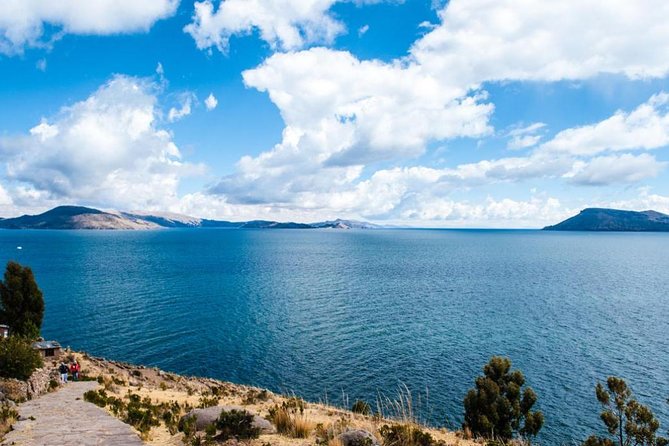
Day two begins with pickup around 6:45 a.m. for the boat trip. The lake day is listed at about ten hours, so this is another early and full schedule. You will spend much of the day on the water, with the boat fare and island visits included.
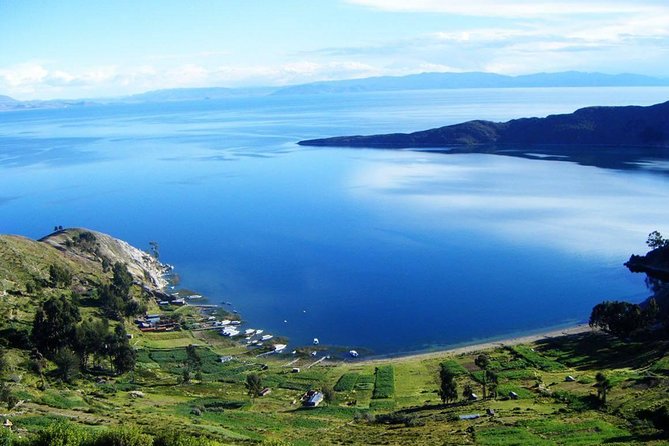
Lake Titicaca reaches across the border between Peru and Bolivia and is known as one of South America’s largest lakes and the highest navigable body of water in the world. The tour also places you near the Titicaca National Reserve, home to unusual aquatic species, including giant frogs.
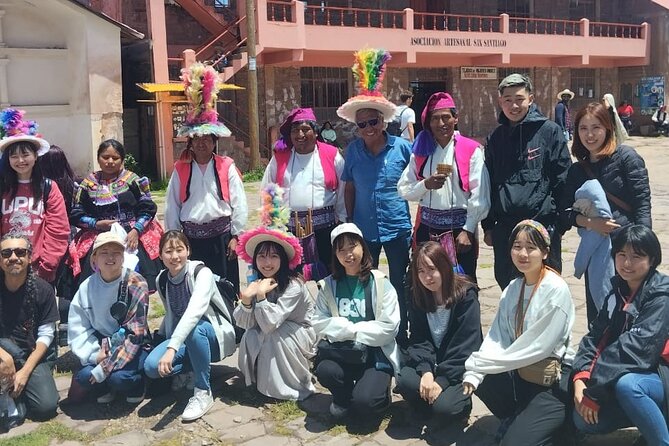
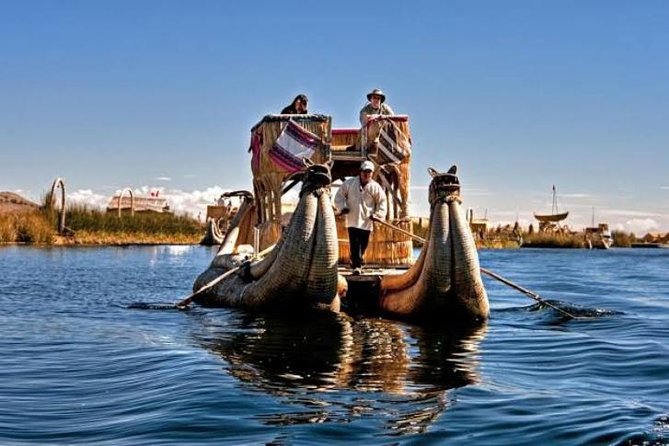
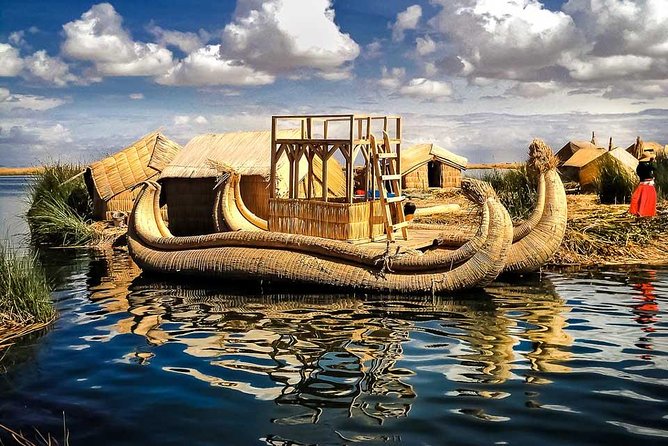
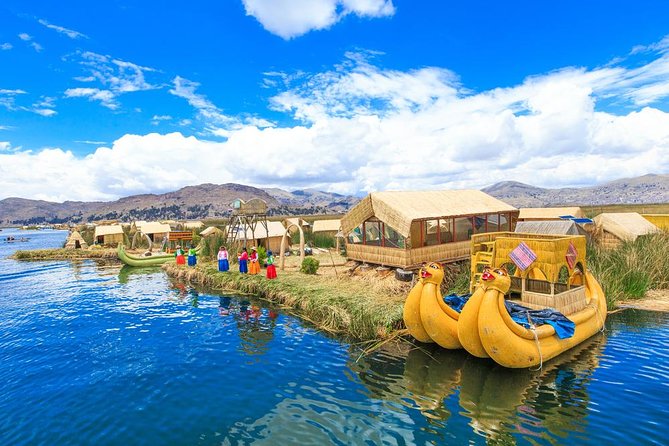
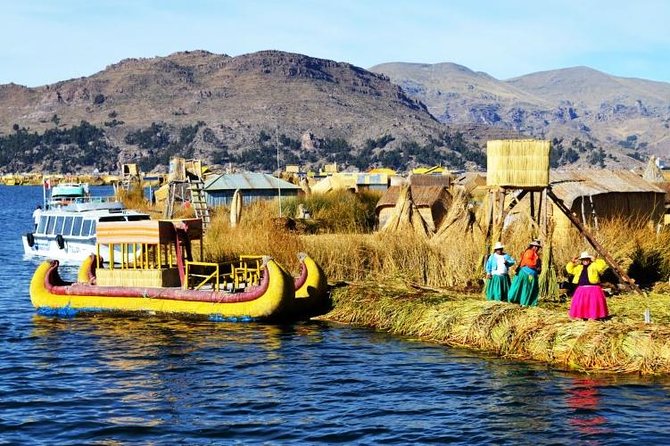
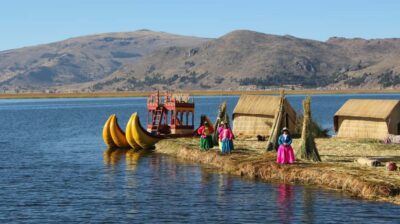
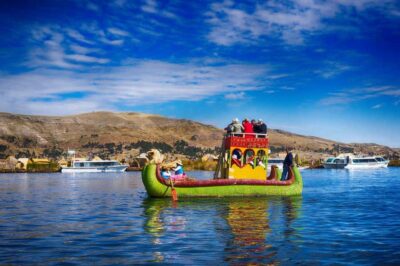
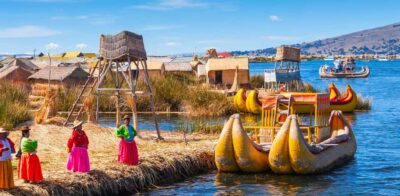
The first island visit is Uros, for about an hour. The islands are made from totora reeds, an aquatic plant that grows in the lake. The Uros people build and maintain habitable artificial surfaces by layering reeds over blocks of totora roots.
This is one of the most unusual parts of the trip, but it is worth approaching with curiosity and respect. Listen to the explanation of how the islands are constructed and maintained, and remember that this is a living community, not merely a floating exhibit. The visit is short, so expect an introduction rather than a full picture of daily life.
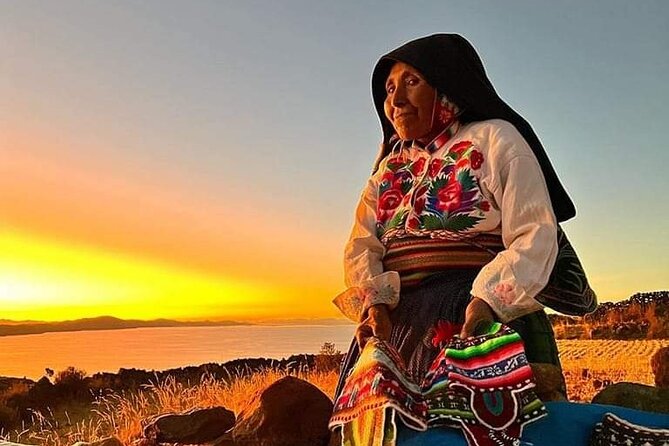
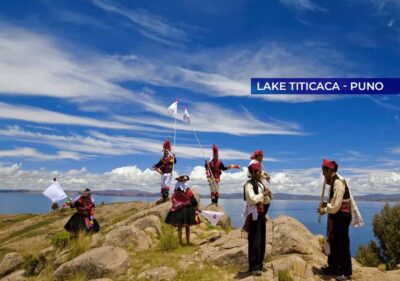
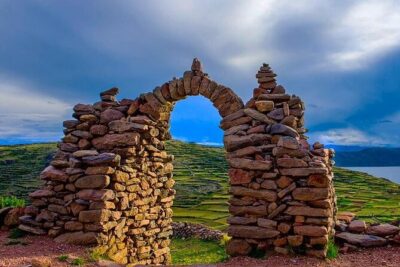
Taquile offers a different kind of experience. The focus is on local customs, daily tasks, rites, beliefs, and the protective hills called Apus. The scheduled visit lasts about an hour, and the island is presented as a place where contact with local life is central to the visit.
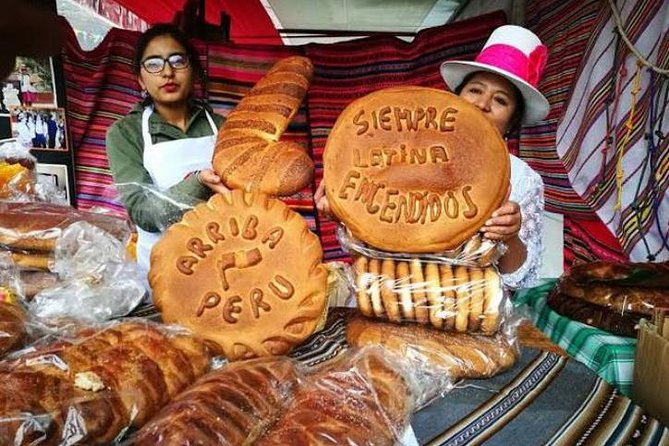
The itinerary also allows an hour for lunch on Taquile, with lake trout as the featured meal. The boat ride and island visit are included, but the lunch is listed as not included in the price. Bring extra Peruvian soles for this meal and for any other personal purchases.
The lake day is the emotional center of the tour. Uros gives you a striking example of human adaptation to the water, while Taquile offers a closer look at island customs and Andean beliefs. The boat ride between stops also gives you time to watch the broad water and changing light, though ten hours on a boat can feel long if you prefer a faster pace.
The overnight bus back to Cusco
After returning to Puno around 5:00 p.m., you can return to the hotel or spend time in Puno on your own. The departure for Cusco is scheduled for 9:15 p.m., leaving a few hours between the lake trip and the overnight bus.
That gap is useful. You can collect your luggage, eat a proper meal, and rest before boarding. It also makes the overall schedule less confusing: the tour does not finish in Puno at 5:00 p.m. You still have the overnight journey ahead.
Arrival at the Cusco terminal is expected around 5:00 a.m. the following morning. This is why I would treat the experience as two sightseeing days, one hotel night, and one night spent traveling. You may find the bus ride manageable if you sleep easily in transit. If you need a full night in a bed before sightseeing in Cusco, plan a later start on arrival or add another hotel night.
The tour ends at the Cusco terminal, not necessarily at your hotel. Arrange your next step with care, especially if you have luggage or a morning reservation.
What the $269 price covers
At $269 per person, the value comes from combining transport and several separate visits. The price includes the Cusco to Puno tourist bus with sightseeing stops, the return bus from Puno to Cusco, professional guiding, the Puno accommodation, the first-day buffet lunch, and the boat trip to Uros and Taquile.
It also covers the Route of the Sun visits, including Oropesa, Andahuaylillas, Raqchi, La Raya, Checacupe or Chacacupe, and Pukara. Arranging all of that independently would take more time and would require coordinating buses, guides, a hotel, and the lake excursion.
The price is less attractive if you want a slow, private trip. The schedule is fixed, the stop times are short, and the return bus costs you a night of sleep. Tips are optional and not included. The Taquile trout lunch is also not included, so keep extra soles available.
Packing for altitude, sun, and two long days
Keep your main luggage organized and carry a light backpack for the tour. The operator specifically recommends hiking shoes, warm clothing, a rain jacket or poncho, a hat, sunscreen, sunglasses, a plastic bag, personal medication, energy bars, and a camera.
Those suggestions fit the route. You need shoes for archaeological paths and island walking, warm layers for La Raya and the evening bus, and sun protection for the open lake. A plastic bag can protect small items from rain or help keep belongings together during the boat day.
Bring cash in Peruvian soles. You may need it for Taquile lunch, personal purchases, and tips. The mobile ticket is convenient, and confirmation is provided at booking, but keep your pickup details accessible because the trip involves several transfers.
The tour is near public transportation and pickup is offered. Still, the coordination deserves attention. One low-rated experience involved a missed pickup at the bus station, while other accounts describe the transfers as well handled. I would confirm the exact pickup point and final Cusco arrival instructions before leaving Puno.
Guide quality and the human side of the trip
Guiding can shape this tour more than the bus or boat. Some guides have been praised for being attentive, pleasant, and well informed, and Manuel is specifically noted for good care. Two guides were also described as helpful during the lake trip.
The route uses several guides and handoffs, which is normal for a Cusco to Puno transfer with a separate lake excursion. Most of the time, that division works well because each guide handles a particular section. But guiding style can vary. One account found the first-day commentary too focused on chakras, numerology, and aliens rather than the history of the sites.
You can make the most of the experience by asking direct questions about the church, Raqchi, Pukara, and the communities on the lake. If accurate archaeological and cultural explanation is your priority, say so early. The best parts of this trip are the places themselves, supported by clear context.
Who should book this experience?
I would choose this tour if you want to connect Cusco and Puno while seeing more than the inside of a bus. It suits first-time visitors who value organized transport, guided stops, and a straightforward introduction to Lake Titicaca.
It also works well if you have limited time and want Uros and Taquile in the same trip. The small group limit, included boat fares, and planned accommodation remove much of the planning burden.
I would hesitate if you dislike early starts, fixed schedules, altitude, or overnight buses. It is also not the best fit if you want a quiet luxury hotel or long, unhurried visits at each archaeological site. The accommodation details are not specific enough for anyone who needs a particular room standard.
At 91 percent recommended and a 4.6 rating from 33 reviews, the experience has a strong record, with the clearest praise aimed at the organization, comfortable buses, attentive guides, lunches, and the unusual island visits. The main caution is communication about accommodation, pickup details, and the overnight return.
Should you book the Cusco to Lake Titicaca tour?
Book it if you want an efficient, activity-filled connection between Cusco and Puno, and you accept that the journey includes one night on a bus. The Route of the Sun stops add real value, while Uros and Taquile provide the memorable lake experience.
Before paying, confirm the hostel details, the exact first-day stop at Chacacupe or Checacupe, the Taquile lunch cost, and where you will be met and dropped off. Canceling is free up to 24 hours before the start time, but changes or cancellations inside that window are not accepted.
FAQ
Is this tour really two days and one night?
The sightseeing schedule covers two days, with one night in accommodation in Puno. You then take a 9:15 p.m. bus from Puno and sleep during the journey, arriving in Cusco around 5:00 a.m. the following day.
Does the tour return to Cusco?
Yes. The return bus leaves Puno at about 9:15 p.m. and arrives at the Cusco terminal around 5:00 a.m. the next day.
What time does pickup begin in Cusco?
Pickup from your Cusco hotel is scheduled for 6:30 a.m. on the first day.
What time does the Lake Titicaca excursion begin?
Pickup from your Puno hotel is scheduled for 6:45 a.m. on the second day.
Are Uros and Taquile included?
Yes. The boat fare and visits to the Uros floating islands and Taquile are included.
Is lunch included?
A buffet lunch in Sicuani on the first day is included. Lunch on Taquile, described as lake trout, is not included.
What should I bring?
Bring a light backpack, hiking shoes, warm clothing, a rain jacket or poncho, a hat, sunscreen, sunglasses, personal medication, energy bars, a plastic bag, a camera, and extra money in soles.
Is the tour suitable for every fitness level?
The stated requirement is moderate physical fitness. You should also acclimatize before the trip because the route reaches La Raya at 4,338 meters and includes walking at high altitude.
More 2-Day Experiences in Cusco
- From Cusco: 2-Day Trip to the Sacred Valley and Machu Picchu
★ 4.6 · 265 reviews - Cusco: Machu Picchu 2-Day Inca Trail with Panoramic Train
★ 4.9 · 260 reviews - From Cusco: 2-Day Inca Trail to Machu Picchu
★ 4.2 · 244 reviews - Machu Picchu: Inca Trail 2-Day Overnight Guided Tour
★ 4.9 · 203 reviews
Just added around Cusco
- Zipline over the Sacred Valley Trip★ 5.0 · 11 reviews
- Valle Sur Cusco | half day★ 4.3 · 3 reviews
- Visit Pisac from Cusco: Private Transport★ 4.6 · 9 reviews
- Transfer from Cusco to Ollantaytambo★ 5.0 · 30 reviews
- Exclusive Huayna Picchu Tour in 1 Day from Cusco★ 5.0 · 31 reviews
- Trek to Humantay Lake from Cusco★ 4.9 · 8 reviews
- Private Tour Sacred Valley, Chinchero, Maras Moray, Ollantaytambo★ 5.0 · 29 reviews
- 5 Day – Salkantay trek to Machu Picchu – Group Service★ 4.5 · 27 reviews
Lake Titicaca Trips from Cusco, compared.
Scenic Route of the Sun to Puno with Buffet Lunch
Read our review →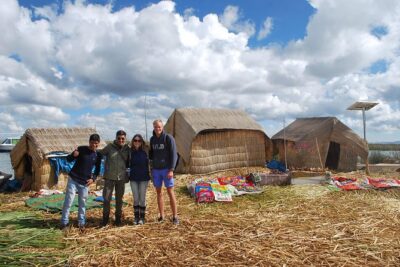
From Cusco to Lake Titicaca: 2-Day Homestay Tour
Read our review →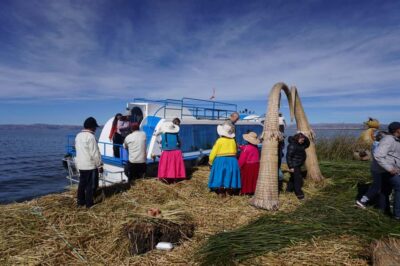
Browse the lists this tour appears in