
Reviewed · MACHU PICCHU TRAIN TOURS
Sacred Valley & Machu Picchu by Train: 2-Day, 1-Night Tour
Machu Picchu gets the headline, but this tour gives you a strong first look at the Sacred Valley before the famous citadel. In two days, you see Inca terraces at Pisac and Moray, the salt pans of Maras, the market at Pisac, and Ollantaytambo, then reach Machu Picchu by train for an early visit.
I like the practical package: transportation runs from your Cusco hotel and back, and the price includes entrance tickets, the Expedition train, a hotel, a buffet lunch, and dinner. I also like the small-group limit of 16 and the chance to ask detailed questions, something guests especially appreciated from guides such as Herbert Vidal, Alex, and Oliver. The tradeoff is a very full first day, with several stops packed before the train to Aguas Calientes.
Key things to know before booking
- You cover a lot in two days: Pisac, Moray, Maras, Ollantaytambo, and Machu Picchu are all included.
- The early Machu Picchu visit matters: You take one of the first buses up, giving you a better chance at a morning visit.
- Your guide shapes the experience: English and Spanish guiding is available, with past guides praised for patient, detailed explanations.
- The price includes major costs: Transport, entrance fees, one hotel night, one lunch, dinner, buses, and trains are covered.
- Pisac combines ruins and shopping: You get both the mountaintop Inca site and the craft market below.
- Pack light: Large bags and luggage are not allowed, and you need your original passport for Machu Picchu.
A fast route through the Sacred Valley
This is not a slow, stay-put holiday. It is a compact sightseeing trip designed for you to see many of the Cusco region’s major places without arranging separate rides, tickets, and train connections.
You are picked up at your hotel, hostel, or Airbnb in Cusco. After meeting the guide, the route begins with a roughly 30-minute drive to an alpaca farm and textile center. From there, you continue to Mirador Taray, Pisac, Urubamba, Moray, Maras, and Ollantaytambo before boarding the Expedition train to Aguas Calientes.
That sequence makes sense geographically, but it also creates a long day. You will want comfortable shoes, a small daypack, water, sun protection, and enough energy for ruins with uneven ground and steps. The tour is not suitable for people over 95, and it may feel tiring if you prefer unhurried visits.
The group is limited to 16 people. That is large enough to keep the price below a private tour, yet small enough for a guide to answer questions and keep the group together. The guide languages are English and Spanish.
More Train Runs to Machu Picchu from Cusco:
- Cusco: Machu Picchu 2-Day Inca Trail with Panoramic Train
★ 4.9 · 260 reviews - The First Class Machu Picchu Train by Inca Rail
★ 4.0 · 182 reviews - From Cusco: 1-day Machu Picchu Tour by Train
★ 4.6 · 138 reviews
Alpacas, textiles, and the first Andean stop
The alpaca center is more than a quick animal stop. You can see llamas, alpacas, vicuñas, and guanacos, then watch a demonstration of textile production. The center explains how local weavers create natural colors, which adds useful context if you later shop for alpaca goods.
You can buy textiles at the center. That is convenient, though you should see it as a shopping stop as well as a cultural introduction. If you are looking for gifts, this is one place to compare products before reaching Pisac Market. As always with craft purchases, take your time and buy only what you truly want to carry.
This opening visit is a good fit if you enjoy learning how an object is made rather than simply seeing a row of finished souvenirs. It also gives you an easy start before the archaeological sites and higher viewpoints.
Mirador Taray and the farming valley
After the alpaca center, the drive continues to Mirador Taray, a lookout over the Sacred Valley. From here, you can see the Urubamba River and agricultural land once worked by the Incas.
The viewpoint helps you understand the scale of the valley before you walk through its ruins. From ground level, Inca terraces can look like isolated stone walls. From above, you see how farming areas, slopes, villages, and the river fit together.
The stop is brief enough to keep the day moving, so have your camera ready when you arrive. Weather and light can affect the views, and the tour does not promise a particular kind of visibility.
Pisac ruins and the market below
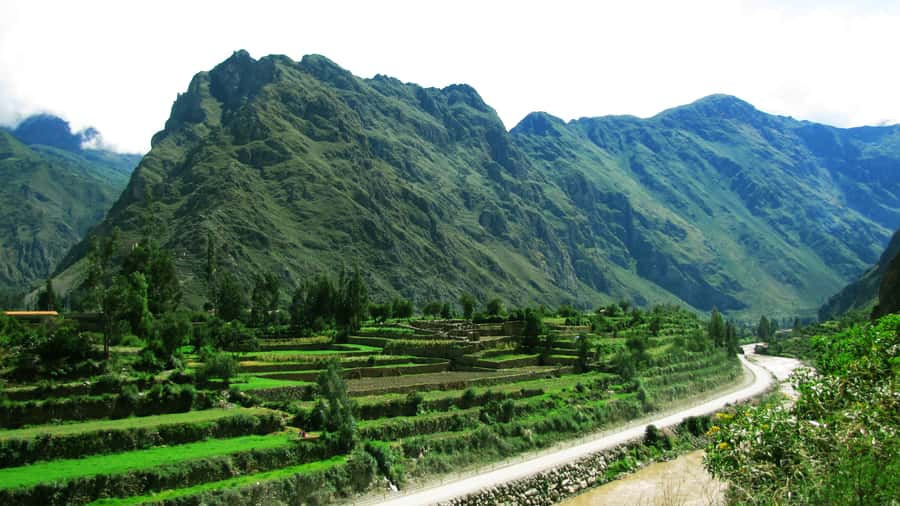
Pisac gives you two very different experiences. First comes the archaeological site, high in the mountains. The remains include stone walls, agricultural terraces, irrigation systems, temples, and the largest cemetery associated with the Inca Empire.
The terraces are the main reason to pay attention here. They show how the Incas turned steep mountain slopes into productive farmland. The site also makes clear that Pisac was not just a ceremonial location. It was part of a larger system of farming, storage, movement, and control.
Expect walking on uneven paths and time spent outdoors. A guide is especially useful here because the stones alone do not explain how the terraces and irrigation worked. Past visitors gave strong marks to guides who offered detailed explanations and answered questions, so do not be shy about asking how each part of the site functioned.
After the ruins, you visit Pisac Market. Artisans sell ceramics, textiles, jewelry, Andean instruments, alpaca products, and other souvenirs. This is your chance to bargain, but keep it friendly and realistic. If you want a particular item, ask about materials and where it was made rather than buying the first thing placed in front of you.
The market adds a human, commercial side to a morning otherwise focused on ancient stonework. It also gives you a chance to buy gifts early in the trip. The catch is that shopping can make an already full day feel even longer, so set your own limit before you begin.
More Sacred Valley Days from Cusco:
- From Cusco: Sacred Valley & Maras Salt Mines Tour with Lunch
★ 4.8 · 2,227 reviews - Cusco: Sacred Valley, Pisac, Ollantaytambo, Salt Mines Moray
★ 4.6 · 1,058 reviews - Sacred Valley: Chinchero, Moray, Ollantaytambo & Pisac+Lunch
★ 4.8 · 501 reviews - Sacred Valley: Maras & Moray by Quad Bike from Cusco
★ 4.6 · 418 reviews
Lunch in Urubamba, with the valley still in view
The route then continues to Urubamba for a buffet lunch at a local restaurant. The meal includes fresh local products and a range of Peruvian dishes.
Because lunch is included, you do not need to spend time finding a restaurant during the tour. That matters on a schedule with several stops and a train departure later in the day. Dinner in Ollantaytambo is also included, which covers two main meals on the first day.
The meal is practical rather than a reason to book the tour on its own. If you have dietary restrictions, the supplied information does not specify available alternatives, so contact the operator before departure.
Moray’s circular terraces
Moray is one of the more unusual stops on the route. Its broad, circular terraces drop into the earth in a series of rings. You can see how the Incas shaped the land into a controlled agricultural setting, though this is a place where a guide’s explanation adds much more than a quick photograph.
The site gives you a different view of Inca engineering than Pisac. Pisac shows terraces cut into mountain slopes, while Moray presents a contained, bowl-like arrangement. Seeing both in one day helps you compare how the Incas used different forms of terrain.
You will likely want a few minutes to take in the scale from above. The tour also has to keep moving toward Maras and Ollantaytambo, so do not expect unlimited time at every viewpoint.
The salt pans of Maras
The Salineras of Maras are another sharp change from the ruins. The site consists of salt-producing pools arranged along the mountainside. Water flows through the system, and salt collects in the individual pans.
The effect is striking because the site is both a working resource and a visual pattern. It is not simply an abandoned archaeological monument. You are seeing a place tied to local production, with rows of salt pools spreading across the slope.
Conditions can be bright and exposed, so bring sun protection. The supplied details do not specify whether you can purchase salt at the site, but you can ask your guide about what is being produced and how the pans are used.
Moray and Maras are often grouped together because they are close in the itinerary, but they offer different lessons. Moray focuses on agricultural design. Maras focuses on salt production and the continued use of a traditional system.
Ollantaytambo before the train
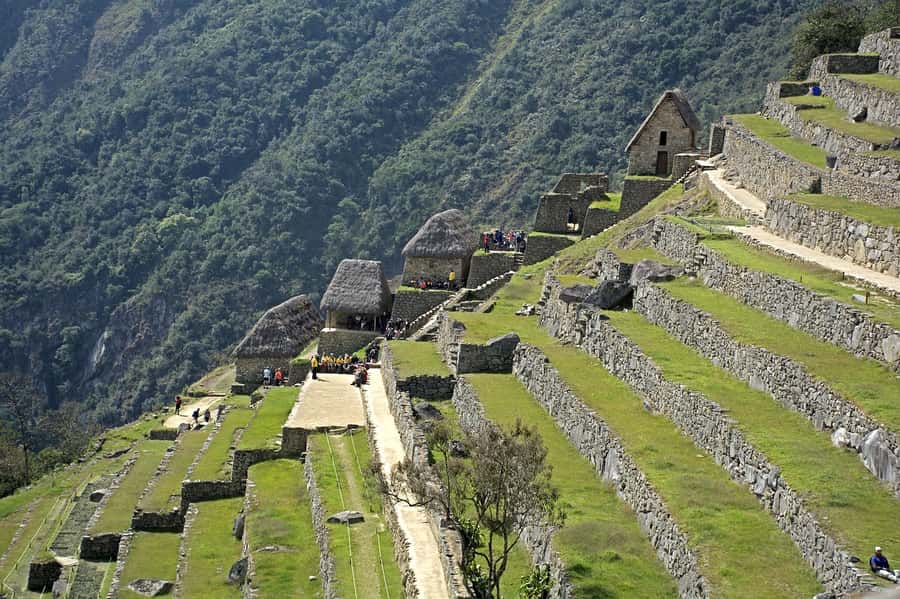
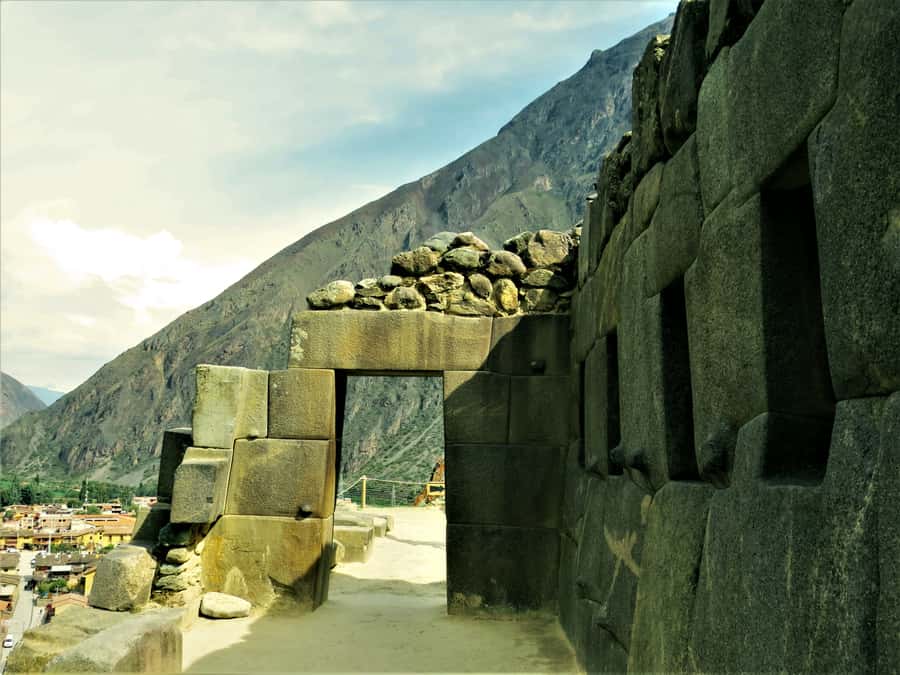
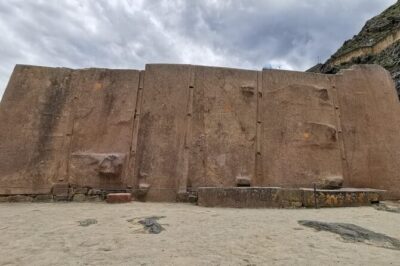
Ollantaytambo is the final major stop before the train. It is described as the last standing Inca citadel, with an archaeological area that includes temples, terraces, storehouses, and a large monolithic stone.
The town itself is built above ancient Inca buildings, so the visit is not limited to a detached ruin. You can see how the older structures remain part of the town’s setting. The terraces and stonework also provide a final reminder of the engineering skill you have seen at Pisac and Moray.
This stop can feel rushed because it comes late in a demanding day. Still, it is one of the most valuable parts of the route, since you see the archaeological site before boarding the Expedition train. The guide can connect what you have already seen with Ollantaytambo’s temples, storage areas, and defensive position.
Dinner is included in Ollantaytambo before you board the train. The timing of the train is set by the tour, not chosen by you. One past participant specifically wished for more choice over the train times, so keep that limitation in mind if you value control over your evening schedule.
The Expedition train to Aguas Calientes
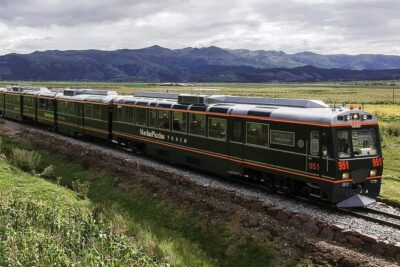
The Expedition train takes you from Ollantaytambo to Aguas Calientes, the town below Machu Picchu. Your one-night stay is at a three-star hotel.
Train travel is one of the tour’s practical strengths because the operator handles the route as part of the package. Transportation is covered throughout, and you do not need to arrange a separate taxi, train booking, or bus connection.
At the same time, rail schedules can change or run late. A previous journey had only a delay on the train to Machu Picchu, while the rest of the transport was comfortable. The tour includes the Expedition service, not a premium train category, so book this with reliable transportation in mind rather than luxury rail.
You should keep your luggage small. Large bags and luggage are not allowed, and the instructions specifically call for a daypack. Bring your original passport, since you need to show it at the Machu Picchu checkpoint.
The early bus and Machu Picchu
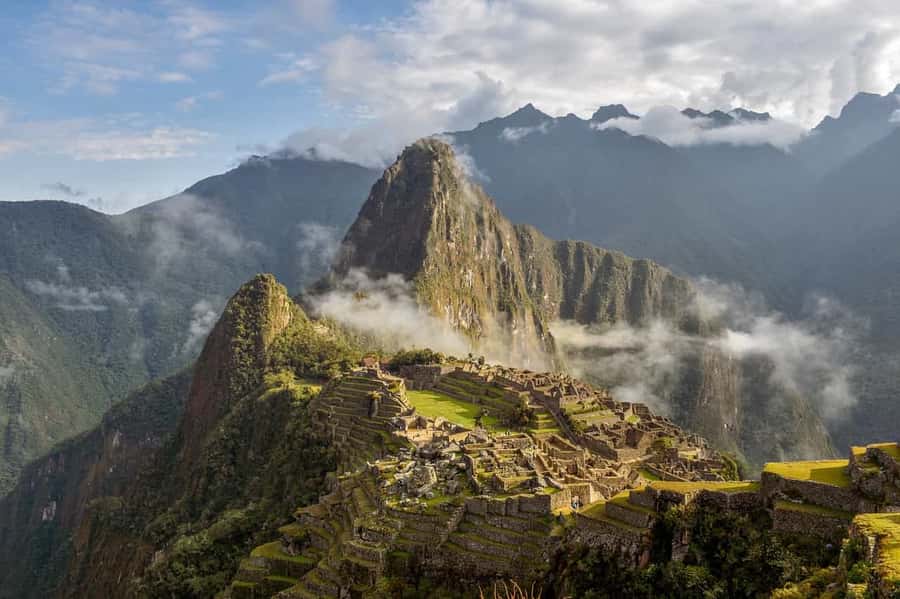
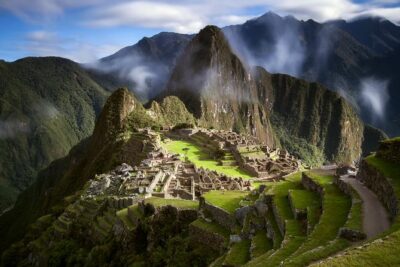
On the second morning, you have breakfast at the hotel and take one of the first buses up to Machu Picchu. The early departure is important. It gives you a morning visit and supports the advertised sunrise focus, although the exact light and visibility depend on conditions.
At the entrance, you show your original passport. A copy is not listed as an acceptable substitute, so keep the original accessible and secure.
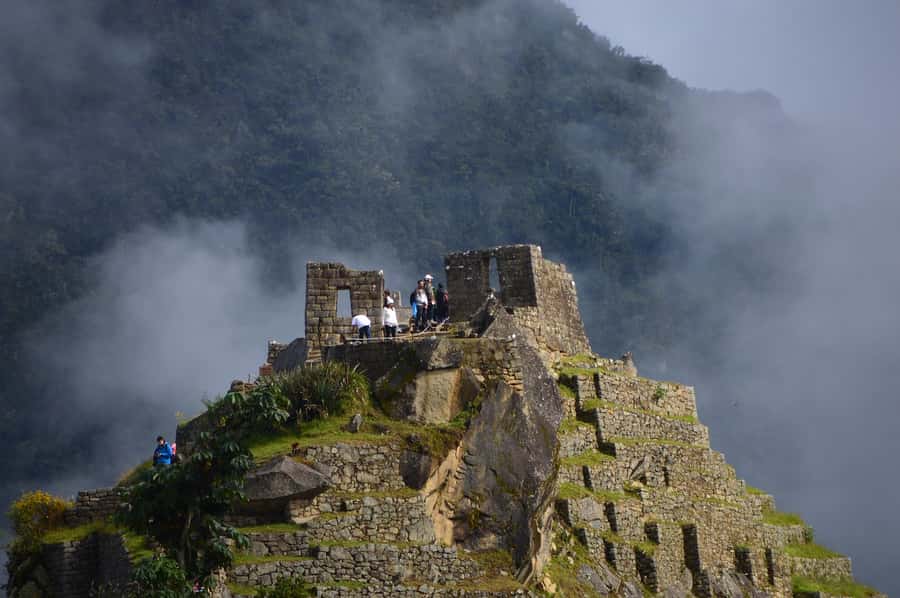
The guided visit lasts about three hours. You see major terraces, storehouses, temples, and palaces, with explanations from the guide rather than simply walking through on your own. This is where a patient guide makes a real difference. Oliver was specifically praised for patience and his explanations of the Inca period, while Herbert Vidal was singled out for answering questions in detail.
The guide can help you use your limited time wisely, but the itinerary does not promise a private visit or unlimited freedom to wander. Follow the group’s instructions and the site rules. Machu Picchu is the centerpiece of the trip, so expect the morning to feel structured.
You can add a hike to Huayna Picchu or Machu Picchu Mountain, but it costs extra and is not included. The tour details do not specify availability, hiking times, or booking conditions for those climbs. If one matters to you, ask before booking rather than assuming you can add it at the entrance.
Returning to Cusco by train and van
After Machu Picchu, you take the bus back to Aguas Calientes. Lunch is on your own, then you board the Expedition train for the return to Ollantaytambo.
From Ollantaytambo, a van takes you back to your Cusco hotel. Door-to-door service is included, which is useful after a full morning at Machu Picchu and a long return journey. The exact arrival time is not provided, so avoid scheduling an important evening commitment.
You are paying $698 per person. That is not the lowest-cost way to reach Machu Picchu, but the value depends on what you would otherwise need to arrange. The price covers Cusco pickup and return, transport throughout, the Sacred Valley entrance tickets, Ollantaytambo, Machu Picchu, round-trip buses, both train journeys, a three-star hotel, a buffet lunch, dinner, guides, taxes, and reservation charges.
For you, this is strongest as a convenience package. A self-arranged trip might cost less, especially if you choose simpler transport or skip some sites. But you would then manage several entrance tickets, the train, the hotel, buses, meals, and the return connection. The tour also puts a guide beside you at the ruins, which is valuable if you want context rather than a sequence of photo stops.
The booking is non-refundable, so check your dates carefully. Travel insurance is not included.
Who should book this two-day trip?
I would choose this tour if you have limited time in Cusco and want the Sacred Valley and Machu Picchu in one organized route. It suits you if you value a guide, included transport, and a clear plan more than independent control over every departure time.
It is also a good match if you want both archaeological sites and local commerce. Pisac Market, the textile center, and the salt pans add variety to the major ruins.
I would think twice if you dislike early mornings, packed schedules, group travel, or fixed train times. You may also prefer a longer itinerary if you want quiet time in Ollantaytambo, Aguas Calientes, or the Sacred Valley. The first day covers a lot of ground, and the second day centers on an early Machu Picchu visit before the return journey.
FAQ
How long is the tour?
The tour lasts two days and one night.
Where does pickup take place?
Pickup is available from your hotel, hostel, or Airbnb in Cusco. You need to provide your accommodation details and a contact number, WhatsApp account, or email after booking.
What languages does the guide speak?
Guiding is available in English and Spanish.
How large is the group?
The tour is a small-group experience limited to 16 participants.
Is accommodation included?
Yes. One night at a three-star hotel in Aguas Calientes is included.
Are meals included?
Day one includes a buffet lunch in Urubamba and dinner in Ollantaytambo. Other meals are not included, including lunch in Aguas Calientes on day two.
Are the train and bus tickets included?
Yes. The package includes round-trip travel on the Expedition train and the round-trip bus between Aguas Calientes and Machu Picchu.
Do I need my passport?
Yes. You must bring your original passport and show it at the Machu Picchu entrance checkpoint. Large bags and luggage are not allowed, so bring a daypack.
Should you book it?
Book this tour if you want an efficient, guided route through the Sacred Valley followed by an early Machu Picchu visit, with the major transport and entrance costs handled for you. The strongest reasons are the range of stops, the small group, and the detailed help available from guides such as Herbert Vidal, Alex, and Oliver.
Skip it if you want flexible train times, long visits at each site, or the lowest possible price. For most people with only two days, though, the package offers a sensible way to connect Cusco, the Sacred Valley, and Machu Picchu without having to piece the journey together yourself.
More Evening Experiences in Cusco
- Cusco by Night: Planetarium Cusco, Dinner, and Pisco Sour
★ 5.0 · 75 reviews - From Cusco: 2-Night Lake Titicaca Excursion
★ 3.7 · 62 reviews - Rainbow Mountain and Red Valley Hike – 2 Days / 1 Night
★ 5.0 · 41 reviews - Titicaca Lake 2 Day 1 Night from Cusco to Puno
★ 4.5 · 33 reviews
More Machu Picchu Days from Cusco
- From Cusco: Full-Day Group Tour of Machu Picchu
★ 4.7 · 1,767 reviews - Machu Picchu Day Trip from Cusco
★ 4.5 · 1,644 reviews - Machu Picchu: Full-Day Tour from Cusco with Optional Lunch
★ 4.6 · 927 reviews - Cusco: 4-Day Inca Trail to Machu Picchu with Accommodation
★ 4.8 · 432 reviews
Just added around Cusco
- Zipline over the Sacred Valley Trip★ 5.0 · 11 reviews
- Visit Pisac from Cusco: Private Transport★ 4.6 · 9 reviews
- Valle Sur Cusco | half day★ 4.3 · 3 reviews
- Transfer from Cusco to Ollantaytambo★ 5.0 · 30 reviews
- Exclusive Huayna Picchu Tour in 1 Day from Cusco★ 5.0 · 31 reviews
- Trek to Humantay Lake from Cusco★ 4.9 · 8 reviews
- Private Tour Sacred Valley, Chinchero, Maras Moray, Ollantaytambo★ 5.0 · 29 reviews
- 5 Day – Salkantay trek to Machu Picchu – Group Service★ 4.5 · 27 reviews
Machu Picchu Train Tours, compared.
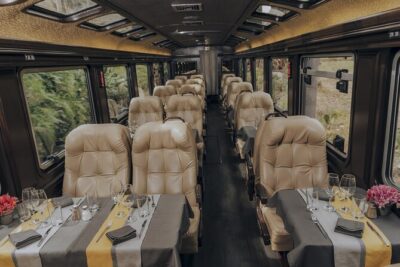
The First Class Machu Picchu Train by Inca Rail
Read our review →
2-Day Machu Picchu Tour by train from Cusco ( All included )
Read our review →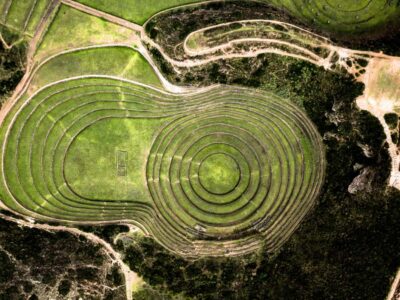
Sacred Valley & Machu Picchu 2-Day Tour by Train
Read our review →
Machu Picchu 2-Day Adventure by Train with Overnight Stay
Read our review →
2-Day Sacred Valley Machu Picchu by Train with Llama Experience
Read our review →Browse the lists this tour appears in