
Reviewed · OLLANTAYTAMBO FORTRESS TOURS
Super Sacred Valley with Transfer to Ollantaytambo
The day links four very different places: Inca terraces, salt ponds, a highland market, and the stone city of Ollantaytambo. I like the one-way route from Cusco to Ollantaytambo, since it can save you a separate transfer before a train or overnight stay. I also like the mix of archaeology and daily life, especially the Chinchero textiles and Maras salt production.
The main catch is that entrance fees are not included, and the day can lose its focus if too much time goes to craft shops. If you are carrying luggage to Ollantaytambo, confirm how it will be handled before departure. One recent booking involved bags taking up too much room in the vehicle, followed by an uncomfortable rush through the ruins.
Key points at a glance
- Four major stops in one day: Chinchero, Moray, Maras, and Ollantaytambo give you a broad look at the Sacred Valley.
- Chinchero sits at 3,780 meters: Take the morning slowly, especially if you have just arrived in Cusco.
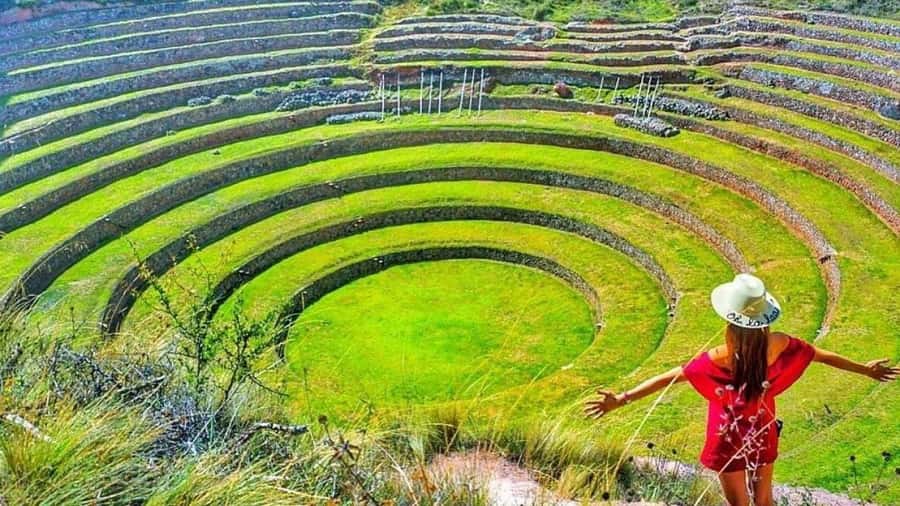
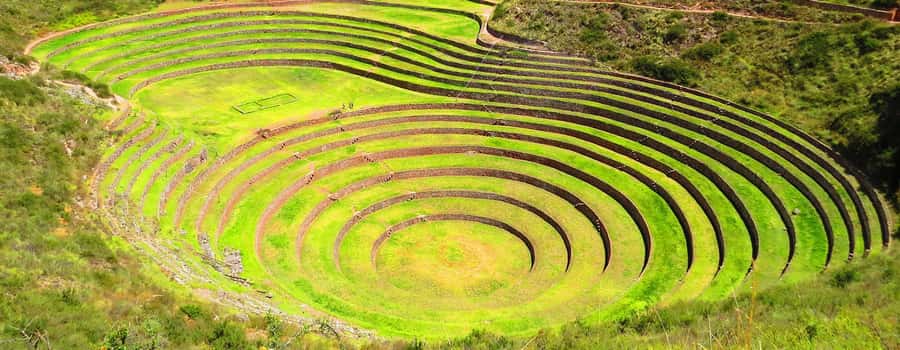
- Moray’s circular terraces are the visual highlight: Their unusual shape makes them unlike most Inca sites in Peru.
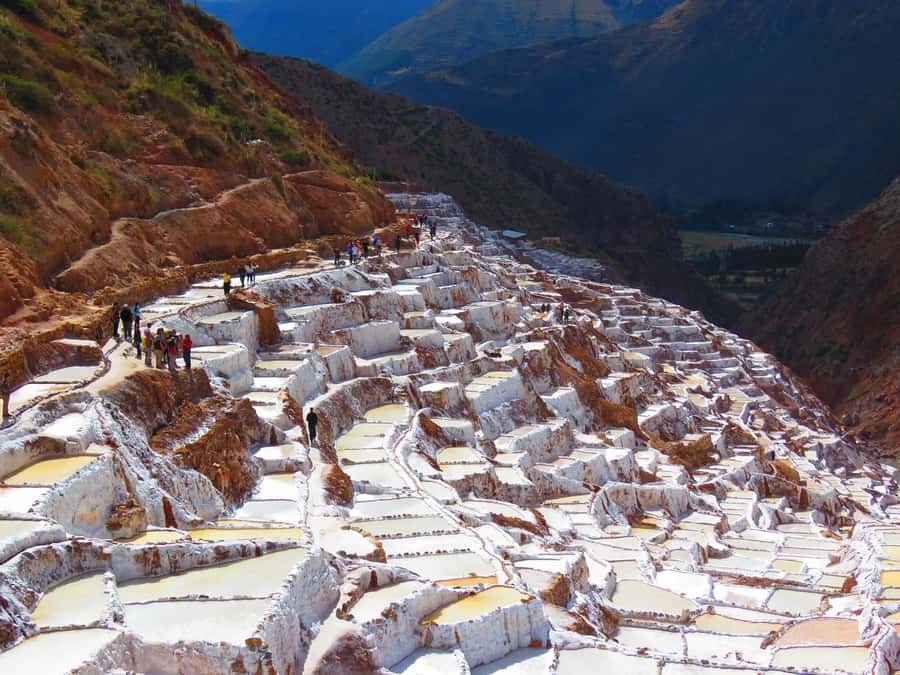
- Maras has more than 4,000 salt ponds: You see an active place of production, not only an archaeological site.
- Lunch is included in Urubamba: This makes the day easier, though the meal location and menu are not specified.
- The final drop-off is near Ollantaytambo station: Plan carefully if you have a train, hotel check-in, or large bags.
Why this Sacred Valley route makes sense
Many Sacred Valley outings return you to Cusco. This one moves in a useful direction, ending near Ollantaytambo rather than sending you back uphill. That makes the $35 price appealing if you already plan to continue by train or spend the night in Ollantaytambo.
You get transportation, hotel pickup in central Cusco, lunch, and guided visits to four well-known places. The price does not cover archaeological entrance fees or the separate entry to the Maras salt mines, so the real cost will be higher. Still, for a full day of transport across the valley, it can be good value if the route fits your plans.
The tradeoff is pace. Four stops plus lunch make for a packed day. You will see a lot, but you will not have unlimited time at each site. I would choose this outing for range and convenience, not for a slow, thoughtful visit to one ruin.
The guide speaks English or Spanish, depending on the group. The quality of the day depends heavily on how clearly the guide explains the sites and manages the schedule. A recent booking gave the guide top marks, while another had serious complaints about communication and time spent in souvenir shops. That contrast is worth keeping in mind when you decide how much flexibility you need.
More Ollantaytambo Visits from Cusco:
- Cusco: Sacred Valley, Pisac, Ollantaytambo, Salt Mines Moray
★ 4.6 · 1,058 reviews - Cusco:Chinchero,Moray & Salt Mines drop-off in Ollantaytambo
★ 4.8 · 793 reviews - Sacred Valley: Chinchero, Moray, Ollantaytambo & Pisac+Lunch
★ 4.8 · 501 reviews
Chinchero at 3,780 meters
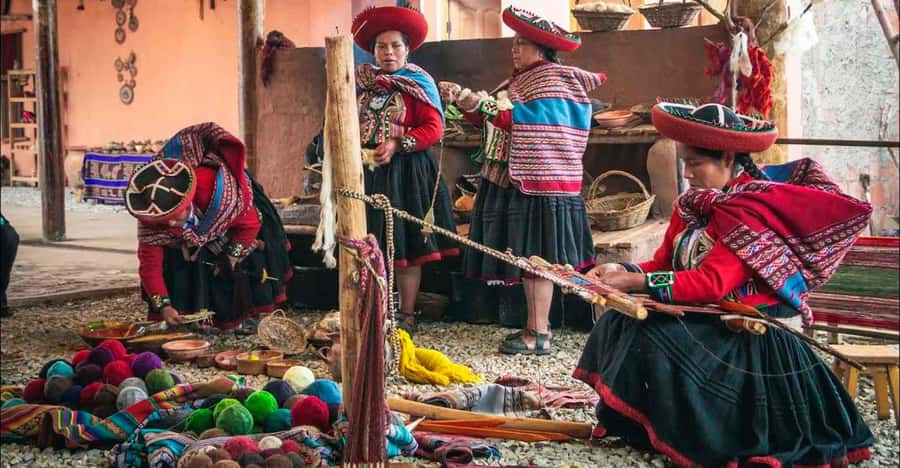
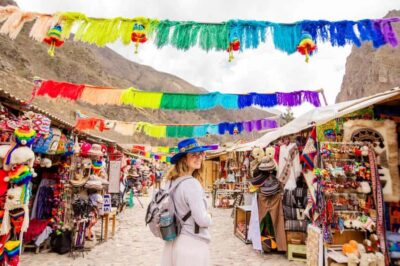
Chinchero is the first major stop and one of the most useful for understanding Andean life beyond grand ruins. The town sits high above sea level, with fields, mountain views, and a strong connection to weaving and exchange.
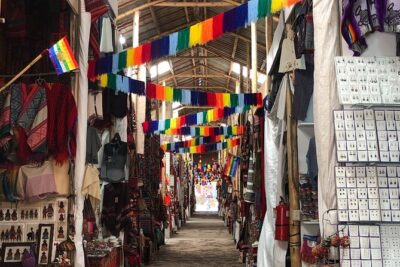
You visit the archaeological area, a 17th-century colonial church, and a market where Andean fabrics are sold and goods have traditionally been exchanged. The church contains canvases from the Cusco School, a local colonial art tradition that blended European religious painting with Andean settings and influences.
I like this stop because it gives you several layers in one place. You can look at Inca stonework, then step into a colonial church, then see the craft economy that still shapes the town. It is more varied than a stop that offers only walls and foundations.
The altitude matters. At 3,780 meters, Chinchero is higher than Cusco. You may feel the thin air if you have only just arrived in the region. Walk at an easy pace, drink water, and avoid treating the first stop like a race. The trip description does not specify how long you remain here, so expect the guide to keep the group moving.
The market can also be a mixed experience. It is a good place to look at colors, patterns, and handmade textiles, but shopping should not replace the archaeological visit. If you are not buying anything, stay engaged with the church and site rather than feeling pressured to browse.
Moray and its great circular terraces
Moray is one of the most unusual Inca sites in the Sacred Valley. Its broad, circular agricultural terraces descend into the earth in a series of rings. The shape is striking even if you have already seen several Inca walls and terraces during your time in Peru.
The site is described as an ancient agricultural research center. The exact purpose of Moray remains a subject of interpretation, but its design clearly shows careful control of growing conditions. The terraces create different levels and exposures, making the site valuable for thinking about how Andean people adapted farming to difficult mountain conditions.
This is a place where your guide matters. A quick photo stop can leave you with a memorable pattern but little understanding. A good explanation should connect the terraces to food production, altitude, and the practical demands of farming in the Andes.
Moray is also a useful contrast with Chinchero. Chinchero feels like a living town with a market and church. Moray is more focused and architectural. You are looking at a large human-made form set among open fields and high mountains, not wandering through a town.
The outing does not provide a detailed schedule, so you should not assume a long walk or extended time at the site. Wear comfortable shoes and expect outdoor touring. The route covers several stops in one day, which means Moray is likely one part of a moving schedule rather than a private, unhurried visit.
Maras and the 4,000 salt ponds
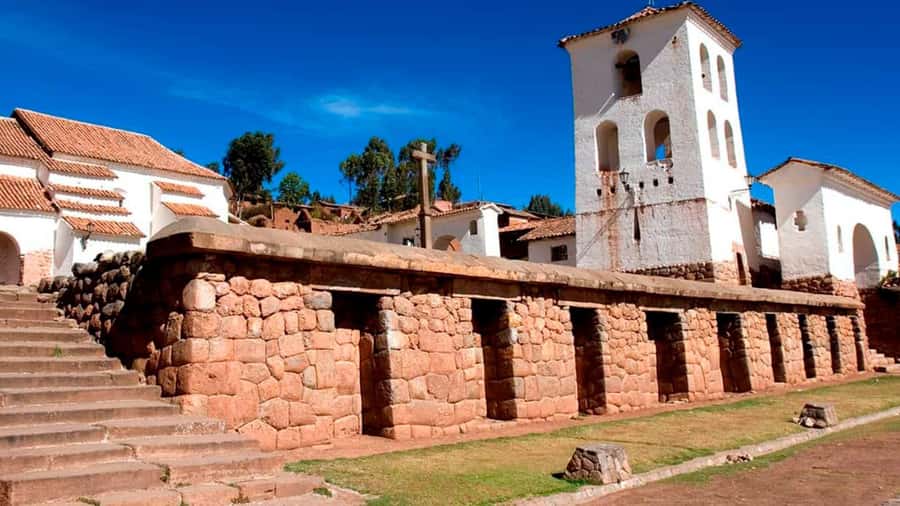
The Maras salt mines add something different again. More than 4,000 small ponds cover the slope, fed by salty water that evaporates and leaves salt behind. From a distance, the ponds form a pale, patterned patch on the mountain.
This is still a working production site, not simply an abandoned Inca monument. That makes the stop useful for seeing how local resources support food production and household economies. The salt is valued in cooking, and the scale of the ponds helps you understand why Maras is such an important local place.
The entry fee is separate, so budget for it in addition to the tour price. The supplied information does not give the amount, so check the current charge before you go. You will also want to listen for instructions about where you may walk and how close you may get to the ponds.
Maras is one of the spots where time management matters. It is easy to spend a long while taking photographs because the patterns change with the light and the angle. Yet the tour still has to reach Urubamba for lunch and Ollantaytambo later in the day.
If shopping is included along the route, keep your priorities clear. One low-rated booking reported spending more time in souvenir shops than at the main sights. That does not prove every departure follows the same pattern, but it is a sensible reason to ask the guide at the start how much time is planned for shopping.
More Sacred Valley Days from Cusco:
- From Cusco: Sacred Valley & Maras Salt Mines Tour with Lunch
★ 4.8 · 2,227 reviews - Sacred Valley: Maras & Moray by Quad Bike from Cusco
★ 4.6 · 418 reviews - From Cusco: 2-Day Trip to the Sacred Valley and Machu Picchu
★ 4.6 · 265 reviews - Cusco:Sacred Valley Pisaq,Ollantaytambo,Chinchero with Lunch
★ 4.8 · 183 reviews
Lunch in Urubamba
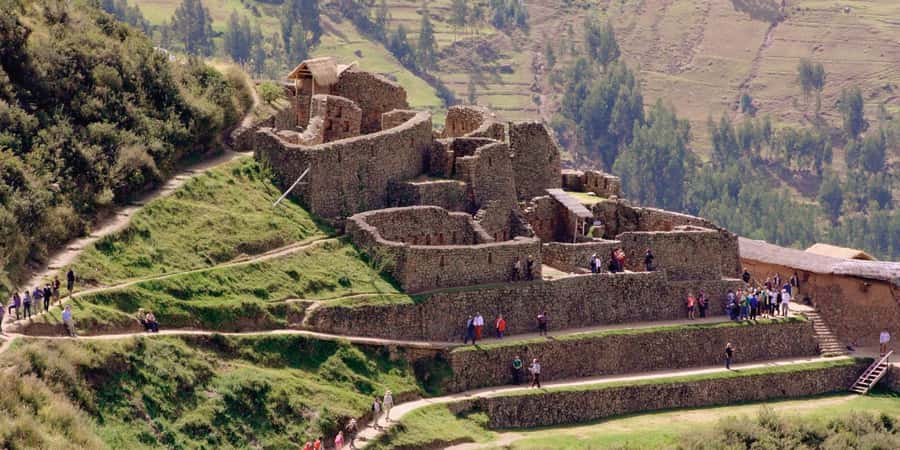
Urubamba is the valley stop for lunch. A meal at a typical restaurant is included, and you are meant to sample regional flavors before continuing to Ollantaytambo.
This break has practical value. A full day at altitude is tiring, and stopping for a proper meal gives you time to sit down rather than eating hurriedly between ruins. The menu, restaurant name, and dietary options are not provided, so contact the operator directly if you need a specific diet or want to know what is served.
The setting also helps break up the route. Chinchero, Moray, and Maras are all connected to highland agriculture and production, while Urubamba gives you a pause in the valley before the final historic town. I would treat lunch as part of the day’s rhythm rather than the main reason to book.
Remember that lunch is included, but entrance tickets are not. The low headline price should not lead you to assume every expense is covered.
Entering Ollantaytambo, the final stop
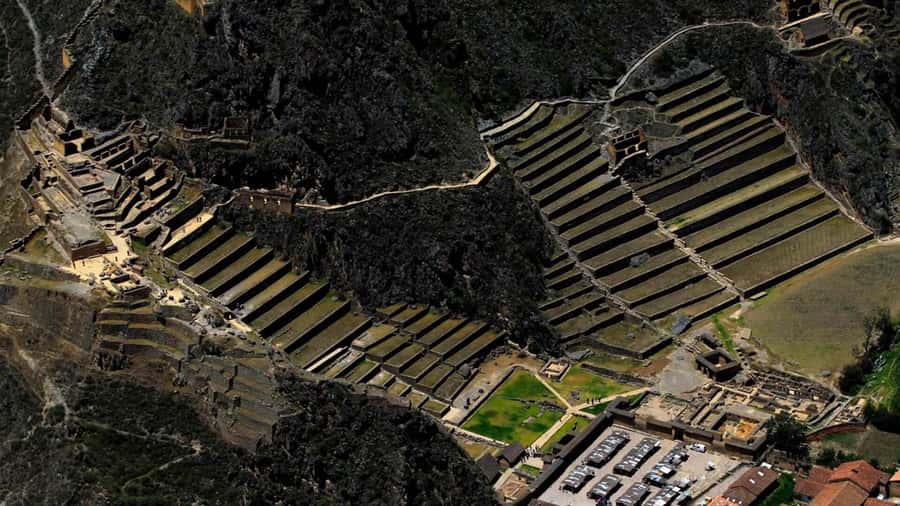
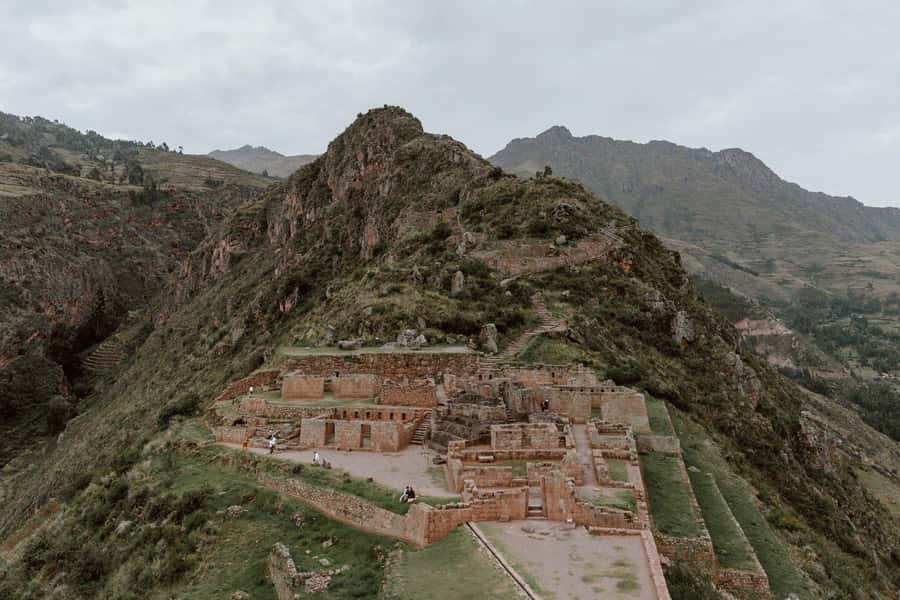
Ollantaytambo is the grand finish. The town is often called a living Inca city because its street plan and stone construction remain tied to the original settlement. Above it sits a major Inca fortress with military, religious, and administrative importance.
This final stop has a different feel from Moray. Instead of studying one unusual structure, you move through a town and its monumental upper site. The setting shows why Ollantaytambo mattered: the valley route could be watched and controlled from here, while the stone terraces and buildings made the settlement a major center.
The transfer arrangement is the strongest practical feature of the outing, but also the part that needs the most care. You are dropped near the Ollantaytambo train station, not necessarily at your hotel or directly on the train platform. If you have a departure, leave yourself enough time to collect bags, find the station, and orient yourself.
Large luggage is a real concern. A recent booking described a vehicle with insufficient room for bags. At Ollantaytambo, the guide reportedly asked the group to take everything out and continue quickly into the ruins. Carrying a suitcase over uneven ground while trying to keep up is no way to enjoy the site.
If you plan to join this tour with luggage, ask the operator in advance:
- Is a suitcase allowed in the vehicle?
- Will the bags remain with the vehicle during the ruins visit?
- Where exactly will the group finish near the station?
- Can you leave the tour after drop-off without rushing?
The information provided does not give a luggage policy, so do not assume your bags will be stored safely or that the group can wait. For many people, the best solution is to leave large luggage at a Cusco hotel or arrange a clear transfer plan before departure.
How the $35 price measures up
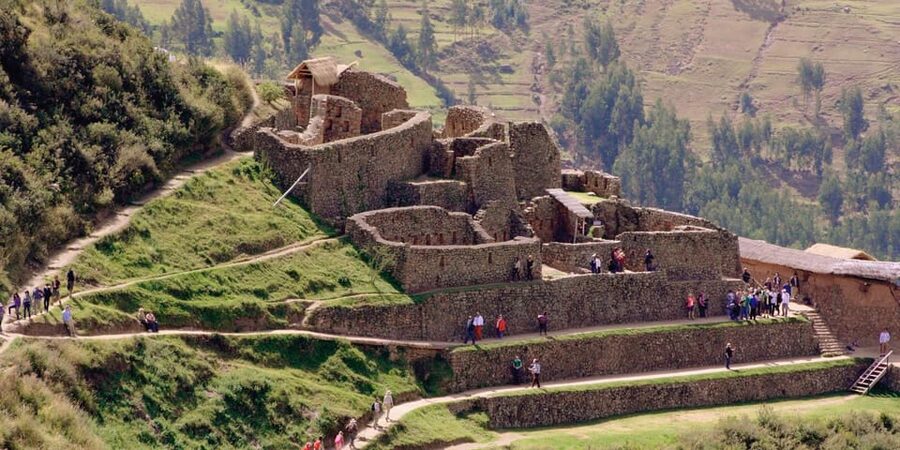
At $35 per person, this is an inexpensive way to connect Cusco with the Sacred Valley and Ollantaytambo. You receive central hotel pickup, transport, a guide in English or Spanish, lunch, and visits to four major stops.
The value is strongest when you need the one-way transfer anyway. Paying separately for transport to the valley, transport between the sites, lunch, and onward travel could cost more and take more planning. The tour bundles the route into one day.
The value is weaker if you already have private transport or want long visits at each location. A private vehicle would give you more control over timing, shopping stops, meal choices, and luggage. This group outing is built for efficiency, and low-cost efficiency always involves some compromise.
Add the entrance costs before deciding. The archaeological sites require separate entry fees, and Maras has its own admission. Since the exact amounts can change and are not provided here, check them before booking. The $35 figure is the tour service, not the full cost of seeing every listed site.
The current rating is 3.1 out of 5 from four ratings. One verified booking from September 2025 gave the guide full marks, while a September 2024 booking reported missed contact at the start, a delayed connection to the group, excessive souvenir-shop time, and problems with luggage at the end. The small number of ratings means I would not treat the score as a final verdict, but the practical warnings are worth taking seriously.
Who should book this outing
I would recommend it to you if you want to cover the main Sacred Valley sights in one day and continue to Ollantaytambo afterward. It suits a first visit when you value transport and range more than a slow schedule.
It also works well if you want both famous archaeological sites and ordinary local life. Chinchero provides the market and colonial church, Maras shows salt production, and Urubamba adds a meal break in the valley. You get more context than you would from visiting Ollantaytambo alone.
You may want another option if you dislike group schedules, need guaranteed luggage space, or want to spend serious time at each ruin. It is also less appealing if you are sensitive to altitude and have not allowed time to adjust in Cusco, since Chinchero is high and the day includes several stops.
For the best chance of a smooth outing, confirm four things before paying: the pickup point, the entrance costs, the expected shopping stops, and the luggage plan. Also make sure your train or hotel plans allow flexibility after the final drop-off.
Should you book the Super Sacred Valley route?
Book it if the Cusco to Ollantaytambo transfer is as important to you as the sightseeing. The route is smart, the price is low, lunch is included, and the four stops cover a good range of Sacred Valley culture, engineering, food production, and history.
I would be more cautious if you are carrying a large suitcase or have a tight train connection. In that case, get written confirmation about luggage and drop-off details, or choose a private transfer with sightseeing. With those questions settled, this can be a practical introduction to the valley. Without them, the day may feel rushed at exactly the wrong moments.
FAQ
Where does the tour begin?
Pickup is provided from hotels in the city center of Cusco.
Which places are visited?
The route visits Chinchero, Moray, the Maras salt mines, and Ollantaytambo.
Is lunch included?
Yes. Lunch is provided at a typical restaurant in Urubamba.
Are entrance fees included?
No. Entrance fees to the archaeological sites and admission to the Maras salt mines are not included.
Where does the tour end?
The tour ends with drop-off near the Ollantaytambo train station.
What languages are available?
The live guide speaks English or Spanish.
Just added around Cusco
- Zipline over the Sacred Valley Trip★ 5.0 · 11 reviews
- Valle Sur Cusco | half day★ 4.3 · 3 reviews
- Visit Pisac from Cusco: Private Transport★ 4.6 · 9 reviews
- Exclusive Huayna Picchu Tour in 1 Day from Cusco★ 5.0 · 31 reviews
- Trek to Humantay Lake from Cusco★ 4.9 · 8 reviews
- Transfer from Cusco to Ollantaytambo★ 5.0 · 30 reviews
- Private Tour Sacred Valley, Chinchero, Maras Moray, Ollantaytambo★ 5.0 · 29 reviews
- 5 Day – Salkantay trek to Machu Picchu – Group Service★ 4.5 · 27 reviews
Ollantaytambo Fortress Tours, compared.
Sacred Valley, Pisac, Ollantaytambo, Salt Mines Moray
Read our review →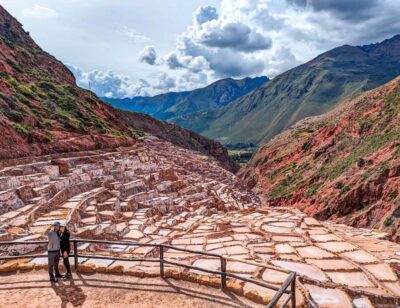
Chinchero,Moray & Salt Mines drop-off in Ollantaytambo
Read our review →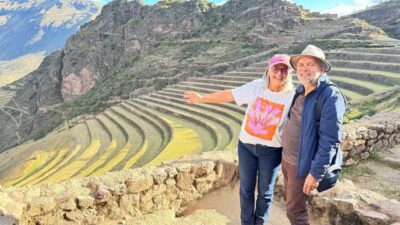
Pisac Indian Market and Ollantaytambo Fortress with Lunch
Read our review →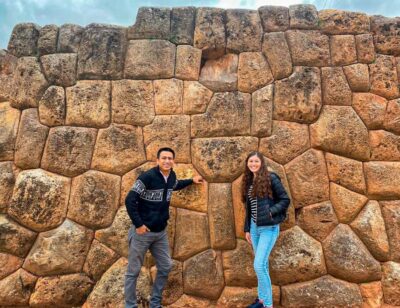
Sacred Valley Pisaq,Ollantaytambo,Chinchero with Lunch
Read our review →
Full-Day Excursion to Sacred Valley, Pisac and Ollantaytambo from Cusco
Read our review →
Sacred Valley Full-Day Private Tour from Urubamba & Ollantaytambo
Read our review →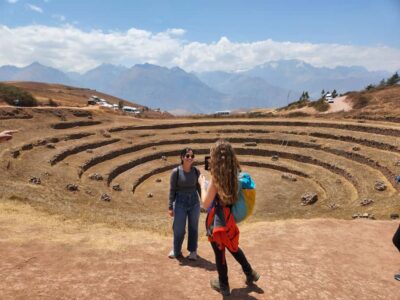
Browse the lists this tour appears in