
Reviewed · INCA TRAIL TREKS TO MACHU PICCHU
7-Day: Inca Trail Trek to Machu Picchu Group Tour
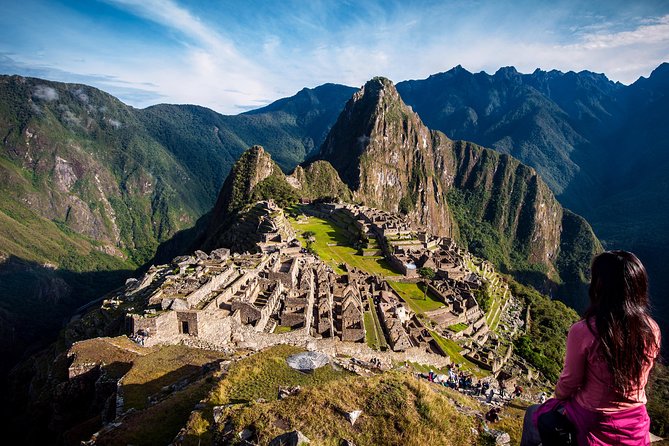
The best part of this seven-day trip is the classic Inca Trail arrival at Machu Picchu. You do not simply ride to the ruins. You reach them on foot through the Sun Gate, after passing stone terraces, cloud forest, high mountain passes, and old Inca settlements. The reward comes early on Day 6, when Machu Picchu appears below Intipunku.
I like that the hard-to-arrange pieces are bundled together: trail permits, camps, cooks, porters, meals, trains, buses, and airport transfers. I also like the small maximum group of 16, plus the free Cusco days that give you time to adjust to the altitude before walking.
The catch is simple: this is a serious trek, not a sightseeing stroll. You’ll climb to 4,200 meters, sleep in tents in cold conditions, carry your personal belongings, and start the first trail day at 4:30 a.m. The price is fair for what is included, but the non-refundable policy means you need to be sure before paying.
Key points to know before you book
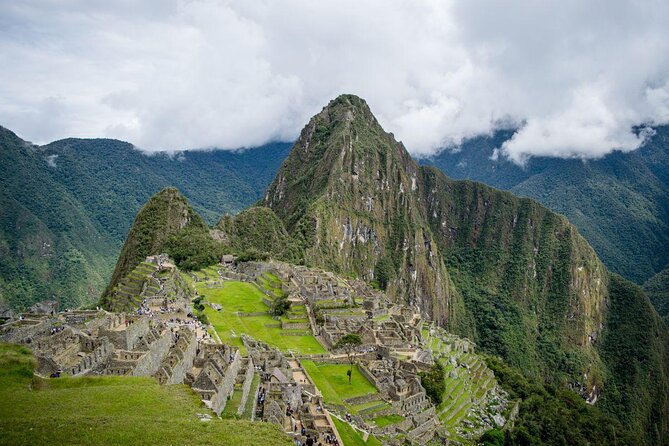
- Sunrise at the Sun Gate: Reach Intipunku before sunrise for your first view of Machu Picchu from the original trail.
- 4,200-meter high point: Dead Woman’s Pass is the trek’s biggest physical test, with a long, steep climb.
- Three nights under canvas: Tents, foam sleeping mats, a dining tent, a cook, water, and porter support are included.
- A real acclimatization window: Two nights in Cusco come before the hike, with the second day free.
- A group capped at 16: The trip remains small enough for a guide to keep track of the walking pace.
- Bring or rent your own extras: Sleeping bags, inflatable mats, walking sticks, and personal porter service cost extra.
Why the Inca Trail route is worth the effort
The Inca Trail is valuable because the route itself is part of the destination. You walk through an old ceremonial and royal path rather than arriving at Machu Picchu by train alone. The trail also gives you several distinct Andean settings in a few days: river valley, dry mountain slopes, high passes, cloud forest, and stone ruins.
This is a regulated route with limited access. At Piscacucho, also called Kilometer 82, you’ll show your passport and trail documents at the control point. That restriction can make planning more demanding, but it protects the route from becoming an ordinary crowded footpath.
You’ll need a strong level of fitness. The numbers tell the story: the trail begins at about 2,720 meters, rises to 4,200 meters at Dead Woman’s Pass, then drops toward the warmer forest around Wiñay Wayna. The challenge is not only distance. It is the repeated combination of altitude, stone steps, steep climbs, and early starts.
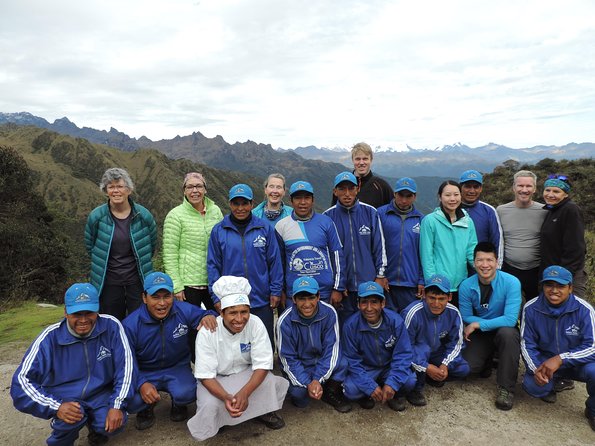
The tour includes a professional guide, an assistant guide for groups of nine or more, a first aid kit, and oxygen bottles. Those supplies do not remove the physical demands, but they are sensible support for a high-altitude route.
More Inca Trail Departures from Cusco:
- Cusco: 4-Day Inca Trail to Machu Picchu with Accommodation
★ 4.8 · 432 reviews - Cusco: Machu Picchu 2-Day Inca Trail with Panoramic Train
★ 4.9 · 260 reviews - From Cusco: 2-Day Inca Trail to Machu Picchu
★ 4.2 · 244 reviews
Days 1 and 2 in Cusco: useful time before the trail
Your airport pickup begins the trip without much fuss. You are transferred from Alejandro Velasco Astete International Airport to your Cusco hotel, then attend a welcome meeting and short briefing with the guide.
Cusco sits high in the Andes and deserves more than a quick overnight stop. The first day is deliberately light, leaving you free to visit Spanish churches, colonial mansions, and surviving Inca walls. You can also use the time to sample Peruvian food or simply rest after your flight.
Day 2 is another free day in Cusco. This is one of the smartest features of the schedule. You can walk around the old city at an easy pace, organize your gear, and give your body time to adjust before the trek.
Do not treat this as wasted time. At altitude, a relaxed day can matter more than squeezing in another attraction. You should also use it to check that your personal belongings are manageable, since you are responsible for carrying them unless you pay for extra personal porter service.
Day 3: Piscacucho, Huillca Raccay, and Wayllabamba
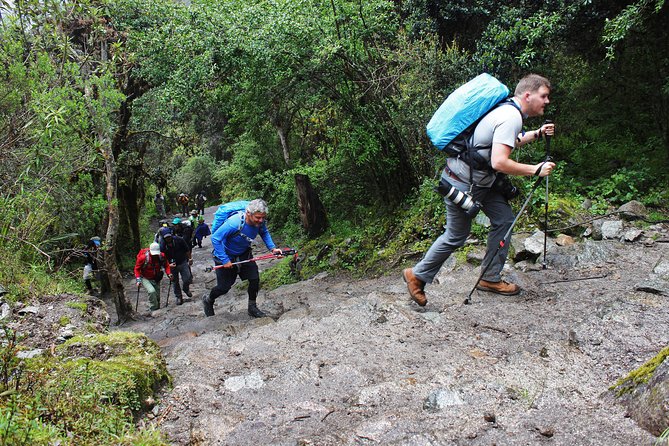
The first trekking morning starts at 4:30 a.m. You travel by bus to Kilometer 82 and complete the official trail check-in at Piscacucho. This is your last easy chance to use a restroom, apply sunscreen, and put on insect repellent before the trail settles into its rhythm.
The route begins near the Vilcanota River, with the river on your right as you walk into the Inca Valley. The opening day takes about five to six hours, depending on the section and pace, and reaches Huillca Raccay before continuing toward Wayllabamba.
This first stretch is a good introduction because it is not yet the hardest day. You have time to notice the mountains and the changing vegetation instead of spending every minute fighting the climb. The Urubamba range comes into view, along with Veronica, a snow-capped peak rising to about 5,860 meters.
Camp is near Wayllabamba at roughly 3,000 meters. Night temperatures can fall to about 5°C, depending on the month. The outfitter provides a four-person tent for every two people, foam sleeping mats, a dining tent with tables and chairs, water, and a professional cook.
The included meals are a real part of the value. You receive three dinners, five breakfasts, and three lunches across the trip, though your first breakfast and final lunch along the trail are not included. Plan for those gaps rather than assuming every meal is covered.
Day 4: the hard climb to Dead Woman’s Pass
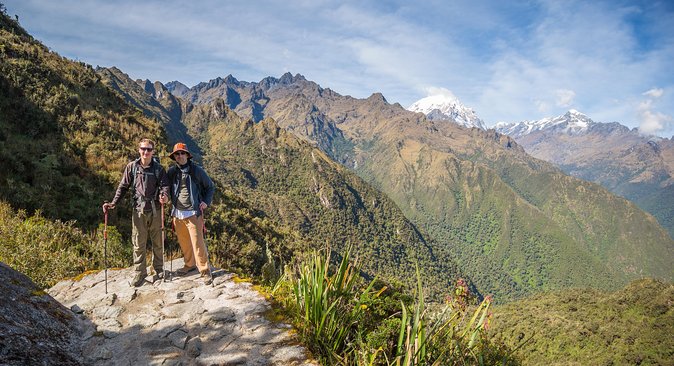
Day 4 is the day that determines how much you enjoy the rest of the trek. Breakfast comes early, and the climb toward Abra de Warrmihuañusca, better known as Dead Woman’s Pass, begins around 5:30 a.m.
At 4,200 meters, this is the highest point of the route. The ascent takes about four hours, and the combination of thin air and steep ground can make the distance feel longer than it looks. You should keep a steady pace, take sensible breaks, and avoid treating the climb as a race.
Reaching the pass is a genuine milestone. The name sounds dramatic, but the real issue is altitude, not technical climbing. You do not need mountaineering skills from the information provided, but you do need strong fitness and the ability to walk for several hours on uneven ground.
After the pass, you descend toward Pacaymayu at about 3,550 meters for lunch. The route brings sightings of hummingbirds and other bird species, along with native plants such as polylepis trees, which grow in the high cloud forest.
The day does not finish at lunch. A further climb of about two hours leads to Runkurakay Pass, near 4,000 meters, with camp set up by about 5 p.m. Night temperatures here can fall to roughly 4°C. A warm sleeping bag is not included, so renting or bringing one is essential for comfort.
More Machu Picchu Days from Cusco:
- From Cusco: Full-Day Group Tour of Machu Picchu
★ 4.7 · 1,767 reviews - Machu Picchu Day Trip from Cusco
★ 4.5 · 1,644 reviews - Machu Picchu: Full-Day Tour from Cusco with Optional Lunch
★ 4.6 · 927 reviews - From Cusco: 2-Day Trip to the Sacred Valley and Machu Picchu
★ 4.6 · 265 reviews
Day 5: Phuyupatamarca and Wiñay Wayna
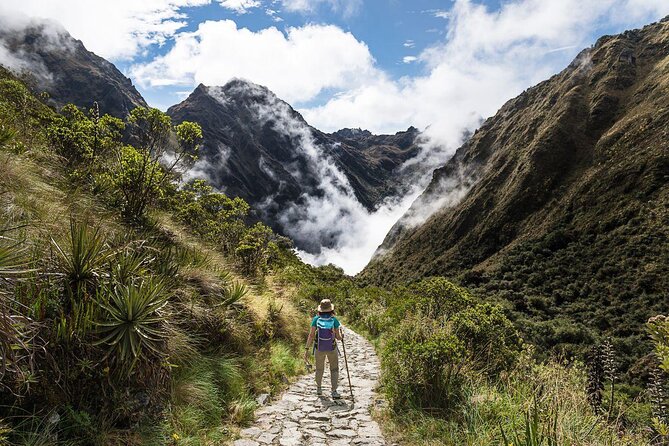
After the previous day’s effort, Day 5 changes character. The route reaches Phuyupatamarca, or Town in the Clouds, at about 3,680 meters. From here, you look across mountains and deep valleys, with the trail passing through striking high-altitude scenery.
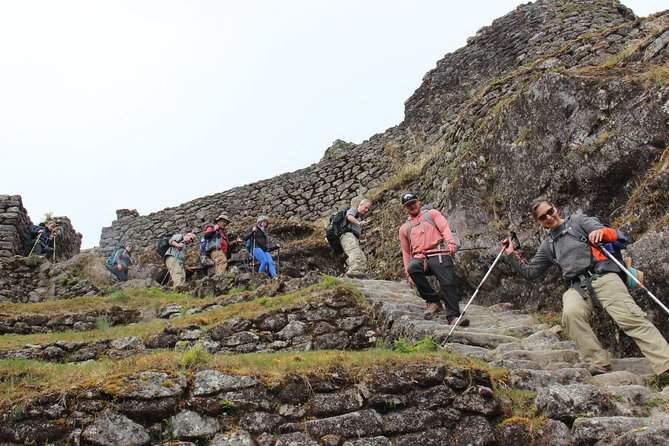
The planned distance is about 10 kilometers, taking roughly five hours. That sounds manageable, but the trail includes many stone steps. One section includes about 3,000 steps as you descend through cloud forest toward Intipata.
Phuyupatamarca is special because the ruins are woven into the route rather than treated as a separate stop reached by vehicle. You can see how the Incas placed settlements and terraces along a demanding mountain path. The changing vegetation also gives the day a welcome sense of movement, from colder high ground toward the warmer forest.
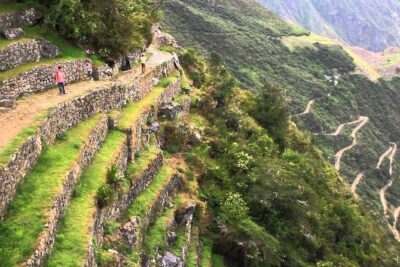
Camp at Wiñay Wayna sits at about 2,680 meters, and you should arrive around lunchtime. The nearby ruins of the same name are one of the trip’s major rewards. Wiñay Wayna means Forever Young, and its terraces and stonework offer an impressive final archaeological stop before Machu Picchu.
This is also your last night on the trail. Use it to organize your daypack, confirm what you need for the early start, and keep anything unnecessary packed away. Your personal items remain your responsibility throughout.
Day 6: Intipunku and the first view of Machu Picchu
The final trail morning begins early because the goal is Intipunku, the Sun Gate, before sunrise. The walk is about 5 kilometers and takes around two hours.
Arriving at Intipunku gives you a proper sense of arrival. Machu Picchu comes into view from the trail rather than appearing all at once after a bus ride. The citadel sits at about 2,400 meters, below the Sun Gate at approximately 2,730 meters.
After the first view, you continue to the classic photo area and take a guided tour of the archaeological site. You also receive about two hours to explore on your own or attempt either Machu Picchu Mountain or Huayna Picchu Mountain.
Here, pay close attention to the wording of your booking details. The provided information says you may make one of those mountain hikes, but it does not clearly state that the extra mountain entry is included. Ask the operator to confirm the permit before you count on it.
After Machu Picchu, you meet the guide in Aguas Calientes. You can get there by bus or on foot, then have lunch before beginning the return journey. The transport details need a quick confirmation: the inclusions specify a train from Aguas Calientes to Ollantaytambo followed by a bus to Cusco, while the day description refers to a first train to Poroy and then a bus. That may reflect a transport change, but you should verify the exact route and arrival point before departure.
Day 7: a gentle finish in Cusco
The final morning is free after breakfast. You then transfer to the airport for your flight home, typically via Lima.
This extra morning is helpful if your return flight is later in the day. It also keeps the trip from ending with a frantic race from the ruins to the airport. Still, check your flight time carefully, since the tour includes the transfer but does not state a guaranteed airport departure schedule.
What the $1,145 price really covers
At $1,145 per person, the cost is not just paying for a guide to walk beside you. It covers the difficult administration behind the Inca Trail: permits, accommodation, camp equipment, meals, cooking support, transportation, and airport transfers.
You receive:
- Airport pickup and drop-off
- Professional guide and assistant guide for groups of nine or more
- Bus to Kilometer 82
- Bus from Machu Picchu to Aguas Calientes
- Train to the return connection and bus to Cusco
- Water
- Camps, foam sleeping mats, dining tent, tables, and chairs
- Professional chef
- Porters for company equipment
- Oxygen and first aid supplies
- Three dinners, five breakfasts, and three lunches
The strongest value comes from the logistics. Securing limited trail access, camps, train tickets, and meals separately would take time and carries more risk. The price also includes support from cooks and porters, not only transport.
You still need to budget for a sleeping bag, inflatable mattress if preferred, walking sticks, first breakfast and final trail lunch, personal porter service, and meals not listed. A single supplement costs $180 for accommodation and tent space.
Who should book this trek?
You should consider it if you want the classic walking route into Machu Picchu and are comfortable with basic camping. The two Cusco days suit anyone who prefers a little breathing room before the strenuous section.
It is a good match for fit adults and children aged 10 or older who can handle long walks at altitude. The minimum age is 10, but age alone does not say much about readiness. Your own fitness, experience with uphill walking, and response to altitude matter more.
This is not the right choice if you want hotel comfort every night, flexible departure times, or a low-effort visit to Machu Picchu. You also need to accept a strict cancellation rule. The experience is non-refundable and cannot be changed for any reason. If the operator cancels because the minimum number is not reached, you are offered another date or experience, or a full refund.
Vegetarian meals are available if requested at booking. The group size is limited to 16, which should help keep the walking schedule manageable without turning the route into a private expedition.
Should you book the Valencia Travel Agency trek?
I would book this tour if your priority is the full Inca Trail experience, with the major practical details handled in advance. The route includes the moments you most want: Dead Woman’s Pass, Phuyupatamarca, Wiñay Wayna, and the sunrise approach through Intipunku.
Before paying, confirm three details: the exact return train route, whether a mountain entry at Machu Picchu is included, and what sleeping bag rentals cost. If you can manage the altitude, cold camps, early mornings, and non-refundable booking terms, $1,145 is a sensible price for seven days of transport, support, meals, and trail access.
FAQ
How long is the tour?
The experience lasts approximately seven days, beginning with airport pickup in Cusco and ending with an airport transfer after a free morning.
What time does the trek begin?
The meeting time for the first trekking day is 4:30 a.m.
What is the highest point on the trail?
Dead Woman’s Pass, or Abra de Warrmihuañusca, reaches about 4,200 meters.
How large is the group?
The maximum group size is 16 people.
What is the minimum age?
The minimum age is 10 years.
Are meals included?
Breakfast is included five times, lunch three times, and dinner three times. Your first breakfast and last lunch along the Inca Trail are not included, and other meals are included only when specifically stated.
Is camping equipment provided?
A four-person tent is provided for every two people, along with foam sleeping mattresses. Sleeping bags and inflatable mattresses are not included.
Can I request vegetarian food?
Yes. You should request the vegetarian option when booking.
Is the tour refundable if I cancel?
No. The experience is non-refundable and cannot be changed for any reason. If the operator cancels because the minimum number of participants is not reached, you are offered another date or experience, or a full refund.
More Hiking & Trekking in Cusco
- From Cusco: 7 Lakes Ausangate Trek with Breakfast and Lunch
★ 4.8 · 360 reviews - Cusco: Rainbow Mountain Tour and Red Valley Hike (Optional)
★ 4.7 · 149 reviews - Cusco: Full-Day Rainbow Mountain & Red Valley Trekking Tour
★ 4.5 · 121 reviews - Salkantay Trek Challenge – 3 Days / 2 Nights
★ 5.0 · 101 reviews
More 7-Day Experiences in Cusco
- 7 Day Exploration Tour from Cusco to Lima
★ 5.0 · 85 reviews - Cusco 7 days Tour in Machu Picchu, Humantay Lake and Vinicunca
★ 5.0 · 64 reviews - 7-Day Tour from Cusco with Machu Picchu and Rainbow Mountain
★ 5.0 · 56 reviews - 7-Day: Sacred Valley, MachuPichu, Rainbow Mountain, Humantay Lake
★ 5.0 · 53 reviews
Just added around Cusco
- Zipline over the Sacred Valley Trip★ 5.0 · 11 reviews
- Valle Sur Cusco | half day★ 4.3 · 3 reviews
- Visit Pisac from Cusco: Private Transport★ 4.6 · 9 reviews
- Transfer from Cusco to Ollantaytambo★ 5.0 · 30 reviews
- Exclusive Huayna Picchu Tour in 1 Day from Cusco★ 5.0 · 31 reviews
- Trek to Humantay Lake from Cusco★ 4.9 · 8 reviews
- Private Tour Sacred Valley, Chinchero, Maras Moray, Ollantaytambo★ 5.0 · 29 reviews
- 5 Day – Salkantay trek to Machu Picchu – Group Service★ 4.5 · 27 reviews
Inca Trail Treks to Machu Picchu, compared.
4-Day Inca Trail to Machu Picchu with Accommodation
Read our review →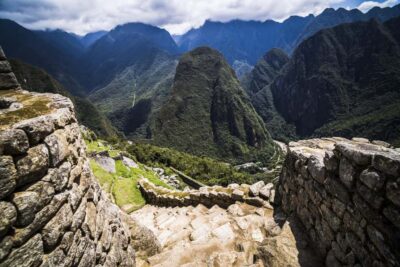
Short Inca trail to MachuPicchu || 2days – 1nigth ||
Read our review →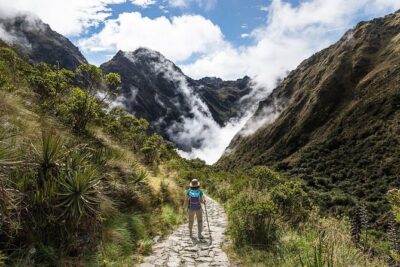
4 Day Inca Trail Trek to Machu Picchu Multi day tour
Read our review →
Browse the lists this tour appears in