
Reviewed · CUSCO PISCO SOUR CLASSES
Cusco: Historic Walking Tour with Pisco Sour and Music Show
Cusco’s past comes into focus on foot here, from the Cathedral and Company of Jesus to the 12 and 13 angled stones that still fit with startling precision. The walk continues uphill through San Blas, with city views, a luthier’s workshop, Andean music, and a drink to finish.
I like the small groups, limited to 10, and the way this tour mixes major sights with details you could easily miss alone. I also like the choice of a pisco sour or chicha morada, especially after a two-hour introduction to Cusco’s Inca and colonial layers.
The main thing to check is the tour’s value. It costs $10, but some guides operate a similar free walking tour model in the Plaza de Armas, where visitors pay a tip later. The itinerary can also change, and one music venue has occasionally been closed.
Key points to know before you book
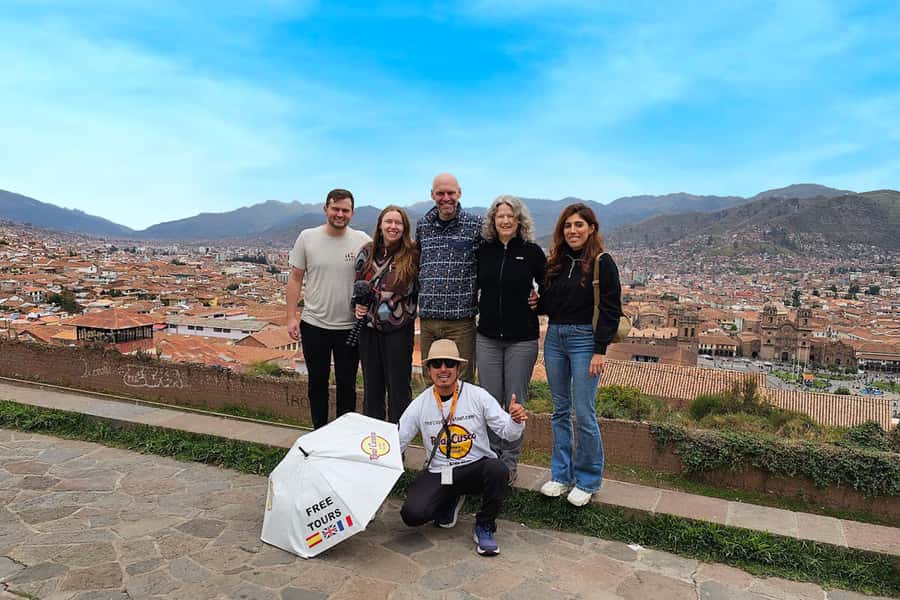
- Start at the Inca Fountain: Meet beside the fountain in the Plaza de Armas, where your guide holds a white umbrella.
- See Cusco’s main historic sights: The route includes the Cathedral, Company of Jesus, Qoricancha, Inca stonework, and San Blas.
- Expect hills and uneven streets: This is a walking tour for people who can manage Cusco’s slopes and cobbled surfaces.
- Small groups make questions easy: The maximum group size is 10, and some English tours have had only three people.
- The music stop can change: The luthier visit and Andean performance are planned highlights, but the music venue may sometimes be closed.
- Choose your final drink: End with either a pisco sour or non-alcoholic chicha morada.
A useful first walk through Cusco
This is a good way to get your bearings when you first arrive in Cusco. In two hours, you move through the city center, see several headline sights from outside, then climb toward San Blas for a different feel and wider views.
The tour works best as an introduction, not as a full archaeological visit. You will hear the story behind the Cathedral, Qoricancha, Inca walls, and colonial streets, but museum and monument entry fees are not included. If you want to go inside museums or paid attractions, you will need to arrange that separately.
The pace has earned strong praise. Guides such as Erick, Nilo, and Niki have led groups with a lively mix of history, practical tips, and conversation. One English-speaking group had only three people, which made the outing feel close to private. That is not guaranteed, but the 10-person limit gives you a reasonable chance to ask questions without shouting across a crowd.
More Pisco Sour Sessions in Cusco:
- Cusco by Night: Planetarium Cusco, Dinner, and Pisco Sour
★ 5.0 · 75 reviews - Pisco Sour Secrets: Hands-On Mixology in Historic Cusco
★ 4.5 · 50 reviews - Cusco: Legends and History Night Tour with Pisco Sour
★ 5.0 · 9 reviews
Meeting the guide in the Plaza de Armas
The meeting point is next to the Inca Fountain in Cusco’s Plaza de Armas. Look for the white umbrella. The location is central and easy to combine with other plans, but the square can be busy, so allow a little time to locate the guide.
Beginning here makes sense. The Plaza de Armas brings together the city’s main colonial churches, tourist streets, restaurants, and the remains of the Inca capital. Your guide can set up the basic story of Cusco before taking you into the streets.
The city sits at high altitude, and this route includes uphill walking. Even if you are fit, take the pace seriously on your first day. Short stops help, and a two-hour walk is much easier than trying to cover every sight at once. Still, anyone with a mobility impairment, wheelchair users, or very young babies should choose a different activity.
The Cathedral and Company of Jesus
The first section focuses on the grand buildings around the square. You see the Cathedral and the Company of Jesus, two major examples of Spanish colonial power in Cusco.
The value here is the contrast. These churches are not simply old buildings to photograph. They sit in the same center once occupied by the Inca capital, so your guide can explain how Spanish architecture was placed over an earlier political and religious center.
The tour does not include entry to museums or paid interiors. That keeps the base price low, but it also means you should not expect a detailed look inside the Cathedral. If church interiors matter to you, ask the guide what is open and what requires a separate ticket.
Qoricancha and the Sun Temple story
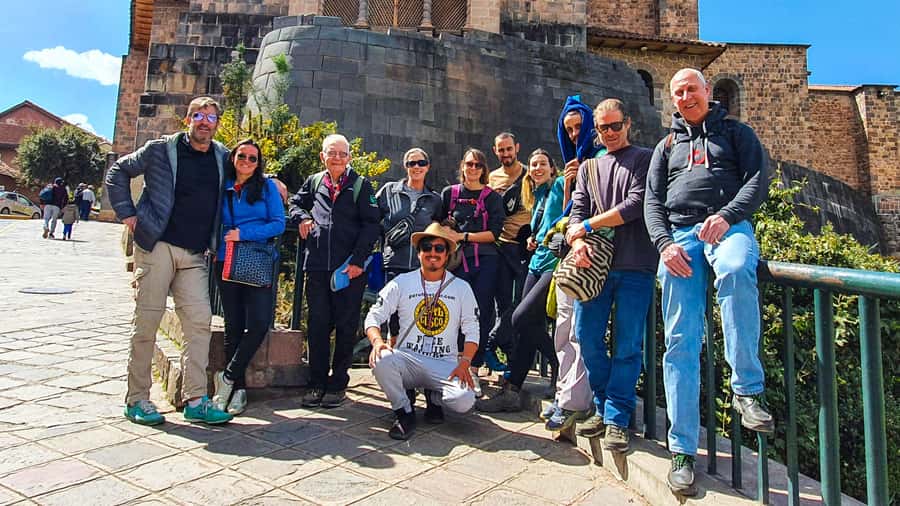
From the square, the walk reaches Qoricancha, commonly known as the Sun Temple. This is one of Cusco’s most important sights because it shows how Inca construction and Spanish colonial building exist side by side.
From the outside, you can appreciate the heavy stone base and the later church built above it. The guide’s explanation is the main attraction on this stop. You learn why Qoricancha mattered and how the site fits into the larger story of Inca religion and Spanish conquest.
Again, admission is optional and not included. That makes this route useful for two kinds of people. You can join for the city walk and decide later if you want to pay for interior visits, or you can use the tour’s explanation as a preview before returning on your own.
A few more Cusco days worth weighing up
- Cusco: Folkloric Andean Show & 3-Course Dinner at Tunupa
★ 4.2 · 205 reviews
Inca stones, angled joints, and the Andean Trilogy
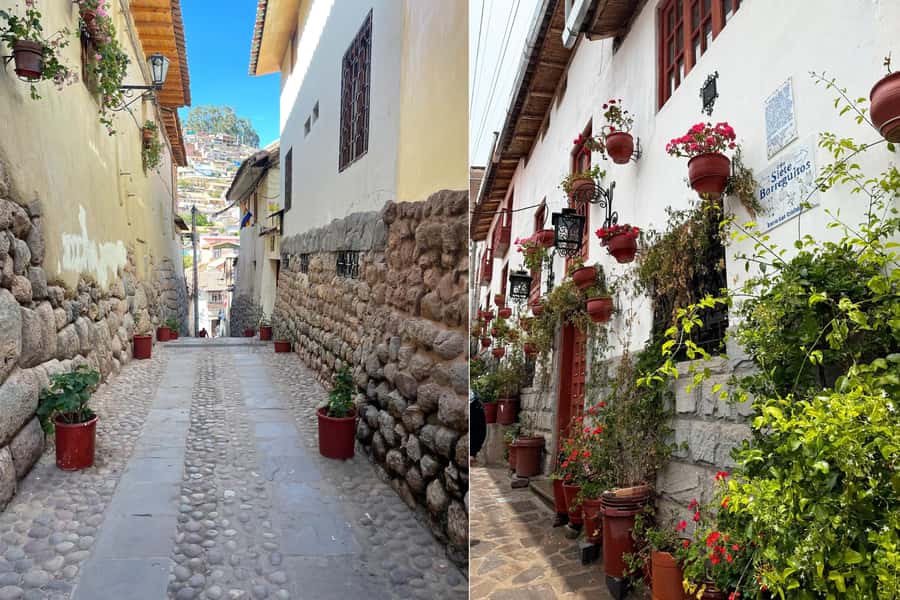
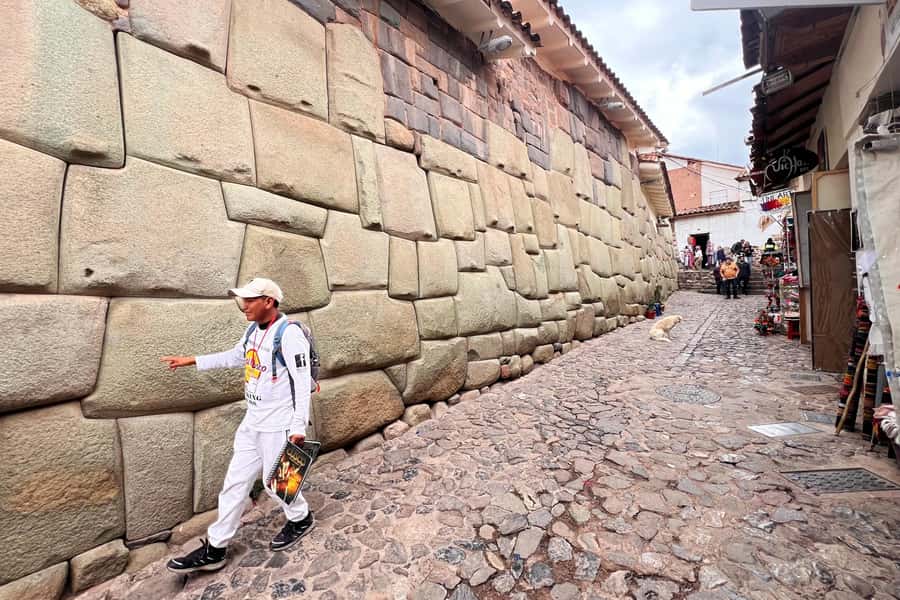
The walk then turns to some of Cusco’s most memorable street-level details. The famous 12 and 13 angled stones show the careful stonework that made Inca walls so durable. The stones fit tightly, without the broad mortar lines you see in much colonial construction.
You also learn about the Andean Trilogy: the condor, puma, and snake. These three animals represent different parts of the Andean view of life and appear in carved forms on an Inca wall. The appeal of this stop is its scale. You do not need a long museum visit to notice it, but a guide helps you see why the carving matters.
The route also points out one of Cusco’s most beautiful balconies. This kind of detail is where a walking tour earns its place. You can pass a wall or balcony several times without knowing its story, while a local guide can connect it to the city around you.
San Blas, with slopes and fine views
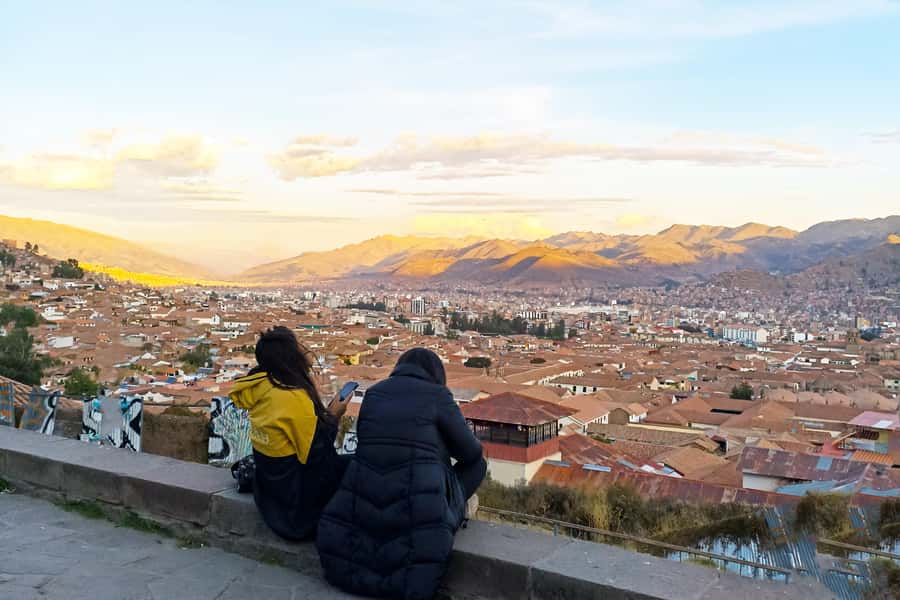
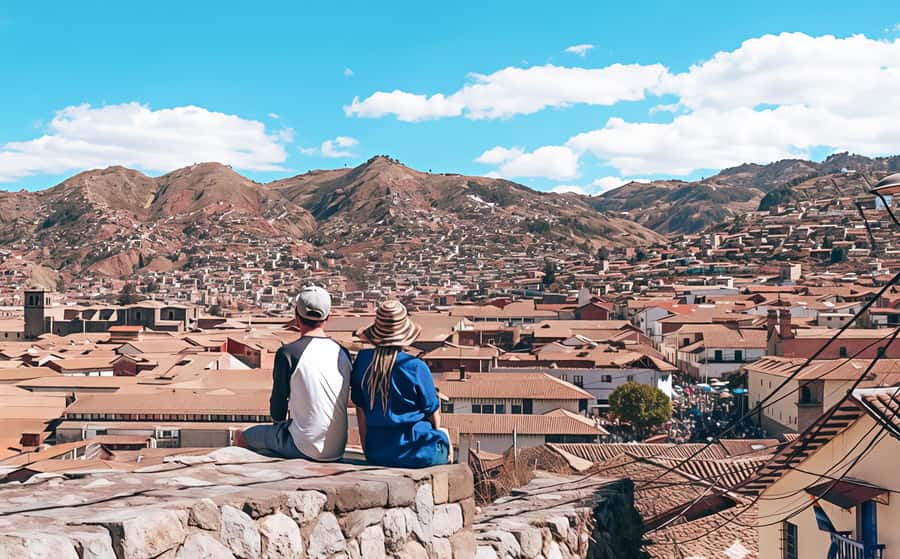
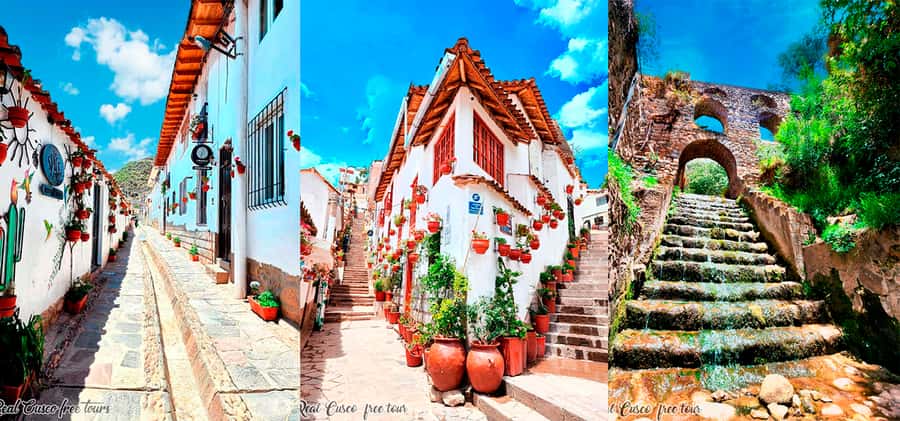
The walk continues into San Blas, one of Cusco’s most picturesque neighborhoods. Its narrow streets, steep sections, old walls, and views give you a different sense of the city than the formal Plaza de Armas.
San Blas is also the part of the route where footwear matters. Cobblestones and slopes can be awkward, especially after rain or if you are still adjusting to the altitude. Comfortable shoes are more useful than stylish ones here.
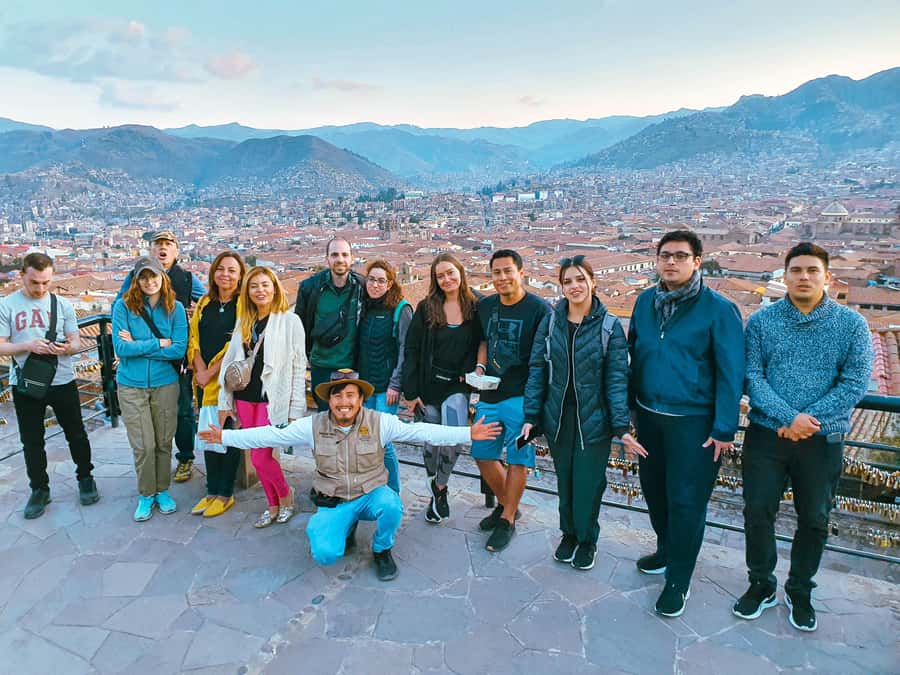
The views are a real reward. One group particularly enjoyed the sunset viewpoint, so a late afternoon departure can add attractive light if the schedule matches. Starting times vary, and you need to check availability for the date you want. The guide can also point out streets and corners that are easy to miss when you are focused only on the best-known sights.
One highlight is 7 Borreguitos Street, known for being among the city’s most photogenic streets. It is a good place for pictures, but do not expect a long stop with extensive facilities. The charm is the street itself, along with the climb and the view.
The luthier workshop and Andean music
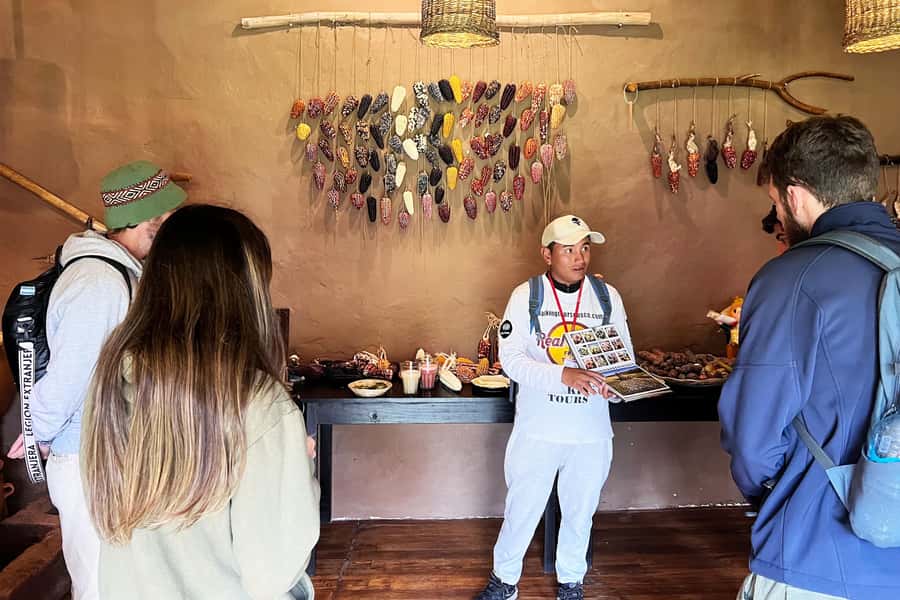
The visit to a luthier adds something different to the walk. A luthier makes and repairs musical instruments, and this stop gives you a look at a living craft rather than another church or stone wall.
That matters because Cusco’s culture is not only found in monuments. Music, woodwork, and local performance remain part of the city’s daily identity. The workshop also helps prepare you for the Andean music show that follows.
There is one important limitation. The planned music vendor or venue has sometimes been closed. When that happens, the guide may suggest another local dance or music show for later. One visitor followed that advice and enjoyed the replacement performance, but you should book this tour for the full walk rather than for a guaranteed concert.
When the music stop runs as planned, it gives the itinerary a welcome change of pace. You have spent much of the walk looking at walls and buildings. Hearing Andean instruments and seeing a performance makes the cultural side more immediate.
Manco Capac and the end of the route
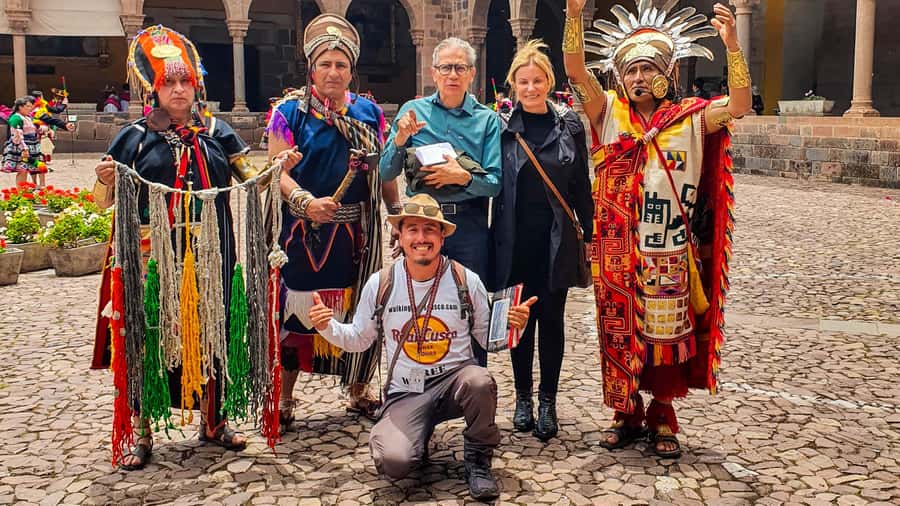
The final sightseeing stop is the Temple of the First Inca Ruler, Manco Capac. The site connects the route to the early story of Cusco and the founding traditions surrounding the first Inca ruler.
This is a useful ending because it returns the focus to Inca origins after the colonial churches and urban streets. Your guide can tie together the main themes: the first Inca rulers, the religious role of Qoricancha, Spanish rule, and the present-day city.
The tour then finishes with a drink. You can choose a pisco sour, Peru’s famous national cocktail, or chicha morada, a non-alcoholic drink made from purple corn and flavored in a traditional Peruvian style.
The drink is more than a small freebie. It gives the group a chance to sit down, talk, and ask final questions. A pisco sour also makes the ending feel social rather than abrupt. If you do not drink alcohol, chicha morada gives you an equal alternative.
What $10 really gets you
At $10 per person, the price looks low for two hours with a bilingual guide, a luthier visit, an Andean music stop, and a final drink. The small group limit adds to the value, especially if your group is not full.
The price needs a little clarification, though. This experience follows a free walking tour model in some respects. Guides in the Plaza de Armas may offer similar walks without an upfront charge, then ask for a tip at the end. Some people prefer that system. Others prefer booking a set time and knowing they have a place reserved.
You should compare the two options before paying. The paid version includes the stated drink and arranged experience, while the free option may not include the same stops or extras. The itinerary can also vary, so do not assume that every group follows the exact same order.
One past participant felt the ticket was misleading because the guide still expected a tip. To avoid surprises, ask at the start how gratuities work and what the $10 covers. The tour can still be good value, but clear expectations matter.
Guide quality and group language
The experience is offered in English and Spanish. English-speaking groups have sometimes been very small, which is a plus if you want a conversational walk. Guides named Erick, Nilo, and Niki have been praised for clear explanations, humor, and useful advice about visiting Cusco.
The guide makes a major difference here because many stops are best understood through context. A wall of close-fitting stones is impressive on its own, but the story of its design and purpose turns it into something you remember.
French tours require at least four customers to proceed. If you need French, confirm that the minimum has been reached before relying on this activity. The supplied details identify English and Spanish as the regular languages.
The tour is not suitable for people with hearing impairments, and no accessibility support is stated. Because the route includes slopes and uneven streets, it is also not suitable for wheelchair users or people with mobility impairments.
Who should book this Cusco walk?
I would recommend it to first-time visitors who want a clear introduction before tackling longer day trips or paid archaeological sites. It is also useful if you have only one free afternoon in the historic center and want more than a simple photo stop at the Plaza de Armas.
You will get the most from it if you enjoy history, street photography, local music, and short conversations with a guide. The route gives you enough variety to avoid feeling like a church-and-stone checklist.
It is less suitable if you need a fully accessible route, want a museum-heavy tour, or are booking mainly for a guaranteed music performance. The music stop may change, and the main sights are generally explained from the outside unless you pay separate admission.
The tour also suits people who want a gentle social introduction to Cusco. The drink at the end creates an easy moment to ask about restaurants, local shows, or what to see next. Guides have also shared practical visitor tips, which can be especially useful at the start of a Peru trip.
Practical details for a smooth outing
Meet beside the Inca Fountain in the Plaza de Armas and look for the white umbrella. Wear shoes suited to cobbles and hills, and remember that the San Blas section is not flat.
Check the departure time before booking, since start times depend on availability. If sunset views matter to you, look for a late afternoon option, but do not book solely on the promise of a particular viewpoint.
You can cancel up to 24 hours in advance for a full refund, and the reserve-now, pay-later option keeps your plans flexible. The duration is two hours, though exact stops may shift if a workshop or music venue is unavailable.
FAQ
Where does the tour meet?
Meet next to the Inca Fountain in Cusco’s Plaza de Armas. The guide will be holding a white umbrella.
How long does the walking tour last?
The tour lasts two hours.
What languages are available?
The live tour is available in English and Spanish. French requires at least four customers for the tour to proceed.
How many people can join the group?
The group is limited to 10 participants.
Is the pisco sour included?
Yes. You can choose a pisco sour or a non-alcoholic drink, including chicha morada.
Are museum entry fees included?
No. Entry to museums and other optional paid attractions is not included.
Is the tour suitable for wheelchair users?
No. The activity is not suitable for wheelchair users or people with mobility impairments.
Can I cancel for a refund?
Yes. You can cancel up to 24 hours in advance for a full refund.
Should you book it?
Book this Cusco walking tour if you want a compact first look at the city, a small group, solid historical explanation, and a social finish with a Peruvian drink. The strongest parts are the mix of Inca stonework, colonial buildings, San Blas views, and the luthier visit.
Before paying, check how the $10 charge differs from local free walking tours and ask about gratuities. Also keep your expectations flexible about the music stop. With those points clear, this is a useful, low-cost way to meet Cusco on foot and decide what deserves a longer visit later.
More Historical Tours in Cusco
- Cusco: Historical Guided City Tour with 4 Inca Ruins
★ 4.5 · 99 reviews - Machu Picchu Private Archaeological and Historical Guided Tour
★ 5.0 · 86 reviews - 6-Day Cultural Tour to Machu Picchu
★ 5.0 · 76 reviews - Machu Picchu: historical and photographic guided tour
★ 4.9 · 27 reviews
More Walking Tours in Cusco
- Walking Culinary Experience
★ 5.0 · 41 reviews - Cusco: Walking Tour Cusco
★ 3.4 · 6 reviews - Cusco: Walking Tour with a Local Guide
★ 4.3 · 5 reviews - Cusco: Cultural Walking Tour with Local Guide⭐⭐⭐⭐⭐
★ 5.0 · 4 reviews
Just added around Cusco
- Zipline over the Sacred Valley Trip★ 5.0 · 11 reviews
- Valle Sur Cusco | half day★ 4.3 · 3 reviews
- Visit Pisac from Cusco: Private Transport★ 4.6 · 9 reviews
- Transfer from Cusco to Ollantaytambo★ 5.0 · 30 reviews
- Exclusive Huayna Picchu Tour in 1 Day from Cusco★ 5.0 · 31 reviews
- Trek to Humantay Lake from Cusco★ 4.9 · 8 reviews
- Private Tour Sacred Valley, Chinchero, Maras Moray, Ollantaytambo★ 5.0 · 29 reviews
- 5 Day – Salkantay trek to Machu Picchu – Group Service★ 4.5 · 27 reviews
Cusco Pisco Sour Classes, compared.
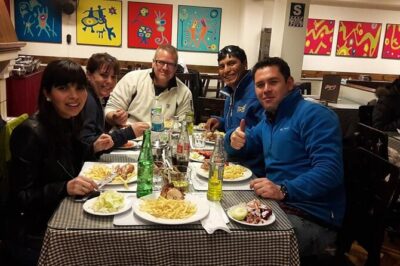
Cusco by Night: Planetarium Cusco, Dinner, and Pisco Sour
Read our review →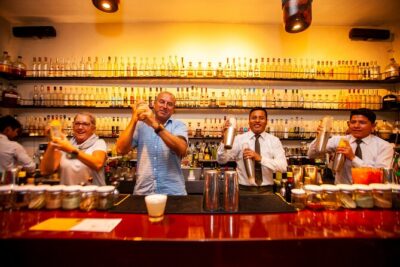
Pisco Sour Secrets: Hands-On Mixology in Historic Cusco
Read our review →
Planetarium and Night Tour with Dinner and Pisco Sour
Read our review →
Best of Cusco: Night Tour, Pisco Sour Lessons, and Dinner
Read our review →Browse the lists this tour appears in