
Reviewed · INCA TRAIL TREKS TO MACHU PICCHU
Cusco : Sacred Valley & Inca Trail to Machu Picchu 3 days
The best part of this three-day trip is the way it links Sacred Valley ruins with a walk into Machu Picchu from the Sun Gate. You see alpacas, Inca terraces, salt ponds, ceremonial sites, and the Urubamba River before reaching the citadel by foot rather than simply arriving by train.
I like the first day’s range: Pisac gives you grand mountain views and Inca stonework, while Moray and Maras show how practical Andean life could be. I also like the Short Inca Trail, especially Wiñay Wayna and the first view of Machu Picchu from the Sun Gate.
The weak point is logistical communication. The guides, including Miguel and Edwar on the Machu Picchu portion, receive very high marks for care and history, but accommodation standards, permit updates, briefings, and meal details may not match what you expect from the published plan.
Key points to know before booking
- Three major Inca sites in one long first day: Pisac, Moray, and Ollantaytambo each offer a different look at Inca engineering and daily life.
- The Short Inca Trail begins at Km 104: You hike past Chachabamba and Wiñay Wayna before reaching the Sun Gate.
- Your first Machu Picchu view comes from above: The route enters through the original approach to the citadel, with afternoon light and fewer people around.
- Miguel and Edwar guide days two and three: They are praised for clear explanations and for helping when rain, tired legs, or transport problems appear.
- Meals and trains are included: Expect two breakfasts, two lunches, dinner, the Expedition train to Km 104, and a Vistadome return.
- Confirm the hotels and schedule directly: The written details about star ratings, dinner, ponchos, and the briefing have caused confusion.
Why this three-day route works
At $817 per person, this is not a cheap Machu Picchu add-on. It is a tightly packed package that covers Sacred Valley transport, a guided Short Inca Trail, park entries, three bus tickets within the Machu Picchu complex, two train journeys, meals, a guide, and two nights of lodging.
That bundle can be good value if you want one company to handle the moving parts. Machu Picchu permits and train seats require advance planning, and this trip deals with much of that in one booking. The group size is capped at 16, which is small enough for a guide to keep an eye on the group without making the trip feel entirely private.
The tradeoff is pace. You leave Cusco around 7:00 a.m. on day one and cover several sites before sleeping in Ollantaytambo. The next day includes a train, a substantial hike, Wiñay Wayna, the Sun Gate, and an afternoon visit to Machu Picchu. This is a sightseeing marathon, not a slow retreat.
The trip is booked an average of 59 days ahead, a useful clue that advance planning matters. Permits and entry times can be limited, so do not wait until the last minute if your dates are fixed.
More Inca Trail Departures from Cusco:
- Cusco: 4-Day Inca Trail to Machu Picchu with Accommodation
★ 4.8 · 432 reviews - Cusco: Machu Picchu 2-Day Inca Trail with Panoramic Train
★ 4.9 · 260 reviews - From Cusco: 2-Day Inca Trail to Machu Picchu
★ 4.2 · 244 reviews
Day one: alpacas, Pisac, and the Sacred Valley
Pickup begins in Cusco at about 7:00 a.m. The first hour takes you toward the Sacred Valley, with changing views as the highland city gives way to broad river country.
The Alpaca Center at Manos de la Comunidad is an easy opening stop. You can feed and interact with llamas, alpacas, and vicuñas while learning how Andean communities have used their wool for centuries. It is friendly and accessible, but it is also the most commercial-feeling stop of the day. Think of it as a gentle introduction to local animals and textile traditions, not a major archaeological visit.
At Mirador Taray, you get about 20 minutes for wide views over the valley and the Urubamba River. Bring your camera, but keep your expectations practical. This is a short viewpoint stop, useful for understanding the scale of the valley before you visit the ruins.
Pisac is the first major archaeological site. Its terraces climb the mountainside, and its ceremonial buildings and stone passages show how carefully the Incas used difficult ground. The site’s position also makes sense once you see the valley below. It was not placed here by accident.
You have about an hour at Pisac, enough for a guided look but not enough for a leisurely exploration of every corner. Wear shoes with a good grip and keep water close. The combination of altitude, stairs, and morning activity can make this feel harder than the schedule suggests.
Lunch comes before the afternoon sites, though the supplied details do not name the restaurant or specify exactly what is served. This is one place where you should ask the operator for the day’s meal plan.
Moray and Maras show the practical side of Inca life
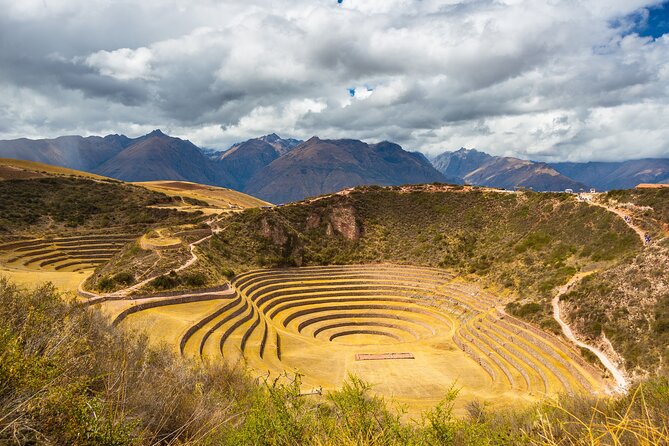
Moray is one of the most memorable stops because it looks so different from a standard ruin. Its circular terraces sink into the ground in broad rings, and the design is linked to crop experimentation. The setting makes the site easy to understand visually, even if you are not deeply interested in archaeology.
The visit is listed at two hours, which gives your guide time to explain the terraces and gives you a chance to take in the unusual shape from several angles. There is little shade mentioned in the plan, so sun protection is a sensible choice.
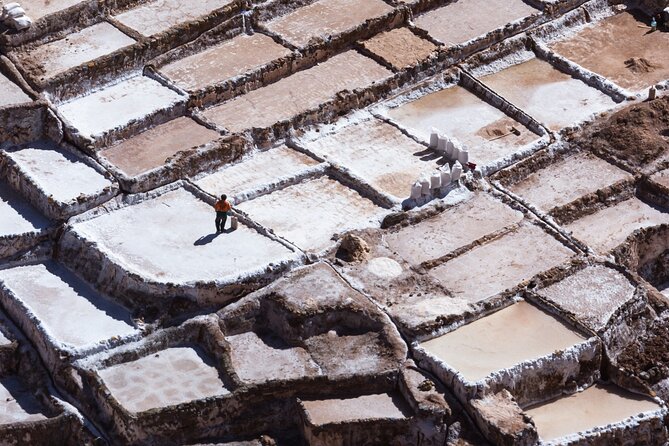
The Salineras of Maras offer a sharp contrast. Hundreds of small salt ponds form a patchwork on the mountainside, supplied by salty spring water. Local families still harvest the salt by hand, continuing a method associated with the area since Inca times.
Maras is especially valuable because it is still a working place, not just a preserved monument. You see an old system that remains tied to local families and income. The salt ponds can be crowded and the paths may be uneven, so take care with your footing.
Ollantaytambo is more than an overnight stop
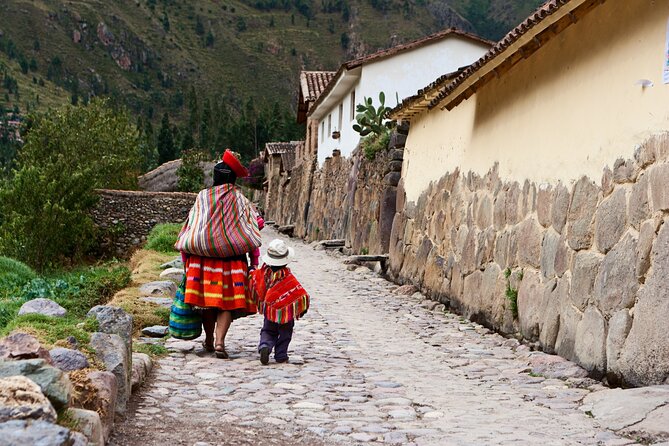
The day ends at Ollantaytambo, a living Inca town with narrow streets, stone canals, and old walls still woven into modern life. The visit is scheduled for about an hour, but the overnight stay gives you a useful chance to be near the train station for the next morning.
Ollantaytambo is one of the trip’s smartest choices for timing. You avoid returning to Cusco after the Sacred Valley and start day two closer to the railway. Still, this first day is long. After Pisac, Moray, Maras, and the town visit, you may want an early night rather than more sightseeing.
Accommodation details need careful checking. The plan describes one two-star and one three-star hotel, but the stated locations are not fully consistent, and the named lodging in Ollantaytambo has been described as basic, with no room heating or air conditioning. In the Andes, a cold room matters more than a star label.
Dinner is included in the supplied package, but this has also caused confusion at the destination. Confirm it in writing before departure and keep your booking details available.
More Sacred Valley Days from Cusco:
- From Cusco: Sacred Valley & Maras Salt Mines Tour with Lunch
★ 4.8 · 2,227 reviews - Cusco: Sacred Valley, Pisac, Ollantaytambo, Salt Mines Moray
★ 4.6 · 1,058 reviews - Sacred Valley: Chinchero, Moray, Ollantaytambo & Pisac+Lunch
★ 4.8 · 501 reviews - Sacred Valley: Maras & Moray by Quad Bike from Cusco
★ 4.6 · 418 reviews
Day two begins at Km 104
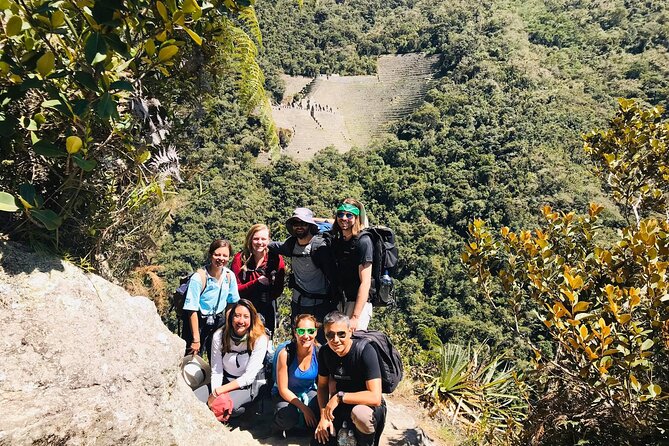
A short transfer takes you from your Ollantaytambo hotel to the station. The train follows the Urubamba River, with the scenery changing from dry highland country to greener cloud forest conditions.
You leave the train at Km 104. After registration and breakfast, you cross a suspension bridge and pass the checkpoint for the Short Inca Trail. The hike is not a casual stroll. You should have a moderate level of fitness and be comfortable walking uphill on uneven stone paths.
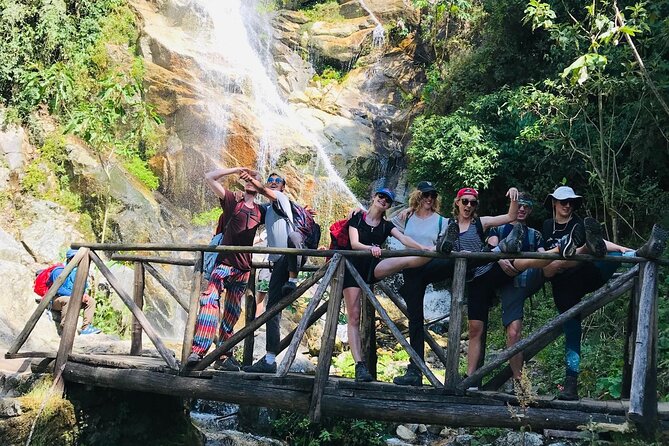
Chachabamba is the first archaeological stop. Its carved stones and water channels point to ceremonial use, especially the importance of sacred water. It is smaller than the headline sites, but it helps you see that the trail was part of a wider sacred route rather than simply a path to Machu Picchu.
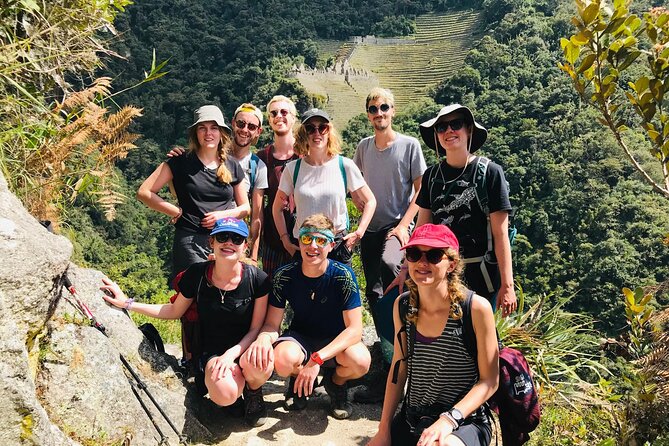
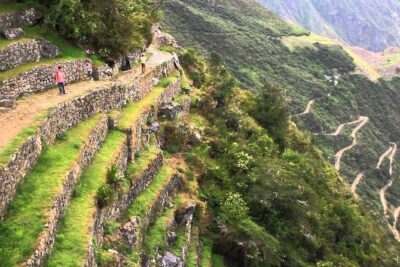
The route then climbs through thick vegetation toward Wiñay Wayna. This is the day’s major reward before Machu Picchu. The site includes terraces, temples, aqueducts, waterfalls, and carefully fitted stonework. Its name is often translated as forever young, a fitting description for a place that feels alive with water and plants.
A freshly prepared picnic lunch is served here by the trekking cooks. That is useful after the climb, though you should not expect a long break if the group needs to stay on schedule.
The Sun Gate gives you a proper arrival at Machu Picchu
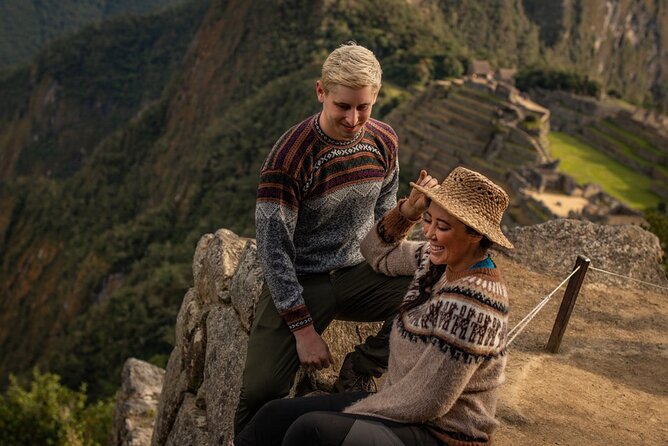
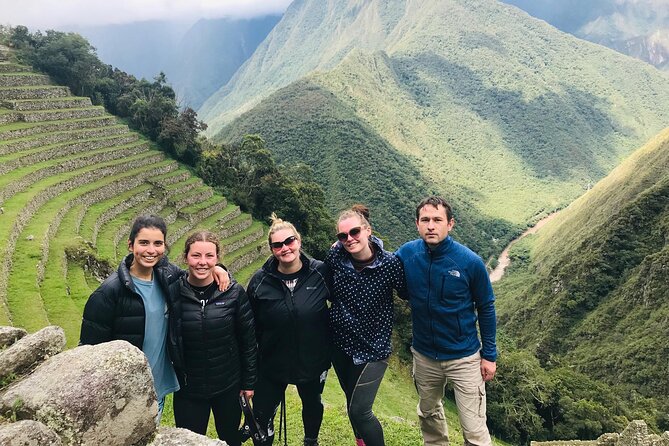
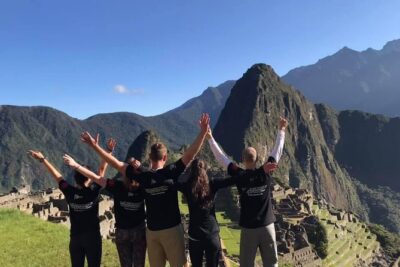
From Wiñay Wayna, the trail continues toward the Sun Gate on a gentler section. The first view of Machu Picchu appears from the original approach, not from the usual bus arrival point. That makes the citadel feel like the end of a journey rather than the first stop on a checklist.
You then walk down toward the upper terraces for afternoon photographs. The plan aims for golden light and fewer people than during the morning rush. Conditions can change with cloud and rain, so treat the light as a possibility rather than a promise.
The walking time on day two is substantial, and the weather can shift quickly. One guide team has been praised for dealing with heavy rain, tired walkers, transport problems, luggage, and other surprises. That kind of practical help matters here more than polished commentary.
After the site visit, a shuttle bus takes you to Aguas Calientes. Dinner is planned at a local restaurant, followed by a hotel night. The accommodation described for Aguas Calientes is basic, and reports of missing hot water and a lack of hot drinks make this a point worth checking before you commit.
After a long hike, a hot shower is not a luxury. It is part of the value of the package.
Day three returns to Machu Picchu before the crowds
You have an early breakfast and take one of the first buses back up to Machu Picchu. The schedule aims for a sunrise arrival and a quieter atmosphere before most people enter.
Your guide leads a two to three-hour walk through the citadel. The route includes temples, ceremonial plazas, and terraces cut into the mountain. The entry included here is for Circuits 1 and 3, so you should confirm the exact route and viewpoints available for your date.
This morning visit gives you something day two cannot: time to look closely. The first afternoon visit is about arrival and orientation. The second visit lets you focus on stonework, water channels, terraces, and the way the buildings fit the mountain.
Extra tickets for Machu Picchu Mountain or Huayna Picchu are not included. They are optional, but they must be booked ahead if you want one. Do not assume you can add them at the gate.
After the morning visit, you return by bus to Aguas Calientes and have lunch on your own. The schedule allows about two hours here, giving you time to eat and collect your belongings before the return train.
The Vistadome train adds comfort on the way back
The afternoon return uses the Vistadome panoramic train from Aguas Calientes to Ollantaytambo. Its large windows make the journey part of the experience rather than a simple transfer, with views along the river and through the Andes.
A private vehicle then takes you from Ollantaytambo to your Cusco hotel. All transportation is included, which removes a major source of stress at the end of a tiring trip.
The train timings are central to the schedule, so delays can affect the entire day. Keep your passport and booking details easy to reach, and ask the operator exactly when your train and hotel transfers are confirmed.
Guides are the strongest part of the trip
The guiding is the clearest reason to consider this package. The Sacred Valley guide changes after day one, while Miguel and Edwar handle the Machu Picchu portion. They are described as attentive, well informed, and deeply committed to Peru’s history and heritage.
That praise is specific and practical. The guides help when rain arrives, when someone has trouble walking, and when transport or luggage creates a problem. On a demanding route, a guide who watches the whole group can make the difference between an enjoyable challenge and a miserable day.
The communication from the office is less dependable. Passport photos were reportedly sent well ahead but were not available to the Inca Trail guide. A phone number was also copied incorrectly, which meant important updates did not arrive until day two.
The pre-trip briefing is another concern. It was expected at the office but instead took place at 7:00 p.m. on the first day, when some people were already away from the meeting point. Ask for the briefing details, permit confirmation, packing advice, and pickup times in writing before arriving in Peru.
Is $817 a fair price?
For three demanding days, $817 buys a lot: Sacred Valley entries for Moray, Maras, and Ollantaytambo, the Short Inca Trail permit, Machu Picchu entries, a professional guide, transport, two train journeys, three bus tickets within the complex, two breakfasts, two lunches, and dinner.
The value is strongest for someone who wants a single organized plan. Booking the trains, permits, guides, meals, and transfers separately could take time and may not produce a lower total.
The value weakens if you expect polished hotels or precise office support. The accommodation details are not fully consistent, and the basic rooms described may disappoint after a long walking day. At this price, confirm exactly where you sleep, what star category applies to each night, and whether hot water and heating are available.
Who should book this route?
I would choose this trip if you want a fast, varied introduction to the Cusco region and prefer walking into Machu Picchu rather than arriving only by train. It suits people with moderate fitness who enjoy early starts, long touring days, and a full schedule.
It is less suitable if you want quiet mornings, flexible meal stops, upscale hotels, or a relaxed pace. It is also a poor match if you dislike uncertainty in office communication.
The cancellation terms are strict: the experience is non-refundable and cannot be changed for any reason. A full refund or alternate date is offered only if the operator cancels because of poor weather or because the minimum group size is not reached.
Should you book it?
Book this tour if the route matters most to you. The combination of Pisac, Moray, Maras, Ollantaytambo, Wiñay Wayna, the Sun Gate, and two visits to Machu Picchu is excellent, and Miguel and Edwar bring strong care to the most important part.
Before paying, get written confirmation of permits, hotel names, dinner, the briefing time, phone contact, train departures, and the exact Machu Picchu circuits. If the operator answers those questions clearly, the $817 package can be a practical way to fit a great deal into three days. If comfort and smooth administration matter as much as the sights, compare it with a more carefully managed option.
FAQ
How long is the tour?
The experience lasts approximately three days, beginning with Cusco pickup around 7:00 a.m. on day one.
Where does the tour begin?
Pickup begins at your hotel in Cusco.
Where does the Short Inca Trail begin?
The hike begins at Km 104 station, reached by train from the Sacred Valley area.
What sites are visited on the first day?
The first day includes an alpaca center, Taray viewpoint, Pisac archaeological site, Moray, the Maras salt ponds, and Ollantaytambo.
Is Machu Picchu visited more than once?
Yes. You see Machu Picchu on the afternoon of day two after reaching the Sun Gate, then return early on day three for a longer guided visit.
Which guides lead the Machu Picchu portion?
Miguel and Edwar guide days two and three.
Are meals included?
Two breakfasts, two lunches, and dinner are included. Other meals can be purchased in Aguas Calientes.
Are train tickets included?
Yes. The package includes the Expedition train to Km 104 and the Vistadome panoramic train for the return to Ollantaytambo.
Are Machu Picchu Mountain and Huayna Picchu included?
No. These are optional entrance tickets and must be booked ahead of time if you want them.
How large is the group?
The group has a maximum of 16 people.
What fitness level is required?
A moderate level of physical fitness is recommended because the Short Inca Trail includes uphill walking and uneven stone paths.
Is the tour refundable?
No. It is non-refundable and cannot be changed for any reason. If the operator cancels because of poor weather or insufficient numbers, you can choose another date or receive a full refund.
More 3-Day Experiences in Cusco
- Salkantay Trek Challenge – 3 Days / 2 Nights
★ 5.0 · 101 reviews - 3-Day Eco-Sustainable Private Tour Manu National Park
★ 4.5 · 41 reviews - Ausangate and Rainbow Mountain Trek – 3 Days / 2 Nights
★ 5.0 · 35 reviews - Living Nature from Cusco: 3 Days Manu Jungle all inclusive
★ 4.9 · 12 reviews
More Machu Picchu Days from Cusco
- From Cusco: Full-Day Group Tour of Machu Picchu
★ 4.7 · 1,767 reviews - Machu Picchu Day Trip from Cusco
★ 4.5 · 1,644 reviews - Machu Picchu: Full-Day Tour from Cusco with Optional Lunch
★ 4.6 · 927 reviews - From Cusco: 2-Day Trip to the Sacred Valley and Machu Picchu
★ 4.6 · 265 reviews
Just added around Cusco
- Zipline over the Sacred Valley Trip★ 5.0 · 11 reviews
- Valle Sur Cusco | half day★ 4.3 · 3 reviews
- Visit Pisac from Cusco: Private Transport★ 4.6 · 9 reviews
- Transfer from Cusco to Ollantaytambo★ 5.0 · 30 reviews
- Exclusive Huayna Picchu Tour in 1 Day from Cusco★ 5.0 · 31 reviews
- Trek to Humantay Lake from Cusco★ 4.9 · 8 reviews
- Private Tour Sacred Valley, Chinchero, Maras Moray, Ollantaytambo★ 5.0 · 29 reviews
- 5 Day – Salkantay trek to Machu Picchu – Group Service★ 4.5 · 27 reviews
Inca Trail Treks to Machu Picchu, compared.
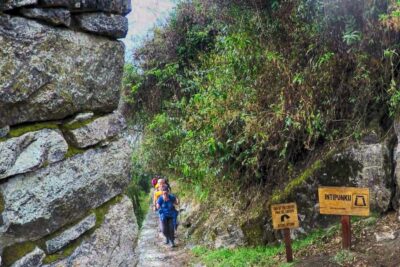
4-Day Inca Trail to Machu Picchu with Accommodation
Read our review →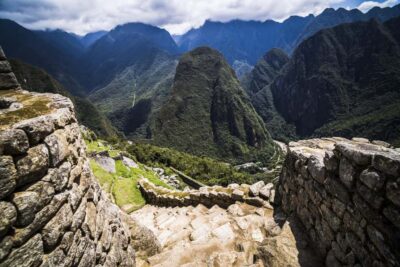
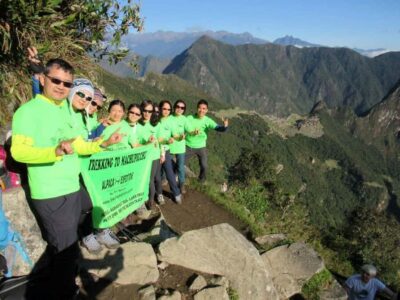
Short Inca trail to MachuPicchu || 2days – 1nigth ||
Read our review →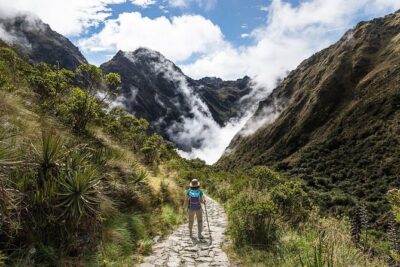
4 Day Inca Trail Trek to Machu Picchu Multi day tour
Read our review →
Browse the lists this tour appears in