
Reviewed · MARAS SALT MINES & MORAY TOURS
From Cusco: Moray, Maras Salt Mines & Chinchero Weavers Tour
Moray’s enormous Inca terraces are the star of this trip, but the 3,000 salt pools at Maras may be the most surprising sight. Add Chinchero’s textile traditions and the mountain views around the Sacred Valley, and you get a lively half-day sampler for just $15 per person.
I especially like the variety: you are not spending the day looking at one type of ruin. I also like the relaxed pace, with roughly 40 minutes at Moray and the salt mines, plus time for a weaving demonstration. The catch is that the low price does not include the Moray and salt-mine entrance fees, and the tour ends in central Cusco rather than at your hotel.
Key points at a glance
- Moray at 11,318 feet: Walk around the Inca’s vast circular agricultural terraces and hear how the site may have helped with crop experiments.
- Maras salt pools: See thousands of small evaporation ponds fed by a natural saltwater spring, with salt still processed for local use.
- Chinchero weaving workshop: Watch Quechua artisans turn plants into natural dyes and demonstrate traditional Andean textile work.
- A practical half-day plan: The 390-minute schedule gives you several major sights without the long, tiring rhythm of a full Sacred Valley circuit.
- Strong guide-led experience: Guides such as Felipe, Julio, Jhon, Manuel, and Roy have been praised for clear explanations, cultural insight, and friendly help.
- Good value with extra costs: The $15 base price is appealing, but budget 70 soles for Moray and 20 soles for the salt mines.
Why this half-day route works so well
Cusco offers enough ruins and viewpoints to fill a week, yet many visitors want one manageable outing before a trek or after arriving in Peru. This tour fits that gap nicely. It lasts about 390 minutes, usually taking up much of the morning and early afternoon, then returns you to the city in time for lunch on your own.
I like the way the route mixes archaeology, living culture, scenery, and shopping. Moray gives you an impressive Inca site. Maras shows a working tradition that began before the Inca period. Chinchero adds a human touch through weaving and natural dyes.
The schedule also limits the walking. Most stops involve short walks rather than a strenuous hike, though the altitude matters. Chinchero sits at 3,762 meters, and Moray reaches 3,450 meters, or 11,318 feet. Bring water, sunscreen, and a hat. Several people found the sun intense even when the air felt cool.
Transportation is included, and the vehicle is generally described as clean and comfortable. The roads near the salt mines can be narrow, so a careful driver matters. The route has regular stops, which can help if winding roads bother you.
More Chinchero and Weaving Visits from Cusco:
- Cusco:Chinchero,Moray & Salt Mines drop-off in Ollantaytambo
★ 4.8 · 793 reviews - Sacred Valley: Chinchero, Moray, Ollantaytambo & Pisac+Lunch
★ 4.8 · 501 reviews - Cusco:Sacred Valley Pisaq,Ollantaytambo,Chinchero with Lunch
★ 4.8 · 183 reviews
Chinchero: textiles, dyes, and a living tradition
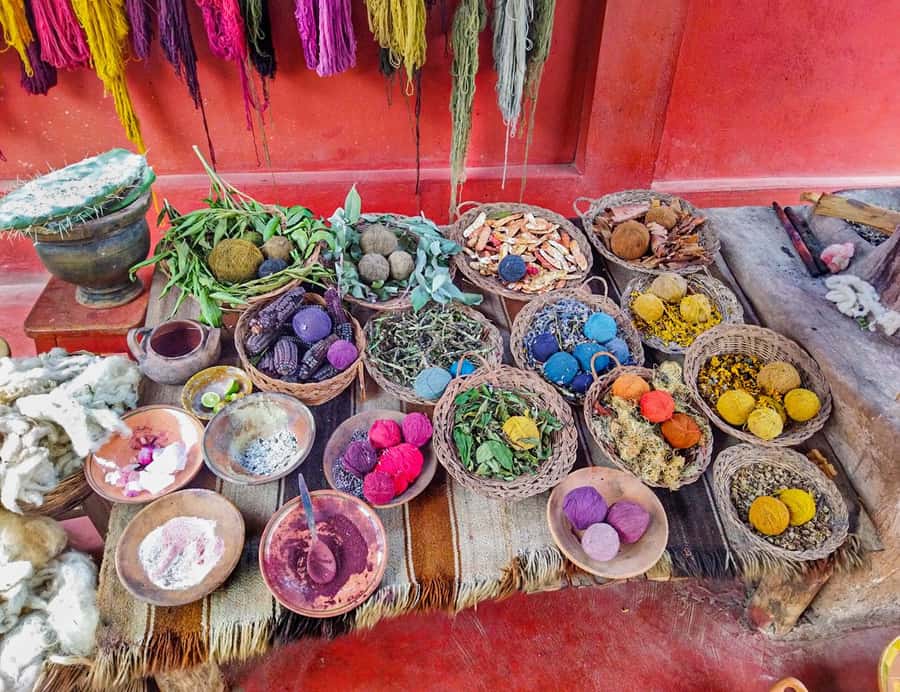
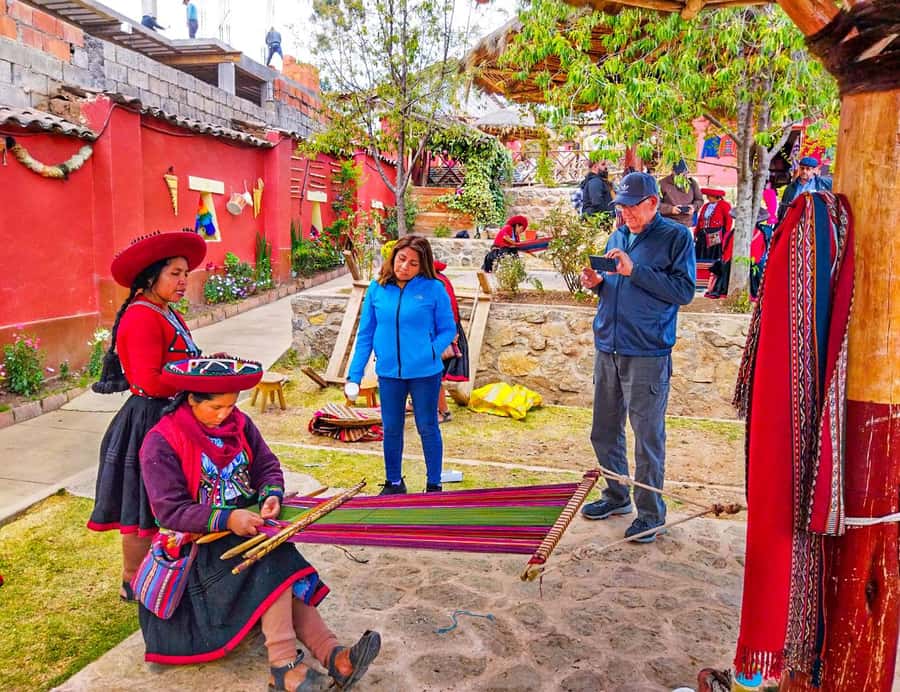
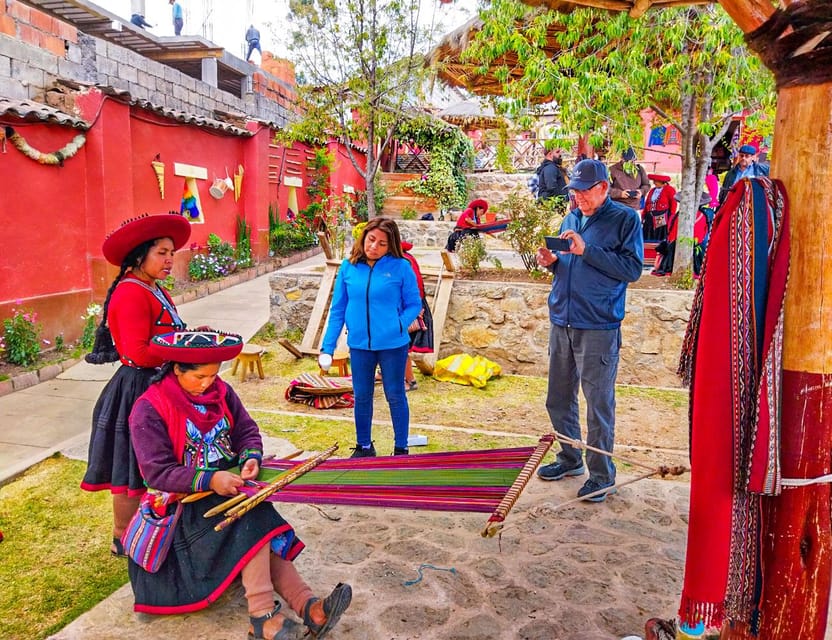
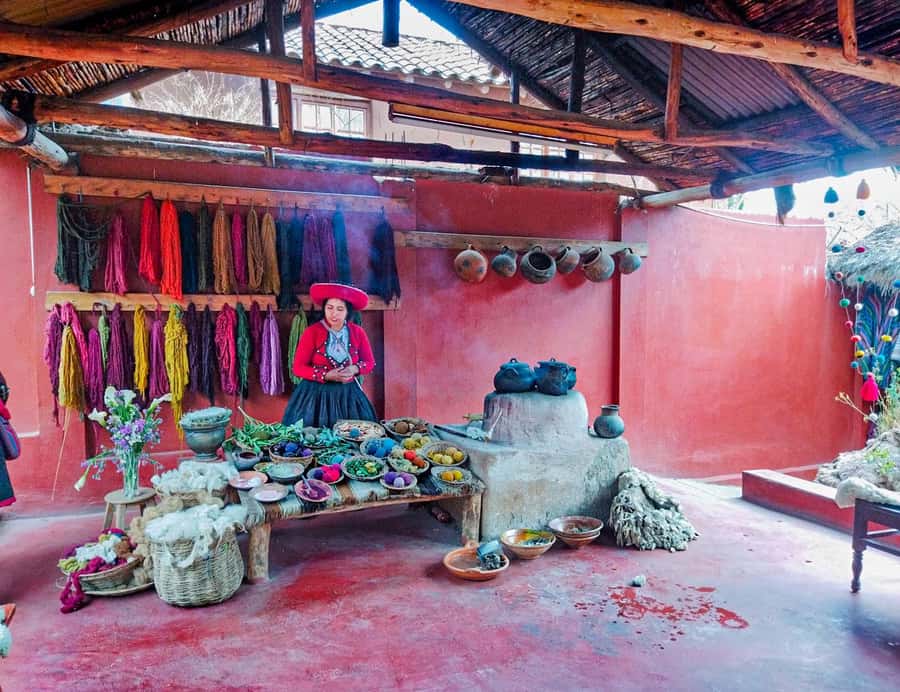
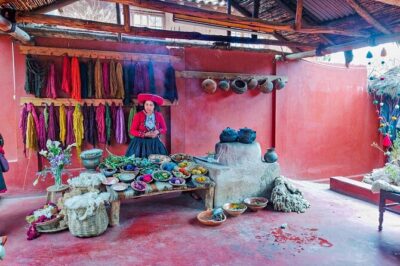
Your first main stop is Chinchero, a highland district known for its Quechua textile work. The visit centers on a weaving workshop where local artisans demonstrate how Andean cloth is made and colored.
The most useful part is the natural dye lesson. Plants are used to create shades for wool and other fibers, and the demonstration helps you see that these textiles are not simply souvenir merchandise. They carry techniques passed through generations and reflect the close link between local craft, land, and daily life.
You will also have time to look at alpaca products and other woven goods. This is one of the shopping stops, so expect a sales element. Still, the time is limited, and the tone appears to be more informative than forceful. If you want a scarf, hat, or small textile, this is a sensible place to compare quality and materials.
A few practical points help here. You may be standing outdoors, so sun protection matters even at high altitude. Also, if you are not interested in buying anything, focus on the demonstration. You can learn a good deal without treating the stop as a required shopping break.
Some guides add small cultural touches, such as explanations of local herbs or a short ritual. The exact presentation can vary by guide, but guides including Felipe and Julio are praised for making the history and traditions easy to follow in English.
Moray: Inca terraces high above the Sacred Valley
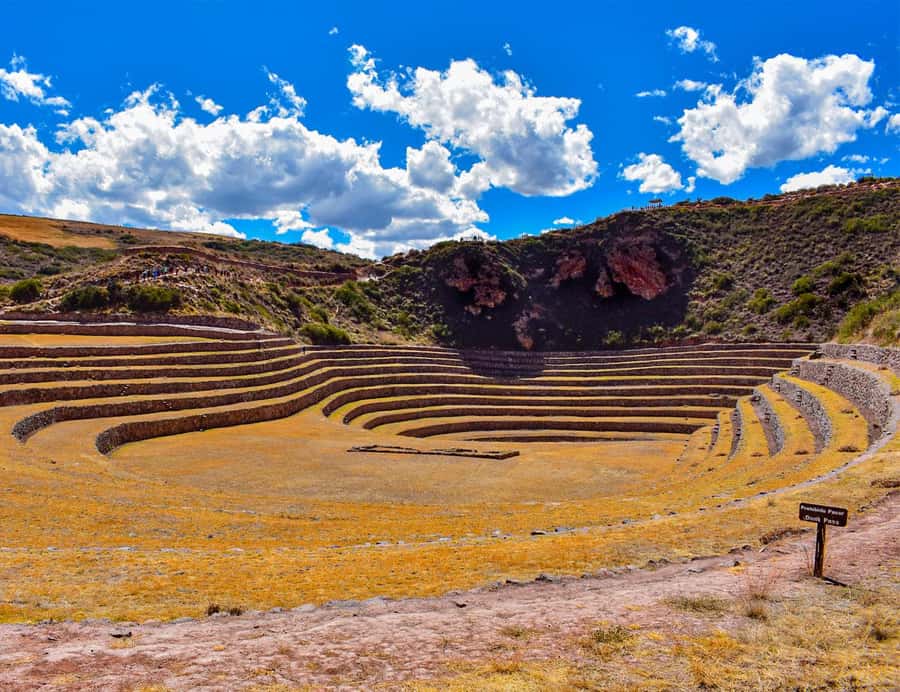
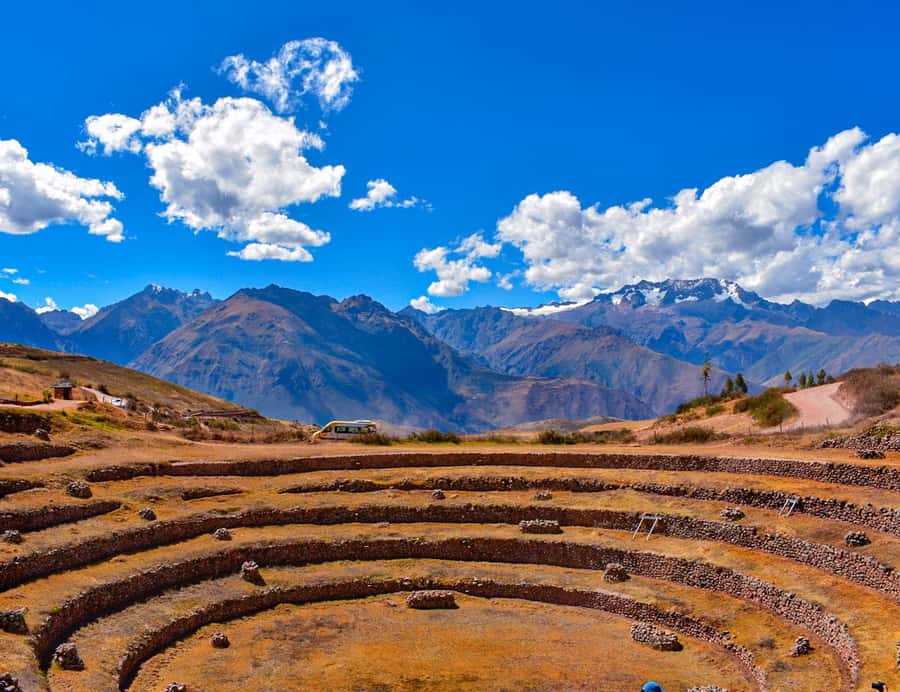
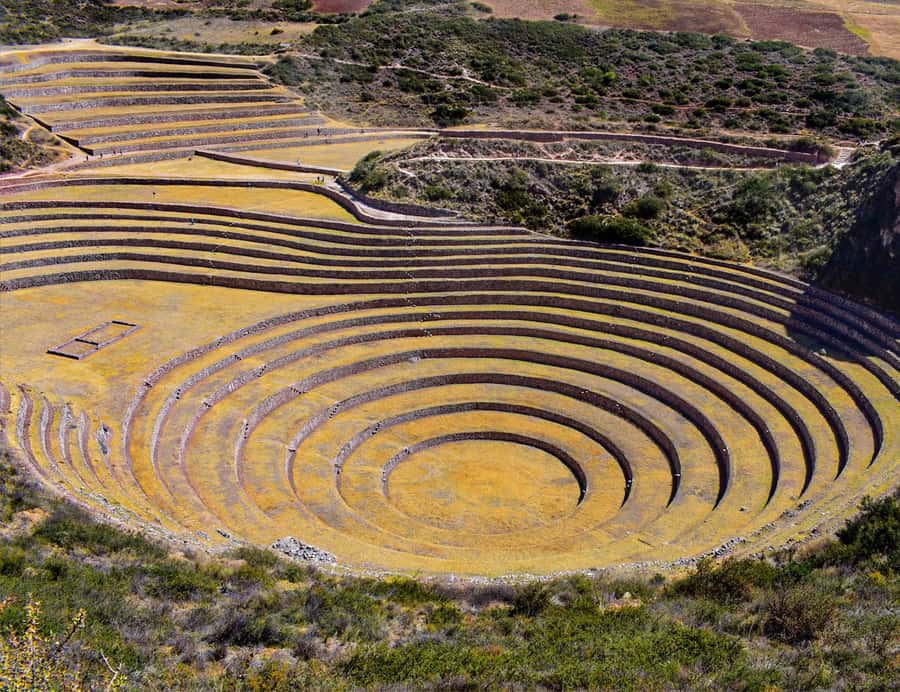
Moray is the archaeological highlight for many people. From above, the site looks like a set of giant circular bowls cut into the earth. Broad terraces descend toward the center, forming a pattern that is both striking and difficult to explain at first glance.
The Inca used advanced farming methods across the Andes, and Moray is linked to agricultural experimentation and irrigation. The precise purpose of the terraces remains debated, so a good guide should explain what is known and what is still uncertain rather than present one tidy answer as fact.
You get about 40 minutes here for a guided visit, photos, and a walk around the viewing areas. That is enough to understand the site and take in the shape of the terraces, but it is not a long archaeological session. If you want a slow study of every stone, a private tour gives you a better chance to linger.
The setting is exposed, with little shade. Wear comfortable shoes and use sunscreen. At 11,318 feet, even a short walk can feel harder than expected, especially during your first days in Cusco. Walk slowly and tell the guide if you are feeling the altitude. One helpful feature of this tour is that the stops are spaced out, rather than forcing you into one long climb.
Moray requires a separate entrance fee of 70 soles. That is a major detail when judging the $15 price. The tour is inexpensive, but your true outing cost includes this fee, the salt-mine charge, and any purchases or food.
Maras and the salt pools: a working Andean sight
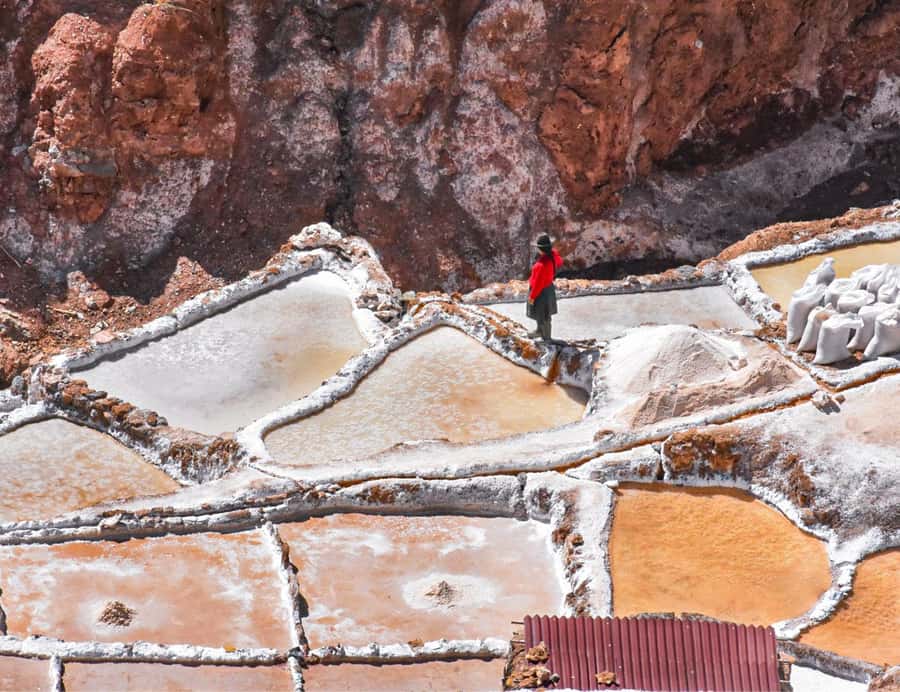
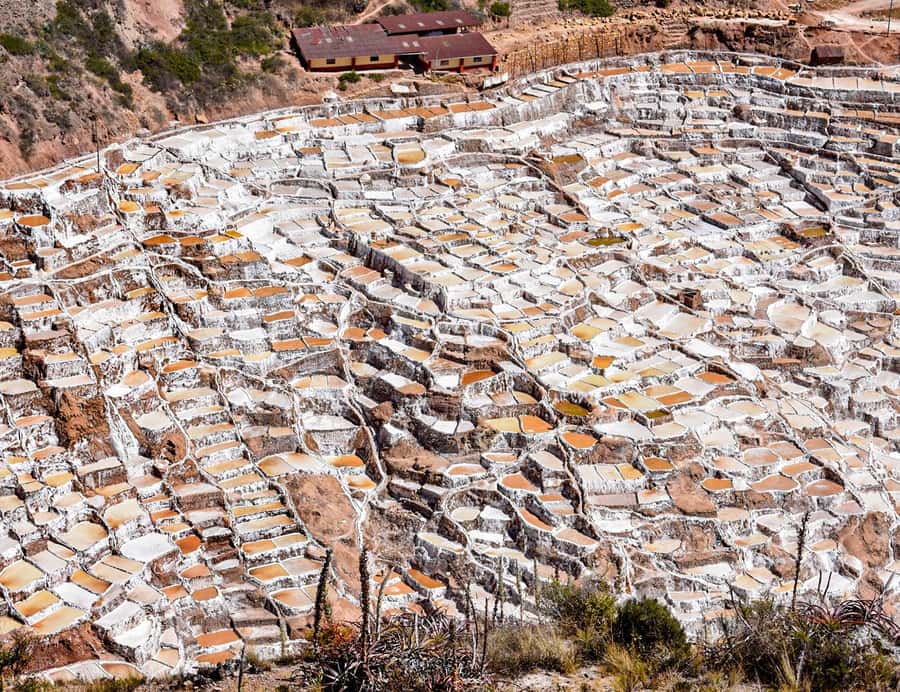
The Maras salt mines are not a quiet ruin preserved behind a fence. They are a working site made up of around 3,000 small pools, each one filled and refilled with salty water. As the water evaporates, salt crystals remain behind for collection.
The view is remarkable because the pools spread across the steep hillside in layers of white, brown, and tan. Sunlight changes the color from one angle to the next. You will want your camera ready, but stay aware of footing and follow the guide’s instructions near the edges.
The salt production dates to pre-Inca times and continues today. The salt is processed and distributed in the region, so this stop connects ancient practice with present-day work. That is more interesting than looking at a purely abandoned site. You can also buy local salt afterward.
You get about 40 minutes for the guided walk and photos. Again, this is enough for a clear introduction, not an extended visit. The roads leading here can be narrow, and the final approach may feel more rugged than the rest of the trip. The driver’s skill matters, and drivers such as Miguel have been singled out for handling the route safely.
The salt mines cost 20 soles separately. Bring cash, since cash is listed among the items to carry and may be useful for entrance fees, snacks, or small purchases. The site is exposed to the sun, so a hat and sunscreen are more than packing suggestions.
More Maras and Moray Circuits from Cusco:
- From Cusco: Sacred Valley & Maras Salt Mines Tour with Lunch
★ 4.8 · 2,227 reviews - Cusco: Sacred Valley, Pisac, Ollantaytambo, Salt Mines Moray
★ 4.6 · 1,058 reviews - Sacred Valley: Maras & Moray by Quad Bike from Cusco
★ 4.6 · 418 reviews - From Cusco: Quad bike tour Moray and Salt Mines
★ 4.7 · 314 reviews
Maras village: a short pause with shopping
The stop in Maras adds a little local atmosphere between the major sights. You have about 20 minutes of free time for shopping and a workshop visit.
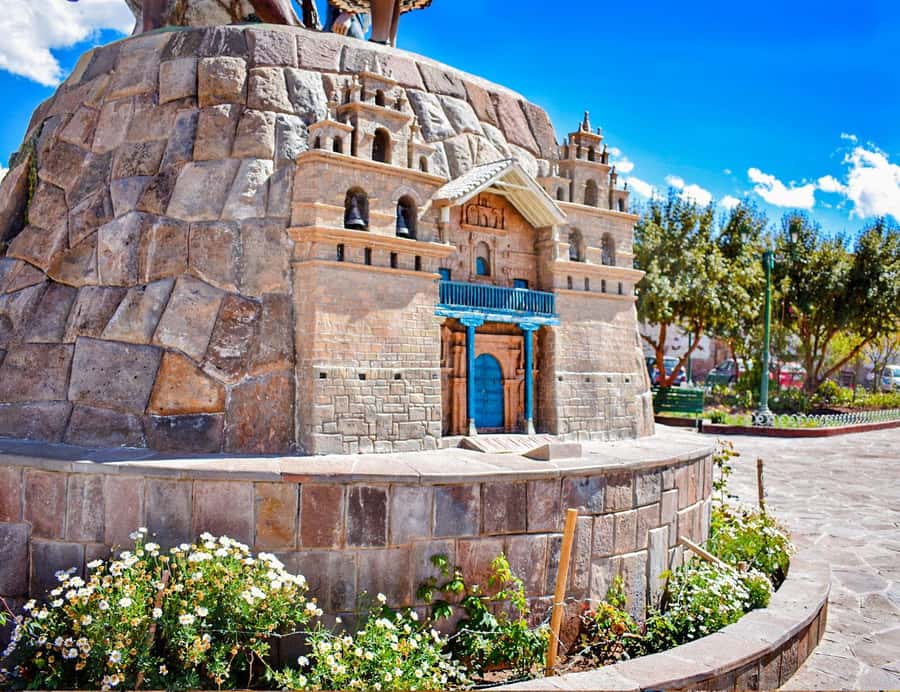
Maras is known for preserved colonial architecture and thin-stoned buildings. This stop is shorter and less dramatic than Moray or the salt mines, but it breaks up the driving and gives you a glimpse of a town rather than only a monument.
You may find local products and small souvenirs here. The short time limit keeps the stop from taking over the day, though shoppers who like to browse carefully may find it too brief. Think of it as a useful pause, not a full village tour.
Guides make the difference
The route is easy to understand from a map, but the sites benefit greatly from explanation. Moray can look like a strange set of terraces without context. At Maras, you need someone to explain the water flow and salt collection. At Chinchero, the dye demonstration becomes much more meaningful when tied to Quechua traditions.
The operation uses English and Spanish guides. Names frequently associated with strong outings include Felipe, Julio, Jhon, Manuel, Roy, Rehider, and John. Felipe is especially noted for clear explanations, humor, attention to altitude, and a real connection to Andean culture. Julio is praised for answering questions and making Inca history accessible.
Your specific guide will depend on the departure date, so do not book on the assumption that one named person is guaranteed. Still, the repeated praise for guide care is reassuring. Guides have helped with directions, photos, cultural questions, and small travel problems such as forgotten items or money exchange concerns.
A private option is available if you want more control over pace and questions. The small-group version costs less and works well for most people, especially when the guide keeps the stops moving without rushing. One benefit of the shared format is that the scheduled breaks create a clear rhythm.
Transport, pickup, and timing
Hotel pickup is available outside Cusco’s Centro Histórico. You are asked to wait in the hotel lobby 10 minutes before the scheduled pickup time. If your accommodation is inside the historic center, use one of the stated central meeting or drop-off points instead.
The tour has several central drop-off options, including Plaza Regocijo and the Centro Histórico. Hotel drop-off is not included, so plan on walking or arranging your own ride from the city center afterward.
The full outing takes about six and a half hours. It is often described as an easy half-day plan, though the actual pickup and return timing can vary. You should have time for lunch on your own after reaching Cusco.
The vehicle is generally comfortable, but one account noted that it became warm on a hot day. Wear light layers and bring water. The tour runs rain or shine, so a forecast with clouds or rain does not automatically cancel the day.
What the $15 price really buys you
At $15 per person, this is an unusually low base price for transportation, hotel pickup outside the center, a bilingual guide, and several major sights. The value is strongest if you want a broad introduction to the Sacred Valley without paying for a full-day itinerary.
Do not treat $15 as the complete cost. Add 70 soles for Moray and 20 soles for the salt mines. You may also spend money at the weaving workshop, in Maras, or at the salt shop. Lunch is not included.
Even after those additions, the tour can be good value because hiring transport to these separate sites on your own would require planning and negotiation. The tradeoff is less flexibility, especially in a shared group. The private option gives you a more personal pace but changes the value calculation.
Free cancellation up to 24 hours before departure and reserve-now, pay-later booking make the plan easier to fit around changing Cusco schedules. Those terms are useful if you are still watching the weather or adjusting your altitude-rest days.
Who should book this tour
I would choose this trip if you want Moray and Maras but do not want to give up an entire day. It is also a smart choice before a major hike, when you want interesting sights without a demanding walking schedule.
It suits first-time visitors who want a mix of Inca history, pre-Inca traditions, local crafts, and mountain scenery. Solo visitors should find the organized transport and guide support reassuring, while couples and families can use the private option for more control.
You may want another plan if your main goal is a long, quiet archaeological visit or extensive time in the Sacred Valley. The stops are well chosen, but they are compact. Shopping also forms part of the route, which some people will enjoy and others may find less appealing.
Bring your passport, camera, comfortable shoes, cash, water, sunscreen, and a sun hat. Dress for strong sun rather than assuming high altitude means cold conditions. The short walks are manageable, but the elevation can make them feel more demanding than the distance suggests.
Should you book it?
Yes, if you want a low-cost, well-paced introduction to several important Cusco-area sights. Moray and the salt mines offer genuine visual impact, while Chinchero gives the day a living cultural side. The guides are the strongest part of the experience, especially when they explain what you are seeing instead of simply pointing at it.
Book with the extra entrance fees in mind, and choose the private option if flexibility matters more than price. For most people, though, the small-group version offers the best balance: varied sights, limited walking, reliable transport, and a return to Cusco in time for lunch.
FAQ
How long does the tour last?
The stated duration is 390 minutes, or about six and a half hours. It returns to Cusco in time for lunch on your own.
What places does the tour visit?
The route includes Chinchero, Moray, Maras village, and the Maras salt mines.
Is hotel pickup included?
Pickup is included for hotels outside Cusco’s Centro Histórico. You should wait in the hotel lobby 10 minutes before the scheduled pickup time.
Is hotel drop-off included?
No. Drop-off is provided at central Cusco locations, including Plaza Regocijo and the Centro Histórico.
Are entrance fees included?
No. Moray costs 70 soles, and the salt mines cost 20 soles. These fees are separate from the tour price.
What languages are available?
The tour is offered with a live guide in English or Spanish.
Is this a private tour?
Private and small-group options are available. Select the private option if you want a more personal pace and greater flexibility.
What should I bring?
Bring your passport, sun hat, camera, sunscreen, comfortable shoes, and cash. The tour operates rain or shine.
Just added around Cusco
- Zipline over the Sacred Valley Trip★ 5.0 · 11 reviews
- Valle Sur Cusco | half day★ 4.3 · 3 reviews
- Visit Pisac from Cusco: Private Transport★ 4.6 · 9 reviews
- Trek to Humantay Lake from Cusco★ 4.9 · 8 reviews
- Transfer from Cusco to Ollantaytambo★ 5.0 · 30 reviews
- Exclusive Huayna Picchu Tour in 1 Day from Cusco★ 5.0 · 31 reviews
- Private Tour Sacred Valley, Chinchero, Maras Moray, Ollantaytambo★ 5.0 · 29 reviews
- 5 Day – Salkantay trek to Machu Picchu – Group Service★ 4.5 · 27 reviews
Maras Salt Mines & Moray Tours, compared.
Sacred Valley & Maras Salt Mines Tour with Lunch
Read our review →
Sacred Valley, Pisac, Ollantaytambo, Salt Mines Moray
Read our review →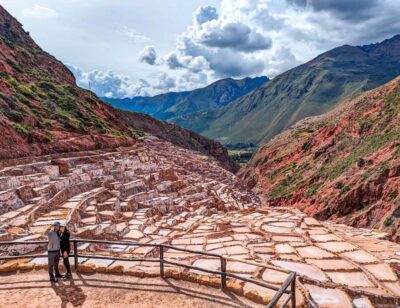
Chinchero,Moray & Salt Mines drop-off in Ollantaytambo
Read our review →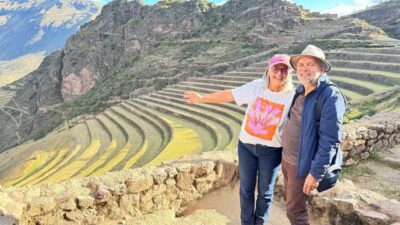

Moray, Maras Salt Mines & Chinchero Weavers Half-Day
Read our review →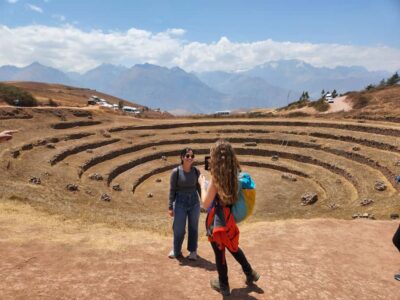
Browse the lists this tour appears in