
Reviewed · SACRED VALLEY DAY TRIPS FROM CUSCO
Sacred Valley Vip Cusco
The most appealing thing about this full-day tour is the range. In one long loop from Cusco, you see Inca farming terraces, a colonial church, working salt wells, a major stone fortress, and a market filled with Peruvian handicrafts. Moray and Maras give the day its most unusual sights.
I like that the route includes both famous archaeological sites and ordinary local life. I also like the small group of no more than 10 people, which should make it easier to hear the English or Spanish guide and keep the day moving.
The drawback is the schedule. Five major stops in 12 hours means plenty of time in a vehicle and limited time at some sites. Also, confirm entrance costs before you go: one recent booking note reported that the Maras salt mines cost 20 soles rather than the 10 soles shown in the app.
Key points at a glance
- Five Sacred Valley stops in one day: Chinchero, Moray, Maras, Ollantaytambo, and Pisac all fit into the route.
- Moray’s circular terraces: See one of the most unusual Inca agricultural sites in the Cusco region.
- More than 3,000 salt wells at Maras: The salt terraces create a striking scene and remain the day’s key practical detail to budget for.
- A buffet lunch in Urubamba: The midday meal breaks up the long sightseeing schedule.
- Pisac combines shopping and archaeology: You get time at the indigenous market and then visit the Inca buildings above town.
- A compact group: The tour accepts up to 10 participants and runs with a live guide in English or Spanish.
What this 12-hour Sacred Valley route is really like
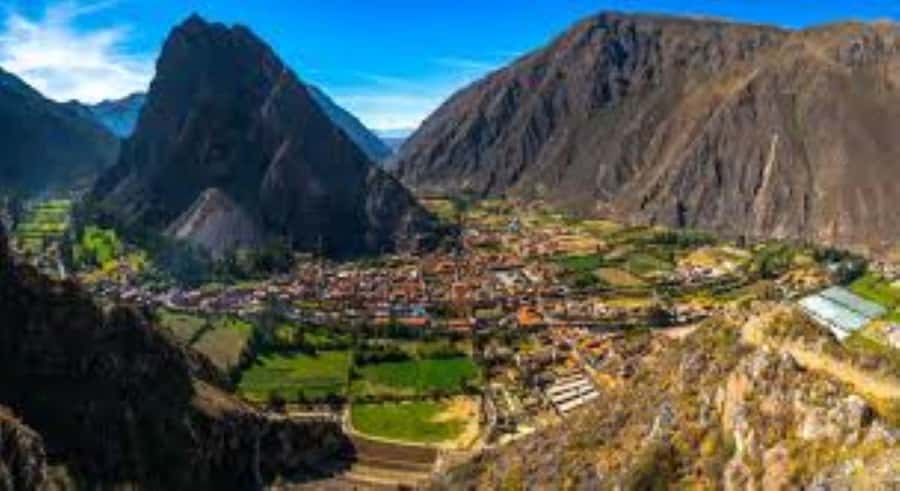
This is not a slow, single-site outing. It is a greatest-hits tour of the Sacred Valley, designed for you to see as much as possible in one day.
The pickup begins at 7:00 am, and the return to Cusco is planned for about 7:00 pm. That makes the tour useful if your time in the region is short, especially if you want a first look before deciding where to spend more time later.
The tradeoff is clear. You gain range, but the pace is brisk. Each stop has its own story and character, yet you will not have the same amount of time at each place. I would choose this trip for its variety, not for long, quiet visits at every site.
A live guide speaks English or Spanish, and the group is limited to 10 people. That is a useful size for a day with several stops. A very large group can make site visits slow, while a compact group usually makes it easier to follow explanations and regroup.
More Sacred Valley Days from Cusco:
- From Cusco: Sacred Valley & Maras Salt Mines Tour with Lunch
★ 4.8 · 2,227 reviews - Cusco: Sacred Valley, Pisac, Ollantaytambo, Salt Mines Moray
★ 4.6 · 1,058 reviews - Sacred Valley: Chinchero, Moray, Ollantaytambo & Pisac+Lunch
★ 4.8 · 501 reviews
Chinchero, Inca stonework beside a colonial church
Chinchero starts the cultural part of the day with two layers of history in one place. You will see Inca wall construction and a historic colonial church, then visit a textile center.
The stonework gives you an early look at the precision of Inca building. Pay attention to the way the walls are fitted together rather than treating them as a quick photo stop. The colonial church adds a different period and shows how later religious buildings became part of an older Andean setting.
The textile center gives the stop a practical side. This is where the tour moves beyond ruins and monuments to local craft traditions. If you are considering gifts, this is one of the places where you can look at Peruvian textiles early in the day rather than waiting until the final market.
Chinchero is also a good warning about the pace. You are seeing a church, stonework, and textiles before the route continues to Moray. Keep your belongings organized and listen for the meeting time, since the day has several scheduled transitions.
Moray and the question of Inca agriculture
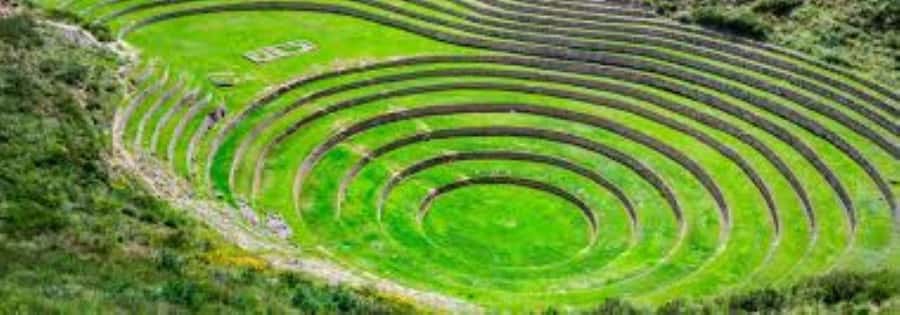
Moray is the stop that often makes people pause. Its circular terraces sink into the ground in a series of broad rings, creating a site that looks different from the more familiar straight terraces found elsewhere in the Andes.
The important point is not only the shape. Moray was an agricultural site from Inca times, so the terraces show the scale and care of Inca farming work. Your guide can place the structure in that wider context, helping you see it as more than an unusual pattern in the earth.
I like Moray because it changes the rhythm of the day. Chinchero presents walls, a church, and textiles. Moray gives you a wide open archaeological site with a strong visual shape. It is one of the places where a short visit can still leave a clear impression.
The limitation is that the circular terraces are primarily a viewing stop. You should not expect a long activity or a market here. If you enjoy architecture, archaeology, and large-scale engineering, Moray will likely be one of your favorite stops. If you prefer active village visits, it may feel brief.
Maras, more than 3,000 salt wells on the mountainside
After Moray, the route descends to Maras and its salt mines. The site contains more than 3,000 salt wells, arranged across the mountainside in a pattern that is both useful and striking.
The salt wells are not simply an old ruin. They show a working method tied to the area’s long history of salt production. Looking across the many small pools, you get a strong sense of how local geography and human labor shaped the site.
This is also the stop that needs the clearest budget warning. A recent booking note stated that the salt mines entrance was 20 soles, while the app displayed 10 soles. That is a small amount compared with the cost of a full day, but it matters because unexpected fees can sour an otherwise good outing. Bring enough local currency and confirm the current entrance price before setting off.
Maras can be especially appealing if you want photographs with strong patterns and color. Still, conditions may affect how the wells look, and the tour information does not promise a particular appearance on your date. I would treat the site as an unusual cultural and industrial stop, not just a scenic viewpoint.
A few more Cusco days worth weighing up
- Sacred Valley (VIP) – Full Day Trip
★ 4.5 · 71 reviews - Sacred Valley and Machu Picchu Tour in 2 days with Peru Vip
★ 5.0 · 55 reviews - Sacred Valley VIP Tour with Maras and Moray from Cusco
★ 4.5 · 35 reviews - Vinicunca Rainbow Mountain in one day, private with Peru Vip
★ 5.0 · 33 reviews
Urubamba, a practical lunch break
The itinerary includes a buffet lunch in Urubamba. That matters on a 12-hour schedule. You are moving through several sites, so a proper midday pause gives you time to eat before the afternoon visits.
The buffet format also makes the meal simpler for a mixed group. You can choose what suits you instead of waiting for one fixed dish. The available information does not specify the menu, so you should not book this tour expecting a particular regional specialty.
Urubamba sits in the middle of the route, making it a sensible place to break the day. Still, lunch is part of a tightly planned schedule. If you like lingering over a meal, this may feel more functional than leisurely. I would see it as a useful reset between Maras and Ollantaytambo.
Ollantaytambo, the day’s grandest Inca site
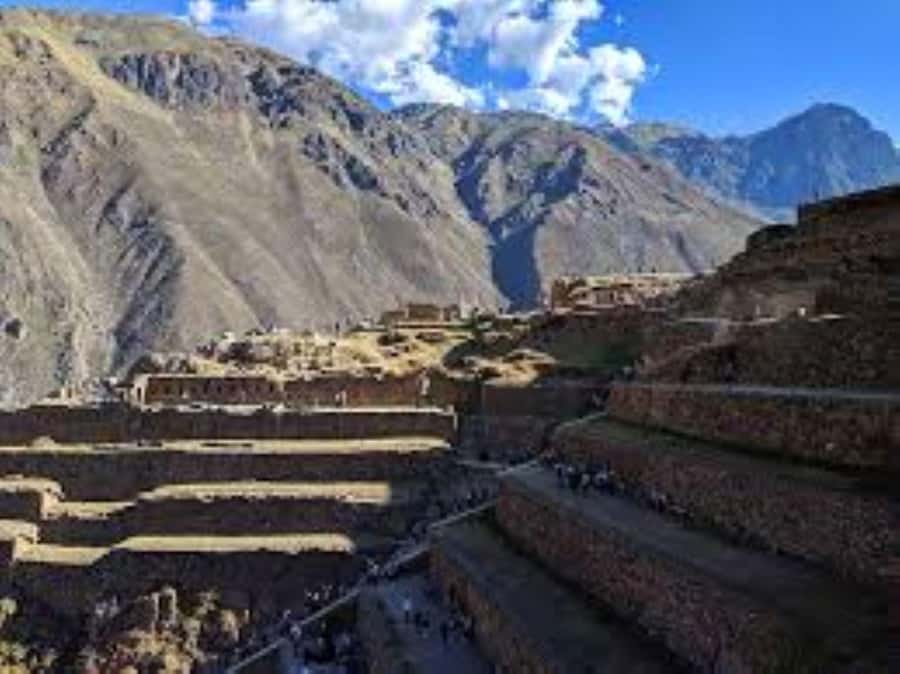
Ollantaytambo is known as the Last Living Inca City, and it gives the tour one of its strongest historical stops. The town is known for major Inca stonework and an old settlement pattern that remains central to its identity.
After the unusual terraces at Moray and the salt wells at Maras, Ollantaytambo brings the focus back to monumental construction. Look closely at the stone buildings and the way the site is arranged. This is the part of the route where you can most clearly connect an archaeological site with a present-day town.
The stop also helps explain why the Sacred Valley is more than a collection of isolated ruins. The Inca built roads, agricultural systems, homes, religious spaces, and defensive structures across a connected region. Ollantaytambo gives you a strong sense of that wider plan.
The main concern is time. The tour still has Pisac ahead, so your visit will be part of a larger circuit. If Ollantaytambo is your main reason for coming to the valley, consider a separate visit or an itinerary that ends there instead. If your priority is to sample several sites in one day, this stop fits the plan well.
Pisac market, a chance to shop with purpose
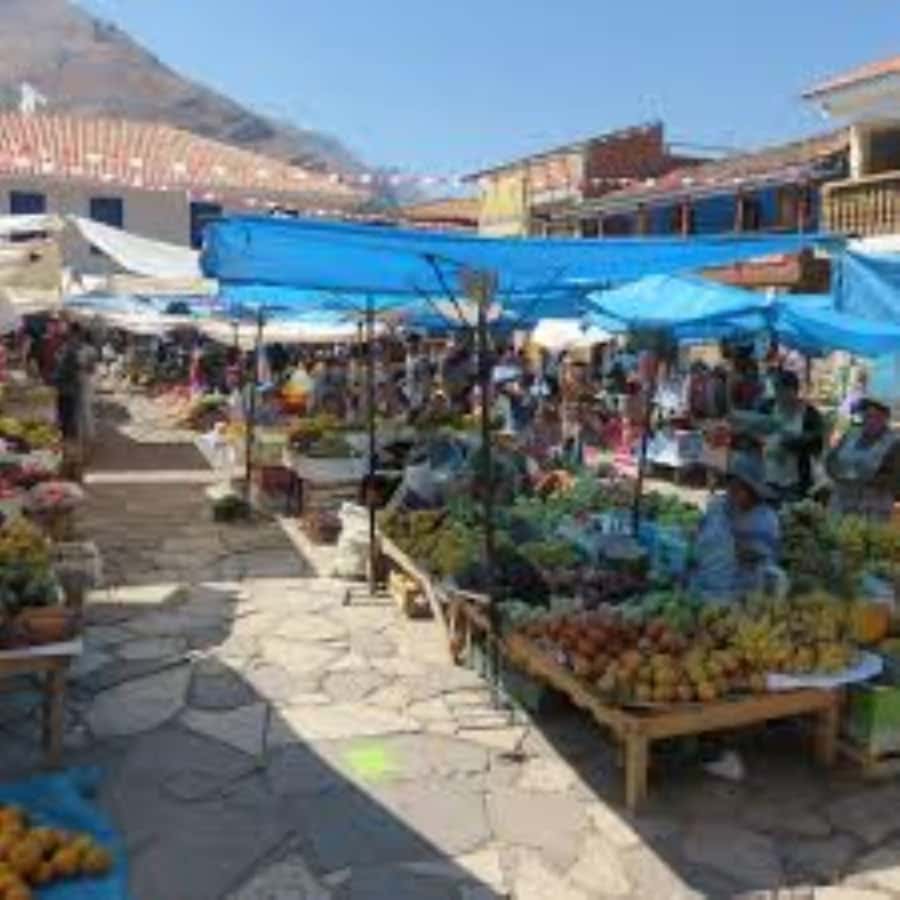
Pisac brings a different mood to the afternoon. The town sits on the slopes of Intihuatana hill, and the tour includes time at its indigenous market.
This is the best stop for browsing handicrafts. You may find textiles and other locally made goods, but the information provided does not name specific products or guarantee a particular set of stalls. Go with a little patience and a clear idea of what you want to buy.
I like having the market after the archaeological stops because it gives you a chance to connect the sites with living craft traditions. Shopping here is not a substitute for learning about the valley, but it adds a human and practical side to the day.
Keep an eye on the clock. Markets invite slow browsing, bargaining, and second thoughts, but Pisac Archaeological Park comes next. Decide in advance how much time you want to spend shopping so you do not rush the final site.
Pisac Archaeological Park and finely fitted stone
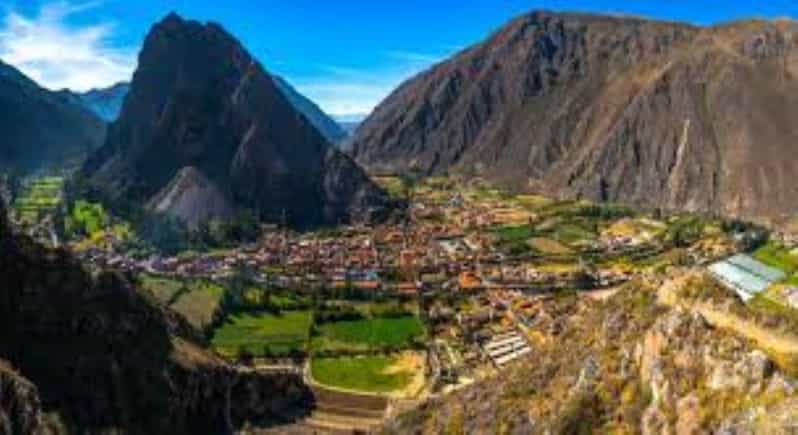
The final major stop is the Archaeological Park of Pisac. It features finely crafted Inca stone buildings and sits above the town on the slopes of Intihuatana hill.
Pisac works well as the closing archaeological visit because it brings together impressive masonry and a clear connection to the town below. After seeing the market, you can better understand that Pisac is not only a place to shop. It is also an important Inca site with carefully built structures.
The sequence does mean that the last stop comes after a long day. You will already have seen Chinchero, Moray, Maras, Ollantaytambo, and Urubamba. If you are tired by late afternoon, focus on the stonework and the overall setting rather than trying to absorb every detail.
This is one reason the tour suits people who want an overview. You will leave with several distinct memories: circular terraces, salt pools, Inca walls, a colonial church, a market, and Pisac’s stone buildings. You will not get an in-depth study of every site.
Is the small-group format worth choosing?
A maximum of 10 participants is a real advantage on a route with many meeting points. You can hear the guide more easily than you might in a large coach group, and the guide can spend more time answering questions.
The group size does not turn this into a private tour. The day still follows a fixed route, and everyone must stay close to the schedule. But it offers a useful middle ground between a private vehicle and a very large organized group.
The live guiding is available in English and Spanish. If the historical background matters to you, listen carefully at Chinchero, Moray, Ollantaytambo, and Pisac. These places are more rewarding when you understand what you are looking at rather than simply taking photographs.
Value, extra costs, and the long day
The tour’s value comes from combining five major locations, a buffet lunch, and a live guide in one 12-hour outing. You are paying for access to a full day of organized sightseeing rather than arranging each transfer and visit separately.
The value is strongest if you have limited time in Cusco. Seeing Chinchero, Moray, Maras, Ollantaytambo, and Pisac separately would take more planning and could require several days. This route lets you compare different parts of the Sacred Valley in one sweep.
The value is weaker if you dislike early starts, long days, or frequent departures and arrivals. You may prefer a shorter route with fewer locations if you want more time at each site.
Budget for the Maras entrance separately and verify the current cost. The only specific price warning available is the difference between 20 soles at the salt mines and 10 soles shown in the app. Since other entrance details are not provided, ask what is included before you book.
The flexible booking terms also help if your plans may change. You can cancel up to 24 hours in advance for a full refund, and the reserve-now, pay-later option lets you hold a place without paying immediately. These terms are practical, but they do not change the demanding pace of the itinerary.
Who should book this Sacred Valley tour?
I would recommend it to a first-time visitor who wants a broad introduction to the Cusco region. It is also a good fit if you want both archaeological sites and a market, or if you have only one free day for the Sacred Valley.
It suits people who enjoy variety. One hour may involve Inca walls, the next a colonial church or textile center, followed by terraces, salt wells, a buffet, a historic town, and a handicraft market. That mix is the point.
I would hesitate if you want a relaxed day or if one site matters far more than the others. A private or shorter tour could give you more time at Ollantaytambo, Pisac, or another preferred location. This small-group trip is organized for coverage, not deep focus.
The rating is 4.7 from three reviews, with one 4 out of 5 booking noting the beautiful scenery and strong historical content while also flagging pickup coordination and the Maras price discrepancy. That matches the practical picture: the route offers a lot, but you should confirm meeting details and entrance fees before departure.
Should you book it?
Book this tour if your priority is to see the Sacred Valley’s main sights in one day and you are comfortable with a 7:00 am start, a full schedule, and a return around 7:00 pm.
Skip it if you want slow visits, private pacing, or a single-site focus. For everyone else, the mix of Moray’s circular terraces, Maras’s thousands of salt wells, Ollantaytambo’s Inca stonework, and Pisac’s market makes this a useful first pass through the valley. Just budget for the salt mine entrance and confirm pickup arrangements before you go.
FAQ
How long does the Sacred Valley tour last?
The tour lasts 12 hours. It starts at 7:00 am and is expected to return to Cusco around 7:00 pm.
Which places does the tour visit?
The route includes Chinchero, Moray, the Maras salt mines, Ollantaytambo, and Pisac.
Is lunch included?
A buffet lunch in Urubamba is included in the itinerary.
What languages does the guide speak?
The live tour guide is available in English and Spanish.
How large is the tour group?
The tour is limited to 10 participants.
What can I see in Chinchero?
You can see Inca wall construction, a historic colonial church, and a textile center.
What is special about Moray?
Moray is known for its circular terraces and was an important agricultural site during Inca times.
How many salt wells are at Maras?
The Maras salt mines have more than 3,000 salt wells.
Is the Maras entrance fee included?
The provided tour information does not clearly state that it is included. One booking note reported a price of 20 soles at the salt mines, while the app displayed 10 soles, so confirm the current cost before departure.
Can I cancel the tour?
You can cancel up to 24 hours in advance for a full refund. The reserve-now, pay-later option is also available.
Just added around Cusco
- Zipline over the Sacred Valley Trip★ 5.0 · 11 reviews
- Valle Sur Cusco | half day★ 4.3 · 3 reviews
- Visit Pisac from Cusco: Private Transport★ 4.6 · 9 reviews
- Transfer from Cusco to Ollantaytambo★ 5.0 · 30 reviews
- Exclusive Huayna Picchu Tour in 1 Day from Cusco★ 5.0 · 31 reviews
- Trek to Humantay Lake from Cusco★ 4.9 · 8 reviews
- Private Tour Sacred Valley, Chinchero, Maras Moray, Ollantaytambo★ 5.0 · 29 reviews
- 5 Day – Salkantay trek to Machu Picchu – Group Service★ 4.5 · 27 reviews
Sacred Valley Day Trips from Cusco, compared.
Sacred Valley & Maras Salt Mines Tour with Lunch
Read our review →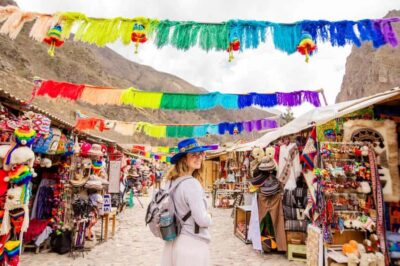
Sacred Valley, Pisac, Ollantaytambo, Salt Mines Moray
Read our review →

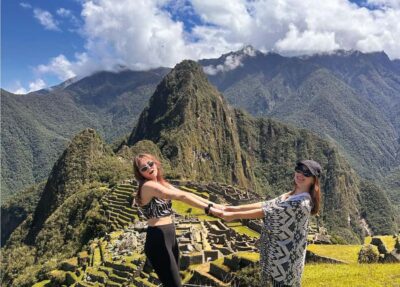
2-Day Trip to the Sacred Valley and Machu Picchu
Read our review →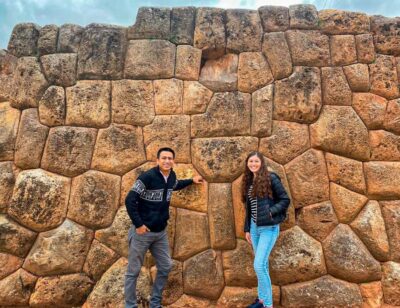
Sacred Valley Pisaq,Ollantaytambo,Chinchero with Lunch
Read our review →
Full-Day Excursion to Sacred Valley, Pisac and Ollantaytambo from Cusco
Read our review →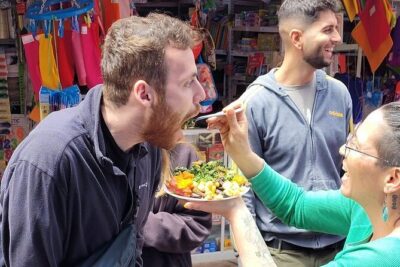
Food and Culture Full day Tour in the Sacred Valley
Read our review →Browse the lists this tour appears in