
Reviewed · INCA JUNGLE TREK TO MACHU PICCHU
4 Days Inca Jungle to Machu Picchu Standard
The best thing about this four-day route is that Machu Picchu is the finale, not the whole show. You start high above the Sacred Valley, ride down through small villages, hike among coffee and cocoa plants, soak at Cocalmayo, and reach Aguas Calientes on foot. It gives you a lively, active route instead of a quick train ride and a single day at the ruins.
I like the mix of transport and the small-group size, capped at 15 people. I also like the human scale of the trip: shared rooms, family-style meals, rural villages, and guides such as Jonathan and Carlitos who have been praised for keeping groups together and looking after people.
The main catch is unclear extra costs. Rafting, ziplining, the Machu Picchu bus, Cocalmayo admission, and mountain entrances are not all covered by the $455 price. Confirm every included activity before you leave, and carry cash for stops along the way.
Key points at a glance
- Abra Malaga descent: Ride mountain bikes for about three hours from 4,350 meters through villages, rivers, orchards, and streams.
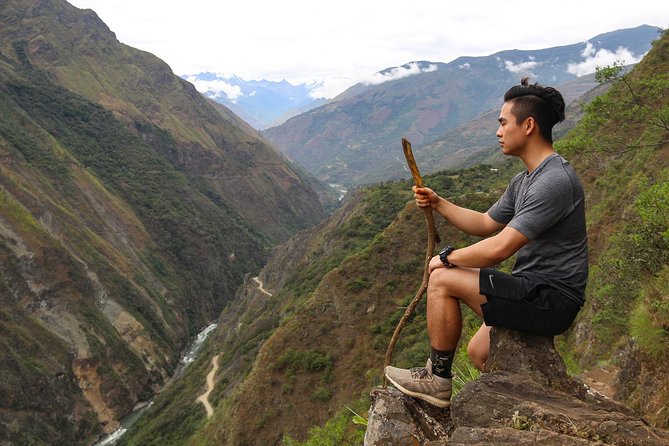
- A real jungle route: Walk through coffee and cocoa farms, fruit trees, orchids, and bird habitat rather than taking the direct train route.
- Cocalmayo hot springs: Relax in thermal pools after the longest walking day, with drinks available to buy on site.
- Aguas Calientes on foot: Walk roughly three hours from the hydroelectric station beside waterfalls and farms.
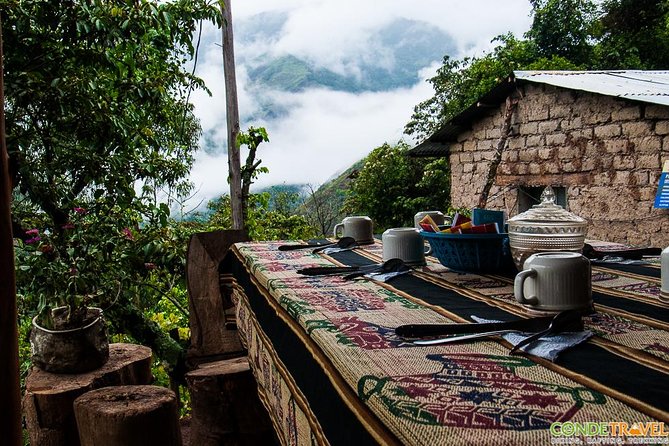
- Basic but useful lodging: Sleep in a shared room at Conde Ecolodge, then hostels in Santa Teresa and Aguas Calientes.
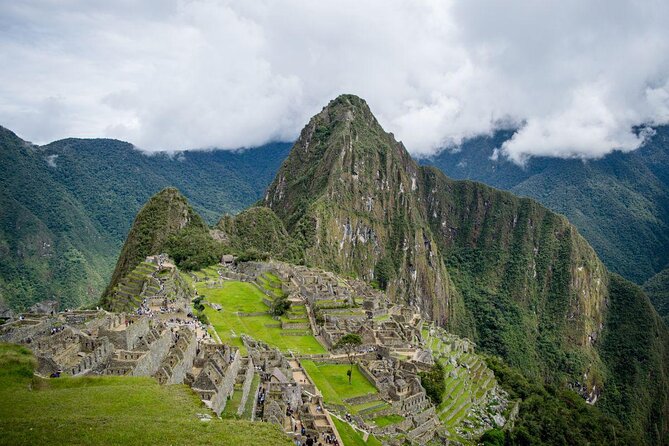
- Active Machu Picchu finish: Reach the sanctuary early, take a roughly two-hour guided visit, and then have free time inside.
Why this route is different from the usual Machu Picchu trip
The classic way to visit Machu Picchu is simple: take a train to Aguas Calientes, ride a bus uphill, see the ruins, and return. This trip takes the long way around. You bike, hike, and ride local transport through the warmer eastern side of the Andes before reaching the sanctuary.
That matters because the route gives you several kinds of scenery in four days. Day one begins in cold, high country and drops toward warmer valleys. By day two, you are among tropical plants and small farms. Day three brings waterfalls, coca and coffee plantations, and the rail-side approach to Aguas Calientes.
This is not a wilderness expedition. Roads, private transport, lodges, and restaurants keep the trip practical. Still, you should expect mud, insects, heat, basic rooms, and long stretches on foot. The tour asks for moderate fitness, and that description is fair.
The group limit of 15 is helpful. A smaller group can keep a shared pace more easily, and the guides can watch riders and walkers without managing a huge crowd. Past groups have included couples in their sixties, younger adults, families, and solo participants, so the social mix can be broad.
More Inca Jungle Runs from Cusco:
- 4-Day Inca Jungle Adventure, Mountain Biking, Rafting and Zipline
★ 5.0 · 60 reviews - From Cusco: 4-Day Inca Jungle Adventure to Machu Picchu
★ 4.8 · 45 reviews - Inca Jungle Premium to Machu Picchu 4-Day and 3-Nights
★ 5.0 · 40 reviews
Day one: biking down from Abra Malaga
Your first morning begins at 5:00 a.m., after a briefing at the company office the evening before. Transport takes you from Cusco through Ollantaytambo and up to Abra Malaga, at about 4,350 meters above sea level.
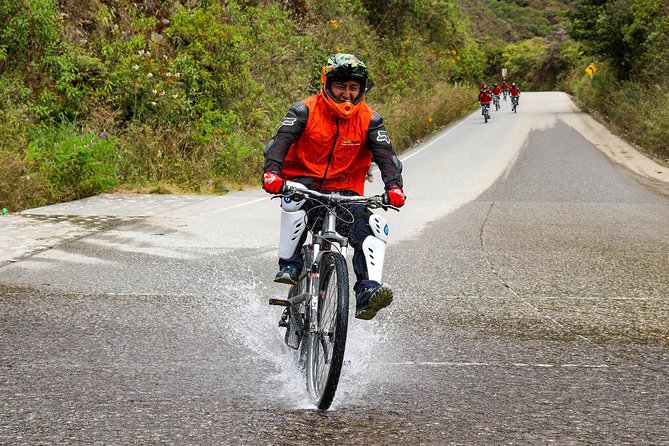
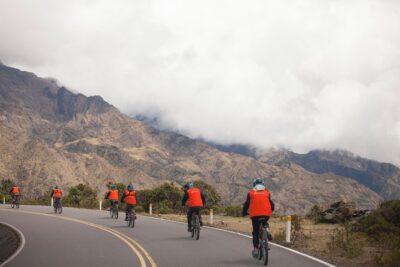
The early start is not gentle, but it gets you onto the route before the day becomes hot. At the pass, you switch to a mountain bike and begin a descent of about three hours. The road leads through rural villages, streams, rivers, orchards, and changing vegetation.
This is the most dramatic biking section because the route loses a great deal of altitude. You do not need advanced cycling skills to appreciate it, but you do need to feel comfortable on a mountain road. Helmets and gloves are provided. Ask about the road surface and stopping points during the briefing, especially if you have limited mountain biking experience.
The route reaches Huamanmarca, where you can buy water and snacks. That stop is useful, since you should not depend on every meal or drink being immediately available. Bring some soles in small bills and keep water within reach.
After the ride, you go to Huyro for lunch. A private bus then takes the group to Santa Maria for the rafting section. Rafting is listed as an optional extra, so do not assume it is part of the $455 package. Afterward, the group returns toward Huyro for the night.
The first day combines a long transfer, a three-hour bike ride, lunch, and a water activity. It can feel busy, but it also gives you the strongest sense of leaving Cusco behind. If you are prone to motion sickness, prepare for winding roads and an early start.
Day two: coffee farms, Inca Carcel, and Cocalmayo
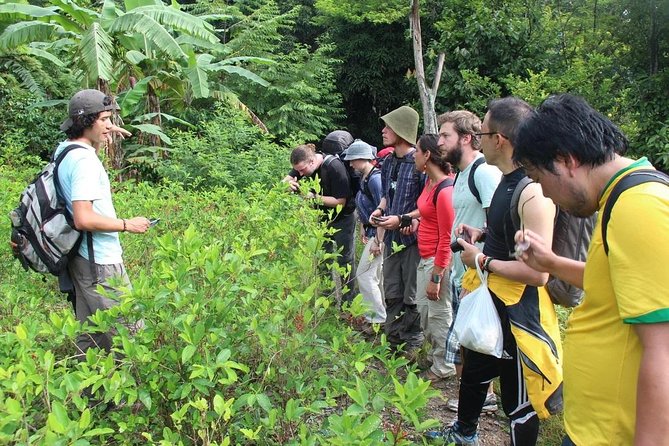
After breakfast, transport takes you to Pasto Grande, where the main hike begins. The walk lasts about four hours and passes through high forest, small coffee and cocoa plantations, fruit trees, orchids, birds, and other plants.
The appeal here is not one grand viewpoint. It is the close-up look at how people farm in the warmer valleys. You walk through working agricultural areas, and the guide explains the plants and local environment as you go. Carry insect repellent, sunscreen, and a light layer. One past participant’s most useful advice was to keep plenty of bug spray handy.
The trail reaches Inca Carcel, an archaeological site associated with punishment under Inca society. This stop adds a cultural piece to a day that might otherwise be mostly about plants and physical effort. Your guide is expected to explain the site, so ask questions if you want more context about Inca rules and daily life.
Lunch comes at the community of Pumachaca. The meal is described as nutritious and based around fruits and tubers, though food arrangements are local and may not suit every diet. One important caution is vegetarian food. A past group member found that meat-free meals could not always be arranged because the group was eating with families in remote areas.
After lunch, you continue toward Cocalmayo. These hot springs are well placed after a four-hour walk. The pools give your legs a break, and you can buy a beer if you want one. Admission may be paid at the site, so keep extra money available.
The night is in Santa Teresa, with Wi-Fi and hot water listed at the hostel. Conditions are basic rather than polished. That is part of the tradeoff for following a route through smaller communities instead of staying in a large resort town.
Day three: ziplining or hiking to the hydroelectric station
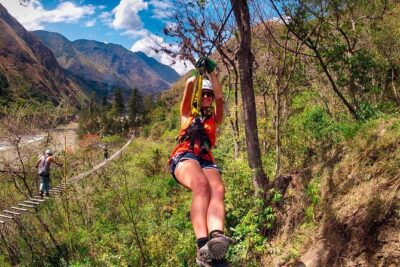
The third morning begins in Santa Teresa. You can choose the optional zipline if you reserve it in advance. Those who do not zipline hike for about three hours to the hydroelectric station, where the whole group meets for lunch.
This split is worth understanding before booking. Ziplining is not included, and the regular walk is not a short substitute. If your group separates, make sure you know where and when everyone will meet again. The supplied information says zipline participants are taken by bus to the hydroelectric station after the activity.
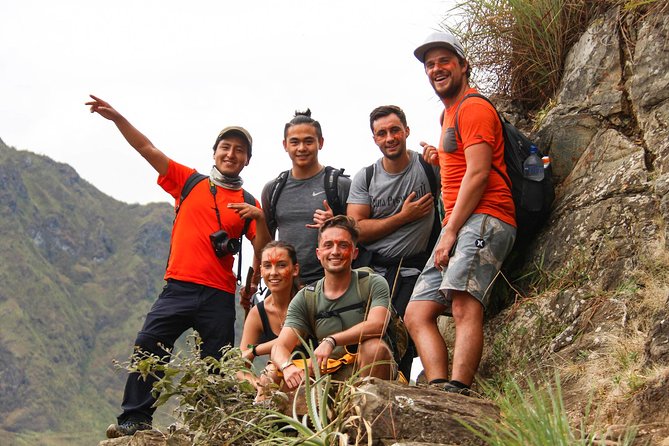
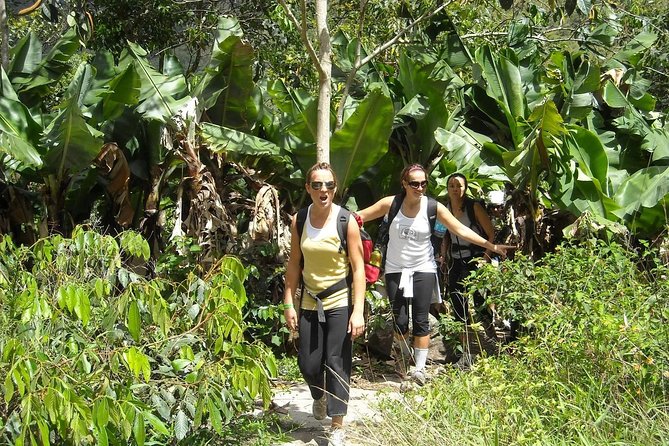
After lunch, the full group walks for another three hours toward Aguas Calientes. The path passes waterfalls, coca farms, and coffee plantations. This is a long day, but the route gives you a close view of the valley and avoids taking the train into town.
You reach Aguas Calientes around 4:00 p.m. and go to a hostel with private bathrooms and hot water. That is a welcome improvement after the more basic rural lodging. Wi-Fi is not available for much of the trek, so download maps, tickets, and important contact details before setting out.
Dinner is included, followed by a briefing about Machu Picchu. Pay attention here. The guide should explain the morning departure, the walking route, the entrance arrangements, and the return plan. The next morning is early, and confusion at that point can spoil an otherwise good trip.
More Machu Picchu Days from Cusco:
- From Cusco: Full-Day Group Tour of Machu Picchu
★ 4.7 · 1,767 reviews - Machu Picchu Day Trip from Cusco
★ 4.5 · 1,644 reviews - Machu Picchu: Full-Day Tour from Cusco with Optional Lunch
★ 4.6 · 927 reviews - Cusco: 4-Day Inca Trail to Machu Picchu with Accommodation
★ 4.8 · 432 reviews
Day four: an early climb into Machu Picchu
You leave early for Machu Picchu and follow an ascending route through high forest. The walk takes about two hours, and an early start may give you a chance to see sunrise conditions along the way.
The guide leads a visit of about two hours inside the sanctuary. After that, you are free to explore on your own, subject to the access rules for your ticket. The guided portion is long enough to provide orientation, but you should not expect a full-day guided visit.
The bus from Aguas Calientes to Machu Picchu is not included. You can pay for that separately, or follow the uphill walking route described by the tour. Decide in advance based on your energy. After three active days, the bus may be worth the extra cost, especially if you want to save strength for the ruins.
The return plan is less flexible. You walk about two hours from Aguas Calientes to the hydroelectric station, where the bus leaves at 3:00 p.m. The bus returns to Cusco at about 9:00 p.m. This makes the final day long, with little room for delay.
You can add an extra night in Machu Picchu town for $30, according to the supplied details. That can be useful if you want to climb Huayna Picchu or Machu Picchu Mountain, but those entrances are separate and subject to availability. One past booking ran into a problem with a pre-paid Huayna Picchu reservation that was no longer available, so confirm mountain tickets directly before relying on them.
What the $455 price really covers
At $455 per person, the tour offers a lot of moving parts: transport from Cusco to Abra Malaga, bikes, helmets, gloves, a bilingual guide, three nights of lodging, meals, and the return bus from the hydroelectric station to Cusco.
Included lodging consists of one shared-room night at Conde Ecolodge in Pispitayoc, one night in Santa Teresa, and one night in Aguas Calientes. Breakfast, lunch, and dinner are provided on the stated schedule, but the final day’s lunch and dinner are not included.
The price is reasonable if you want one booking to arrange transport, basic accommodation, meals, and guiding across four active days. It is less attractive if you expect every adventure activity and every Machu Picchu transport cost to be covered.
Budget separately for:
- Rafting
- Ziplining
- The bus from Aguas Calientes to Machu Picchu
- Cocalmayo hot spring admission
- Huayna Picchu or Machu Picchu Mountain
- Personal items and tips
- Final-day lunch and dinner
There is also an optional Llaqtapata plan for $55, with a minimum of two people. It replaces the Santa Teresa stay with an additional walk of about two and a half hours, lodging in a lodge in the Machu Picchu valley, and transport connected to the activities. Ask for the exact schedule before choosing it.
A serious warning about value: one past participant paid much more through an online booking channel than people who arranged the same route directly with Conde Travel. The account also says the online price did not clearly include rafting, biking, and ziplining. Since the supplied package lists bikes as included but rafting and ziplining as excluded, get a written breakdown of every activity before paying. This is the single most important money-saving step.
Lodging, food, and the small practical details
Do not book this for boutique comfort. The rooms are basic, and arrangements may be shared or vary from what you expected. One group found five people in the first room and three in later rooms, despite expecting a shared first night followed by double rooms.
That does not make the lodging unusable. Hot water is listed at the Santa Teresa and Aguas Calientes hostels, and private bathrooms are listed for the Aguas Calientes night. Think of the rooms as places to wash, sleep, and repack.
Food received strong praise from some groups, and several people found the meals surprisingly good. Dietary flexibility is more limited in remote areas. If you are vegetarian, state it clearly before departure and bring backup snacks rather than assuming each meal can be changed.
Pack light. A small daypack makes the walking sections much easier. Bring a swimsuit for Cocalmayo, insect repellent, sunscreen, flip-flops, a light jacket, and a headlamp. Keep your passport safe, since the company requires passport name, number, expiry, and country details at booking.
The guide and group experience
Guiding can make or break a trip with this many transfers. The company assigns a bilingual professional guide, and the strongest praise has gone to guides named Jonathan and Carlitos. Jonathan was described as a good guide, while Carlitos was praised for being attentive and taking care of the group.
You should expect the guide to explain Inca sites, manage meeting points, lead the Machu Picchu visit, and help maintain a common pace. The activity level can vary within one group, so tell the guide early if you need a slower rhythm or a break.
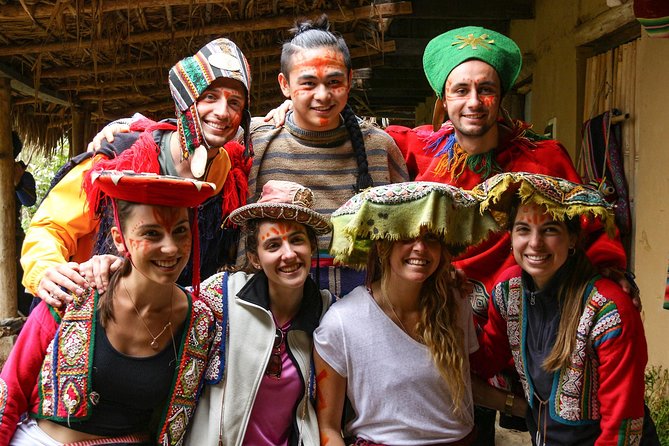
The group cap of 15 keeps the social side manageable. You may spend long hours with strangers in a bus, on footpaths, and in shared lodging, but the range of ages and backgrounds can make the experience enjoyable. This is a good match for someone who likes company and does not need a private room every night.
Organization has been uneven. Problems have included a delayed or improvised pre-trip briefing, a pickup an hour late, unclear costs, and difficulty getting help after a missed pickup. Keep confirmation details, pickup information, and emergency contacts on your phone and in print. If the briefing changes, ask direct questions and do not leave until you understand the next morning’s plan.
Who should book this Inca Jungle route?
I would choose this trip if you want an active alternative to the direct train and classic Inca Trail. You get biking, hiking, thermal pools, optional rafting and ziplining, and a guided Machu Picchu visit without committing to a longer high-altitude trek.
It suits you if you have moderate fitness, can handle early starts, and are comfortable with simple lodging. It also works well for mixed-age groups, provided everyone understands that the route includes several hours of walking on days two and three.
I would hesitate if you need fixed room arrangements, strict dietary control, full cost certainty, or a quiet, polished holiday. The route itself is appealing, but the administrative side demands attention.
Should you book it?
Book it if the route matters more to you than comfort and you are willing to confirm the extras in writing. The combination of the Abra Malaga bike descent, coffee and cocoa farms, Cocalmayo, the walk to Aguas Calientes, and Machu Picchu makes this a memorable four-day adventure.
Before paying, ask for a line-by-line price showing rafting, ziplining, hot springs, Machu Picchu transport, room type, and mountain tickets. If those details are clear and the active pace suits you, $455 can be a fair package price. If the answers remain vague, compare a direct booking with Conde Travel and make sure the final cost is genuinely lower.
FAQ
How long is the Inca Jungle to Machu Picchu tour?
The tour lasts four days, starting with an early pickup in Cusco and ending with a return to Cusco at about 9:00 p.m. on day four.
What time does the tour start?
The stated start time is 5:00 a.m. A briefing takes place at the company office the evening before departure.
Is rafting included in the price?
No. Rafting is listed as an additional cost.
Is ziplining included?
No. Ziplining costs extra and must be reserved in advance. People who do not zipline hike to the hydroelectric station.
Is the bus from Aguas Calientes to Machu Picchu included?
No. The bus uphill to Machu Picchu is not included. The final return bus from the hydroelectric station to Cusco is included.
What accommodation is provided?
You receive one night in a shared room at Conde Ecolodge in Pispitayoc, one night in a Santa Teresa hostel, and one night in an Aguas Calientes hostel with private bathrooms and hot water.
Can I stay an extra night in Machu Picchu town?
Yes. An additional night is listed at $30, allowing you to return the next day. Huayna Picchu or Machu Picchu Mountain requires a separate ticket.
More 4-Day Experiences in Cusco
- Choquequirao Trek 4 days and 3 nights
★ 5.0 · 81 reviews - 4 Day Tour to the Manu National Park
★ 5.0 · 81 reviews - Cusco Sacred Valley and Machupicchu 4 Days
★ 5.0 · 80 reviews - Ancascocha Trek To Machu Picchu 4 Days And 3 Nights
★ 5.0 · 77 reviews
Just added around Cusco
- Zipline over the Sacred Valley Trip★ 5.0 · 11 reviews
- Valle Sur Cusco | half day★ 4.3 · 3 reviews
- Visit Pisac from Cusco: Private Transport★ 4.6 · 9 reviews
- Transfer from Cusco to Ollantaytambo★ 5.0 · 30 reviews
- Exclusive Huayna Picchu Tour in 1 Day from Cusco★ 5.0 · 31 reviews
- Trek to Humantay Lake from Cusco★ 4.9 · 8 reviews
- 5 Day – Salkantay trek to Machu Picchu – Group Service★ 4.5 · 27 reviews
- 2 Day – Short Inca Trail to Machu Picchu – Group Service★ 5.0 · 30 reviews
Inca Jungle Trek to Machu Picchu, compared.
4-Day Inca Jungle Adventure, Mountain Biking, Rafting and Zipline
Read our review →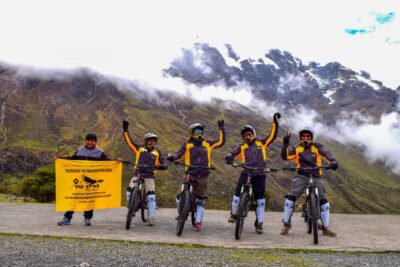
Inca Jungle Premium to Machu Picchu 4-Day and 3-Nights
Read our review →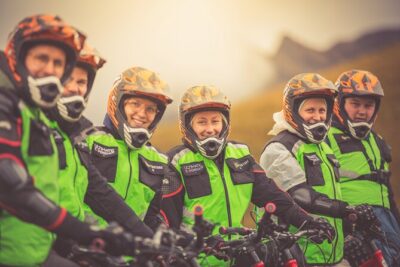
Inca Jungle 4-Day Tour: Full Adventure to Machu Picchu Included
Read our review →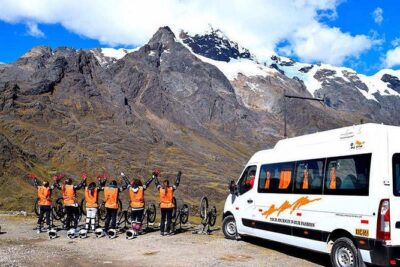
07 Day: Inca Jungle Adventure with Mountain Bike, Rafting, Zipline & Trek
Read our review →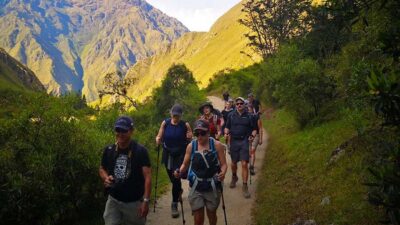
4 days/3 nights: Inka Jungle Trek to Machu Picchu
Read our review →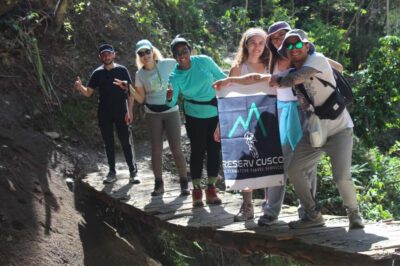
Browse the lists this tour appears in