
Reviewed · HIKING & TREKKING
Choquequirao Trek 4 days and 3 nights
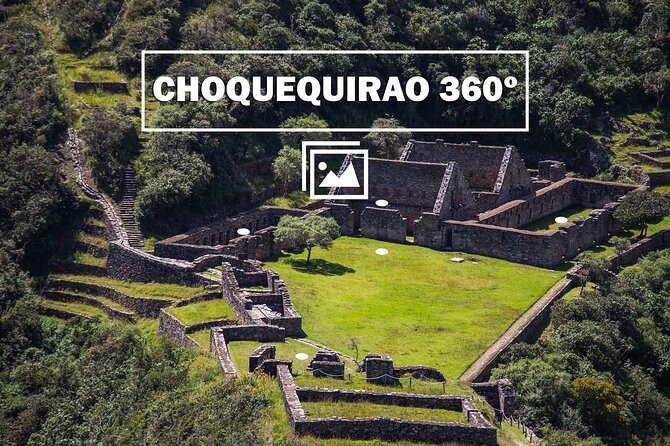
Choquequirao is Peru’s great alternative to Machu Picchu: an immense Inca site reached by a hard trail, with no train, bus, or easy shortcut. This four-day route gives you canyon views, changing climates, and a good chance to explore quiet ruins without the crowds found elsewhere near Cusco.
I like the full support team, including a chef and porter, and I like that the price covers transport from Cusco, four breakfasts, four lunches, and three dinners. The main catch is simple: this is a serious hike, with long descents and punishing climbs in hot canyon country.
Key points at a glance
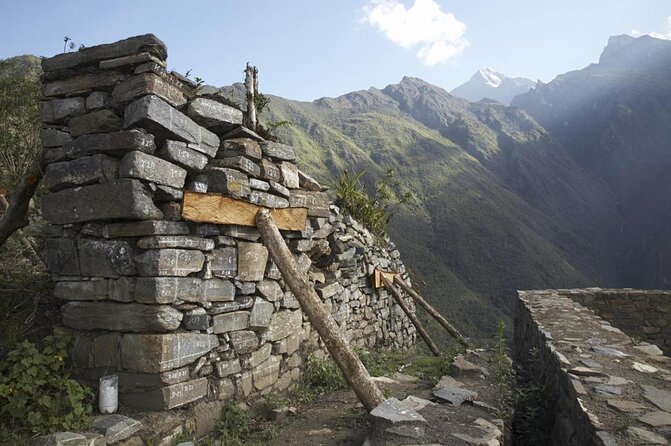
- Choquequirao without the usual crowds: The remote Inca citadel is the main prize, and the site can feel remarkably peaceful.
- A dramatic descent into the Apurimac Canyon: Day one drops from 2,911 meters to the Santa Rosa camp at 1,478 meters.
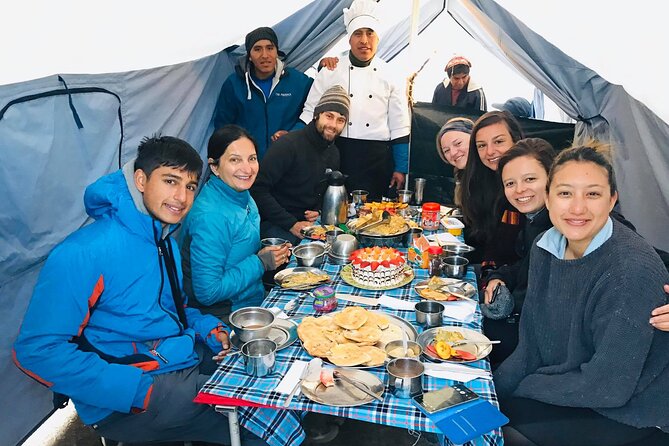
- Meals are a real strength: The cooks prepare varied food in camp, including vegetarian meals and other dietary requests with advance notice.
- Porter help keeps your pack manageable: One porter carries up to 7 kilograms of your personal gear.
- Small-group format: The advertised group limit is 16, while the main tour description refers to groups of 12, so confirm the actual size before booking.
- Saywite adds a final archaeological stop: You finish with a visit to the mysterious carved rock before returning to Cusco.
Why Choquequirao is worth the effort
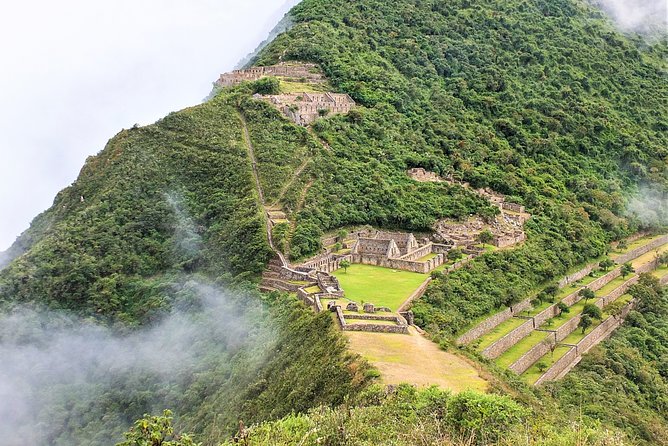
Choquequirao sits high above the Apurimac Canyon and takes real work to reach. That difficulty is the point. You do not simply step off a bus and wander through the ruins. You earn the citadel over several days of steep trail, changing temperatures, and rough mountain terrain.
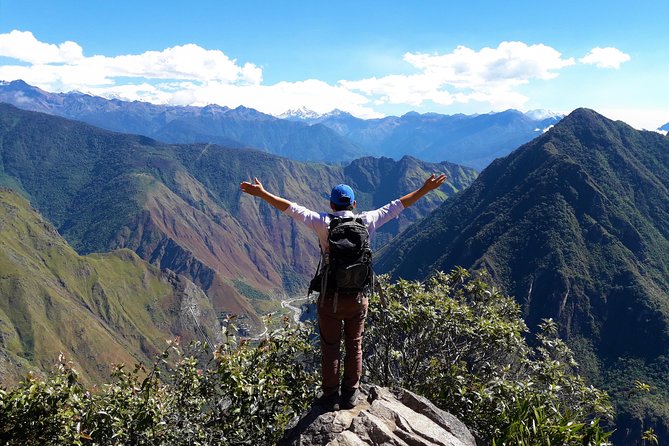
The route begins in the highlands near Capuliyoc, then drops sharply into warmer country. You pass from open mountain views into areas described as cloud forest, with flowers, birds, distant waterfalls, and thick vegetation. It is a good route for anyone who wants the journey to matter as much as the destination.
The citadel itself is the great reward. The experience is quieter than the standard Inca Trail, and you can spend time looking closely at the stonework and setting instead of moving with a large stream of people. The remoteness also gives the place a stronger sense of discovery.
Still, do not confuse quiet with easy. The trail includes a long downhill on the first day, steep uphill sections later, and hiking days of up to eight hours. You should arrive in Cusco with a moderate level of fitness and take the altitude seriously.
A few more Cusco days worth weighing up
- Cusco: 4-Day Inca Trail to Machu Picchu with Accommodation
★ 4.8 · 432 reviews - 4 Day Tour to the Manu National Park
★ 5.0 · 81 reviews - Cusco Sacred Valley and Machupicchu 4 Days
★ 5.0 · 80 reviews
The 4:30 a.m. start and drive to Capuliyoc
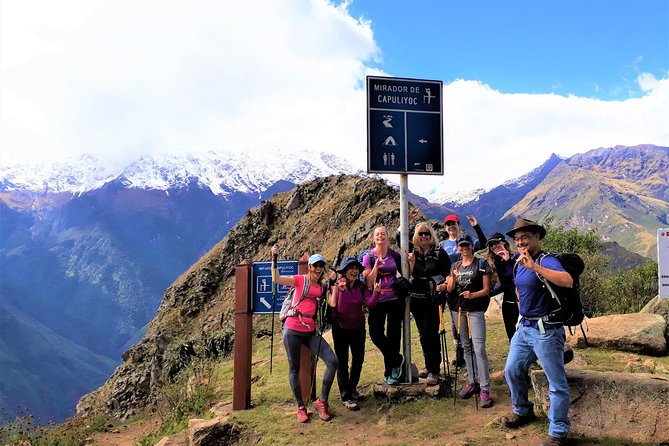
Your day begins very early, with pickup between 4:30 and 5:00 a.m. from your Cusco hotel or the airport. The drive crosses the Andes toward Capuliyoc, where you are expected to arrive around 8:30 a.m. Breakfast comes before the walking begins.
That early start makes sense. The route is long, and the lower parts of the canyon can become warm. It also gives your group more daylight for the first descent and helps keep the schedule moving.
Capuliyoc sits at about 2,911 meters, or 9,550 feet. From here, you start down toward Chiquiska. You will want sturdy footwear, trekking poles if you use them, sun protection, and enough water for the day. Poles are not included, but the company can offer guidance about renting or arranging them.
The drive itself is part of the experience, taking you from Cusco’s high-altitude setting into a much lower canyon zone. Bring a warm layer for the morning, but keep lighter clothing easy to reach. Temperatures can change sharply during the day.
Day one: Capuliyoc, Chiquiska, and Santa Rosa
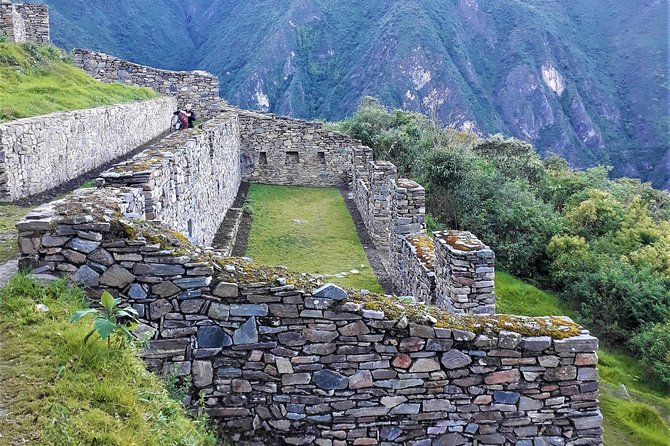
The first walking day covers about 10.8 kilometers, or 6.7 miles, with roughly six hours on the trail. The route drops from Capuliyoc to Chiquiska in about four hours, where lunch is served.
The views open toward the Apurimac Canyon, one of Peru’s deepest. This is the first major visual payoff, with broad mountain views and a clear sense of how far the route must descend. The changing vegetation gives the day more variety than a simple uphill or downhill walk.
After lunch, you continue downhill for about two more hours to Santa Rosa, where you camp at approximately 1,478 meters. That is a major drop from the morning start. The descent may feel manageable at first, but downhill walking can be hard on knees and thighs, especially when you are carrying a daypack.
I like this opening because it gives you a dramatic introduction to the canyon right away. The drawback is that you are descending for most of the day, then camping at a much warmer, lower elevation. You need to pace yourself early rather than treating the first few hours as an easy warm-up.
Day two and a schedule detail to confirm
The supplied day-by-day information for day two repeats the day-one description, including the drive to Capuliyoc, the descent to Chiquiska, and the Santa Rosa camp. A separate heading identifies the day as Marampata to Choquequirao, which suggests that the intended second day should include the climb from Santa Rosa toward Marampata and the citadel.
This is important enough to clarify before you pay your balance or begin the trek. Ask for the exact day-two route, camp location, walking distance, and time at Choquequirao. The overall four-day plan clearly centers on the citadel, but the written schedule contains a duplication.
Based on the route described elsewhere, Marampata is the approach to the ruins after the first night at Santa Rosa. This section is likely to feel much harder than day one because you exchange the long descent for sustained climbing. Your guide should set a steady pace and allow breaks.
The support team matters here. Guides named in past departures include Elias and Sebastian, both praised for patience and encouragement, while other departures have featured Gary and Sergio. Staff assignments can change, so treat these names as examples rather than a guarantee. The important question is how the guide handles pace, altitude, and tired hikers.
Same altitude, a completely different day:
- Cusco: Humantay Lake Tour with Breakfast and Buffet Lunch
★ 4.9 · 2,976 reviews - From Cusco: Sacred Valley & Maras Salt Mines Tour with Lunch
★ 4.8 · 2,227 reviews - From Cusco: Moray, Maras Salt Mines & Chinchero Weavers Tour
★ 4.8 · 1,925 reviews - From Cusco: Full-Day Group Tour of Machu Picchu
★ 4.7 · 1,767 reviews
Reaching the Choquequirao Inca citadel
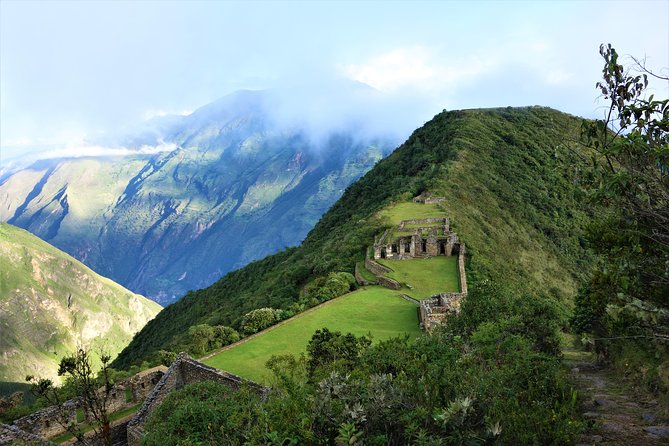
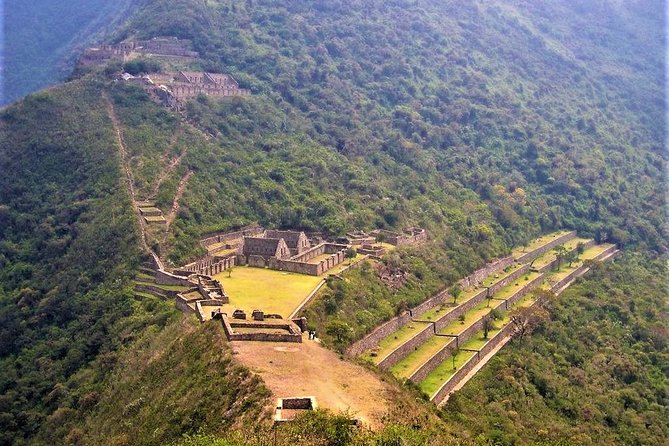
The citadel is the centerpiece of the trek. After the climb toward Marampata, you spend time at Choquequirao, an Inca site spread across a dramatic mountain setting above the canyon.
The value here is not only the ruins themselves. It is the combination of archaeology, height, silence, and effort. You have just walked through a remote section of the Andes, and the site feels connected to the trail rather than isolated from it.
Plan to listen closely during the archaeological explanations. A good guide can help you understand how the terraces, plazas, paths, and mountain setting fit together. Names praised on different departures include Elias, Sebastian, Gary, and Sergio, but your booking should confirm who will lead your group.
The site is also where the small-group design pays off. A group of 12 is more pleasant around ruins than a large crowd, and the published maximum of 16 is still modest by popular Peru standards. Because the details conflict slightly, confirm whether your departure is capped at 12 or 16 people.
Day three: the return through changing elevations
The day-three description begins with sunrise at Choquequirao, followed by breakfast and a three-hour downhill walk to Santa Rosa for lunch. It then describes two more hours downhill and two hours uphill before reaching a camp near Chiquiska.
The distances in the supplied schedule do not fully agree. It lists 8 kilometers in one place and 11.32 miles in another, even though those figures are very different. The elevation figures also vary. Ask the operator to explain the exact route before departure, especially if you need to plan around knee problems or a strict return schedule.
The basic character of the day is clear: expect a long return with both descent and climbing. You may see flowers, birds, and distant waterfalls along the way. These details matter because the walk is not only a reverse trip. The lower canyon looks different when you know the route, and changing light can make familiar slopes seem new.
A sunrise at Choquequirao is a fine reason to keep your camera ready, but do not let photography turn the morning into a rushed affair. Eat breakfast, pack carefully, and follow the guide’s timing. The day is long enough without starting late.
Day four: the final climb and Saywite
The final day calls for a four-hour uphill trek to Capuliyoc. After lunch, you say goodbye to the trekking crew and board private transport for Saywite.
After several days of descending and climbing, this last uphill can feel surprisingly demanding. The distance is listed as 8 kilometers in one place and 11.32 miles in another, with about eight hours of activity shown for the day. Again, confirm the actual walking distance and timing at the briefing.
Saywite adds a worthwhile change of pace. The archaeological site is known here for its mysterious carved rock, and you have time to explore before the drive back to your hotel. The return is planned for around 5 p.m., though mountain roads and the length of the final hike can affect the exact timing.
I like this finish because you do not simply hike out and end the trip at a roadside stop. Saywite gives you one last cultural visit, and the private transport saves you from arranging a separate connection back to Cusco.
Food, porters, and camp support
The $698 price includes a chef, four breakfasts, four lunches, and three dinners. That is a meaningful part of the value because food logistics are difficult on a remote trek. You are not expected to buy every meal along the route.
Past departures have featured cooks such as Leandro, Oscar, Balbino, Julio Cesar, and Lucio. The food has been praised for variety, with different dishes served instead of repeating the same basic meal. That does not mean restaurant service in the mountains, but it does suggest that meals are treated as an important part of the trip.
Vegetarian food is available, and you should report dietary needs when booking. Do not wait until the first breakfast. Advance notice gives the kitchen team a fair chance to plan.
A personal porter can carry up to 7 kilograms of your belongings. Pack that allowance carefully. Keep valuables, medication, documents, water, and anything you need during the day in your own daypack. Ask the company exactly how your personal bag is transferred between camps.
Mattress, sleeping bag, and trekking poles are optional extras rather than included equipment. If you do not own suitable gear, ask for rental guidance before the briefing. A sleeping bag suited to the expected camp temperatures can make a big difference after a long day.
What the $698 price really covers
At $698 per person, this is not a bare-bones hiking permit. The cost includes hotel or airport pickup, all transport from the start through the return, an English-speaking professional guide, a chef, meals, a porter allowance, camps, and admission to the archaeological stops.
The main value is convenience in a place where logistics are awkward. You do not have to organize a private vehicle to Capuliyoc, arrange food, hire separate pack support, or figure out the return from Saywite. The team handles the moving parts while you concentrate on walking.
The price also buys a more personal format than a large group trek. The published information gives two group limits, 12 and 16, so ask which one applies. Either size is manageable, but the difference matters when you need help, want to hear explanations, or are trying to keep a common pace.
The cost does not include a mattress, sleeping bag, or trekking poles. Budget for those if needed, and ask about any other small equipment charges before departure. Free cancellation is available up to 24 hours before the start time. Poor weather or failure to reach the minimum group size can lead to a new date or a full refund.
Who should book this trek
I would choose this route if you want a demanding archaeological trek and prefer quiet mountain sites to easy access. It suits hikers who can manage long days, steep descents, and sustained climbs without needing a luxury camp.
It is also a good match if you value food and support. The guide, cook, and porter system means you carry less and have practical help throughout the route. Families can participate only when children are accompanied by an adult, but the physical demands make this better for older children and fit adults than for young kids.
I would think twice if you dislike early starts, camping, steep trails, or uncertain timing. The schedule has conflicting distance and elevation details, and day two needs clarification. That does not make the trek a bad choice, but it does mean you should ask direct questions before booking.
You also need a current passport on the day of travel, and passport name, number, expiry date, and country are required for every participant at booking. The tour requires good weather, so keep some flexibility in your Peru schedule if possible.
Should you book the Choquequirao Trek?
Book it if you want one of Peru’s quieter major archaeological experiences and are ready to work for it. The canyon scenery, small group, strong meal service, porter help, and final Saywite visit make the $698 price reasonable for a supported four-day trek.
Before committing, confirm the actual group size, the day-two route, total walking distances, camp arrangements, and equipment rentals. If the operator gives you clear answers and you are comfortable with eight-hour hiking days, this is a rewarding choice for fit hikers who want Choquequirao without the usual crowds.
FAQ
How long is the Choquequirao Trek?
The trek lasts four days and three nights, beginning and ending in Cusco.
What time does the tour start?
Pickup begins between 4:30 and 5:00 a.m. The listed meeting time is 4:30 a.m.
Is transportation included?
Yes. Transportation is included from the beginning of the trek through the return to your hotel. Pickup is available from your hotel or the airport.
What meals are included?
The tour includes four breakfasts, four lunches, and three dinners. A chef prepares the meals during the trek.
Can I request vegetarian food?
Yes. Vegetarian meals are available. You should advise the operator when booking, along with any other dietary requirements.
How much personal luggage can the porter carry?
A personal porter can carry up to 7 kilograms of your personal belongings.
Are sleeping bags and trekking poles included?
No. A mattress, sleeping bag, and trekking poles are optional items. The operator can provide guidance about them.
What fitness level is required?
You should have a moderate level of physical fitness. The trek includes steep descents, long uphill sections, and hiking days listed at up to eight hours.
Just added around Cusco
- Zipline over the Sacred Valley Trip★ 5.0 · 11 reviews
- Valle Sur Cusco | half day★ 4.3 · 3 reviews
- Visit Pisac from Cusco: Private Transport★ 4.6 · 9 reviews
- Transfer from Cusco to Ollantaytambo★ 5.0 · 30 reviews
- Exclusive Huayna Picchu Tour in 1 Day from Cusco★ 5.0 · 31 reviews
- Trek to Humantay Lake from Cusco★ 4.9 · 8 reviews
- Private Tour Sacred Valley, Chinchero, Maras Moray, Ollantaytambo★ 5.0 · 29 reviews
- 5 Day – Salkantay trek to Machu Picchu – Group Service★ 4.5 · 27 reviews
Hiking & Trekking, compared.
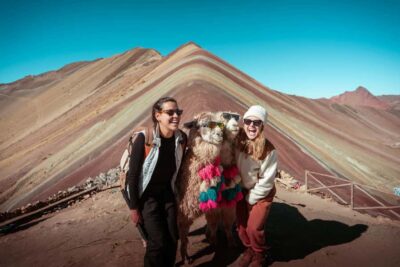
Rainbow Mountain Tour and Red Valley Hike (Optional)
Read our review →
Full-Day Rainbow Mountain & Red Valley Trekking Tour
Read our review →
Private Palccoyo Rainbow Hike Without the Crowds
Read our review →
Ancascocha Trek To Machu Picchu 4 Days And 3 Nights
Read our review →
Browse the lists this tour appears in