
Reviewed · CUSCO CHOCOLATE WORKSHOPS
Cusco: Bean to bar chocolate workshop
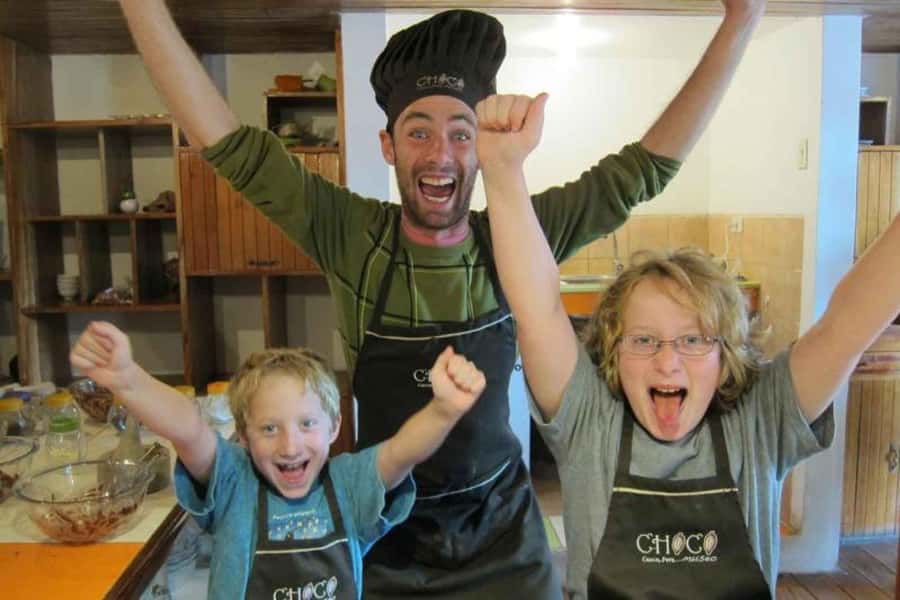
Cusco’s chocolate workshop lets you handle cacao at every stage, from a roasted bean to a finished bar you can take home. I like the hands-on work, especially grinding cacao on a metate with a mano, using the same basic method associated with the Aztecs. I also like that your final chocolate is made to your taste, rather than handed to you as a fixed sample.
The class also includes hot chocolate made from your own cacao paste, with Maya and conquistador styles to try. The main drawback is its short two-hour format: you get a clear introduction and plenty of hands-on work, but not a full course in chocolate making. You will also need to confirm last-minute availability directly with the provider.
Key points to know before booking
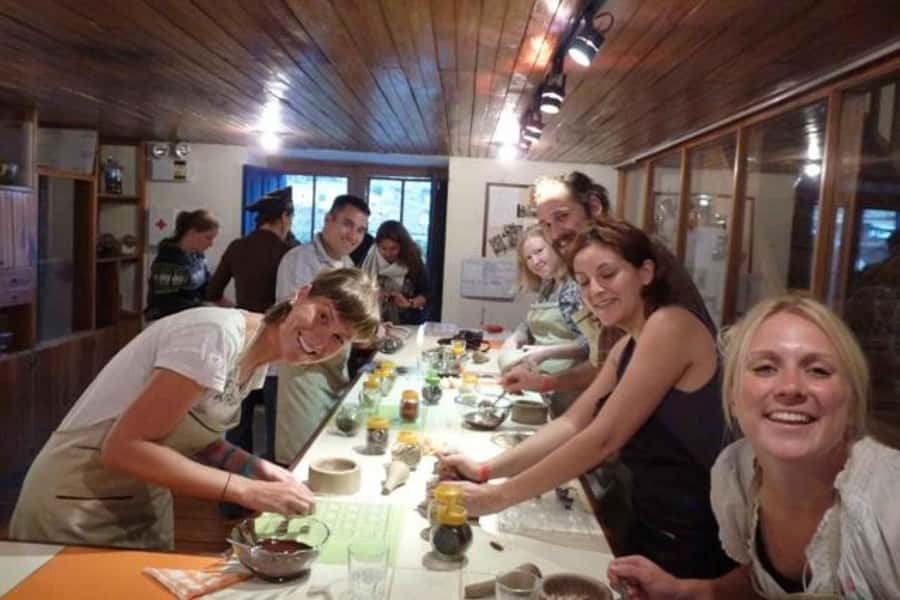
- You make chocolate from the bean: Roast, peel, grind, refine, and mold your own chocolate during the class.
- The metate is part of the lesson: Grind cacao nibs by hand with a mano, following an old method linked to Aztec chocolate making.
- Your bar is customizable: Add ingredients according to your taste before molding the finished chocolate.
- Hot chocolate is included: Prepare and try Maya and conquistador-style drinks as part of the workshop.
- The class lasts two hours: That makes it an easy indoor activity to fit between Cusco sightseeing plans.
- English and Spanish are available: The live guide leads the workshop in either language.
From cacao bean to chocolate bar in two hours
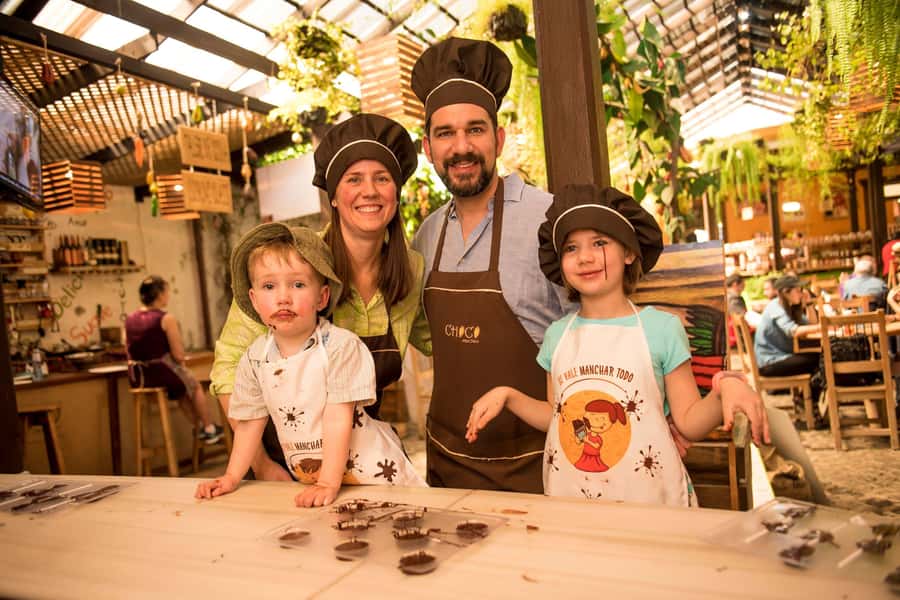
This is not a simple tasting session. You work through the main stages of chocolate production, beginning with cacao beans and ending with a molded bar that belongs to you.
The workshop explains the four central processes. First, you roast the cacao beans. Roasting helps develop the flavor and prepares the beans for the next step. You then remove the cacao husk, leaving the edible nibs behind.
Next comes the most unusual part for many people: grinding the nibs on a metate with a mano. A metate is a stone grinding surface, and the mano is the stone tool used to crush and work the cacao. This gives you a physical sense of how labor-intensive chocolate once was. It also slows the process down in a useful way. Instead of thinking of chocolate as a finished supermarket bar, you see the work hidden inside every bite.
The final process is refining the cacao paste in a melangeur. This machine helps produce a smoother texture. You will not simply watch the staff prepare everything behind a counter. You take part in the steps, with guidance from the live instructor.
That sequence gives the class a clear shape. You start with a raw material, change it through heat and grinding, then refine and mold it. For a two-hour activity, that is a good amount of substance.
More Chocolate Workshops in Cusco:
- Chocolate Workshop in Cusco with Premium Organic Cacao
★ 5.0 · 75 reviews - Cusco Cooking Class by ChocoMuseo in Cusco
★ 5.0 · 29 reviews - Cusco: Chocolate Workshop with the Best Local Organic Cacao
★ 4.5 · 23 reviews
Why Cusco is a fitting place for a cacao class
Cusco is best known for Inca sites, colonial streets, mountain trips, and the route to Machu Picchu. Chocolate adds a different side of Peru to your visit.
The class places cacao in a wider historical setting. You learn about the cacao bean, its use over time, and its connection to chocolate drinks and food traditions. The workshop also explains why Cusco is associated with high-quality chocolate.
The activity does not require a full day away from the city. At two hours, it works well on a lighter afternoon or on a day when you want a break from high-altitude walking. It can also be useful if rain interrupts outdoor plans.
I like this kind of activity because it gives you a souvenir with a story. A purchased chocolate bar is easy to pack, but a bar you roasted, ground, flavored, and molded yourself has a stronger connection to your time in Peru. You can take your handmade chocolates home, assuming you do not eat them before leaving the workshop.
Roasting and peeling the cacao beans
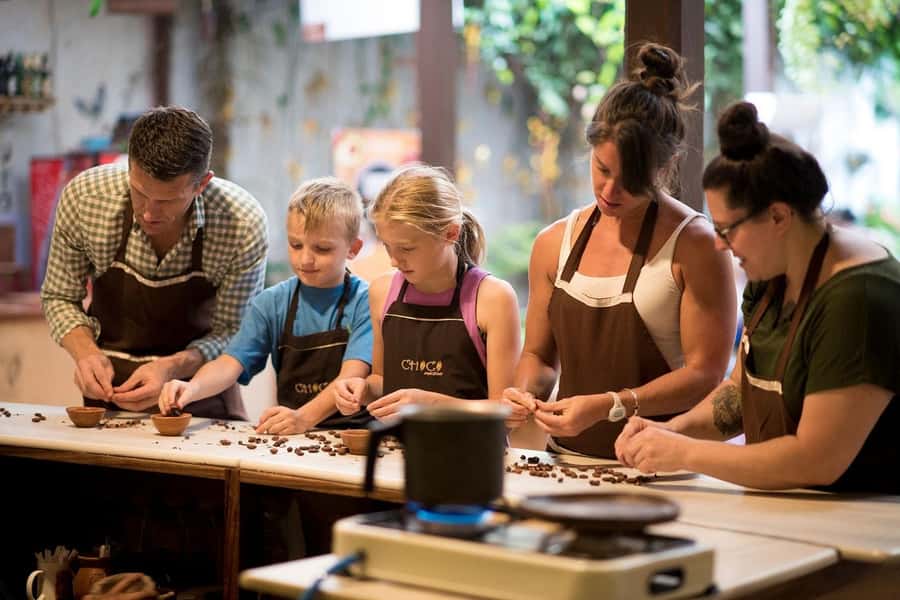
The first practical stage is roasting the cacao. This is where the workshop begins to feel different from a standard food demonstration.
You work with the beans as an ingredient rather than seeing only the polished end product. Roasting changes the beans and prepares them for peeling. After roasting, you remove the husks to reveal the cacao nibs.
This simple step is useful because it shows how little of the original bean ends up in the chocolate itself. You have to separate the outer material before grinding the part that carries the main cacao flavor.
The work is hands-on, but it is still guided. You do not need previous chocolate-making experience. The class is designed to show you what to do, then let you try it yourself.
If you are looking for a technical pastry course, keep your expectations in check. The two-hour schedule leaves room for participation and explanation, but it does not cover every detail of commercial chocolate production. For most people, that is a fair trade. You get to do the memorable steps instead of sitting through a long lecture.
Grinding cacao on a metate
The metate section is likely to be the most distinctive part of the class. You grind the cacao nibs with a mano, using a method associated with the Aztecs.
This is a good reminder that chocolate began as a prepared cacao food and drink, not as the sweet bar you know today. Grinding by hand also makes the process tangible. You feel the effort needed to break down the nibs and turn them into a paste.
The class uses this step to connect the modern workshop with older chocolate-making practices. You are not expected to become an expert stone grinder in a few minutes, but you will understand the basic motion and the work involved.
The activity suits curious eaters and families especially well. Children may enjoy the physical task, while adults often appreciate the historical context. Anyone with limited hand strength should know that this portion requires some manual effort, though the supplied details do not state how much assistance is available.
Once the cacao has been ground, the paste is refined in a melangeur. This gives you a contrast between traditional hand grinding and a modern tool used to improve texture.
A few more Cusco days worth weighing up
- Cusco Pub Crawl: Bar Tour, Drinks And Club with no waiting lines
★ 5.0 · 76 reviews - Cusco: Pub Crawl with Skip-the-Line Access and Drinks
★ 4.6 · 57 reviews
Maya and conquistador hot chocolate
The drink portion gives the cacao paste an immediate purpose. You make hot chocolate and try Maya and conquistador styles.
The names point to different periods and traditions in the story of chocolate. The Maya style reflects the older use of cacao as a prepared drink, while the conquistador style connects with the changes that followed European contact. The class uses these drinks to show that chocolate has not always been sweet, creamy, or served in the same way.
This is one of the strongest parts of the workshop because you taste the product before it becomes a molded bar. You have already roasted, peeled, and ground the cacao, so the drink feels connected to the work you just completed.
A verified booking from July 2025 specifically described making roasted, peeled, and ground cacao paste for hot chocolate, not just preparing a drink from a ready-made mix. That detail matters. It confirms that the class includes genuine preparation work rather than a demonstration dressed up as participation.
The information provided does not specify the exact ingredients or recipes used for the two drinks. You should expect to learn the distinction between the styles, but do not book this as a detailed culinary history course with a full recipe collection.
Making a chocolate bar to your taste
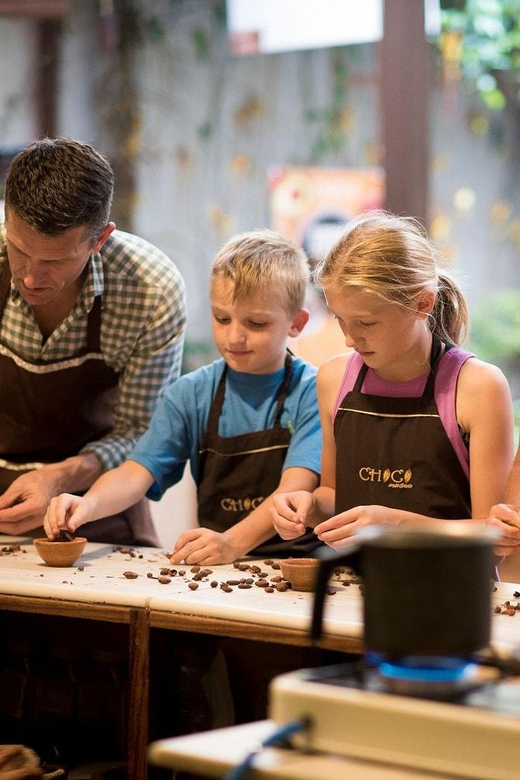
After the cacao has been processed, you make your own chocolate bar. You choose the ingredients, so the final result can reflect your preferred flavor and texture.
The exact ingredient list is not provided, and you should not assume that every possible filling or topping will be available. Still, the customization is important. The point is not only to copy a standard bar. It is to make something personal during the workshop.
You will also have the chance to make organic chocolates. The activity description presents the chocolates as organic, but it does not give a complete certification or ingredient list. If you have a serious allergy or strict dietary need, ask the provider for current details before booking.
The molding stage is a satisfying finish because you can see the change from rough cacao bean to a recognizable chocolate product. Once the chocolate is prepared and shaped, you can take your handmade pieces with you.
Pack them carefully. The information does not state how they are wrapped or stored, and Cusco’s conditions may not be ideal for chocolate that sits around for hours. If you are heading straight to another activity, plan to keep an eye on your finished pieces.
Is the two-hour duration good value?
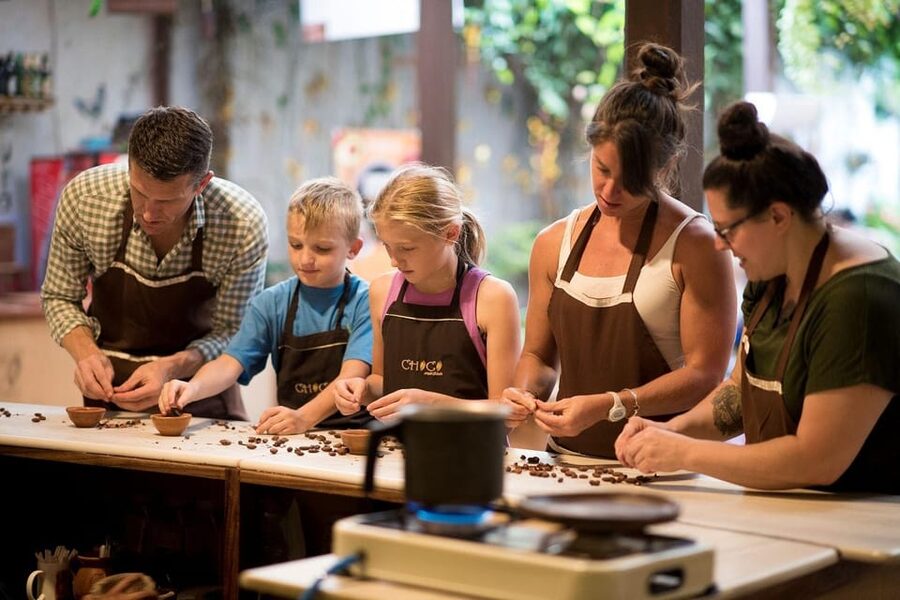
The tour’s value depends on what you want from a chocolate activity. If you want a short, participatory introduction, two hours is a sensible length. You cover the bean, husk, nib, paste, hot chocolate, and finished bar without giving up half a day of sightseeing.
If you want advanced instruction, the time will feel limited. You will not have space for a detailed study of bean varieties, tempering, professional decoration, or a full set of recipes. The class focuses on the central transformation and lets you take part.
No price is provided here, so I cannot judge the exact cost against other Cusco activities. A fair way to assess it is to count what is included: a live guide, a museum and workshop setting, several stages of preparation, two hot chocolate styles, and handmade chocolates to take away.
It also has value for a mixed group. Someone who loves food can focus on flavor and technique. Someone interested in culture can focus on the history of cacao. A family can treat the class as a practical activity rather than another guided walk through city streets.
The provider is Uyuni Experience EIRL. The live tour is offered in English or Spanish. Group size is not stated, so you should ask if the number of participants matters to you. A small group usually gives you more time with the tools, but the available information does not promise a particular format.
Where this fits in a Cusco itinerary
This workshop is easy to pair with a day of city sightseeing because it lasts only two hours. It makes sense on a day when you have already seen major sights and want an activity with a different pace.
You might also schedule it before a longer trip outside Cusco. The class does not require a full-day commitment, unlike excursions to Rainbow Mountain, the Sacred Valley, or Machu Picchu. That makes it useful when your main plans are already fixed.
It is also a good rainy-day choice. The experience takes place in a chocolate workshop and museum, so you are not relying on clear skies or mountain conditions. The provided details do not state the exact meeting point, transportation arrangements, or accessibility features, so confirm those before you book.
The contact instructions deserve attention. Enter your phone number with the country code and make sure you use WhatsApp. For a last-minute reservation, check availability with the provider by email before booking. That small step can prevent a wasted trip across town.
You may cancel up to 24 hours in advance for a full refund, and the reserve-now, pay-later option keeps your plans flexible. These terms are useful in Cusco, where altitude, weather, and changing day-trip plans can affect your schedule.
Who should book this chocolate workshop?
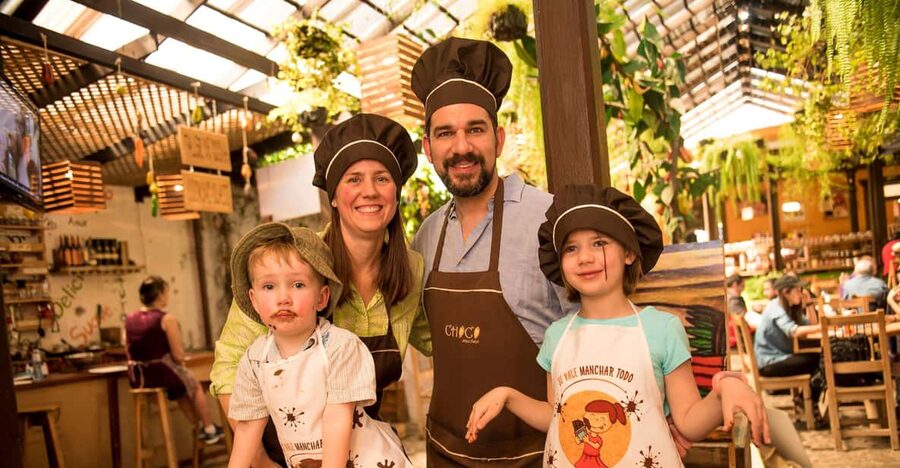
I would recommend it to you if you like food activities that involve doing rather than only tasting. It is also a good match if you want a small souvenir made during your trip, not another item bought from a shop.
Families may find it appealing because the process has clear stages and physical tasks. Couples and friends can compare their custom bars and ingredients. Solo visitors can still enjoy it, especially if they like meeting other people through a shared activity, though the group format is not specified.
The class is less suitable if you dislike sweet foods, have strict allergies, or want a serious professional qualification. The available information does not provide a full ingredient list, so ask questions before booking if food safety is a concern.
It is also not the right choice if you want to spend your limited Cusco time only on major archaeological sites. This is a short cultural food activity, not a replacement for the city’s main sights.
Should you book it?
Book this workshop if you want a practical two-hour introduction to Peruvian cacao. The strongest reasons are the complete bean-to-bar sequence, the chance to grind cacao on a metate, and the opportunity to make hot chocolate from cacao paste you helped prepare.
I especially like that the activity gives you something to take home while still teaching you where it came from. The main caution is the limited information about group size, exact ingredients, meeting arrangements, and price. Confirm those points if they matter to you, and contact the provider directly for a last-minute booking.
For a short, hands-on break from Cusco’s monuments and day trips, this is an easy choice. You will leave with chocolate, but the better souvenir is knowing how much work was hidden inside the bean.
FAQ
How long does the Cusco chocolate workshop last?
The workshop lasts two hours.
Is the workshop available in English?
Yes. The live tour guide can lead the activity in English or Spanish.
What chocolate-making steps will I learn?
You will roast cacao beans, remove the cacao husks, grind the cacao nibs on a metate with a mano, and refine the cacao paste in a melangeur.
Will I make my own chocolate bar?
Yes. You will mold your own chocolate bar and choose ingredients according to your taste.
Are hot chocolate drinks part of the activity?
Yes. The workshop includes hot chocolate preparation, including Maya and conquistador styles.
Can I cancel or pay later?
You can cancel up to 24 hours in advance for a full refund. A reserve-now, pay-later option is also available.
More Workshops in Cusco
- Cusco: Peruvian Cooking Class, Cocktails & Local Market Tour
★ 4.9 · 512 reviews - Cooking class and market tour with a local chef
★ 5.0 · 186 reviews - The First Class Machu Picchu Train by Inca Rail
★ 4.0 · 182 reviews - The Textile Workshop Experience in Cusco Region
★ 5.0 · 118 reviews
More Dessert Tours in Cusco
- 1.5h Cusco Chocolate Workshop – Truffles & Hot Chocolate
★ 4.3 · 8 reviews
Just added around Cusco
- Zipline over the Sacred Valley Trip★ 5.0 · 11 reviews
- Valle Sur Cusco | half day★ 4.3 · 3 reviews
- Visit Pisac from Cusco: Private Transport★ 4.6 · 9 reviews
- Transfer from Cusco to Ollantaytambo★ 5.0 · 30 reviews
- Exclusive Huayna Picchu Tour in 1 Day from Cusco★ 5.0 · 31 reviews
- Trek to Humantay Lake from Cusco★ 4.9 · 8 reviews
- Private Tour Sacred Valley, Chinchero, Maras Moray, Ollantaytambo★ 5.0 · 29 reviews
- 5 Day – Salkantay trek to Machu Picchu – Group Service★ 4.5 · 27 reviews
Cusco Chocolate Workshops, compared.
Chocolate Workshop in Cusco with Premium Organic Cacao
Read our review →
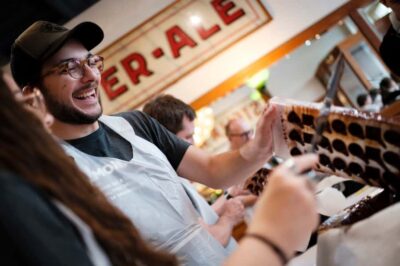
Chocolate Workshop with the Best Local Organic Cacao
Read our review →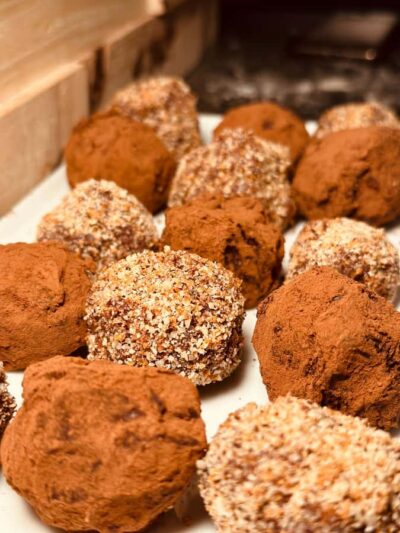
1.5h Cusco Chocolate Workshop – Truffles & Hot Chocolate
Read our review →Browse the lists this tour appears in