
Reviewed · CUSCO COOKING CLASSES
Cooking class and market tour with a local chef
Cusco’s food makes more sense after a walk through San Pedro Market, where Chef Ronal introduces you to local fruits, cheeses, herbs, meats, and the many forms of Peru’s famous potato. You then take those ingredients into a small cooking workshop and turn them into a full Peruvian meal.
I like the market-to-table format and the careful help with dietary needs. I also like the useful local touches, from tasting ripe fruit to hearing tips about altitude sickness and digestive teas. The main drawback is value: at $57 per person, this is not Cusco’s cheapest activity, and the included alcohol appears to be limited to one cocktail.
Key points at a glance
- San Pedro Market comes first: Taste local fruits, cheese, bread, and other ingredients before cooking with them.
- Chef Ronal leads the class: He was born in Cusco and teaches in English or Spanish.
- You cook a full meal: The menu includes a shared starter, a choice of main dish, and one drink.
- Choose your main course: Make lomo saltado or ceviche, with vegetarian and other dietary adaptations available.
- The class suits beginners: Ronal demonstrates cutting and cooking techniques, then helps as you work.
- It lasts four hours: Meet at Calle San Juan de Dios 264, across from the Aranwa Boutique Hotel. Transportation is not included.
Starting at San Pedro Market with Chef Ronal
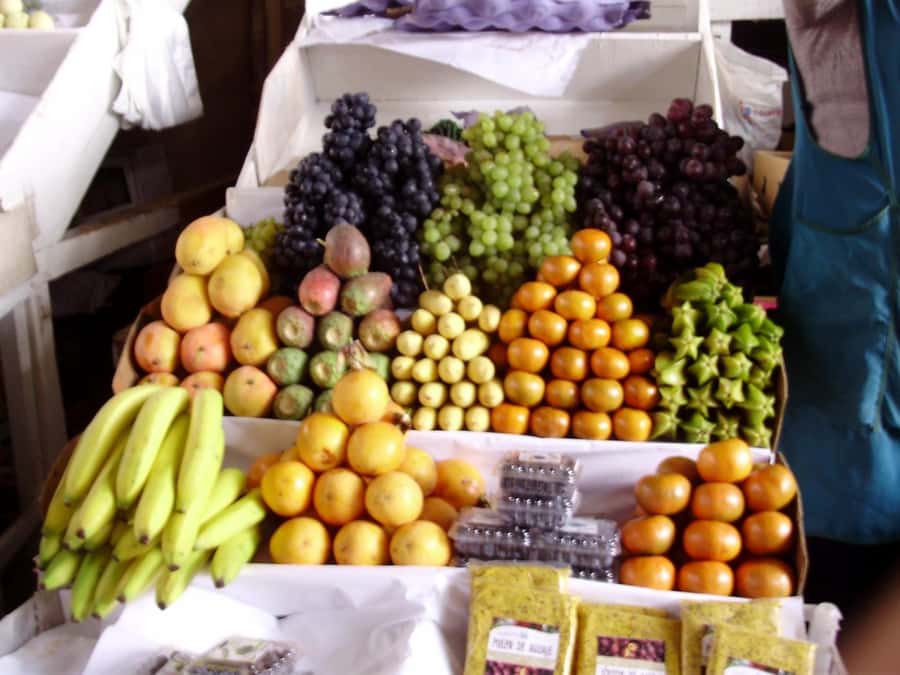
The experience begins at the market rather than in the kitchen. That is a smart choice. Peruvian cooking can look simple on a plate, but the ingredients carry much of the story. A market walk gives you a better sense of what people in Cusco actually eat and how local produce reaches the kitchen.
Chef Ronal was born in Cusco, and his role is more than showing you where to find ingredients. He explains local food customs, describes unfamiliar fruits, and answers questions about Cusco and Peru. You might taste fresh fruit, cheese, and bread while walking through the market, with a chance to compare flavors before you start chopping.
The market visit includes fruits, vegetables, meat, herbs, cheese, and other local products. One detail worth keeping in mind is Peru’s huge range of potatoes. The country is known for thousands of potato varieties, and the market gives that fact a practical face rather than leaving it as a line in a guidebook.
The timing may shape the feel of this part of the experience. A morning class can be calmer, with less crowding and a broad selection of produce. Afternoon sessions may feel more active. The exact starting time varies, so check availability when booking.
This is not a market where you simply follow a guide and take pictures. You are gathering ideas for the cooking class. That connection makes the visit more useful. You see an ingredient, hear how it is used, then handle it later in the workshop.
More Cooking Classes in Cusco:
- Cusco: Peruvian Cooking Class, Cocktails & Local Market Tour
★ 4.9 · 512 reviews - Private Andean Cooking Class, Pachamanca
★ 5.0 · 54 reviews - Vegan Peruvian Cooking Class Cocktails and Local Market in Cusco
★ 5.0 · 46 reviews
The cooking menu: rocoto, causa, and your choice of main dish
The starter is rocoto relleno, a traditional stuffed pepper. The rocoto is filled with meat, onions, peas, carrots, peanuts, and raisins, then covered with local cheese and baked. It is a good introduction to the way Peruvian food can balance savory, sweet, spicy, and creamy elements in one dish.
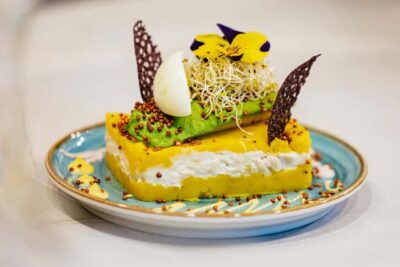
The class also includes causa rellena, a layered potato preparation mixed with yellow chili sauce. It is filled with avocado, fish tartare, mayonnaise, and spices. The exact role of causa within the meal should be clarified with the chef if you have a food restriction, since the listed version contains fish and mayonnaise.
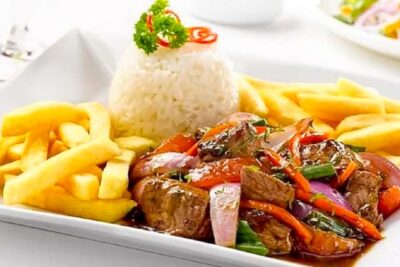
The main course is where you get a choice. You can prepare lomo saltado, a popular Peruvian stir-fry of beef tenderloin, rice, onions, tomato, soy sauce, oyster sauce, vinegar, and native potato fries. It combines Chinese-Peruvian cooking traditions with familiar ingredients, and the quick cooking method makes it an enjoyable dish to prepare as a group.
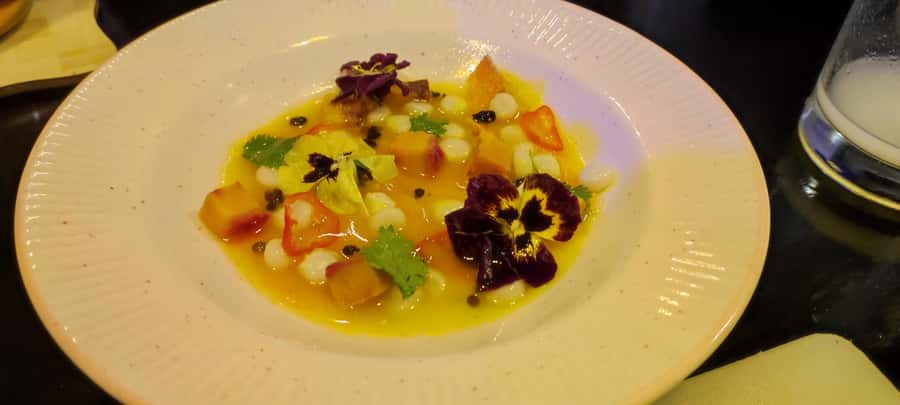
Your other option is ceviche made with trout, mango, avocado, lime juice, onions, celery, ginger, corn, and sweet potato. This version uses freshwater trout rather than the more familiar sea bass found in many coastal versions. The fruit and vegetables give it a different character from a basic fish-and-lime dish.
The starter is the same for everyone, but you select your cocktail and main dish before the class begins. That matters if you are cooking with a group and want the process to move at a good pace. You do not arrive at the end and discover that your preferred dish was unavailable.
Vegetarian options are offered, and the kitchen can adapt to allergies, intolerances, and other dietary needs. Still, tell the provider in advance and repeat your needs at the start. Several dishes use meat, fish, dairy, mayonnaise, or sauces containing animal products, so a clear conversation is important.
Hands-on cooking in a clean, friendly kitchen
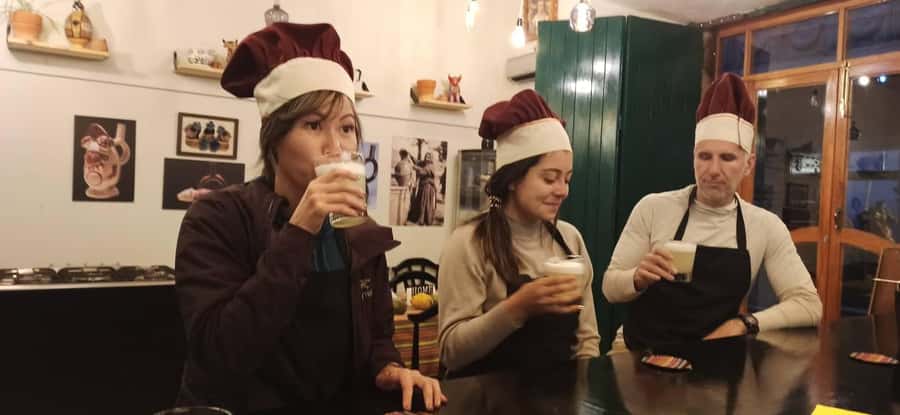
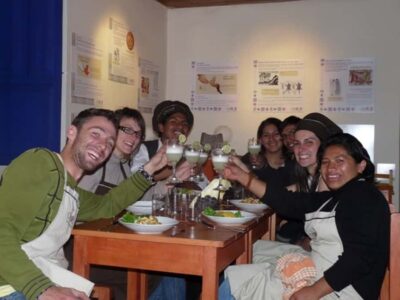
The workshop provides aprons, kitchen utensils, bar equipment, and fresh ingredients. You do not need to bring special gear. The setting is described as clean and cozy, and the class is designed for beginners as well as people who already cook often.
Ronal demonstrates basic techniques such as cutting ingredients and handling the cooking steps. You then work through the dishes with help nearby. That balance is better than watching a chef do everything for you, but you should still expect some shared preparation rather than a private cooking lesson at every station.
The class works well for solo visitors because the cooking gives you an easy way to talk with the other people in the group. It also suits couples and families. An 11-year-old and a 13-year-old have taken part successfully, though the activity is not suitable for very young children and several age limits are listed in the booking information.
The food is served after you have helped prepare it. That gives the meal a pleasant payoff: you are eating a dish you shaped yourself, not simply receiving a restaurant plate. Recipes are sent by email, which is useful if you want to recreate lomo saltado, ceviche, or the pepper dish at home.
One practical point: the published menu has a lot of components. You may not personally prepare every item from start to finish, since some elements need time to cook or may be demonstrated. The class is best understood as a guided workshop with active participation, not a silent chef’s demonstration and not a professional culinary course.
Making a Peruvian cocktail or alcohol-free drink
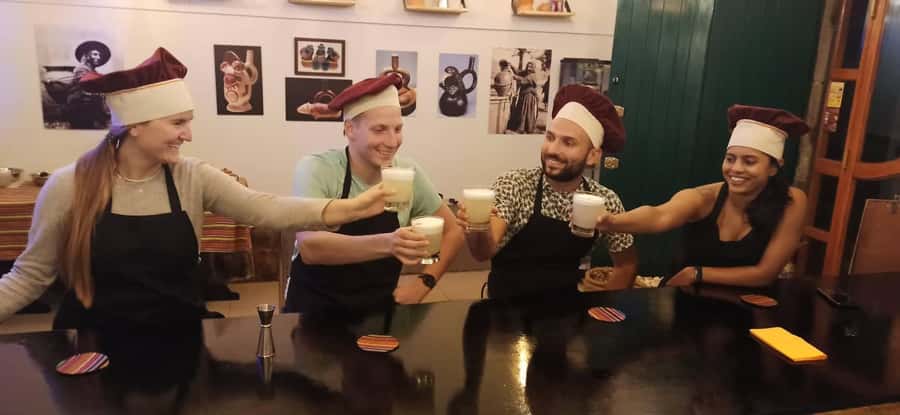
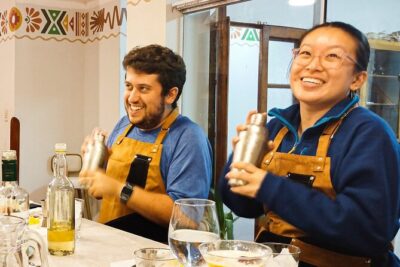
The drink portion is another hands-on part of the class. You can choose a classic pisco sour with lime, syrup, and egg white, or a passion fruit sour made with fresh passion fruit juice. Pisco is Peru’s national grape spirit, so this adds a recognizable piece of local food culture to the meal.
An alcohol-free drink made with Peruvian fruits and honey is also available. That gives non-drinkers and people avoiding alcohol a proper alternative rather than a glass of water. Water is included as well.
The pisco sour is popular for good reason: it is simple in its ingredient list but depends on balance and mixing technique. You will not get several cocktails included, however. If you are comparing this with a dedicated cocktail class, one drink may feel modest. The value comes from the market, meal, instruction, and cultural context taken together.
If you are still adjusting to Cusco’s altitude, take the alcohol portion seriously. Pisco is strong, and altitude can make alcohol feel more intense. The provider offers natural medicine for altitude sickness when necessary, along with digestive teas, but these are helpful extras, not a substitute for medical care or proper acclimatization.
A few more Cusco days worth weighing up
- Cusco Cooking Class by ChocoMuseo in Cusco
★ 5.0 · 29 reviews - Cusco: Peruvian Cooking Class & Market Tour
★ 4.9 · 19 reviews - Cusco: 3-Hour Peruvian Cooking Class
★ 4.7 · 16 reviews
What the $57 price really covers
At $57 per person, the experience sits above a basic market walk and well below a full-day private food tour. The price includes the professional chef and guide, the market and cooking experience, ingredients, kitchen and bar utensils, apron, water, one cocktail or nonalcoholic drink, starter, and main course.
I think the price is fair if you want more than a recipe demonstration. You are paying for a four-hour activity, a guided introduction to local ingredients, a cooked meal, and a class taught by a Cusco-born chef. The food itself replaces a restaurant lunch or dinner, though you should not book this only as a cheap way to eat.
The value improves if you have dietary restrictions. The kitchen adapts dishes rather than leaving you with a token side dish, and the class can accommodate vegetarian needs, allergies, and food intolerances. Be specific before you arrive, especially about fish, dairy, gluten, eggs, meat, and alcohol.
The value is weaker if you want an intimate private class by default. Group size can vary. Some sessions have been small enough to feel almost private, while others bring together solo visitors and families. That uncertainty can be a benefit if you enjoy meeting people, but it is worth noting if you want one-on-one instruction.
Transportation is not included. The meeting point is Calle San Juan de Dios 264, directly across from the Aranwa Boutique Hotel. Look for the glass and wooden door without advertising. Since the activity is in central Cusco, plan your own way there and allow a little extra time to find the entrance.
Cancellation is flexible, with a full refund available when you cancel at least 24 hours in advance. You can also reserve now and pay later, which helps if your Cusco plans may shift.
Best time to place it in your Cusco schedule
I would put this activity early in your stay, but not on the day you arrive if you are feeling unwell. A morning class can give you time to acclimatize before a longer hike or high-altitude excursion, and the food tips may help you choose meals during the rest of your visit.
The market is also useful at the beginning because it gives you a reference point for later restaurant menus. Once you have handled native potatoes, tasted local fruit, and heard how sauces and peppers are used, dishes on a menu become easier to understand.
Do not book it if you already have symptoms of altitude sickness. The activity involves walking through a market, standing, cooking, eating, and possibly drinking alcohol. The provider lists people with altitude sickness among those who should not take part.
The activity is available in English and Spanish. That makes it accessible to a broad range of visitors, but ask questions as you go. The best part of this class is the exchange with the chef, and it rewards people who are curious about ingredients, cooking methods, and Cusco life.
Who will enjoy this class most
You are a good match if you like food with a story, hands-on activities, and small cultural details. It is particularly useful for first-time visitors who want to understand Peruvian cuisine beyond ordering ceviche in a restaurant.
It also suits solo visitors. The shared tasks make conversation easy, and the class has enough structure that you do not feel stranded in a group of strangers. Couples can split tasks and compare their results, while families with older children can turn the class into a practical afternoon activity.
Experienced home cooks should not expect advanced culinary training. You will likely learn useful cutting, seasoning, and preparation tips, but the focus is on accessible Peruvian dishes and a relaxed meal. Beginners may get the most from Ronal’s step-by-step help.
People who avoid meat, fish, dairy, or alcohol can still consider it, but they should arrange adaptations before the session. The standard menu includes meat, fish, egg white, dairy, mayonnaise, and alcoholic drinks, so do not assume every dish is automatically suitable.
The activity is not suitable for babies and very young children. Strollers and baby carriages are not allowed, and the booking information lists several restrictions for children under six. People over the listed weight limits and those over 70 should also check the provider’s rules before reserving.
Should you book the Cusco market and cooking class?
I would book this if you want a four-hour food experience that connects market life with the meal on your plate. The strongest parts are the San Pedro Market visit, Ronal’s local knowledge, the chance to taste produce, and the practical flexibility for dietary needs.
I would skip it if your main goal is a cheap lunch, a private chef lesson, or a deep technical course. You will pay $57, organize your own transportation, and receive one included cocktail rather than a full drinks session.
For most food-focused visitors, though, the format earns its price. You see where the ingredients come from, prepare classic dishes, eat the result, and leave with recipes you can try at home. Book it early in your Cusco stay, tell the chef about dietary needs, and choose a morning time if you prefer a calmer market visit.
FAQ
How long does the cooking class and market tour last?
The activity lasts four hours, including the market visit, cooking workshop, drink preparation, and meal.
Where is the meeting point?
Meet at Calle San Juan de Dios 264 in Cusco, across from the Aranwa Boutique Hotel. The workshop entrance is a glass and wooden door with no advertising.
Which languages are available?
The experience is offered in English and Spanish.
What food and drinks are included?
You receive a starter, a main course, water, and one cocktail or nonalcoholic drink. The starter includes rocoto relleno and causa rellena. Main-course choices are lomo saltado or ceviche, with adaptations available.
Can the menu accommodate dietary restrictions?
Yes. Vegetarian options are available, and the dishes can be adapted for allergies, intolerances, and other dietary needs. Share your requirements before the class begins.
Is transportation included?
No. You are responsible for getting to and from the meeting point at Calle San Juan de Dios 264.
More Workshops in Cusco
- The First Class Machu Picchu Train by Inca Rail
★ 4.0 · 182 reviews - The Textile Workshop Experience in Cusco Region
★ 5.0 · 118 reviews - Sacred Valley Textile Workshop – Dyeing & Weaving in Cusco
★ 5.0 · 92 reviews - Chocolate Workshop in Cusco with Premium Organic Cacao
★ 5.0 · 75 reviews
Just added around Cusco
- Zipline over the Sacred Valley Trip★ 5.0 · 11 reviews
- Valle Sur Cusco | half day★ 4.3 · 3 reviews
- Visit Pisac from Cusco: Private Transport★ 4.6 · 9 reviews
- Transfer from Cusco to Ollantaytambo★ 5.0 · 30 reviews
- Exclusive Huayna Picchu Tour in 1 Day from Cusco★ 5.0 · 31 reviews
- Trek to Humantay Lake from Cusco★ 4.9 · 8 reviews
- Private Tour Sacred Valley, Chinchero, Maras Moray, Ollantaytambo★ 5.0 · 29 reviews
- 5 Day – Salkantay trek to Machu Picchu – Group Service★ 4.5 · 27 reviews
Cusco Cooking Classes, compared.
Peruvian Cooking Class, Cocktails & Local Market Tour
Read our review →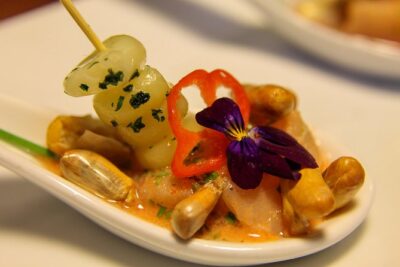
Vegan Peruvian Cooking Class Cocktails and Local Market in Cusco
Read our review →
Browse the lists this tour appears in