
Reviewed · MARAS SALT MINES & MORAY TOURS
Sacred Valley of the Incas Tour with Moray & the Salt Mines
The Moray terraces and Maras salt mines give this full-day tour its special edge. You get the major Sacred Valley sights, plus two places that show how the Incas and local communities made practical use of mountain soil, water, sun, and altitude. The route also includes Pisac, Ollantaytambo, and Chinchero, so expect a broad look at the valley rather than a slow visit to one place.
I like the small group limit of nine, which should make it easier to hear your guide and ask questions. I also like that lunch is included at Urubamba, a welcome break during a long day. The main drawback is the pace: six sightseeing stops in about nine hours can feel rushed, and extra entrance fees raise the real cost above the advertised $99.
Key points to know before booking
- Moray is the tour’s most unusual stop: Circular terraces descend into the earth, with different temperatures at each level.
- Maras still produces salt by solar evaporation: Local families continue a method passed down through generations.
- Ollantaytambo combines ruins and a living town: It is an important train departure point for Machu Picchu.
- The group is capped at nine people: That is more personal than a large coach tour.
- Lunch is included, but admission is not: Budget about $20, or 70 soles, for archaeological sites, plus 10 soles for Maras.
- The day is tightly packed: You see a lot, but you may spend only about 30 minutes at some stops.
What this Sacred Valley day actually delivers
This is a long loop from Cusco, not a single-site outing. You leave around 7:00 a.m., visit six places, stop for a buffet meal in Urubamba, and return to Cusco in the evening at Plaza Regocijo, one block from Plaza de Armas.
That route gives you variety. You see hilltop ruins, Inca town planning, experimental farming terraces, salt pools, Andean weaving, and a whitewashed church built over an Inca royal site. If you have only one spare day in Cusco, this tour covers a lot of ground.
The tradeoff is simple: breadth over leisure. You will not have the time to linger at every ruin, shop slowly, or take long walks through each village. One four-star assessment found the schedule too compressed, with roughly 30 minutes at some places and several commercial stops involving silver, alpaca clothing, and snacks. That is important to know if you prefer archaeology and local life without shopping interruptions.
The guide can make or break a schedule like this. Julio is described as patient and willing to answer questions, while Adolfo is praised for his energy and useful explanations. Luis, the driver named in one account, was specifically credited with safe, confident driving. Those details matter on a winding full-day route where the guide’s timing and explanations shape much of the experience.
More Maras and Moray Circuits from Cusco:
- From Cusco: Sacred Valley & Maras Salt Mines Tour with Lunch
★ 4.8 · 2,227 reviews - From Cusco: Moray, Maras Salt Mines & Chinchero Weavers Tour
★ 4.8 · 1,925 reviews - Cusco: Sacred Valley, Pisac, Ollantaytambo, Salt Mines Moray
★ 4.6 · 1,058 reviews
Pisac begins with a wide Sacred Valley view
The first main stop is Pisac, reached after a short viewpoint stop at Taray. From Taray, you can look across the Sacred Valley and see the Urubamba River winding past villages below. It is a useful opening view because it helps you understand the valley as a connected farming and settlement area, not just a string of ruins.
At Pisac, the vehicle takes you up toward the main entrance of the Inca complex. The ruins sit on a hill above the modern village, and your guide explains the site as you walk through it. The setting is a strong part of the appeal. You are looking across cultivated slopes and settlements while standing among stonework built into the mountain.
The planned time here is about 90 minutes, including the complex and the main plaza. That is enough for an introduction, but it may not satisfy you if you want a long archaeological visit. The village plaza is especially active on weekends, when local people sell handicrafts along the narrow cobbled streets. If shopping is part of your plan, this is one of the better places to browse, though the day’s packed schedule may leave little time for serious bargaining or careful comparison.
Pisac is also where the first major ticket issue appears. The advertised tour price does not include entrance to the archaeological sites. The stated cost is $20, or 70 soles, per person for the archaeological sites, so carry soles as well as a payment card if possible. The information provided does not spell out every ticket rule, so confirm what the fee covers when booking.
Urubamba provides the day’s needed pause
After Pisac, the vehicle continues to Urubamba, the lower part of the Sacred Valley. The stop lasts about an hour and includes a buffet lunch at a local restaurant.
I see the included meal as a real value, not a minor extra. A full day of ruins and mountain roads is tiring, especially after time in Cusco, and having lunch arranged keeps you from losing more time looking for a restaurant. The buffet also gives you a chance to sit down, eat at your own speed, and reset before the afternoon stops.
Still, this is a group meal, not a food-focused tour. The supplied details promise a buffet and describe it as enjoyable, but they do not specify the dishes or dietary arrangements. If you have dietary needs, ask the operator before departure rather than relying on the buffet to meet them.
Ollantaytambo shows Inca planning at full scale
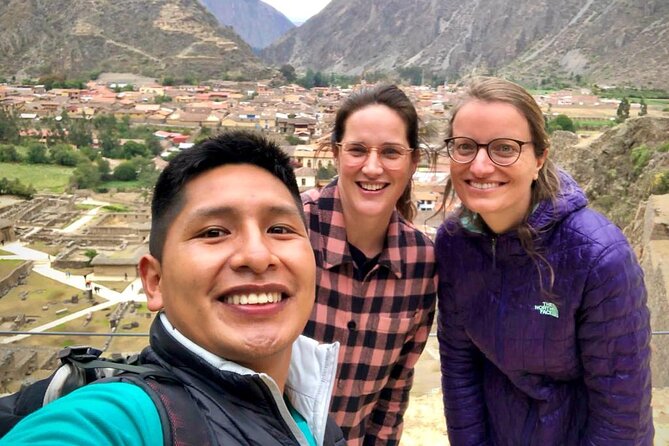
Ollantaytambo is one of the strongest stops on the route. The town is known for its Inca planning, and it remains continuously inhabited. That combination gives the visit more depth than a ruin isolated from daily life.
The village sits between two Inca ruin areas. You can see how the settlement, terraces, stone structures, and surrounding slopes fit together. The guide’s explanation is valuable here because the site is easier to understand when you connect the visible walls with water management, agriculture, defense, and town design.
Ollantaytambo also matters for practical reasons. It is a departure point for trains to Machu Picchu and for the Inca Trail. If you are continuing to Machu Picchu, this stop can help you recognize the town before you return for your train. If you are not continuing onward, the visit still gives you one of the clearest views of an Inca settlement that remains part of modern life.
The schedule allows about 90 minutes. That is a reasonable first visit, but the site is large and rises over uneven ground. You may find yourself choosing between exploring more of the ruins and spending time in the town. Keep your walking shoes practical, and listen closely for the guide’s meeting instructions so you do not lose time finding the vehicle.
More Sacred Valley Days from Cusco:
- Sacred Valley: Chinchero, Moray, Ollantaytambo & Pisac+Lunch
★ 4.8 · 501 reviews - Sacred Valley: Maras & Moray by Quad Bike from Cusco
★ 4.6 · 418 reviews - From Cusco: 2-Day Trip to the Sacred Valley and Machu Picchu
★ 4.6 · 265 reviews - Cusco:Sacred Valley Pisaq,Ollantaytambo,Chinchero with Lunch
★ 4.8 · 183 reviews
Moray explains the Inca approach to farming
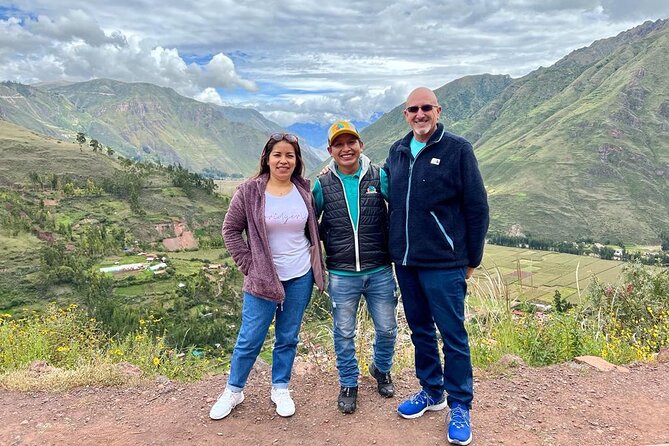
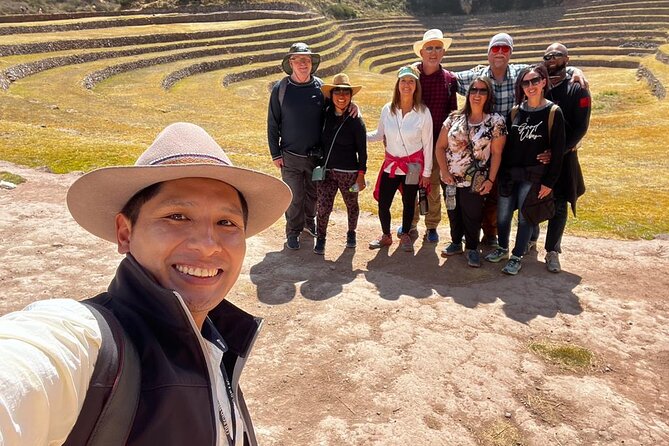
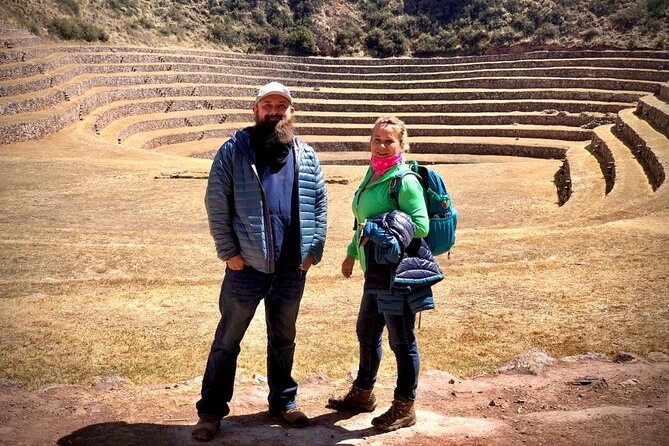
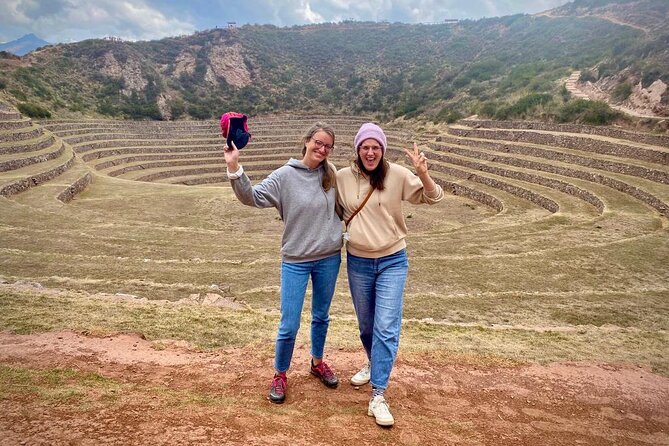
Moray is the most distinctive archaeological stop. Its circular terraces sink into a natural depression, forming a set of giant agricultural rings. The terraces were used as an agricultural laboratory, with different temperatures at different levels to test which conditions suited particular crops.
You do not need a specialist background to appreciate the idea. Moray makes Inca farming look like careful experimentation rather than simple planting on available ground. The shape is also visually striking, which explains why this stop often becomes the day’s favorite for people who have already seen more familiar stone walls.
The visit is scheduled for about an hour, though the combined Maras and Moray section can feel tight once driving and ticket arrangements are counted. The entrance to Moray is not included in the $99 price. The listed archaeological admission fee is about $20, or 70 soles, per person for the relevant sites.
Your guide’s role is important here. Without an explanation, the terraces can look like an impressive set of circles. With context, you understand why altitude, temperature, water, and crops mattered so much in the Inca world. Guides such as Julio and Adolfo are reported to spend time explaining each attraction and answering questions, so this is a good point to ask about the farming system.
Maras turns sun and water into salt
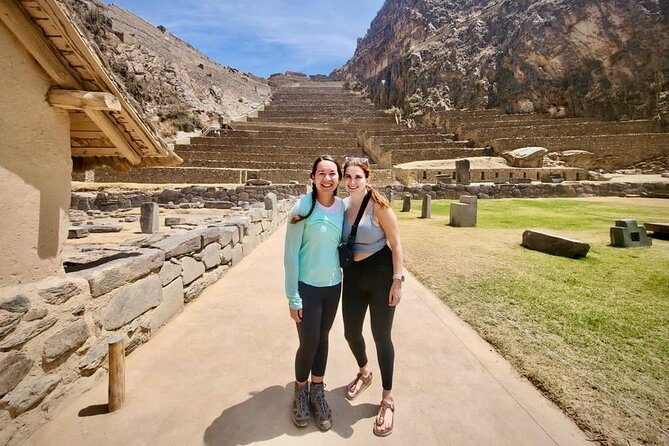
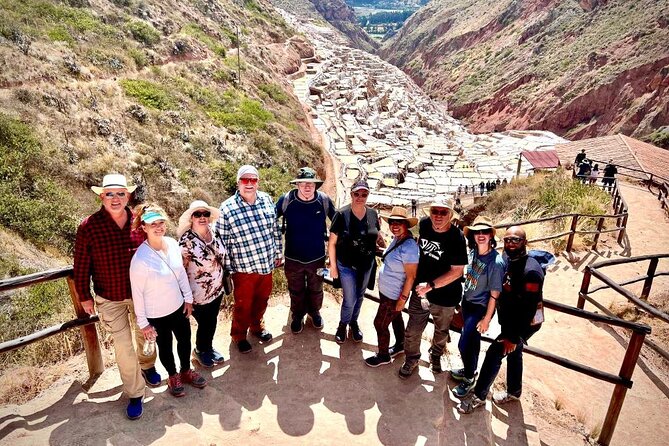
Maras is different from every other stop. Instead of monumental stone ruins, you see hundreds of small salt pools cut into the hillside. Water flows through the pools, the sun evaporates it, and salt remains behind. Local families continue this solar evaporation method, passing the work down through generations.
That continuing practice gives Maras a strong connection to present-day life. You are not looking only at an ancient site. You are seeing a working tradition that still depends on the same basic forces used long ago: mineral water, channels, sunlight, and patient harvesting.
Admission to Maras costs 10 soles per person and is not included. The supplied information lists the fee twice, so treat 10 soles as the amount to budget. It is separate from the archaeological entrance cost.
You may also encounter a commercial element around the route. One account specifically objected to stops at shops selling silver, alpaca clothing, and snacks. If you want a purely sightseeing day, ask before booking if shopping stops are part of the current schedule. Some people appreciate the chance to buy local goods; others find these visits cut into already short sightseeing periods.
Chinchero closes the loop with textiles and terraces
Chinchero is often the quietest-feeling stop on the route. The village is known for Andean textiles and has a whitewashed church built over what was once a royal palace of the Inca emperor Pachacutec.
The setting also highlights agriculture. Chinchero has some of the most fertile soil in the Sacred Valley, and its terraces and water channels show how carefully the Incas managed land and water. That makes the stop a useful companion to Moray. Moray shows planned agricultural testing, while Chinchero shows productive farming integrated into a living community.
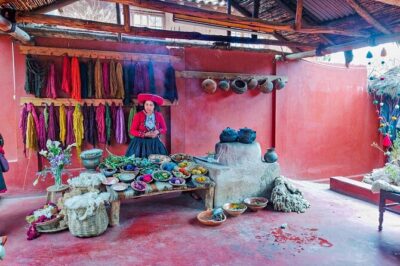
The visit lasts about an hour. This is another place where the guide adds real value. Textile demonstrations and explanations can help you tell the difference between a quick sales pitch and a useful look at local craft. As with Maras, be ready for the possibility of commercial activity, and decide ahead of time how much shopping you want to do.
Chinchero is a good final stop because it shifts the focus from major ruins to continuing Andean culture. It also gives the day a calmer ending before the drive back to Cusco.
Price, group size, and the real value
The listed price is $99 per person. For a nine-hour route with roundtrip transport, a bilingual local guide, and buffet lunch, that is a reasonable starting price. The small-group limit of nine improves the value because you are not trying to follow a guide through six sites from the back of a large bus.
The true cost is higher once admissions are added. Budget:
- $99 tour price per person
- About $20, or 70 soles, for archaeological site entrance
- 10 soles for Maras
- Personal purchases and other private expenses
The total remains fair for a full day, but it is not an all-inclusive $99 experience. I would compare the final total with any alternative tour before booking, especially if another operator includes admissions.
Transport is provided in private transport, and the group maximum is nine. The meeting information lists Plaza Regocijo in Cusco, while the schedule also describes hotel pickup at 7:00 a.m. Confirm the exact pickup arrangement before the day begins. The return point is Plaza Regocijo, a short walk from the main Plaza de Armas.
The pace, shopping stops, and altitude question
The tour is suitable for most people according to the provided activity information, but it is still a long day at elevation. You move from place to place, walk around ruins, and spend many hours in a vehicle. Someone who has already completed several high-elevation hikes may find the day tiring, even though it is not presented as a strenuous trek.
The biggest practical concern is time. Six stops sound generous, but driving between them, parking, gathering the group, visiting shops, and eating lunch all use part of the nine-hour day. You may have only about 30 minutes at some sites, even though the planned stop durations often say an hour.
I would book this if you want an efficient introduction to the Sacred Valley and do not want to arrange separate transport. I would think twice if you dislike fixed schedules or want quiet time at each ruin. A private custom tour could suit you better if you want to remove shopping stops or spend longer at Ollantaytambo and Pisac, but it will likely cost more.
Free cancellation is available up to 24 hours before the start time for a full refund. Changes or cancellations inside that 24-hour window are not accepted for a refund.
Should you book this Sacred Valley tour?
Book it if you want one well-packed day covering the valley’s major cultural sights, with Moray and Maras adding something beyond the standard ruins. The buffet lunch, small group, bilingual guide, and included transport make the arrangement simple.
The best fit is a first-time visitor to the Sacred Valley who values variety and clear explanations. Guides such as Julio or Adolfo can add useful context, and the route gives you plenty to discuss and remember.
Skip it if you want a slow archaeological day, dislike shopping stops, or would rather spend several hours at one major site. For everyone else, this is a strong introduction to the Sacred Valley, as long as you budget for admissions and accept the brisk pace.
FAQ
What time does the tour start?
The tour starts at 7:00 a.m. The information also describes pickup from your Cusco hotel, while the listed meeting point is Plaza Regocijo. Confirm the exact pickup location before departure.
How long does the tour last?
The experience lasts about nine hours and returns to Cusco in the evening.
Which places does the tour visit?
The route includes Pisac, Urubamba, Ollantaytambo, Moray, Maras, and Chinchero before returning to Cusco.
Is lunch included?
Yes. A buffet lunch at a local restaurant in Urubamba is included.
Are entrance fees included in the price?
No. Archaeological site entrance is listed at $20, or 70 soles, per person. Maras costs an additional 10 soles per person.
How many people are in the group?
The activity has a maximum of nine travelers. Roundtrip transport and a bilingual local guide are included.
Just added around Cusco
- Zipline over the Sacred Valley Trip★ 5.0 · 11 reviews
- Valle Sur Cusco | half day★ 4.3 · 3 reviews
- Visit Pisac from Cusco: Private Transport★ 4.6 · 9 reviews
- Transfer from Cusco to Ollantaytambo★ 5.0 · 30 reviews
- Exclusive Huayna Picchu Tour in 1 Day from Cusco★ 5.0 · 31 reviews
- Trek to Humantay Lake from Cusco★ 4.9 · 8 reviews
- Private Tour Sacred Valley, Chinchero, Maras Moray, Ollantaytambo★ 5.0 · 29 reviews
- 5 Day – Salkantay trek to Machu Picchu – Group Service★ 4.5 · 27 reviews
Maras Salt Mines & Moray Tours, compared.
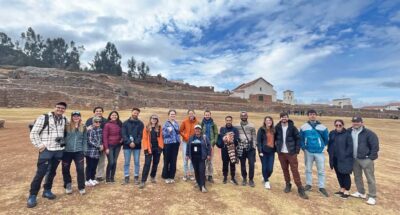
Sacred Valley & Maras Salt Mines Tour with Lunch
Read our review →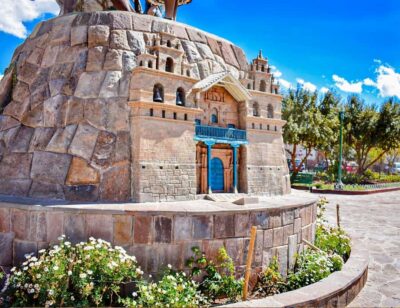
Moray, Maras Salt Mines & Chinchero Weavers Tour
Read our review →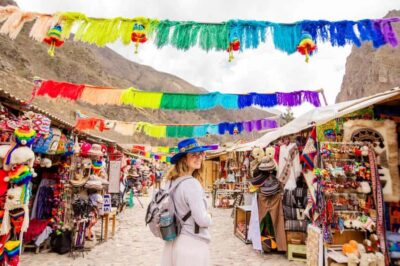
Sacred Valley, Pisac, Ollantaytambo, Salt Mines Moray
Read our review →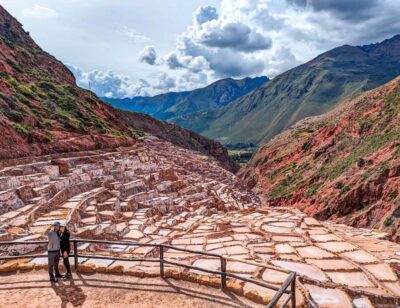
Chinchero,Moray & Salt Mines drop-off in Ollantaytambo
Read our review →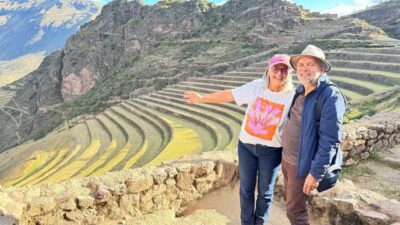

Moray, Maras Salt Mines & Chinchero Weavers Half-Day
Read our review →Browse the lists this tour appears in