
Reviewed · MARAS SALT MINES & MORAY TOURS
Cusco: Maras and Moray Tour ending in Ollantaytambo
The striking part of this six-hour trip is how much ground it covers before midafternoon: Moray’s giant circular terraces, the bright salt pools at Maras, and the massive Inca ruins of Ollantaytambo. You finish in the Sacred Valley rather than returning to Cusco, which makes it handy if you are catching a later train or continuing toward Machu Picchu.
I like the small group limit of 15 and the practical route through three important sites. I also like that transport, a bilingual guide, a buffet lunch in Urubamba, and drop-off at Ollantaytambo’s main square are included. The trade-off is a brisk schedule, and some visitors have found the pickup confusing or the explanations too brief.
Key points to know before booking
- Three major stops in one morning: Moray, Maras, and Ollantaytambo give you a broad look at Inca farming, salt production, and stonework.
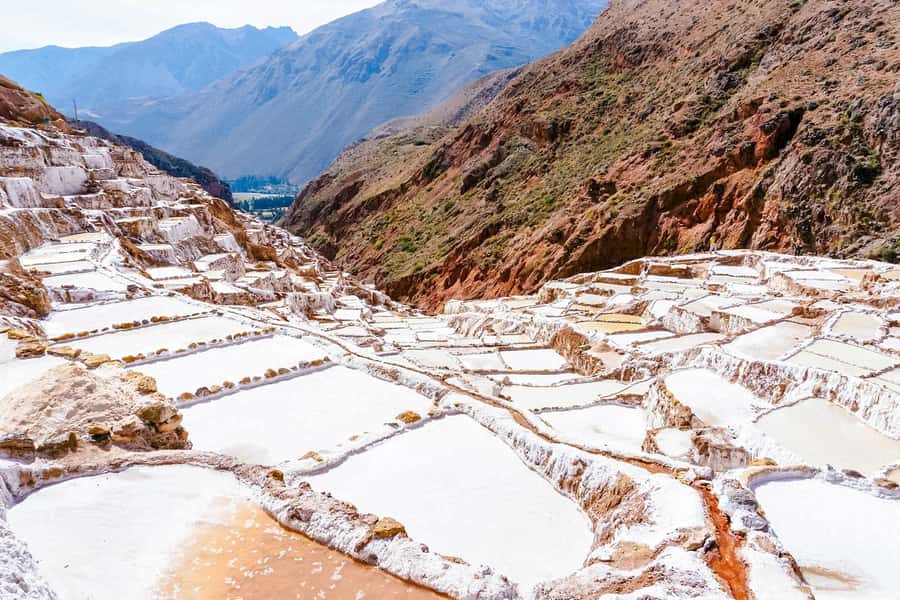
- More than 3,000 salt pools: Maras is still used for salt production, so this is a working site rather than only an archaeological display.
- Early Cusco pickup: Collection is around 6:30am, helping you reach the first stop before the day gets too far along.
- Ends in Ollantaytambo: You are dropped at the Plaza de Armas, not taken back to Cusco.
- Extra entrance costs: The tourist ticket is listed at S/70 per person, and the Maras salt mine entrance is separate.
- Best for light luggage: Large bags are not allowed, and your train from Ollantaytambo must depart after 3pm.
Why this route works well from Cusco
This is a useful transfer tour disguised as a sightseeing day. You leave your Cusco accommodation in the morning, see three distinctive Sacred Valley sights, eat lunch in Urubamba, and arrive at Ollantaytambo around 3pm.
That route saves you from making a separate return trip to Cusco. If you are heading toward Machu Picchu by train, the final drop-off is especially useful. Your train must be after 3pm, however, and I would allow extra breathing room if possible. A late pickup has caused confusion before, and mountain roads and group stops do not always run like a Swiss railway timetable.
The small-group format should make the day easier than a large coach excursion. A maximum of 15 people allows a guide to speak to the group without shouting across a bus. Still, the schedule is tight. You are not getting a slow, highly detailed study of each site. You are getting a well-packed introduction to three places.
More Ollantaytambo Visits from Cusco:
- Cusco: Sacred Valley, Pisac, Ollantaytambo, Salt Mines Moray
★ 4.6 · 1,058 reviews - Cusco:Chinchero,Moray & Salt Mines drop-off in Ollantaytambo
★ 4.8 · 793 reviews - Sacred Valley: Chinchero, Moray, Ollantaytambo & Pisac+Lunch
★ 4.8 · 501 reviews
Moray’s circular terraces and the Inca farming puzzle
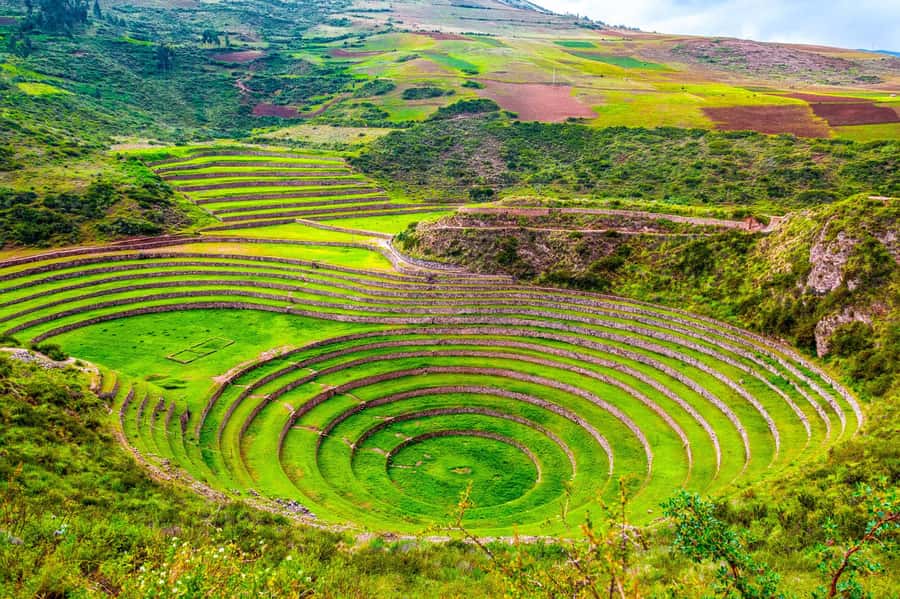
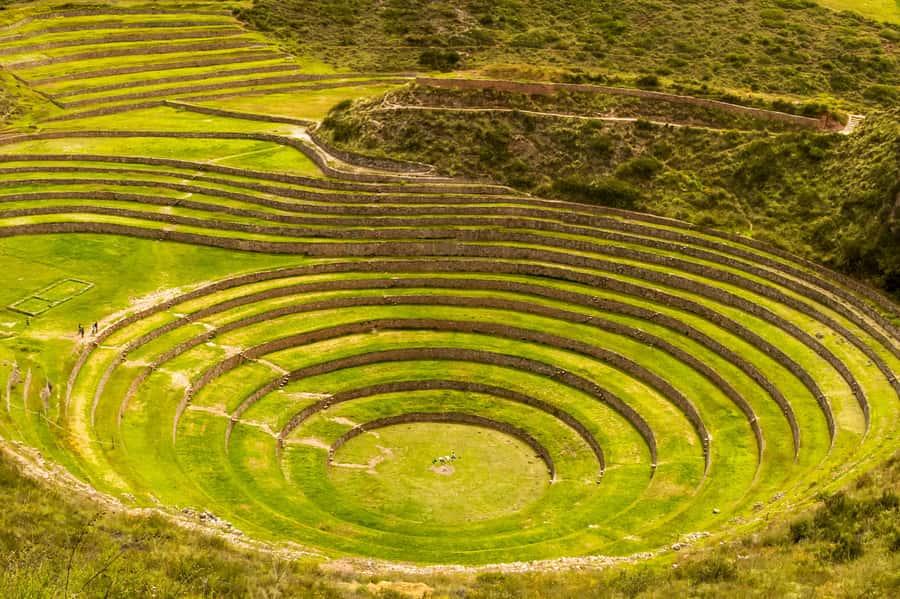
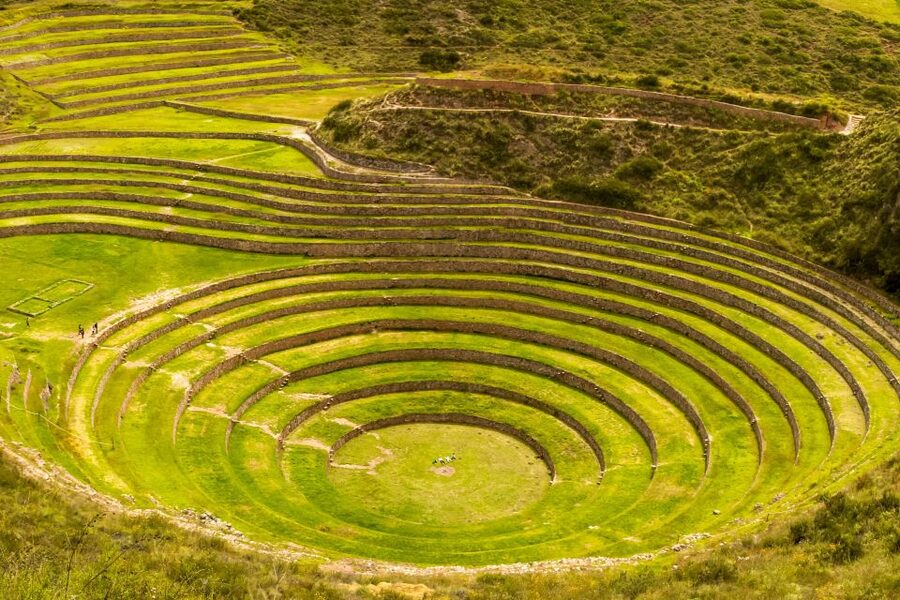
Moray is roughly 50 kilometers northwest of Cusco, on a limestone plateau above the Urubamba Valley. Its most memorable feature is a set of huge circular terraces sunk into natural hollows in the ground.
From above, the terraces look almost like a stone amphitheater. Broad rings descend toward the center, with each level separated by carefully built walls. The shape is unusual enough to invite speculation, including ideas about cosmology and ceremonial use. The practical purpose is less mysterious: the Incas used the site for agriculture, though the exact details of how it functioned remain unclear.
That uncertainty is part of Moray’s appeal. You are looking at a place built with clear skill but not fully explained by a simple signboard. A good guide can help you understand what is known and what remains uncertain. The quality of that explanation matters here because the site itself is easy to see in a few minutes, while its meaning takes longer to appreciate.
Bring comfortable shoes. The visit involves walking around an archaeological site, and the high-altitude sun can be strong even when the air feels cool. Sunscreen is specifically recommended, and it is sensible advice.
The weakness is time. One past account described the tour as moving too quickly, with little time for photographs. If you like to frame several views, wait for companions, or study construction details, you may feel hurried. Keep your camera ready and listen closely when the guide begins explaining the terraces.
Maras and the salt pools still at work
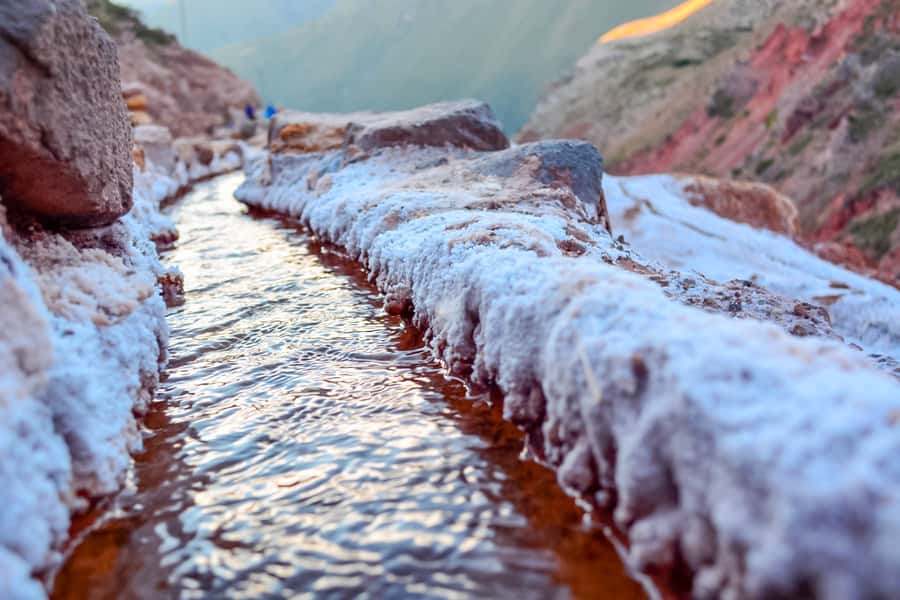
The colonial town of Maras gives its name to the salt evaporation ponds on the slope less than a kilometer west of town. More than 3,000 small pools spread across the hillside, each fed by salty water that evaporates in the sun.
This is one of the most unusual sights near Cusco because it combines an old production system with a living local industry. The salt works were used during Inca times, continued in the colonial period, and remain in use today. You are not simply looking at abandoned ruins. You are seeing a traditional method that still produces salt.
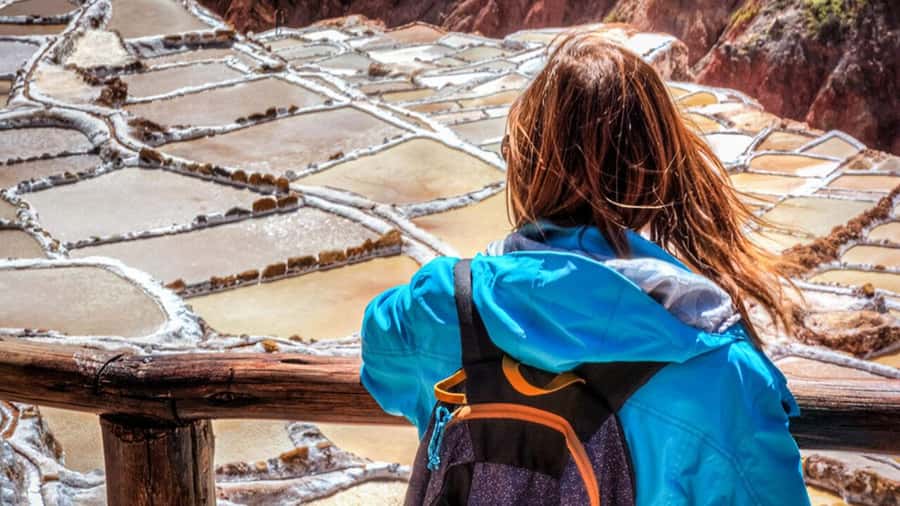
The pools are arranged in a dense patchwork of white, brown, and pale orange tones, depending on the water, minerals, and stage of evaporation. The view is most memorable from above, where the many small basins form a pattern across the slope. At closer range, the site makes more sense as a practical operation, with walls dividing the water into individual evaporation ponds.
The entrance to the salt mine is not included in the tour price. The S/70 tourist ticket is also listed as an extra cost, so you should budget for both charges rather than assuming the advertised $49 covers every entrance. The information about lunch is slightly inconsistent: the inclusions specify a buffet lunch in Urubamba, while another section says meals are not included. Confirm the current arrangement when booking or before departure.
You may find Maras more photogenic than informative if the guide is in a hurry. The site needs only a short explanation to make sense, but a guide who walks ahead and gives little direction can leave you unsure where to look. Stay close to the group and ask directly if you want more time or a clearer explanation.
Lunch in Urubamba and the ride along the river
After Moray and Maras, the group stops for lunch in the small town of Urubamba. A buffet lunch is listed as included, which is a useful break during a morning of site visits. Since the meal information is not entirely consistent, I would verify exactly what is covered before you set out.
Urubamba sits in the Sacred Valley, and the drive afterward follows the Urubamba River toward Ollantaytambo. This transfer is not just dead time. It connects the agricultural sites you have seen with the larger Inca settlement at the end of the route.
The town stop also gives the day a practical rhythm. Moray asks you to look at an engineered farming site. Maras shows a working salt system. Lunch breaks up the visits before the final stop shifts the focus to military, religious, and civic construction.
Do not expect a long, leisurely meal if the group is trying to reach Ollantaytambo by midafternoon. The tour has a fixed end point, so lunch forms part of a timed route rather than an open-ended restaurant visit.
More Maras and Moray Circuits from Cusco:
- From Cusco: Sacred Valley & Maras Salt Mines Tour with Lunch
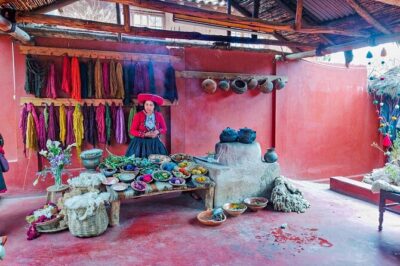
★ 4.8 · 2,227 reviews - From Cusco: Moray, Maras Salt Mines & Chinchero Weavers Tour
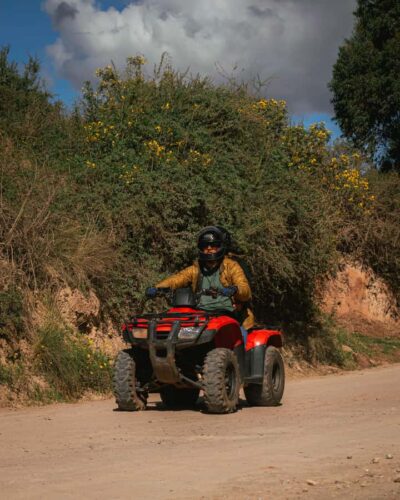
★ 4.8 · 1,925 reviews - Sacred Valley: Maras & Moray by Quad Bike from Cusco
★ 4.6 · 418 reviews - From Cusco: Quad bike tour Moray and Salt Mines
★ 4.7 · 314 reviews
Ollantaytambo’s huge stones and sacred figures
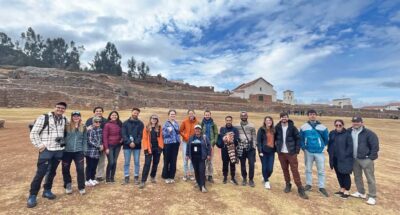
Ollantaytambo is the strongest final stop because it combines impressive ruins with a useful location for the rest of your journey. The tour visits an important area of Inca construction built during the height of the empire, then leaves you at the town’s main square.
The site is known for its large stonework and for rock formations associated with Wiracocha, an Inca god. These formations give the ruins a powerful visual focus. You can expect more than walls and terraces: the stone shapes connect the site to Inca religious ideas and to the way the builders shaped the area around them.
Because Ollantaytambo is the last visit, the amount of time available depends on how smoothly the earlier stops run. A guide who keeps the group moving can help you reach the town on schedule, but a rushed explanation would be a real loss here. This is the place where you most want a clear account of what you are seeing.
The drop-off is at the Plaza de Armas in Ollantaytambo. That is convenient if you are staying in town or continuing to the train station, but the service does not include a return to Cusco. Plan your accommodation and onward transport around that final location.
Guide quality matters on this six-hour schedule
The tour offers live guiding in English or Spanish. That is important because all three stops benefit from context, especially Moray and Ollantaytambo. Without explanation, Moray can look like a set of unusual rings in the ground, while the salt pools can become a quick photo stop.
The practical record is mixed. The overall rating is 3.4 out of 5 from 16 ratings. Positive feedback describes the day as well organized and worthwhile, while less favorable experiences focus on a guide walking ahead, giving little direction, offering limited information, or allowing too little time for photographs.
That tells me to book this for the route and convenience, not solely for a deeply detailed guiding experience. At the start of each stop, stay near the guide and listen for the meeting point and return time. If you need more context, ask while the group is together rather than trying to catch up later.
Pickup also deserves attention. Collection is around 6:30am from your Cusco accommodation, and you must provide accommodation details at booking. One reported problem was a late and confusing pickup, so be ready early and confirm the meeting instructions the day before.
Is $49 a good value?
At $49 per person, the price is attractive for a small-group day that combines transport, guiding, lunch as listed, and a one-way transfer to Ollantaytambo. The route would be awkward to arrange independently if you are carrying a full day of plans between Cusco and the Sacred Valley.
The value becomes less clear once you add the S/70 tourist ticket and the separate Maras entrance fee. Those costs are not minor details. Add them to the tour price before comparing it with other options.
The tour is a good deal if you need transportation to Ollantaytambo anyway and want to see Moray and Maras on the way. It is less compelling if you are already based in the Sacred Valley, prefer long visits at each site, or want a guide who provides extensive commentary.
The included lunch is another point to check. The package details identify a buffet lunch in Urubamba, but the exclusions also mention meals. Ask for the current terms so you know if you need extra cash for food.
Timing, bags, and what to bring
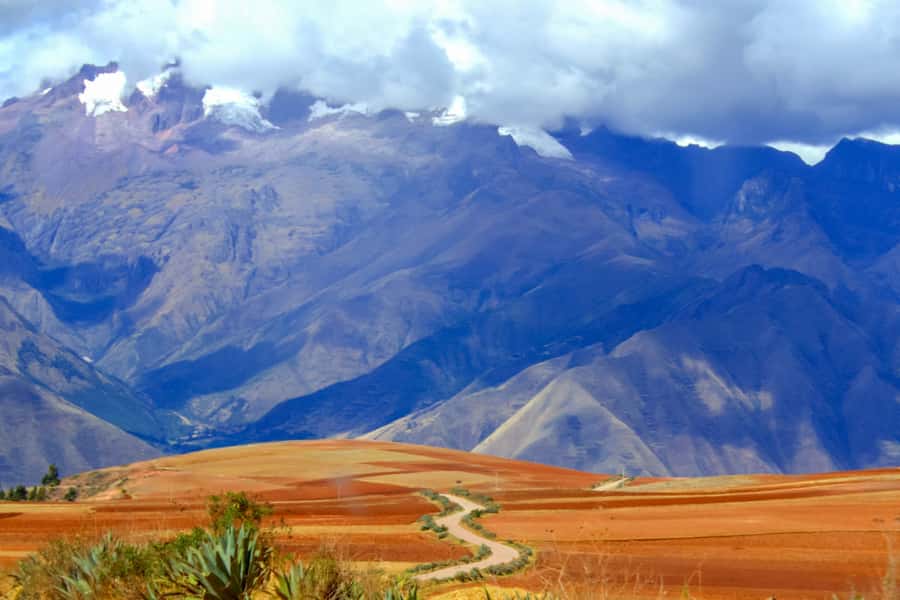
The advertised duration is six hours, with pickup around 6:30am and an end around 3pm. That is a full morning and early afternoon, so eat something before pickup if you tend to get hungry early. The tour stops for lunch, but the timing may not suit you if you need frequent breaks.
Wear comfortable shoes and bring sunscreen. The sites involve walking, and the sun can be strong at altitude. The supplied information does not specify weather protection, water, or warm clothing, so you should make your own plans for changing mountain conditions without assuming anything is provided.
Large bags and luggage are not allowed. This is important if you are using the tour as a transfer toward Machu Picchu. Bring only what you need for the visits, and arrange separately for larger luggage if required.
The tour is not suitable for wheelchair users. Pickup is included from accommodations in Cusco, but you need to confirm the accommodation details at booking. A passport name, number, expiry date, and country are required for every participant.
Free cancellation is available up to 24 hours before departure for a full refund, and you can reserve while paying later. Those terms help if your Cusco plans depend on weather, altitude adjustment, or a train schedule, but you should still check the exact booking conditions at the time you reserve.
Who should book this route?
I would choose this tour if you want a compact introduction to several Sacred Valley highlights and need to finish in Ollantaytambo. It suits independent visitors who do not want to arrange several taxis, but who are comfortable with a set schedule and a group of up to 15 people.
It is also a good fit if you value variety. Moray, Maras, and Ollantaytambo are not repetitive stops. One focuses on agricultural engineering, one on salt production, and one on major Inca construction and sacred stone forms.
I would hesitate if your main goal is photography or detailed history. The schedule can feel rushed, and the quality of the day depends heavily on the guide’s pace and explanations. If you need time to wander, ask questions, or wait for clear photos, a private or slower tour may suit you better.
Should you book the Maras, Moray, and Ollantaytambo tour?
Book it if the one-way finish in Ollantaytambo solves a transport problem for you. The route is efficient, the three stops are genuinely different, and $49 is reasonable once you understand what is included and what is not.
Go in with realistic expectations. Confirm the lunch arrangement, budget for both entrance charges, arrive early for pickup, and keep your train after 3pm. If you can accept a brisk group tour, this makes a practical bridge from Cusco to the Sacred Valley. If you want generous photo time and long explanations, choose a slower option.
FAQ
What time does pickup take place?
Pickup from accommodations in Cusco is scheduled for around 6:30am. You need to provide your accommodation details when booking.
Where does the tour finish?
The tour finishes at the main square, or Plaza de Armas, in Ollantaytambo. It does not drop you back in Cusco.
Can I take a train from Ollantaytambo after the tour?
Yes, but your train must depart after 3pm so the visits can take place normally.
What sites does the tour visit?
The route includes Moray, the Maras salt evaporation ponds, and the ruins of Ollantaytambo. It also includes lunch in Urubamba as specified in the inclusions.
How many people are in the group?
The tour is described as a small-group experience with a maximum of 15 participants.
Is lunch included?
A buffet lunch in Urubamba is listed among the inclusions. Another section says meals are not included, so confirm the current lunch arrangement before booking.
Are entrance fees included in the $49 price?
No. The tourist ticket is listed at S/70 per person, and the entrance to the salt mines is also separate.
What should I bring?
Bring comfortable shoes and sunscreen. Large bags and luggage are not allowed, and wheelchair users cannot be accommodated.
Just added around Cusco
- Zipline over the Sacred Valley Trip★ 5.0 · 11 reviews
- Valle Sur Cusco | half day★ 4.3 · 3 reviews
- Visit Pisac from Cusco: Private Transport★ 4.6 · 9 reviews
- Trek to Humantay Lake from Cusco★ 4.9 · 8 reviews
- Transfer from Cusco to Ollantaytambo★ 5.0 · 30 reviews
- Exclusive Huayna Picchu Tour in 1 Day from Cusco★ 5.0 · 31 reviews
- Private Tour Sacred Valley, Chinchero, Maras Moray, Ollantaytambo★ 5.0 · 29 reviews
- 5 Day – Salkantay trek to Machu Picchu – Group Service★ 4.5 · 27 reviews
Maras Salt Mines & Moray Tours, compared.
Sacred Valley & Maras Salt Mines Tour with Lunch
Read our review →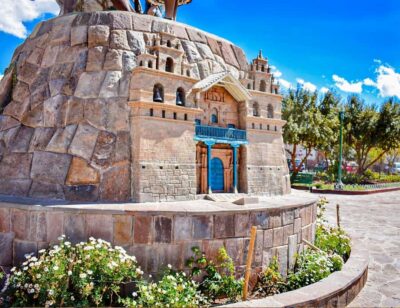
Moray, Maras Salt Mines & Chinchero Weavers Tour
Read our review →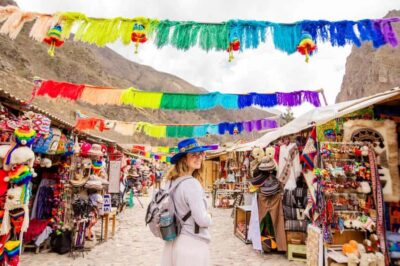
Sacred Valley, Pisac, Ollantaytambo, Salt Mines Moray
Read our review →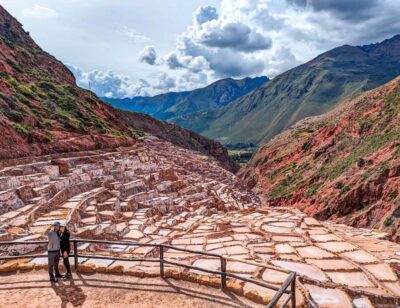
Chinchero,Moray & Salt Mines drop-off in Ollantaytambo
Read our review →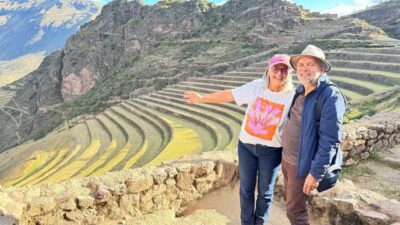

Moray, Maras Salt Mines & Chinchero Weavers Half-Day
Read our review →Browse the lists this tour appears in