
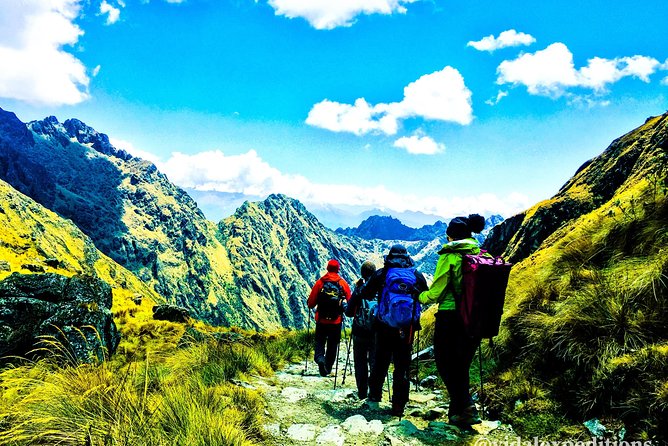
Reviewed · INCA TRAIL TREKS TO MACHU PICCHU
Classic Inca Trail 4 days to Machu Picchu
The Classic Inca Trail earns its fame the old-fashioned way: you walk an ancient route past Inca sites, high mountain scenery, and thick jungle before reaching Machu Picchu through the Sun Gate. This four-day trip includes permits, camps, meals, porters, and the return journey, so you are not left to solve every detail yourself.
I like the small maximum group of 16 and the fact that porters carry the camping gear and food. I also like the strong support from the guide, cook, and porters. A recent departure praised guide Freddy for his knowledge of Quechuan culture and cook Armando for producing excellent meals with basic camp equipment. The main concern is that the company’s organization and end-of-trip support may not match the price.
Key points to know before you book
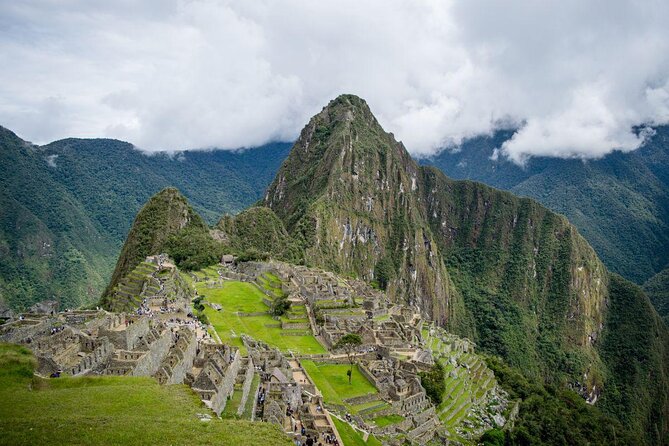
- Arrival through the Sun Gate: The route finishes at Machu Picchu’s most famous entry point, rather than beginning with a simple bus ride to the ruins.
- Four days under canvas: Tents, air mats, cooking gear, tables, and chairs are supplied, with porters carrying the shared equipment.
- Meals are largely covered: The package includes four breakfasts, four lunches, and three dinners, with vegetarian meals available at no extra cost. Breakfast on day one and lunch on day four are excluded.
- A demanding physical challenge: You need strong fitness, used trekking boots, walking poles, warm layers, rain gear, and a sleeping bag rated to minus 11 C.
- The return trip is included: You take an Expedition train from Aguas Calientes to Ollantaytambo, followed by a bus to Cusco.
- Pack patience for the finish: One account found the onward process from Machu Picchu confusing, including bus tickets, equipment, and the train connection.
Why this four-day route matters
The Inca Trail is not simply a walking route to a famous ruin. Its appeal comes from the way the journey builds toward Machu Picchu. You spend several days moving through changing terrain and visiting Inca sites before arriving at the citadel by foot.
That difference matters. A standard visit to Machu Picchu can feel like a quick sightseeing stop. On this route, the approach is part of the experience. You earn the first view by walking, climbing, camping, and managing mountain weather.
The route also asks more of you than a casual day trip. You need strong physical fitness, and the supplied packing list makes the reason clear: warm clothes, rain protection, trekking boots, poles, a headlamp, water treatment, and a sleeping bag rated to minus 11 C are all called for.
At $1,050 per person, this is not a budget walk. You are paying for permits, transport, food, camping equipment, porters, and professional guiding, not just access to the trail. The price can be fair if you value a managed trip and do not want to arrange each piece yourself. Still, the company’s organization matters greatly here, and the reported problems at the end of the walk make it worth asking precise questions before paying.
More Inca Trail Departures from Cusco:
- Cusco: 4-Day Inca Trail to Machu Picchu with Accommodation
★ 4.8 · 432 reviews - Cusco: Machu Picchu 2-Day Inca Trail with Panoramic Train
★ 4.9 · 260 reviews - From Cusco: 2-Day Inca Trail to Machu Picchu
★ 4.2 · 244 reviews
Day one: Cusco to kilometer 82
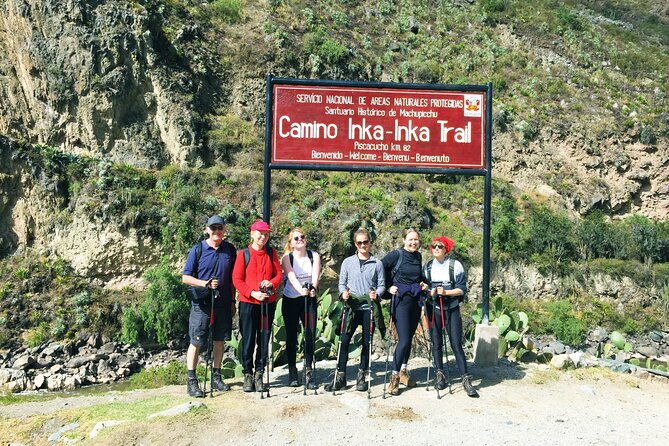
The trip begins with pickup from your Cusco hotel and a transfer to kilometer 82, the trailhead. Breakfast on this first day is not included, so plan for that cost and timing yourself.
This first stage introduces the basic rhythm of the trip: walking, camping, meals prepared outdoors, and shared support from the guide and porters. The porters carry the camping equipment and food, while the crew sets up the tents, cooking tent, tables, and chairs.
That support has real value. You still carry your daypack, water, clothing, and personal items, but you do not need to haul the full camp. A good daypack is listed as essential, and you should keep anything you need during the day with you rather than assuming you can reach the larger group equipment on demand.
You should also expect a mixture of weather. The packing list calls for a rain poncho or rain jacket, wind and rain pants, a fleece layer, gloves, and a hat, alongside sun protection and insect repellent. That is a useful warning: conditions can change, and a warm morning does not guarantee a dry afternoon.
Days two and three: camp life, Inca sites, and changing weather
The middle of the trip is where the four-day format earns its keep. You move through the route with your guide, visiting Inca sites and crossing areas described as mountain scenery and dense jungle.
The exact daily stops are not provided, so you should not book this expecting a fixed list of named ruins or exact walking times. What is clear is the character of the route: it combines archaeological sites, changing natural settings, and a final approach to Machu Picchu.
Camping is part of the experience, not just a sleeping arrangement. The package supplies tents, air mats, and a cooking tent, along with portable chairs and tables. That is a more organized camp setup than carrying your own shelter and stove, but you still need to be comfortable sleeping outdoors and managing a multi-day hike.
Meals are a strong part of the package. Four breakfasts, four lunches, and three dinners are listed, and vegetarian food is available at no extra cost. The cook named in one account, Armando, prepared meals described as restaurant quality despite using camp equipment. That is a meaningful advantage on a strenuous walk, when a hot meal can improve both energy and morale.
The meal wording needs checking before departure. Breakfast on day one and lunch on day four are specifically excluded, even though the package lists four breakfasts and four lunches overall. Ask the operator to explain exactly which meals are served on each day.
Water is another point to settle in advance. The package includes water bottles and asks you to bring sterilizing tablets, but one departure did not provide treated or filtered water. The group had to use its own filter. Bring your own treatment method and do not assume camp water will be ready to drink.
The guide and support crew
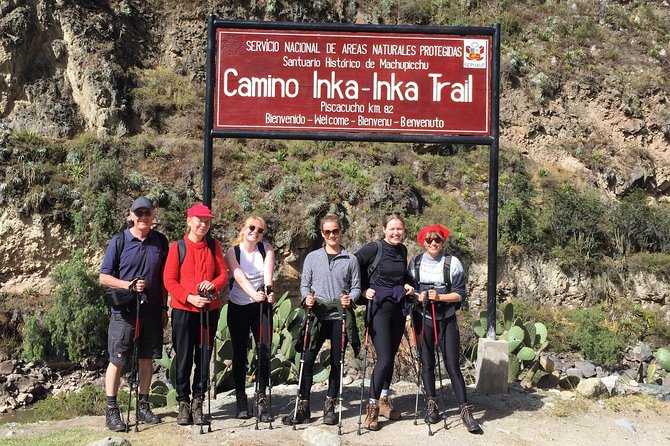
A strong guide can turn a hard walk into a meaningful one. The guide is expected to lead the group, explain the Inca sites, and help with the practical work of moving through the route. The listed guide, Freddy, was praised for his understanding of Quechuan history and culture.
That cultural focus is important. The Inca Trail is more than a scenic hike, and your guide should help connect the ruins and route to the people who built and used them. If this is a priority for you, ask how much time the guide normally gives to archaeology, Quechuan culture, and questions along the way.
The porters are another major part of the operation. They carry shared camping gear and food, which lets you walk with a lighter personal pack. One account praised the porters as capable, helpful, and kind. You should still pack carefully and keep your own load modest, since even a daypack becomes tiring after hours on uneven ground.
The staff experience may not be consistent from trip to trip. The positive comments about Freddy, Armando, and the porters sit beside serious complaints about company planning. That means you should judge the actual service by more than the food or guide alone. Ask who will meet you at each transport point and who will help you after Machu Picchu.
More Machu Picchu Days from Cusco:
- From Cusco: Full-Day Group Tour of Machu Picchu
★ 4.7 · 1,767 reviews - Machu Picchu Day Trip from Cusco
★ 4.5 · 1,644 reviews - Machu Picchu: Full-Day Tour from Cusco with Optional Lunch
★ 4.6 · 927 reviews - From Cusco: 2-Day Trip to the Sacred Valley and Machu Picchu
★ 4.6 · 265 reviews
Day four: reaching Machu Picchu through the Sun Gate
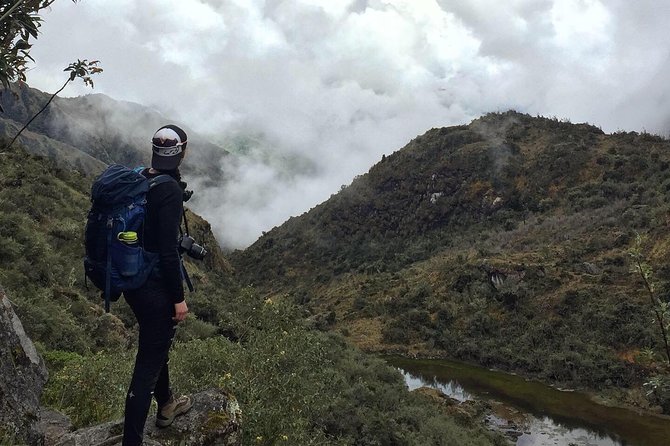
The emotional high point is the approach to Machu Picchu through the Sun Gate. This is one of the reasons people choose the Classic Inca Trail instead of a transport-only visit.
The arrival is not the end of your responsibilities, however. Lunch on day four is not included, and the transport sequence can be confusing. One account describes a plan in which the guide was expected to leave the group at Machu Picchu, leaving hikers to obtain their own bus tickets to Machu Picchu Pueblo, locate equipment left by the porters, and find the train connection.
The guide ultimately stayed to help that group board the train, but you should not rely on that happening automatically. Before departure, get clear answers to these questions:
- Does the guide accompany you from the Sun Gate into Machu Picchu and onward to the train?
- Who provides or explains the bus ticket to Machu Picchu Pueblo?
- Where will the porters leave personal equipment?
- Who helps you locate the equipment?
- What happens if the group reaches the train station at different times?
These are small details on paper. At the end of a four-day hike, they are not small at all.
Return by train and bus to Cusco
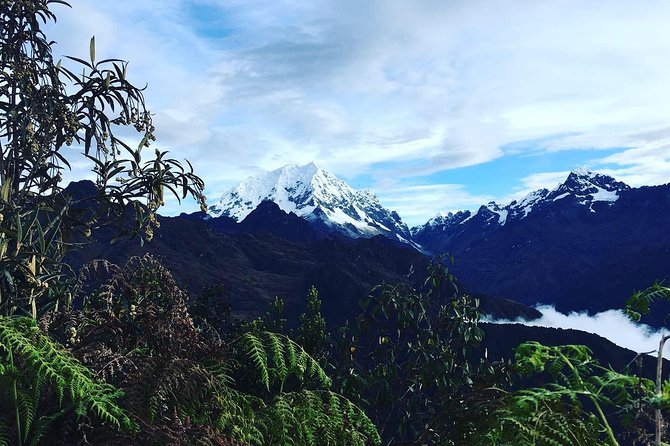
The package includes an Expedition train from Aguas Calientes to Ollantaytambo, followed by a bus back to Cusco. Including this connection is a major convenience, since arranging the return after a long hike would add another layer of work.
The transport is not described as private, and the guide’s role during this section needs confirmation. The reported confusion about tickets, baggage, and connections suggests that you should keep your booking details accessible and avoid assuming that someone will walk you through every step.
The return arrangement also affects the value of the $1,050 price. Permits and train travel can make a guided package more practical than a lower headline price that leaves major costs out. But the convenience only pays off if the instructions are clear and the staff remains available when you need help.
What to pack for this particular hike
The required gear list is long, but it is sensible for a high-altitude, multi-day route with changing conditions. Pack layers instead of one heavy coat. A fleece or wind-stopper jacket, light sweater, long-sleeved shirt, rain gear, and warm pants let you adjust as the weather shifts.
Your footwear should be used trekking boots, not brand-new ones. Blisters can ruin an otherwise good trip, and there is no reason to test unfamiliar boots on a demanding four-day route.
The list also calls for:
- Two or three T-shirts and two pairs of wool or synthetic socks
- Warm gloves, a fleece or wool hat, and a sunhat
- UV-protective sunglasses, sun block, lip balm, and insect repellent
- A sleeping bag rated to minus 11 C, plus a towel, soap, and toiletries
- A headlamp or torch, water bottle, and water sterilizing tablets
- Two walking poles and a good daypack
- Personal medicines, toilet paper, and spare camera batteries
You should bring the sleeping bag even though the company supplies tents and air mats. The supplied camping equipment does not mean every personal sleep item is provided.
Who will enjoy this trip most?
This tour suits you if you want the complete walking approach to Machu Picchu and are comfortable with a physically demanding camp-based trip. It is a good fit for people who value a guide, prepared meals, porters, and included transport more than independent planning.
It is less suitable if you want a soft adventure or a tightly managed luxury experience. The route requires fitness, personal preparation, and patience. You may also prefer another operator if guaranteed hand-holding at the final transport connections is important to you.
The group cap of 16 is helpful. A smaller group can make it easier to hear the guide and stay together, while still giving the trip a social feel. It does not guarantee a perfect experience, so ask how many people are booked for your date.
Value, service, and the main warning
The package includes many expensive and useful pieces: trail and Machu Picchu permits, professional guiding, tents, mats, cooking equipment, meals, porters, the train, and the bus back to Cusco. For someone arranging a first Inca Trail trip, that bundle can save time and reduce stress.
The concern is not the route itself. The guide, cook, and porters have been praised, especially Freddy, Armando, and the porter team. The concern is the company’s coordination, including the lack of a clean portable toilet, no treated water on one departure, and uncertainty at the Machu Picchu to train connection.
Those are not cosmetic complaints. Trail bathrooms can be unpleasant, and water safety is basic. The absence of a private portable toilet may not bother every hiker, but the water issue should bother you enough to carry your own filter or treatment tablets.
The experience is also non-refundable and cannot be changed after booking. Confirm your dates, fitness, equipment, meal plan, water arrangements, and return support before making payment.
Should you book this Classic Inca Trail trip?
I would book it only after getting clear written answers about water, toilet arrangements, porter-delivered equipment, and help from Machu Picchu to the train. The route and crew support sound appealing, and the included permits, camps, meals, porters, and transport give the $1,050 price a reasonable basis.
If you want the famous four-day approach, have strong fitness, and are prepared to manage a few practical details yourself, this can be a rewarding choice. If you expect polished organization from pickup through your hotel return, compare other operators before committing.
FAQ
How long is the Classic Inca Trail tour?
The tour lasts approximately four days.
Where does the tour begin?
You are picked up from your Cusco hotel and transferred to kilometer 82, the trailhead.
Is Machu Picchu admission included?
Yes. The Inca Trail and Machu Picchu permits and tickets are included.
Are meals included?
The package includes four breakfasts, four lunches, and three dinners, with a vegetarian option at no extra cost. Breakfast on day one and lunch on day four are not included.
Is camping equipment provided?
Yes. Tents, air mats, a cooking tent, portable chairs, and portable tables are included.
Who carries the camping equipment and food?
Porters carry the camping equipment and food.
Is the return transport to Cusco included?
Yes. The package includes an Expedition train from Aguas Calientes to Ollantaytambo and a bus back to Cusco.
How large can the group be?
The tour can have a maximum of 16 people.
More 4-Day Experiences in Cusco
- Choquequirao Trek 4 days and 3 nights
★ 5.0 · 81 reviews - 4 Day Tour to the Manu National Park
★ 5.0 · 81 reviews - Cusco Sacred Valley and Machupicchu 4 Days
★ 5.0 · 80 reviews - Ancascocha Trek To Machu Picchu 4 Days And 3 Nights
★ 5.0 · 77 reviews
Just added around Cusco
- Zipline over the Sacred Valley Trip★ 5.0 · 11 reviews
- Valle Sur Cusco | half day★ 4.3 · 3 reviews
- Visit Pisac from Cusco: Private Transport★ 4.6 · 9 reviews
- Exclusive Huayna Picchu Tour in 1 Day from Cusco★ 5.0 · 31 reviews
- Trek to Humantay Lake from Cusco★ 4.9 · 8 reviews
- Transfer from Cusco to Ollantaytambo★ 5.0 · 30 reviews
- Private Tour Sacred Valley, Chinchero, Maras Moray, Ollantaytambo★ 5.0 · 29 reviews
- 5 Day – Salkantay trek to Machu Picchu – Group Service★ 4.5 · 27 reviews
Inca Trail Treks to Machu Picchu, compared.
4-Day Inca Trail to Machu Picchu with Accommodation
Read our review →
Short Inca trail to MachuPicchu || 2days – 1nigth ||
Read our review →
4 Day Inca Trail Trek to Machu Picchu Multi day tour
Read our review →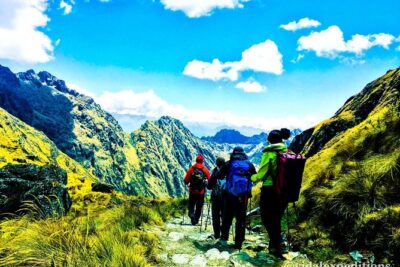
Browse the lists this tour appears in