
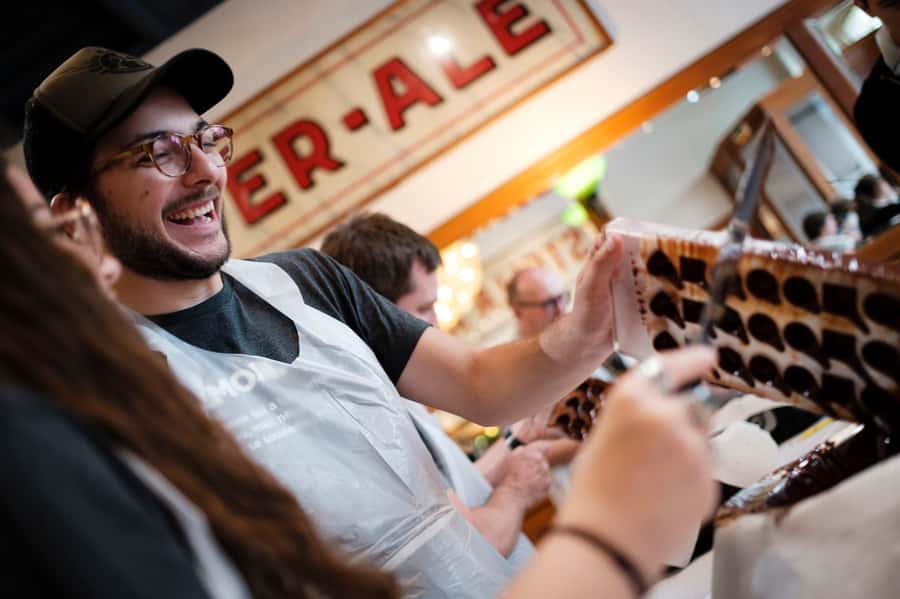
Reviewed · CUSCO CHOCOLATE WORKSHOPS
Cusco: Chocolate Workshop with the Best Local Organic Cacao
Cusco’s chocolate story begins far below the Andes, in the jungle of the Cusco region where Chuncho cacao is grown. This workshop turns that local ingredient into Belgian-style pralines and mendiants, while giving you a fine city view from Limbus Restobar. Making the sweets yourself is the point, not simply sampling a finished bar.
I like the mix of practical work and Peruvian food culture, and I like that you take home a generous box of roughly 21 pralines and 10 mendiants. The hot chocolate is another welcome touch, especially after walking Cusco’s steep streets. One thing to consider: the class does not show every stage of cacao production, so anyone hoping to roast and open beans may find that part missing.
Key points to know before booking
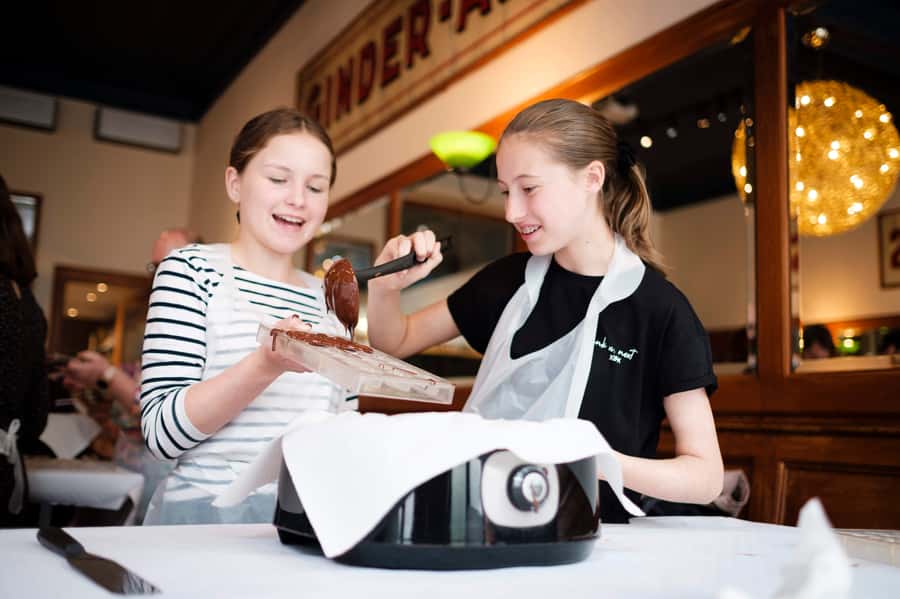
- Chuncho cacao from Cusco’s jungle: The workshop uses local, organic, artisanal cacao rather than an anonymous commercial chocolate.
- A proper hands-on class: You make pralines, mendiants, ganache, and hot chocolate instead of only watching a demonstration.
- A scenic meeting place: The class takes place at Limbus Restobar, known for its wide view across Cusco.
- A substantial edible souvenir: Each person receives 300 grams of chocolate and a box for taking the finished sweets home.
- Friendly named instructors: David has led several sessions, with Marco, Ken, Angel, and Alex also mentioned as instructors.
- Adults and older children only: The activity does not accept children under 12, unaccompanied minors, spectators, or people with diabetes.
Starting with Cusco’s Chuncho cacao
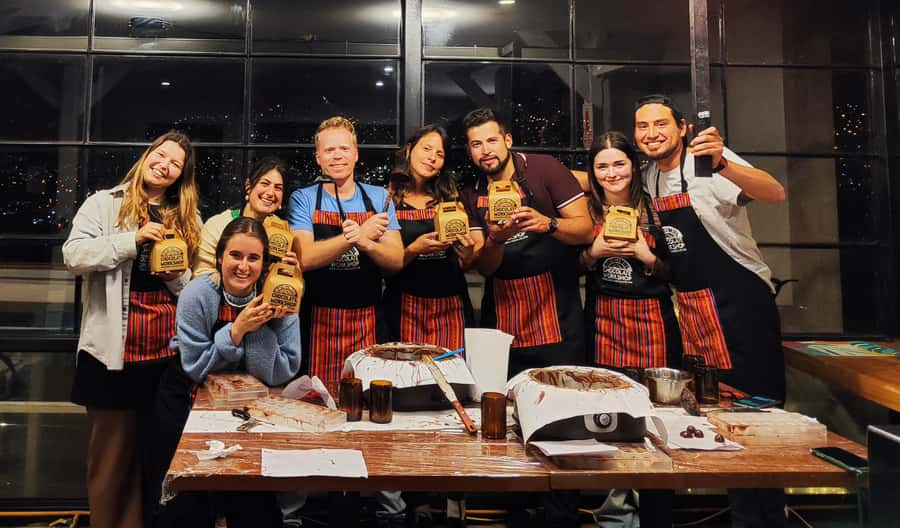
The first useful lesson is that Peruvian chocolate is not one single flavor. Cacao grows in different parts of the country, and this workshop focuses on Chuncho cacao from the jungle of the Cusco region. The class presents it as one of the world’s finest organic cacao varieties, with a strong connection to the area you are visiting.
That local link gives the class more purpose than a standard confectionery lesson. You are not just melting imported chocolate in a kitchen. You are working with an ingredient tied to Peru’s farming regions and food traditions, then shaping it using Belgian methods.
The opening section covers chocolate’s history and place in Peruvian culture. It is useful context before you start handling the ingredients, since it explains why cacao matters here and how Peruvian chocolate differs from the familiar supermarket bar.
The exact balance between talk and practical work can vary with the instructor and group. David is frequently named as a lively and friendly teacher, while Marco, Ken, Angel, and Alex have also led classes. Expect a social tone, clear explanations, and room for questions rather than a formal culinary lecture.
More Chocolate Workshops in Cusco:
- Chocolate Workshop in Cusco with Premium Organic Cacao
★ 5.0 · 75 reviews - Cusco Cooking Class by ChocoMuseo in Cusco
★ 5.0 · 29 reviews - 1.5h Cusco Chocolate Workshop – Truffles & Hot Chocolate
★ 4.3 · 8 reviews
A panoramic class at Limbus Restobar
You meet at the reception of Limbus Restobar in Cusco. Tell the receptionist you are there for the chocolate workshop, or el taller de chocolate, and you will be directed to the activity. There is no hotel pickup, so plan your route to the venue yourself.
The location is part of the appeal. Limbus is known for its panoramic view of Cusco, and you get to look across the city while working with chocolate. This makes the setting feel more special than a closed classroom, although the view can also tempt you to stop and take pictures when your chocolate needs attention.
I would arrive with enough time to find the restobar and settle in. The workshop lasts 150 minutes, or two and a half hours, so it takes a meaningful part of your day. That timing works well after a morning of sightseeing or before an evening meal, provided the available start time fits your plans.
The activity has received a rating of 4.5 from 23 ratings, with repeated praise for the view and the warm energy of the instructors. One important practical point is that spectators are not allowed. Everyone present needs to have a place in the workshop.
Tempering, moulds, and Belgian-style pralines
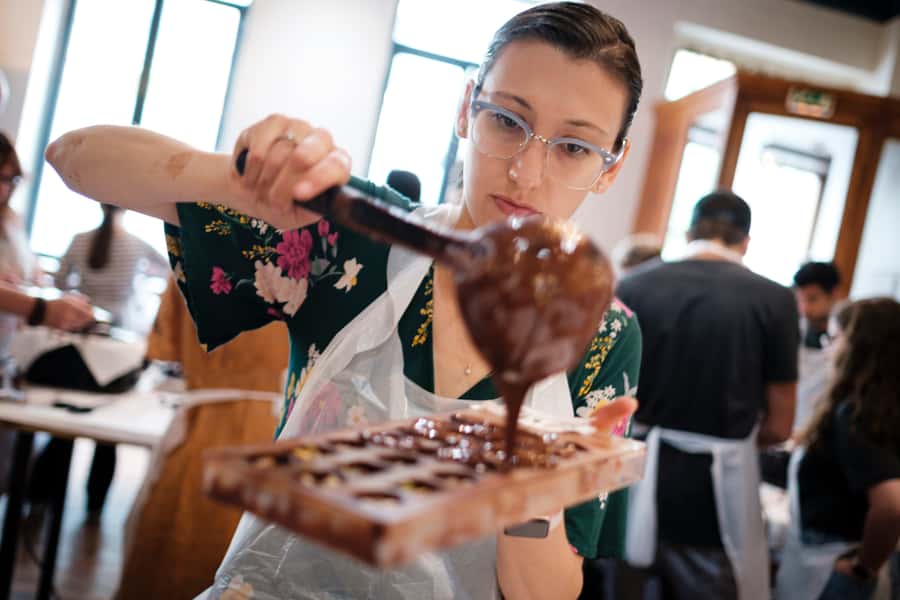
The central skill is making Belgian-style pralines from scratch. You work with the provided chocolate and learn the techniques needed to turn it into filled bonbons. The class includes tempering, a key step that helps chocolate set with a smoother finish and a more satisfying snap.
You should expect to get involved rather than stand back. The activity provides ingredients and utensils, and the instructors assist from the beginning to the end. That support matters because chocolate can be fussy. Temperature, timing, and handling all affect the final result, and a teacher can help prevent small mistakes from spoiling the batch.
The workshop also covers moulded chocolate. You may fill or shape your sweets in different forms, depending on the session. One class participant specifically wanted to see cacao beans roasted and opened, but that was not part of the activity. Keep this in mind if your main interest is the farm-to-bean process. This is a confectionery workshop using prepared cacao, not a full chocolate-production tour.
The practical focus is better suited to people who enjoy making things with their hands. You do not need professional kitchen skills, but you should be comfortable following instructions and working at a shared pace.
Choosing fillings, nuts, and local flavors
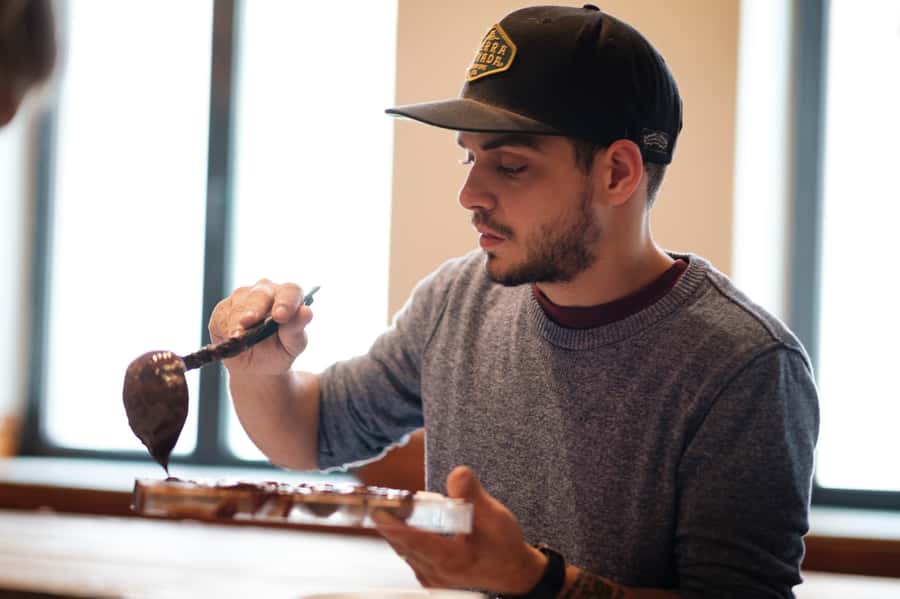
Once the chocolate work begins, you choose what goes inside or on top of your sweets. The options include ganache made during the class, homemade local jam, and a broad selection of local and organic nuts.
This is where the workshop becomes personal. Two people can use the same Chuncho chocolate and produce very different boxes, depending on their choice of filling and toppings. The freedom to build your own combinations also makes the finished sweets feel like a proper souvenir rather than a prepacked gift.
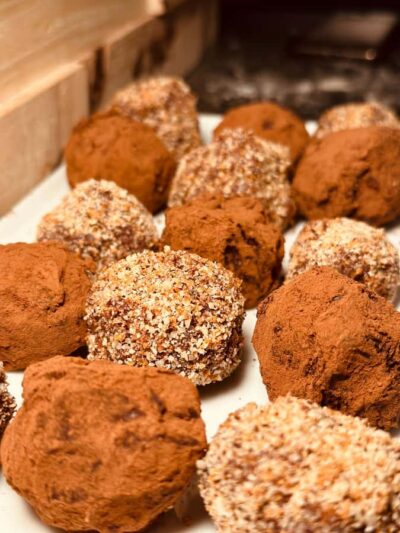
The term mendiant usually refers to a chocolate disc decorated with nuts or dried fruit. Here, you make about 10 of them, alongside roughly 21 pralines. The quantities are a strong part of the value, especially if you are sharing with family or friends later.
Keep your expectations practical. Handmade chocolates will not all look identical, and that is part of the fun. The class is designed to give you an enjoyable result, not to turn you into a professional chocolatier in one afternoon.
A few more Cusco days worth weighing up
- Cusco: Bean to bar chocolate workshop
★ 5.0 · 3 reviews
Hot chocolate and the finished box
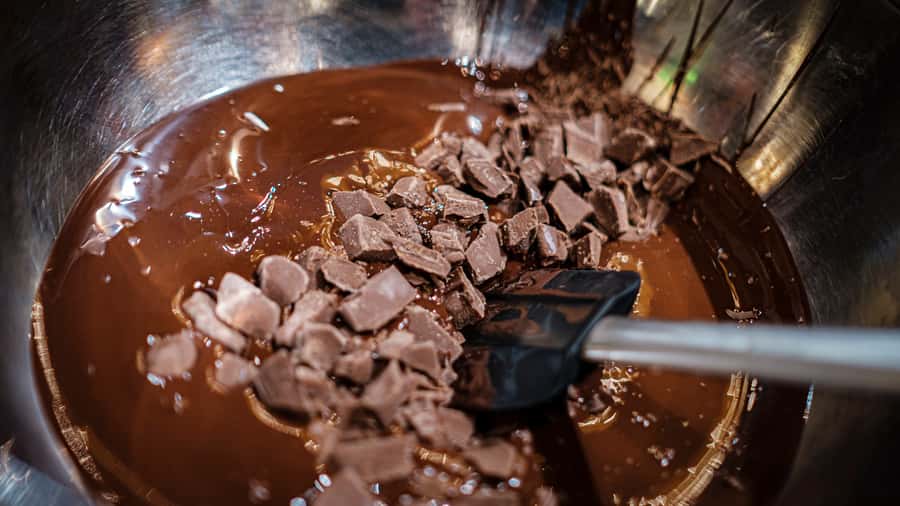
The workshop includes a hot chocolate tasting, and the instructors teach you how to make it. This is more than a quick drink poured at the end. It gives you another way to understand the cacao and lets you compare a warm preparation with the pralines and mendiants you are creating.
Several people have singled out the hot chocolate as a strong part of the session. I can see why it works well here. You spend time learning about cacao, handling chocolate, and choosing flavors, then finish with a warm cup that brings those ideas together.
At the end, you receive a personalized box for your creations. The stated chocolate allowance is 300 grams per person, and the expected result is about 21 pralines and 10 mendiants. That is enough to make the class feel generous, though the exact final weight and appearance can vary with your fillings and toppings.
The box also solves a practical problem. Cusco has plenty of edible souvenirs, but fragile sweets can be awkward to carry. A dedicated container gives you a simple way to take the chocolate back to your hotel, share it with family, or pack it for the journey home. You should still handle it with care, since chocolate can soften in warm conditions.
What the $47 price includes
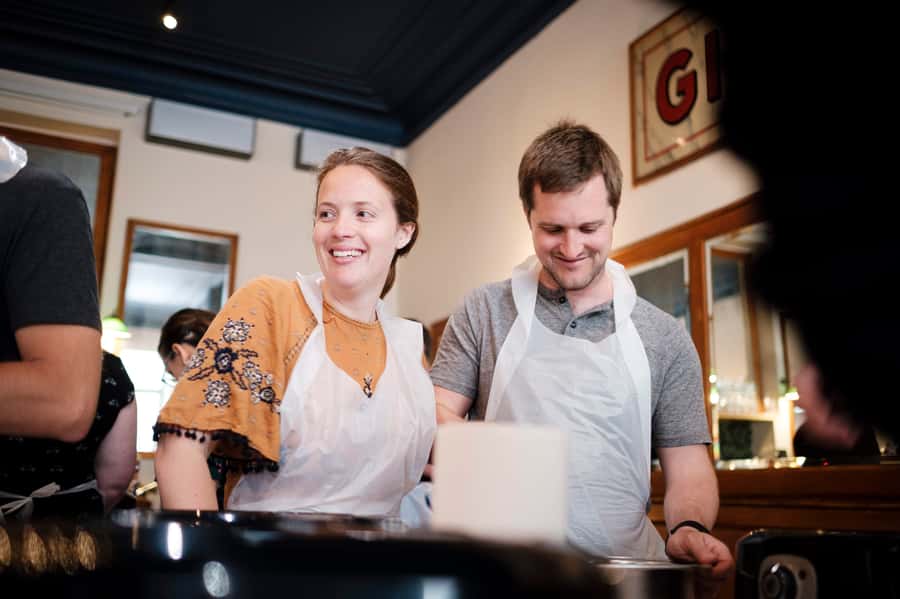
At $47 per person, this is not the cheapest food activity in Cusco. The price makes more sense when you count what is included: two and a half hours of instruction, 300 grams of chocolate, all ingredients, utensils, hot chocolate, assistance throughout, filtered water, and the take-home box.
You are paying for an activity as well as food. A chocolate bar costs far less, but it does not give you a lesson in tempering, a chance to make ganache, or a view over the city while you work. If you value hands-on classes and want a souvenir you made yourself, the price is reasonable.
The value is less convincing if you only want to taste rare cacao or learn how beans are grown and processed. There is no pickup, and the workshop does not include a farm visit, roasting demonstration, or bean-opening session. In that case, you may prefer a cacao-focused tour with more agricultural content.
The class is also a good choice for a rainy afternoon or a day when you want a break from churches, ruins, and museums. You get an indoor activity with a clear result, rather than another walking tour.
Who will enjoy this Cusco chocolate class
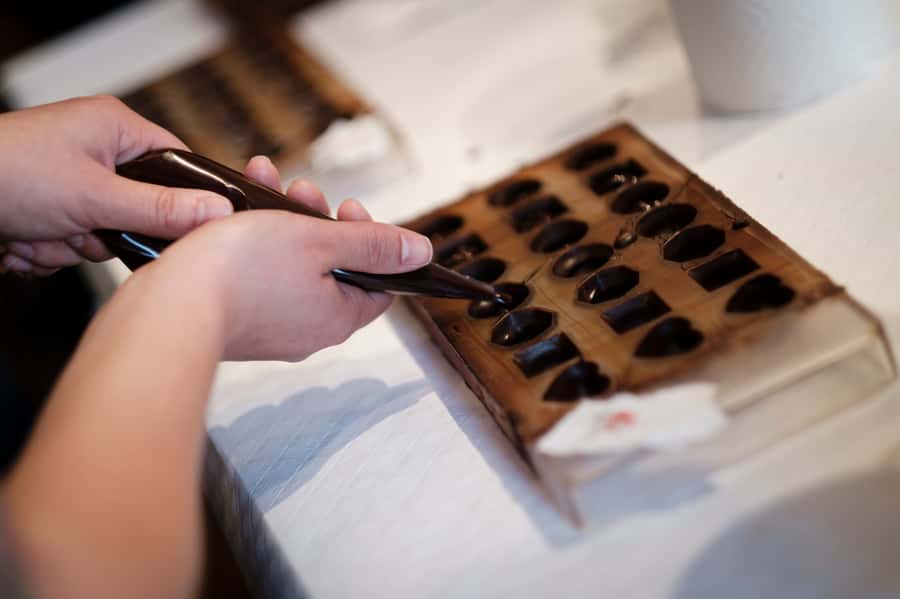
I would recommend the workshop to couples, friends, families with older children, and solo visitors who like meeting people through food. It is social and interactive, and the instructors use humor to keep the pace relaxed. David, in particular, has been praised for his energy, kindness, and ability to explain the work in an entertaining way.
It suits you best if you enjoy trying a new technique without needing a perfect result. You will get more from the class if you ask questions, experiment with fillings, and accept that handmade chocolates have their own character.
Children must be at least 12 years old, and unaccompanied minors are not accepted. This is not a passive family attraction where younger children can watch from the side, since spectators are not allowed. People with diabetes should not book this activity.
Language should be manageable for many international visitors. Instruction is offered in English, Spanish, and French. If you have a serious food allergy or dietary restriction, the supplied information does not explain how ingredients can be adapted, so ask before booking rather than assuming.
A few limitations to keep in mind
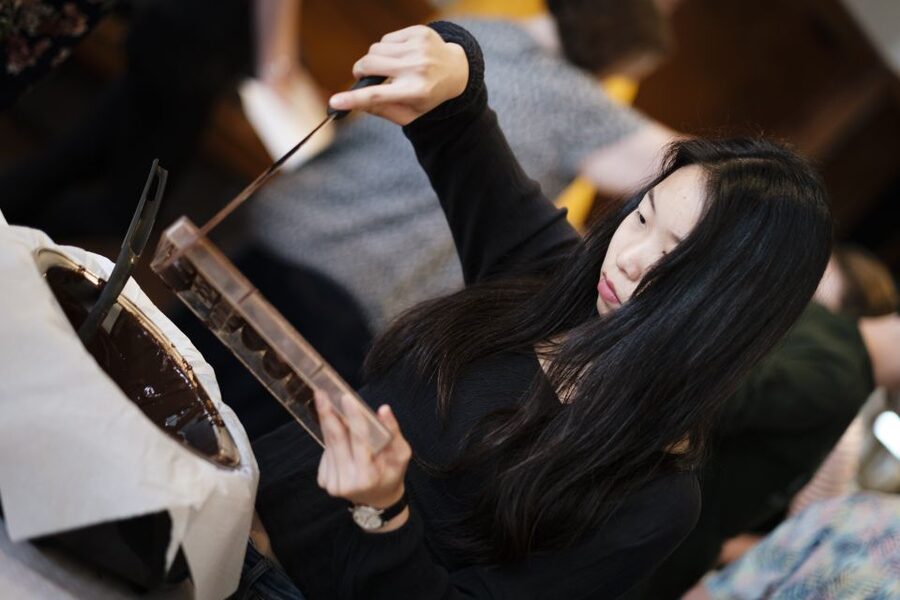
The strongest parts of the workshop are the hands-on making, the chocolate quantity, the hot chocolate, the view, and the instructors. The main limitation is scope. You learn about cacao and chocolate culture, but you do not see the entire path from fresh cacao pod to finished chocolate.
The class also depends on the quality of the session leader. The names connected with the workshop include David, Ken, Angel, Marco, and Alex, and the feedback about their friendly style is consistently positive. Still, teaching style can differ from one date to another, so do not expect an identical performance each time.
There has also been an isolated report of a cancellation shortly after booking and a delayed refund. The activity offers free cancellation up to 24 hours before the start time and allows you to reserve now and pay later, which gives some flexibility. I would still check your booking status and payment details if the operator changes the schedule.
For the smoothest visit, wear clothes you do not mind getting a little messy, though the supplied information does not state a formal dress requirement. Follow the instructor’s directions around melted chocolate and keep your finished box level during the trip back.
Should you book the Chuncho chocolate workshop?
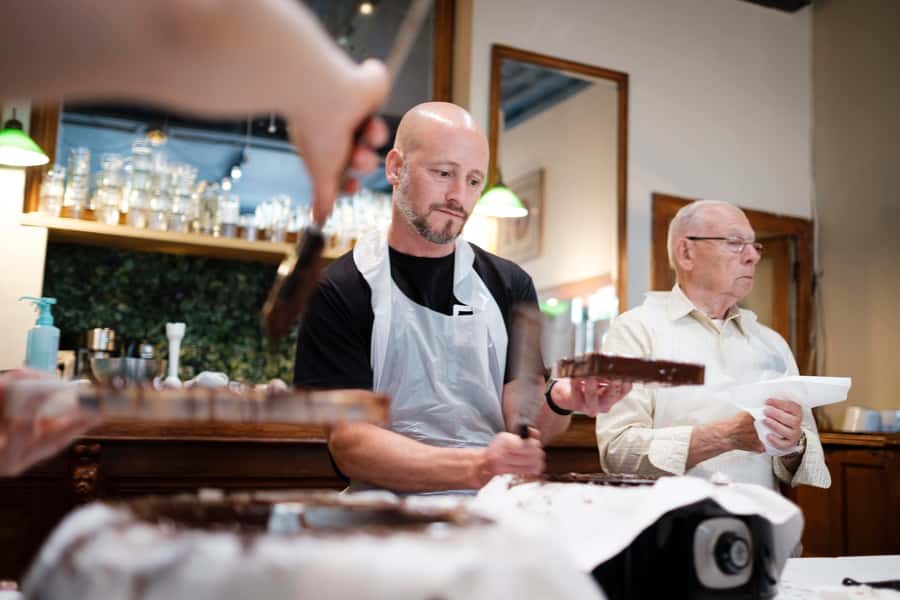
Book it if you want a relaxed, social food activity with a clear souvenir at the end. The local Chuncho cacao, panoramic Cusco view, hot chocolate, and generous quantity of handmade sweets give the $47 price real substance. It is especially appealing after several days of sightseeing when you want to sit down and do something creative.
Skip it if your main goal is to visit a cacao farm, roast beans, or study the full production process. It is also not suitable for children under 12, people with diabetes, or anyone who wants to attend only as a spectator.
For most chocolate lovers, this is a good use of two and a half hours in Cusco. Go in expecting a practical praline class, not a farm tour, and you should leave with new skills, a box of sweets, and a better sense of how a local Peruvian ingredient can be given a Belgian finish.
FAQ
Where does the chocolate workshop take place?
The workshop takes place at Limbus Restobar in Cusco. At reception, say you are attending the chocolate workshop, or el taller de chocolate, and the receptionist will direct you.
How long does the workshop last?
The activity lasts 150 minutes, or two and a half hours.
What chocolate will I use?
You will use 100 percent organic and artisanal Chuncho cacao from the jungle of the Cusco region.
What will I make during the class?
You will make Belgian-style pralines and mendiants from scratch. The class also includes making ganache and learning how to prepare hot chocolate.
How much chocolate can I take home?
Each person receives 300 grams of chocolate and a box for taking home the handmade creations. The expected amount is about 21 pralines and 10 mendiants.
Is hot chocolate included?
Yes. Hot chocolate tasting is included, and the instructor teaches you how to make it.
What languages are available?
Instruction is available in English, Spanish, and French.
Can children join the workshop?
Children under 12 are not allowed, and unaccompanied minors are not accepted. Spectators are also not allowed, so everyone attending needs to take part.
More Workshops in Cusco
- Cusco: Peruvian Cooking Class, Cocktails & Local Market Tour
★ 4.9 · 512 reviews - Cooking class and market tour with a local chef
★ 5.0 · 186 reviews - The First Class Machu Picchu Train by Inca Rail
★ 4.0 · 182 reviews - The Textile Workshop Experience in Cusco Region
★ 5.0 · 118 reviews
Just added around Cusco
- Zipline over the Sacred Valley Trip★ 5.0 · 11 reviews
- Valle Sur Cusco | half day★ 4.3 · 3 reviews
- Visit Pisac from Cusco: Private Transport★ 4.6 · 9 reviews
- Transfer from Cusco to Ollantaytambo★ 5.0 · 30 reviews
- Exclusive Huayna Picchu Tour in 1 Day from Cusco★ 5.0 · 31 reviews
- Trek to Humantay Lake from Cusco★ 4.9 · 8 reviews
- 2 Day – Short Inca Trail to Machu Picchu – Group Service★ 5.0 · 30 reviews
- Private Tour Sacred Valley, Chinchero, Maras Moray, Ollantaytambo★ 5.0 · 29 reviews
Cusco Chocolate Workshops, compared.
Chocolate Workshop in Cusco with Premium Organic Cacao
Read our review →
1.5h Cusco Chocolate Workshop – Truffles & Hot Chocolate
Read our review →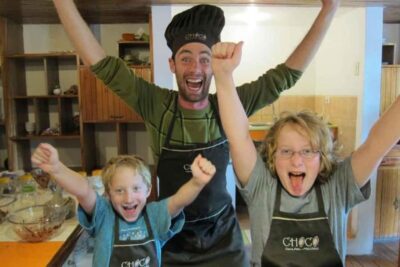
Browse the lists this tour appears in