
Reviewed · CUSCO CHOCOLATE WORKSHOPS
Chocolate Workshop in Cusco with Premium Organic Cacao
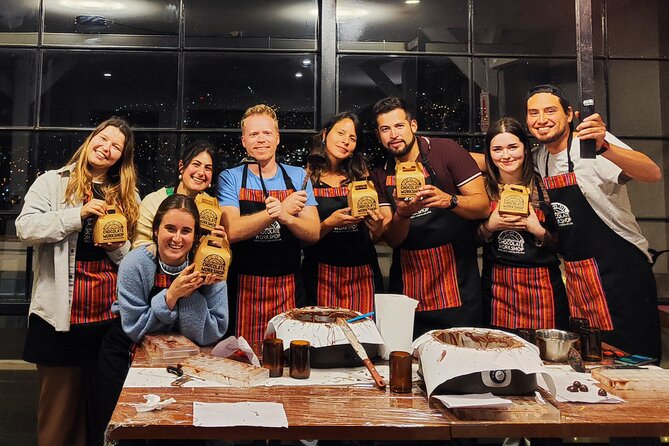
Cusco has plenty of grand sights, but this hands-on chocolate workshop gives you a different way to understand Peru’s food culture. You’ll work with 100% organic Chuncho cacao from the Sacred Valley, make Belgian-style pralines and mendiants, and finish with a box of chocolates you prepared yourself.
I like the personal teaching, especially from instructors such as David, Abelardo, and Randy, and I like the sunset view over Cusco that comes with the 5 p.m. session. The main consideration is that this is a chocolate-making class, not a cacao-farming or bean-processing tour. You’ll melt, fill, shape, and decorate chocolate rather than turn raw cacao beans into finished chocolate.
I also like the generous take-home portion: about 21 pralines and 10 mendiants. At $45 per person, the price makes more sense if you value the class, the hot chocolate, the setting, and the edible souvenir, not just the amount of chocolate in the box.
Key points to know before booking
- Use of Chuncho cacao: The class works with organic, artisanal cacao from the Sacred Valley, a local ingredient with a strong connection to the Cusco region.
- Belgian-style techniques: You’ll learn to prepare pralines, mendiants, ganache, and hot chocolate.
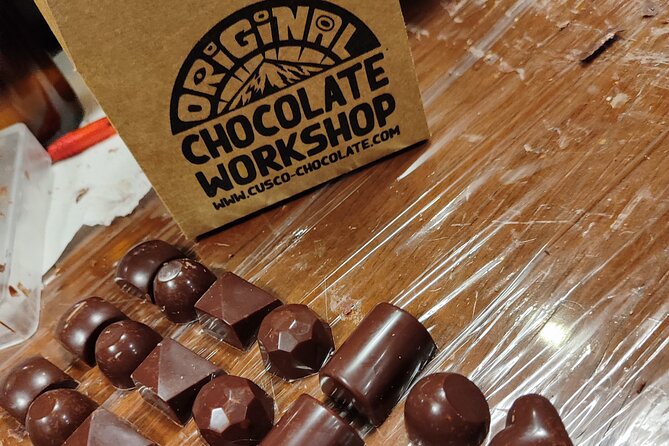
- A large edible souvenir: You make around 21 pralines and 10 mendiants, then pack them in a personalized box.
- Excellent evening timing: The 5 p.m. start can line up with sunset views across Cusco.
- Small-group teaching: The maximum group size is 15 people, with hands-on guidance from the class leader.
- A useful acclimatizing activity: The relaxed pace and seated food work can suit your first days in Cusco, when you may not yet want a strenuous outing.
Why this Cusco chocolate class is worth your evening
This experience works because it gives you three things at once: a food lesson, a local ingredient, and a pleasant view. You are not simply eating a chocolate bar made somewhere else. You are handling the ingredients, choosing fillings, learning a few basic techniques, and taking the finished results with you.
The workshop lasts about two and a half hours. That is long enough to feel like a real class, but short enough to fit into a busy Cusco schedule. You can spend the morning visiting archaeological sites, take the afternoon at an easy pace, and then head to the workshop for an evening activity.
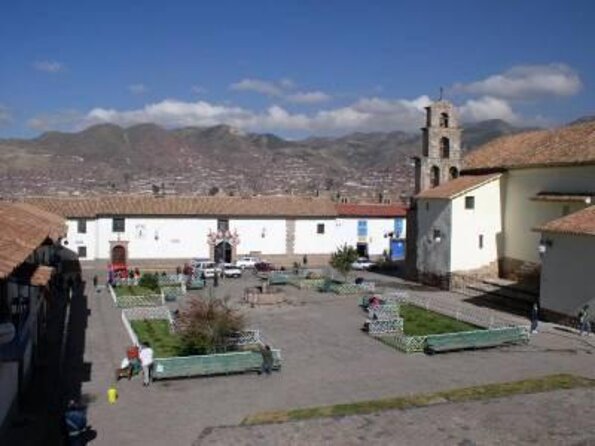
The setting is in the heart of Cusco at C. Pasñapakana 133. The building has views across the city, and the evening start is one of the class’s best features. At around 5 p.m., you may see Cusco change from daylight to evening while you work with chocolate. The view is not a separate sightseeing stop, but it adds a lot to the mood.
I would not book this only because it promises a look at chocolate production. That phrase can suggest a full bean-to-bar demonstration. Here, the focus is on working with prepared chocolate. One class participant specifically noted that the workshop did not include processing cacao beans themselves. If you want to see fermentation, drying, roasting, grinding, and tempering from raw beans, this is not that kind of visit.
More Chocolate Workshops in Cusco:
- Cusco Cooking Class by ChocoMuseo in Cusco
★ 5.0 · 29 reviews - Cusco: Chocolate Workshop with the Best Local Organic Cacao
★ 4.5 · 23 reviews - 1.5h Cusco Chocolate Workshop – Truffles & Hot Chocolate
★ 4.3 · 8 reviews
Starting with cacao, culture, and the Sacred Valley
Before the practical work begins, the class covers the history and culture of chocolate. The useful part is the link between what you are making and where the cacao comes from. Chuncho cacao is sourced from the Sacred Valley of the Incas in the Cusco region and is presented as organic and artisanal.
That local connection gives the class more weight than a generic chocolate lesson. You are not only learning to decorate sweets. You are being introduced to an ingredient tied to the region you are visiting.
Still, keep your expectations measured. The available details do not promise a farm visit, a tour of a production plant, or a long lecture about cacao agriculture. The cultural introduction is one part of a practical workshop. The main event is making and tasting chocolate.
The instructors are an important part of the experience. David is described as funny, warm, and clear in his explanations. Abelardo has Belgian training and is noted for being engaging and patient. Randy also leads the class, and other instructors include Damaso, Avi, and Erika. Since the exact teacher may vary, you should expect an individual instructor rather than a guaranteed particular person.
That personal attention matters in a chocolate class. Chocolate can look easy until you are trying to fill a shell without making a mess or arrange toppings neatly. A leader who explains each step clearly can save you from guessing and help the session stay relaxed.
Making pralines, mendiants, and ganache
The main work is hands-on. You choose from fillings and toppings that include homemade local jams, local nuts, organic nuts, coconut flakes, and dried fruit. This is where the class becomes personal. Two people at the same table can make quite different boxes, depending on whether they prefer fruit, nuts, coconut, or jam.
You will make around 21 pralines. These are the filled chocolates that require more attention than a simple dipped sweet. You also make about 10 mendiants, generally chocolate pieces decorated with nuts or dried fruit. The mix gives you several ways to work with the chocolate instead of repeating one recipe for the full session.
The class also teaches you how to make ganache. That is a useful skill because it explains the soft filling inside many bonbons. You are not just placing decorations on melted chocolate. You get a basic sense of how a filling is made and how different textures work together.
The exact degree of technical detail can depend on the instructor and the group. With a maximum of 15 people, the room may feel social rather than private. At the same time, the class is small enough for the leader to offer guidance, and some sessions have been much smaller.
This is a good choice if you enjoy doing things with your hands. It is less suited to you if you want a quiet tasting with no participation. You will be working, choosing, shaping, and decorating for much of the visit.
The hot chocolate break is part of the lesson
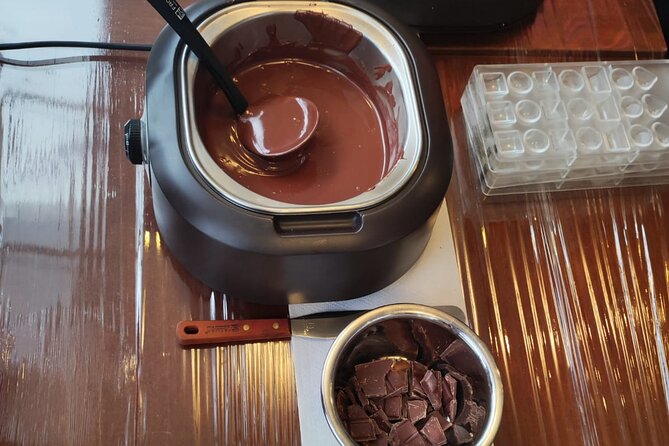
A hot chocolate is included, and you learn to prepare it yourself. That makes the drink more than a break between activities. It shows how the same main ingredient can become a warm, rich drink rather than a filled sweet.
You also use remaining chocolate to create a special hot chocolate drink. This part adds a simple bit of improvisation to the class and gives you something to enjoy while your other chocolates come together.
The drink is repeatedly praised as delicious, but the more useful point is that it fits the rhythm of the evening. You are not rushing through a formal demonstration. You have time to taste what you are making and see how the ingredients change in a different form.
At high altitude, a gentle food activity can be easier on your body than a demanding excursion. The workshop does not require a long hike or a day of steep walking. That does not make it a medical recommendation, but it can be a sensible option for your first days in Cusco if you want to stay active without planning another strenuous outing.
A few more Cusco days worth weighing up
- Cusco: Bean to bar chocolate workshop
★ 5.0 · 3 reviews
A personalized box to take home
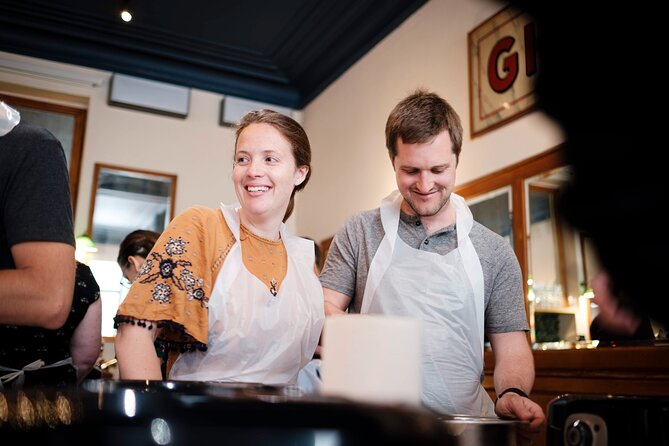
The class ends with a personalized box containing your creations. The amount is generous for a two-and-a-half-hour activity: around 21 pralines and 10 mendiants. You can share them with family and friends, or keep the box for yourself.
The take-home chocolate also helps explain the $45 price. You are paying for ingredients, instruction, use of the workshop, the hot chocolate, the city setting, and a substantial edible souvenir. If you judge the cost only by the price of a box of sweets in Cusco, it may seem high. If you want a guided activity and a local food memory, the value is stronger.
Packing can matter if you have a long journey ahead. The available information confirms that you receive a box, but it does not promise special long-distance shipping or temperature-controlled packaging. Chocolate can be sensitive to heat, so you should ask the class leader for practical advice if you plan to carry it onward.
You can also ask the guide for suggestions about what to do after the class. This is useful because the workshop ends in central Cusco, and the staff can offer local tips based on your schedule. The information does not specify a particular restaurant or evening route, so treat this as a chance to ask for recommendations rather than a built-in dining plan.
The 5 p.m. start and Cusco views
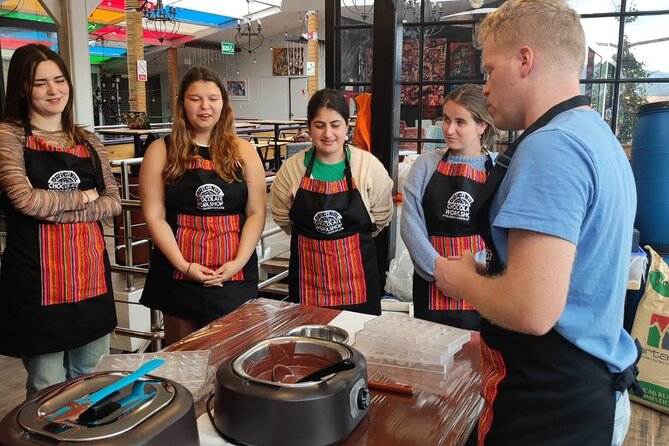
The published meeting point is C. Pasñapakana 133 in Cusco, and the activity finishes back there. The class begins at 5 p.m., with additional start-time choices indicated as available depending on booking. Check the time shown for your reservation rather than assuming every session begins at five.
The evening timing is a major reason to choose this class over a daytime food activity. The workshop has a view over Cusco, and several sessions have lined up with sunset or nighttime city lights. You will not be standing at a formal lookout for the whole evening. Instead, you see the city while moving through the class.
The approach to the building can also be part of the experience. The walk there is described as beautiful, though no fixed walking route or travel time is given. Because the meeting point is in Cusco and near public transportation, you can plan around the rest of your day without arranging a separate transfer.
Bring only what you need and arrive with enough time to find the address. The workshop is central, but Cusco’s streets and slopes can make even a short route feel slower than it looks on a map. The supplied details do not include hotel pickup, so plan to reach the meeting point yourself.
Who will enjoy this workshop most
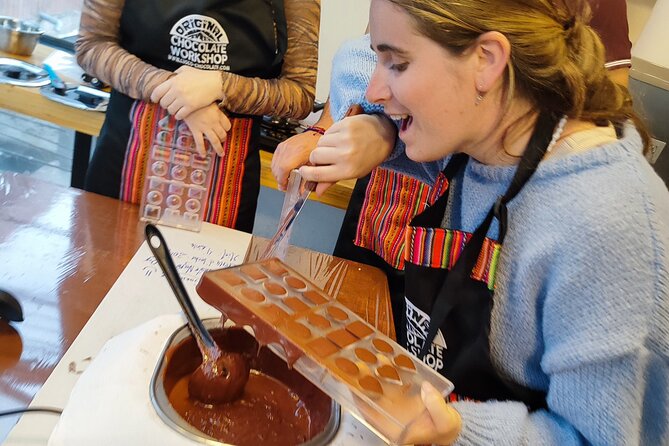
This class suits couples, solo visitors, friends, and families with children aged 12 and older. It is particularly good for a pair looking for an evening activity that feels more memorable than another meal, or for a solo visitor who wants a social setting without committing to a full-day group tour.
Families should note the age rule. The workshop is available to adults and children from age 12. Younger children are not covered by the stated admission information.
It is also a good option during a longer stay in Cusco. After visiting major sights, you may want something slower and more playful. Making chocolate gives you a clear task, and the final box gives you a physical reminder of the city.
You may want to skip it if you dislike sweet foods, have dietary concerns that have not been discussed in advance, or want a technical bean-to-bar lesson. The supplied information lists a range of local jams and nuts but does not provide a full allergy or dietary menu. Ask before booking if that affects your decision.
Service animals are allowed, and the location is near public transportation. The maximum group size is 15 people, so the atmosphere may vary from a small family lesson to a fuller class. That is worth considering if you prefer either a private session or a livelier group.
How the $45 price compares with the experience
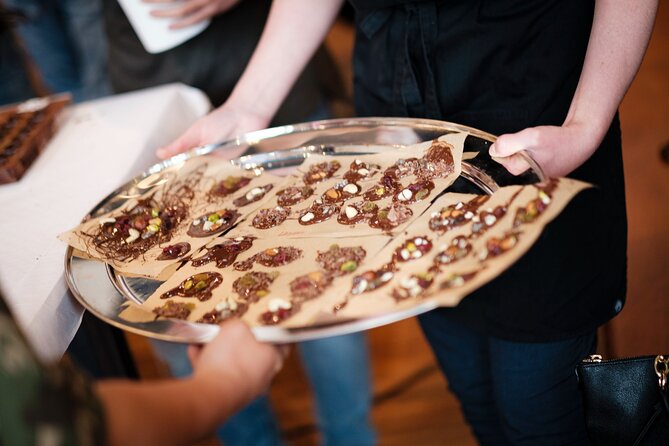
At $45 per person, this is not the cheapest chocolate purchase you can make in Cusco. It is also not simply a tasting. You receive instruction, ingredients, a hot chocolate lesson, your own work during the class, and a box of finished chocolates.
The strongest value comes from participation. If you would happily spend an evening learning a local food skill, the price is reasonable. If you only want to sample premium cacao, you can likely find less expensive ways to do that, though the provided information does not identify a separate tasting option.
The group limit helps protect the class from becoming a demonstration where you only watch. Personal guidance is one of the main selling points, and the maximum of 15 allows the instructor to help with the practical steps.
The experience is also easy to fit into a wider Cusco plan. It takes about two and a half hours, begins in the evening, and ends at the same place. There is no separate transport segment or full-day commitment to manage.
Booking timing and cancellation details
This activity is booked about 18 days ahead on average, so I would reserve early if your Cusco dates are fixed. That is especially sensible if you want the 5 p.m. session, a particular day, or a smaller group.
Confirmation is provided when you book. Free cancellation is available if you cancel at least 24 hours before the start time. Changes or cancellations inside that 24-hour window are not accepted for a refund, and the cut-off follows local Cusco time.
The workshop also requires a minimum number of participants. If the provider cancels because that minimum is not met, you will be offered another date or experience, or receive a full refund.
Should you book the Cusco Chocolate Workshop?
I would book this if you want a relaxed evening with a strong local ingredient, clear instruction, a city view, and plenty of chocolate to take away. The combination of Chuncho cacao, Belgian-style methods, sunset timing, and personal teaching gives the experience more substance than a quick confectionery demonstration.
I would not book it expecting to process raw cacao beans or tour a farm. The class starts with prepared chocolate and focuses on pralines, mendiants, ganache, toppings, and hot chocolate.
For most visitors, the best fit is a couple, solo visitor, friend group, or family with children aged 12 and up. Ask about ingredients if you have dietary concerns, confirm your exact start time, and leave enough room in your schedule for the class to run its full two and a half hours. At 99 percent recommended and a 4.9 rating from 75 reviews, it has a strong record, but the real reason to choose it is simple: you get to make a useful, tasty souvenir while watching Cusco turn golden and then glow at night.
FAQ
Where does the chocolate workshop take place?
The workshop takes place at C. Pasñapakana 133, Cusco 08000, Peru. The activity ends back at the same meeting point.
How long does the workshop last?
The experience lasts approximately two and a half hours.
What chocolates will I make?
You will make around 21 pralines and 10 mendiants. You will also learn to make ganache and prepare a hot chocolate.
What cacao is used in the class?
The workshop uses 100% organic, artisanal Chuncho cacao from the Sacred Valley of the Incas in Cusco.
Can children join the workshop?
The activity is available to adults and children aged 12 and older.
What is the cancellation policy?
You can cancel at least 24 hours before the local start time for a full refund. Cancellations or changes made less than 24 hours before the experience are not accepted for a refund.
More Workshops in Cusco
- Cusco: Peruvian Cooking Class, Cocktails & Local Market Tour
★ 4.9 · 512 reviews - Cooking class and market tour with a local chef
★ 5.0 · 186 reviews - The First Class Machu Picchu Train by Inca Rail
★ 4.0 · 182 reviews - The Textile Workshop Experience in Cusco Region
★ 5.0 · 118 reviews
Just added around Cusco
- Zipline over the Sacred Valley Trip★ 5.0 · 11 reviews
- Valle Sur Cusco | half day★ 4.3 · 3 reviews
- Visit Pisac from Cusco: Private Transport★ 4.6 · 9 reviews
- Transfer from Cusco to Ollantaytambo★ 5.0 · 30 reviews
- Exclusive Huayna Picchu Tour in 1 Day from Cusco★ 5.0 · 31 reviews
- Trek to Humantay Lake from Cusco★ 4.9 · 8 reviews
- Private Tour Sacred Valley, Chinchero, Maras Moray, Ollantaytambo★ 5.0 · 29 reviews
- 5 Day – Salkantay trek to Machu Picchu – Group Service★ 4.5 · 27 reviews
Cusco Chocolate Workshops, compared.
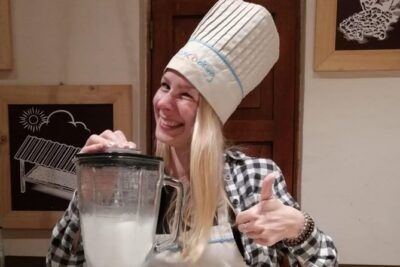
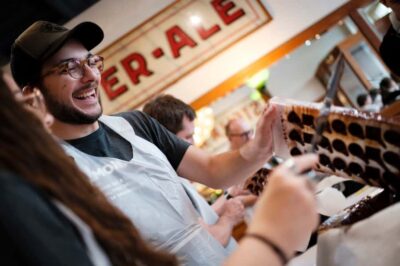
Chocolate Workshop with the Best Local Organic Cacao
Read our review →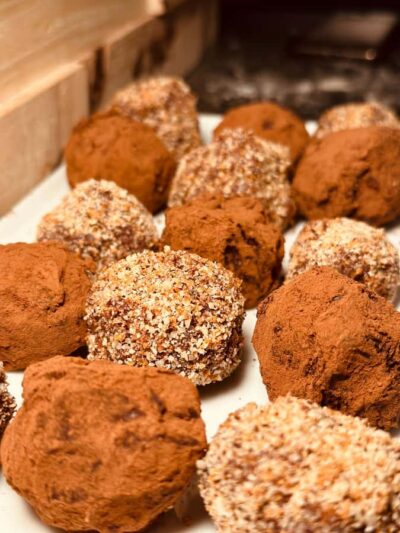
1.5h Cusco Chocolate Workshop – Truffles & Hot Chocolate
Read our review →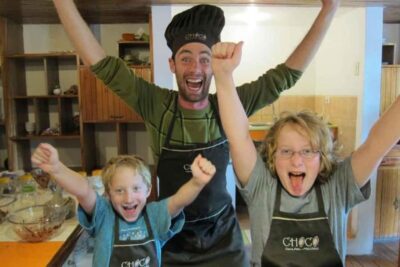
Browse the lists this tour appears in