
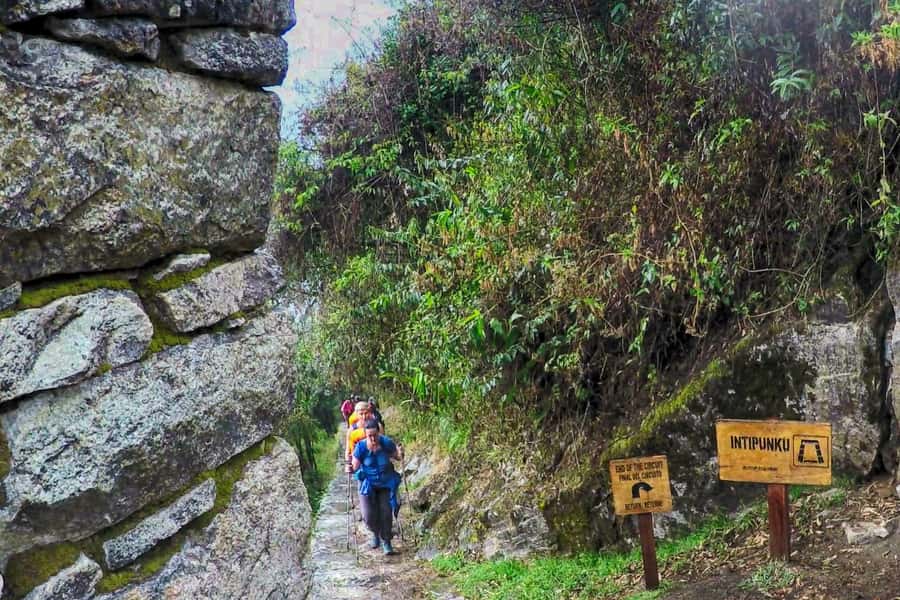
Reviewed · INCA TRAIL TREKS TO MACHU PICCHU
Cusco: 4-Day Inca Trail to Machu Picchu with Accommodation
The best thing about this four-day route is that Machu Picchu is the finale, not the whole show. You begin above the Sacred Valley, coast down from Abra Málaga, sleep in a forest eco-house, walk past coffee and coca plantations, and reach the citadel after three days of changing scenery and activity.
I like the small groups of up to nine and the mix of transport, biking, walking, and train travel. I also like the human touches: roasting coffee with a local family, learning about Andean culture from guides such as Francis, Gerson, Luis, Amaru, and Armando, and soaking at Cocalmayo after a long day.
The main consideration is comfort. This is not the classic, permit-controlled four-day Inca Trail, and the accommodation becomes basic near Machu Picchu. You also need to pay extra for the thermal baths, optional bus at Machu Picchu, and activities such as rafting or ziplining.
Key points to know before booking
- 50 kilometers downhill by bike: The first day runs from Abra Málaga through Puna and cloud forest toward Huaman Marq’a.
- Coffee, coca, and jungle paths: Day two follows part of the Qhapaq Ñan, with plantations, birds, and a hands-on coffee roasting session.
- Cocalmayo is optional but worthwhile: Bring cash for the thermal bath entrance after the second day’s hike.
- Machu Picchu entry is included: The final morning begins around 4:00 AM, followed by a two-hour guided visit.
- Small groups make a difference: The maximum group size is nine, and guides are praised for helping with pace, logistics, and group spirit.
- Pack for changing conditions: You need hiking clothes, rain protection, a passport or ID, and extra money for food, drinks, and optional activities.
What this route really is
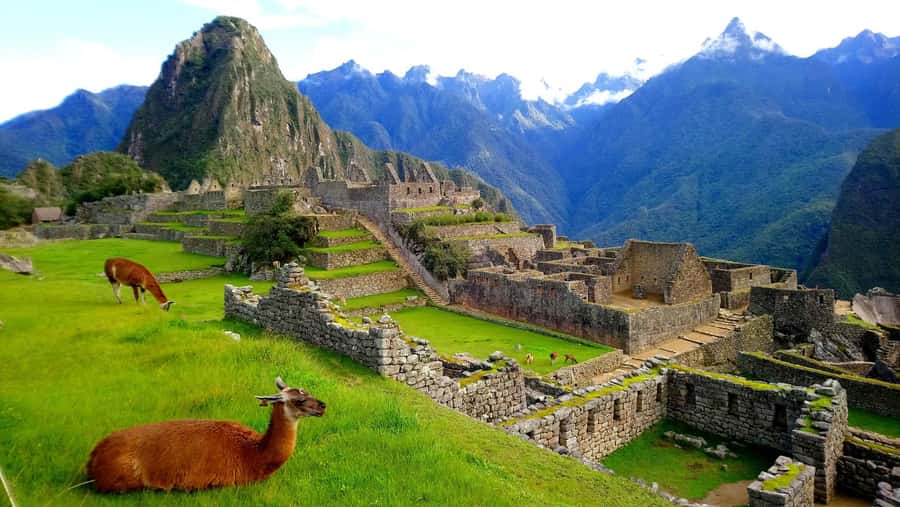
The name can cause confusion. This is commonly sold as an Inca Jungle route to Machu Picchu, not the traditional four-day trek that crosses high mountain passes and camps along the historic Inca Trail. You still walk on sections of the Inca road network, known as the Qhapaq Ñan, but the trip also uses bikes, vans, roads, hostels, and a train.
That difference is good news if you want Machu Picchu with more variety and less continuous trekking. It is also important if your dream is a pure, high-altitude camping route. This experience gives you a broader taste of the Cusco region, from cold mountain heights to warm jungle valleys.
At $470 per person, the price covers a great deal: transport from central Cusco, the bike and safety equipment, three nights of accommodation, nine meals, Machu Picchu entry, the return train to Ollantaytambo, the bus back to Cusco, and a bilingual guide. You still need to budget for the first breakfast, your final lunch, Cocalmayo, the optional Machu Picchu bus, drinks, and any add-on activities.
More Inca Trail Departures from Cusco:
- Cusco: Machu Picchu 2-Day Inca Trail with Panoramic Train
★ 4.9 · 260 reviews - From Cusco: 2-Day Inca Trail to Machu Picchu
★ 4.2 · 244 reviews - Machu Picchu: Inca Trail 2-Day Overnight Guided Tour
★ 4.9 · 203 reviews
Day one: Abra Málaga to the forest near Santa María
Your day starts early, with a 6:00 AM pickup at Cusco’s Plaza Mayor. Look for the guide calling your name and wearing the agency jacket. The drive passes through Chinchero, Urubamba, and Ollantaytambo, giving you a quick introduction to the Sacred Valley before the road climbs toward Abra Málaga.
At the pass, the air is colder and thinner than it will be later in the day. You receive a Kona bicycle, helmet, goggles, gloves, elbow pads, knee pads, and a rain jacket. The route then drops for about 50 kilometers through Puna and cloud forest zones, taking roughly three hours according to the planned schedule.
This is the trip’s most dramatic change in setting. You begin high above the valleys, with views toward Huacay Willca, then descend toward warmer and more humid country. The ride is mainly about the road, the scenery, and the feeling of moving quickly between climate zones. It is not a flat cycling excursion, so you should be comfortable handling a bike for several hours, even though much of the route is downhill.
Safety gear is included, which is reassuring. Still, the ride is an active part of the tour, not a sightseeing transfer. If you are uneasy on a bicycle, tell the guide early and follow the safety instructions carefully.
The ride ends near the Huaman Marq’a ruins. A short van trip and walk continue toward Santa María before you reach Pispitayoc, where you spend the night in an eco-house in the forest. Dinner is included.
This first night is one of the more memorable parts of the trip because it feels connected to local life rather than like a standard hotel stop. The setting is simple, and accommodation standards can vary, but the forest location and family atmosphere give the route its character. One particularly appealing part is learning how coffee is produced locally, which becomes the focus of the next morning.
Day two: Coffee roasting, Qhapaq Ñan, and Cocalmayo
After breakfast, your guide shows you how coffee is roasted. You may help with the process, then grind and prepare it yourself. This is a small activity, but it gives you a better sense of the work behind something that usually arrives in a cup without explanation.
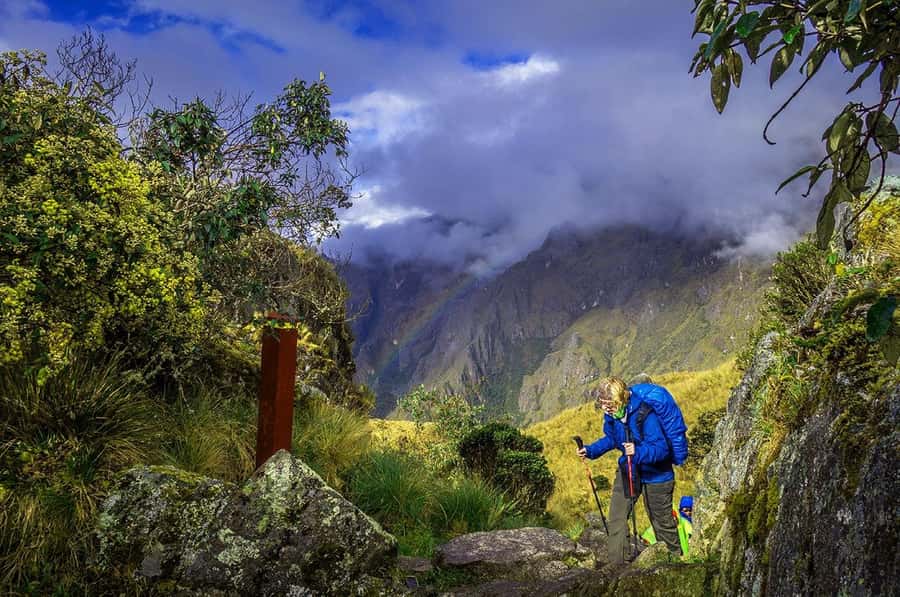
The hike then follows part of the Qhapaq Ñan through a warm agricultural zone. The route passes coffee, coca, and fruit plantations, and the guide points out birds, plants, and local customs along the way. This is where a good guide matters most. People such as Francis, Gerson, Luis, and Amaru are praised for turning the walk into a lesson about Andean culture rather than simply leading from one stop to the next.
The path reaches the Huancarcasa viewpoint at about 1,750 meters. Take the break seriously. The views are broad, and the pause gives you time to catch your breath before the descent toward Qellomayo.
Lunch is served in or near Qellomayo at approximately 1,200 meters. The food is included, and the portions are often generous. Vegetarian meals have also been accommodated on this route, though you should state your needs clearly before departure.
The final two-hour section leads toward Santa Teresa, with the option to stop at Cocalmayo’s thermal baths at about 1,450 meters. The entrance fee is not included. Bring soles if you want to use the pools, and do not confuse this stop with the included meals or accommodation.
Cocalmayo is well placed in the schedule. After hours on foot, warm mineral water is exactly the kind of break you will appreciate. If you are tired, the baths are an easy way to spend the evening. If you skip them, you still continue to Santa Teresa for dinner and an overnight stay at a hostel.
The day is demanding, but it is broken into manageable sections with rest stops. You should still expect a real hike, not a gentle stroll. Good shoes, sun protection, water, and a rain layer are essential.
Day three: Santa Teresa to Aguas Calientes
Day three begins with breakfast in Santa Teresa, at about 1,515 meters. The morning route takes around three hours through coffee and coca plantations before reaching Hidroeléctrica at roughly 1,900 meters.
Lunch and a rest break come before the final six-hour stretch of the day. The second part follows the railway toward Aguas Calientes, the town below Machu Picchu. The path is relatively direct, but the distance makes this a tiring afternoon. You need to watch your footing and stay aware of trains and the group around you.
The train-track walk is one of the route’s defining features. It gives you a gradual approach to Machu Picchu, with the river, steep mountain walls, and thick vegetation closing in around the route. It also feels very different from the open views near Abra Málaga. By the time you reach Aguas Calientes at around 1,950 meters, you will be ready for a shower and a bed.
The third night is in a hostel. It has the essentials, but this is where expectations should be realistic. Some people find the accommodation adequate and clean, while others hope for more comfort. The hotel quality is not the reason to choose this trip. The route, guide, meals, and included Machu Picchu arrangements matter more.
The afternoon in Aguas Calientes is free. You can rest, walk around town, or prepare for the early start. Dinner is included, and the guide explains the next morning’s timing and entry process.
This is also when you should organize your daypack. Leave anything unnecessary behind if luggage transfers are available through the operator, but confirm the added cost. Several people have found it useful to pay for bag movement on parts of the route so they can hike with less weight.
More Machu Picchu Days from Cusco:
- From Cusco: Full-Day Group Tour of Machu Picchu
★ 4.7 · 1,767 reviews - Machu Picchu Day Trip from Cusco
★ 4.5 · 1,644 reviews - Machu Picchu: Full-Day Tour from Cusco with Optional Lunch
★ 4.6 · 927 reviews - From Cusco: 2-Day Trip to the Sacred Valley and Machu Picchu
★ 4.6 · 265 reviews
Day four: The 4:00 AM climb to Machu Picchu
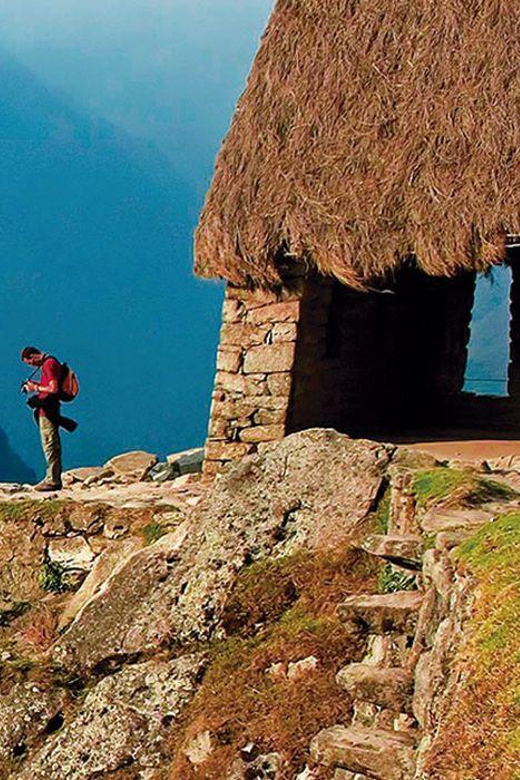
The final morning begins around 4:00 AM. You walk uphill from Aguas Calientes to Machu Picchu, taking about an hour and a half. The climb is not long by expedition standards, but the early hour and accumulated fatigue make it feel serious.
You can instead take the bus up and down if you prefer, but those tickets are extra. The walking option saves money and gives you a stronger sense of arrival. If you choose to walk, carry only what you need and keep your pace steady.
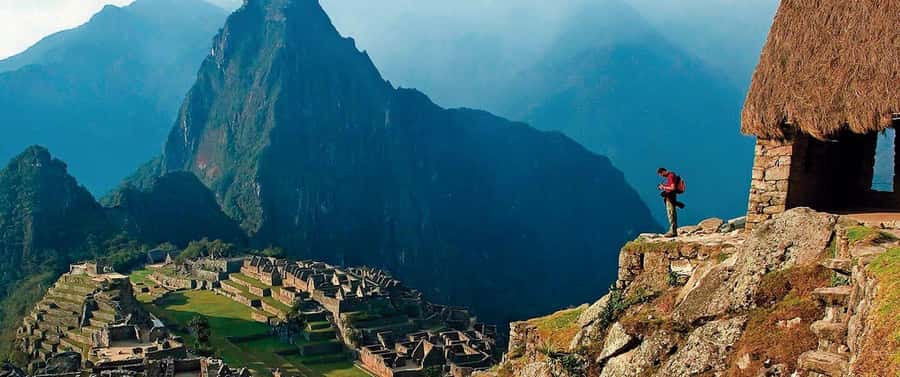
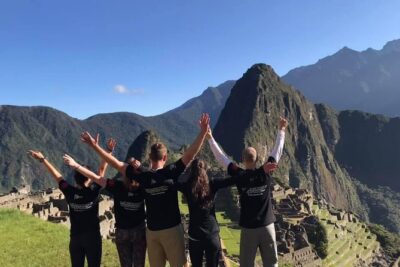
Inside the citadel, the guide leads a two-hour tour of the main parts of Machu Picchu. This is where the previous three days pay off. You have approached through changing ecosystems and local communities, rather than arriving after a quick train ride from Cusco.
Entry to Machu Picchu is included, which is a major advantage at this price. The exact circuit and entry arrangements can be important, especially during busy periods. Guides such as Gerson and Franchesco have helped groups manage timing and ticket questions, but you should still make sure your booking details are correct before setting out.
After the guided visit, you have free time for personal exploration within the conditions of your assigned entry. Do not count on unlimited wandering. Machu Picchu now operates with timed access and designated routes, so follow the guide and site rules.
You return to Aguas Calientes to collect your belongings, then take the train to Ollantaytambo. From there, a bus returns you to Cusco. The train ride can feel like a small reward after the walking, especially after the early start and long third day.
Guides and group size
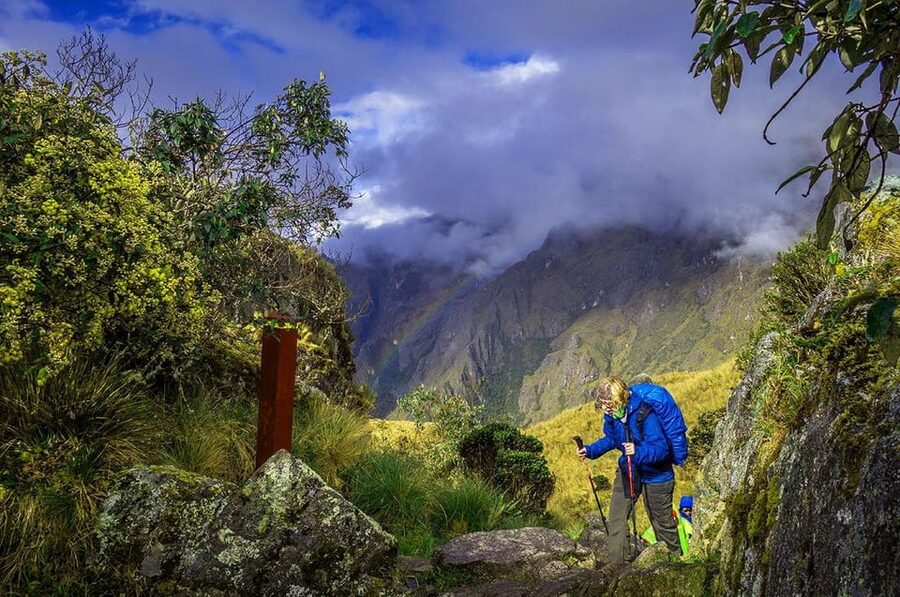
The guide can make or break an active trip, and this route puts a lot of responsibility in that person’s hands. Names praised for this experience include Francis, Gerson, Luis, Amaru, Armando, Franchesco, Richard, Guillermo, Gustavo, and others.
Their role is more than explaining ruins. You need help with pace, meals, transport, optional activities, Machu Picchu timing, and the simple matter of keeping a mixed group moving together. The strongest guides bring energy without making the trip feel rushed.
The maximum group size is nine. Groups may be smaller, and that changes the tone considerably. You get more chances to ask questions, and the guide can keep a closer eye on anyone struggling with the heat, hills, or altitude.
The social side is another reason to choose this route. Shared meals, long walks, and optional activities tend to bring people together quickly. It can work well for a solo visitor, provided you are happy spending four active days with a changing group.
Food, lodging, and extra costs
Three breakfasts, three lunches, and three dinners are included. Meals are a useful part of the value here because buying every meal along the route would add up quickly. Portions are generally described as generous, and the food is often a strong part of the experience.
The first night is in a forest eco-house at Pispitayoc. The second is in a Santa Teresa hostel, and the third is in an Aguas Calientes hostel. Think clean and functional rather than polished. Bring a small towel and personal toiletries if you prefer to have your own supplies, but do not expect luxury.
Water is not listed as included. Carry a refillable bottle and enough cash to buy drinks. Some stops can charge noticeably more for bottled water, so buying supplies in advance is sensible.
Optional rafting and ziplining appear in some versions of the experience and cost extra. The zipline has been described as safe and exciting, but it is optional. A small transport charge to reach an activity has also been reported, so ask about the full price before agreeing.
Who should choose this four-day route?
I would choose it if you want Machu Picchu with active variety rather than four straight days of trekking. It suits people who enjoy biking, warm-weather hiking, local food, simple lodging, and a guide-led schedule.
It is also a good choice if you want to limit the amount of high-altitude hiking. The route begins high, but much of the walking takes place lower down in warmer valleys. That does not make it easy. Day two and day three are long, and the 4:00 AM start on day four requires stamina.
You should think twice if you need comfortable hotels, private transfers, flexible meal times, or a relaxed pace. It is not suitable for pregnant women, wheelchair users, or people with back problems. The activity is also non-refundable, so confirm your dates and fitness level before paying.
Should you book it?
Book this trip if you want a well-priced, social route to Machu Picchu with biking, coffee roasting, jungle walking, thermal baths, and a train ride folded into the journey. At $470, the included transport, meals, guide, accommodations, entrance ticket, and return train give it strong value.
Choose a different route if the classic Inca Trail, mountain camping, or quiet luxury matters more to you. For everyone else, this is a lively and demanding way to reach Machu Picchu. Pack light, carry extra cash, expect basic rooms, and arrive ready for four full days.
FAQ
Is the traditional Inca Trail included?
No. This route is an Inca Jungle trip that uses roads, bike sections, jungle paths, part of the Qhapaq Ñan, and the railway route to Aguas Calientes.
What is included in the $470 price?
The price includes the briefing, Cusco pickup, transport to Abra Málaga and Santa María, bike and safety gear, a rain jacket, three breakfasts, three lunches, three dinners, three nights of accommodation, Machu Picchu entry, the return train to Ollantaytambo, a bilingual guide, a first aid kit, and the bus back to Cusco.
Are the Cocalmayo thermal baths included?
No. The entrance ticket to Cocalmayo is an additional cost.
Can I take a bus to Machu Picchu?
Yes. The bus up and down is optional, but its tickets are not included.
Where does the tour start?
Meet at the Plaza Mayor of Cusco, also called Cusco Main Square. The guide will call your name and wear the agency jacket.
What should I bring?
Bring your passport or ID card, with a copy accepted, along with suitable hiking clothes, rain protection, water, and money for drinks, the thermal baths, optional activities, and any food not included.
More 4-Day Experiences in Cusco
- Choquequirao Trek 4 days and 3 nights
★ 5.0 · 81 reviews - 4 Day Tour to the Manu National Park
★ 5.0 · 81 reviews - Cusco Sacred Valley and Machupicchu 4 Days
★ 5.0 · 80 reviews - Ancascocha Trek To Machu Picchu 4 Days And 3 Nights
★ 5.0 · 77 reviews
Just added around Cusco
- Zipline over the Sacred Valley Trip★ 5.0 · 11 reviews
- Valle Sur Cusco | half day★ 4.3 · 3 reviews
- Visit Pisac from Cusco: Private Transport★ 4.6 · 9 reviews
- Transfer from Cusco to Ollantaytambo★ 5.0 · 30 reviews
- Exclusive Huayna Picchu Tour in 1 Day from Cusco★ 5.0 · 31 reviews
- Trek to Humantay Lake from Cusco★ 4.9 · 8 reviews
- Private Tour Sacred Valley, Chinchero, Maras Moray, Ollantaytambo★ 5.0 · 29 reviews
- 5 Day – Salkantay trek to Machu Picchu – Group Service★ 4.5 · 27 reviews
Inca Trail Treks to Machu Picchu, compared.
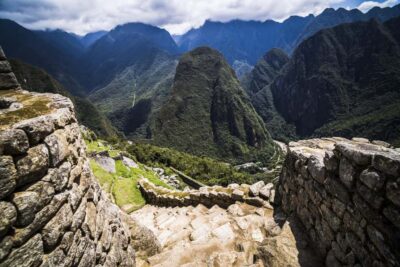
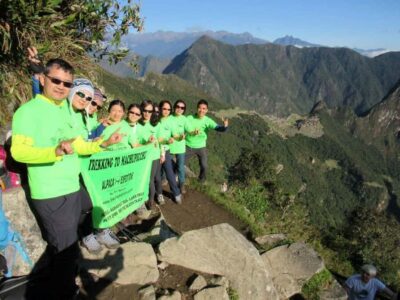
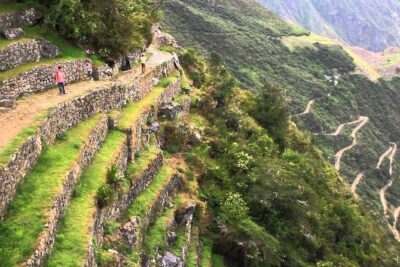
Short Inca trail to MachuPicchu || 2days – 1nigth ||
Read our review →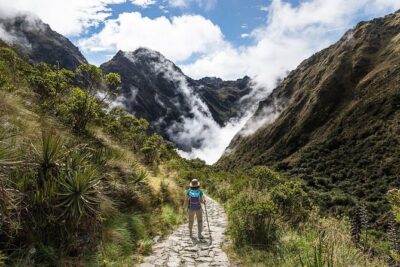
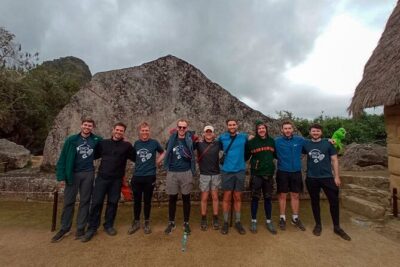
4 Day Inca Trail Trek to Machu Picchu Multi day tour
Read our review →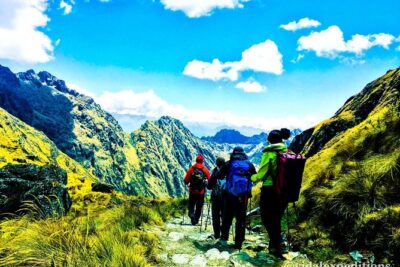
4 Day Inca Trail To Machu Picchu – Private Service
Read our review →Browse the lists this tour appears in