
Reviewed · 1-DAY TOURS
Ayahuasca Ceremony 1 Day in Cusco
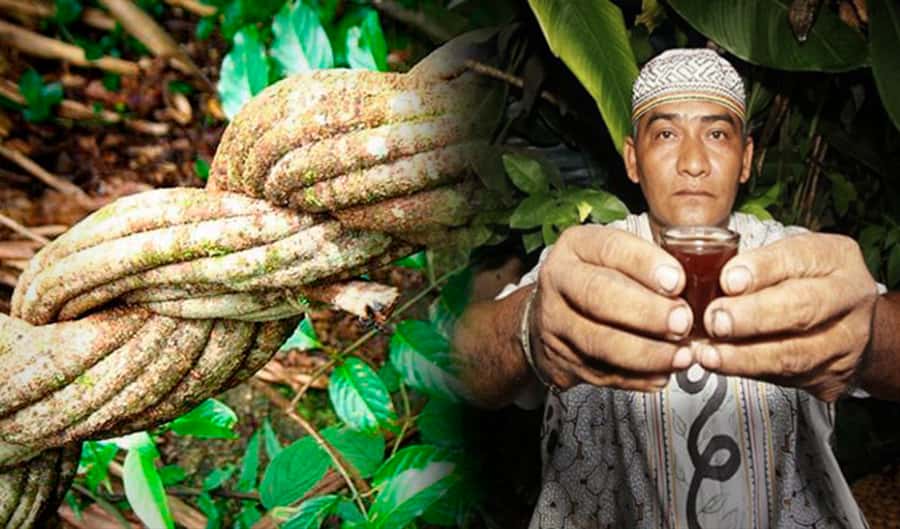
The central point is easy to miss: this is advertised as an ayahuasca experience, but the ceremony uses San Pedro Wachuma, a cactus containing mescaline. Near Pisac, shaman Luis leads a fire ceremony with black tobacco, flower water, meditation, traditional music, and a long night of quiet reflection.
I like the small-group format, limited to 10 people, and the practical hotel pickup from Cusco. I also like that the price includes private round-trip transport, the medicine, rustic lodging, breakfast, and ceremonial work with the four elements. The main consideration is the mixed timing: the activity is described as seven hours, yet the program includes an overnight stay and sunrise in Pisac, so you should confirm the exact schedule before paying.
Key points to know before booking
- This is a San Pedro Wachuma ceremony, not ayahuasca: The drink is made from a cactus and is described as a mescaline-based medicine.
- Shaman Luis leads the ceremony: His name appears in the recent feedback, along with warm comments about the care provided by him and his wife.
- The effects are described as gentle but long: Expect roughly five to seven hours of relaxation and altered perception, with consciousness retained throughout.
- You spend the night near Pisac: Rustic lodging, natural breakfast, and a sunrise visit are included in the program.
- Preparation matters: The operator advises a light diet, no alcohol or other substances, plenty of water, and rest before the ceremony.
- The $380 price is for one person: It includes transport and the overnight stay, but you should clarify the schedule and solo pricing before booking.
Wachuma, not ayahuasca, near Cusco
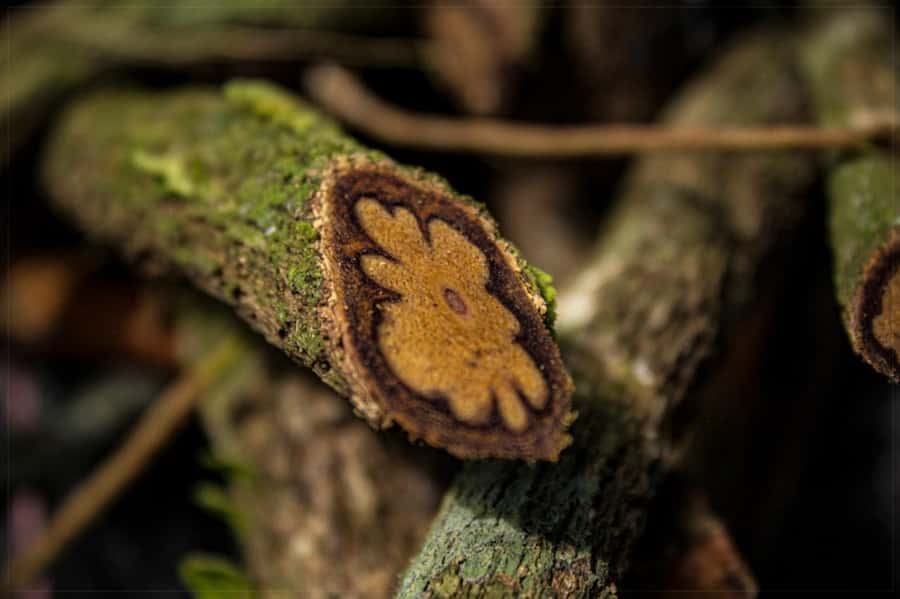
If you are searching for ayahuasca in Cusco, read the description carefully. This experience uses San Pedro Wachuma, also called Wachuma, a traditional cactus drink associated here with mescaline. Ayahuasca and San Pedro are different plants and different ceremonial experiences.
That distinction matters. The program presents Wachuma as a medicine for slowing the mind, relaxing the body, and helping you release emotional or energetic burdens. The stated aim is simple: connect, heal, and release. The ceremony is not presented as a party or a sightseeing add-on. It is built around silence, meditation, fire, music, and contact with the natural setting.
You are told that the effects begin about an hour after drinking the medicine. The description characterizes the experience as subtle, with changes in your sense of air, vision, and surroundings rather than a complete loss of awareness. It also says the effects can last five to seven hours, potentially until midnight.
That is still a serious time commitment. Even if the experience feels calm, you should not treat it like a quick cultural demonstration. You will want a clear head, comfortable clothes, patience, and enough time afterward to rest.
A few more Cusco days worth weighing up
- Machu Picchu Day Trip from Cusco
★ 4.5 · 1,644 reviews - From Cusco: 2-Day Trip to the Sacred Valley and Machu Picchu
★ 4.6 · 265 reviews - From Cusco: 1-day Machu Picchu Tour by Train
★ 4.6 · 138 reviews
Leaving Cusco for Pisac
Pickup is offered from several central Cusco areas, including Plaza de Armas, San Pedro Market, San Blas, Avenida El Sol, Santa Ana, Wanchaq, La Florida, San Sebastian, and Alejandro Velasco Astete Airport. You are expected to wait in your hotel lobby at the arranged time.
The drive to the ceremony site is described as taking about 15 minutes from Cusco, followed by private transport toward Pisac. That short transfer is useful if you want to get away from city noise without giving up a full day to road travel. It also means the experience can fit into a Cusco visit more easily than a distant retreat.
The transport is private, but the ceremony itself can include up to 10 participants. Ask how many people are booked for your date. A group of two or three will feel quite different from a full group of 10, especially during meditation and the quieter parts of the night.
Pisac gives the experience a clear Andean setting, but the program does not promise a full tour of the town or archaeological site. The schedule lists a guided walk, an overnight stay, and sunrise. Confirm what the walk covers and how much free time you get. The wording suggests a simple nature and cultural component rather than a standard sightseeing tour.
Fire, cleansing, and the opening ritual
The ceremony begins with the lighting of a fire. This is more than decoration. Fire becomes the center of the gathering and the point around which the meditation and music take place.
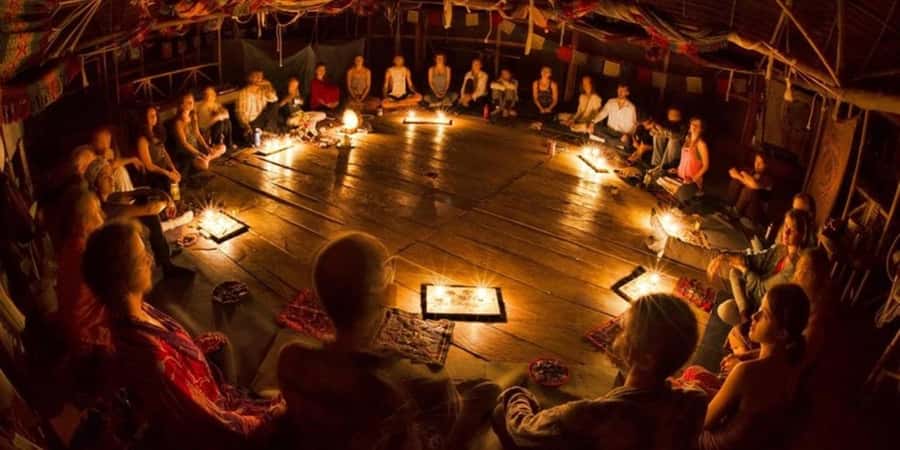
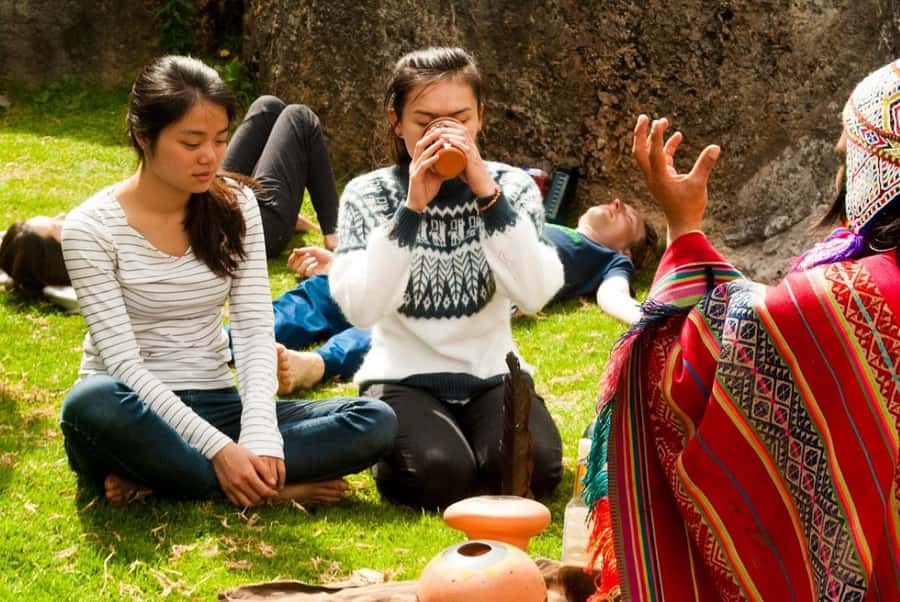
An energetic cleansing follows, using black tobacco and flower water. The description says the flower water helps relax the senses, while the tobacco is part of the cleansing work. You then prepare with a short meditation before drinking the Wachuma.
The ritual also connects with earth, fire, air, and water. That gives the evening a structure you can follow, even if you are new to Andean ceremonial practice. Instead of simply receiving a drink and waiting for its effects, you are guided through a sequence of preparation, opening, meditation, and rest.
Traditional instruments provide ancestral music during the ceremony. The music, fire, and natural setting are intended to support a slow pace. If you are looking for an energetic social evening, this will not be the right match. If you want a quiet, guided setting with few distractions, the format may suit you well.
What the Wachuma experience may feel like
The description emphasizes relaxation and a gradual change in perception. After about an hour, you may notice altered views of the surroundings, a different sense of air, and a stronger feeling of connection with nature. The operator says you remain conscious throughout.
That wording should not be read as a guarantee that everyone reacts in the same way. Plant medicines can affect people differently. The experience may feel gentle for one person and more demanding for another. The advertised duration of five to seven hours also means you need to plan for a long period of sitting, resting, and processing.
The stated purpose is not entertainment. The ceremony is designed to help you pause the steady flow of daily thoughts and pay attention to your physical and emotional state. The operator describes this as releasing accumulated energy and finding inner peace through nature, ritual, and meditation.
I would approach that promise with a practical mind. The ceremony may give you a calm setting for reflection, but it cannot guarantee healing or a particular emotional result. Go because you are comfortable with the ritual and the substance, not because you expect a fixed cure.
Same altitude, a completely different day:
- Cusco: Humantay Lake Tour with Breakfast and Buffet Lunch
★ 4.9 · 2,976 reviews - From Cusco: Sacred Valley & Maras Salt Mines Tour with Lunch
★ 4.8 · 2,227 reviews - From Cusco: Moray, Maras Salt Mines & Chinchero Weavers Tour
★ 4.8 · 1,925 reviews - From Cusco: Full-Day Group Tour of Machu Picchu
★ 4.7 · 1,767 reviews
Pisac overnight stay and sunrise
The overnight element is one of the more unusual parts of this experience. A rustic place to sleep is included, along with a natural breakfast. You should expect basic conditions rather than hotel comfort, and the packing list asks you to bring a sleeping bag, warm clothes, socks, gloves, and a scarf.
The need for warm layers is important. Even if Cusco feels mild during the day, an outdoor or rustic night can be cold. Bring a change of clothes and a small daypack so you can keep essentials close without carrying a large suitcase.
The schedule also includes sunrise in Pisac. That can be a good way to close a long ceremonial night, giving you time to sit quietly and see the area in morning light. Still, the exact relationship between the ceremony, sleep, sunrise, and breakfast is not clear from the schedule. The activity is labeled as seven hours, while the program also mentions a 10-hour guided walk, overnight stay, and sunrise.
This is the biggest practical question to settle before booking. Ask for the pickup time, expected return time, sleeping arrangements, and whether the sunrise walk happens before or after breakfast. The return transfer is included, with drop-off available at the same main Cusco locations used for pickup.
Food, preparation, and what to pack
The operator recommends preparing at least one day ahead. That means avoiding meat, and ideally eating only light food such as fruit before the ceremony. It also advises drinking plenty of water, tea, or unsweetened hot tea, while avoiding alcohol, strong drinks, and other substances.
A three-day light diet is suggested for a better reception of the drink. You are also advised to rest and avoid tiring physical activity the day before. After the ceremony, fruit and water are recommended before returning to your lodging.
Follow the food and drink instructions closely, but also consider your own health. The program says the ceremony is not suitable for people with pre-existing medical conditions, pregnant women, or children under nine. If you have a medical condition, take prescription medicine, or have any concern about a mescaline-containing drink, ask a qualified medical professional before booking.
Bring:
- Warm and comfortable clothing
- A change of clothes
- Water
- Sleeping bag
- Socks, gloves, and scarf
- Small daypack
- Camera
- Cash
Personal water is not included, so bring your own supply. Personal equipment is also not included. Alcohol, drugs, smoking, drinks in the vehicle, weapons, sharp objects, and several bulky items are prohibited. Short skirts and skirts are also listed as unsuitable clothing, so modest, warm trousers are the sensible choice.
Price and what you receive for $380
The listed price is $380 for one person. That is not a cheap half-day activity, but it covers more than a basic ceremony. You receive private transport from Cusco to Pisac and back, the Wachuma drink, the ceremony, cleansing work, meditation, traditional music, rustic lodging, and breakfast.
The value depends on what you want. If you only want to try a plant medicine and return to Cusco the same evening, this package includes extras you may not need. If you want transport, a guided ritual, a place to sleep, and a sunrise component without arranging each part yourself, the price is easier to justify.
The phrase price for a group up to one suggests this is the solo rate, while the activity allows up to 10 participants. Confirm whether the $380 cost changes for a larger private booking or whether you are joining a small shared group. Also confirm what rustic lodging means before you commit. Basic shelter may be perfectly suitable, but it is better to know the conditions in advance.
Free cancellation up to 24 hours before the start and reserve-now, pay-later booking add useful flexibility. They do not replace the need to check the medical and timing details.
The human side of the ceremony
The person most clearly identified with the experience is shaman Luis. Recent feedback specifically praises Maestro Luis and describes the pickup and handoff to the ceremony as easy. Another account describes Luis and his wife as kind and attentive, with safety explained from the start and questions answered along the way.
That is important for a ceremony built around trust. You should feel able to ask what you are drinking, how long the ceremony lasts, where you will sleep, and what support is available during the night. English and Spanish are offered, so you can request the language you need when arranging the experience.
The positive feedback also points to the traditional character of the ceremony. That does not mean the experience will suit everyone, but it suggests the evening is centered on its ritual elements rather than on a polished resort-style retreat.
Who should book this experience?
I would consider this for an adult who already understands the difference between ayahuasca and San Pedro, feels comfortable with a mescaline-containing cactus, and wants a guided ceremony near Cusco rather than a large commercial retreat.
It may suit you if you value:
- A small group rather than a crowded event
- A short transfer from Cusco
- Traditional music, fire, and meditation
- An overnight stay instead of a late-night return
- A quiet setting focused on reflection
- English or Spanish instruction
I would not book it casually after a tiring day of sightseeing. The preparation instructions are part of the experience, not a minor footnote. You need to be ready for a long evening, a rustic night, limited food, and an altered state that may last several hours.
The age and health restrictions are clear. Children under nine, pregnant women, and people with pre-existing medical conditions should not take part. The no-alcohol and no-drugs rules should be taken seriously.
Should you book the Cusco Wachuma ceremony?
Book it if you want a traditional San Pedro ceremony with transport, basic lodging, and a sunrise near Pisac, and if you are prepared to follow the diet and safety guidance. The strongest points are the small group size, the named shaman Luis, the personal pickup service, and the fact that the package includes the practical pieces that are often left for you to arrange.
Do not book until you clarify the schedule. The seven-hour duration, 10-hour Pisac program, overnight stay, and sunrise do not line up neatly. Ask exactly when the ceremony starts, how long the effects are expected to last, where you sleep, and when you return to Cusco.
If those details suit you, this offers a focused introduction to Wachuma without sending you far from Cusco. Just book it for what it is: a San Pedro cactus ceremony with meditation and rustic overnight lodging, not an ayahuasca ceremony and not a standard sightseeing tour.
FAQ
Is this an ayahuasca ceremony?
No. The experience uses San Pedro Wachuma, a cactus drink described as containing mescaline. Ayahuasca and Wachuma are different plant medicines.
How long do the effects of Wachuma last?
The activity description says the relaxing effects can last five to seven hours, potentially until midnight. It also says you remain conscious throughout.
Where does the ceremony take place?
The experience is based near Cusco and includes transport to Pisac. The ceremony site is described as a natural, remote place about 15 minutes from Cusco.
Is accommodation included?
Yes. One night of rustic lodging and a natural breakfast are included. You should bring a sleeping bag and warm clothing.
What should I do before the ceremony?
The operator recommends avoiding meat for at least one day, eating light food such as fruit, drinking plenty of water, and avoiding alcohol, strong drinks, and other substances. Resting before the ceremony is also advised.
Who should not take part?
The activity is not suitable for children under nine, pregnant women, or people with pre-existing medical conditions.
Just added around Cusco
- Zipline over the Sacred Valley Trip★ 5.0 · 11 reviews
- Valle Sur Cusco | half day★ 4.3 · 3 reviews
- Visit Pisac from Cusco: Private Transport★ 4.6 · 9 reviews
- Transfer from Cusco to Ollantaytambo★ 5.0 · 30 reviews
- Exclusive Huayna Picchu Tour in 1 Day from Cusco★ 5.0 · 31 reviews
- Trek to Humantay Lake from Cusco★ 4.9 · 8 reviews
- 2 Day – Short Inca Trail to Machu Picchu – Group Service★ 5.0 · 30 reviews
- Private Tour Sacred Valley, Chinchero, Maras Moray, Ollantaytambo★ 5.0 · 29 reviews
1-Day Tours, compared.
2-Day Trip to the Sacred Valley and Machu Picchu
Read our review →
Browse the lists this tour appears in