
Reviewed · MARAS SALT MINES & MORAY TOURS
Complete Sacred Valley Tour Small group Pisac, Maras, Moray & Ollantaytambo
Pisac’s terraces, Maras’ salt pools, and Ollantaytambo’s huge Inca stones make this a full day of memorable sights. The tour connects four major Sacred Valley stops without asking you to arrange separate taxis, tickets, or lunch. Guides such as Jimy, Jaime, and Juan add useful detail, especially when explaining Inca farming, religion, and engineering.
I like the small group of no more than eight, which gives you a better chance to hear the guide and ask questions. I also like the route’s practical value: you see Pisac, Moray, Maras, and Ollantaytambo in one 12-hour outing. The catch is a late lunch, often around 2 p.m., and the extra 90 soles in cash entrance fees.
- Pisac combines hilltop ruins and a craft market, giving you both Inca history and present-day local trade.
- Moray’s circular terraces offer one of the Sacred Valley’s most unusual Inca sites.
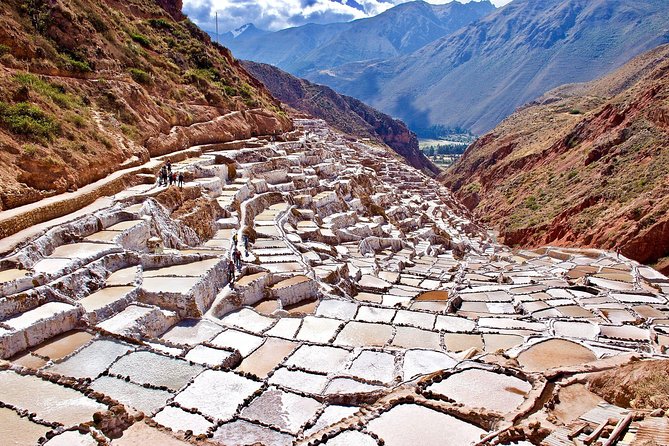
- Maras has more than 3,000 salt pools, a striking patchwork cut into the mountainside.
- Ollantaytambo can fit well before Machu Picchu, with a possible drop-off in town near the train station.
- The group stays small, with a maximum of eight people and private air-conditioned transport.
- Entrance fees are extra, so carry cash in soles for the Sacred Valley and salt mines tickets.
Why this Sacred Valley route works so well
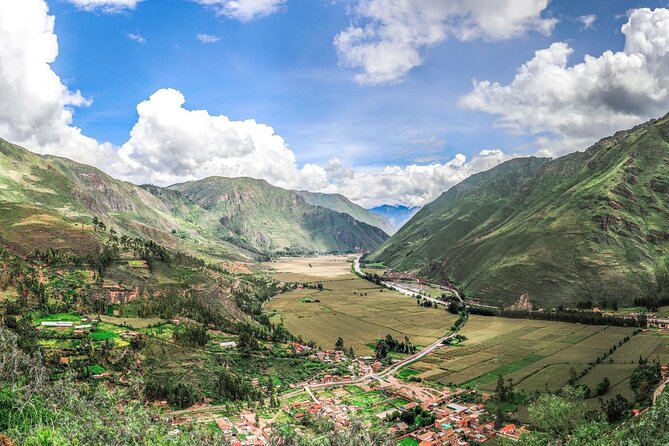
The Sacred Valley is not one single ruin or viewpoint. It is a long, fertile corridor where the Incas built settlements, farmed steep slopes, controlled water, and linked mountain towns. This tour gives you a useful cross-section of that world in one demanding but efficient day.
You leave Cusco for Pisac, continue through the valley toward Moray and Maras, stop for lunch in Urubamba, then finish at Ollantaytambo. The route covers a lot of ground, so expect a road day rather than a relaxed village stay. In return, you see several places that would be awkward to connect on your own.
The vehicle is private and air-conditioned, and the group is limited to eight. That matters here. You will spend plenty of time in the vehicle, and a small group makes stops easier than a large coach tour. Pickup from your Cusco hotel is available if you select that option. The listed meeting point is Plaza Regocijo, and the standard activity ends back at the meeting point.
Pisac ruins and terraces: the first major stop
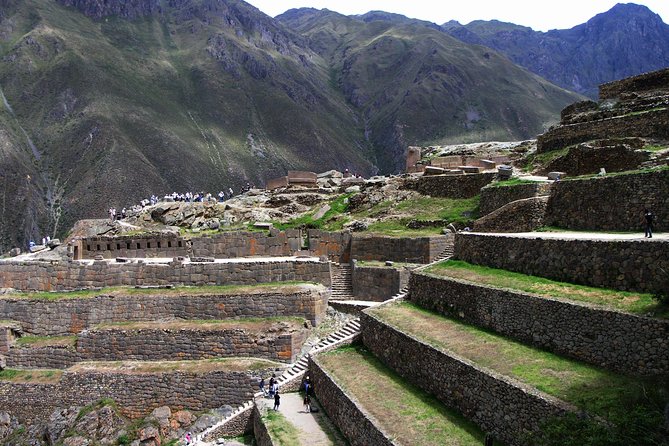
Pisac begins with the archaeological park, where you have about an hour to see Inca stonework and the broad agricultural terraces. The ruins sit above the valley, so this is one of the early moments when the scale of the region becomes clear.
The terraces are not just scenic steps cut into a hillside. They show how the Incas turned difficult mountain slopes into productive farmland. Irrigation and careful contouring helped make the Sacred Valley unusually fertile for the high Andes. A good guide will connect the stone walls you see with the practical work of feeding a large society.
You will also see carved stone details and other signs of Inca construction. One hour is enough for a guided introduction and photographs, but it is not enough for a slow, exhaustive exploration of every corner. If you like ruins, you may wish this stop were longer. The benefit is that the schedule keeps moving and leaves room for the other sites.
The Sacred Valley admission ticket is not included. The listed cost is 70 soles in cash for the Sacred Valley ticket. Carry the money before leaving Cusco, since the ticket expense is easy to overlook when comparing tour prices.
More Pisac Ruins and Market Runs from Cusco:
- Cusco: Sacred Valley, Pisac, Ollantaytambo, Salt Mines Moray
★ 4.6 · 1,058 reviews - Sacred Valley: Chinchero, Moray, Ollantaytambo & Pisac+Lunch
★ 4.8 · 501 reviews - Pisac Indian Market and Ollantaytambo Fortress with Lunch
★ 4.5 · 395 reviews
Pisac Market: crafts and a short local stop
After the ruins, you spend about 45 minutes at Pisac Market. This changes the mood from archaeology to daily commerce, with time to look at crafts and interact with local people.
The stop is brief, so treat it as a chance to browse rather than a serious shopping trip. You can look for woven goods, small souvenirs, and other handmade items, but the tour does not leave enough time for long bargaining sessions or a careful comparison of every stall.
Some organized tours add market stops that feel forced. Here, the market is a useful counterpoint to the ruins because it shows how Pisac functions as a living town rather than only an archaeological site. Still, if shopping is not your interest, you may find 45 minutes longer than necessary.
One practical point: the market is listed as part of the tour, so make sure your driver and guide understand that you want to visit it. A past guest found the driver impatient about the marketplace, even though the stop was part of the planned route. That appears to be an isolated service issue, but it is fair advice to speak up politely if the stop is important to you.
Seeing the Sacred Valley from the road
Between the scheduled stops, your guide points out views across the valley and suggests places for photographs. This part of the day is easy to underrate. The valley’s importance comes from the combination of fertile plains, steep slopes, irrigation channels, and settlements, not only from the ruins marked on a map.
The Incas shaped the mountain flanks with broad terraces and water systems. From the road, you can better understand how these works fit together. The views also give you a break from walking on uneven archaeological ground.
Guides Jimy, Jaime, and Juan received especially strong praise for their clear explanations and enthusiasm for Inca culture. Juan is noted for switching between languages during the day, while Jimy is described as especially good at explaining facts in excellent English. Jaime is another guide named for his strong presentation. Tania helped prepare one group’s arrangements, and Celestino was praised as a careful driver.
The guide’s role matters more here than at a simple sightseeing transfer. Without explanation, terraces can look like attractive stone lines. With context, you begin to see them as food-production systems, engineering projects, and evidence of organized government.
Moray’s bowl-shaped farming terraces
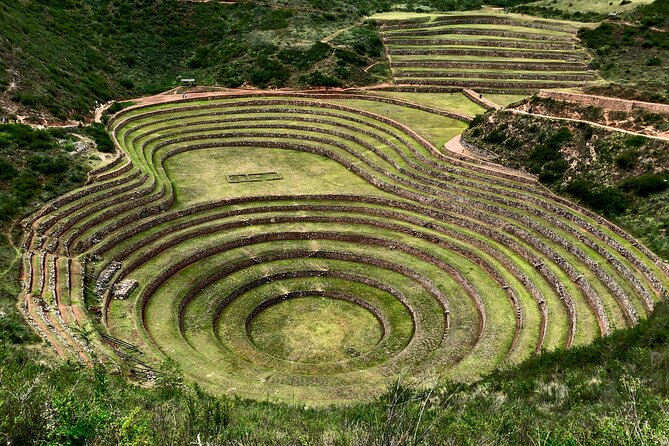
Moray is one of the strangest stops on the route. Three large, amphitheater-like terraces sink into the earth in circular tiers. You have about an hour at the site, with the admission fee paid separately.
The design is often explained as an agricultural testing site. The changing depth and shape of the terraces created different growing conditions, allowing the Incas to study how crops responded to temperature and elevation. The exact use of Moray has been discussed by historians, so your guide’s explanation is valuable, especially if you want to separate established facts from popular theories.
The site is visually strong even if you know little about Inca agriculture. The curved terraces are unlike the long hillside steps at Pisac, and the bowl form gives you a clear sense of the planning involved.
The schedule can vary in how long you actually spend at Moray. One account describes roughly 15 to 30 minutes at Moray, while the formal itinerary allows an hour. That difference is worth keeping in mind. The tour covers four major sites, so traffic, road conditions, and group pace can affect the time available. You will see Moray, but this is not a slow photographic study of the site.
More Ollantaytambo Visits from Cusco:
- Cusco:Chinchero,Moray & Salt Mines drop-off in Ollantaytambo
★ 4.8 · 793 reviews - Cusco:Sacred Valley Pisaq,Ollantaytambo,Chinchero with Lunch
★ 4.8 · 183 reviews - Full-Day Excursion to Sacred Valley, Pisac and Ollantaytambo from Cusco
★ 4.5 · 174 reviews - Sacred Valley Full-Day Private Tour from Urubamba & Ollantaytambo
★ 5.0 · 112 reviews
Maras salt mines: a patchwork of working pools
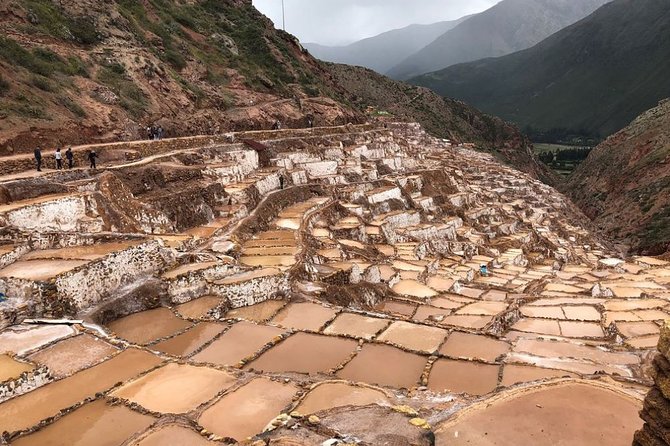
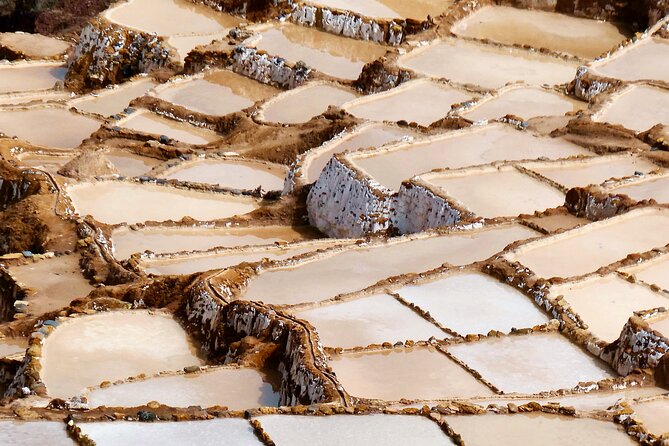
The salt mines of Maras are about two miles from Moray and make a fine contrast with the agricultural terraces. More than 3,000 small pools are cut into the mountainside. A little stream fills them, and as the water evaporates, salt collects in the pools.
The result is a bright, patterned slope that photographs well, especially when the pools are full of water or salt. You also get views toward the Andes, so this is both a working site and a scenic stop.
Maras dates from colonial times as a salt-producing center, rather than being an Inca ruin in the same sense as Pisac or Ollantaytambo. That distinction helps explain why the tour feels varied. You are not looking at four versions of the same stone complex. You are seeing farming, trade, food production, engineering, and sacred or political architecture across one region.
The planned visit lasts about 45 minutes, though some groups spend only 15 to 30 minutes here. The salt mine admission is separate. The listed fee is 20 soles per person, payable in cash. The supplied information also lists a salt mines admission fee of PEN 20, so budget 20 soles rather than assuming it is covered by the tour price.
Lunch in Urubamba, with one timing warning
Buffet lunch in Urubamba is included, which is a real convenience on a long day. You do not need to search for a restaurant between sites, and the meal gives the group a chance to sit down after a busy morning.
The main drawback is timing. Lunch may not happen until around 2 p.m., depending on the pace and road conditions. Bring snacks for the morning, especially if you prefer an early meal or do not like eating heavily late in the day.
The lunch quality appears to vary by personal expectation. Some accounts describe a buffet with plenty of choice and a satisfying amount of food. Another describes a large, plain hall with average dishes and food that was not labelled or well protected from flies. I would approach it as functional tour lunch rather than a reason to book the excursion.
If you have food restrictions, the supplied information does not specify how the buffet handles them. Ask the operator before departure rather than relying on the included meal to meet a particular need.
Ollantaytambo and its massive stonework
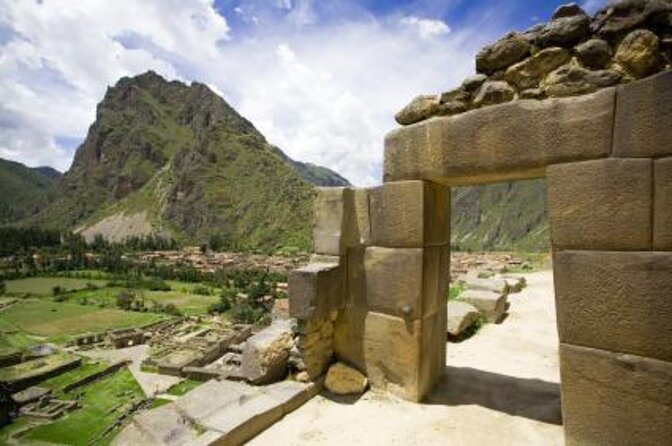
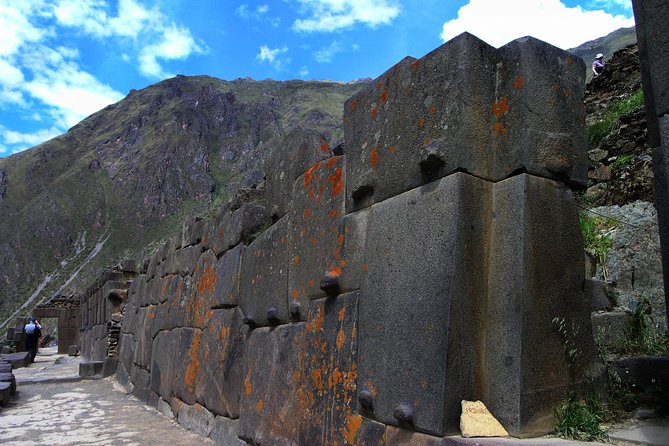
Ollantaytambo is the final major archaeological stop, with about an hour at the park. The site shows Inca building skill on a grand scale, with carefully fitted stonework and a commanding position above the town.
A particularly striking feature is the rock formation associated with Wiracocha, an Inca god. Your guide can help you understand how the site combined architecture, religion, defense, and control of movement through the valley.
The one-hour visit gives you a strong introduction, though Ollantaytambo deserves more time if you have room in your schedule. The town itself is important to the route, not only because of the ruins. One group was able to finish in central Ollantaytambo, about a five to ten minute walk from the train station, making the tour useful for people continuing toward Aguas Calientes and Machu Picchu.
The supplied meeting information says the activity ends back at the meeting point, while the tour experience also includes an option to end in Ollantaytambo. Confirm your chosen drop-off arrangement when booking. Do not assume the transfer to the train station is automatic.
What the $73.47 price really covers
At $73.47 per person, the tour is priced as a convenient full-day outing rather than a cheap transport shuttle. You receive a guide in English or Spanish, private air-conditioned transportation, buffet lunch, and a maximum group size of eight.
The ticket costs add up. You need 70 soles in cash for the Sacred Valley ticket and 20 soles for the salt mines, for a listed total of 90 soles in extra admission fees. Since the tour price does not include those charges, compare the final cost rather than the headline figure alone.
I think the value is strongest if you want four major stops without arranging separate transportation. It is also useful if you are heading onward to Ollantaytambo or Machu Picchu and can confirm a town drop-off. The value is weaker if you want long visits at each site, a relaxed lunch, or a flexible day built around photography.
The 98 percent recommendation rate and 4.8 rating from 45 ratings suggest a strong record, but the practical weaknesses remain: early departure, a long day, late lunch, extra cash fees, and the possibility of uneven service from the driver. The guide is likely to shape your experience more than the vehicle or buffet will.
Who should book this day out?
I would choose this tour if you have limited time in Cusco and want to see the Sacred Valley’s main highlights in one organized day. It suits first-time visitors who want context at each site, as well as people who prefer not to negotiate separate taxis and entrance arrangements.
It also makes sense for a small party that values a maximum of eight people. The guides named in the feedback, especially Jimy, Jaime, and Juan, are praised for explaining Inca discoveries, science, beliefs, and culture in clear English and Spanish.
I would hesitate if you dislike full-day road trips or need a slow pace. The day runs for about 12 hours, the walking surfaces at ruins may be uneven, and time at each place can be shorter than the formal schedule suggests. The guide is attentive to breaks and the effects of high altitude, but you should still bring water, snacks, sun protection, and comfortable shoes.
Cancellation is free if you cancel at least 24 hours before the start time. Changes or cancellations inside that window are not accepted for a refund.
Should you book the Sacred Valley tour?
Book it if you want a well-packed introduction to Pisac, Moray, Maras, and Ollantaytambo, especially with a small group and a possible onward connection through Ollantaytambo. The strongest reason to choose it is the guide-led interpretation, not simply the number of stops.
Before paying, set aside 90 soles in cash for the listed entrance fees, pack a snack for the late lunch, and confirm pickup and final drop-off details. With those points clear, this is a practical way to see the Sacred Valley’s farming systems, salt production, markets, and monumental Inca architecture in one day.
FAQ
How long does the Sacred Valley tour last?
The tour lasts approximately 12 hours.
How many people are in the group?
The group has a maximum of eight travelers.
Is hotel pickup in Cusco included?
Pickup from your Cusco hotel is included if you select that option. The listed meeting point is Plaza Regocijo in Cusco.
Are entrance tickets included in the tour price?
No. The Sacred Valley ticket costs 70 soles in cash, and the salt mines ticket costs 20 soles in cash. These fees are paid separately.
Is lunch included?
Yes. A buffet lunch in Urubamba is included.
Can the tour end in Ollantaytambo?
An option is available to end in Ollantaytambo, but the listed meeting information says the activity ends back at the meeting point. Confirm the final drop-off arrangement when booking.
More Sacred Valley Days from Cusco
- From Cusco: 2-Day Trip to the Sacred Valley and Machu Picchu
★ 4.6 · 265 reviews - Food and Culture Full day Tour in the Sacred Valley
★ 5.0 · 144 reviews - Private Tour to Sacred Valley and Machu Picchu from Cusco
★ 5.0 · 133 reviews - Sacred Valley Tour in Cusco
★ 5.0 · 106 reviews
More Maras and Moray Circuits from Cusco
- From Cusco: Sacred Valley & Maras Salt Mines Tour with Lunch
★ 4.8 · 2,227 reviews - From Cusco: Moray, Maras Salt Mines & Chinchero Weavers Tour
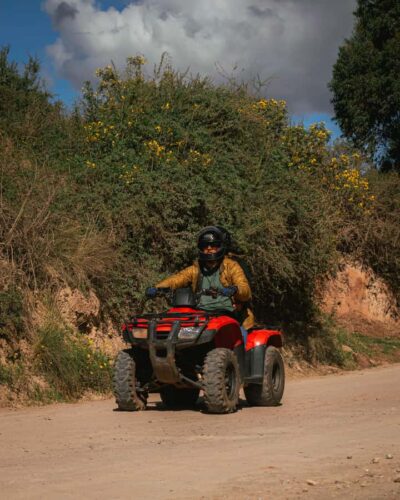
★ 4.8 · 1,925 reviews - Sacred Valley: Maras & Moray by Quad Bike from Cusco
★ 4.6 · 418 reviews - From Cusco: Quad bike tour Moray and Salt Mines
★ 4.7 · 314 reviews
Just added around Cusco
- Zipline over the Sacred Valley Trip★ 5.0 · 11 reviews
- Valle Sur Cusco | half day★ 4.3 · 3 reviews
- Visit Pisac from Cusco: Private Transport★ 4.6 · 9 reviews
- Transfer from Cusco to Ollantaytambo★ 5.0 · 30 reviews
- Exclusive Huayna Picchu Tour in 1 Day from Cusco★ 5.0 · 31 reviews
- Trek to Humantay Lake from Cusco★ 4.9 · 8 reviews
- Private Tour Sacred Valley, Chinchero, Maras Moray, Ollantaytambo★ 5.0 · 29 reviews
- 5 Day – Salkantay trek to Machu Picchu – Group Service★ 4.5 · 27 reviews
Maras Salt Mines & Moray Tours, compared.
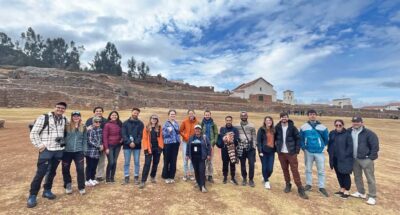
Sacred Valley & Maras Salt Mines Tour with Lunch
Read our review →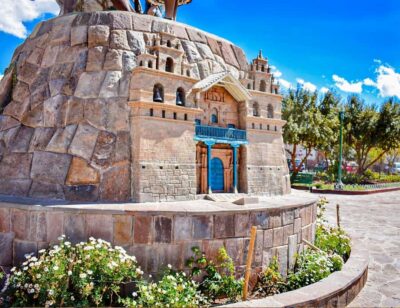
Moray, Maras Salt Mines & Chinchero Weavers Tour
Read our review →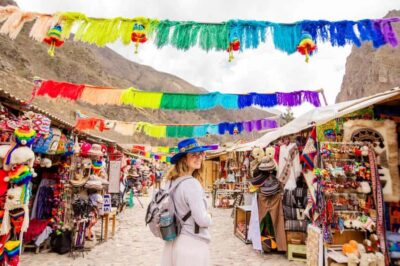
Sacred Valley, Pisac, Ollantaytambo, Salt Mines Moray
Read our review →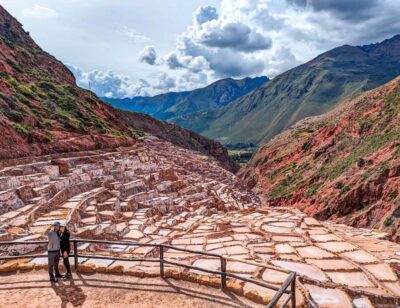
Chinchero,Moray & Salt Mines drop-off in Ollantaytambo
Read our review →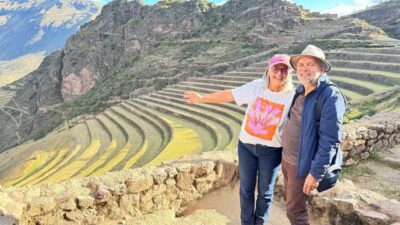

Moray, Maras Salt Mines & Chinchero Weavers Half-Day
Read our review →Browse the lists this tour appears in