
Reviewed · MACHU PICCHU TRAIN TOURS
Cusco: 4-Day Lares Trek to Machu Picchu with Panoramic Train
The best part of this four-day trip is that Machu Picchu comes at the end of a real Andean journey, not as a quick day trip from Cusco. You soak in Lares hot springs, walk past potato fields and alpaca herds, sleep beside a high-altitude lake, and meet families in Canchacancha before reaching the famous citadel.
I like the combination of small weaving communities and striking mountain scenery, and I like that the price includes cooks, muleteers, camping equipment transport, the Machu Picchu bus, and the Vistadome train. The main catch is altitude: Condor Pass reaches 4,750 meters, and cold nights, thin air, and long hiking days demand decent fitness.
Key points to know
- 4,750-meter Condor Pass: The high point comes on day two, with broad views of snowy peaks and turquoise lakes.
- Lares hot springs: A warm soak and breakfast make a pleasant start before the trek begins.
- Two nights camping: You sleep at Blue Lagoon and in or near Canchacancha, with meals prepared by trekking cooks.
- Living Andean culture: Weaving cooperatives, family homes, a village school, and a traditional offering ceremony add meaning beyond the scenery.
- Maras and Ollantaytambo: The third day combines a downhill hike with salt ponds and one of Peru’s best-preserved Inca towns.
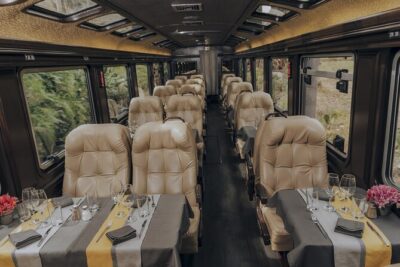
- Vistadome return: Large windows and roof panels give you a more enjoyable ride back toward the Sacred Valley.
Why the Lares route makes a good Machu Picchu trip
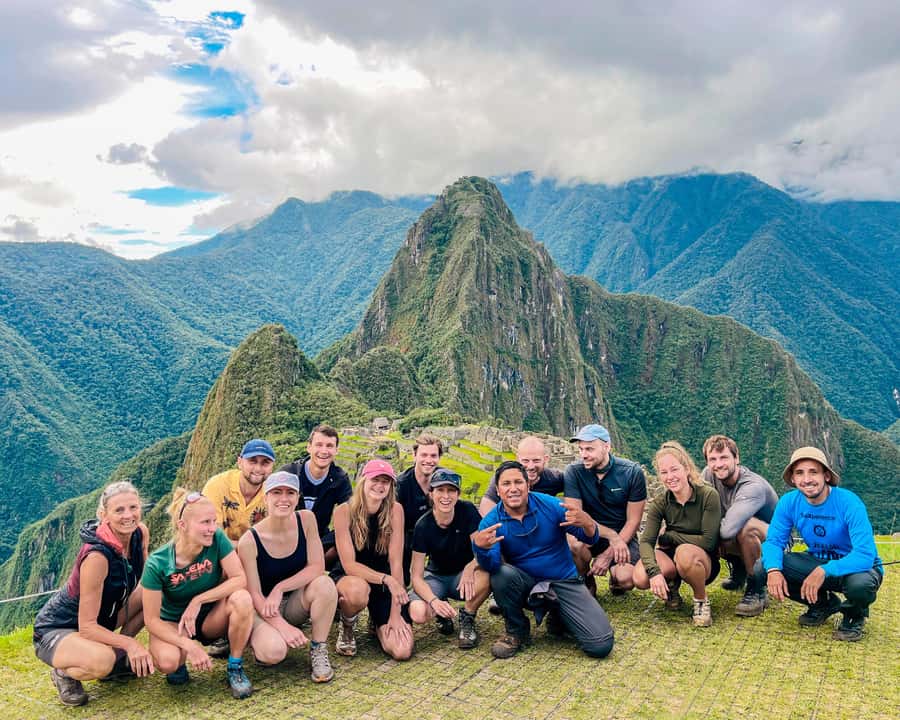
Many Machu Picchu packages focus almost entirely on the ruins. This one gives you two full days in the highlands before the citadel appears, so the site feels like the end of a journey rather than an isolated stop.
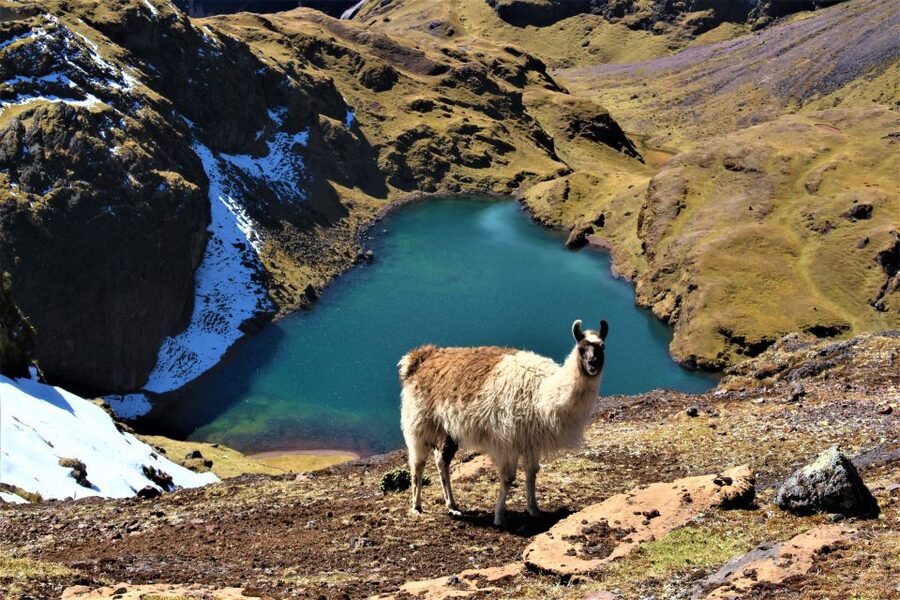
The Lares route is also a useful alternative for anyone who wants a demanding trek without following the Inca Trail. You cross rural valleys, see potato plots at different elevations, pass grazing llamas and alpacas, and watch the scenery change as you descend toward the Sacred Valley.
The cultural side is just as important. A weaving cooperative gives you a direct look at Andean textile work, while Canchacancha offers a chance to meet local families and see the village school. You can bring school supplies to donate, although the activity does not specify exactly what the school needs, so ask before packing anything.
At $690 per person, the price is not low, but it covers a great deal. You get a certified guide, three nights of accommodation, meals from trekking cooks, horses and muleteers, a 7-kilogram duffle allowance, Machu Picchu admission, the round-trip bus, and the Vistadome train. You still need to pay for a final-day lunch, optional Huayna Picchu or Machu Picchu Mountain tickets, and rented sleeping gear if you need it.
More Lares Valley Treks from Cusco:
- 4-Day Lares Trek to Machu Picchu from Cusco
★ 5.0 · 47 reviews - Ultimate Lares Trek & Inca Trail 5 days
★ 5.0 · 47 reviews - 4-Day Lares Trek to Machu Picchu
★ 5.0 · 30 reviews
Day one, from Calca and Lares to Blue Lagoon
Your morning begins with pickup in Cusco or the Sacred Valley. The early start lets you stop at Calca’s market, where you can see ordinary local shopping before heading into the mountains. This is a more useful introduction to daily life than a polished souvenir stop, though the precise amount of free time at the market is not given.
The next stop is Ancashmarca, an ancient Inca site. It adds an archaeological layer before the trek and helps you see that the high valleys were working places, not empty wilderness.
You then climb toward a high plateau where rare Puyas de Raimondi grow. These giant bromeliads are among the more unusual plants of the Andes, and the stop breaks up the drive toward Lares.
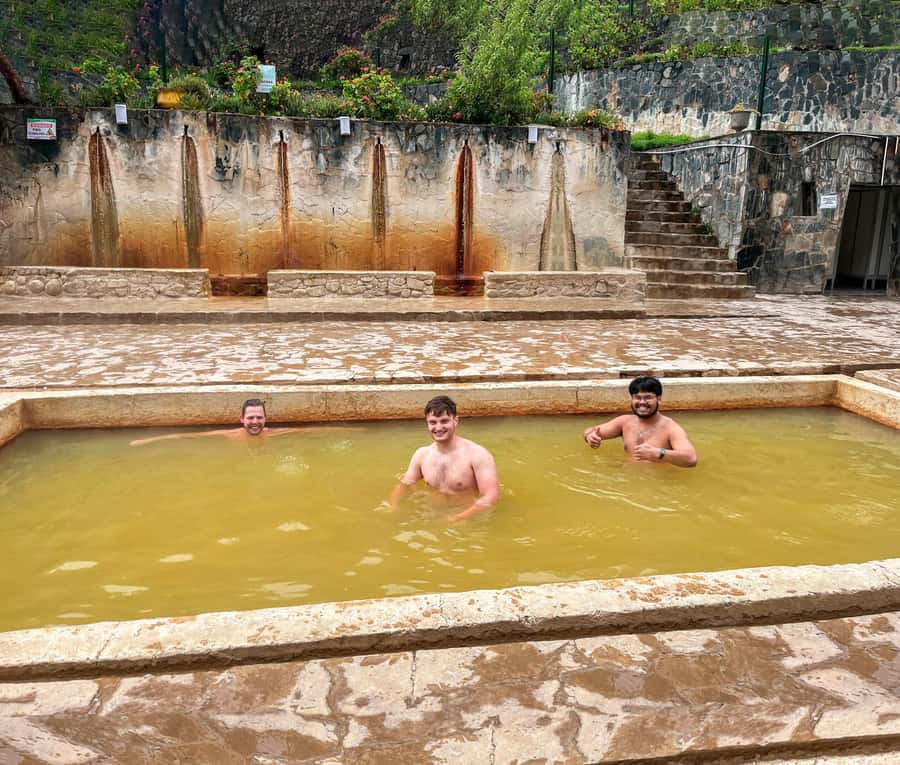
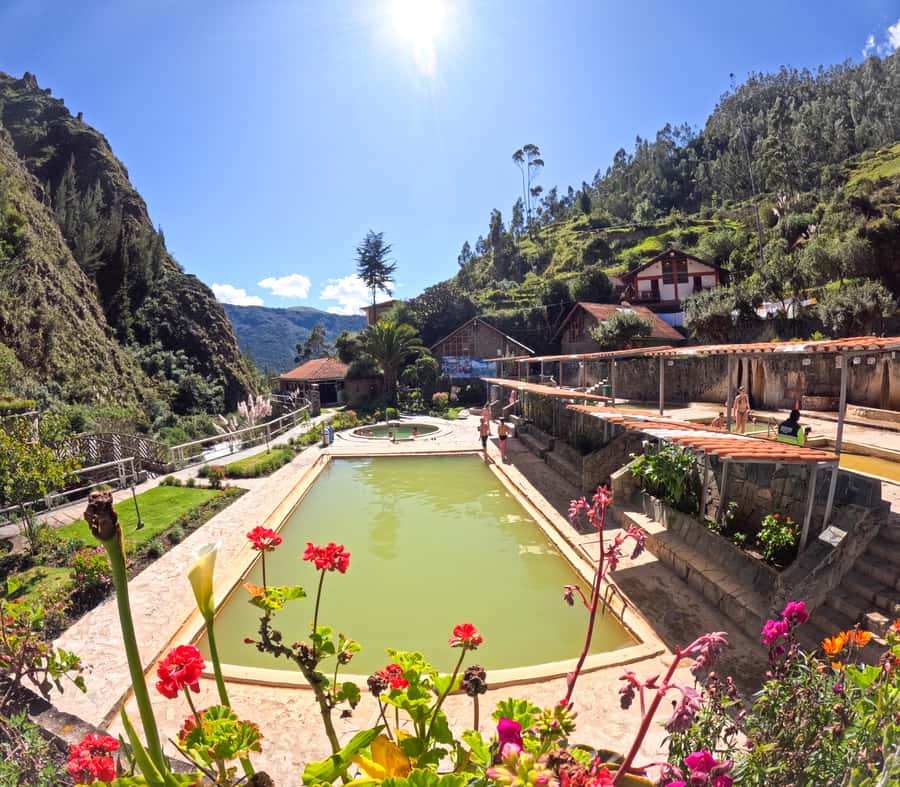
At Lares, you can soak in natural hot springs with mountain views. Breakfast is included here, making the timing practical: you get a warm meal and a short rest before the hiking begins. Bring a swimsuit, though it is not listed among the required items, and keep your towel needs in mind.
The weaving cooperative follows. You learn about Andean textile traditions and support a women-run enterprise directly. This is one of the most worthwhile parts of the trip because it connects the scenery to the people who live and work in these valleys. You may also find this stop useful for buying textiles, but the details do not promise a shopping session, so treat purchases as optional rather than expected.
From there, a private vehicle takes you to Pampacorral, the starting point for the hike. The trail passes through valleys dotted with alpacas and fields of potatoes. Potato farming is central to Andean life, and seeing the fields at different elevations gives you a clear sense of how people use the mountain terrain.
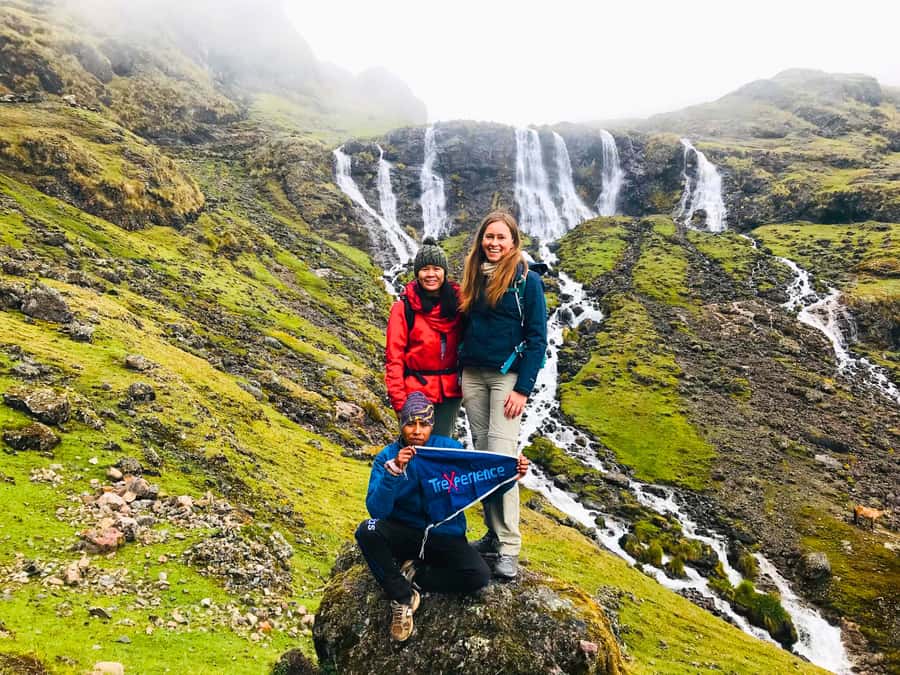
You stop in Kiswarani for a fresh lunch before continuing alongside a waterfall. The day ends at Blue Lagoon, at about 3,900 meters. Coca tea, dinner, and time for stargazing are included.
The first day combines a lot of stops with a substantial rise in altitude. If you are still adjusting to Cusco, do not treat the hot springs as proof that the walking will be easy. Pace yourself from the beginning, drink water, and use the included duffle space for warm camping clothes.
Day two, the hard climb over Condor Pass
Day two is the physical test. You wake at the Blue Lagoon campsite to coca tea or coffee, then eat breakfast before beginning a steady climb through high valleys.
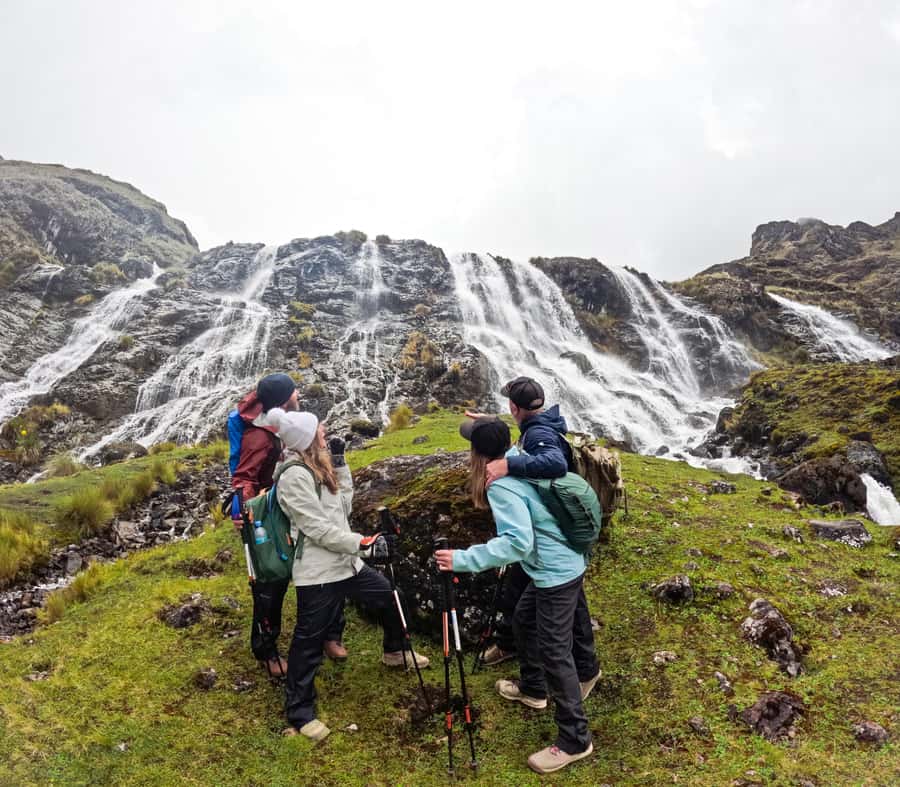
The route passes more lakes and Andean wildlife before reaching Condor Pass at 4,750 meters. That is very high, and the thin air can slow even fit hikers. A French family described the trek as manageable but noted that altitude and cold reduced their physical capacity. That is the right way to think about this route: the difficulty is approachable for someone in good shape, but it is not a casual walk.
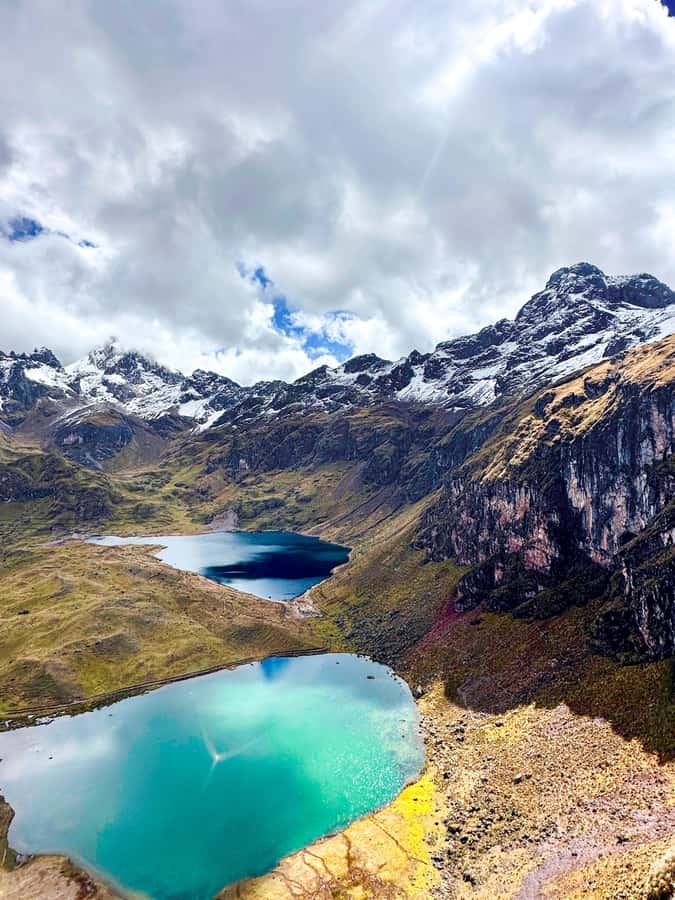
At the pass, you get wide views of snowy peaks and turquoise lagoons. The effort pays off here, but do not rush the stop. Your guide can set the pace and allow pauses as needed. Manolo has led one highly praised departure, and Filio has also been singled out for strong guiding. Guides on this route are important because good pacing matters more than speed at altitude.
A traditional offering ceremony takes place before the descent. This gives the crossing a cultural meaning that a simple photo stop would miss. The information provided does not specify the exact ceremony or materials used, so your guide will be the best person to explain what is happening.
After descending, you eat a hot lunch in Acopata. The warm meal is particularly welcome after the cold at the pass. The trail then continues through valleys with llamas and alpacas toward Canchacancha, at about 3,750 meters.
In Canchacancha, you meet local families and learn a few Quechua phrases. Dinner and mountain views close the day. You should expect another cold night. Warm layers, a hat, dry socks, and a properly rated sleeping bag are more important here than stylish trekking clothes.
Sleeping bags, air mattresses, and trekking poles are not included, but they can be rented on request. Ask about these items before departure rather than waiting until the first campsite.
Day three, from village life to salt ponds and Ollantaytambo
The morning begins with breakfast and mountain views, followed by time in Canchacancha. You visit homes and the local school, which gives you a closer look at community life than a drive through the valley would.
The school visit also offers a chance to donate supplies. If you want to help, ask in advance what would be useful. It is better to bring a few requested items than to hand over things the school cannot use.
The hike then changes character. You descend for about four hours toward the Sacred Valley, moving from potato fields into areas growing corn and avocados. This gradual change in crops is one of the most informative parts of the route. You can see how altitude shapes farming within a single day.
You finish the hiking section in Huaran, at about 2,700 meters, where a picnic lunch is served. Here you say goodbye to the muleteers and chef who supported the camping portion. Their work is easy to overlook, but it is what allows you to walk with a light daypack while food and equipment move ahead by mule.
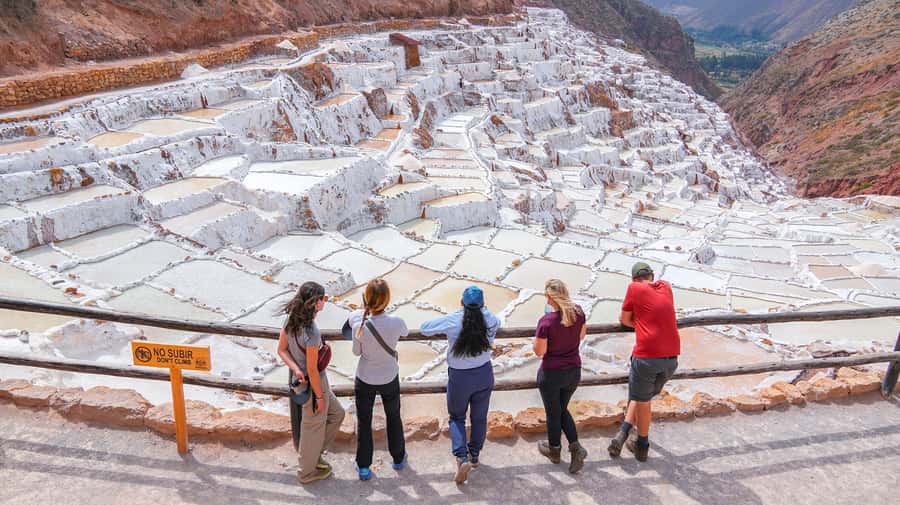
A private van takes you to the Salineras of Maras. The salt ponds cling to the mountainside in a stepped pattern, fed by a mineral-rich spring. You learn how salt is harvested by hand and divided among local families. The visit is compact but worthwhile, especially after two days focused on hiking and village life.
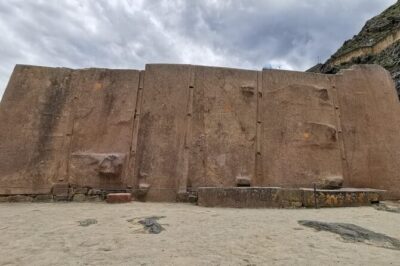
Next comes Ollantaytambo, often called the last living Inca town. Its stone streets and Inca foundations are not just archaeological remains. People still live and work among them, giving the town a more immediate feel than a closed museum site.
Dinner comes before the train to Aguas Calientes, the town below Machu Picchu. You spend the night in a comfortable three-star hotel. This change from tents to a hotel is well timed. After two cold nights and a long descent, a private room and proper bed make the next morning easier.
More Train Runs to Machu Picchu from Cusco:
- Cusco: Machu Picchu 2-Day Inca Trail with Panoramic Train
★ 4.9 · 260 reviews - The First Class Machu Picchu Train by Inca Rail
★ 4.0 · 182 reviews - From Cusco: 1-day Machu Picchu Tour by Train
★ 4.6 · 138 reviews - 2-Day Machu Picchu Tour by train from Cusco ( All included )
★ 5.0 · 85 reviews
Day four, arriving at Machu Picchu early
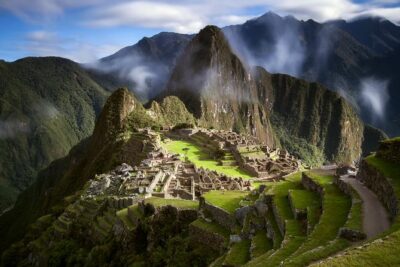
You eat breakfast at the hotel and take the bus up to Machu Picchu. The early arrival is a strong feature because morning light gives the citadel a calmer, more atmospheric start than a late visit.
Your guide leads a two to three-hour walk through the site. The focus is on Inca engineering, the history of the citadel, and details of daily life. You stop at major viewpoints for wide photographs, but the guided walk keeps the visit from becoming a string of photo stops.
Machu Picchu sits at the end of a route filled with working farms, mountain villages, and older Inca sites. That context helps you understand the citadel as part of a wider Andean world rather than as a single spectacular ruin.
You return to Aguas Calientes for lunch and free time. Lunch is not included, so keep cash available. The town is also your chance to buy anything you forgot, though prices and choices are not specified.
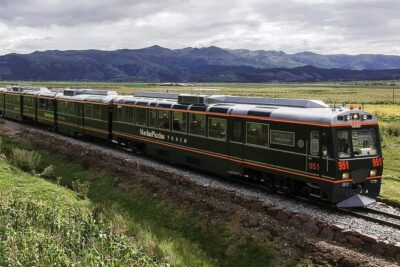
The return begins on the Vistadome train to Ollantaytambo. Large windows and roof panels let you enjoy the valley views without having to stand outside or crane your neck. A private transfer then takes you back to Cusco by evening.
The train is a comfortable final touch, but remember that the return is long after an early start. Do not plan an important late-night activity in Cusco.
Meals, camping, and what you carry
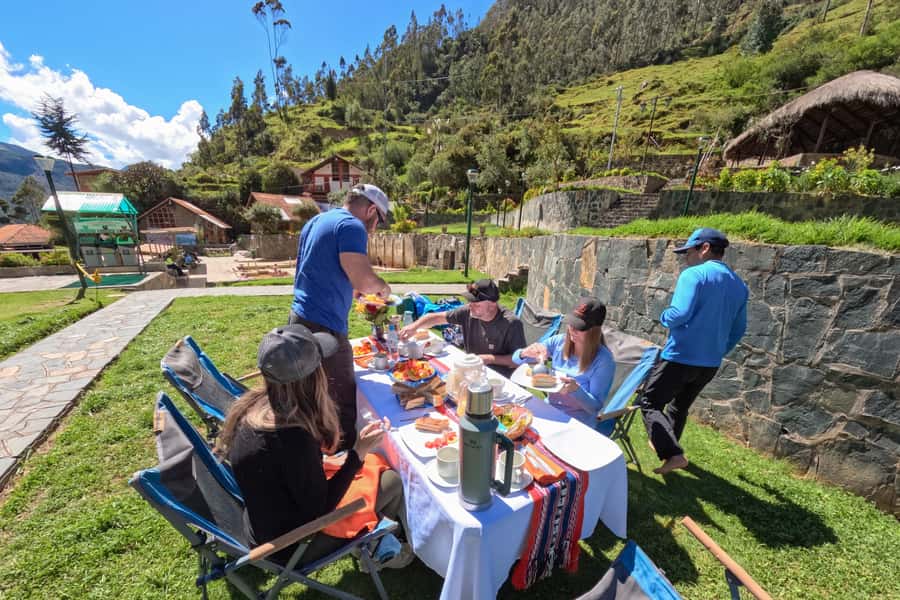
The trekking cooks provide four breakfasts, three lunches, and three dinners. A vegan menu has been handled successfully, but you must give dietary information when booking. If you have allergies or strict dietary needs, explain them clearly rather than relying on a general note.
Your muleteers carry food and equipment, and each person receives a personal duffle bag with up to 7 kilograms, or 11 pounds, for camping gear. You still carry your daily essentials, including water, rain gear, sun protection, and anything you need during the walk.
The camps are scenic but basic. Two nights outdoors at high altitude mean cold temperatures and limited comfort. Bring warm clothing, toiletries, hand sanitizer or tissues, insect repellent, and weather-appropriate layers. Rain gear belongs in your daypack even if the morning begins clear.
Comfortable hiking shoes are essential. Add sunscreen, sunglasses, a sun hat, hiking pants, and a camera. Cash is useful for small purchases and the final lunch in Aguas Calientes.
Who should book this four-day trek
I would recommend this trip to someone who wants more than a direct Machu Picchu transfer and is comfortable with high-altitude hiking. It suits fit couples, families with older children, and friends who like a mix of nature, archaeology, and community visits.
It is not suited to people with heart or back problems, mobility impairments, or anyone who needs wheelchair access. Pregnant women should not book it. Children must be accompanied by an adult.
You should also be honest about your cold-weather tolerance. The altitude is not the only challenge. Nights at camp can be very cold, and day two includes a climb to 4,750 meters. If you rarely hike or have not adjusted to altitude, this is not the place to prove a point.
The activity includes a pre-tour safety briefing and luggage storage in Cusco. Pickup is included from accommodations in the Cusco district, and you should wait in the lobby 10 minutes before pickup with your passport details already supplied. If your hotel is outside that district, you use a meeting point near the main square.
The activity is non-refundable, so confirm your dates, health, equipment, and passport information before paying.
Is $690 a fair price?
For four days, $690 represents solid value if you want a guided trek with most major costs bundled together. Admission to Machu Picchu, Maras, and the Lares hot springs is included, as are transport connections that could be awkward to arrange separately.
The price also pays for a professional guide, cooks, muleteers, camping, a hotel night, the Machu Picchu bus, and the Vistadome train. Those labor and transport costs add up quickly in a remote mountain route.
The exclusions are manageable but worth budgeting for. You may need to rent a sleeping bag, air mattress, or trekking poles. You also pay for lunch on the final day, travel insurance, and optional Huayna Picchu or Machu Picchu Mountain tickets.
The main limitation is the non-refundable policy. Book only when you are confident about your schedule and physically ready for the route.
Should you book the Lares Trek to Machu Picchu?
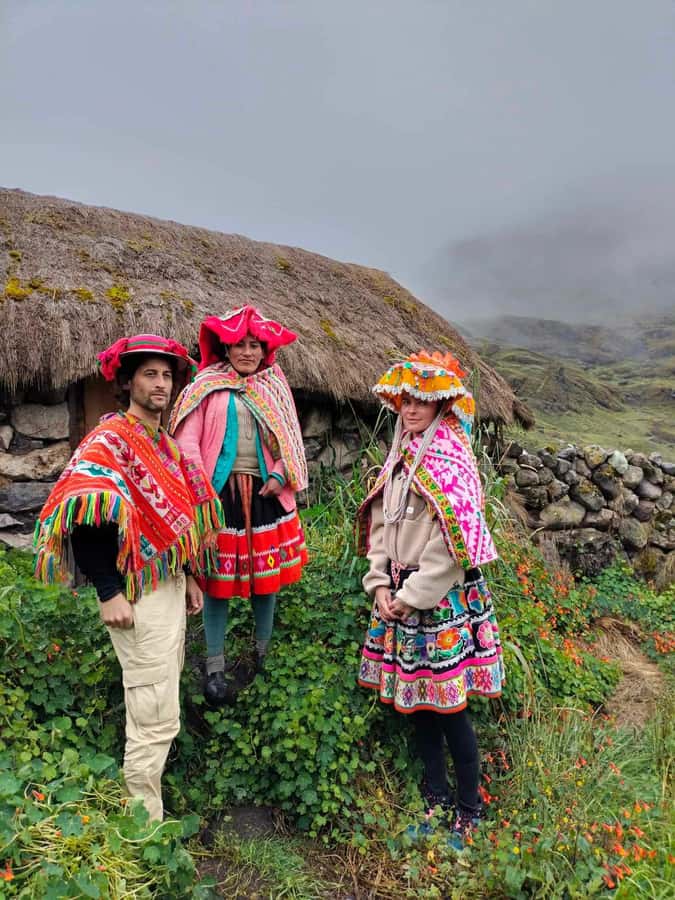
Book it if you want Machu Picchu joined to a genuine mountain journey. The hot springs, weaving cooperative, Canchacancha school, high lakes, mule support, and Maras salt ponds give the four days a strong sense of place.
Skip it if you want a relaxed sightseeing tour, dislike camping, or are unsure about high altitude. The best preparation is simple: arrive ready for cold nights, bring suitable gear, share dietary needs early, and allow yourself time to walk slowly.
For an active visitor who values local contact as much as famous ruins, this is a well-priced and thoughtfully varied route.
FAQ
How long is the Lares Trek to Machu Picchu?
The activity lasts four days. It includes two nights of camping, one hotel night in Aguas Calientes, and the Machu Picchu visit on the final day.
What is the highest point on the trek?
The route reaches Condor Pass at 4,750 meters. This is the most demanding altitude point of the trip.
Is camping equipment included?
Two nights of camping are included, but sleeping bags, air mattresses, and trekking poles are not. These items are available for rent upon request.
How much luggage can the muleteers carry?
Each person receives a personal duffle bag carried by muleteers, with a limit of 7 kilograms, or 11 pounds.
Are meals included?
The trekking cooks provide four breakfasts, three lunches, and three dinners. Lunch on the final day in Aguas Calientes is not included.
Is the Vistadome train included?
Yes. The return journey from Aguas Calientes to Ollantaytambo uses the Vistadome train, followed by private transport to Cusco.
Can dietary needs be accommodated?
You must advise the operator of special dietary needs when booking. Vegan meals have been provided on this route.
What languages does the guide speak?
The live guide service is available in English and Spanish.
More 4-Day Experiences in Cusco
- 4 Day Tour to the Manu National Park
★ 5.0 · 81 reviews - Choquequirao Trek 4 days and 3 nights
★ 5.0 · 81 reviews - Cusco Sacred Valley and Machupicchu 4 Days
★ 5.0 · 80 reviews - Ancascocha Trek To Machu Picchu 4 Days And 3 Nights
★ 5.0 · 77 reviews
More Machu Picchu Days from Cusco
- From Cusco: Full-Day Group Tour of Machu Picchu
★ 4.7 · 1,767 reviews - Machu Picchu Day Trip from Cusco
★ 4.5 · 1,644 reviews - Machu Picchu: Full-Day Tour from Cusco with Optional Lunch
★ 4.6 · 927 reviews - Cusco: 4-Day Inca Trail to Machu Picchu with Accommodation
★ 4.8 · 432 reviews
Just added around Cusco
- Zipline over the Sacred Valley Trip★ 5.0 · 11 reviews
- Valle Sur Cusco | half day★ 4.3 · 3 reviews
- Visit Pisac from Cusco: Private Transport★ 4.6 · 9 reviews
- Transfer from Cusco to Ollantaytambo★ 5.0 · 30 reviews
- Exclusive Huayna Picchu Tour in 1 Day from Cusco★ 5.0 · 31 reviews
- Trek to Humantay Lake from Cusco★ 4.9 · 8 reviews
- Private Tour Sacred Valley, Chinchero, Maras Moray, Ollantaytambo★ 5.0 · 29 reviews
- 5 Day – Salkantay trek to Machu Picchu – Group Service★ 4.5 · 27 reviews
Machu Picchu Train Tours, compared.
The First Class Machu Picchu Train by Inca Rail
Read our review →
2-Day Machu Picchu Tour by train from Cusco ( All included )
Read our review →
Sacred Valley & Machu Picchu 2-Day Tour by Train
Read our review →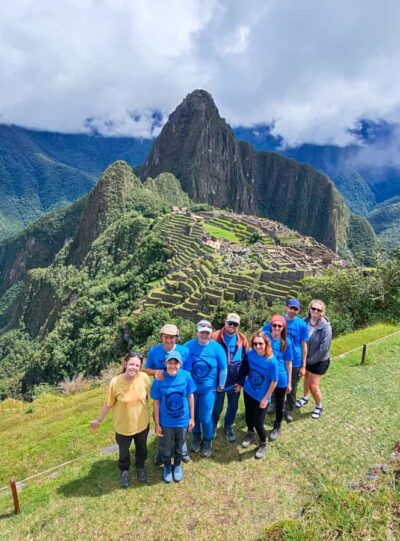
Machu Picchu 2-Day Adventure by Train with Overnight Stay
Read our review →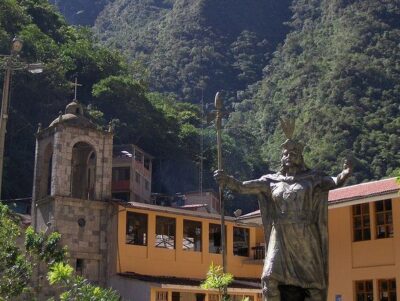
2-Day Sacred Valley Machu Picchu by Train with Llama Experience
Read our review →Browse the lists this tour appears in