
Reviewed · CHINCHERO VILLAGE & WEAVING TOURS
Cusco: Alpaca and Llama Farm Tour w/ Transfer & Weaving Demo
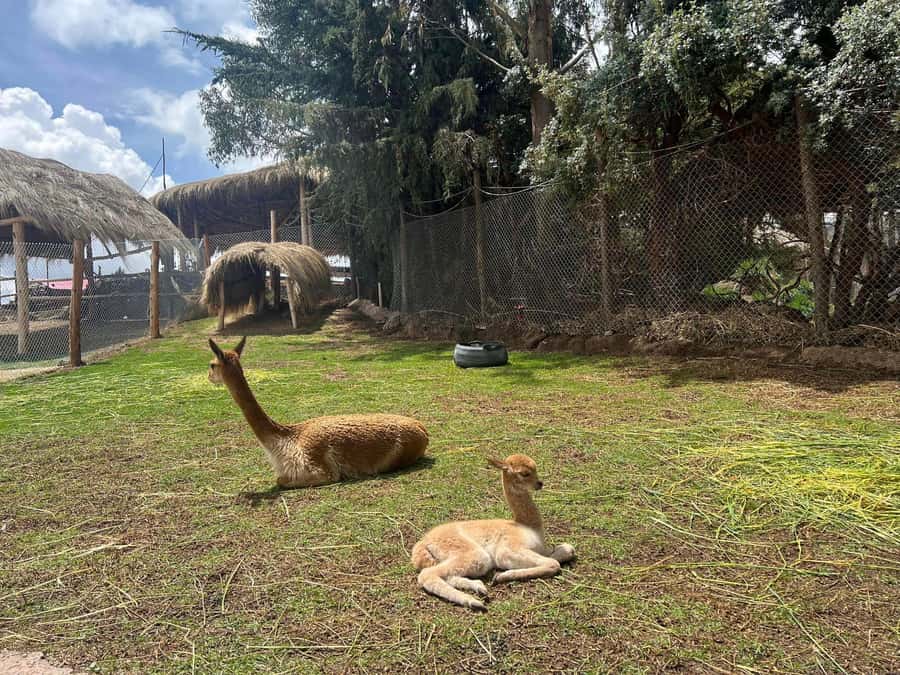
Cusco’s camelid farms offer more than cute-animal photos. At Manos de la Comunidad, you can see two types of alpacas, four types of llamas, vicuñas, and huanacos in one outing, then watch wool become traditional cloth. I like the close contact with the animals and the clear link between Andean livestock, Inca culture, and modern Peru.
I also like the easy hotel transfer, which gets you out of central Cusco in about 20 minutes, and the weaving demonstration, where you learn how to spot genuine baby-alpaca fabric. The main drawback is that the visit can feel commercial at the end, and one visitor found the animal portion rushed despite the advertised 150-minute duration.
Key points to know before you book
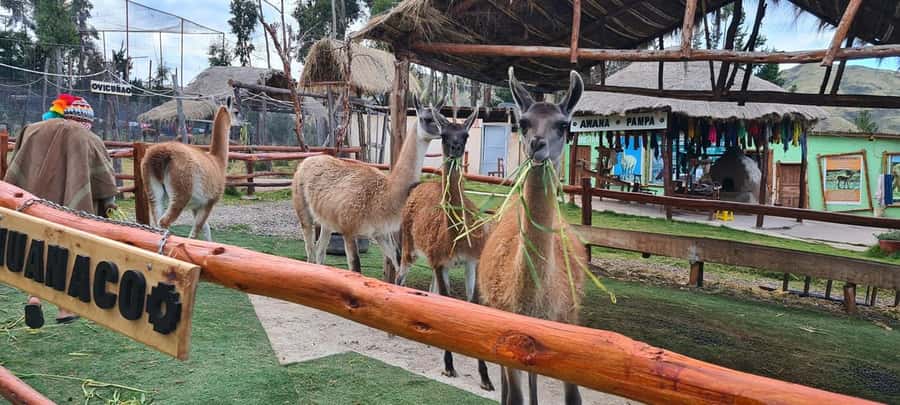
- Four camelid species in one visit: See alpacas, llamas, vicuñas, and huanacos, with chances to feed and pet some of the animals.
- A gentle first activity in Cusco: The short transfer and leisurely pace suit your first days at altitude.
- More than a photo stop: Guides explain domestication, Inca-era animal breeding, wool, conservation, and local culture.
- Strong guiding is a major plus: Marlith, Marileth, Holger, and Olger are among the guides praised for friendly, clear explanations.
- Weaving is a real highlight: Watch natural fibers being dyed and worked into textiles, then learn how to identify some fake alpaca products.
- Plan for a sales area: The final shop has attractive goods and useful information, but prices may be higher than in Cusco shops.
Why this short Cusco outing works so well
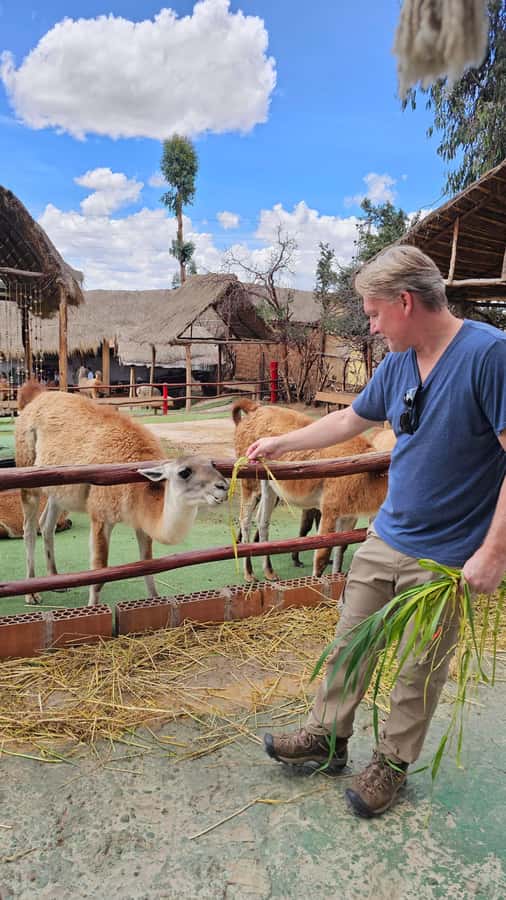
At $34 per person, this is a modestly priced half-day activity with hotel pickup, a guide, farm entry, a weaving demonstration, and water included. You are not paying only for a quick animal encounter. The visit gives you a basic introduction to Andean camelids and explains why wool remains important to Peru’s economy and culture.
I see the tour as especially useful early in a Cusco stay. You get a change from stone streets and museums without committing to a long day away from town. The transfer takes about 20 minutes from the historic center, and the activity itself is gentle enough for many people who are still getting used to Cusco’s altitude.
The published length is 150 minutes, with about 80 minutes set aside for the guided farm visit. The rest covers transfers and the final browsing time. One person felt the entire experience ended sooner than expected, so I would keep a little flexibility in your schedule rather than assuming this fills a full half-day.
More Chinchero and Weaving Visits from Cusco:
- From Cusco: Moray, Maras Salt Mines & Chinchero Weavers Tour
★ 4.8 · 1,925 reviews - Cusco:Chinchero,Moray & Salt Mines drop-off in Ollantaytambo
★ 4.8 · 793 reviews - Sacred Valley: Chinchero, Moray, Ollantaytambo & Pisac+Lunch
★ 4.8 · 501 reviews
The short ride from central Cusco
Pickup begins in Cusco, with a return transfer to your hotel after the visit. The drive takes you uphill from the historic center, and you might find the views over the city a pleasant bonus. One person specifically enjoyed the changing views during the ride, while another praised the driver’s care on the winding roads.
That transfer matters. You do not need to arrange a taxi to a farm outside town, negotiate a return fare, or find your way back after the weaving session. It also makes the activity practical for families and for anyone who wants a simple first excursion.
Pickup details can vary, so check the available starting time when you book. The tour is offered with English- and Spanish-speaking guides, and the activity is listed as wheelchair accessible.
Meeting alpacas, llamas, vicuñas, and huanacos
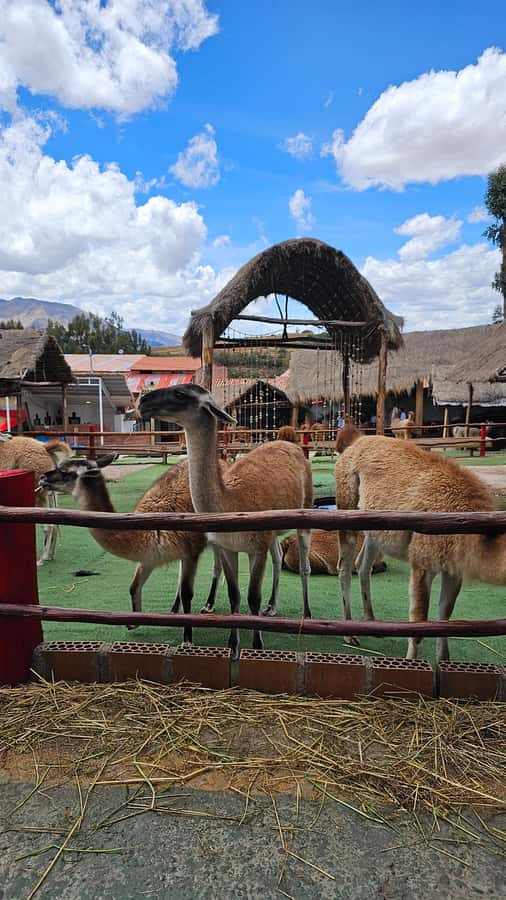
The animal portion begins with an introduction to the South American camelids. You learn how these animals were domesticated, how the Incas developed particular species, and how alpacas and llamas differ from their wild relatives.
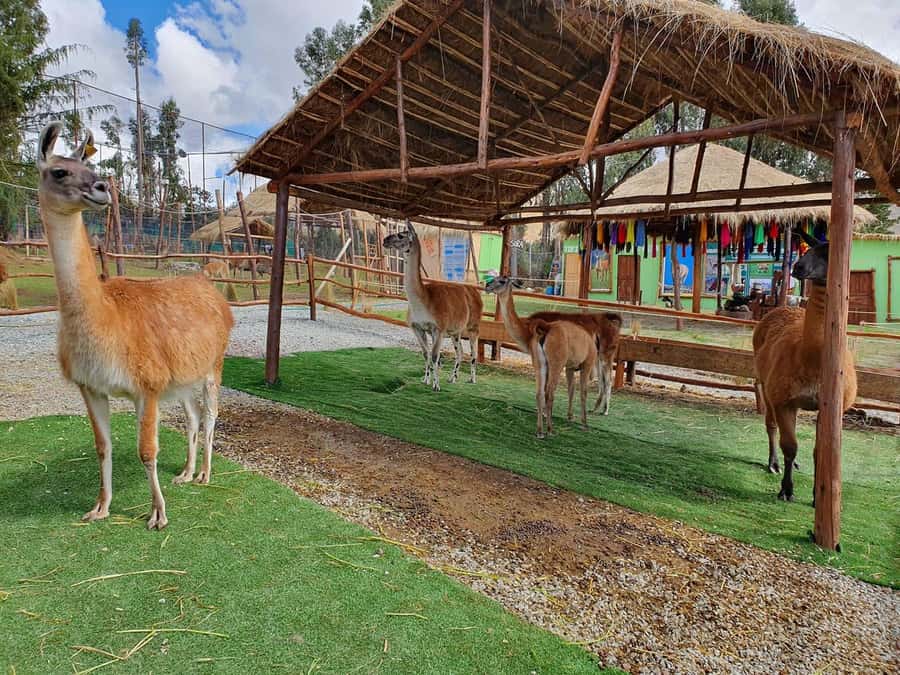
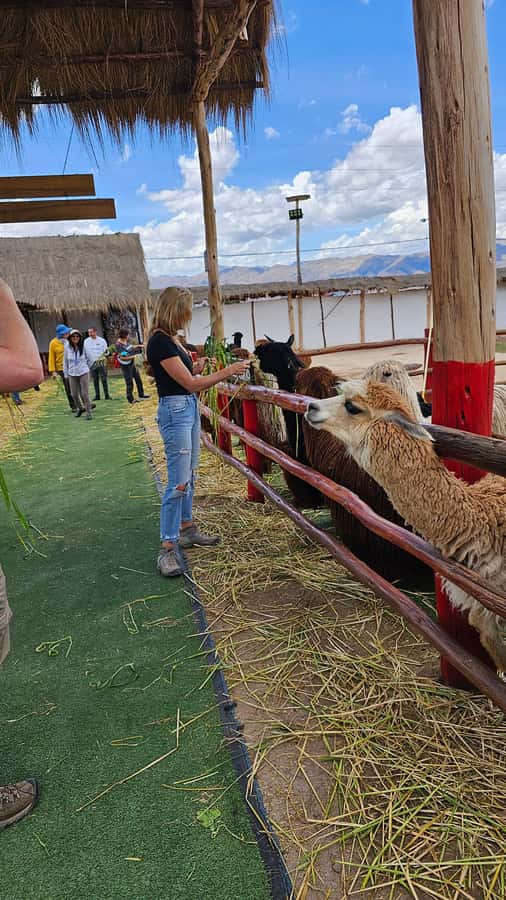
The most useful part is seeing the animals side by side. The tour covers two varieties of alpaca and four types of llama, along with vicuñas and huanacos. You can take photographs and, depending on the animals and the guide’s instructions, feed or pet them by hand.
I like this approach because it gives the animals some context. A llama is not simply a larger alpaca with a long neck. The guide explains differences in appearance, behavior, wool, and use, helping you understand why these animals matter in daily Andean life.
Vicuñas receive special attention. They are often called the gold of the Andes because of the value of their fine wool. Huanacos are also important to see because they help connect the domesticated animals at the farm with their wild ancestors.
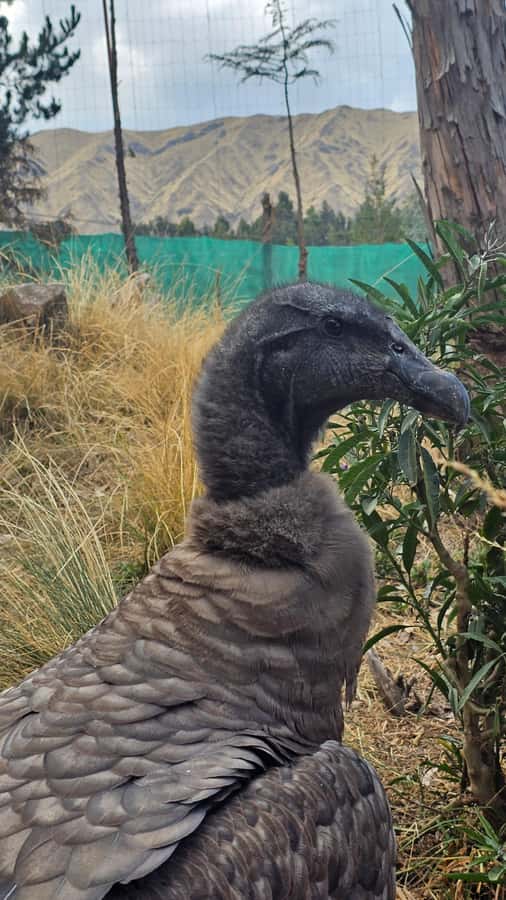
Several visits included other animals as well, such as deer, guinea pigs, and rescued condors. These extras are not the core promise of the activity, so I would treat them as a bonus rather than plan the tour around them.
The animals are a major reason to book, but remember that this is a guided farm visit, not a wildlife safari. You will be shown where to stand, how to approach the animals, and when feeding or touching is appropriate. The experience is most enjoyable when you let the guide set the pace.
What the conservation and Inca stories add
The tour connects the animals to the Incas and to present-day Peru. You hear about ancient domestication and the species that Andean communities developed, then see how camelids remain tied to textiles, trade, and local income.
That cultural link makes the visit more useful than a simple photo stop. You start to recognize why alpaca clothing appears throughout Cusco and why the difference between alpaca, baby alpaca, and synthetic material matters to shoppers.
Some visitors also saw a small museum area and rescued condors. The exact balance of these additions can vary with the day and the guide, but they broaden the visit beyond the main animal pens.
The conservation angle is worth paying attention to. You can ask your guide about the rescued animals and the role of vicuñas in Peru. The tour presents the farm as a place connected to animal care, local tradition, and education, not just a place to sell souvenirs.
A few more Cusco days worth weighing up
- Private Ollantaytambo, Pisac Ruins Tour with Farm Visit, Gourmet Picnic Lunch
★ 5.0 · 52 reviews - From Cusco: Private Pisac Ruins and Alpaca Farm Day Trip
★ 5.0 · 9 reviews
The weaving demonstration and how to shop wisely
After the animals, you watch local weavers demonstrate traditional textile skills. The presentation covers the stages that turn wool into cloth, including dyeing and handwork. You may also see examples of older fabrics, which help show how long these techniques have been part of Andean culture.
This is where the $34 price gains much of its value for me. You are not just told that alpaca wool is important. You see the craft process and gain practical information you can use later in Cusco’s shops.
One particularly useful lesson concerns genuine baby-alpaca fabric. The guide explains how to identify real products and avoid confusing a soft synthetic blend with a higher-quality natural fiber. If you plan to buy a sweater, scarf, or yarn in Peru, pay attention here and ask questions before reaching for your wallet.
The shop at the end is large and attractive, and buying something can support the local craft economy. Still, prices may be higher than elsewhere in Cusco. One person compared yarn priced at 60 soles in the farm shop with similar yarn bought for 15 soles in the city.
I would browse, learn, and compare before purchasing. You may find a beautiful item you genuinely want, but there is no reason to assume every product is the best value. One person felt watched while browsing, though no purchase pressure was applied. That is a fair warning for anyone who prefers a quiet shopping experience.
The guides make the difference
The strongest part of this experience is often the guide. Names appearing in the feedback include Marlith, also spelled Marileth or Maylith in some accounts, and Holger, sometimes listed as Olger. These guides were praised for explaining the animals clearly, answering questions, helping with photos, and adding useful information about Cusco, Peru, and Inca culture.
You can expect the guide to explain the animals in English or Spanish. A good guide also keeps the visit moving while leaving room for questions. Several people valued the friendly tone and the balance between facts and relaxed conversation.
That personal element matters because the farm itself is only part of the experience. Without explanation, you might remember a few photographs and the fact that alpacas are soft. With a strong guide, you leave knowing why vicuña wool is valuable, how camelids shaped Andean life, and what to look for in a textile.
If you have food, shopping, or Cusco questions, it is worth asking. One guide even offered restaurant and pisco sour suggestions. Those small exchanges can make the outing feel connected to the rest of your stay.
Timing, comfort, and the one real weakness
The tour is advertised as 150 minutes, and most people found the pace comfortable. It is not an exhausting day trip, and several people chose it while acclimating to Cusco’s altitude. The short transfer, limited walking, and seated weaving presentation make it easier than a major archaeological excursion.
Still, I would not assume every visit unfolds at exactly the same pace. One person felt rushed around the animals and said the complete tour was shorter than expected. The amount of time you have with each animal can depend on the group, the guide, and the farm’s schedule.
You should also bring a light layer and sun protection for time outdoors, though these items are not listed as tour inclusions. Water is provided. Comfortable shoes are sensible, but this is not presented as a strenuous walking tour.
The 4.9 rating from 151 reviews reflects unusually consistent satisfaction, especially with the guides, the animal contact, and the weaving lesson. I would still read the experience accurately: it is a compact, organized cultural visit with a retail stop, not a remote farm stay or an unstructured meeting with animals.
Who should book this farm visit
I would recommend it to families, couples, solo visitors, and anyone who wants a low-effort introduction to Andean culture. Children are likely to enjoy feeding and petting the animals, while adults can focus on the textile lessons and the history of domestication.
It also suits you if you have only a few days in Cusco. The activity covers several themes in one outing: local animals, Inca-era traditions, conservation, weaving, and shopping. You do not need to spend a full day on the road.
It is a particularly good choice for your first or second day, when you want to explore but do not yet feel ready for a demanding hike. The tour can help you get your bearings while giving you a first look at the materials, animals, and traditions you will encounter elsewhere in Peru.
You may want to skip it if you dislike organized shopping stops or prefer quiet, independent visits. The final retail area is part of the experience, and the prices may not match those in central Cusco. You should also choose another activity if your main goal is a large natural setting with animals living entirely in the wild.
Is the $34 price fair?
For $34, the package offers solid value. Hotel transfers alone save you the hassle of arranging transport, while the guide adds the cultural explanation that makes the animal visit worthwhile. The weaving demonstration is the other key value, especially if you plan to buy alpaca products later.
The price becomes less appealing if you view the outing as only a chance to pet llamas. You can get photographs quickly, but the real benefit comes from staying for the explanations about species, wool, conservation, and Inca culture.
I would budget extra only if you might shop at the end. Souvenirs are not included, and the retail prices can be higher than those in Cusco. Go in with a clear plan: enjoy the demonstration, inspect the products, compare prices, and buy only what feels right.
Should you book the Cusco alpaca and llama farm tour?
Yes, I would book it if you want an easy, informative activity close to Cusco. The combination of camelids, weaving, local history, hotel transfers, and a strong record of friendly guides gives you more substance than a basic animal photo stop.
Book it early in your stay if altitude is a concern, or choose it when you have a free morning or afternoon. Keep your expectations realistic about the shop and the exact timing, then enjoy the animals and ask plenty of questions. For $34, it is a practical way to meet the furry symbols of the Andes and understand the craft behind the wool sold all over Peru.
FAQ
How long does the alpaca and llama tour last?
The activity is listed as 150 minutes. About 80 minutes is allocated to the guided visit at Manos de la Comunidad, with the remaining time covering transfers and the other parts of the outing.
How far is the farm from Cusco?
The farm is about 20 minutes from Cusco’s historic center by transfer. Pickup and drop-off at your hotel are included.
Which animals can I see?
You can see two varieties of alpaca, four types of llama, vicuñas, and huanacos. Some visits also include rescued condors, deer, and guinea pigs.
Can I feed or pet the animals?
The experience includes close views of the animals, and people have fed and petted llamas and alpacas by hand. Follow the guide’s instructions about which animals you may approach.
Is the tour available in English?
Yes. Live guiding is available in English and Spanish.
Are hotel pickup and drop-off included?
Yes. Hotel pickup in Cusco and return drop-off are included, along with the guide, farm visit, weaving demonstration, and water.
Just added around Cusco
- Zipline over the Sacred Valley Trip★ 5.0 · 11 reviews
- Valle Sur Cusco | half day★ 4.3 · 3 reviews
- Visit Pisac from Cusco: Private Transport★ 4.6 · 9 reviews
- Transfer from Cusco to Ollantaytambo★ 5.0 · 30 reviews
- Exclusive Huayna Picchu Tour in 1 Day from Cusco★ 5.0 · 31 reviews
- Trek to Humantay Lake from Cusco★ 4.9 · 8 reviews
- Private Tour Sacred Valley, Chinchero, Maras Moray, Ollantaytambo★ 5.0 · 29 reviews
- 5 Day – Salkantay trek to Machu Picchu – Group Service★ 4.5 · 27 reviews
Chinchero Village & Weaving Tours, compared.
Moray, Maras Salt Mines & Chinchero Weavers Tour
Read our review →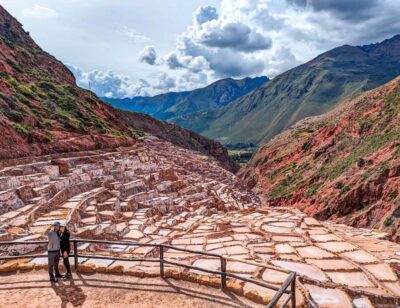
Chinchero,Moray & Salt Mines drop-off in Ollantaytambo
Read our review →
Sacred Valley Pisaq,Ollantaytambo,Chinchero with Lunch
Read our review →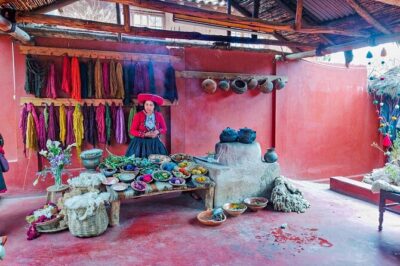
Moray, Maras Salt Mines & Chinchero Weavers Half-Day
Read our review →
The Textile Workshop Experience in Cusco Region
Read our review →
Sacred Valley Textile Workshop – Dyeing & Weaving in Cusco
Read our review →
Browse the lists this tour appears in