
Reviewed · SACRED VALLEY DAY TRIPS FROM CUSCO
Cusco: Full-Day Sacred Valley History Tour
The most rewarding part of this day is the way it connects Inca engineering with living Andean culture. You’ll see terraces and stonework at Pisac and Ollantaytambo, then watch Chinchero artisans make natural dyes and textiles using old techniques. I especially like the broad Sacred Valley view from El Mirador and the ride beside the Urubamba River.
I also like the small-group format, capped at 15 people, and the fact that the bilingual guide explains the sites in both English and Spanish. Guides named Eddy and Manuel have been praised for clear explanations of Cusco, Inca culture, and Quechua traditions. The main drawback is the long day: pickup can be slow, lunch may take more time than expected, and the tour returns to Cusco around 7:00PM.
Key points to know before booking
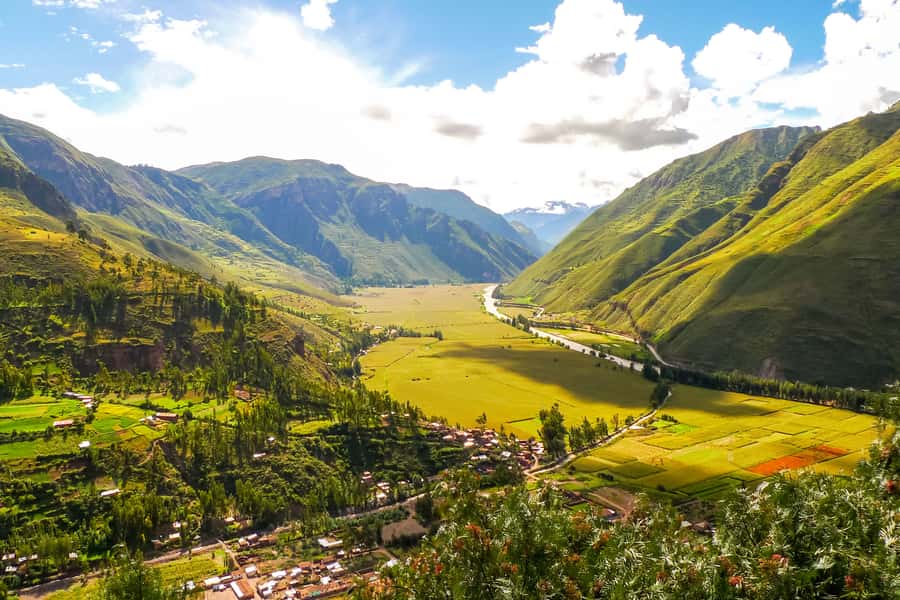
- El Mirador gives you the day’s best introduction: See the Sacred Valley spread below you, with Inca terraces and irrigation channels cut into the hillsides.
- Pisac combines archaeology and local shopping: Expect Inca stonework, agricultural terraces, and the colorful Pisac market.
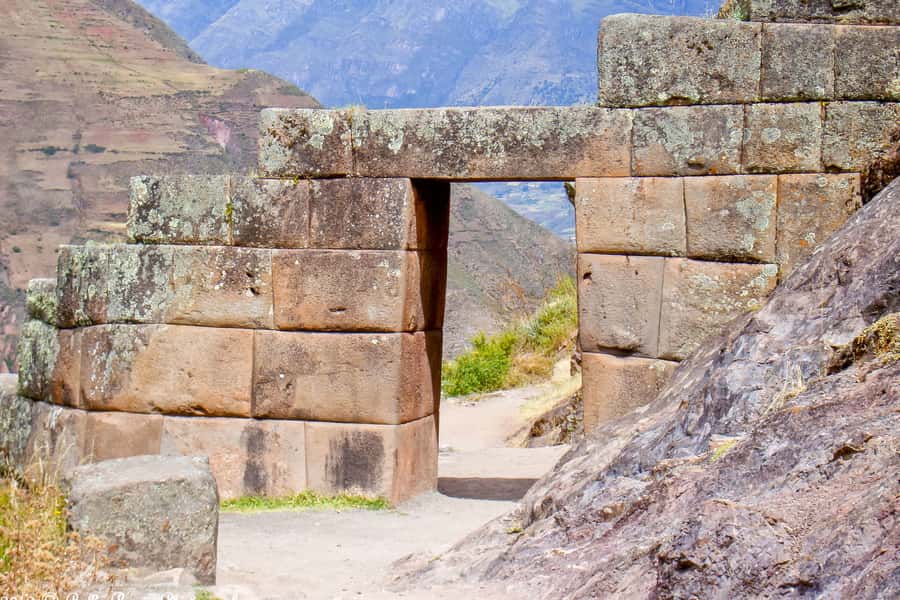
- Ollantaytambo is the strongest architectural stop: Its massive stone construction and sacred rock formations give you a clear sense of Inca skill.
- Chinchero keeps the focus on living traditions: Watch natural dyes being made and learn how alpaca and sheep wool become patterned textiles.
- Lunch is included, but timing can be uneven: The Urubamba buffet is convenient, though some visitors found the food plain and the meal longer than needed.
- Budget for the separate Tourist Ticket: The tour price is $45, but the S/70 entrance ticket is not included unless you select an option that covers ruins.
Why this Sacred Valley day works well
The Sacred Valley is not just a collection of ruins. It was one of the main areas settled by the Incas because its high-altitude plains had unusually fertile soil. The Urubamba River helped support farming, while terraces made it possible to grow crops on steep slopes.
That background matters. Without it, Pisac and Ollantaytambo can look like impressive piles of stone. With it, you begin to see the valley as a carefully managed food-producing area, shaped by irrigation, terraces, roads, and settlements.
This tour gives you that setting in one long circuit from Cusco. You will not spend the day at a single archaeological site. Instead, you move through viewpoints, ruins, a market, a riverside valley, a buffet lunch, and a textile community. The range is the main appeal.
The tradeoff is pace. Eleven hours is enough time to cover the major stops, but it is not a slow, reflective visit to each one. You should book this as an efficient first look at the Sacred Valley, not as a private archaeological study.
More Sacred Valley Days from Cusco:
- From Cusco: Sacred Valley & Maras Salt Mines Tour with Lunch
★ 4.8 · 2,227 reviews - Cusco: Sacred Valley, Pisac, Ollantaytambo, Salt Mines Moray
★ 4.6 · 1,058 reviews - Sacred Valley: Chinchero, Moray, Ollantaytambo & Pisac+Lunch
★ 4.8 · 501 reviews
Starting from Cusco at about 7:30AM
Pickup is offered from hotels in Cusco’s historic center, usually around 7:30AM. The van may collect several people before leaving the city, so the advertised start time should be treated as an approximate window rather than the moment the tour begins.
One past itinerary had a delay of close to an hour before the group finally got moving. That included hotel pickups and time at a transport area without much explanation. This is worth knowing if you dislike uncertain mornings or have booked something immediately afterward.
The group can include up to 15 people. That is a reasonable size for a full-day bus outing. It keeps the cost down while allowing the guide to speak to everyone, though it is not the same as having a private guide who can adjust every stop to your pace.
The guide speaks English and Spanish. On a mixed-language departure, explanations may be repeated in both languages, which takes time but makes the tour accessible to both groups. Eddy was singled out for explaining Cusco, its people, and local culture during the drive. Manuel was also praised for clear explanations at the sites, including Inca jewelry and textile making.
You are dropped at Plaza Regocijo in Cusco at the end of the day, rather than necessarily at your hotel. Keep that in mind when planning dinner or an evening activity.
El Mirador and the first view into the valley
The road north of Cusco winds around the mountains before reaching El Mirador, or the Lookout Point. This is an important first stop because it gives you the valley’s basic shape before you begin visiting individual sites.
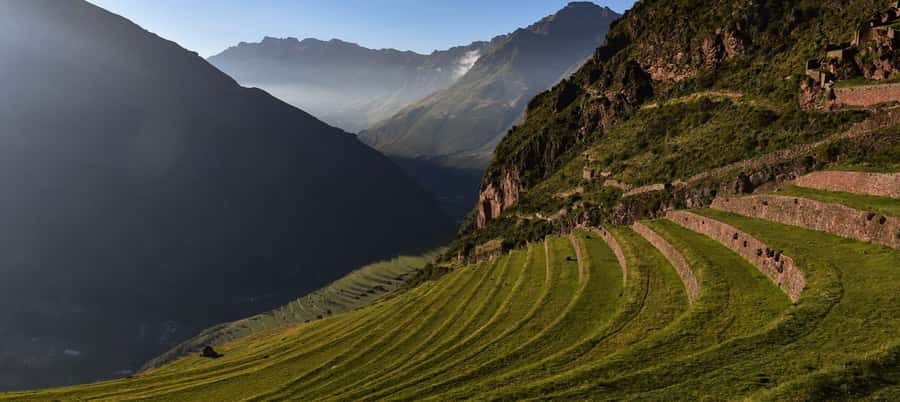
From here, you can see fertile plains set among high Andean peaks. The view also helps explain why the Incas invested so much effort in the area. Contour terraces follow the slopes, and old irrigation channels reveal how carefully water and farmland were managed.
Your guide should add the historical context here, which is one of the tour’s real strengths. A good explanation turns the view into a lesson in farming, settlement, and power. You are not simply looking at mountains. You are seeing an engineered food system spread across a difficult environment.
Bring shoes you can walk in comfortably. The tour is not designed for wheelchair users, and the day includes archaeological sites with uneven ground and steps. The basic packing advice is simple: comfortable shoes are more useful than stylish ones.
Pisac: terraces, stonework, and market time
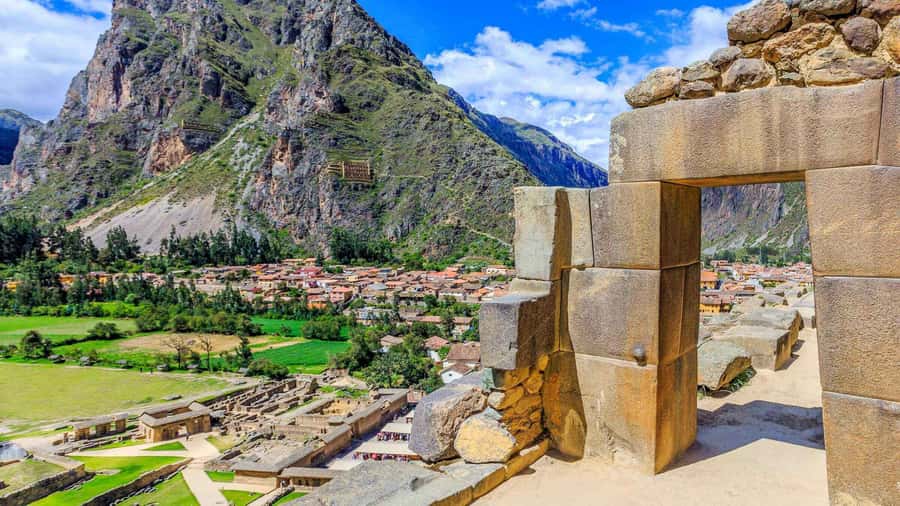
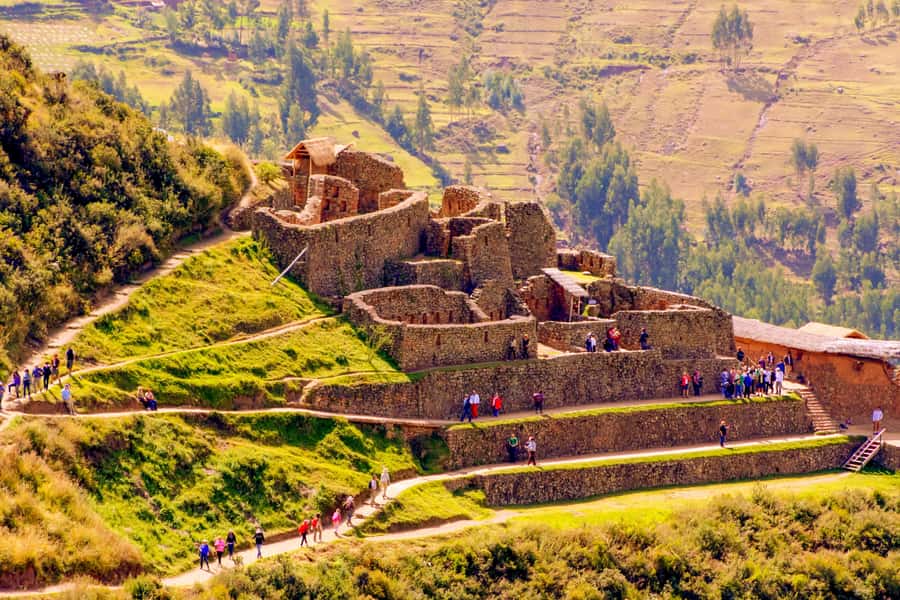
Pisac is one of the day’s key stops. The archaeological area is known for carefully fitted stonework and broad agricultural terraces. The terraces are especially useful for understanding how the Incas used steep terrain instead of avoiding it.
You will have time to learn about Inca culture and see examples of stone construction. The scale of the terraces also gives you a strong sense of the valley’s agricultural purpose. This is one of the places where the guide’s explanation matters more than a quick photograph.
The day also includes the colorful Pisac market. The market adds a very different layer to the visit, with local goods and the chance to see how the area functions as a present-day town rather than only an archaeological site.
There may also be a stop connected with jewelry. One guide explained Inca jewelry-making traditions during a visit to a jewelry shop. Treat such stops as part of the shopping side of the tour, not as a substitute for the ruins. If you plan to buy something, carry cash, especially for later textile purchases in Chinchero.
The exact balance between the ruins and the market can depend on the day’s schedule. If shopping is important to you, ask the guide how much time is planned. If archaeology is your priority, stay focused on the site and do not let the market use up all your available time.
A few more Cusco days worth weighing up
- Cusco: Historical Guided City Tour with 4 Inca Ruins
★ 4.5 · 99 reviews - Machu Picchu Private Archaeological and Historical Guided Tour
★ 5.0 · 86 reviews - 6-Day Cultural Tour to Machu Picchu
★ 5.0 · 76 reviews - Cusco: Historic Walking Tour with Pisco Sour and Music Show
★ 4.6 · 65 reviews
Urubamba lunch and the practical midday pause
After Pisac, the route continues toward Urubamba for a buffet lunch. Having lunch included makes the $45 price easier to assess, since you do not need to organize a separate midday meal while moving through the valley.
The restaurant used by one group was T’ika Wasi. The setting was attractive, but the buffet was described as plain and underwhelming. Another practical issue was the timing: lunch ran from about 1:30PM to 2:45PM, and the reviewer felt 30 minutes would have been enough.
That long pause can be good or bad. You may appreciate sitting down after the morning’s walking, but if breakfast was early, you may feel hungry well before lunch. The meal is best viewed as convenient fuel, not a reason to choose the tour.
Because this is a buffet, you have more control over how much you eat. Still, bring a small snack if you know you need food at regular times. The provided details do not specify additional meals, so anything beyond the included buffet is your responsibility.
Following the Urubamba River to Ollantaytambo
After lunch, the van follows the Urubamba River toward Ollantaytambo. The drive is part of the experience, not merely dead time. You pass rural villages, high mountains, and open valley views, with llamas and alpacas appearing along the route.
Ollantaytambo is the architectural high point of the day. The site was an important Inca construction area during the height of the empire, and its large stonework makes the builders’ technical ability easy to appreciate.
The ruins also include rock formations linked with Wiracocha, an Inca god. Your guide will explain how the stone forms fit into Inca beliefs and the site’s wider purpose. This is where the tour’s history focus is strongest.
The site requires walking, so comfortable footwear matters. The scale can be demanding after a full morning, and you may feel the effect of Cusco’s altitude and the valley’s steep paths. Take the guide’s time cues seriously and do not rush simply to keep up with the fastest people in the group.
Ollantaytambo can also be a split point for different tour packages. Some people may remain there to catch a train toward Machu Picchu, while others continue with the van to Chinchero and Cusco. That means the group may change during the day, and the exact rhythm after Ollantaytambo can differ.
If you are using this tour as transport to Machu Picchu, check your own booking carefully. This experience is described as returning to Cusco and includes Chinchero for those continuing on, so you should not assume a Machu Picchu transfer is included in the $45 price.
Chinchero and the living Quechua textile tradition
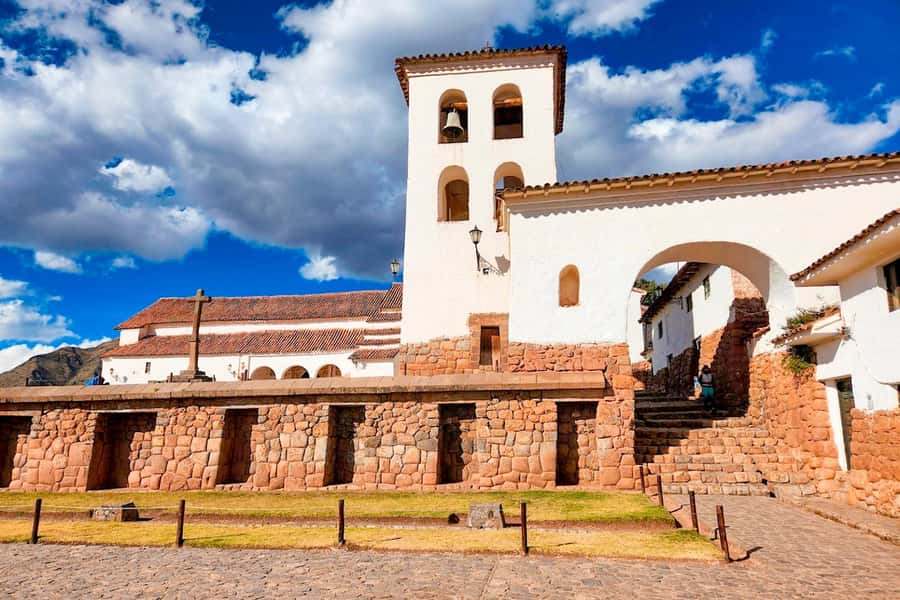
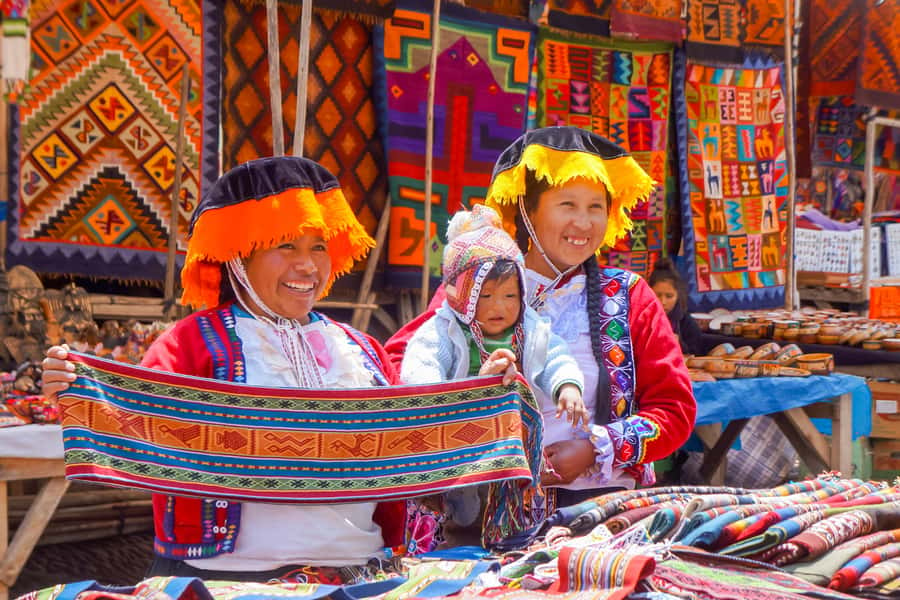
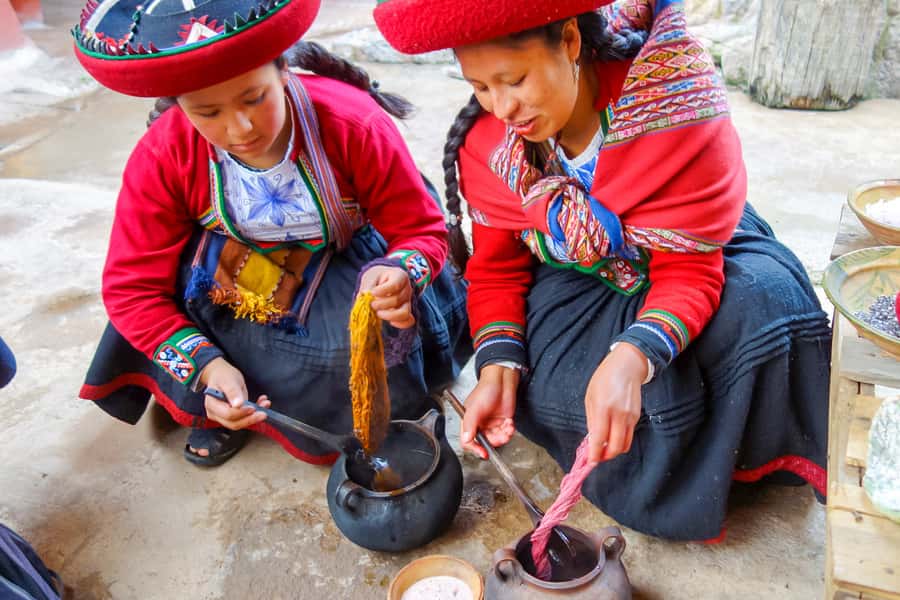
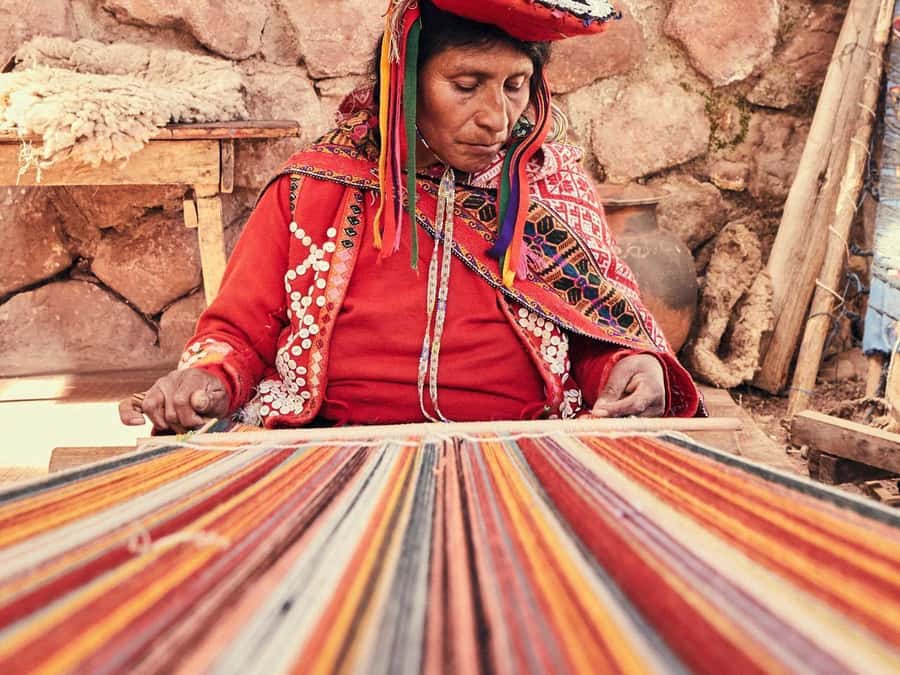
The final major stop is Chinchero, where the focus shifts from stone ruins to textile work. You will learn how natural dyes are made for artisanal fabrics and see how alpaca and sheep wool is turned into textiles.
This is one of the most human parts of the day. The information provided describes residents maintaining old customs, wearing multicolored clothing, and speaking Quechua. The visit gives you a chance to see culture as a living practice rather than something preserved only in a museum or ruin.
The textile demonstration is also practical. You can learn where colors come from and how the wool is prepared and knitted. Guides have explained both alpaca and sheep-wool techniques, along with traditional dyeing methods.
Bring cash if you might buy textiles. Authentic alpaca goods can cost more than souvenir-shop items, but you will want to inspect the material and ask questions before purchasing. The tour gives you access to this craft setting, but it does not include any shopping credit or purchases.
Chinchero arrives late in a long day, so your energy may be lower than it was at Pisac. Still, the change of subject helps. After ruins and terraces, the textile visit gives the tour a useful present-day finish.
What the $45 price really includes
At $45 per person, this is a good-value group day if you want transport, a bilingual guide, and several major Sacred Valley sights in one booking. The included buffet lunch adds practical value, though the food quality may not impress everyone.
The important cost question is the entrance ticket. The S/70 Tourist Ticket is listed separately, unless you choose an option that includes the entrances to the ruins. Check the booking choice carefully before paying, because the headline price may not be your final tour cost.
Transportation is included, along with pickup from hotels in Cusco’s historic center and drop-off at Plaza Regocijo. Pickup outside the historic center is not listed, so you may need to reach an eligible hotel or meeting point.
The small group limit of 15 is another reason the price works. You receive a guided experience without paying private-tour rates. You do give up some control over timing, language order, lunch length, and shopping stops.
Free cancellation is available up to 24 hours before the tour for a full refund, and you can reserve now and pay later. These options help if your Cusco schedule is still changing, but they do not solve the basic issue of the day’s length.
Who should book this day tour?
I would choose this tour if you have one open day in Cusco and want a broad introduction to the Sacred Valley. It suits you especially well if you value archaeology, mountain views, local craft traditions, and a guide who can explain the connections between them.
It is also a good fit for first-time visitors who do not want to arrange several taxis or train connections themselves. The van handles the long route, and the guide provides structure at each stop.
You should think twice if you want a quiet, flexible day. The pickup may run late, the bilingual explanations can extend the schedule, and the group cannot wait indefinitely for one person at every site. It is also not suitable for wheelchair users.
For serious archaeology fans, a private or more specialized tour may give you longer at each ruin. For most people, though, this itinerary covers a lot of ground at a modest price.
Should you book the Sacred Valley History Tour?
Book it if you want maximum coverage in one day and are comfortable with an 11-hour schedule. Pisac, Ollantaytambo, and Chinchero offer three different experiences, while El Mirador and the Urubamba River drive help you understand how the valley fits together.
Before booking, confirm two things: the exact entrance-ticket option and the pickup details for your hotel. Bring comfortable shoes, cash for possible textile purchases, and patience for a group schedule.
I would not choose it for a relaxed day or a carefully timed evening in Cusco. I would choose it for an affordable, well-rounded introduction led by a bilingual guide, especially if a guide such as Eddy or Manuel is assigned and you want both Inca sites and living Quechua traditions.
FAQ
How long does the Sacred Valley tour last?
The tour lasts about 11 hours. Pickup is around 7:30AM, and return to Cusco is around 7:00PM.
Where does pickup take place?
Pickup is included from hotels in the historic center of Cusco. The tour ends with drop-off at Plaza Regocijo.
Which languages does the guide speak?
The live guide speaks English and Spanish. On a mixed-language tour, explanations may be given in both languages.
Is lunch included?
Yes. A buffet lunch in Urubamba is included. Other meals are not specified as included.
Is the entrance ticket included in the $45 price?
The S/70 Tourist Ticket is not included unless you select an option that includes entrance to the ruins. Check the option details when booking.
Is the tour suitable for wheelchair users?
No. The activity is listed as unsuitable for wheelchair users, and comfortable walking shoes are recommended.
More Full-Day in Cusco
- From Cusco: Full-Day Group Tour of Machu Picchu
★ 4.7 · 1,767 reviews - Machu Picchu: Full-Day Tour from Cusco with Optional Lunch
★ 4.6 · 927 reviews - Full-Day Excursion to Sacred Valley, Pisac and Ollantaytambo from Cusco
★ 4.5 · 174 reviews - Food and Culture Full day Tour in the Sacred Valley
★ 5.0 · 144 reviews
Just added around Cusco
- Zipline over the Sacred Valley Trip★ 5.0 · 11 reviews
- Valle Sur Cusco | half day★ 4.3 · 3 reviews
- Visit Pisac from Cusco: Private Transport★ 4.6 · 9 reviews
- Transfer from Cusco to Ollantaytambo★ 5.0 · 30 reviews
- Exclusive Huayna Picchu Tour in 1 Day from Cusco★ 5.0 · 31 reviews
- Trek to Humantay Lake from Cusco★ 4.9 · 8 reviews
- Private Tour Sacred Valley, Chinchero, Maras Moray, Ollantaytambo★ 5.0 · 29 reviews
- 5 Day – Salkantay trek to Machu Picchu – Group Service★ 4.5 · 27 reviews
Sacred Valley Day Trips from Cusco, compared.
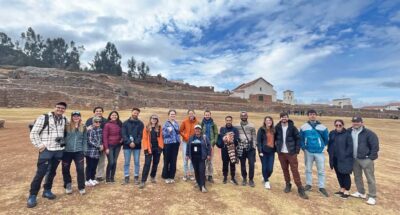
Sacred Valley & Maras Salt Mines Tour with Lunch
Read our review →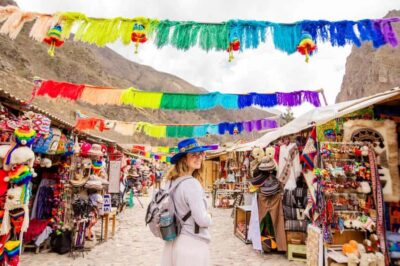
Sacred Valley, Pisac, Ollantaytambo, Salt Mines Moray
Read our review →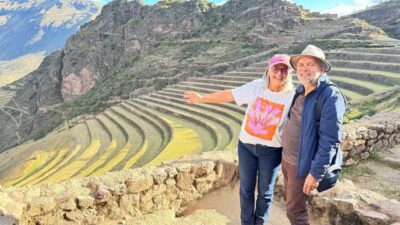

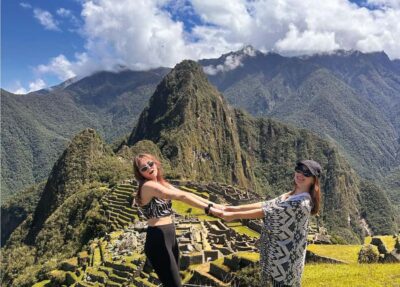
2-Day Trip to the Sacred Valley and Machu Picchu
Read our review →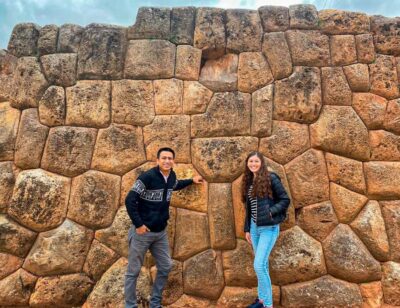
Sacred Valley Pisaq,Ollantaytambo,Chinchero with Lunch
Read our review →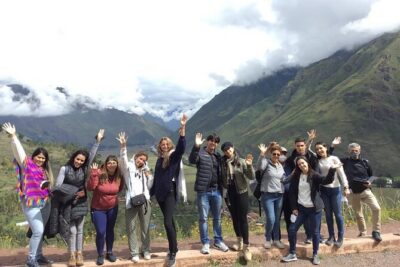
Full-Day Excursion to Sacred Valley, Pisac and Ollantaytambo from Cusco
Read our review →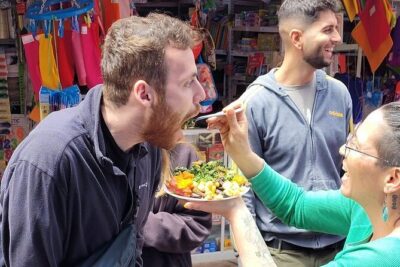
Food and Culture Full day Tour in the Sacred Valley
Read our review →Browse the lists this tour appears in