
Reviewed · MARAS SALT MINES & MORAY TOURS
From Cusco: Chinchero Weavers, Moray, Maras Salt Mines Tour
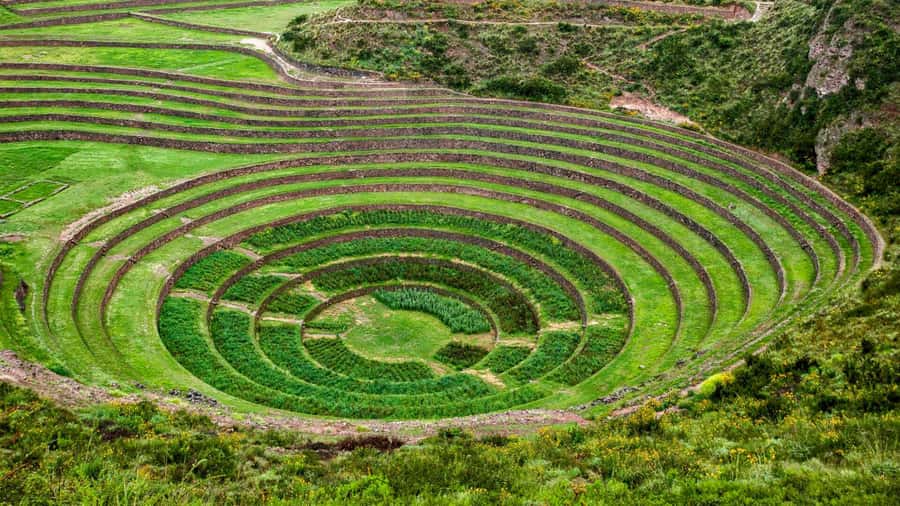
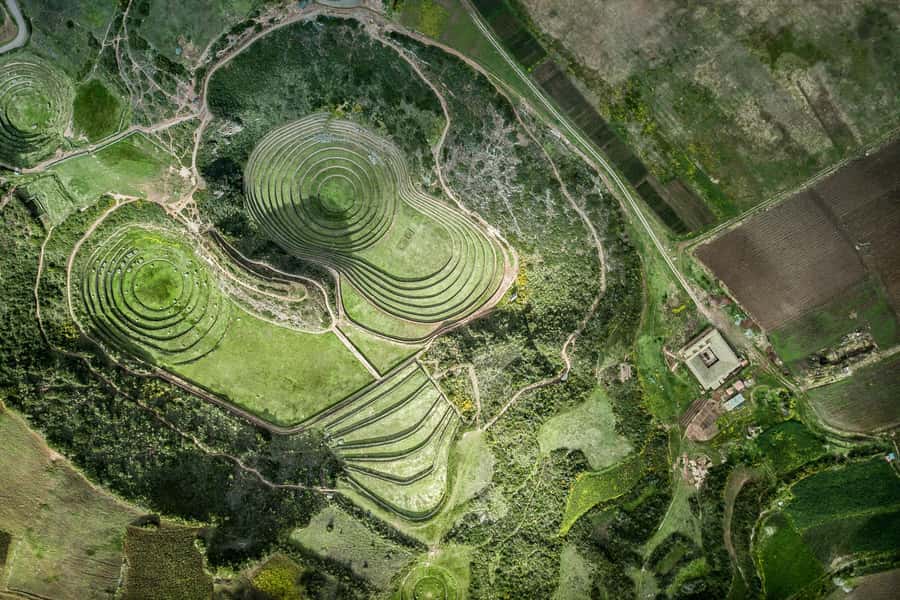
Moray is the star here: a great bowl of circular Inca terraces that once served as an agricultural laboratory, with each level offering a different growing climate. I also like the tour’s efficient trio of stops, moving from farming to salt production to Chinchero’s textile culture before returning to Cusco around 3:00 p.m.
I like the low $13 tour price and the fact that hotel pickup, transport, and a bilingual guide are included. The catch is that the main entrance fees and lunch are extra, and the day may feel brisk if you want a long, quiet visit at every site.
Key points to know before you book
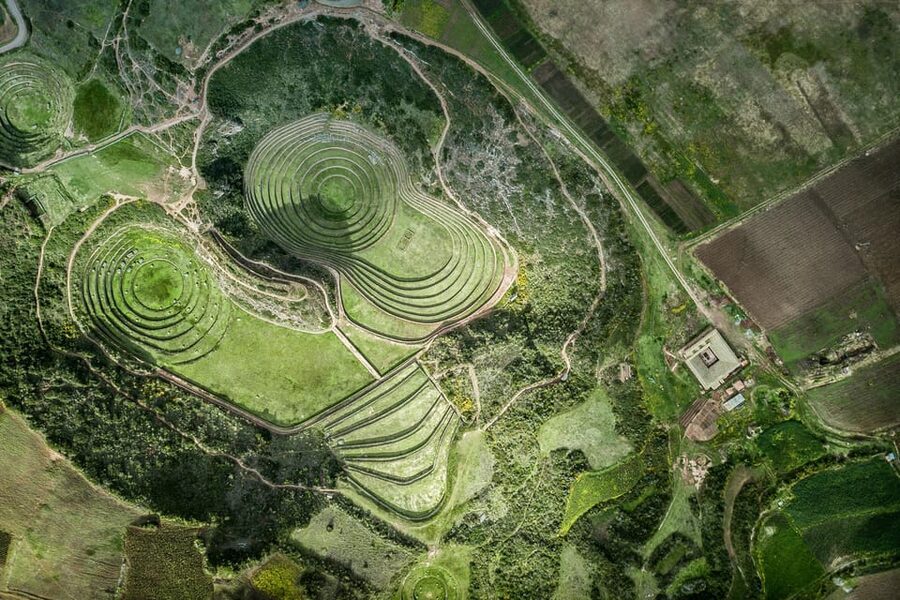
- Moray’s circular terraces are the visual highlight, with broad rings dropping into a striking hollow.
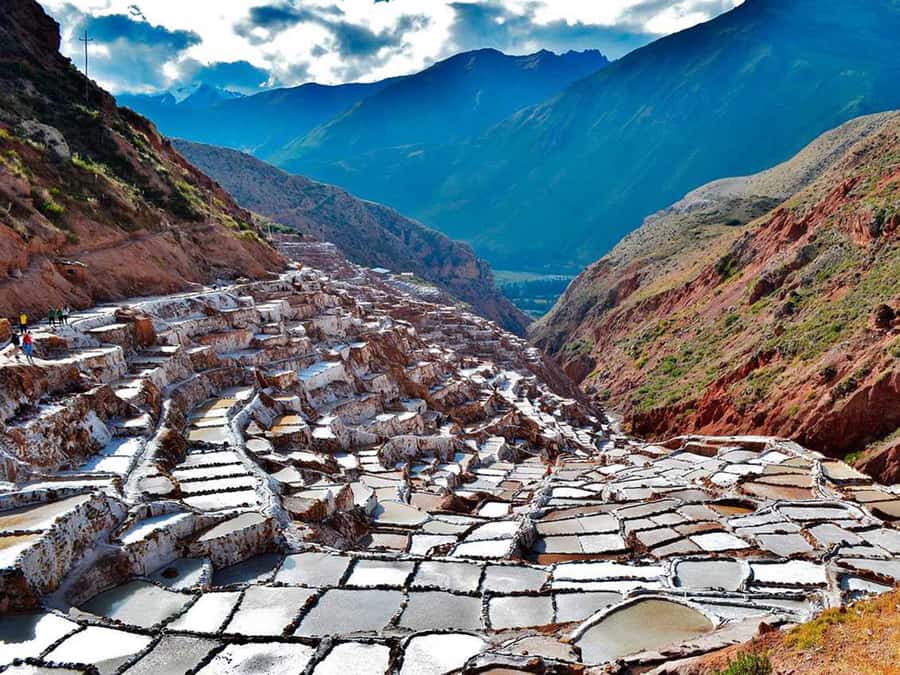
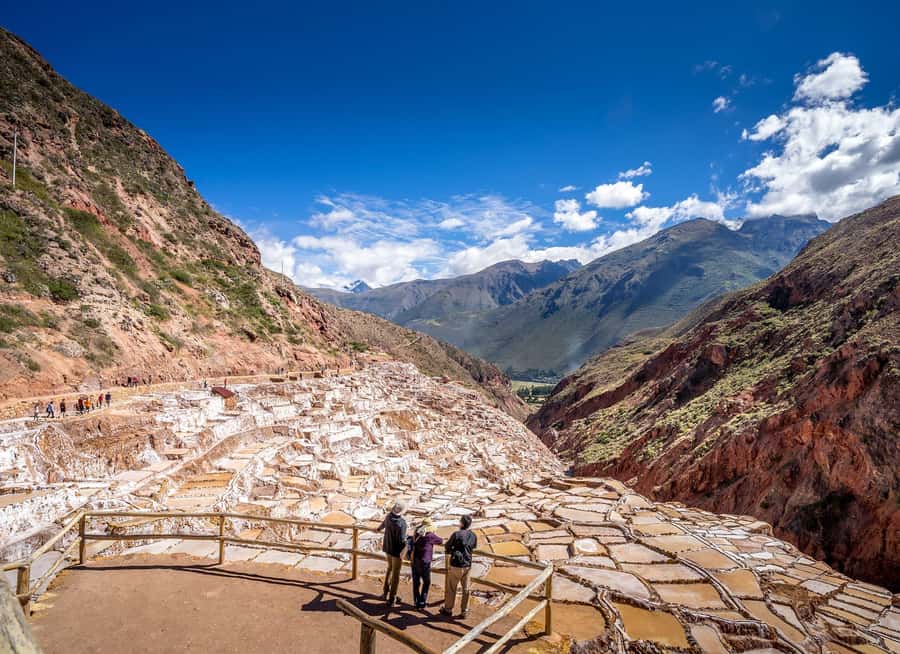
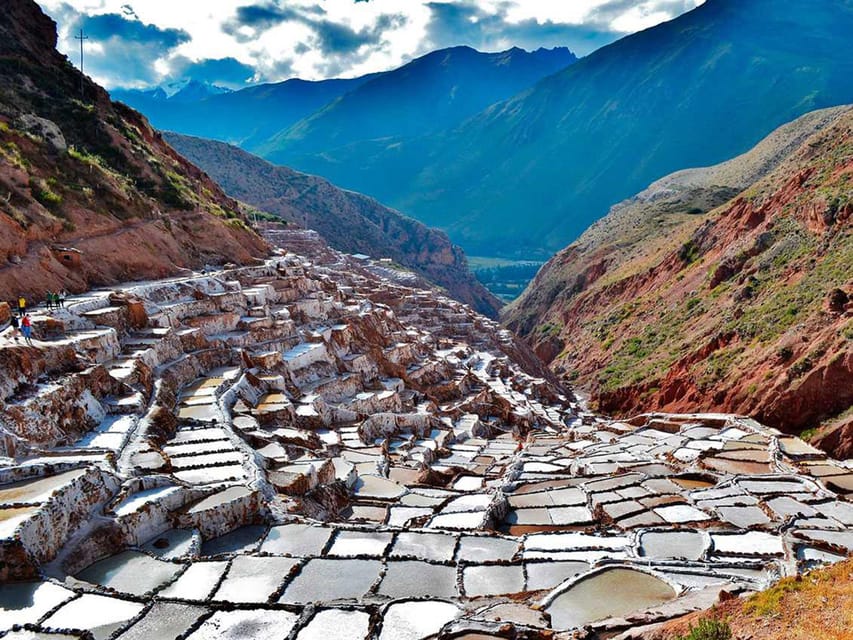
- Maras has more than 3,500 salt ponds, built into the mountainside and fed by salty spring water.
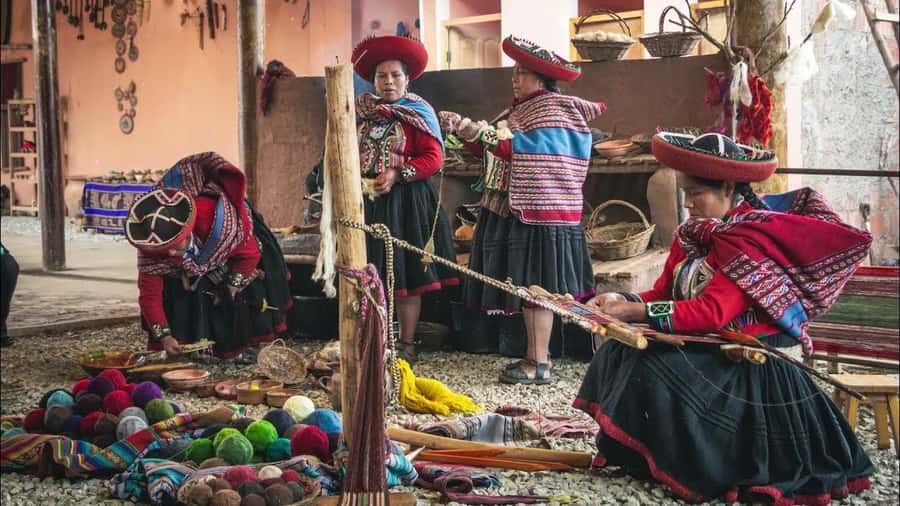
- Chinchero adds a living textile tradition, with an introduction to the process of making Andean cloth.
- The total cost is higher than $13, since Moray and Maras entrance fees are separate.
- Pickup is limited to Cusco’s historic center, and the tour ends there at about 3:00 p.m.
- A bilingual guide matters here, especially if you want context rather than just photo stops. Irina has been praised for explaining clearly in both Spanish and English.
Why this six-hour route works from Cusco
This is a compact way to see three very different parts of the Cusco Region without arranging separate transport. You leave the city in the morning, visit an Inca farming site, see a working salt-producing area, and finish in Chinchero with its textile traditions.
I like the order. Moray comes first, when you are fresh and ready for the main archaeological stop. Maras follows with a completely different visual scene. Chinchero then gives the day a human and cultural finish instead of ending with another ruin.
The schedule runs from an 8:00 a.m. pickup to a return around 3:00 p.m. That makes it useful if you have only a few days in Cusco or want to keep the evening free. The six-hour format also leaves room for other plans, though you should not expect a slow, unhurried day at each place.
Pickup is included only within Cusco’s historic center. If your hotel is outside that area, confirm the meeting point before booking. You also need to enter your phone number with the country code and have WhatsApp available, since that is part of the tour’s contact instructions.
More Chinchero and Weaving Visits from Cusco:
- From Cusco: Moray, Maras Salt Mines & Chinchero Weavers Tour
★ 4.8 · 1,925 reviews - Cusco:Chinchero,Moray & Salt Mines drop-off in Ollantaytambo
★ 4.8 · 793 reviews - Sacred Valley: Chinchero, Moray, Ollantaytambo & Pisac+Lunch
★ 4.8 · 501 reviews
Moray’s rings and the Inca farming experiment
Moray is not a typical ruin with walls, doorways, and carved stone. It is a set of huge, circular terraces cut into the earth. The rings descend toward the center, creating an unusual pattern that is easy to understand from above and impressive from the viewing area.
The site is described as an Inca agricultural laboratory. Each terrace has a different climate, so the Incas could study how crops responded to changing conditions. That makes Moray more interesting than a pretty set of terraces. You are looking at a place built for practical testing, not only ceremony or defense.
Give Moray your best attention. The scale can be hard to judge in photographs, and the circular form is much clearer when you see the full bowl in person. Your guide should explain how the terraces were used and why the changing levels mattered.
The site is one of the places where a live guide adds real value. A short explanation turns the view from a striking shape into evidence of careful farming methods. One guide named Irina has been praised for giving clear explanations in both English and Spanish, so you can request or confirm language support when arranging the tour.
Moray is also the point where the tour’s physical demands begin. The information provided does not give a detailed accessibility plan, and the experience is not suitable for wheelchair users or people with pre-existing medical conditions. If walking or standing is difficult for you, ask the operator for current site conditions before paying.
Maras and its 3,500 salt ponds
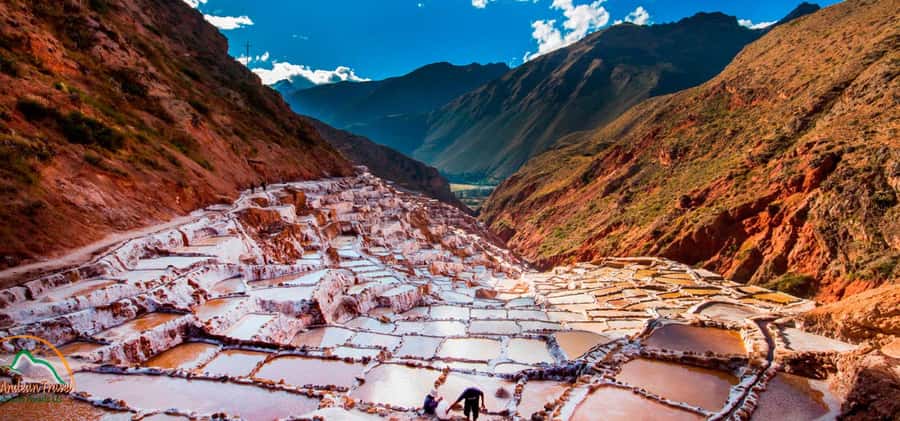
After Moray, the route continues to the Maras salt mines. The site contains more than 3,500 salt ponds, spread across the mountainside in a series of small pools. Their pale surfaces and stacked arrangement create one of the most unusual views near Cusco.
The ponds are supplied by salty water and used to produce salt. The tour description also refers to medicinal properties, but it does not explain how the salt is used or what claims are made. I would treat that detail as part of the local presentation, not as medical advice.
Maras gives you a close look at a traditional production system. It is not simply a scenic stop. The ponds show how people have used local water and steep terrain to make a useful product. Your guide can help connect the visual pattern to the work involved.
This stop has two practical points to keep in mind. First, the entrance fee is not included. The stated price is S/. 15, or about $5. Second, the walk and viewing conditions may not suit everyone. Wheelchair users are specifically excluded from the tour, and anyone with a health condition should think carefully before booking.
Bring water, sunscreen, and a camera. Cash is also important because the entrance charges are separate. Sun can feel strong during outdoor visits, and the tour does not include refreshments or lunch.
Chinchero’s textiles and a small itinerary question
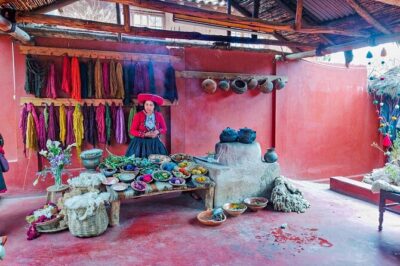
The final destination is Chinchero, a town known here for its textile process. This is a useful change of pace after two large outdoor sites. Instead of focusing only on ancient stonework and natural scenery, you get a chance to see how Andean cloth is made and learn about the work behind the finished patterns.
The supplied schedule describes the Chinchero stop as a visit to observe the salt ponds, while the highlights and activity details describe learning about textiles. That is an important point to clarify before departure. Ask Viaja con Amaru Explorer exactly what the Chinchero visit will include on your date.
If the textile presentation is part of your outing, listen for the stages of the process and ask questions about the materials and techniques shown. The available information does not promise a particular demonstration, workshop, or shopping opportunity, so you should not book expecting hands-on work unless the operator confirms it.
Chinchero is still valuable even when the visit is brief. It gives you a better sense of local craft traditions and rounds out the day. The stop is especially suitable for you if you want more than archaeology and like seeing how local skills remain part of daily life.
More Maras and Moray Circuits from Cusco:
- From Cusco: Sacred Valley & Maras Salt Mines Tour with Lunch
★ 4.8 · 2,227 reviews - Cusco: Sacred Valley, Pisac, Ollantaytambo, Salt Mines Moray
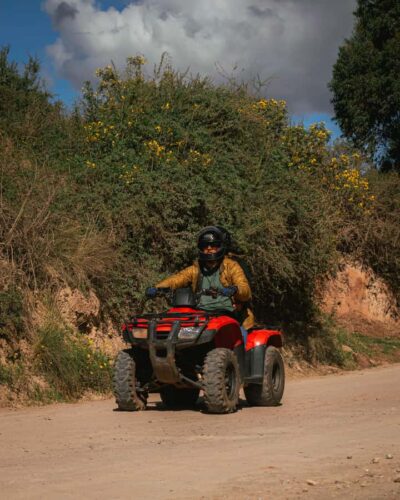
★ 4.6 · 1,058 reviews - Sacred Valley: Maras & Moray by Quad Bike from Cusco
★ 4.6 · 418 reviews - From Cusco: Quad bike tour Moray and Salt Mines
★ 4.7 · 314 reviews
What the $13 price really covers
At $13 per person, this is a very inexpensive way to arrange transport between three attractions. The price includes pickup from a hotel in Cusco’s historic center, round-trip transportation, and a professional bilingual guide in Spanish and English.
That is a good deal if you want a simple group excursion and do not want to negotiate several rides. The guide is the main reason to choose this rather than finding transport alone. A strong explanation helps at Moray, where the terraces need context, and at Maras, where the salt ponds can otherwise seem like a striking but puzzling pattern.
The advertised price does not cover everything. You need to budget for:
- Moray’s partial tourist entrance: S/. 70, or about $20
- Maras salt mine entrance: S/. 15, or about $5
- Lunch
- Any additional personal spending
That makes the known cost about $38 per person before lunch, using the supplied dollar conversions. The exact amount you pay may depend on exchange rates and current local charges.
The entrance fees are a substantial part of the day’s expense, so compare the full cost rather than judging the tour by its headline price. Even so, transport and guiding for six hours can make the package worthwhile, especially if you are traveling alone or with a small group.
How to prepare for the morning departure
Set aside a full morning and early afternoon. Pickup begins at 8:00 a.m., and the return to Cusco’s historic center is expected around 3:00 p.m. Exact pickup timing can vary, so keep your phone available and use WhatsApp as requested.
Wear practical clothing for outdoor sightseeing. The official advice is simple: bring a camera, sunscreen, water, and cash. Those items cover the main needs stated for the tour and the separate entrance charges.
Lunch is not included. The information does not specify a restaurant, meal stop, or time for eating, so bring enough money and ask the guide how the day handles lunch. Do not assume a meal is part of the $13 price.
Alcohol and drugs are not allowed. The tour also is not suitable for wheelchair users or people with pre-existing medical conditions. If either point affects you, contact the supplier before booking rather than relying on a general assumption about the route.
The operator offers free cancellation up to 24 hours before departure and a reserve-now, pay-later option. Last-minute bookings need extra care: check availability by email before paying, since a same-day place is not guaranteed.
The guide can shape the whole experience
A bilingual guide is included, but the quality of the day depends heavily on how well the guide handles timing and explanations. The strongest feedback points to an energetic, smart guide who gives plenty of information while still allowing time to enjoy the sights.
That balance matters. Moray benefits from a proper explanation, but you also need a quiet moment to take in the terraces. Maras needs enough time to understand the salt ponds without turning into a rushed photo stop. At Chinchero, the guide’s ability to explain the textile process can make the final visit feel worthwhile.
Irina is one guide associated with especially strong English and Spanish explanations. You cannot assume she will lead every departure, but you can ask the provider about the guide assigned to your date. If language is important to you, confirm it before booking.
The route may also help you avoid some crowded spaces, depending on the day and the guide’s timing. That is not guaranteed, but an early start gives the tour a sensible chance of reaching the first site before the day becomes busier.
Who should book this tour
I would choose this outing if you want three major points of interest in one half-day and prefer a fixed route with transport included. It suits first-time visitors to Cusco who want a quick introduction to Inca agriculture, salt production, and Chinchero textiles.
It also works well for budget-minded visitors. The base price is low, and the included transport removes much of the hassle of arranging a private car. Just add the entrance fees and lunch when you calculate the real cost.
I would think twice if you need a wheelchair-accessible route, have a medical condition that makes outdoor sightseeing difficult, or prefer long visits at each stop. The schedule is efficient, not leisurely. I would also confirm the Chinchero program because the written details describe both textiles and salt ponds.
Should you book the Moray, Maras, and Chinchero tour?
Book it if you want a practical, affordable day from Cusco that combines Moray’s remarkable terraces with Maras’s salt ponds and a Chinchero cultural stop. The bilingual guiding, historic-center pickup, and six-hour schedule make it easy to fit into a busy itinerary.
Before booking, calculate the full cost, bring cash, and ask what will happen at Chinchero. If you are comfortable with the extra fees and a brisk route, this is a strong-value introduction to three very different sides of the Cusco Region.
FAQ
What time does the tour begin?
Pickup begins at 8:00 a.m. from hotels in the historic center of Cusco.
When does the tour return to Cusco?
The return is expected at approximately 3:00 p.m., with drop-off in Cusco’s historic center.
Is hotel pickup included?
Yes. Pickup is included for hotels located within Cusco’s historic center.
Which languages are available?
The live guide service is available in Spanish and English.
Are the Moray and Maras entrance fees included?
No. Moray requires a stated partial tourist entrance fee of S/. 70, or about $20. Maras requires S/. 15, or about $5.
Is lunch included?
No. Lunch is not included in the tour price.
What should I bring?
Bring a camera, sunscreen, water, and cash for the separate entrance fees and personal expenses.
Can I cancel the booking?
Yes. You can cancel up to 24 hours in advance for a full refund. A reserve-now, pay-later option is also available.
Just added around Cusco
- Zipline over the Sacred Valley Trip★ 5.0 · 11 reviews
- Valle Sur Cusco | half day★ 4.3 · 3 reviews
- Visit Pisac from Cusco: Private Transport★ 4.6 · 9 reviews
- Transfer from Cusco to Ollantaytambo★ 5.0 · 30 reviews
- Exclusive Huayna Picchu Tour in 1 Day from Cusco★ 5.0 · 31 reviews
- Trek to Humantay Lake from Cusco★ 4.9 · 8 reviews
- Private Tour Sacred Valley, Chinchero, Maras Moray, Ollantaytambo★ 5.0 · 29 reviews
- 5 Day – Salkantay trek to Machu Picchu – Group Service★ 4.5 · 27 reviews
Maras Salt Mines & Moray Tours, compared.
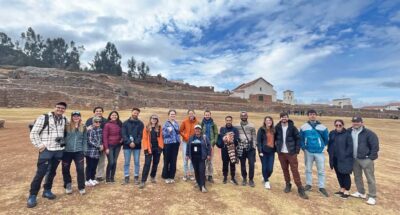
Sacred Valley & Maras Salt Mines Tour with Lunch
Read our review →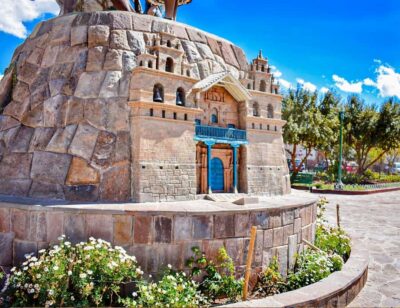
Moray, Maras Salt Mines & Chinchero Weavers Tour
Read our review →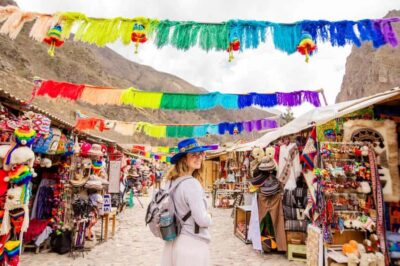
Sacred Valley, Pisac, Ollantaytambo, Salt Mines Moray
Read our review →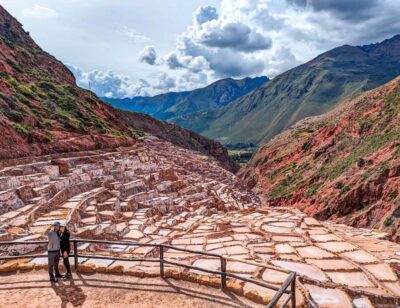
Chinchero,Moray & Salt Mines drop-off in Ollantaytambo
Read our review →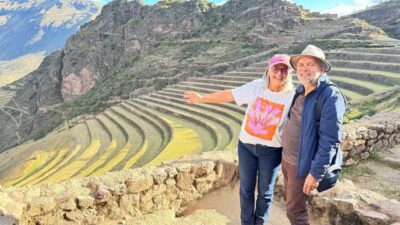

Moray, Maras Salt Mines & Chinchero Weavers Half-Day
Read our review →Browse the lists this tour appears in