
Reviewed · TIPON & THE SOUTH VALLEY TOURS
From Cusco: South Valley Villages and Archaeology Tour
The best part of this five-hour outing is its range. In one morning, you see Inca engineering at Tipón, a pre-Inca adobe city at Pikillacta, and the painted church of Andahuaylillas, often called Peru’s Sistine Chapel. It is a compact lesson in how many cultures shaped the Cusco region.
I like the calm pace and the mix of archaeology, art, and food. I also like that hotel pickup, shared transport, and an English and Spanish-speaking guide are included. The main drawback is that entrance fees and lunch are extra, so the $29 price is a starting point rather than the full cost.
Key points to know before booking
- Tipón’s water system is the morning’s engineering highlight: See terraces, channels, baths, and a temple complex linked to Inca farming.
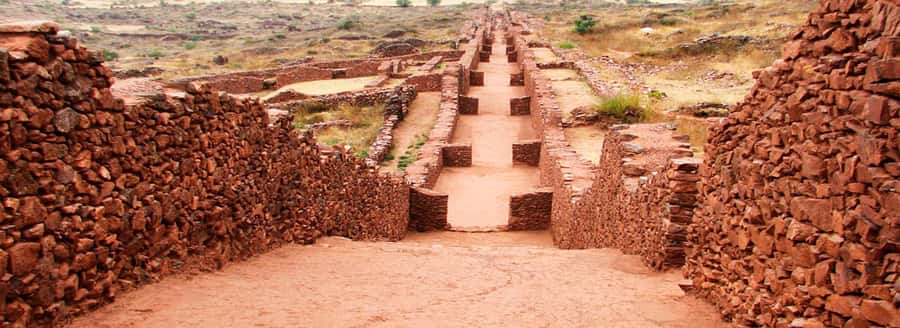
- Pikillacta adds an older chapter: Walk among adobe remains built by the Huari people around 700 to 900 AD.
- Andahuaylillas is more than a church stop: Its painted interiors include work from the Escuela Cuzqueña.
- Saylla brings food into the itinerary: You can try pork chicharrones or roasted guinea pig, but lunch is not included.
- The five-hour format works well: You get several major sights without giving up a full day in Cusco.
- Budget beyond the advertised price: Admission fees, lunch, and the non-refundable booking policy matter when you compare options.
Why the South Valley makes a smart half-day trip
Cusco is often treated as the gateway to Machu Picchu and the Sacred Valley, but the South Valley deserves its own morning. It gives you a different view of the region, with agricultural terraces, broad rural views, pre-Inca ruins, and colonial religious art.
I like this route because it avoids making the morning all about one famous ruin. Tipón explains how water made farming possible. Pikillacta shifts your attention to a society that came before the Incas. Andahuaylillas then shows how local art changed under Spanish rule while retaining a distinct Cusco style.
The tour lasts about five hours. That makes it useful if you have limited time in Cusco or want an outing that leaves part of the day free. Shared transport also keeps the cost down, though you should expect less control over the exact pace than you would have with a private vehicle.
Hotel pickup and drop-off are included in Cusco. The exact departure times are not fixed in the information provided, so check availability before booking. A live guide speaks English and Spanish, which is important at sites where a quick walk through the ruins would otherwise leave many details unexplained.
More South Valley Days from Cusco:
- SOUTH VALLEY CUSCO
★ 4.1 · 56 reviews - Cusco South Valley: Morning Half Day Tour
★ 4.2 · 15 reviews - Half-Day Tour Tipón, Pikillaqta & Andahuaylillas Shared Tour
★ 5.0 · 4 reviews
Tipón: where Inca farming becomes visible
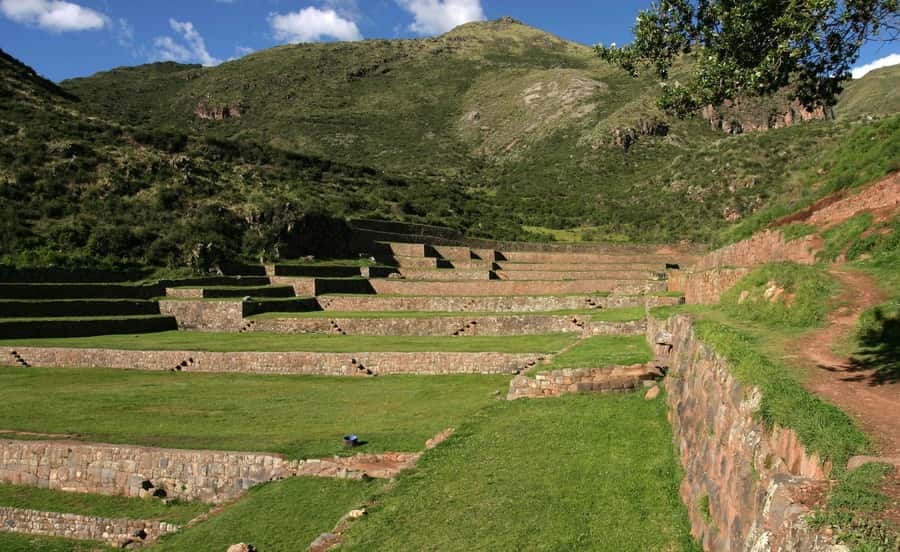
Tipón is the first major stop, and it gives you a clear look at Inca practical skill. The site is thought to have been a royal garden commissioned by the Inca god Viracocha. Its terraces were not simply slopes cut into a hillside. They were part of a carefully planned agricultural system supplied by an aqueduct connected with Pachatusan mountain.
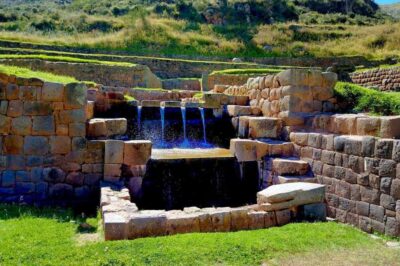
The water is the key. At Tipón, you can see how channels directed it through the terraces and into different parts of the complex. That makes the site easier to understand than a ruin made up only of walls and foundations. You are looking at a working idea: control the water, shape the land, and create productive growing areas.
Your guide should help connect the channels with daily life. The terraces reveal how the Incas adapted farming to steep ground, while the baths and temple complex show that the area had a ceremonial and royal purpose as well. I would pay close attention to where the water flows and how neatly the stonework was fitted. Those details explain more than a broad statement about Inca engineering.
Tipón also sets a good tone for the rest of the trip. It is not only about taking photos of stonework. You are learning why the site was built and how agriculture, religion, and political power came together.
Pikillacta: an adobe city before the Incas
The next stop is Pikillacta, a pre-Inca site built by the indigenous Huari people around 700 to 900 AD. That date matters. The Huari were active in the Andes long before the Inca state expanded across the region, so Pikillacta gives you a useful reminder that Cusco’s story did not begin with the Incas.
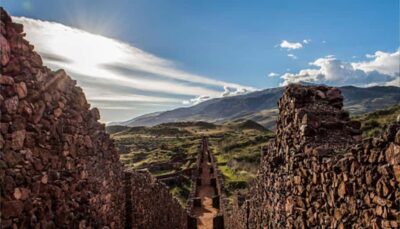
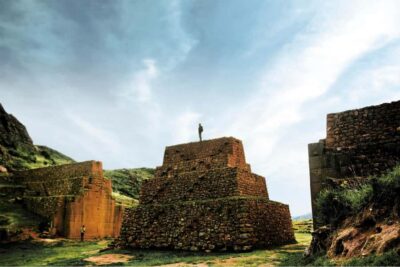
Unlike Tipón, which is known for terraces and water, Pikillacta is an adobe complex. Its earth-colored walls and planned structures create a different visual experience. The remains help you picture a settled community with organized buildings rather than a small ceremonial site.
I find this stop valuable because it breaks the common habit of treating every Andean ruin as Inca. Your guide can place the Huari site in an older time period and help you compare its building methods and purpose with what you saw at Tipón.
The information does not specify how long you spend at each stop, so the depth of the visit will depend on the group and the guide. If you enjoy archaeology, listen closely here and ask questions. Pikillacta may not have the same immediate visual impact as Tipón, but it gives the tour much better historical balance.
Andahuaylillas and the painted interior
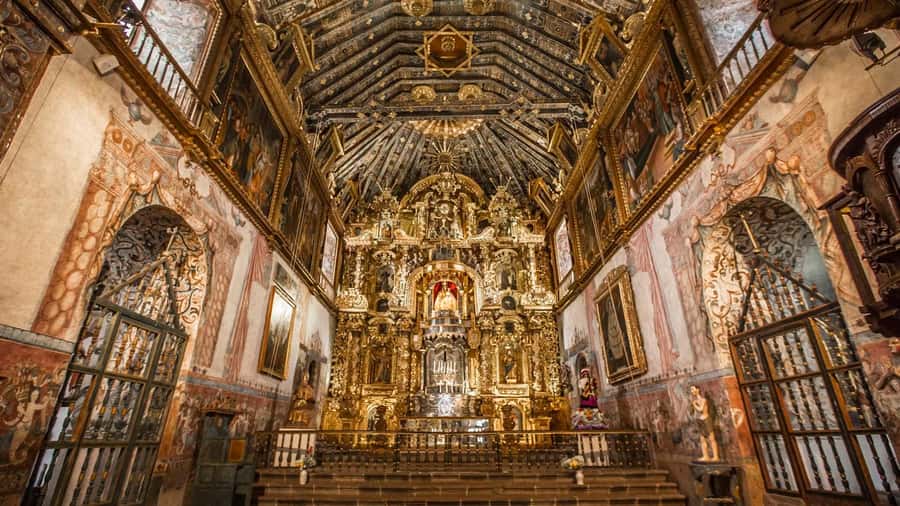
Andahuaylillas provides the sharpest change of mood. After stone terraces and adobe walls, you enter a church known as the Sistine Chapel of Peru. Its interior includes elaborate paintings from the Escuela Cuzqueña, a local artistic tradition that blended European religious themes with Andean influences.
This is the stop where a guide adds real value. A quick visit can leave you seeing only colorful walls and ornate decoration. With explanation, you can begin to notice how the paintings were used to teach religious ideas and how local artists developed their own visual language.
The church is the tour’s art highlight, but it is also a reminder that colonial Peru was not simply a European copy. The work associated with the Escuela Cuzqueña reflects the meeting of outside religious imagery and local skill. Look carefully at the painted surfaces and the amount of detail. This is a place for slowing down rather than rushing through a checklist.
Photography rules and access details are not provided, so follow the guide’s instructions inside. Churches can also be quieter and more formal than the archaeological stops. Modest behavior is a good idea, especially if services or local religious activity are taking place.
Same altitude, a completely different day:
- Cusco: Humantay Lake Tour with Breakfast and Buffet Lunch
★ 4.9 · 2,976 reviews - From Cusco: Sacred Valley & Maras Salt Mines Tour with Lunch
★ 4.8 · 2,227 reviews - From Cusco: Moray, Maras Salt Mines & Chinchero Weavers Tour
★ 4.8 · 1,925 reviews - From Cusco: Full-Day Group Tour of Machu Picchu
★ 4.7 · 1,767 reviews
Saylla food, with lunch kept separate
The route returns toward Cusco through Saylla, where you can try traditional pork chicharrones or roasted guinea pig. This gives the day a local food angle, but lunch is not included in the tour price.
Chicharrones are fried or roasted pork served in a hearty local style. Guinea pig, known locally as cuy, is one of the region’s best-known traditional dishes. If you want to try something closely tied to Andean food culture, this is the moment. If you prefer familiar food, you can choose the pork instead.
I would keep the meal in perspective. The food stop is convenient and culturally interesting, but it should not be the main reason you book the excursion. One recorded experience found the lunch disappointing, so I would treat Saylla as a useful chance to sample local cooking rather than a guaranteed culinary highlight.
Since lunch costs extra, bring enough cash or confirm the payment details before leaving Cusco. The supplied information does not give a meal price or a specific restaurant, so you cannot calculate the final cost exactly in advance.
What the $29 price really covers
At $29 per person, this is an appealing price for a half-day outing with hotel pickup, drop-off, shared transportation, and a bilingual guide. You are paying for a broad route rather than one isolated attraction.
The value is strongest if you want several different experiences in one morning. A separate visit to Tipón, Pikillacta, and Andahuaylillas would require arranging transport between them and learning the context on your own. Here, one guide ties the stops together.
Still, compare the advertised price with the actual day’s spending. Entrance fees are not included, and neither is lunch. The cost of those items is not supplied, so check before booking if you need a precise budget.
The tour is also non-refundable. That is important if your Cusco schedule may change. Book only when your plans are firm, since cancellation does not result in a refund under the stated policy.
Who will enjoy this five-hour outing
I would recommend this tour to you if you want a compact introduction to the Cusco region beyond the city center. It suits first-time visitors who want archaeology, art, and local food without committing an entire day.
It is also a good fit for anyone interested in how Andean societies used land and water. Tipón provides the clearest lesson, while Pikillacta adds an older cultural layer. Andahuaylillas then brings in colonial art and religion.
You may want a different arrangement if you prefer a slow, private visit with full control over every stop. Shared transportation means the group sets the rhythm. The tour also may not satisfy you if your main goal is a long food experience, since the meal is optional and not included.
Pet owners should note that pets are not allowed. The activity is offered with a live guide in English and Spanish, so choose the language you need when checking availability.
Should you book the South Valley tour?
Book it if you want strong variety for a low starting price. Tipón is the most useful stop for understanding Inca farming, Pikillacta prevents the day from becoming an Inca-only lesson, and Andahuaylillas adds striking art that you would miss by focusing only on ruins.
Go in with three expectations: the tour uses shared transport, extra costs apply, and the Saylla meal may be ordinary rather than memorable. If those limits suit you, this is a practical and well-rounded way to spend five hours outside Cusco.
FAQ
How long does the South Valley tour last?
The tour lasts five hours. Check availability for the starting times offered on your chosen date.
Does the tour include hotel pickup and drop-off?
Yes. Hotel pickup and drop-off in Cusco are included.
Is transportation private or shared?
Transportation is shared.
Are entrance fees included in the $29 price?
No. Entrance fees are not included in the advertised price.
Is lunch included?
No. Lunch is not included. At Saylla, you can choose traditional food such as pork chicharrones or roasted guinea pig.
What languages does the guide speak?
The live guide speaks English and Spanish.
Just added around Cusco
- Zipline over the Sacred Valley Trip★ 5.0 · 11 reviews
- Valle Sur Cusco | half day★ 4.3 · 3 reviews
- Visit Pisac from Cusco: Private Transport★ 4.6 · 9 reviews
- Transfer from Cusco to Ollantaytambo★ 5.0 · 30 reviews
- Exclusive Huayna Picchu Tour in 1 Day from Cusco★ 5.0 · 31 reviews
- Trek to Humantay Lake from Cusco★ 4.9 · 8 reviews
- Private Tour Sacred Valley, Chinchero, Maras Moray, Ollantaytambo★ 5.0 · 29 reviews
- 5 Day – Salkantay trek to Machu Picchu – Group Service★ 4.5 · 27 reviews
Tipon & the South Valley Tours, compared.
Half-Day Tour Tipón, Pikillaqta & Andahuaylillas Shared Tour
Read our review →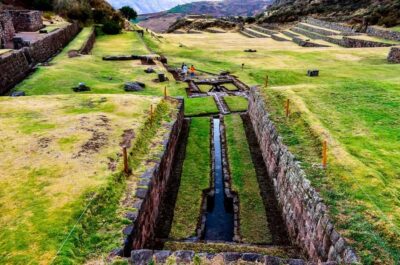
Browse the lists this tour appears in