
Reviewed · INCA TRAIL TREKS TO MACHU PICCHU
Inca Trail 4 Day Adventure to Machu Picchu with Panoramic Train
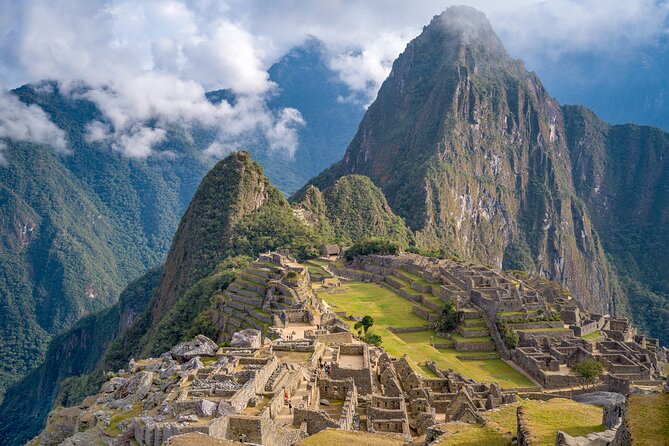
The best part of this four-day trek is the way Machu Picchu arrives at the end of a real mountain journey, not after a quick train ride. You walk from Km 82 through Patallacta, cross the 4,200-meter Dead Woman Pass, pass cloud-forest ruins, and enter through the Sun Gate. The final view is earned.
I like two things right away: the strong local team, with guides such as Paolo and Raul praised for their care and Inca knowledge, and the practical support of porters, a cook, tents, mattresses, meals, snacks, and boiled water. The main caution is the physical demand. Day two is long and steep, and the 4,200-meter pass is no small hill.
Key points to know before booking
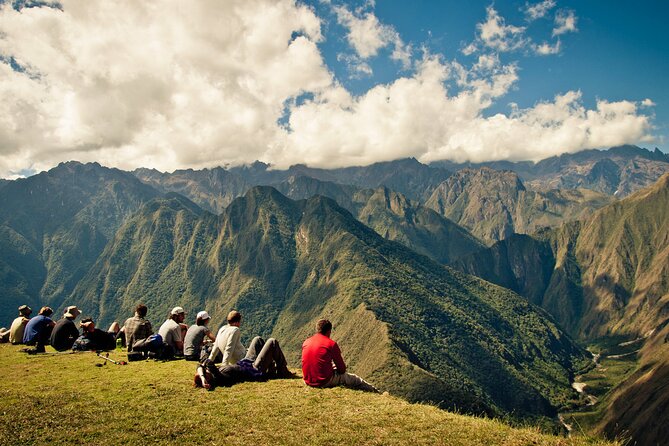
- The classic route begins at Km 82: Your first major walk leads to Patallacta, one of the trail’s most impressive archaeological sites.
- Day two reaches 4,200 meters: This is the hardest day, with about eight hours of hiking and a steep descent into Pacaymayu Valley.
- The Sun Gate is your entrance to Machu Picchu: You reach Inti Punku on foot before a two-hour guided visit inside the citadel.
- Porters carry the camp setup: Tents, kitchen gear, tables, chairs, and mattresses are provided, reducing the load you need to carry.
- The $950 price covers a lot: Permits, trail and Machu Picchu admission, food, staff, transport, and the tourist train are included.
- Huayna Picchu costs extra: You can add the mountain after the Machu Picchu visit, but its ticket is not part of the package.
Why this four-day Inca Trail feels different
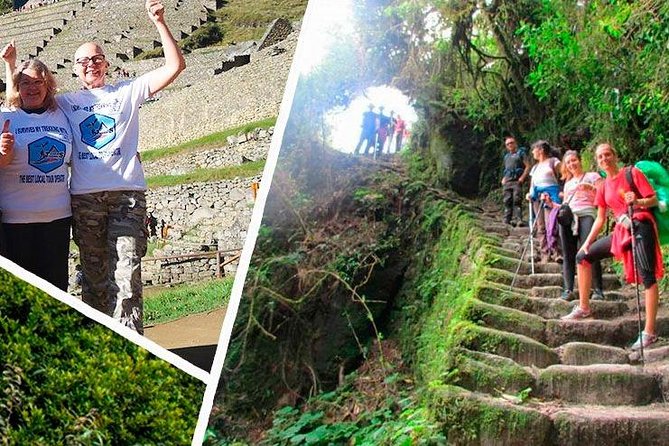
The Inca Trail is not simply a route to an archaeological site. It is a changing walk through old stonework, high mountain passes, grassland, cloud forest, and steep stairways. The route asks more from you than the short Inca Trail options, but it also gives you more time to settle into the rhythm of walking.
This operator is locally based and places clear emphasis on community support. Its stated work includes providing school supplies such as books, notebooks, and pencils to children in remote communities. That does not change the difficulty of the trek, but it may matter to you if you prefer spending your money with a Peruvian company tied to local communities.
The group limit is 16 people. That is large enough to create a social atmosphere, but still small enough for a guide to manage the group on a narrow trail. The available feedback gives the company a 4.9 rating from 34 reviews, with 97 percent recommended. The strongest praise centers on guides, food, porter support, and careful pacing.
More Inca Trail Departures from Cusco:
- Cusco: 4-Day Inca Trail to Machu Picchu with Accommodation
★ 4.8 · 432 reviews - Cusco: Machu Picchu 2-Day Inca Trail with Panoramic Train
★ 4.9 · 260 reviews - From Cusco: 2-Day Inca Trail to Machu Picchu
★ 4.2 · 244 reviews
Day one: from Km 82 to Patallacta and Wayllabamba
Your pickup is scheduled for 5:00 in the morning. The drive heads toward Piskacucho, also called Km 82, but includes a short stop in Ollantaytambo first. This is useful for last-minute needs, since you can buy equipment or personal items there and order breakfast at a local restaurant.
Do not count on that breakfast as part of the tour. The first breakfast is excluded, so bring money and allow enough time to eat. You will want a solid start before walking for roughly six to seven hours.
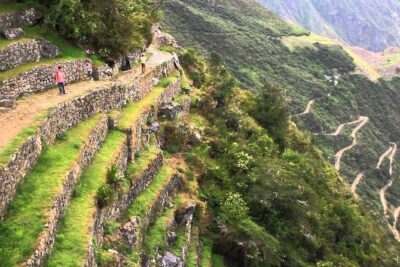
At Km 82, the trail begins. The first major goal is Patallacta, reached after about two hours. This large Inca site gives your guide an early chance to explain the road, the settlements, and the purpose of the stone remains. It is a good opening scene because you encounter serious archaeology before the harder climbs begin.
After another stretch of walking, you stop for lunch. Meals are served in buffet style, and the cook can work with vegetarian, vegan, and pescetarian preferences. After a short rest, you continue for another two and a half to three hours toward the first campsite at Wayllabamba.
The first day is not the hardest, but the early pickup and sustained walking make it a full day. I would use it to learn how your boots, socks, pack, and rain gear feel. If something rubs or pinches, fix it that evening rather than waiting for the high pass.
Day two: the 4,200-meter climb to Dead Woman Pass
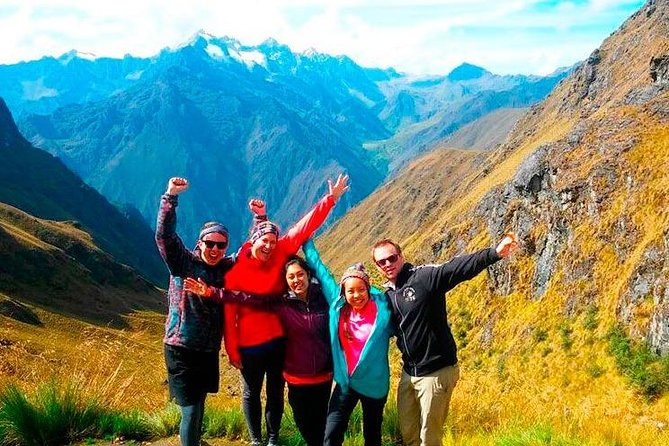
Day two is the test. You wake early, have breakfast, and begin while the mountain shadows still offer some relief. The goal is Warmiwañusca, better known as Dead Woman Pass, at 4,200 meters or 13,780 feet.
The walking time is about eight hours. For most people, the hard part is not one dramatic scramble but the steady uphill work at altitude. Your pace matters more than speed. The guide teams associated with this company, including Paolo and Raul, are praised for adjusting the walk to different ages and abilities. That is especially useful for families or mixed-ability groups.
The climb also gives you the clearest sense of how the Andes change with elevation. The route passes through different ecological zones and microclimates, with the scenery opening and closing as the trail rises. At the pass, stop for a short rest and take in the high mountain views before beginning the descent.
The way down leads into Pacaymayu Valley. Descending can feel easier at first, but steep stone steps can be tiring on knees and thighs. Walking poles are not included, though a professional Black Diamond pair can be rented for $20. If you have used poles before, this is one section where they may help.
Altitude is the serious consideration here. The tour requires moderate physical fitness, but that phrase should not be read as a promise of an easy walk. You should be ready for long days, steep steps, and high elevation. A first-aid kit and oxygen bottle are carried by the team, but these are safety provisions, not substitutes for preparation.
Day three: Phuyupatamarca, cloud forest, and Wiñay Wayna
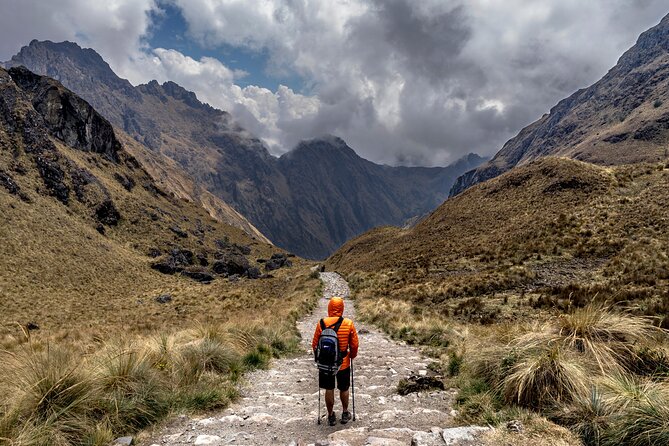
Day three is often the most scenic part of the route. After an early breakfast, you walk for about two hours along a relatively level section called the Inca Flat. This provides a welcome change after the previous day’s climb.
The route offers views toward the snow-covered Salkantay mountain and the Vilcabamba range. You then reach Phuyupatamarca, the Town in the Clouds, at about 3,650 meters or 11,975 feet. The site is memorable not only for its stonework but also for its position high above the surrounding valleys.
From there, the character of the walk changes again. You descend into cloud forest, where small streams, waterfalls, palms, orchids, bromeliads, parrots, and parakeets may appear. The contrast is one of the great pleasures of the Inca Trail. In a few hours, you move from high, open mountain terrain into a warmer and wetter world.
After lunch, you continue toward Wiñay Wayna, one of the route’s major archaeological highlights. The supplied plan cuts off part of the description, so exact timing for this section is not provided, but the day is listed at roughly six hours of walking.
This is the point where a strong guide adds real value. Guides such as Raul and Paolo are praised for explaining Inca culture, beliefs, and the sites along the way. You are not merely passing through old walls. You have time to stop, ask questions, and understand how the route connects the different settlements.
More Train Runs to Machu Picchu from Cusco:
- The First Class Machu Picchu Train by Inca Rail
★ 4.0 · 182 reviews - From Cusco: 1-day Machu Picchu Tour by Train
★ 4.6 · 138 reviews - 2-Day Machu Picchu Tour by train from Cusco ( All included )
★ 5.0 · 85 reviews - Machu Picchu: 5-Day Salkantay Trek with Panoramic Train
★ 5.0 · 79 reviews
Day four: entering Machu Picchu through Inti Punku
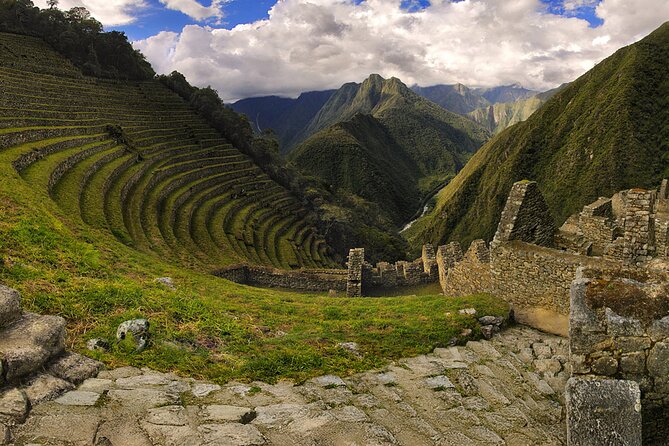
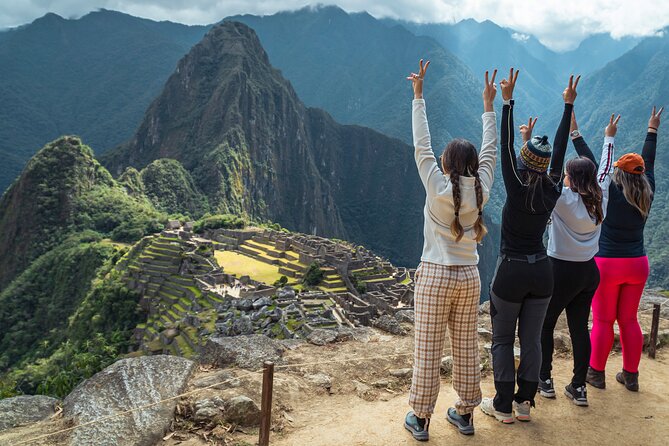
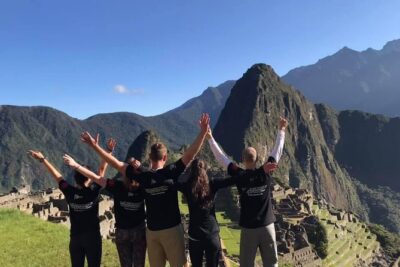
The final morning begins early. You say goodbye to the porters and cook, then make the last walk toward Machu Picchu. The emotional high point comes at Inti Punku, the Sun Gate, where the citadel first appears in a broad view.
This approach is a major reason to choose the four-day route. You do not first see Machu Picchu from a bus or from inside the town. You reach it after several days on foot, with the trail and mountains behind you. The route from the Sun Gate continues toward the entrance area, where you register before beginning a guided tour of about two hours.
Your guide explains key places such as the Temple of the Sun, the Temple of the Water, and the Temple of the Moon. The exact access and movement inside Machu Picchu can depend on current site rules, but the package includes the entrance and the guided visit described here.
After the tour, you have time to explore independently and take photographs. That free time is useful because a two-hour explanation can never cover every corner that catches your eye. Keep in mind that the day is not finished once you leave the citadel. You still need to reach Aguas Calientes and board the return train.
Huayna Picchu is optional and costs extra. The plan allows you to visit it after the Machu Picchu tour, with about two additional hours listed for the mountain. If you want this add-on, confirm availability and cost before you commit, since it is not included in the $950 price.
Camping, food, porters, and what you carry
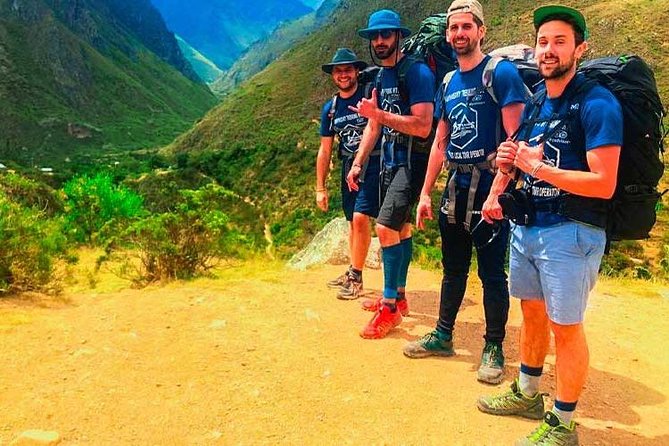
The support setup is one of the package’s biggest strengths. Porters carry the camping equipment and kitchen gear, while the crew provides four-season tents shared by two people, mattresses, a kitchen tent, portable chairs, and a table.
You should still expect to carry your personal items. The tour does not state a specific personal luggage allowance, so ask for the current limit before departure. Pack light, protect clothing from rain, and keep anything important in a waterproof bag.
Three breakfasts, three lunches, and three dinners are included during the trek, along with a daily snack and boiled drinking water. The food is served buffet style, and vegetarian, vegan, and pescetarian meals can be arranged. Mineral water is not included, although bottles may be available for purchase at some campsites.
Sleeping bags are extra, with rental listed at $20 for a professional model. Walking sticks also cost $20 to rent. The first breakfast and the final lunch and dinner are not included. These are small expenses beside the tour price, but they are easy to overlook when planning your budget.
The kitchen crew receives some of the warmest praise attached to this trip. That matters because a hot, filling meal after a long day can change how you feel about the next morning. The professional cook is also an important part of making special diets workable in a remote setting.
Guides, pacing, and group size
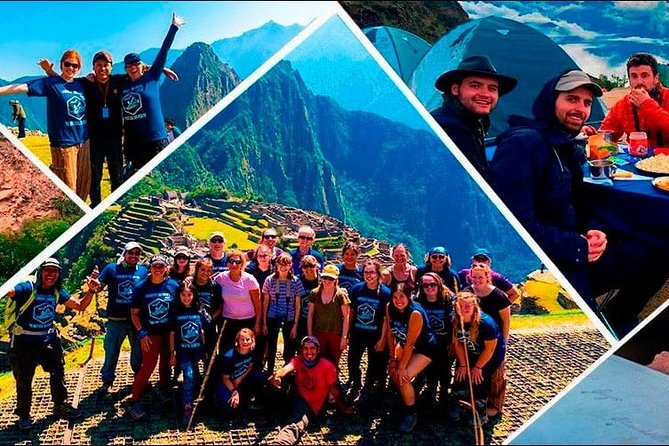
The guide is central to this experience. Names that appear repeatedly in the supplied feedback include Paolo and Raul, with Alberto handling much of the booking communication. Paolo is described as patient with children and able to explain Quechua culture and Inca history. Raul is praised for his enthusiasm, site explanations, and attention to different ages and abilities.
Those details are more useful than a generic promise of a great guide. You should still confirm who will lead your particular departure, since guide assignments can change. The package promises a bilingual, certified guide, and a briefing the day before the trek.
A maximum of 16 people keeps the tour from becoming a huge procession. It does not guarantee a private trek, so ask if you want a group reserved just for your party. The available accounts include couples, families with children, and groups of friends, suggesting that the company can handle different group types when the pace is managed well.
The porter team deserves respect. These workers carry the camp and kitchen equipment that make the trip possible. The package includes their work, but tips are not included and are optional. If you choose to tip, carry enough cash in small denominations and ask the guide about local practice.
Is $950 good value?
At $950, this is not a budget walk, but the price covers the expensive parts of a regulated Inca Trail trip. It includes permits, trail entry, Machu Picchu admission, private transport to the trailhead, pickup, porters, a cook, tents, mattresses, meals, snacks, boiled water, and the tourist train from Aguas Calientes to Ollantaytambo.
It also includes private transportation from Ollantaytambo to Cusco. Pickup is offered from accommodation in Cusco, Urubamba, or Ollantaytambo, which is helpful if your route through the Sacred Valley does not begin in Cusco.
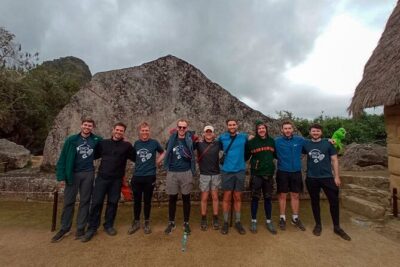
The package includes a Survivor T-shirt for each group member, though that is a minor extra compared with permits and staff. It does not include the bus down from Machu Picchu to Aguas Calientes, listed at $12, or a Vistadome train upgrade. You also pay for sleeping bags, poles, bottled water, optional Huayna Picchu, and personal purchases.
For a four-day, three-night trek with a staffed camp and return transport, the price is reasonable if you value convenience and local support. Compare the exact food, porter arrangements, train class, and permit inclusions before booking any alternative. Inca Trail permits are limited, and the experience cannot be treated like a casual day hike.
Who should book this trek?
I would recommend it to you if you want the full classic Inca Trail, prefer a locally run company, and are ready for long walking days. It is a good fit for active couples, families with older children who can manage sustained hiking, and anyone who cares about archaeological sites as much as the final view of Machu Picchu.
I would think twice if you want a relaxed holiday, dislike camping, or have not prepared for high altitude. The second day is demanding, and the early starts are part of the design, not an occasional inconvenience.
Booking is also a serious commitment. The stated policy says the experience is non-refundable and cannot be changed after cancellation or amendment. A valid current passport is required on the day of travel, and confirmation is subject to availability, so check your dates and passport details carefully.
FAQ
How long does the Inca Trail tour last?
The tour lasts approximately four days and includes three nights of camping before reaching Machu Picchu.
Where can pickup be arranged?
Pickup is offered from accommodation in Cusco, Urubamba, or Ollantaytambo.
What fitness level is required?
A moderate physical fitness level is required. Day two takes about eight hours and reaches Dead Woman Pass at 4,200 meters.
How many people can join the group?
The maximum group size is 16 people.
Is a guide included?
Yes. The tour includes a bilingual, certified guide and a briefing about the trek the day before departure.
Are meals included?
Three breakfasts, three lunches, and three dinners are included during the trek. The first breakfast and the final lunch and dinner are not included.
Is camping equipment provided?
Yes. The package includes four-season tents, mattresses, a kitchen tent, portable chairs, and a table. Sleeping bags are available to rent for $20.
Is the train included?
A tourist train from Aguas Calientes to Ollantaytambo is included. A Vistadome upgrade costs extra, and private transport continues from Ollantaytambo to Cusco.
Can I visit Huayna Picchu?
Yes, Huayna Picchu is optional after the Machu Picchu tour. It takes about two hours and requires an extra-cost ticket not included in the tour.
More 4-Day Experiences in Cusco
- Choquequirao Trek 4 days and 3 nights
★ 5.0 · 81 reviews - 4 Day Tour to the Manu National Park
★ 5.0 · 81 reviews - Cusco Sacred Valley and Machupicchu 4 Days
★ 5.0 · 80 reviews - Ancascocha Trek To Machu Picchu 4 Days And 3 Nights
★ 5.0 · 77 reviews
More Machu Picchu Days from Cusco
- From Cusco: Full-Day Group Tour of Machu Picchu
★ 4.7 · 1,767 reviews - Machu Picchu Day Trip from Cusco
★ 4.5 · 1,644 reviews - Machu Picchu: Full-Day Tour from Cusco with Optional Lunch
★ 4.6 · 927 reviews - From Cusco: 2-Day Trip to the Sacred Valley and Machu Picchu
★ 4.6 · 265 reviews
Just added around Cusco
- Zipline over the Sacred Valley Trip★ 5.0 · 11 reviews
- Valle Sur Cusco | half day★ 4.3 · 3 reviews
- Visit Pisac from Cusco: Private Transport★ 4.6 · 9 reviews
- Transfer from Cusco to Ollantaytambo★ 5.0 · 30 reviews
- Exclusive Huayna Picchu Tour in 1 Day from Cusco★ 5.0 · 31 reviews
- Trek to Humantay Lake from Cusco★ 4.9 · 8 reviews
- Private Tour Sacred Valley, Chinchero, Maras Moray, Ollantaytambo★ 5.0 · 29 reviews
- 5 Day – Salkantay trek to Machu Picchu – Group Service★ 4.5 · 27 reviews
Inca Trail Treks to Machu Picchu, compared.
4-Day Inca Trail to Machu Picchu with Accommodation
Read our review →
Short Inca trail to MachuPicchu || 2days – 1nigth ||
Read our review →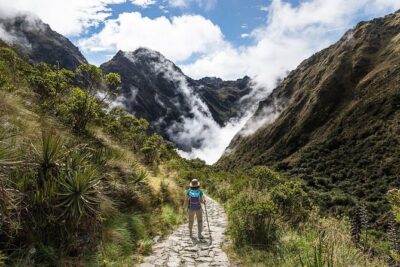
4 Day Inca Trail Trek to Machu Picchu Multi day tour
Read our review →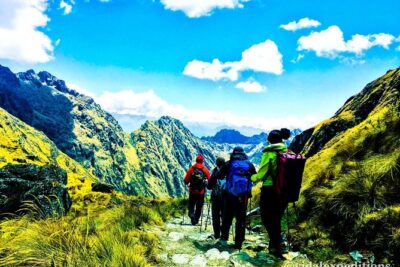
Browse the lists this tour appears in