
Reviewed · MARAS SALT MINES & MORAY TOURS
Maras Moray Sacred Valley Tour from Cusco
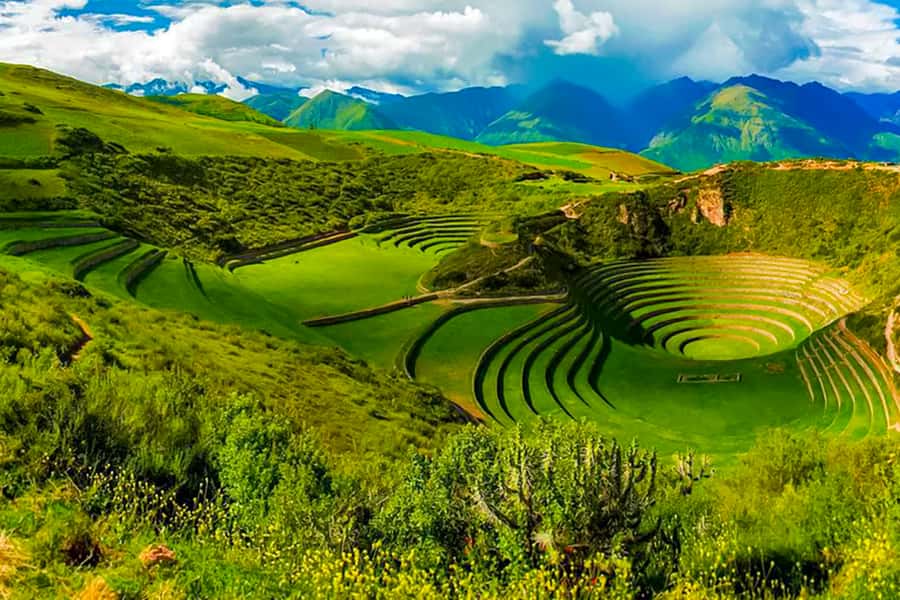
Moray’s round, sunken terraces are the star of this half-day outing. Built by the Incas in a natural hollow, they give you a clear look at how carefully the empire worked with soil, water, and changing temperatures. I like the strong mix of archaeology and living tradition, since the tour continues to Maras, where salt is drawn from a salty underground stream and evaporated in small pools.
I also like the short five-hour schedule, which lets you see two memorable Sacred Valley sites without giving up a full day in Cusco. Guides have been praised for clear English, patience, and useful explanations, while drivers have been described as friendly and punctual. The main drawback is the extra cost: the $17 tour price does not include the approximately $22 tourist ticket or the 10 PEN salt mine entrance fee, and a stop at a weaving collective may not appeal to everyone.
Key points to know before you book
- Moray’s circular terraces show Inca farming skill: The great rings make the site easy to understand, even if you know little about Inca culture.
- Maras is a working salt site: Water from a salty underground source feeds hundreds of small evaporation pools.
- Five hours is efficient: You can see both sites in one morning without committing to a full Sacred Valley day.
- Hotel pickup is limited to central Cusco: Staff meet you with a sign bearing your name.
- The advertised price is not the full cost: Plan for the tourist ticket, the salt entrance fee, and your own lunch if needed.
- English and Spanish guiding is available: The guide is an important part of the experience, since the sites make more sense with context.
Moray’s Inca terraces make the first strong impression
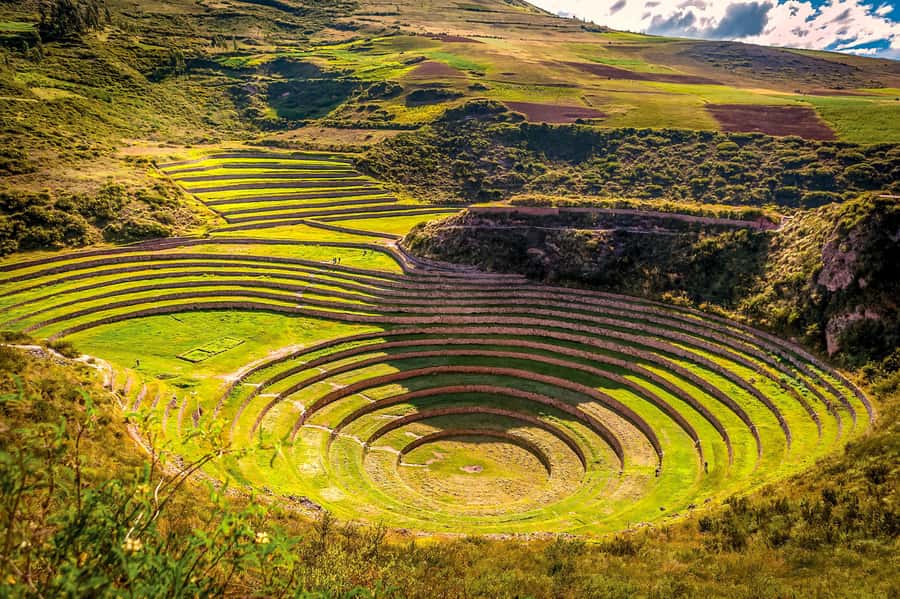
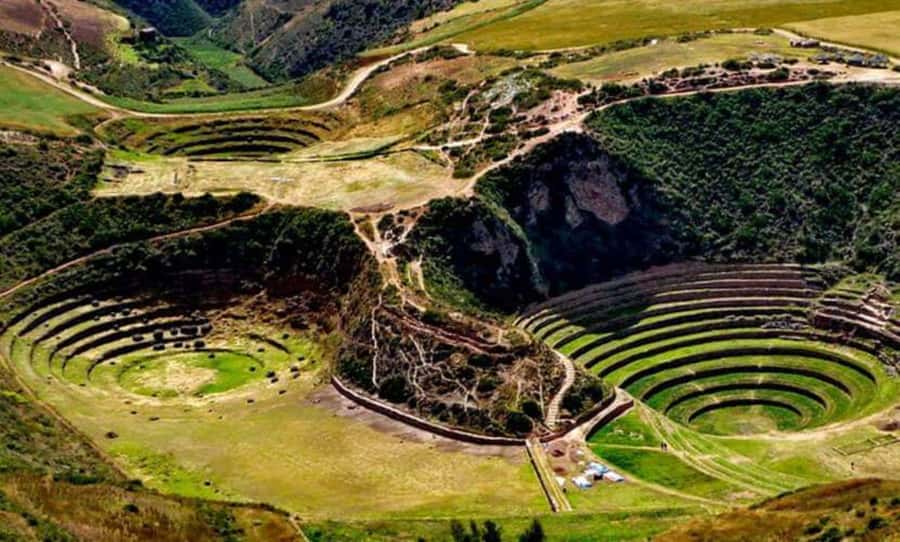
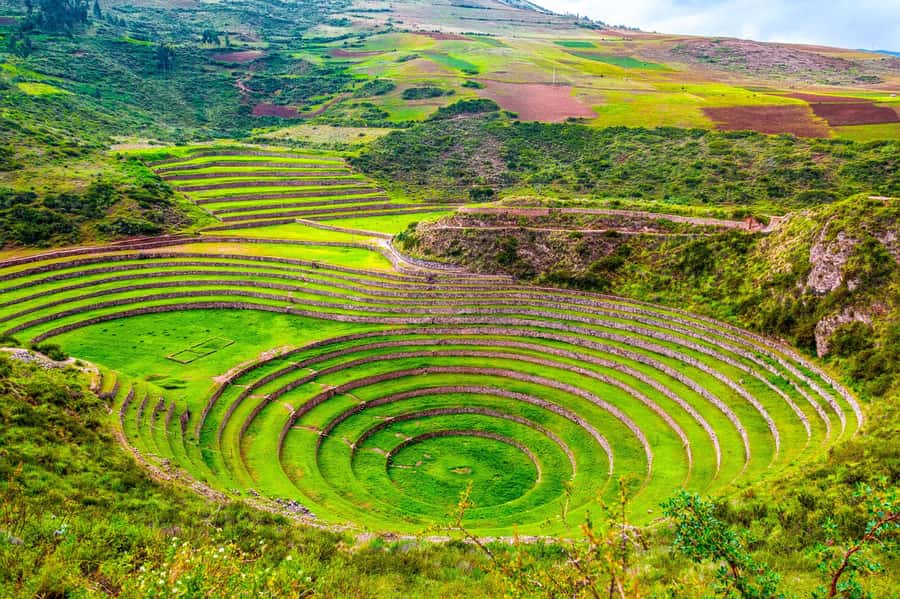
The visit to Moray gives this tour its clearest archaeological focus. You look down into a series of broad, circular terraces cut into a natural depression. From above, the rings can seem almost too neat to be farmland, but that is the point: this was a carefully designed place for agricultural work.
Your guide explains how the Incas used the site and how their farming methods fitted the local conditions. The terraces are not simply decorative ruins. They show planning, labor, and an effort to control growing conditions at different levels of the hollow.
I find Moray especially useful for putting Inca engineering into plain terms. You do not need a degree in archaeology to appreciate it. The shape of the site tells part of the story, and the guide fills in the rest with background about Incan culture and daily life.
The stop also gives you a chance to see the power of nature at work. The terraces follow the form of the earth instead of forcing a straight, rigid design onto it. Bring your camera, but give yourself time to look beyond the obvious circular pattern. The surrounding mountains help explain why this location was valuable, not just visually impressive.
The tour description does not specify how long you spend at Moray, so expect the guide to manage the timing across both main stops. That is one reason this trip works best for someone who wants a focused introduction rather than a slow archaeological visit.
More Maras and Moray Circuits from Cusco:
- From Cusco: Sacred Valley & Maras Salt Mines Tour with Lunch
★ 4.8 · 2,227 reviews - From Cusco: Moray, Maras Salt Mines & Chinchero Weavers Tour
★ 4.8 · 1,925 reviews - Cusco: Sacred Valley, Pisac, Ollantaytambo, Salt Mines Moray
★ 4.6 · 1,058 reviews
Maras turns salt making into a living lesson
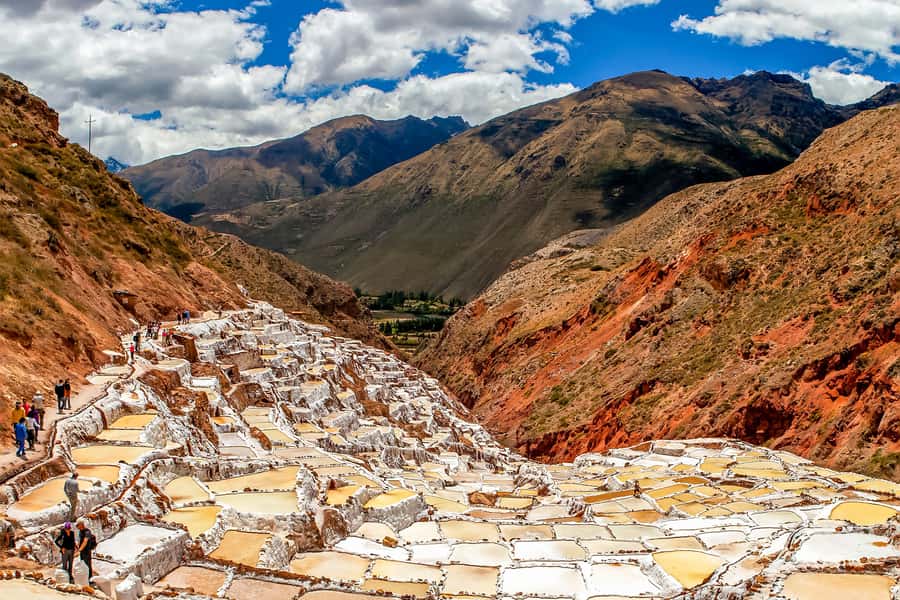
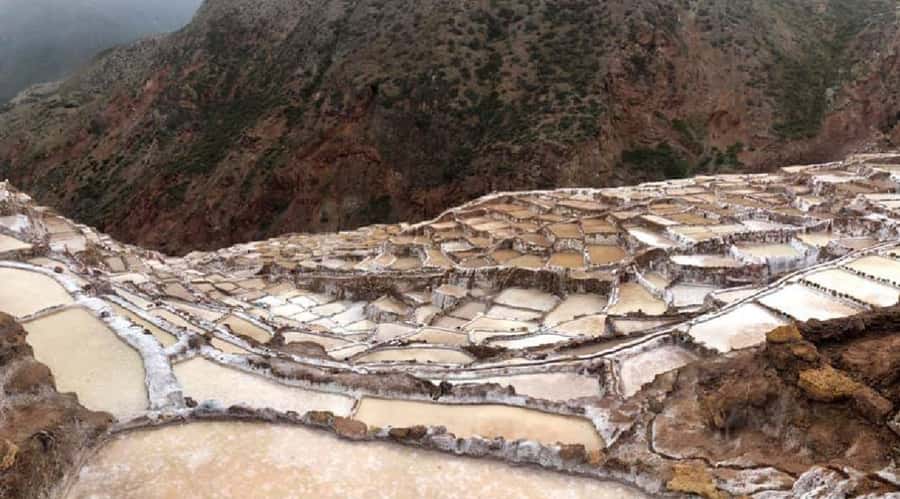
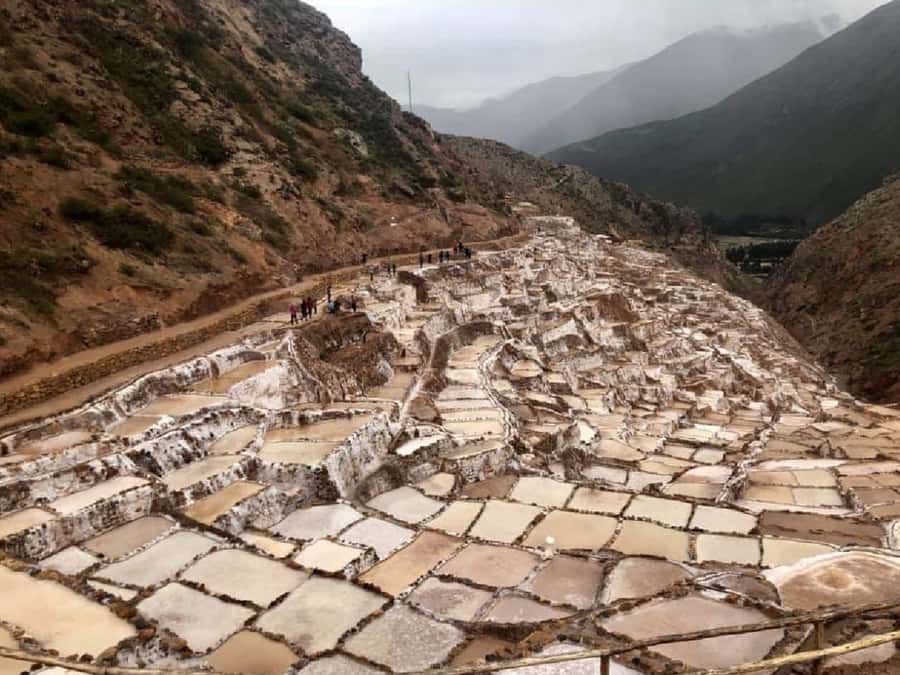
At Salineras, the subject changes from farming to salt production. The site consists of many small pools and salt embankments arranged across the mountainside. Salty water from an underground stream is directed into the pools, where sunlight causes evaporation and leaves salt behind.
The view is striking because the pale pools contrast with the darker mountain surroundings. But the real value is practical: you can see how a natural source becomes a useful product through a simple process repeated across many terraces.
I like that this stop connects the past with Peru today. Moray introduces Inca work and planning, while Maras shows a method of production that remains part of local life. It gives the tour more substance than a quick parade of ruins.
You will need a separate entrance ticket for the salt mine. It costs 10 PEN and can be bought on site. That is a modest fee, but it matters when you are comparing the total cost of this outing with other Sacred Valley options.
Watch your footing and bring suitable clothing. The recommended long pants, warm layer, waterproof jacket, sun protection, and water all make sense for a high-altitude outing where conditions can shift. The salt pools are the main attraction, but the mountain setting also means you should not assume the weather will stay warm and dry.
The guide can make the difference at both sites
The archaeological and salt works are much easier to understand with a good explanation. A guide can point out what you are seeing, connect Moray to Inca farming, and explain why the water at Maras leaves salt behind.
The guide service is offered in English or Spanish. English-speaking guides have been praised for speaking fluently, answering requests, and explaining the stops clearly. One guide was also described as very attentive and helpful, which matters on a short tour where you have little spare time to decode the sites by yourself.
No guide names are provided, so you should not book this expecting a particular person. Still, the available feedback points to a strong pattern: polite guides, solid explanations, and friendly drivers. That is important because the transport itself is not the reason to choose this outing. The interpretation is.
The tour also gives you a short look at both the ancient and modern sides of the Sacred Valley. I would pay attention to the guide’s comments about life centuries ago, then listen for the link to Peru today. Those connections are what turn two photo stops into a coherent half-day experience.
Five hours keeps the morning useful
The tour lasts five hours and begins in the morning. Pickup and drop-off are included for hotels and accommodations within Cusco’s historic center, with staff holding a sign with your name.
That arrangement is convenient if you are staying centrally. You do not need to arrange a separate taxi to a meeting point, and the return to your accommodation keeps the outing simple. If you are staying outside the historic center, confirm the pickup details before booking, since the stated pickup area is limited.
The short schedule is one of the tour’s best features. You can see Moray and Maras without using an entire day, which leaves time for Cusco museums, markets, or a relaxed afternoon. It is also a good fit if your Peru itinerary is crowded.
The tradeoff is pace. Five hours includes transport from Cusco, the two main visits, guiding, and the return journey. You should expect an organized introduction rather than long, unhurried time at each location. If you want extensive photography time or a leisurely meal in the valley, choose a longer outing instead.
Transportation is included, but no vehicle type or group size is specified. I would treat the ride as a practical part of the tour, not a private sightseeing journey. The driver has been praised for being friendly, and punctual pickup is a useful sign for anyone working around a tight schedule.
More Sacred Valley Days from Cusco:
- Sacred Valley: Chinchero, Moray, Ollantaytambo & Pisac+Lunch
★ 4.8 · 501 reviews - Sacred Valley: Maras & Moray by Quad Bike from Cusco
★ 4.6 · 418 reviews - From Cusco: 2-Day Trip to the Sacred Valley and Machu Picchu
★ 4.6 · 265 reviews - Cusco:Sacred Valley Pisaq,Ollantaytambo,Chinchero with Lunch
★ 4.8 · 183 reviews
The cost looks low until you add the required tickets
At $17 per person, this is an inexpensive way to reach two major Sacred Valley sights from Cusco. The price includes transportation, hotel pickup and drop-off within the historic center, and a professional guide.
The headline figure does not cover everything. You also need to budget approximately $22 for the tourist ticket and 10 PEN for entry to the Maras salt mine. Lunch is not included either, although the tour lasts only five hours and is scheduled in the morning.
That means the tour is best judged as a low-cost transport and guiding package, not a fully bundled attraction ticket. If you already need the tourist ticket for other archaeological sites in the area, the added expense may fit naturally into your wider plans. If this is your only Sacred Valley outing, check the exact ticket requirement before you commit.
I like the value for visitors who want Moray and Maras specifically. You are paying for access, transport, and explanations in one compact outing. The value is weaker if you dislike extra stops, want every fee included in advance, or plan to spend most of the day in the Sacred Valley.
The weaving stop may not suit every schedule
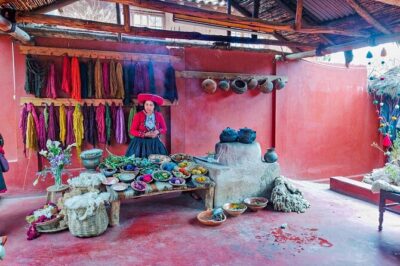
A visit to a collective weaving stop may be part of the route. This can add cultural context and give you a chance to see local textile work, but it is not the main reason to book the tour.
I would treat it as a possible bonus rather than a central feature. If you enjoy traditional crafts and want time around local textile production, you may find it worthwhile. If your priority is archaeological sites and natural scenery, you may prefer to move on quickly.
The presence of this stop also shows why you should ask about the exact day’s route if timing matters. One Portuguese-speaking customer considered the weaving visit unnecessary, while still describing the guide as informed and helpful. That is a fair warning: optional cultural stops can feel useful to one person and like lost time to another.
What to pack for Moray and Maras
The recommended packing list is practical for the conditions:
- Long pants
- Warm clothing
- A waterproof jacket or raincoat
- Sunscreen rated SPF 30 or higher
- A sun hat
- Water
- A camera
Do not rely on the morning sun to tell you what the rest of the outing will feel like. Warm layers and rain protection are sensible, while sunscreen and a hat help when the sun comes out. Water is important on any high-altitude excursion, even though the tour itself is only five hours.
Comfortable clothing also helps at the salt mine, where you may be walking near uneven terraces and wet areas. The supplied information does not specify accessibility arrangements, walking distances, or restroom facilities, so ask the provider if any of those details are important to you.
Who will get the most from this half-day outing
I would recommend this tour to you if you want a compact first look at the Sacred Valley and prefer having a guide explain what you see. It works particularly well for people with limited time in Cusco, visitors who want hotel pickup, and anyone interested in both archaeology and working cultural sites.
It also suits you if Moray and Maras are high on your list but you do not want to arrange separate transport. The combination gives you variety: one stop focuses on Inca agricultural design, while the other shows salt production shaped by natural water and sunlight.
I would look for another option if you want a full Sacred Valley day with many archaeological sites, a long lunch, or generous time for photography. I would also think twice if you dislike shopping or craft-related stops. The five-hour format is efficient, but efficiency can feel rushed if you want a slow, reflective visit.
The rating of 4.3 from 35 ratings fits the overall picture: this is a well-liked, practical outing with a few limits around extra fees, pace, and the possible weaving stop. The strongest praise goes to the guides and drivers, so the human side of the tour appears to add real value.
Should you book the Maras Moray tour?
Book it if you want Moray and Maras in one morning, need transport from central Cusco, and value clear explanations from an English or Spanish-speaking guide. At $17, the basic price is appealing, but add the approximately $22 tourist ticket, 10 PEN salt entrance, and lunch before comparing it with other tours.
Skip it if you want a private, slow-paced visit or a complete Sacred Valley itinerary. For the right schedule, though, this is a sensible way to see two distinctive sites and get a useful introduction to how the Incas worked and how Peru continues to use its natural resources.
FAQ
How long is the Maras Moray tour from Cusco?
The tour lasts five hours and begins in the morning. Check availability for the exact starting time.
Is hotel pickup included?
Yes. Pickup and drop-off are available from hotels and accommodations within the historic center of Cusco. Staff will hold a sign with your name.
Which languages are available for the guided tour?
The live guide service is available in English and Spanish.
Are the entrance tickets included?
No. The tourist ticket costs approximately $22, and entrance to the Salineras salt mine costs 10 PEN and can be purchased on site.
Is lunch included?
No. Lunch is not included in the tour price.
What should I bring?
Bring long pants, warm clothing, a waterproof jacket or raincoat, sunscreen of SPF 30 or higher, a sun hat, water, and a camera.
Just added around Cusco
- Zipline over the Sacred Valley Trip★ 5.0 · 11 reviews
- Valle Sur Cusco | half day★ 4.3 · 3 reviews
- Visit Pisac from Cusco: Private Transport★ 4.6 · 9 reviews
- Transfer from Cusco to Ollantaytambo★ 5.0 · 30 reviews
- Exclusive Huayna Picchu Tour in 1 Day from Cusco★ 5.0 · 31 reviews
- Trek to Humantay Lake from Cusco★ 4.9 · 8 reviews
- Private Tour Sacred Valley, Chinchero, Maras Moray, Ollantaytambo★ 5.0 · 29 reviews
- 5 Day – Salkantay trek to Machu Picchu – Group Service★ 4.5 · 27 reviews
Maras Salt Mines & Moray Tours, compared.
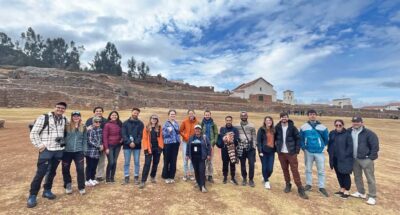
Sacred Valley & Maras Salt Mines Tour with Lunch
Read our review →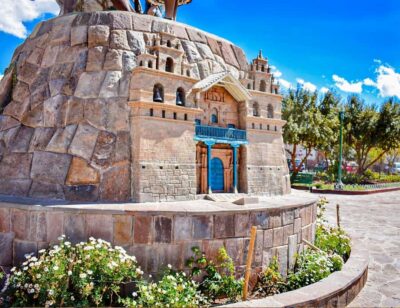
Moray, Maras Salt Mines & Chinchero Weavers Tour
Read our review →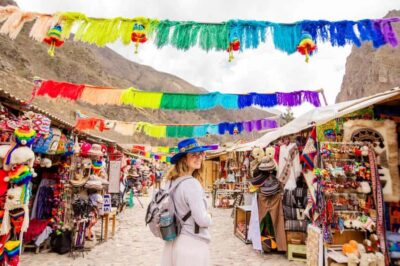
Sacred Valley, Pisac, Ollantaytambo, Salt Mines Moray
Read our review →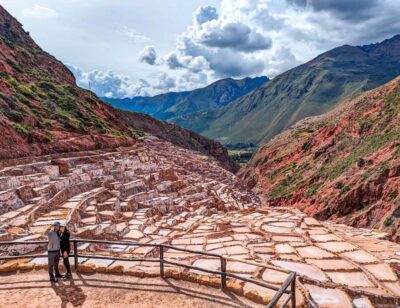
Chinchero,Moray & Salt Mines drop-off in Ollantaytambo
Read our review →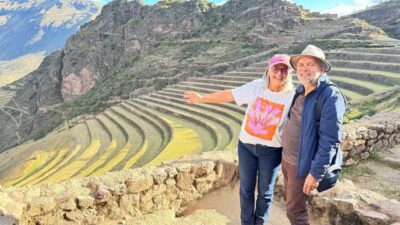

Moray, Maras Salt Mines & Chinchero Weavers Half-Day
Read our review →Browse the lists this tour appears in