
Reviewed · CUSCO PLANETARIUM & ANDEAN ASTRONOMY
Planetarium Cusco OFFICIAL SITE: Andean Astronomy experience
The best part of Planetarium Cusco is the way it connects Inca sky lore with a clear, modern view of the southern heavens. You learn how Andean people understood the night sky, then see those ideas brought to life inside a dome and, weather allowing, through a telescope.
I like the small-group setting and the easy round-trip transport from Regocijo Square. I also like that the evening is not ruined by clouds: the dome presentation and interpretation rooms still give you plenty to see. The main drawback is simple: telescope viewing depends on weather, and anyone already advanced in astronomy may find the presentation too basic.
Key points to know before you book
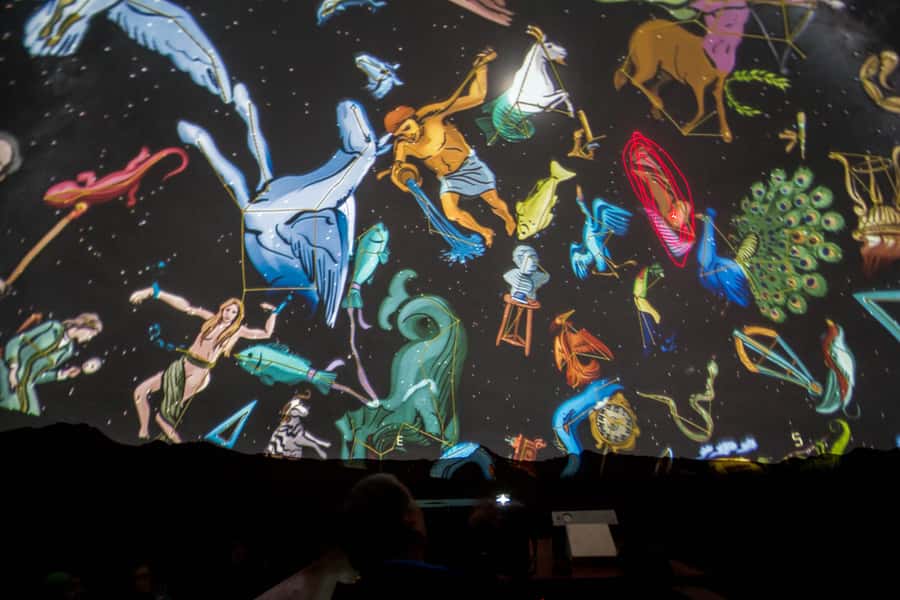
- Inca constellations take center stage: Learn how the Andean sky was understood through ancient stories and symbols.
- The dome show covers the southern sky: A useful feature in Cusco, where many northern-sky objects are unfamiliar to visitors.
- Telescope viewing is weather dependent: Clouds can limit the outdoor session, though the indoor program continues.
- The evening starts at 17:30: Meet beside the fountain in the middle of Regocijo Square, close to Cusco’s main plaza.
- Small groups make the experience personal: The format allows more direct contact with the guide than a large coach outing.
- Bring serious warm layers: The activity includes time outdoors at night, and blankets are available at the planetarium.
Why Andean astronomy feels different
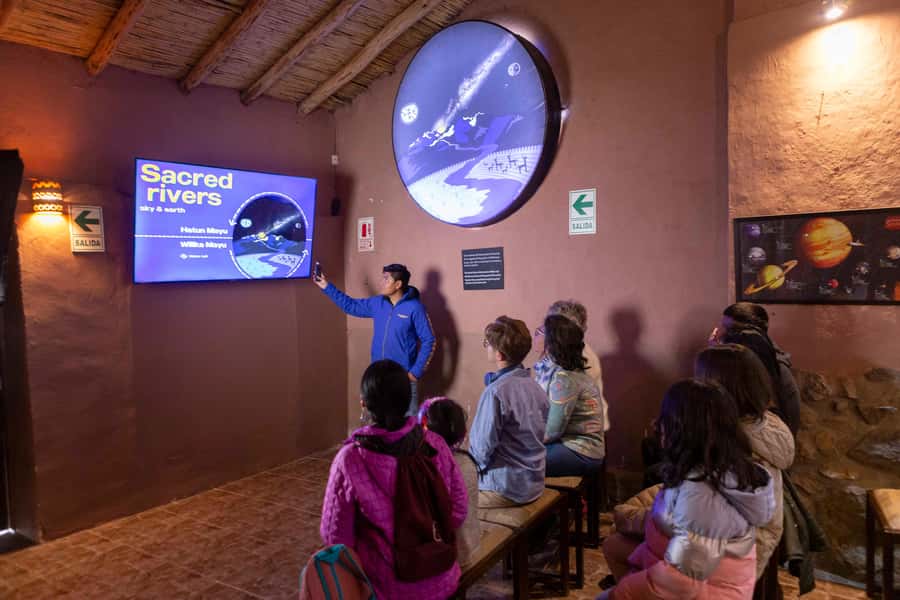
Planetarium Cusco is not simply a standard star show with an Inca label attached. Its focus is the Andean way of reading the sky, including the constellations and meanings used by Inca society.
That makes the experience useful early in a Cusco visit. You get cultural context that can help you notice how astronomy shaped farming, ceremonies, timekeeping, and the way people related to the natural world. The presentation is designed for general visitors, so you do not need a background in science or archaeology.
The modern planetarium adds another layer. Inside the dome, the southern sky appears as a controlled, bright projection, which means the guide can point out stars and Inca constellations even when clouds cover the real sky outside. The result is part cultural lesson, part science presentation, and part evening outing.
I would not book this expecting a university-level astronomy lecture. The material is aimed at curious visitors who want a lively introduction. If you already spend your free time studying astronomy, some explanations may feel familiar or slow. For most people, though, the mix of stories, visual displays, and sky science should be accessible.
More Stargazing Evenings in Cusco:
- Cusco by Night: Planetarium Cusco, Dinner, and Pisco Sour
★ 5.0 · 75 reviews - Cusco: Planetarium and Night Tour with Dinner and Pisco Sour
★ 4.9 · 9 reviews - Planetarium Cusco Trip
★ 3.8 · 4 reviews
Meeting at Regocijo Square at 17:30
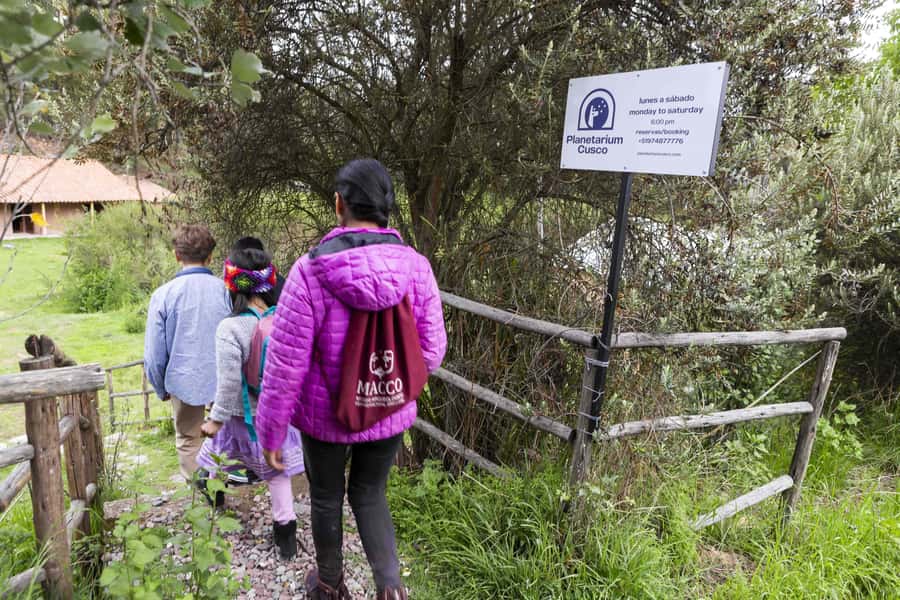
The meeting point is the middle of Plaza Regocijo, next to the fountain. This is close to Cusco’s main plaza, so it is a practical place to reach on foot from the historic center.
Be punctual. The meeting time is 17:30 sharp, followed by a short walk to the waiting vehicle. You then travel for about 10 to 15 minutes to the planetarium. That short ride matters because the experience takes place away from the center, where the evening program can move from city streets to a darker setting.
Round-trip transport is included in the $28 price. I see that as a real benefit, especially after sunset when you may not want to arrange separate transport back to Cusco. The ride also keeps the evening simple: meet the guide, follow the group, and return to the same general part of town afterward.
The guides speak English and Spanish. No guide names are supplied, but the program uses live guides rather than an audio recording. That gives you the chance to follow explanations, ask for clarification, and hear the cultural details in real time.
The interpretation rooms set the stage
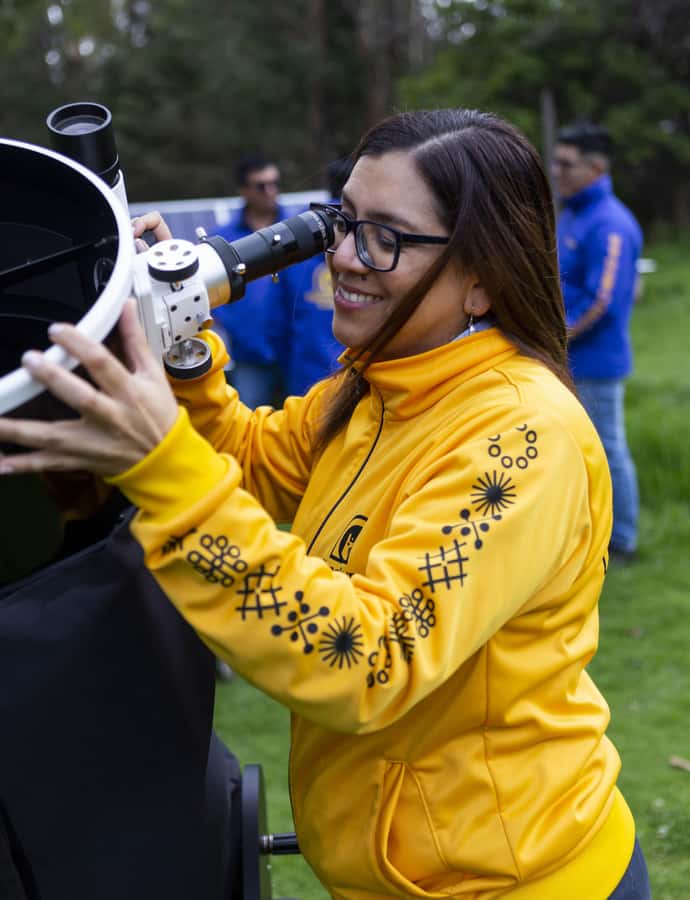
Arrival is scheduled for about 18:05. The first part takes place in interpretation rooms, where you receive an introduction to Inca astronomy and the Andean cosmovision.
This indoor beginning is more important than it may sound. If you went straight to a telescope, you might admire bright objects without understanding why the sky mattered to Inca society. The interpretation rooms give you a framework first, so the later projection and stargazing have more meaning.
Expect explanations about the way Inca people read the heavens and recognized constellations in the southern sky. The emphasis is not only on individual stars. It is also on how a culture can organize time and belief around what appears overhead.
The atmosphere seems to be one of the program’s strengths. The staff are described as welcoming, professional, humorous, and eager to explain the subject. That tone should help if you are visiting with family or friends who are not already interested in astronomy.
Children under seven are not permitted, so this is not designed as a very young child’s evening activity. Older children may enjoy it, particularly if they like space, but the cultural explanation requires some attention.
The dome projection at about 18:40
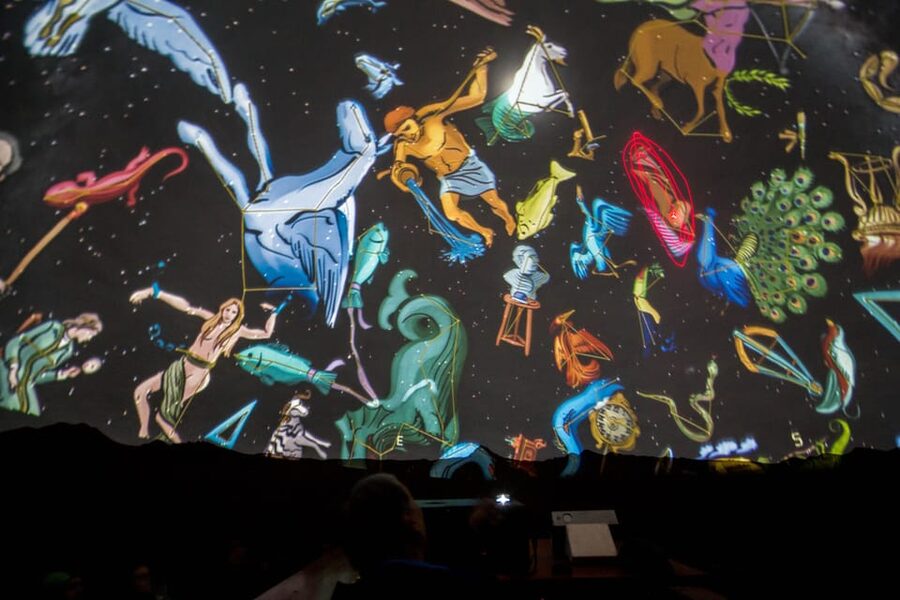
At around 18:40, the group moves into the dome for a virtual projection of the southern sky. This is the visual heart of the program.
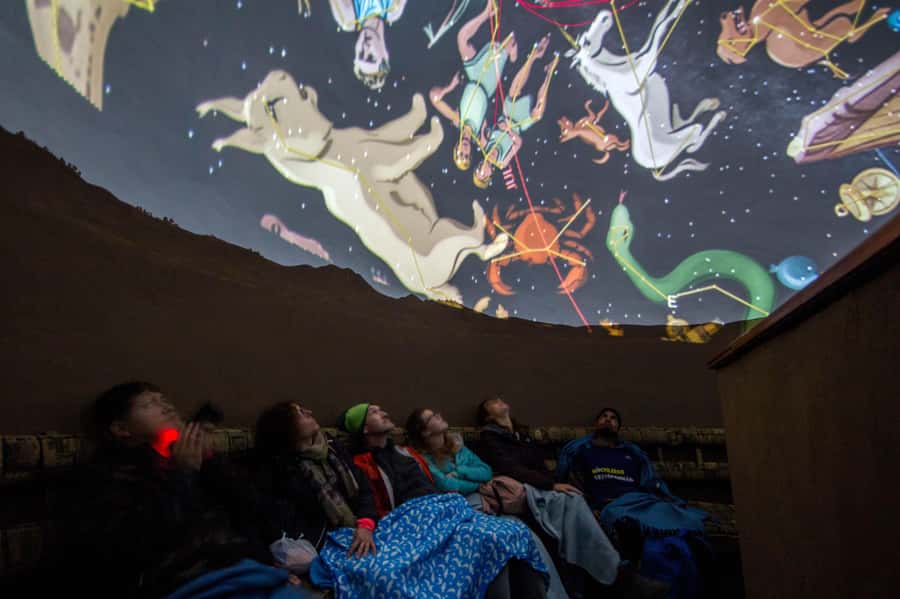
The dome lets the guide show the sky in a way that is not possible during ordinary stargazing. Stars can be identified clearly, the view can be adjusted, and the guide can explain Inca constellations without waiting for the weather to cooperate.
The southern sky is a good subject for visitors from Europe or North America. Many of its patterns are unfamiliar, and the presentation can help you understand that the night sky looks different from different parts of the world. The guide links the projection to the Inca understanding of the heavens, so this is not just a list of stars and planets.
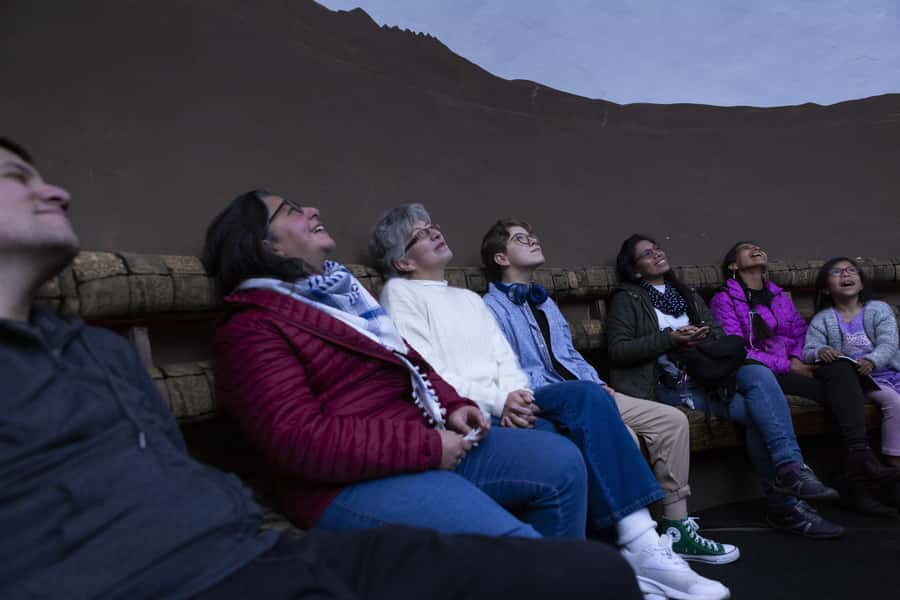
The dome has received especially strong praise for its quality and visual effect. One practical tip is to sit on a chair near the entrance if you want easy access to a blanket or a comfortable place to settle in. Blankets are available if you feel cold, and some people find the covered seating pleasantly cozy.
Do not expect every element to feel like a polished big-city science museum. The project is still developing, and its appeal comes partly from the personal scale. You are there for the local Andean focus and the enthusiasm of the team, not a giant commercial production.
Same altitude, a completely different day:
- Cusco: Humantay Lake Tour with Breakfast and Buffet Lunch
★ 4.9 · 2,976 reviews - From Cusco: Sacred Valley & Maras Salt Mines Tour with Lunch
★ 4.8 · 2,227 reviews - From Cusco: Moray, Maras Salt Mines & Chinchero Weavers Tour
★ 4.8 · 1,925 reviews - From Cusco: Full-Day Group Tour of Machu Picchu
★ 4.7 · 1,767 reviews
Telescope time depends on the clouds
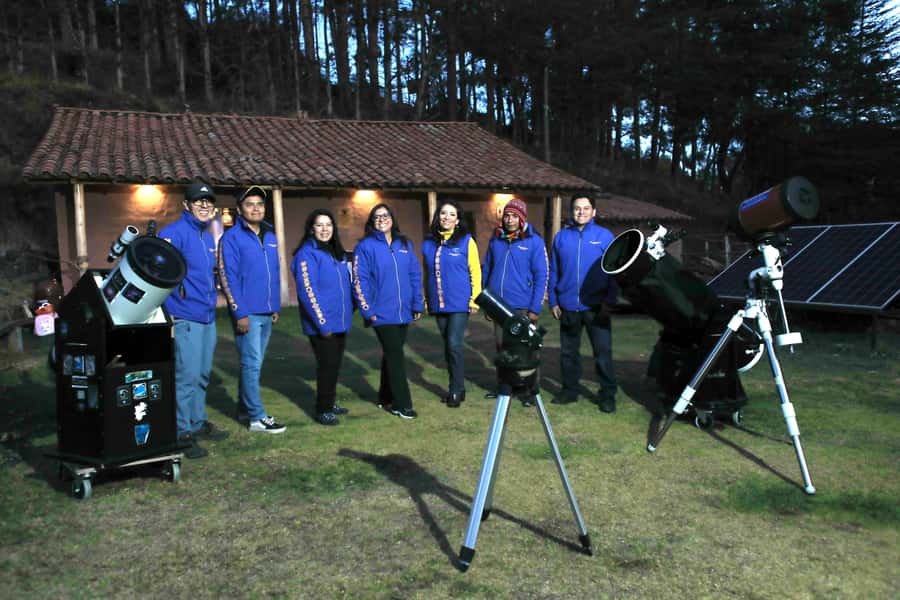
After the indoor program, the group goes outside for telescope viewing, normally as darkness takes over. This part is weather dependent, so it cannot be promised on every night.
Cloud cover can prevent a clear view of stars and planets. That is the main limitation to keep in mind when booking. The operator can adjust the schedule to improve the chance of seeing the sky, but no guide can control Cusco’s weather.
Even with clouds, the indoor dome and interpretation rooms remain available. That makes the weather risk manageable, though it does not make outdoor stargazing guaranteed. If looking through a telescope is the single reason you want to book, choose your expectations carefully.
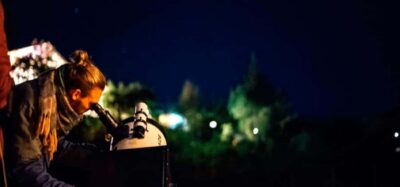
When conditions cooperate, the telescope can add a memorable final touch. A clear view of a planet or a detail such as Saturn’s rings can turn an educational evening into something you remember long after the explanations fade. The equipment gives you a more direct connection with the sky than a projection alone.
Bring warm clothing and comfortable shoes. You may spend time outside, and the temperature can feel quite different after sunset. The advice to dress warmly is practical, not decorative. A warm sweater, jacket, and extra layer will make it easier to pay attention instead of thinking about the cold.
How the two-hour schedule works
The advertised duration is two hours, with a typical outline like this:
- 17:30: Meet at Regocijo Square beside the fountain.
- Shortly afterward: Walk to the vehicle and ride 10 to 15 minutes to Planetarium Cusco.
- About 18:05: Arrive and begin the introduction in the interpretation rooms.
- About 18:40: Enter the dome for the southern sky projection and Inca constellations.
- After dark: Go outside for telescope viewing if the weather permits.
- About 19:40: Return toward Cusco.
The schedule may shift to improve the chance of stargazing. That is sensible, but it means you should not treat every minute as fixed. The total time remains about two hours.
The return is scheduled for around 19:40, so the activity fits well into an evening without taking over the night. Food is not included, but the program is short enough that you can eat before or after. Keep in mind that there is no meal stop built into the experience.
Is $28 a fair price?
At $28 per person, the value depends on what you want from the evening. The price includes transportation from Regocijo Square and back, a live guide, the interpretation rooms, the dome presentation, and telescope viewing when conditions allow.
That is a fair package for a two-hour activity, particularly because the transport removes the need to arrange a separate ride to an out-of-center venue. The small-group format also gives the evening a more personal feel than a large bus excursion.
The price is less compelling if you are mainly paying for a guaranteed telescope session. Weather can cancel that part, and there is no food included. You are really paying for the full program: Andean astronomy, cultural explanation, visual presentation, transport, and a chance to view the sky.
The value is strongest for first-time visitors to Cusco who want something beyond churches, ruins, and daytime sightseeing. It gives you a different way to understand the region, with the night sky treated as part of local culture rather than just a backdrop.
What the strongest praise tells you
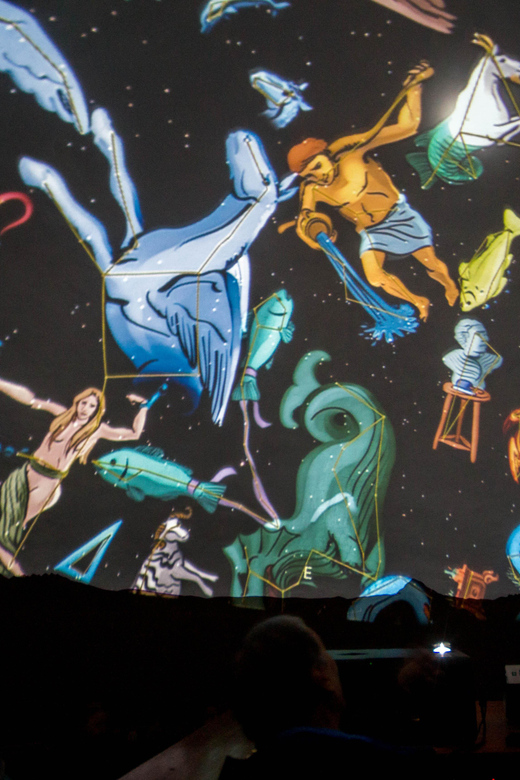
The most consistent positive points are the dome, the warm welcome from the team, the clear English, and the way the staff keep the mood friendly. The program seems to work best when you arrive with curiosity rather than specialist knowledge.
The telescope can also surprise you when conditions are good. Seeing Saturn’s rings through the equipment is possible, but it is not a promise. Clouds have prevented outdoor viewing on some evenings, so you should treat that moment as a bonus.
The small group is another useful feature. You are less likely to feel lost in a crowd, and the guides can keep the tone conversational. That matters during a topic that could otherwise become a dry lecture.
One negative point is worth taking seriously: a person who already knows a great deal about astronomy may find the material too elementary. The program concentrates on introduction and interpretation, not advanced observation or technical astrophysics.
Who should book this evening?

I would recommend Planetarium Cusco to couples, families with children over seven, and solo visitors who want a calm cultural activity after a day in the city. It also suits anyone who wants more context for Andean beliefs and traditions.
It is a particularly good choice if you are interested in the relationship between people and the sky. You do not need to know the names of stars before arriving. The guide-led format gives you a starting point.
You may want to skip it if you dislike group activities, need a guaranteed clear sky, or already have advanced astronomy experience. This is a shared service, not a private session. A private option may be available by contacting the provider directly, but it is not part of the standard booking described here.
You should also think about the timing. The meeting is early in the evening, not late at night, which makes it easy to combine with dinner afterward. If you have another fixed plan at 19:40, allow extra time for the return because the schedule can change for better stargazing conditions.
Booking details worth knowing
You can cancel up to 24 hours before the activity for a full refund. A reserve-now, pay-later option is also available, which helps if your Cusco plans are still changing.
The tour is offered in English and Spanish. Pets are not allowed, except for assistance dogs. Alcohol and drugs are prohibited, audio recording is not allowed, and minors cannot attend without an accompanying adult.
The meeting point is clear, but arrive a few minutes early so you are not trying to find the group at the exact departure time. Wear comfortable shoes, bring warm clothing, and keep your schedule flexible enough for a modest timing change.
Should you book Planetarium Cusco?
Book it if you want an approachable look at Inca astronomy, value a small group, and like the idea of pairing a dome presentation with real telescope viewing. The indoor program gives the evening substance even when clouds appear, while clear weather can provide an excellent extra moment.
Skip it if you want advanced astronomy or a guaranteed night under the stars. For most visitors, though, the $28 price buys a well-organized two-hour outing with cultural context, transport, and a pleasant change from the usual Cusco sightseeing routine.
FAQ
Where do I meet for Planetarium Cusco?
Meet in the middle of Regocijo Square, next to the fountain. The square is very close to Cusco’s main plaza.
What time does the activity begin?
The meeting time is 17:30. The schedule may change slightly to improve the chance of telescope viewing.
How long does the experience last?
The activity lasts about two hours. The return journey is scheduled for around 19:40.
Is transportation included?
Yes. Round-trip transportation from Regocijo Square is included. The ride to the planetarium takes about 10 to 15 minutes.
What languages are available?
The live tour guide service is available in English and Spanish.
Will I definitely look through a telescope?
No. Telescope viewing depends on weather conditions. Clouds may prevent the outdoor session.
What does the $28 price include?
It includes round-trip transport from Regocijo Square, an introduction to Inca astronomy, a dome projection of the southern sky and Inca constellations, and telescope viewing when weather allows.
Are children allowed?
Children under seven are not allowed. Unaccompanied minors are also not permitted.
What should I bring?
Bring comfortable shoes and warm clothing. Blankets are available at the planetarium if you feel cold.
Just added around Cusco
- Zipline over the Sacred Valley Trip★ 5.0 · 11 reviews
- Valle Sur Cusco | half day★ 4.3 · 3 reviews
- Visit Pisac from Cusco: Private Transport★ 4.6 · 9 reviews
- Transfer from Cusco to Ollantaytambo★ 5.0 · 30 reviews
- Exclusive Huayna Picchu Tour in 1 Day from Cusco★ 5.0 · 31 reviews
- Trek to Humantay Lake from Cusco★ 4.9 · 8 reviews
- 2 Day – Short Inca Trail to Machu Picchu – Group Service★ 5.0 · 30 reviews
- Private Tour Sacred Valley, Chinchero, Maras Moray, Ollantaytambo★ 5.0 · 29 reviews
Cusco Planetarium & Andean Astronomy, compared.
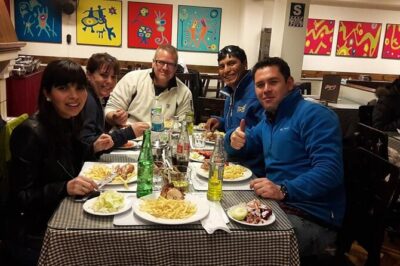
Cusco by Night: Planetarium Cusco, Dinner, and Pisco Sour
Read our review →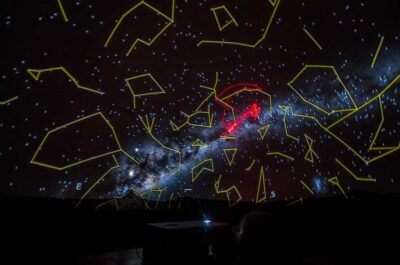
Planetarium and Night Tour with Dinner and Pisco Sour
Read our review →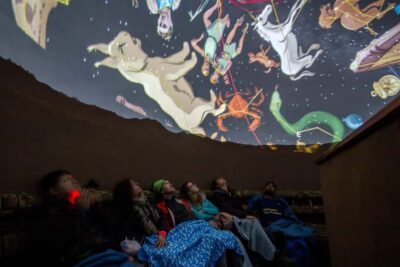
Excursion to the Planetarium of Cusco | New experience
Read our review →Browse the lists this tour appears in