
Reviewed · AUSANGATE 7 LAGOONS TREKS
Qampa Climbing 2 Days in Ausangate
Qampa gives you a real high-altitude climb without requiring previous mountaineering experience. You hike across glacier terrain, learn the basics from a high-mountain guide, and work toward a 5,520-meter summit with views reaching toward Salkantay. I especially like the small group limit of six and the practical camp support, including prepared tents, meals, and horse-carried duffel bags. The main caution is altitude: two days is short, and the summit push begins at 2:30 a.m.
I also like the finish. After the climb, you return to Pacchanta, where you can soak in hot springs beneath views of Ausangate before heading back to Cusco. Guides such as Chino, Flavio, Vinerson, Angel, Carlos, Sergio, and Raul have led this route, but you should still confirm your assigned guide and the exact gear package before departure.
Key points to know before you book
- 5,520-meter summit: Qampa is approachable for beginners, but the height and glacier section make this a serious physical challenge.
- 2:30 a.m. summit start: You climb the moraine and glacier in the dark before reaching the upper route.
- Small groups: The tour accepts a maximum of six people, allowing closer contact with the guide.
- Camp at 4,680 meters: Tents are prepared for you, and horses can carry extra duffel bags.
- Pacchanta hot springs: You may relax in the thermal pools after returning from the mountain.
- Price and timing: The $380 cost covers major expedition services, while water, tips, and possibly the first breakfast stop are extra.
Why Qampa is a good first high-altitude climb
Qampa, also written Campa or Jampa, is often presented as one of the easier peaks near Cusco. That description needs a little care. Easier means easier compared with more technical Andean climbs, not easy in the usual hiking sense.
You still reach 5,520 meters. At that height, every uphill step can feel slow, and cold, wind, snow, or poor visibility can change the character of the climb. The route includes a glacier crossing and may include a short rock-climbing section, depending on the season.
The appeal is that you do not need previous mountaineering experience. Your high-mountain guide provides equipment and instructions before the climbing section. That makes Qampa a reasonable introduction to glacier travel, provided you arrive in good shape and have handled altitude well.
I like the way this trip combines a clear goal with a short schedule. You spend one night at a high camp, make an early summit attempt, and return to Cusco the same afternoon. You get a real mountaineering experience without committing to a week-long expedition.
More Climbing and Via Ferrata in Cusco:
- Rock Climbing full day
★ 5.0 · 47 reviews - From Cusco: Via Ferrata and Sky Lodge Zipline
★ 5.0 · 16 reviews - From Cusco: Via Ferrata & Zip Line with lunch
★ 5.0 · 5 reviews
The 6 a.m. departure from Cusco
The day begins with hotel pickup in Cusco at about 6 a.m. The drive heads toward Tinki along the Interoceanic Highway and takes roughly two and a half hours.
Tinki is a useful early stop rather than a major sightseeing visit. You have about 30 minutes to eat breakfast, look around, or buy something you forgot. This is where you should handle last-minute snacks and any drinking water you need, since water is not included in the tour price.
The meal details deserve attention. The package lists breakfast, dinner, and two lunches, but the first breakfast stop has also been described as an extra personal expense. I would carry cash and confirm this point before leaving Cusco. It is a small issue, but early-morning food is not something you want to sort out while the group is waiting.
From Tinki, the road continues to Pacchanta, at about 4,060 meters. You are already higher than Cusco, so the drive doubles as a quick test of how your body is handling the altitude.
Pacchanta to Azulccocha, about two hours on foot
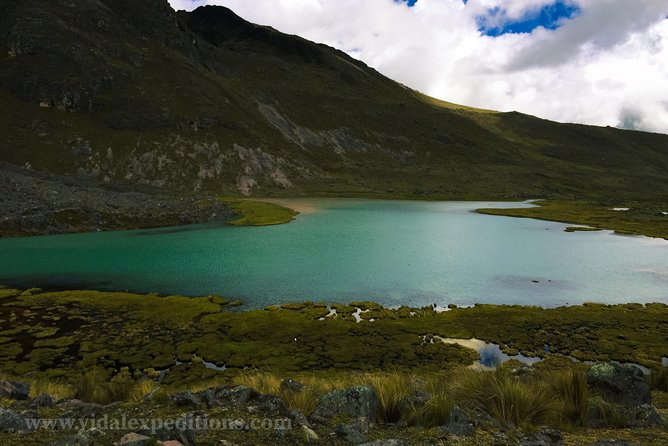
Pacchanta Baja is the real starting point of the trek. From here, you hike for about two hours to Azulccocha, where lunch is served with views of the snow-covered peaks around Ausangate.
This first walk is important because it gives you time to settle into the pace. You are not climbing the summit yet, but you are gaining altitude and moving across open mountain country. Keep your steps short and steady. There is no prize for racing to camp.
The lunch stop is more than a refueling break. It gives you a chance to check your clothing, drink water, and see how the group is responding to the height. The food has been a strong part of the service, with meals prepared by the expedition cook and enough food reported for the demanding schedule. Still, bring personal snacks if you have strict dietary needs, since no special menu is specified.
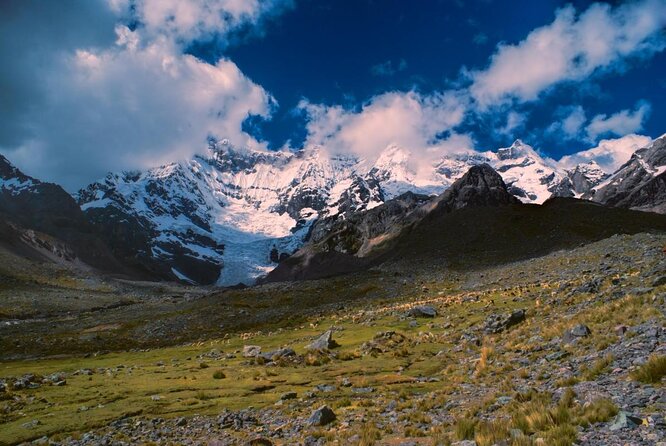
The surrounding peaks are the reason this route feels bigger than its two-day length. You are moving through the Ausangate region, with broad views of snow and high Andean ridges. The setting is stark and open, with little shelter from changing weather.
Base camp at 4,680 meters
After lunch, you continue to base camp at about 4,680 meters. The total walking time on the first day is moderate, but the altitude makes it more tiring than the distance suggests.
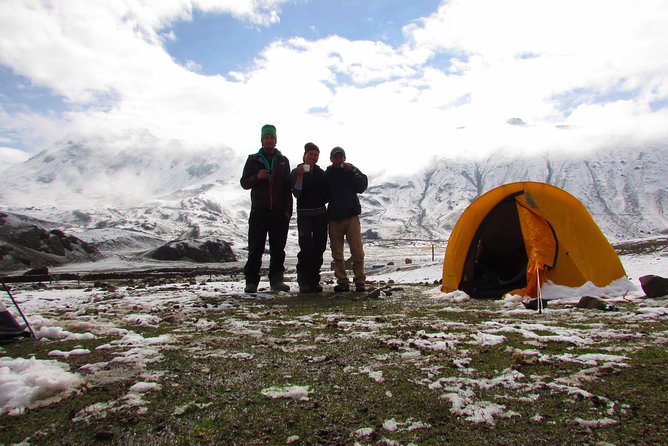
One practical advantage is that your tents are already set up when you arrive. You do not have to pitch camp after a long approach. The support team also carries extra duffel bags by horse, so you can leave some bulky equipment out of your daypack.
That does not mean you should overpack. Keep your summit clothing, gloves, headlamp, water, and personal essentials with you. The exact sleeping-bag arrangement should be confirmed before the trip, although the service has provided tents and sleeping bags on past departures.
Dinner follows at camp, then you need to rest quickly. The wake-up call comes around 2:30 a.m. A camp at nearly 4,700 meters is not the place for a late night of chatting, even if the scenery and excitement make sleep difficult.
More Ausangate and Lagoon Treks from Cusco:
- From Cusco: 7 Lakes Ausangate Trek with Breakfast and Lunch
★ 4.8 · 360 reviews - Excursion to Ausangate & 7 lakes with Coca Ceremony |Private|
★ 5.0 · 80 reviews - Ausangate Trek 5 Days
★ 5.0 · 74 reviews - Full-Day Tour to Ausangate 7 Lakes
★ 5.0 · 56 reviews
The 2:30 a.m. climb toward the glacier
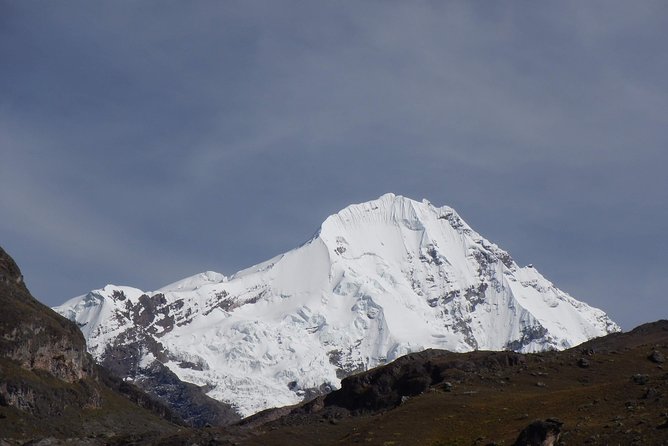
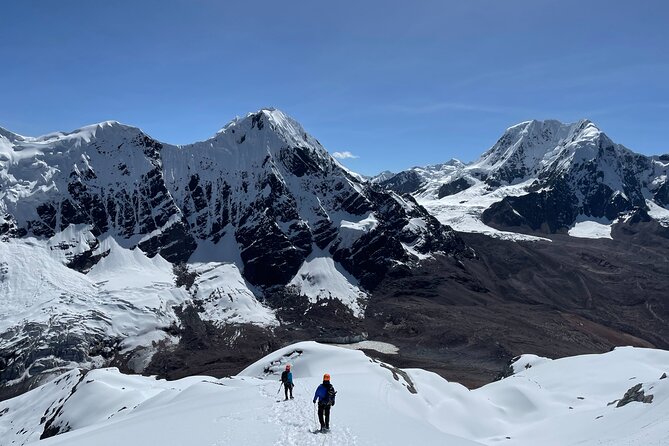
The second day starts before dawn with breakfast. You then hike toward the moraine, gaining the glacier section where the actual climbing begins.
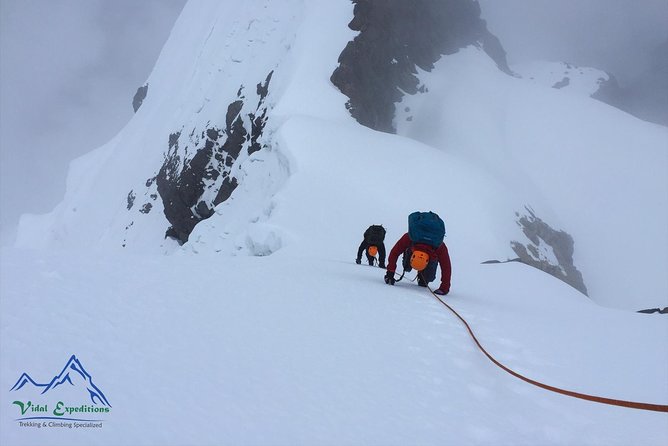
Your guide supplies the climbing gear and explains how to use it. The route to the summit takes about two hours from the glacier area, though your pace may vary. The itinerary notes some steps on the route, along with a possible short rock section depending on seasonal conditions.
This is the point where Qampa becomes more than a hard hike. You will be using mountain equipment and following instructions on snow and ice. Listen carefully, stay close to the guide, and do not treat the summit as guaranteed. Weather and route conditions can affect the attempt.
The short summit time also explains why the early start matters. Starting in darkness allows the team to reach the upper mountain during the best part of the morning schedule. You will need warm layers, gloves, and a reliable headlamp, but the tour data does not specify the full personal equipment list. Ask Vidal Expeditions what is supplied and what you must bring.
Reaching 5,520 meters and looking toward Salkantay
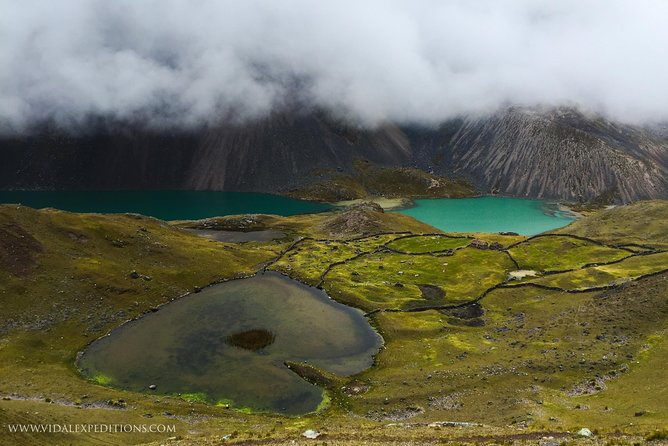
Qampa’s summit is listed at 5,520 meters, though some past descriptions give slightly different figures, including 5,532, 5,560, and 5,520 meters. Treat 5,520 meters as the official planning figure and focus less on the last few meters than on the altitude and conditions.
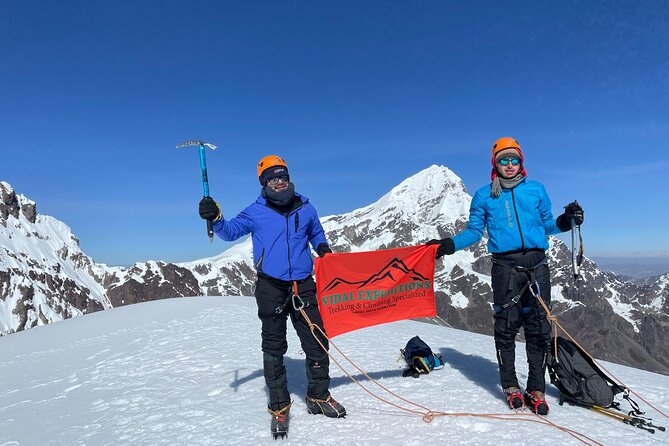
From the top, the views extend across the high Andes toward Salkantay, more than 200 kilometers to the northwest on a clear day. You also look across the surrounding Ausangate peaks. This is the visual reward for the slow approach, the early alarm, and the cold hours on the mountain.
The summit is not the place for a long stay. Take your photographs, enjoy the view, and follow the guide’s direction for the descent. At this height, wind and cold can become serious quickly.
Returning to camp and Pacchanta
After the summit, you descend to base camp for lunch. This is a welcome break because the summit push has started so early and the return over snow and moraine still requires attention.
You then hike back to Pacchanta. The route is not finished when you leave the summit. The descent can be tiring, especially after a night with little sleep, so good footwear and controlled steps matter.
Back in Pacchanta, you have the option of visiting the hot springs. I consider this one of the best touches in the schedule. The pools offer a warm, low-key ending, with views toward Ausangate and a chance to ease tired muscles before the drive.
The return bus leaves in the afternoon and brings you back to Cusco, ending at the original meeting point. The timing is efficient, but it also makes for a long second day. You climb before sunrise, descend, hike out, soak if time allows, and then sit through the return drive.
What the $380 price covers
At $380 per person, this is not a casual day hike. The price pays for an expedition-style service over two days, including transportation, guiding, camp support, dinner, breakfast, and two lunches.
The strongest value comes from the support system. You are not carrying every camp item, and the tents are prepared before you arrive. Horse support can handle extra duffel bags, while the cook and assistant help keep meals moving. Several past departures also included a larger support crew, especially for small private groups.
The maximum group size is six. That matters on a route involving glacier gear and a pre-dawn summit attempt. A smaller group gives the guide more time to watch each person’s pace and answer questions.
You should budget separately for water, tips, the optional hot-spring entry if charged locally, and possibly the first breakfast at Tinki. The supplied details do not give a hot-spring fee or a specific water policy, so ask before departure.
Guides, food, and the human side of the trip
The guide is central to this experience. Names associated with past departures include Chino, Flavio, Vinerson, Angel, Carlos, Sergio, Raul, Hector, and Julian. The important point is not choosing a famous name. It is confirming that your assigned guide is qualified for the glacier route and comfortable teaching beginners.
The strongest praise has focused on safety, clear instruction, organization, and friendly support. Food also receives repeated approval. Meals have included well-prepared camp dishes and thoughtful extras, including cake on one return to camp.
That level of service can make a tough climb feel manageable. It cannot remove the altitude or the weather, but it does reduce the small burdens that wear you down. Your job is to walk, listen, stay warm, and tell the guide early if you feel unwell.
Fitness, altitude, and who should choose this
The official requirement is moderate physical fitness. I would interpret that as being able to hike for several hours, walk uphill at a steady pace, and handle a long day on your feet. You do not need climbing experience, but you do need stamina and a sensible attitude toward altitude.
You should be comfortable with:
- An early hotel pickup from Cusco
- A two-hour approach hike on the first day
- Sleeping at 4,680 meters
- A 2:30 a.m. wake-up
- Glacier travel with mountain equipment
- A summit at 5,520 meters
- A long descent and return drive on day two
The short length is both an advantage and a drawback. You save time, but you have less time to adjust to camp and altitude. If you are already acclimatized in Cusco and have experience with high-elevation hiking, the schedule may suit you well. If you have not spent time at altitude, the two-day format deserves caution.
What to pack and confirm
Pack light, but take the cold seriously. Bring warm layers, gloves, a hat, sturdy hiking footwear, personal snacks, sun protection, and a water supply. A headlamp is especially important for the pre-dawn start.
Before booking, confirm:
- Which climbing equipment is included
- Whether a sleeping bag is provided
- How much water you must carry or purchase
- Whether the first breakfast at Tinki is included
- The cost of the Pacchanta hot springs
- The name and qualifications of your guide
- Any seasonal rock section on the route
Cancellation is flexible up to 24 hours before the scheduled start for a full refund. Changes or cancellations inside that 24-hour window are not refunded.
Should you book the Qampa climb?
Book it if you want a short, supported introduction to glacier climbing and you are ready for a genuine high-altitude effort. The small group, prepared camp, horse support, strong food service, and experienced mountain team offer good value for $380.
Think twice if you want a relaxed trek, dislike pre-dawn starts, or have not adjusted to altitude. Qampa may be one of the more approachable peaks in the Cusco area, but 5,520 meters is still serious. For a fit and well-prepared climber, it offers a memorable summit attempt, wide Ausangate views, and a satisfying hot-spring finish.
FAQ
Where does the Qampa climb begin?
The tour starts with pickup in Cusco at about 6 a.m. You drive through Tinki and continue to Pacchanta, at roughly 4,060 meters, where the trek begins.
How high is Qampa Mountain?
The planned summit elevation is 5,520 meters above sea level. Some past descriptions use slightly different figures, but 5,520 meters is the stated itinerary height.
Do I need previous mountaineering experience?
No previous mountaineering experience is required. The climb includes glacier travel, and the high-mountain guide provides equipment and instructions.
How many people can join the tour?
The maximum group size is six people.
What meals are included?
The package includes dinner, breakfast, and two lunches. The first breakfast stop in Tinki may be paid separately, so confirm this before departure.
Is transportation included?
Yes. Pickup is offered in Cusco, transportation takes you to Pacchanta, and the return bus brings you back to Cusco after the climb.
Is water included?
No. Water is not included in the listed price, so you should plan to bring or buy your supply.
What is the cancellation policy?
You can cancel at least 24 hours before the start time for a full refund. Cancellations or changes made less than 24 hours before departure are not accepted for a refund.
More 2-Day Experiences in Cusco
- From Cusco: 2-Day Trip to the Sacred Valley and Machu Picchu
★ 4.6 · 265 reviews - Cusco: Machu Picchu 2-Day Inca Trail with Panoramic Train
★ 4.9 · 260 reviews - From Cusco: 2-Day Inca Trail to Machu Picchu
★ 4.2 · 244 reviews - Machu Picchu: Inca Trail 2-Day Overnight Guided Tour
★ 4.9 · 203 reviews
Just added around Cusco
- Zipline over the Sacred Valley Trip★ 5.0 · 11 reviews
- Valle Sur Cusco | half day★ 4.3 · 3 reviews
- Visit Pisac from Cusco: Private Transport★ 4.6 · 9 reviews
- Exclusive Huayna Picchu Tour in 1 Day from Cusco★ 5.0 · 31 reviews
- Trek to Humantay Lake from Cusco★ 4.9 · 8 reviews
- Transfer from Cusco to Ollantaytambo★ 5.0 · 30 reviews
- Private Tour Sacred Valley, Chinchero, Maras Moray, Ollantaytambo★ 5.0 · 29 reviews
- 5 Day – Salkantay trek to Machu Picchu – Group Service★ 4.5 · 27 reviews
Ausangate 7 Lagoons Treks, compared.
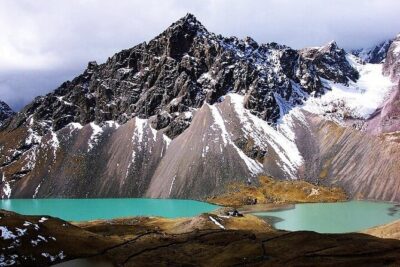
Excursion to Ausangate & 7 lakes with Coca Ceremony |Private|
Read our review →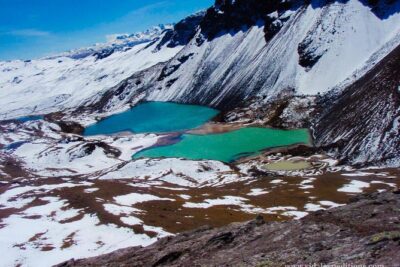
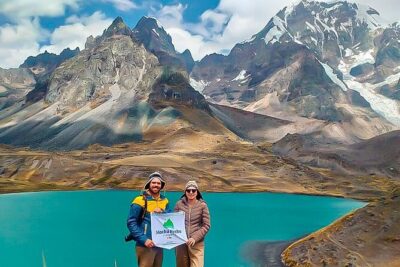
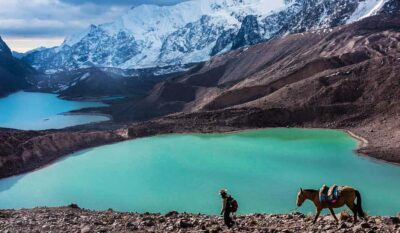
Ausangate and Rainbow Mountain Trek – 3 Days / 2 Nights
Read our review →
6 day Rainbow Mountain x Ausangate Trek – FlashpackerConnect
Read our review →
Browse the lists this tour appears in