
Reviewed · INCA TRAIL TREKS TO MACHU PICCHU
Small Group: 4-Day Inca Trail Trek to Machu Picchu
The best part of this four-day trek is that Machu Picchu comes at the end of a real journey, not after a short bus ride. You walk through Inca ruins, cloud forest, high mountain passes, and stone paths before reaching the Sun Gate. I like the small-group format and the strong local support team, especially the guides and porters who help turn a hard hike into a well-run trip.
I also like that the $850 price covers the major pieces: camping, meals, admission, transport, a chef, porters, and a personal porter for 5 kilograms of gear. The drawback is clear: this is a serious high-altitude hike, with steep climbs, basic camps, early mornings, and weather that can change from blazing sun to hail in one day.
Key points to know before booking
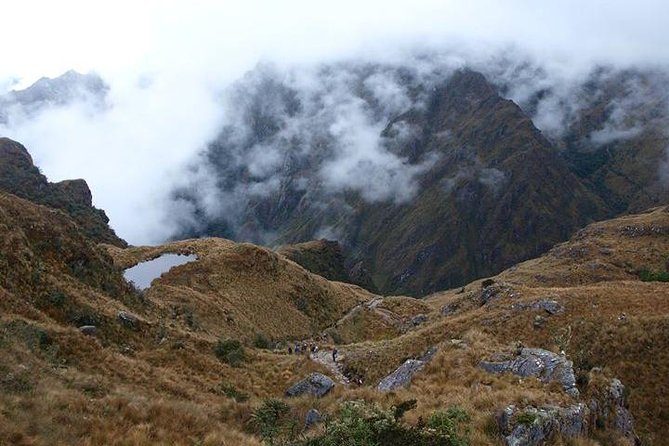
- Dead Woman’s Pass reaches 4,215 meters, making Day 2 the physical test of the trek.
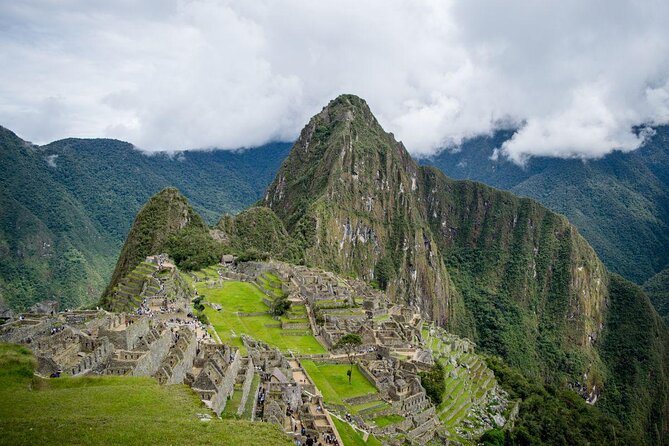
- The route ends at the Sun Gate, where you get your first view of Machu Picchu from above.
- Small groups make a difference, though the information gives both 10 and 12 as the maximum, so confirm the final group size.
- A chef prepares three breakfasts, lunches, and dinners, with vegetarian meals available if requested in advance.
- Your personal porter carries up to 5 kilograms, but you still need to carry your own daypack, water, clothing, and inflatable pillow.
- Permits sell out early, and booking at least five months ahead is strongly advised.
Why this Inca Trail route feels different
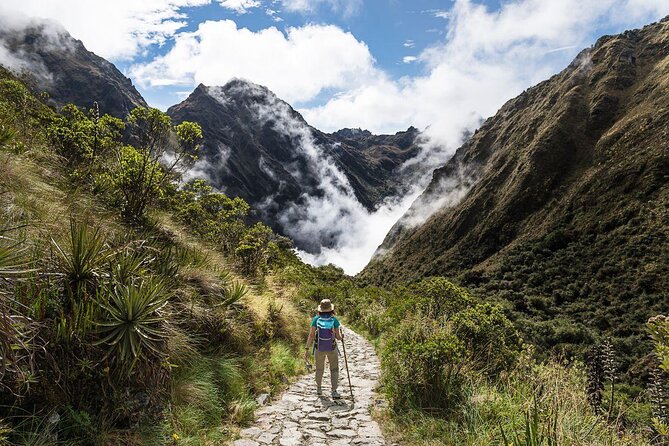
The classic Inca Trail is not simply a hiking route to a famous ruin. It is a sequence of stone paths, old settlements, ceremonial sites, terraces, steep passes, and changing plant life. You begin near the Sacred Valley and finish at Machu Picchu through the Sun Gate, following the same broad route used by people moving through the Inca world.
That setting gives the trek its meaning. You do not see Machu Picchu first and then walk away from it. You work toward it for four days. By the time you reach the citadel, your legs are tired, your boots may be wet, and the first view from Inti Punku feels earned.
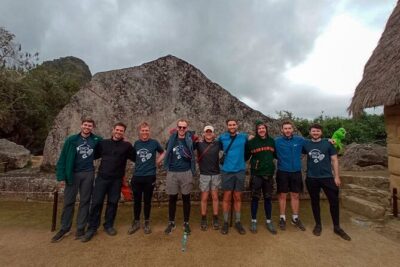
The group size is intended to stay small. The tour information gives a maximum of 10 in one place and 12 in another, so I would ask Inkayni Peru Tours to confirm this before paying. Either way, a small party is preferable to a large procession. It makes meal times easier, lets you hear your guide, and gives the group more room to move at its own pace.
Guides named in the tour’s feedback include Freddy, Edwin, Ronald, Herlin, Paul, and Yo-yo. You should not assume you will receive a particular guide unless the company confirms it. Still, the repeated pattern is useful: the guides are described as warm, energetic, attentive to rest breaks, and proud of Inca history, Quechua culture, and local traditions.
More Inca Trail Departures from Cusco:
- Cusco: 4-Day Inca Trail to Machu Picchu with Accommodation
★ 4.8 · 432 reviews - Cusco: Machu Picchu 2-Day Inca Trail with Panoramic Train
★ 4.9 · 260 reviews - From Cusco: 2-Day Inca Trail to Machu Picchu
★ 4.2 · 244 reviews
Day 1: Km 82 to Wayllabamba
Your day begins with a 5 a.m. pickup from your hotel in central Cusco. A private bus travels through Chinchero, Urubamba, and Ollantaytambo before reaching Km 82 after about two and a half hours.
That drive is part of the orientation. You move from Cusco toward the Sacred Valley, passing through some of the best-known towns in the region before arriving at the official starting point of the Inca Trail. Bring breakfast with you or arrange it ahead of time, since breakfast on Day 1 is not included.
The first hiking day covers about five hours. The trail rises toward Wilka Rakay, where you can look across to Patallacta and the Kusichaca Valley. Patallacta is one of the route’s first major archaeological sights, and it gives you an early reminder that this is not just a mountain walk.
The trail continues through Andean scenery with ruins and changing plant life. By late afternoon, you reach Wayllabamba at about 3,000 meters. The crew sets up camp while you rest and eat dinner in a dining tent with tables and chairs.
Day 1 is the gentlest day in terms of distance and altitude gain, but do not treat it as a warm-up you can ignore. You are already at high elevation, and the next day is much harder. Use the first evening to organize your clothing, refill water, and protect your energy.
Day 2: The climb to Dead Woman’s Pass
Day 2 is the hardest part of the route for many people. After breakfast, you walk for about an hour toward Tres Piedras, or the Three Stones, then enter cloud forest before the trail turns sharply upward.
The main goal is Abra de Warmihuañusca, better known as Dead Woman’s Pass. At 4,215 meters, or 13,828 feet, it is the highest point of the trek. The climb is demanding because of both the steep steps and the thin air. You may need to walk slowly, take frequent pauses, and focus on steady breathing rather than speed.
The reward is a broad view across the high Andes. This is a good place to understand why pacing matters. The pass is not a quick photo stop followed by an easy walk. Once you reach the top, you still have a steep descent to Pacaymayo at about 3,600 meters.
The descent can be hard on knees and thighs, especially after the climb. Trekking poles are not listed among the included equipment, so bring your own if you use them. You should also pack a waterproof jacket or rain poncho, warm layers, a hat, gloves, sunscreen, and insect repellent. The weather can shift quickly.
At Pacaymayo, the crew prepares dinner and you sleep in a shared tent. The tents are described as spacious four-person tents used by two people, with inflatable mattresses and hot water each morning. That is a welcome level of comfort, but this remains mountain camping. You will not have a private room, shower, or regular bed.
Day 3: Runkurakay, Sayacmarca, and Wiñayhuayna
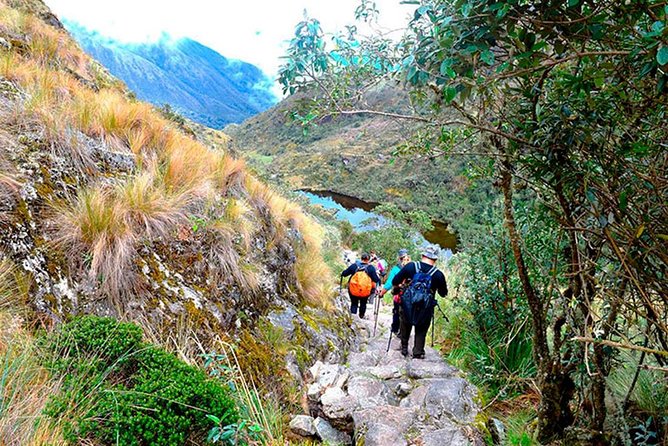
Day 3 lasts about eight hours and packs in some of the route’s finest ruins. The morning begins with a 45-minute climb to Runkurakay, an old resting site for people moving along the trail. Another 45-minute ascent brings you to Runkurakay Pass at 4,000 meters.
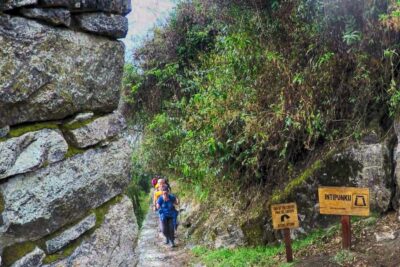
From the pass, the route drops toward Sayacmarca. This site sits on a steep mountainside, with stone structures that make the builders’ skill easy to appreciate. The path itself becomes part of the attraction here. Sections of carefully laid Inca paving pass through mountain vegetation and high cloud forest.
Lunch is served at Chaquicocha. A chef prepares the meals, and the food is one of the trip’s strongest practical features. You receive three breakfasts, three lunches, and three dinners during the trek. Several accounts describe generous portions, good variety, and surprisingly polished cooking from a camp kitchen. Vegetarian food is available if you request it in advance.
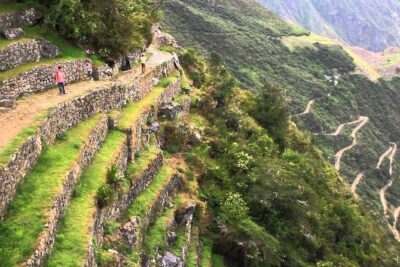
After lunch, the trail follows a narrow ridge toward Phuyupatamarca Pass. You get views toward the Sacred Valley, high peaks, and, eventually, Machu Picchu. The route then drops through ceremonial sites and terraces to Wiñayhuayna, the final campsite.
Wiñayhuayna is an important moment in the trip because Machu Picchu is now close. It is also another long day on tired legs. Save some energy for the descent, and do not let excitement push you into walking too fast.
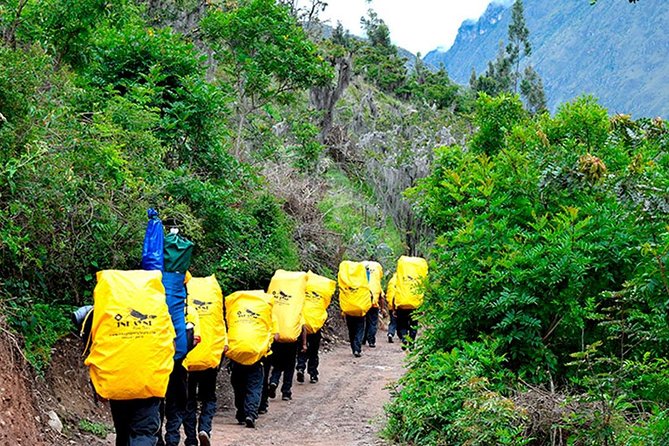
The support crew matters most on a day like this. Porters carry cooking and camping equipment, while your personal porter carries up to 5 kilograms of your gear. You still need a small daypack with water, rain gear, snacks, a camera, personal medication, and anything you may need during the day.
More Machu Picchu Days from Cusco:
- From Cusco: Full-Day Group Tour of Machu Picchu
★ 4.7 · 1,767 reviews - Machu Picchu Day Trip from Cusco
★ 4.5 · 1,644 reviews - Machu Picchu: Full-Day Tour from Cusco with Optional Lunch
★ 4.6 · 927 reviews - From Cusco: 2-Day Trip to the Sacred Valley and Machu Picchu
★ 4.6 · 265 reviews
Day 4: The Sun Gate and Machu Picchu
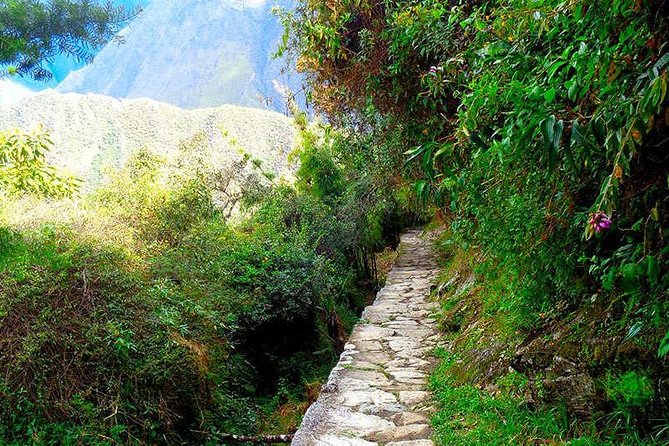
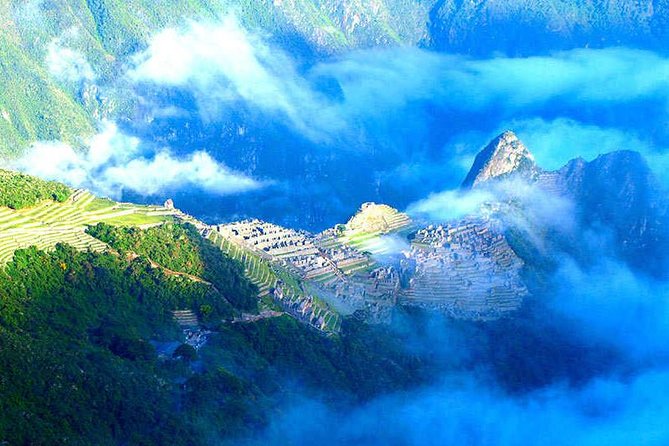
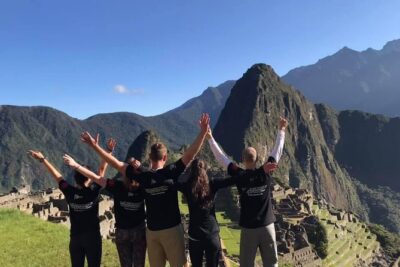
The final morning starts early. You walk for about an hour to Inti Punku, the Sun Gate, on a relatively easy section of trail. From here, weather permitting, you get your first view of Machu Picchu and the surrounding Andes.
This first sight is one of the strongest reasons to choose the full Inca Trail instead of arriving directly by train. The citadel appears below you after days of walking. The view may be affected by cloud, rain, or early-morning light, so do not treat sunrise as guaranteed.
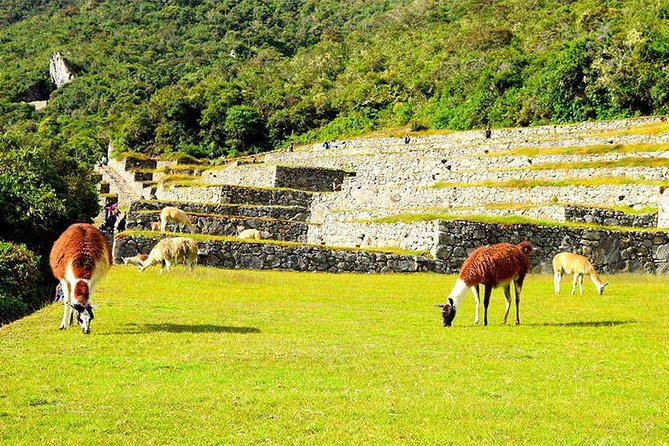
A 45-minute descent takes you toward the upper terraces, a classic place for photographs. Your guide then leads a detailed visit through the citadel, including temples, ceremonial areas, terraces, and storage structures.
The schedule allows about nine hours for the day, including the visit and the journey onward. If you have reserved an extra ticket, you may also hike Huayna Picchu at 2,720 meters or Machu Picchu Mountain at 3,082 meters. These are optional additions and cost extra. Do not count on adding one at the last minute, since mountain access depends on a separate ticket.
After Machu Picchu, you go by bus to Aguas Calientes for a break and lunch at your own expense. Dinner on Day 4 is also not included. You then take the train to Ollantaytambo, followed by a private van back to Cusco.
That return can make the final day long. You have already walked, toured the citadel, descended to Aguas Calientes, and still face the train and road journey. Plan to keep your evening quiet.
What the $850 price really covers
At $850 per person, this is not a budget day trip, but the price includes much more than the entrance to Machu Picchu. You receive hotel pickup, transport to Km 82, the train and bus return to Cusco, trail admission, a professional English-speaking guide, a chef, porters, camping equipment, meals during the trek, and a personal porter for up to 5 kilograms.
The included inflatable mattress, spacious tents, dining tent, hot morning water, first aid kit, and oxygen bottle are useful signs of organized support. Water is supplied after the first four hours of hiking, but you must bring your own for that opening stretch.
You need to budget separately for a sleeping bag, breakfast on Day 1, lunch and dinner on Day 4, optional Huayna Picchu or Machu Picchu Mountain tickets, travel insurance, and personal items. A sleeping bag can be rented from the local operator.
The food deserves special attention. Cooking three-course meals at high camp is not a small task, and the named chefs include Sabino, Herminios, Mario, and Nazario. You should still think of the meals as mountain food, not restaurant dining, but the operation places real value on feeding hikers well.
The porters are another major part of the price. They carry tents, cooking supplies, and other group equipment, while your personal porter carries part of your load. Pack lightly and treat that service with respect. Their work is one of the reasons you can focus on walking rather than hauling a full camping kit.
Fitness, altitude, and weather
The tour calls for moderate physical fitness, but I would interpret that seriously. You will walk for five hours on Day 1, seven on Day 2, eight on Day 3, and about nine hours on Day 4. The total effort includes repeated climbs, steep descents, uneven stone steps, and high altitude.
The minimum age is six, but age alone tells you little about readiness. This route is not recommended for people with back problems, heart disease, or other serious medical conditions. Speak with a medical professional if you have any concern about altitude or strenuous hiking.
Weather can change quickly. Pack for rain, cold, sun, and insects. A waterproof jacket or poncho, warm jacket, hat, gloves, comfortable trousers, walking boots, sunscreen of at least factor 35, insect repellent, toiletries, hand sanitizer, personal medication, and a torch with spare batteries are all specifically useful.
You also need your original passport on the trek. If you hope to receive a student discount, bring a valid ISIC card. Contact the company before departure with dietary needs and any special requirements.
Booking the permit and handling the practical details
The Inca Trail is regulated, with only 500 people allowed onto the route each morning, including hikers, guides, porters, and cooks. That limit helps control the trail and campsites, but it also means permits can sell out quickly.
Book at least five months ahead whenever possible. The booking is non-refundable and cannot be changed, so make sure your dates, passport details, and flight plans are correct before you pay. Confirmation is immediate unless you book within two days of departure. In that case, confirmation can take up to 48 hours and depends on availability.
A pre-trek briefing takes place one or two days before departure. Use it well. Confirm the meeting time, luggage plan, porter allowance, food requests, sleeping bag rental, and any extra mountain tickets.
Who should choose this trek?
You should choose this trek if you want the approach to Machu Picchu to matter as much as the ruins themselves. It suits hikers who enjoy physical effort, early starts, shared camping, local guides, and a clear sense of progress from one day to the next.
It is also a good fit if you value support. The chef, porters, transport team, guide, dining tent, mattresses, and included admissions remove much of the planning burden. The small group can create a friendly atmosphere, and several guides are praised for helping people find the right balance between pushing forward and resting.
You should think twice if you want comfort, flexible scheduling, or a short route. The camps are basic, Day 2 is steep, Day 3 is long, and Day 4 combines hiking, sightseeing, train travel, and a road transfer. You may also prefer a shorter visit if high-altitude hiking is not part of your idea of a holiday.
Should you book it?
I would book this trek if you are prepared for the physical work and can secure a permit well in advance. The $850 price is sensible for a guided four-day route with meals, camping, porters, admission, and return transport.
Before paying, confirm the final group size, guide assignment, sleeping bag cost, extra mountain tickets, and exact return schedule. If you can handle the altitude and basic camping, the walk through Patallacta, Dead Woman’s Pass, Runkurakay, Sayacmarca, Phuyupatamarca, and Wiñayhuayna gives you a far fuller connection to Machu Picchu than arriving by train alone.
FAQ
How long is the Inca Trail trek?
The trek lasts four days. Hiking times are listed as about five hours on Day 1, seven hours on Day 2, eight hours on Day 3, and nine hours on Day 4.
What is the highest point of the route?
The highest point is Dead Woman’s Pass, called Abra de Warmihuañusca, at 4,215 meters or 13,828 feet.
Is transportation from Cusco included?
Yes. The tour includes hotel pickup in central Cusco, transport to Km 82, and return transportation by train and bus, followed by a private van to Cusco.
Are meals included?
Breakfast, lunch, and dinner are included on Days 2 and 3, along with breakfast on Day 4. The tour also lists meals during the camping portion as three breakfasts, three lunches, and three dinners. Breakfast on Day 1 and lunch and dinner on Day 4 are not included.
Is a sleeping bag provided?
No. A sleeping bag is not included, but it can be rented from the local tour operator. An inflatable mattress and inflatable pillow are included, though you need to carry the pillow.
Can I hike Huayna Picchu or Machu Picchu Mountain?
Yes, if you reserve the required extra ticket. Entrance to Huayna Picchu or Machu Picchu Mountain costs extra, and the hike should be pre-booked.
What documents do I need?
You need your current original passport on the day of the trek. Bring a valid ISIC card as well if you want to qualify for a student discount.
More Hiking & Trekking in Cusco
- From Cusco: 7 Lakes Ausangate Trek with Breakfast and Lunch
★ 4.8 · 360 reviews - Cusco: Rainbow Mountain Tour and Red Valley Hike (Optional)
★ 4.7 · 149 reviews - Cusco: Full-Day Rainbow Mountain & Red Valley Trekking Tour
★ 4.5 · 121 reviews - Salkantay Trek Challenge – 3 Days / 2 Nights
★ 5.0 · 101 reviews
More 4-Day Experiences in Cusco
- 4 Day Tour to the Manu National Park
★ 5.0 · 81 reviews - Choquequirao Trek 4 days and 3 nights
★ 5.0 · 81 reviews - Cusco Sacred Valley and Machupicchu 4 Days
★ 5.0 · 80 reviews - Ancascocha Trek To Machu Picchu 4 Days And 3 Nights
★ 5.0 · 77 reviews
Just added around Cusco
- Zipline over the Sacred Valley Trip★ 5.0 · 11 reviews
- Valle Sur Cusco | half day★ 4.3 · 3 reviews
- Visit Pisac from Cusco: Private Transport★ 4.6 · 9 reviews
- Transfer from Cusco to Ollantaytambo★ 5.0 · 30 reviews
- Exclusive Huayna Picchu Tour in 1 Day from Cusco★ 5.0 · 31 reviews
- Trek to Humantay Lake from Cusco★ 4.9 · 8 reviews
- Private Tour Sacred Valley, Chinchero, Maras Moray, Ollantaytambo★ 5.0 · 29 reviews
- 5 Day – Salkantay trek to Machu Picchu – Group Service★ 4.5 · 27 reviews
Inca Trail Treks to Machu Picchu, compared.
4-Day Inca Trail to Machu Picchu with Accommodation
Read our review →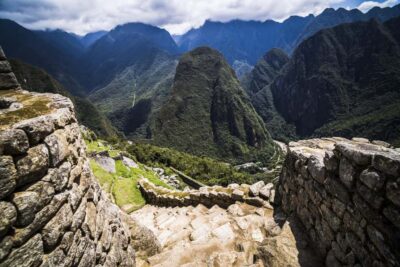
Short Inca trail to MachuPicchu || 2days – 1nigth ||
Read our review →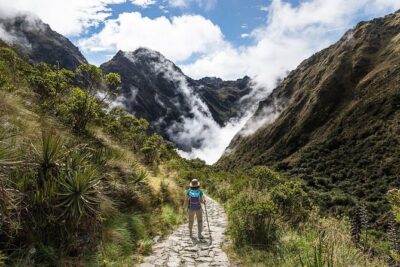
4 Day Inca Trail Trek to Machu Picchu Multi day tour
Read our review →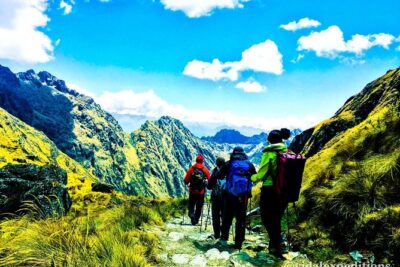
Browse the lists this tour appears in