
Reviewed · SACRED VALLEY DAY TRIPS FROM CUSCO
Super Sacred Valley
The Super Sacred Valley tour packs six major stops into one day, from Chinchero and Moray to Maras, Ollantaytambo, and Pisac. You see Inca farming, salt production, stonework, local crafts, and mountain views without arranging several separate trips from Cusco.
I like the route for two clear reasons: the variety is excellent, and the guide-led visits give you useful context instead of leaving you to stare at old stones without explanation. The buffet lunch in Urubamba is another practical plus. The tradeoff is a long day with many stops, a small bus, and three craft-shopping visits that can cut into time at the archaeological sites.
Key points to know before booking
- Moray and Maras provide the day’s most unusual pair: circular Inca terraces followed by more than 3,000 salt pools.
- Ollantaytambo is the main archaeological highlight, with finely fitted stonework and its reputation as the Last Living Inca City.
- Pisac combines an Indigenous market with an archaeological park, so you get shopping and ruins in the same stop.
- The $50 price does not include entrance tickets: budget PEN 70 for the four main sites and PEN 10 for Maras.
- Expect a full schedule: pickup is about 7:00 am and arrival back in Cusco is about 7:00 pm.
- The bus may feel tight: one report describes a 17-seat vehicle with limited legroom.
One long day through the Sacred Valley
This is the route for you if you want a broad first look at the Cusco Region and have only one day available. You will not study every site at a slow pace, but you will cover an impressive range of Inca architecture, farming, salt production, markets, and living communities.
The route begins around 7:00 am with pickup at your hotel or meeting point. From there, you travel through the Sacred Valley with an English and Spanish speaking guide. The schedule finishes in Cusco at about 7:00 pm, so plan on a full day out, not a relaxed half-day outing.
That packed schedule is both the tour’s strength and its weakness. I like that you can see four important archaeological sites without arranging separate transport. At the same time, each stop receives only part of the day, and the additional craft visits make the timetable feel even tighter.
The tour costs $50 per person, which is a reasonable starting price for transportation, a professional guide, and buffet lunch. You must add PEN 80 in entrance charges: PEN 70 for Chinchero, Moray, Ollantaytambo, and Pisac, plus PEN 10 for the Maras Salt Mines. Check the exchange rate before you go, since the final cost depends on the value of the Peruvian sol.
More Sacred Valley Days from Urubamba:
- Cusco:Sacred Valley Pisaq,Ollantaytambo,Chinchero with Lunch
★ 4.8 · 183 reviews - from Urubamba & Ollantaytambo:Sacred Valley Full-Day Private
★ 4.9 · 31 reviews - Cusco: Sacred Valley and Salt Mines Ending in Ollantaytambo
★ 4.6 · 5 reviews
Chinchero, stone walls and a colonial church
Chinchero is the opening stop, and it gives you an early look at how Inca and Spanish history share the same place. You will see Inca wall construction and visit a colonial church with a long local story.
This is a useful introduction because the day is not limited to one type of ruin. You begin with architecture, religious history, and local life before moving on to agricultural sites. The walls provide a clear example of the careful stone building associated with the Inca period.
You will also make a short visit to a textile center. The activity includes some participation, so expect more than a quick stop beside a shop, but do not assume it will be a long workshop. The schedule describes it as a small participation, and one poor experience specifically complained about brief craft demonstrations and several tourist-oriented stores.
That point matters if you are choosing this tour to avoid shopping. The route includes three craft or tourist-shop stops according to one detailed account, and the textile center is part of the planned day. I would treat these visits as built-in trade stops, not as optional cultural extras.
Moray’s circular terraces and Inca farming
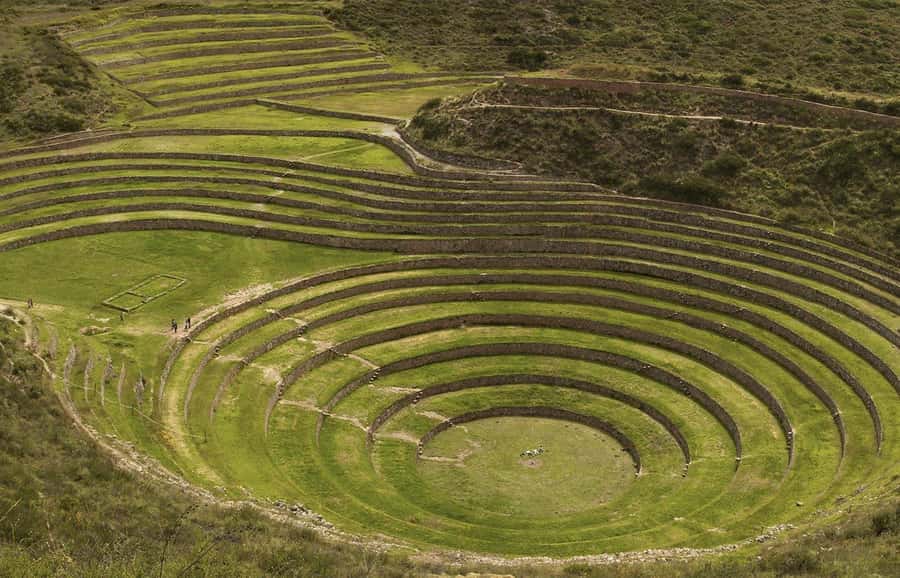
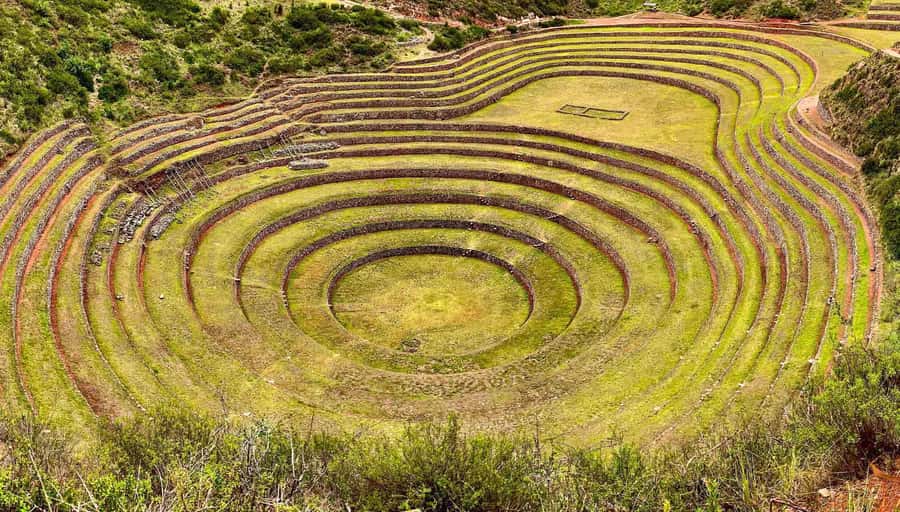
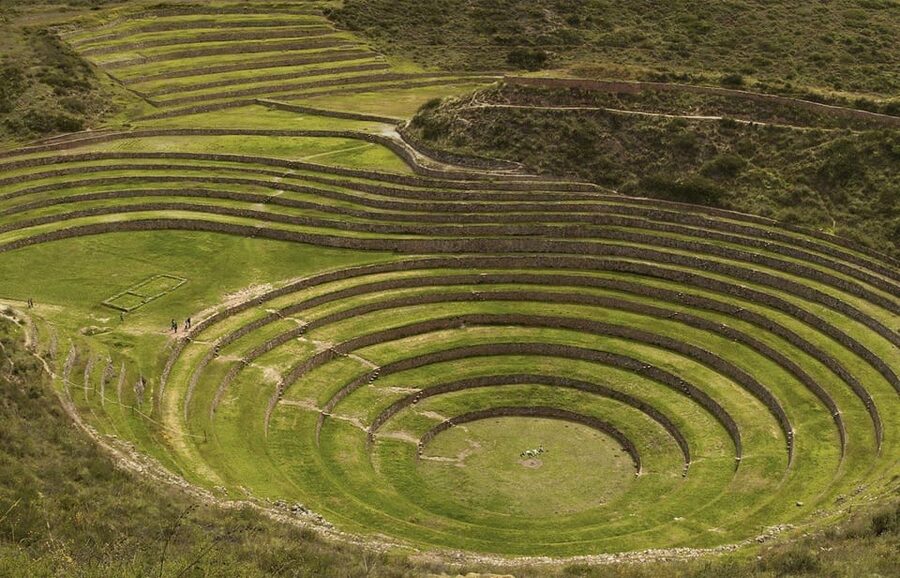
Moray is one of the most memorable sites on the route. Its circular agricultural terraces form a dramatic pattern in the ground, with rings descending toward the center.
The site mattered to Inca agriculture, and your guide can help explain why these terraces were important. The value here is visual as well as historical. Even if you have already seen several stone walls during your Peru trip, Moray changes the rhythm with a site shaped by broad curves rather than straight platforms.
You will want to listen closely during this stop. The terraces are easy to photograph, but a guide adds meaning by connecting the construction to farming in the Inca era. The supplied information does not promise a specific length of time at Moray, so expect the usual limits of a full-day group route rather than an extended private visit.
Moray also helps show why the Sacred Valley deserves more than a single viewpoint. The trip moves from Chinchero’s walls to a large farming site, then down toward the salt pools of Maras. That variety keeps the day from feeling like a string of similar ruins.
Maras and more than 3,000 salt pools
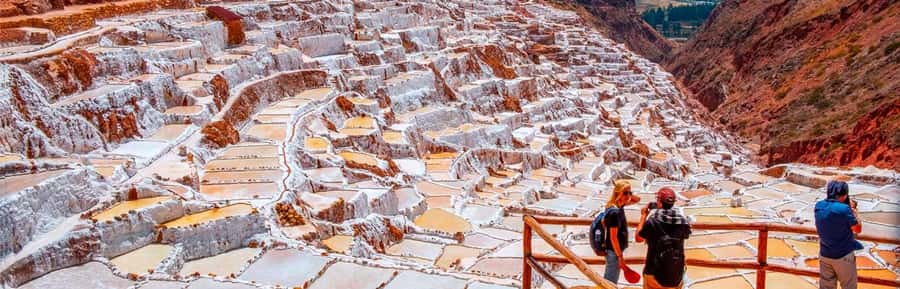
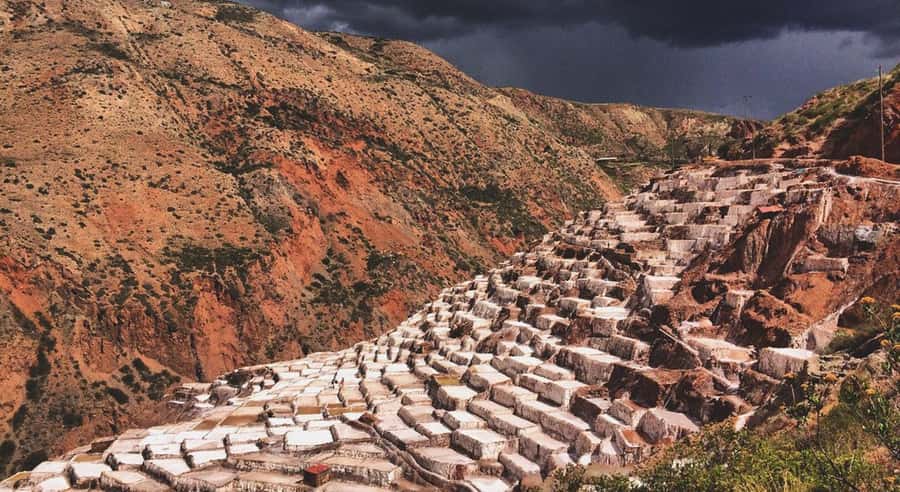
After Moray, the route descends to the Maras Salt Mines. Here, more than 3,000 salt wells spread across the hillside, creating one of the area’s most distinctive sights.
The salt was used by the Incas for consumption, so this is not just a scenic photo stop. It shows a working resource tied to local life and older Andean production. The view is especially different from Moray: instead of circular terraces cut into the earth, you see many small salt pools arranged across the slope.
Maras requires its own entrance payment of PEN 10. This is separate from the PEN 70 tourist ticket covering Chinchero, Moray, Ollantaytambo, and Pisac. Keep the two charges in mind when comparing the $50 tour price with cheaper options.
The route description calls Maras picturesque, and that is a fair reason to keep it on the itinerary. Still, the stop can feel quick because the tour has so much ground to cover. If Maras is your main reason for booking, a longer or more focused visit may suit you better. If you want a broad overview, its unusual salt pools earn their place.
Same altitude, a completely different day:
- Machu Picchu: Group Guided Tour
★ 4.7 · 102 reviews - Machu Picchu: Tour Guide Service & Entrance Ticket Circuit-2
★ 4.6 · 90 reviews - From Cusco: Chinchero, Moray, Maras and Ollantaytambo
★ 4.5 · 83 reviews - Cusco: One Day Tour to Machu Picchu with Train Transfers
★ 4.8 · 28 reviews
Urubamba buffet lunch
The group arrives in Urubamba for a buffet lunch before continuing to Ollantaytambo. Lunch is included, which simplifies the day and means you do not need to search for a restaurant while moving between sites.
The meal is described as excellent in one detailed account, but I would keep expectations sensible. This is a group buffet, not a private food tour. Its main value is convenience, a proper pause in the middle of a long itinerary, and the chance to eat before the afternoon visits.
A buffet also works well for a mixed group because you can choose your portion and get back on schedule. Since the day begins early and ends around 7:00 pm, the included meal is more useful than a vague promise of free time for lunch.
Ollantaytambo, the day’s great stonework
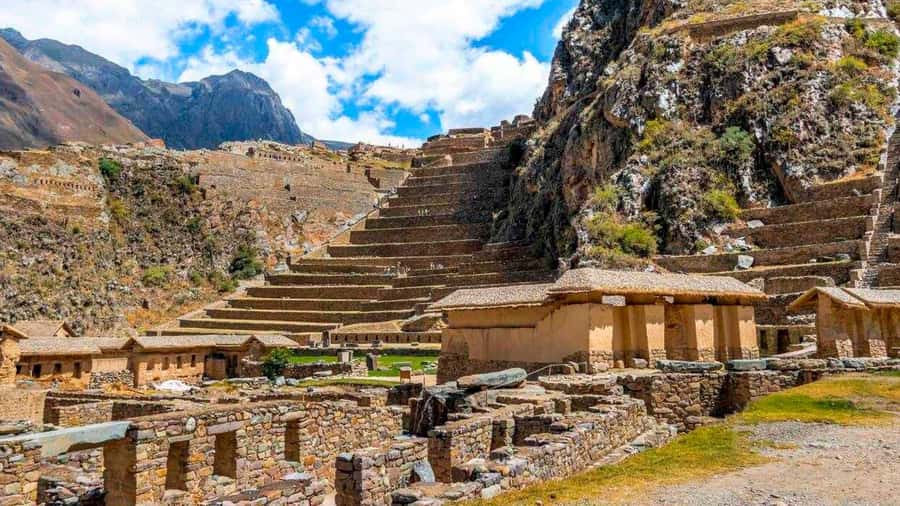
Ollantaytambo is likely to be the strongest archaeological stop for many people. The town is known as the Last Living Inca City, and the visit combines an active settlement with major Inca remains.
The finely assembled polished stone buildings show the technical skill that makes Ollantaytambo so impressive. You are not looking at a site isolated from daily life. The town itself remains part of the setting, giving the stop a stronger connection to the past and present than a ruin viewed on its own.
This is where a good guide matters most. The route includes an English and Spanish speaking professional guide, and language handling can affect how much you take away from a fast day. A positive account described guide Emil explaining the sites and Inca civilization clearly. Another account noted a guide repeating explanations in Spanish for a group that was primarily English speaking. That suggests the tour can work well for mixed-language groups, though the exact guide and group makeup may vary.
Give yourself room to look carefully at the stonework. Because the itinerary also includes Pisac afterward, you should not expect unlimited time in Ollantaytambo. If this is the site you most want to study, tell the guide early and stay aware of the group meeting time.
Pisac market and the Intihuatana hill
The final major area is Pisac, a picturesque town located on the slopes of Intihuatana hill. The name is described as meaning Place where the Sun is moored, a fitting detail for a site connected to Inca belief and astronomy.
The visit starts with the Indigenous market. This is presented as the best place on the route to buy crafts, so it is the natural point to shop for souvenirs. You will find this stop more useful if you already know what you want to buy and how much you want to spend. A market can easily absorb the time meant for the archaeological park.
After the market, you enter the Pisac Archaeological Park. The site includes Inca buildings made with carefully polished and assembled stone. It gives you a final chance to compare Inca construction with what you saw earlier at Chinchero and Ollantaytambo.
The order of market first and ruins second may suit shoppers, but it can also make the final part of the day feel rushed. Keep purchases modest and stay alert for the departure time. The bus still has to return to Cusco, and the expected arrival is about 7:00 pm.
Craft stops and the question of time
The shopping element deserves direct attention because it may decide whether this is the right tour for you. The planned textile-center visit offers contact with local craft production, and Pisac’s Indigenous market gives you a chance to buy handmade goods.
But one detailed account described three tourist-oriented shop stops, with short demonstrations and little added value. That criticism also noted that the tour was more expensive than other options, yet did not provide more time at the main sites.
I would not book this tour expecting a no-shopping archaeological day. Instead, see the craft stops as part of the package. If you enjoy browsing textiles and crafts, they may be welcome breaks. If you want every available minute at Moray, Ollantaytambo, and Pisac, ask the provider how many shopping stops are planned before paying.
This is also where the $50 price needs a closer look. The fare includes transport, lunch, and a guide, but it is not automatically the best value for every purpose. A cheaper tour with the same route may suit you if price matters most. This tour makes more sense if you value a set itinerary, included lunch, and a guide who can explain the sites in two languages.
Transport, group size and comfort
The transport is round trip from Cusco, and pickup is listed at your hotel or meeting point. That removes the need to organize separate buses or taxis between six different places.
Comfort may be less certain. One account described a 17-seat bus with limited legroom compared with other tours. A small vehicle can make the group feel more personal, but on a twelve-hour day, tight seating matters. You should be prepared for repeated boarding, short stops, and a long ride back to Cusco.
The tour includes a first aid kit and an oxygen bottle for emergencies. These are sensible safety provisions for a full day in the Cusco Region, though they are emergency supplies rather than a promise of medical care. Bring what you normally need for a full day away from your hotel.
The exact starting time should be checked when you book, since the listed pickup is approximately 7:00 am. The same applies to the return, which is approximately 7:00 pm. Traffic, group timing, and the number of stops can affect the schedule.
Who will get the most from this tour
I would recommend this route to you if you have only one day for the Sacred Valley and want to see the major names in a single outing. It is also a good fit if you like a guide explaining the Inca sites, want lunch included, and appreciate having transport arranged from Cusco.
The tour suits shoppers better than a strict no-shopping itinerary. Pisac’s market and the textile center are useful if you want crafts, but the extra stops may frustrate you if archaeology is your only priority.
You should also be comfortable with a long day and a potentially tight bus. This is not a slow, quiet outing with long pauses at one or two sites. It is a broad introduction that trades depth for coverage.
The guide can make a major difference. Emil received specific praise for clear explanations, and the bilingual format has worked well for groups needing both English and Spanish. Still, guide assignments can change, so book this for the route and inclusions rather than expecting one named person.
Free cancellation up to 24 hours before departure and reserve-now, pay-later booking make the plan easier to adjust. Those terms are useful when your Cusco schedule is still moving, but they do not change the extra entrance fees or the long pace of the day.
Should you book Super Sacred Valley?
Book it if you want Moray, Maras, Ollantaytambo, Pisac, Chinchero, and lunch in one organized day. The combination is hard to match for someone with limited time, and the guide-led format adds useful context to the stonework, terraces, and salt pools.
Think twice if you are paying more mainly to avoid craft shops. The route includes shopping-oriented stops, and one account found the vehicle cramped and the site time no better than on cheaper tours.
My practical call: choose this tour for coverage and convenience, not for a leisurely archaeological study. Budget the extra PEN 80, expect about twelve hours on the road, and confirm the craft-stop plan if your priority is time at the ruins.
FAQ
How long does the Super Sacred Valley tour last?
The activity lasts one day. Pickup is approximately 7:00 am, and the expected return to Cusco is around 7:00 pm.
What places does the tour visit?
The route includes Chinchero, Moray, the Maras Salt Mines, Urubamba, Ollantaytambo, and Pisac.
Is lunch included?
Yes. A buffet lunch in Urubamba is included in the tour price.
Are entrance tickets included?
No. The tourist ticket for Chinchero, Moray, Ollantaytambo, and Pisac costs PEN 70. The Maras Salt Mines require a separate PEN 10 ticket.
What languages does the guide speak?
The tour includes a professional guide who speaks English and Spanish.
Does the tour include hotel pickup?
Yes. Pickup at your hotel or meeting point is included.
Is transportation included?
Yes. Round trip transportation is included in the activity price.
Can I cancel for a full refund?
Yes. You can cancel up to 24 hours in advance for a full refund. You can also reserve now and pay later.
Just added around Urubamba
- Sun and Moon Tour★ 4.5 · 3 reviews
- Sacred Valley Tour 1 Day★ 5.0 · 3 reviews
- Peru in 5 days: Lima, Cusco, Machupicchu & Rainbow Mountain★ 5.0 · 3 reviews
- Machu Picchu: 1-day tour by Vistadome Panoramic train★ 4.7 · 15 reviews
- Machupicchu 2025: The best ticket Circuit 2★ 3.5 · 6 reviews
- Machu Picchu: historical and photographic guided tour★ 4.9 · 27 reviews
- Guided tour of Cusco and its 4 ruins★ 3.8 · 3 reviews
- Private Guide in Machu Picchu for 3 Hours★ 4.2 · 17 reviews
Sacred Valley Day Trips from Cusco, compared.
Sacred Valley & Maras Salt Mines Tour with Lunch
Read our review →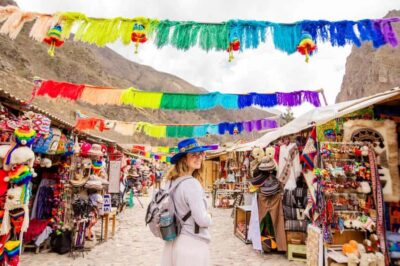
Sacred Valley, Pisac, Ollantaytambo, Salt Mines Moray
Read our review →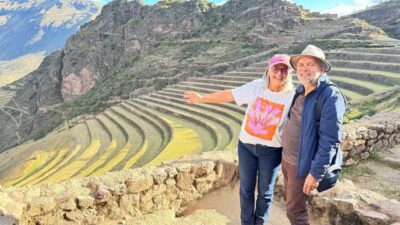

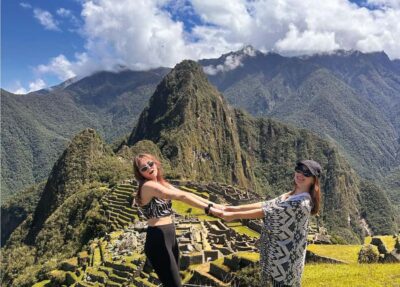
2-Day Trip to the Sacred Valley and Machu Picchu
Read our review →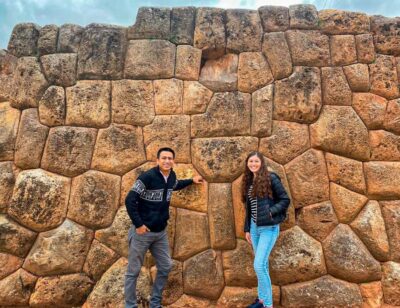
Sacred Valley Pisaq,Ollantaytambo,Chinchero with Lunch
Read our review →
Full-Day Excursion to Sacred Valley, Pisac and Ollantaytambo from Cusco
Read our review →
Food and Culture Full day Tour in the Sacred Valley
Read our review →Browse the lists this tour appears in