
Reviewed · MARAS SALT MINES & MORAY TOURS
Cusco: Sacred Valley and Salt Mines Ending in Ollantaytambo
The most useful feature here is the one-way route from Cusco to Ollantaytambo. Instead of returning to Cusco after seeing the Sacred Valley, you finish near the train station, which can fit neatly with a later journey to Machu Picchu. Along the way, you see Chinchero, Moray, Maras, Urubamba, and Ollantaytambo in one long day.
I like the mix of Inca sites and living Andean culture, especially the textile work in Chinchero and the salt wells at Maras. I also like the price: $40 covers hotel pickup, transport, guiding, and the major stops, though lunch and entrance fees cost extra. The tradeoff is time. With so many stops spread across the valley, the day moves quickly, and you may wish for longer at a few places.
Key points to know before booking
- Ends near Ollantaytambo train station: A practical choice if you are continuing toward Machu Picchu rather than returning to Cusco.
- Chinchero sits at 3,772 meters: Expect high-altitude walking, strong sun, and the need for water and sun protection.
- Moray and Maras offer very different sights: One is a set of circular agricultural terraces; the other is a working salt-producing area with more than 4,000 wells.
- Lunch is in Urubamba: A buffet stop gives you a chance to sample regional food, but the meal is not included in the listed price.
- Entrance fees are extra: Budget separately for access to Moray and the Maras Salt Mines.
- The day is speedy: You cover a wide area and get many photographs, but this is not the tour for lingering at every site.
Why this Sacred Valley route works well
The Sacred Valley is not one single attraction. It is a broad corridor of crop fields, small towns, archaeological sites, and high mountains. This tour gives you a quick but useful introduction to several parts of it, with a route that keeps moving west toward Ollantaytambo.
You begin with hotel pickup in Cusco and travel by tourist transport into the valley. The contrast is immediate. The high mountains frame fields and villages, while old Inca sites appear beside present-day communities. I like this combination because it shows that the Sacred Valley is not simply an outdoor museum. People still live, farm, trade, and make textiles here.
The full day lasts about 12 hours, with the transport dropping you near Ollantaytambo train station at about 3:30 PM. Check the exact departure time when booking, since availability controls the start. Plan for a long day, but also recognize the advantage: you see a wide section of the Cusco Region without arranging several separate transfers.
More Ollantaytambo Visits from Urubamba:
- Cusco:Sacred Valley Pisaq,Ollantaytambo,Chinchero with Lunch
★ 4.8 · 183 reviews - From Cusco: Chinchero, Moray, Maras and Ollantaytambo
★ 4.5 · 83 reviews - from Urubamba & Ollantaytambo:Sacred Valley Full-Day Private
★ 4.9 · 31 reviews
Chinchero at 3,772 meters
Chinchero is the first major stop, and its altitude matters. At 3,772 meters above sea level, even a short walk can feel harder than expected if you have just arrived in the Cusco area. Walk at an easy pace, drink water, and keep your hat and sunscreen handy.
The town combines archaeological remains, a 17th-century colonial church, and a traditional market. The church contains canvases from the Cusco School, giving the stop a different feel from the open-air Inca sites later in the day. You are looking at Spanish colonial art inside a place with strong Andean roots.
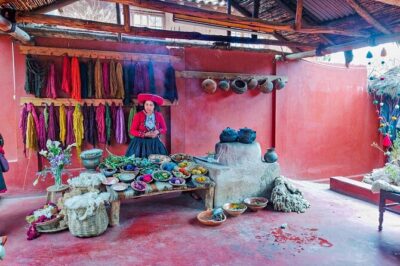
The market is also part of the appeal. You can still barter, and the focus is on textiles made by Andean women. This adds a human side to the tour. Instead of only photographing stone walls, you see weaving traditions and handmade goods connected to the region.
You should keep your expectations clear. This is a short stop within a packed schedule, not an extended textile workshop or market visit. If buying something interests you, you may need to act efficiently while still leaving time to hear the guide and see the church.
Moray and its unusual circular terraces
Moray is one of the most visually unusual stops. Its circular agricultural terraces sink into the ground in broad rings, creating a pattern that is easy to recognize in photographs but more impressive in person.
The site is described as an experimental agricultural center. The terraces form different levels, and their shape helps explain why the Incas paid close attention to farming conditions. The value of Moray is not only the view. It gives you a window into the practical side of Inca society, where food production and adaptation to mountain conditions mattered greatly.
Your guide provides the historical explanation, in English or Spanish. A guide makes a difference here because the terraces can otherwise look like a striking set of circles without much context. If Jhonnattan is leading your departure, he has been praised for explaining the sites clearly and switching smoothly between English and Spanish. Guide assignments can vary, so treat that name as a possibility rather than a guarantee.
Moray is also one of the stops where comfortable shoes help. You will be walking around an archaeological area, and the day includes several more stops. Wear footwear suited to uneven ground rather than treating this as a coach-only outing.
Maras Salt Mines and 4,000 working wells
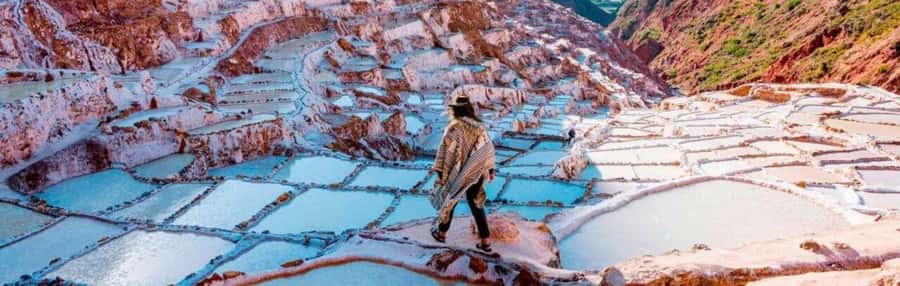
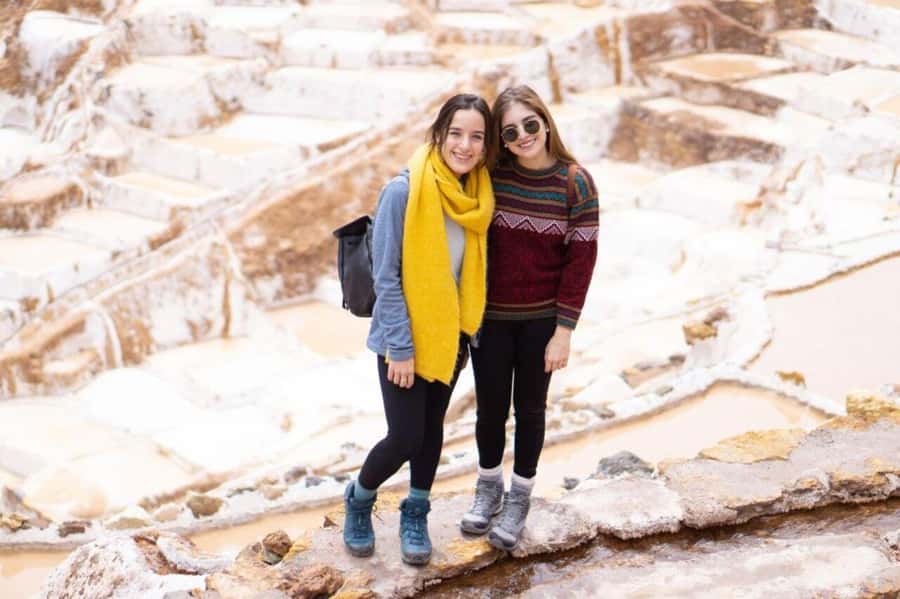
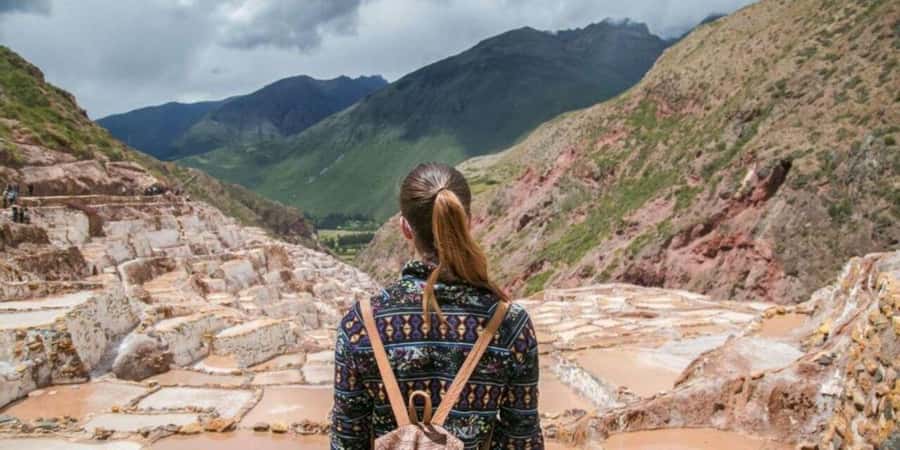
The Maras Salt Mines give you a completely different sight. More than 4,000 small wells collect salt from a natural saltwater source, producing a dense patchwork of white and earthy-colored pools on the mountainside.
The site is still tied to local production. That makes the visit more than a quick scenic stop. You can see how a simple natural resource becomes a regional product, with salt extracted from individual wells. The scale is hard to grasp from a single photograph, so take a moment to look across the full spread of pools.
The Maras visit also comes with a practical cost. Entrance to the salt mines is not included, and the separate fee must be paid on site or as directed by the operator. Moray also requires a separate entrance fee. Since the tour price is only $40, these added costs are important when you compare the total price with a more expensive package that might include admissions.
Sun protection is especially useful here. Bring a hat, sunscreen, and water, as the provided information specifically recommends. Your camera will also earn its place in your day bag, since the salt wells create one of the most distinctive views on the route.
More Maras and Moray Circuits from Urubamba:
- From Cusco:Chinchero, Moray, Maras, Ollantaytambo with lunch
★ 5.0 · 3 reviews - From Cusco: Sacred Valley & Moray, Salt Mines with Lunch
★ 4.6 · 3 reviews - Cusco | Visit Maras, Moray, Chinchero, Pisac | Valle Vip
★ 4.4 · 3 reviews - From Cusco: Sacred Valley & Maras Salt Mines Tour with Lunch
★ 4.8 · 2,227 reviews
Urubamba buffet lunch
After the morning sites, the tour continues to Urubamba for a buffet lunch at a typical local restaurant. This is a sensible break in a long day. You get a chance to eat, rest, and sample regional flavors before the final archaeological stop.
The meal is not included in the listed price, so plan to pay separately. That detail can be easy to miss when comparing inexpensive day tours. The buffet format is convenient because you can choose from the available dishes without spending a long time waiting for individual orders.
I would think of lunch here as a practical pause rather than the main reason to book. The strongest parts of the day are the sites and the route to Ollantaytambo. Still, after an early pickup and several walks, a sit-down meal in Urubamba is welcome.
One positive account of this tour described a lovely buffet lunch, so the stop can work very well when the timing and restaurant arrangements line up. Just confirm what your booking includes, since the general terms list lunch as an extra.
Ollantaytambo, the living Inca city
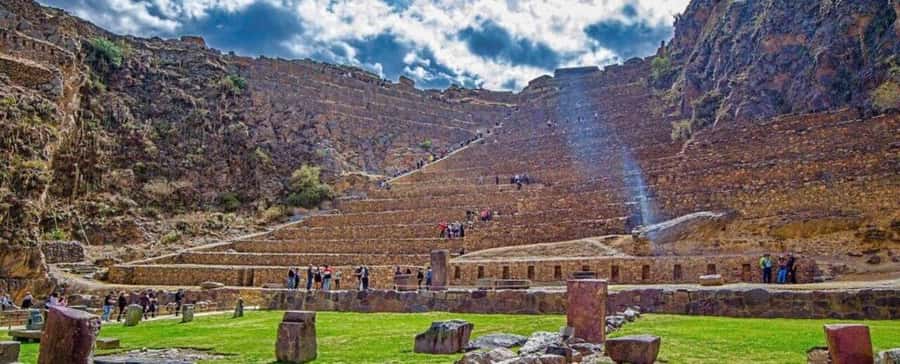
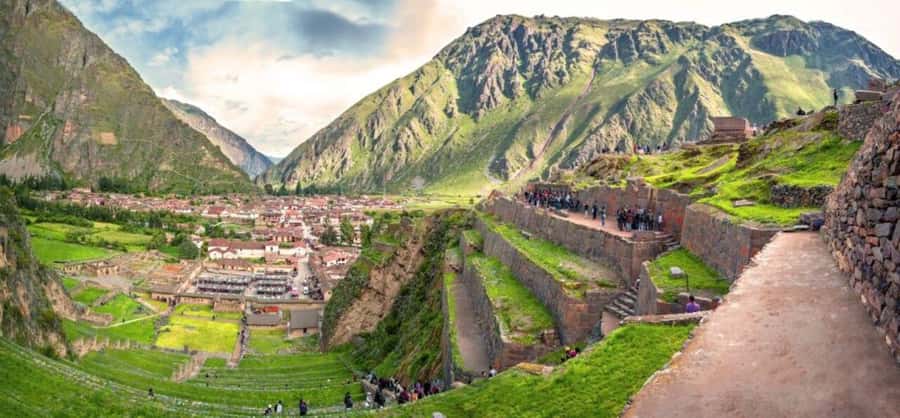
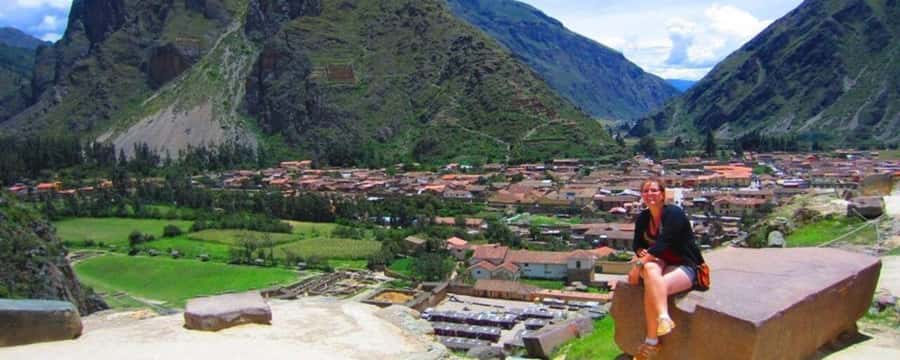
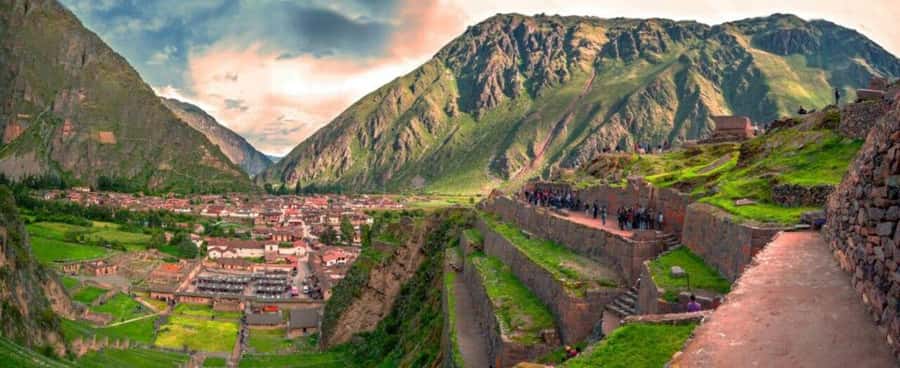
The final major stop is Ollantaytambo, often called a living Inca city because its streets and settlement pattern remain closely tied to the old town. This is a fitting end to the route, both historically and logistically.
You visit the military fortress built to help protect the Sacred Valley from potential invaders. The stone terraces and elevated position give you a strong sense of why this was an important defensive site. Compared with Moray, which shows agricultural planning, Ollantaytambo shows military and urban planning.
The timing is valuable. You are dropped near the Ollantaytambo train station at about 3:30 PM, so the tour can serve as a transfer from Cusco into the Sacred Valley. If you plan to continue by train, this arrangement may save you from returning east and then heading west again.
Still, check your own train timing carefully. The tour promises drop-off near the station, not a private transfer with an exact guaranteed arrival time. A busy road, a late departure, or a longer stop could affect your plans. Allow sensible breathing room rather than booking the tightest possible connection.
What the $40 price really covers
At $40 per person, this is a strong value if you want broad coverage in one day. The price includes hotel pickup in Cusco, tourist transport, a guided Sacred Valley tour, and visits to Chinchero, Moray, Maras, and Ollantaytambo.
The headline price does not cover everything. Lunch in Urubamba is extra, and entrance fees to Moray and Maras are also separate. You should add those costs before deciding that this is the cheapest option. Even with the extras, the included transport and guiding may make the tour worthwhile compared with arranging taxis or separate excursions.
The best value comes from the route itself. You are not simply paying for admission to one site. You are covering a wide section of the valley and ending where many people want to be for the next stage of a Peru trip.
The weak point is the schedule. One day of this length can feel rushed, especially when each stop involves parking, walking, listening to explanations, and taking photographs. A five-star account praised the amount seen in one day and the clear guiding, while a four-star account felt the day moved too quickly from site to site. Both points are fair. This tour is efficient, not leisurely.
Who will enjoy this tour most
I would recommend it to you if you want a first look at the Sacred Valley and prefer to see several major sights in one organized day. It suits people who value convenience, a bilingual guide, and a useful drop-off in Ollantaytambo.
It is also a good fit if you have limited time in the Cusco Region. Instead of choosing between Chinchero, Moray, Maras, and Ollantaytambo, you get all four in a single route, plus the Urubamba lunch stop.
You should think twice if you want long visits, quiet photography, or plenty of time at each archaeological site. A private tour or a slower itinerary would better suit that style, though it would likely cost more.
The high altitude also deserves respect. Chinchero is at 3,772 meters, and the tour includes walking outdoors in strong sun. If you are still adjusting to Cusco, keep your pace slow and carry water. Comfortable clothing, sturdy shoes, a hat, sunscreen, and a camera are the right basic kit.
Booking flexibility and guide quality
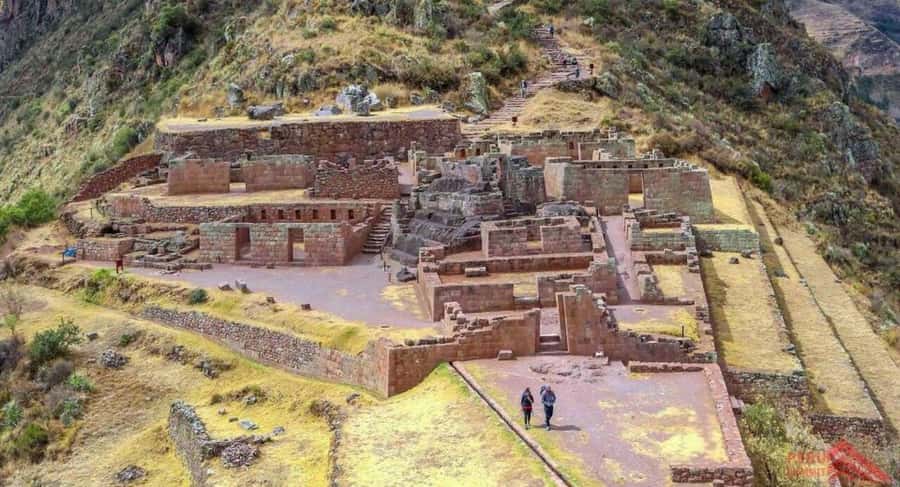
The tour offers free cancellation up to 24 hours before departure for a full refund, along with a reserve-now, pay-later option. Those terms help if your Cusco plans are still shifting, though you should always check the exact conditions attached to your booking.
Guiding is available in English and Spanish. A strong guide can add real value here because the stops cover agriculture, colonial art, textiles, salt production, and military architecture in a single day.
Jhonnattan, also spelled Jonathan in one account, received especially strong praise for his professional manner and ability to move between two languages. If he is assigned to your group, you can expect clear explanations based on that account. The operator is XPLORA AMERICA, and the guide for each departure may differ.
Should you book this Sacred Valley day tour?
Book it if you want maximum coverage for a low starting price, hotel pickup in Cusco, and a practical finish near Ollantaytambo. The route gives you more variety than a simple valley excursion, and the onward drop-off can save useful time.
Do not book it expecting a relaxed day. You will cover a lot of ground, pay separately for lunch and admissions, and move from one stop to the next on a firm schedule.
For many people, that is a fair trade. The tour combines Chinchero’s textiles and colonial church, Moray’s agricultural circles, Maras’s thousands of salt wells, Urubamba’s lunch stop, and Ollantaytambo’s fortress. If you arrive prepared for altitude, walking, extra fees, and a quick pace, this is a practical way to see the Sacred Valley and continue west.
FAQ
How long does the tour last?
The tour lasts about 12 hours. The stated end time is around 3:30 PM, when transport drops you near the Ollantaytambo train station.
Where does the tour begin?
The day begins with hotel pickup in Cusco.
Where does the tour end?
It ends near the Ollantaytambo train station, rather than returning you to Cusco.
Which places does the tour visit?
The route includes Chinchero, Moray, the Maras Salt Mines, Urubamba, and Ollantaytambo.
Is lunch included?
No. The tour stops for a buffet lunch at a typical restaurant in Urubamba, but the lunch cost is not included in the listed price.
Are entrance fees included?
No. Entrance fees to Moray and the Maras Salt Mines must be paid separately.
What languages are available?
The live tour guide service is available in English and Spanish.
What should I bring?
Bring comfortable shoes, a hat, sunscreen, water, and a camera. Comfortable clothing for walking is also recommended.
How high is Chinchero?
Chinchero is located at 3,772 meters above sea level.
Can I cancel for a refund?
You can cancel up to 24 hours in advance for a full refund, according to the stated booking terms.
More Sacred Valley Days from Urubamba
- Super Sacred Valley
★ 3.8 · 6 reviews - Sacred Valley Tour 1 Day
★ 5.0 · 3 reviews - From Cusco: Sacred Valley VIP Tour with Buffet Lunch
★ 4.7 · 3 reviews - Classic Sacred Valley full day
★ 5.0 · 3 reviews
Just added around Urubamba
- Sun and Moon Tour★ 4.5 · 3 reviews
- Sacred Valley Tour 1 Day★ 5.0 · 3 reviews
- Super Sacred Valley★ 3.8 · 6 reviews
- Peru in 5 days: Lima, Cusco, Machupicchu & Rainbow Mountain★ 5.0 · 3 reviews
- Machu Picchu: 1-day tour by Vistadome Panoramic train★ 4.7 · 15 reviews
- Machupicchu 2025: The best ticket Circuit 2★ 3.5 · 6 reviews
- Machu Picchu: historical and photographic guided tour★ 4.9 · 27 reviews
- Guided tour of Cusco and its 4 ruins★ 3.8 · 3 reviews
Maras Salt Mines & Moray Tours, compared.
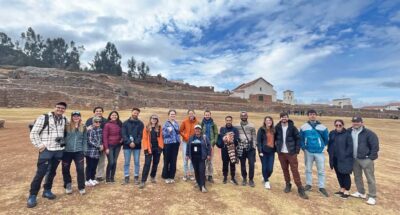
Sacred Valley & Maras Salt Mines Tour with Lunch
Read our review →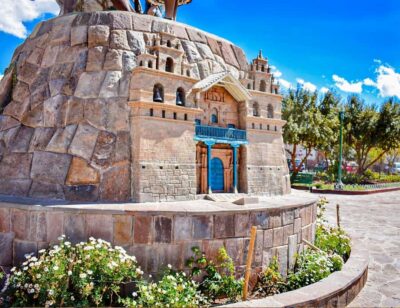
Moray, Maras Salt Mines & Chinchero Weavers Tour
Read our review →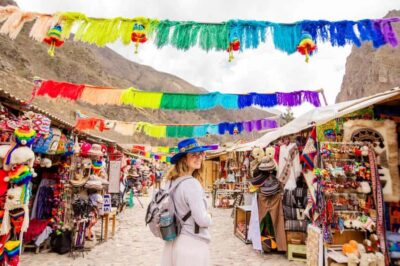
Sacred Valley, Pisac, Ollantaytambo, Salt Mines Moray
Read our review →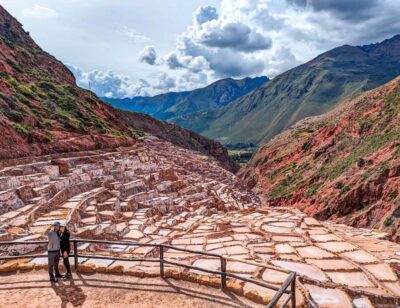
Chinchero,Moray & Salt Mines drop-off in Ollantaytambo
Read our review →

Moray, Maras Salt Mines & Chinchero Weavers Half-Day
Read our review →Browse the lists this tour appears in