
Reviewed · CUSCO CITY TOURS & INCA RUINS
Guided tour of Cusco and its 4 ruins
Cusco’s greatest hits fit into one busy outing here, from Qoricancha and the cathedral in the city center to the four Inca sites above town. The strongest part is the contrast: Spanish colonial art and Inca sacred architecture appear within the same morning, followed by huge stone walls, a shrine, a watchtower, and water terraces.
I like the efficient minibus route and the chance to see Sacsayhuamán, Qenqo, Puca Pucara, and Tambomachay without arranging separate transport. I also like the guide-led approach, especially when the guide brings real academic interest to the story. The main caution is timing: the advertised six-hour activity conflicts with a four-and-a-half-hour schedule in the description, and a Sunday departure may change the order of visits.
Key points to know before booking
- Six major sights in one outing: Visit the cathedral, Qoricancha, Sacsayhuamán, Qenqo, Puca Pucara, and Tambomachay.
- The route mixes city and countryside: Begin near the Plaza de Armas, then use a minibus for the four sites outside central Cusco.
- Entry fees are extra: Foreign visitors pay 125 soles in total for the cathedral, Qoricancha, and four ruins.
- Sunday timing needs care: The route may begin with the ruins and finish with the city sights.
- English and Spanish guides are available: The guide is included, with one especially praised for university-level historical insight.
- Best for a first look at Cusco: It gives you broad coverage, but not much free time at each stop.
Six Cusco sights, from cathedral gold to Inca stone
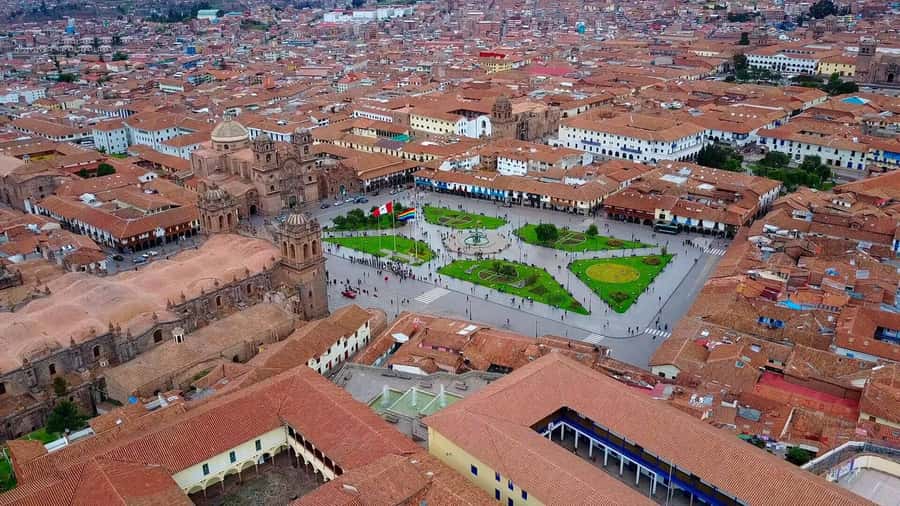
This tour works because it links two sides of Cusco. In the center, you see the Spanish colonial city built around the Plaza de Armas. Outside it, you reach the Inca sites on the hills above town.
You begin at a meeting point in Cusco and head to the Plaza de Armas. The exact pickup point and start time depend on the departure you select, so check the availability calendar carefully. The package includes transport back toward central Cusco at the end.
The route described takes around six hours, though the detailed schedule says the visit itself may last four and a half hours. That difference matters. You may need to keep the rest of your day flexible, especially if the minibus collects people late or the group spends extra time at one of the monuments.
More City and Ruins Half-Days in Urubamba:
- Cusco in 3 days: city tour, Rainbow Mountain and Machupicchu
★ 4.9 · 7 reviews - Cusco: Half-Day City Tour with Sacsayhuaman and Q’enco
★ 4.6 · 1,129 reviews - City Tour Cusco Qoricancha Sacsayhuaman y Tambomachay
★ 4.7 · 617 reviews
Cusco Cathedral and the Spanish city center
The first city stop is Cusco Cathedral on the Plaza de Armas. You enter one of the city’s main religious buildings, where the appeal lies as much in the artwork and decoration as in the structure itself.
The tour description points to decorative elements made with Inca gold. That detail captures the complicated story of Cusco after the Spanish conquest. The cathedral is not simply a European building placed in an Inca city. Its art and materials reflect the collision and mixture of local and Spanish traditions.
You should pay attention to the guide here. Without explanation, the cathedral can feel like a quick church visit. With context, it becomes part of the larger story of how Cusco’s sacred center changed under Spanish rule.
There is an extra admission fee. Foreign visitors pay 40 soles, listed as about 10.70 US dollars. Local visitors pay 12.50 soles, listed as about 3.40 US dollars. Since the tour price does not include this ticket, keep cash or a payment method ready.
The cathedral is also one reason the schedule deserves attention. If Sunday operations alter the route, this city visit may happen late in the outing. One Sunday booking reached the ruins first and had still not visited the cathedral or Qoricancha by 2 p.m. If the city sights matter most to you, ask about the Sunday order before you commit to the day.
Qoricancha, where Inca and Spanish architecture meet
From the Plaza de Armas, you walk to nearby Qoricancha, the Temple of the Sun. This is one of the most important stops because it lets you see the old Inca religious center within the modern city.
The exact construction date remains uncertain, but its role is clear. Qoricancha was a major sacred center of the Inca Empire. The surviving walls show the precision of Inca masonry, while the later Spanish structure above and around them reveals how the site was reused.
That combination makes Qoricancha more useful than a simple ruins visit. You are looking at a place where two building traditions occupy the same space. The guide can explain the difference between the Inca stonework and the later colonial additions, helping you notice details you might otherwise pass by.
Admission costs 15 soles per person, listed as about four US dollars. That is a modest extra charge, but it changes the true cost of the excursion. The advertised tour price is 20 dollars, while a foreign visitor’s listed entrance fees add another 125 soles for all three paid areas.
The walk from the Plaza de Armas to Qoricancha is short according to the itinerary, but the day is not a museum stroll. You will later move by minibus and visit open archaeological sites. Wear shoes suited to uneven ground and plan for a steady pace.
Sacsayhuamán and the scale of Inca building
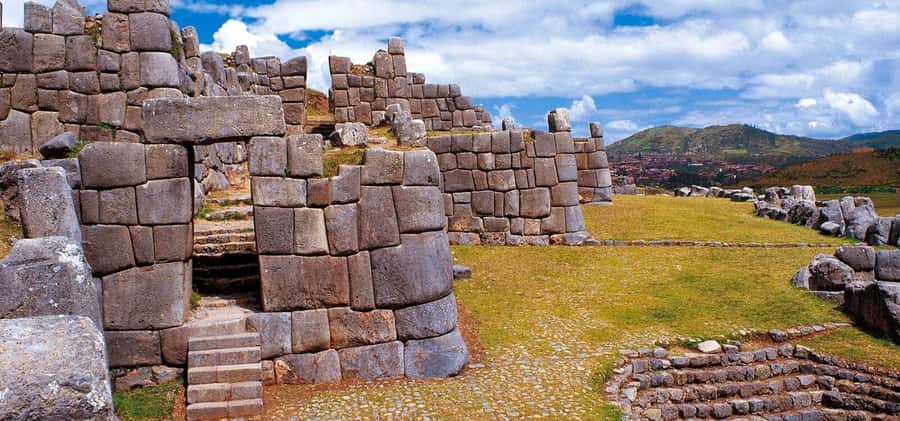
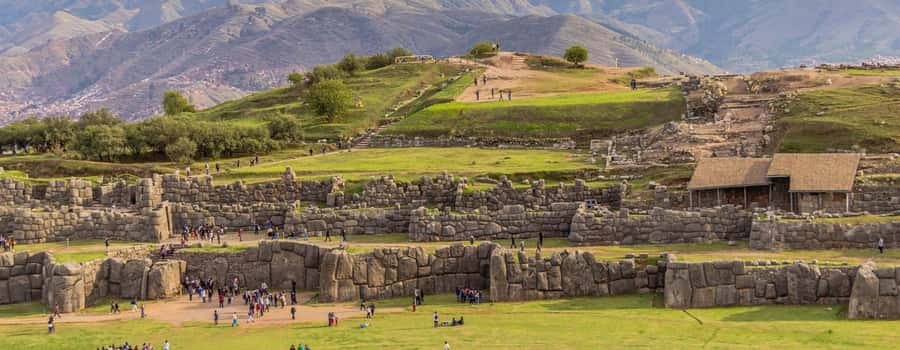
After the central sights, the minibus heads toward Cusco’s four nearby ruins. The first is Sacsayhuamán, the largest and most imposing stop on the route.
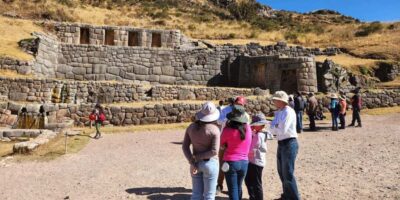
The site is described as a fortress and as the greatest architectural work of the Incas. The key thing to watch is the stonework. Massive blocks were fitted together with great care, creating walls that are both monumental and exact.
You do not need to know every theory about the site to appreciate it. The sheer size of the stones gives the visit its force. A guide adds value by explaining why Sacsayhuamán mattered and how it formed part of the Inca center around Cusco.
This is likely to be the most visually dramatic ruin on the tour. It is also the stop where you will most want enough time for explanation and photographs. If the schedule is running late, listen for how long the group will stay. A hurried visit here would weaken one of the tour’s main selling points.
The minibus saves you the trouble of arranging a separate ride up from central Cusco. That is a real benefit for a budget outing. You pay one low tour price, share the transport, and cover four sites that would otherwise require several taxi rides or a separate excursion.
A few more Urubamba days worth weighing up
- Machu Picchu: Group Guided Tour
★ 4.7 · 102 reviews - Machu Picchu: Tour Guide Service & Entrance Ticket Circuit-2
★ 4.6 · 90 reviews - Machu Picchu: historical and photographic guided tour
★ 4.9 · 27 reviews - Private Guide in Machu Picchu for 3 Hours
★ 4.2 · 17 reviews
Qenqo, a sanctuary with a different mood
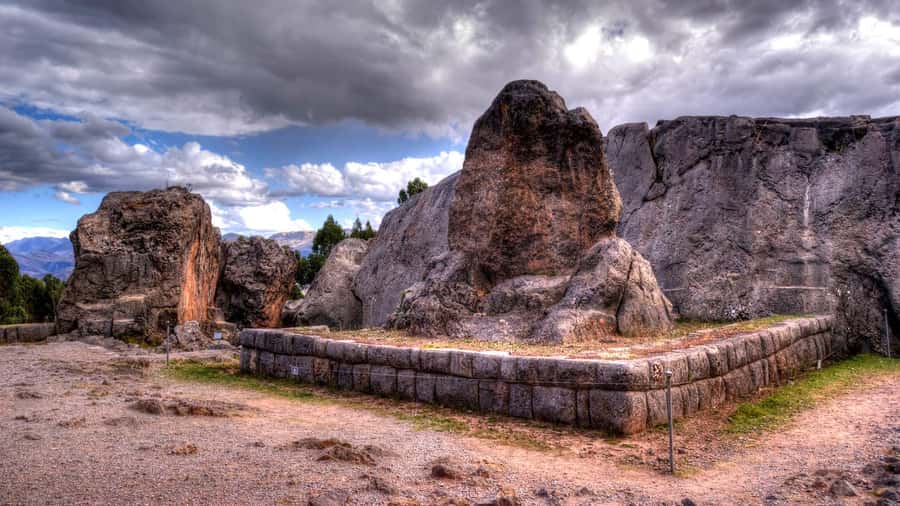
Qenqo comes next. It is described as one of the important sanctuaries of the Inca period, so it offers a different experience from the broad walls at Sacsayhuamán.
The interest here is religious rather than purely military or monumental. The guide’s explanation matters because the site’s meaning is not always obvious from a quick look. Listen for how Qenqo fit into Inca ceremonial life and why it was treated as a sacred place.
This is a good example of why a guided visit helps. At Sacsayhuamán, scale speaks for itself. At Qenqo, interpretation gives the stones their purpose. The two stops work well together, provided the group does not rush.
The tour description does not give a separate admission price for Qenqo. Its ticket is included in the combined entrance to the four ruins, which costs 70 soles for foreign visitors, listed as about 18.80 US dollars. Local visitors pay 40 soles, listed as about 10.70 US dollars.
Puca Pucara, the Red Fortress and watchtower
Puca Pucara is known as the Red Fortress. The tour presents it as a watchtower, adding a practical side to the day’s religious and ceremonial sites.
You will not spend the whole visit at grand walls like those of Sacsayhuamán. Instead, the stop helps you see how the Inca sites around Cusco worked as a network. A watchtower had a different purpose from a sanctuary or a water shrine, and the guide can connect these functions as you move through the route.
The appeal is partly the change of pace. After the heavy stonework at Sacsayhuamán and the sacred character of Qenqo, Puca Pucara gives the itinerary another role to consider. It also keeps the tour from becoming a series of similar ruins.
As with the other three archaeological sites, the entrance comes through the combined four-ruins ticket. Since the transport and guide are already arranged, the extra fee is the main cost to plan for once you have paid the 20-dollar tour price.
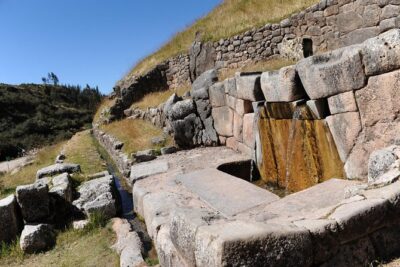
Tambomachay and the Inca worship of water
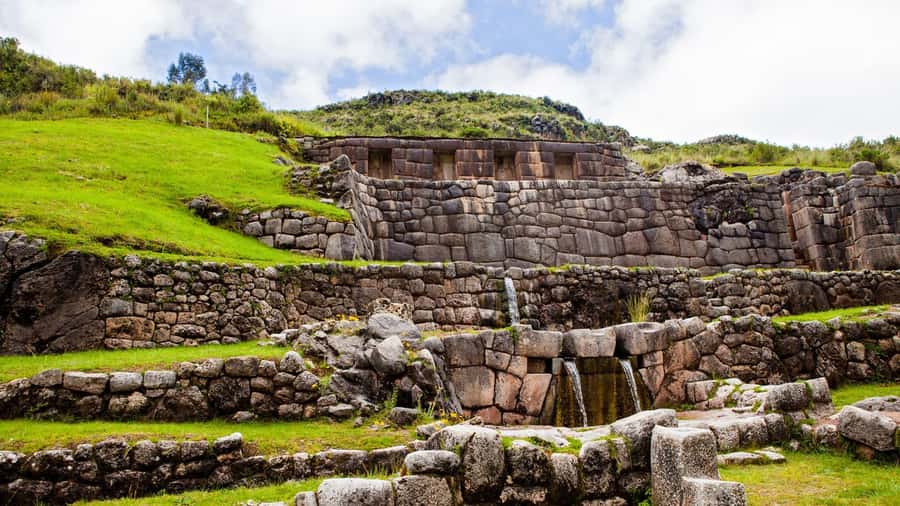
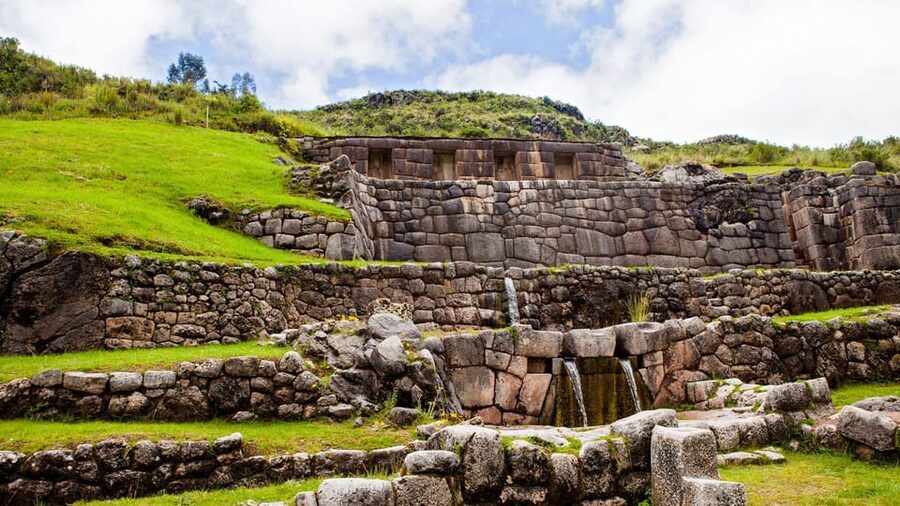
The last ruin is Tambomachay, also called the Inca Bath. Here, the focus shifts to water and worship.
According to the tour description, the Incas worshiped water at this site. That gives the final stop a quieter purpose than Sacsayhuamán’s fortress walls or Puca Pucara’s watchtower role. You are seeing how water could carry religious meaning, not merely serve a daily need.
Tambomachay makes a fitting final visit because it broadens your idea of Inca sacred places. The route is not only about walls and military power. It includes ceremonial spaces tied to nature and water as well.
The itinerary does not provide detailed information about walking distances or the amount of time at each ruin. Expect the guide to lead the group through a sequence of short visits rather than offer long, independent exploration. If you prefer to linger, sketch, or photograph every detail, a private or slower visit may suit you better.
What the $20 price really covers
At first glance, 20 dollars for a guided half-day or six-hour outing is attractive. It covers the guide, minibus transport, pickup at the meeting point, and a return transfer toward central Cusco.
The price does not cover entry tickets. For a foreign visitor, the listed costs are:
- Cathedral: 40 soles
- Qoricancha: 15 soles
- Four ruins: 70 soles
- Total admissions: 125 soles, listed as about 33.50 US dollars
That brings the combined cost to roughly 53.50 US dollars before any food or personal spending. The value remains good if you want broad coverage and shared transport, but it is not a 20-dollar all-inclusive tour.
For local visitors, the listed admissions total 67.50 soles. The different local and foreign prices mean you should use the correct total when planning your budget.
I see the best value in the transport and coverage. Four ruins are spread outside the city center, and visiting them independently would take time and planning. The tour gives you a guide and a fixed route at a low base price.
The weaker point is schedule clarity. The activity is described as lasting six hours, while the detailed route says you will be dropped near the Plaza de Armas after four and a half hours. A recent Sunday departure also ran into a late pickup and a changed sequence. Before booking, confirm the actual start, finish, and Sunday order.
The guide can make or break this route
The package includes a live guide in English or Spanish. That matters here because several sites have more meaning than visual impact.
One guide was described as a university professor who was deeply committed to history and his profession. He was also referred to as the Doctor. You cannot assume the same person will lead every departure, but this gives you a useful standard: the best version of this tour is not just a ride between ruins. It is a lesson that links architecture, religion, colonial change, and the purpose of each site.
Ask questions as you go. At Qoricancha, ask about the Inca and Spanish layers. At Sacsayhuamán, ask how the stonework and fortress role fit into Cusco. At Qenqo and Tambomachay, ask what made these places sacred.
The tour is available in Spanish and English. If you are choosing between departures, confirm your preferred language in advance.
Timing, Sunday changes, and the right pace
The schedule is the one area I would treat with caution. The activity gives a six-hour duration, but the route text also says four and a half hours. One Sunday booking had the order reversed, with the ruins first and Qoricancha and the cathedral later. The pickup was also delayed, leaving too little time for the city sights before the planned finish.
This does not mean every Sunday departure will fail. It does mean you should not book the tour immediately before a flight, train, or fixed dinner reservation. Leave spare time after the stated end.
If your priority is the ruins, the Sunday order may work well. If your priority is Qoricancha and the cathedral, confirm that those sites will be visited early enough for you to stay through the full route.
I would also avoid treating the four-and-a-half-hour figure as guaranteed. The 20-dollar price is attractive, but a shared minibus and six separate sights require coordination. A late start can affect the final stops.
Who should book this Cusco tour
I would choose this outing if you have limited time in Cusco and want a first look at the city’s key historic places. It suits you if you prefer a guide to explain the sites and do not want to organize separate transport to the four ruins.
It is also a good fit for budget-minded visitors who understand that entrance fees come separately. The low base price keeps the tour affordable, and the minibus takes care of the out-of-town connections.
You may want a different plan if you dislike fixed schedules or want long, quiet visits at each site. The route covers a lot in one day. It gives you range, not a slow study of one monument.
I would also reconsider it if the cathedral and Qoricancha are your main goals and you are traveling on Sunday without confirming the order. The altered sequence can leave those city sights until late in the outing.
Should you book it?
Book this tour if you want broad coverage, shared transport, and a guide at a reasonable starting price. Sacsayhuamán, Qenqo, Puca Pucara, and Tambomachay are difficult to fit in on your own without some planning, and Qoricancha and the cathedral add an important city-center contrast.
Before paying, calculate the extra 125 soles in foreign entrance fees and confirm whether your departure is closer to four and a half hours or six. Ask specifically about Sunday routing. With those details clear, this is a useful first-day overview of Cusco and its nearby Inca sites.
FAQ
How long does the tour last?
The activity information gives a duration of six hours, while the detailed route says the visit finishes after four and a half hours. Confirm the expected timing before booking.
What places does the tour visit?
It visits Cusco Cathedral, Qoricancha, Sacsayhuamán, Qenqo, Puca Pucara, and Tambomachay.
Is transportation included?
Yes. The tour includes minibus transportation, pickup at the meeting point, and a return transfer toward central Cusco.
Are entrance tickets included in the $20 price?
No. Cathedral, Qoricancha, and the four ruins require separate admission payments.
How much are the entrance fees for foreign visitors?
The listed fees are 40 soles for the cathedral, 15 soles for Qoricancha, and 70 soles for the four ruins, for a total of 125 soles.
How much do local visitors pay for admission?
The listed local prices are 12.50 soles for the cathedral, 15 soles for Qoricancha, and 40 soles for the four ruins.
Is the tour offered in English?
Yes. Live guiding is available in English and Spanish.
Can I cancel the booking?
You can cancel up to 24 hours in advance for a full refund.
Do I have to pay when I reserve?
No. The reserve-now, pay-later option lets you book without paying at the time of reservation.
Just added around Urubamba
- Sun and Moon Tour★ 4.5 · 3 reviews
- Sacred Valley Tour 1 Day★ 5.0 · 3 reviews
- Super Sacred Valley★ 3.8 · 6 reviews
- Peru in 5 days: Lima, Cusco, Machupicchu & Rainbow Mountain★ 5.0 · 3 reviews
- Machu Picchu: 1-day tour by Vistadome Panoramic train★ 4.7 · 15 reviews
- Machupicchu 2025: The best ticket Circuit 2★ 3.5 · 6 reviews
- Machu Picchu: historical and photographic guided tour★ 4.9 · 27 reviews
- Private Guide in Machu Picchu for 3 Hours★ 4.2 · 17 reviews
Cusco City Tours & Inca Ruins, compared.
Half-Day City Tour with Sacsayhuaman and Q’enco
Read our review →
City Tour Cusco Qoricancha Sacsayhuaman y Tambomachay
Read our review →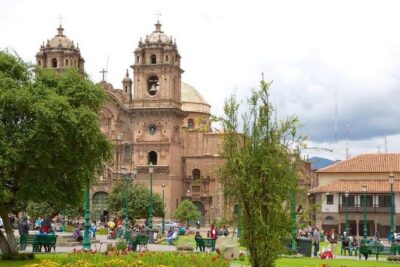
City Tour | Half-Day Tour to 4 Archaeological Sites
Read our review →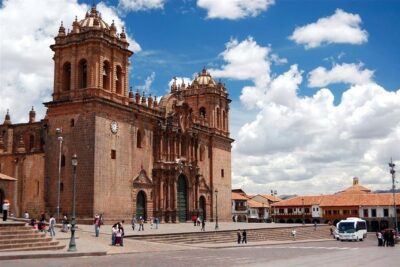
City Tour in Cusco & visit Museum South American Camelid Private.
Read our review →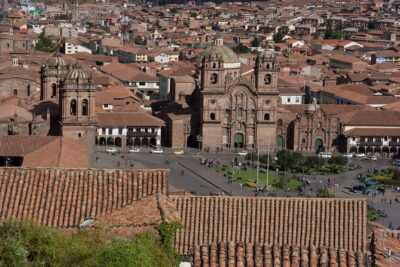
Cusco City Sightseeing, San Pedro Market, Cathedral and Qorikancha Temple
Read our review →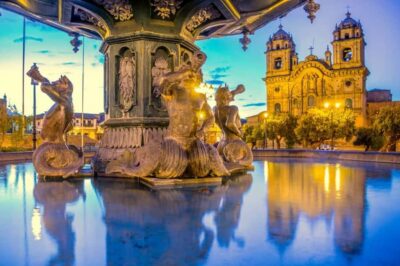
Cusco City Sightseeing and Sacsayhuaman Archeological Park Tour
Read our review →Browse the lists this tour appears in