
Reviewed · CUSCO CITY TOURS & INCA RUINS
City Tour Cusco Qoricancha Sacsayhuaman y Tambomachay
Cusco’s great strength is how quickly its story comes into focus on this tour. In five hours, you move from the city’s Spanish and Inca heart to massive Sacsayhuamán, then out to four important sites above town. I like the clear route and the guides’ energy, especially when people such as Nilo, Erick, Sergio, and Manuel use photos, stories, and plenty of answers to make the stones easier to understand.
I also like the value: at $13, you get shared transport, a local guide, and a useful first look at Cusco. The main catch is the extra admission cost, and a bilingual group may not split its time evenly. One English-speaking guest found the tour closer to 65 percent Spanish and 35 percent English, so ask about language arrangements before you book if that matters to you.
Key points at a glance
- Five major sites in one half-day: Visit Qorikancha, Sacsayhuamán, Qenqo, Tambomachay, and Puka Pukara without arranging several separate rides.
- A smart first-day activity: The route helps you understand Cusco’s layout, history, and high viewpoints early in your stay.
- Strong guide-led experience: Nilo, Erick, Manuel, Sergio, Condor, and other guides have been praised for clear explanations, humor, patience, and enthusiasm.
- Low headline price, extra tickets: The $13 tour does not include the S/ 20 Qorikancha entry or the S/ 70 Cusco Tourist Ticket.
- English and Spanish service: Live guiding and audio support are offered in both languages, but the balance can depend on the group.
- Shared transport and walking: You ride between sites, then walk and stand at archaeological areas, often at altitude.
Why this route works so well in Cusco
Cusco can feel confusing at first. Inca walls sit beneath colonial buildings, steep streets lead to grand plazas, and the main archaeological sites are scattered above the center. This route gives you a useful framework before you start exploring alone.
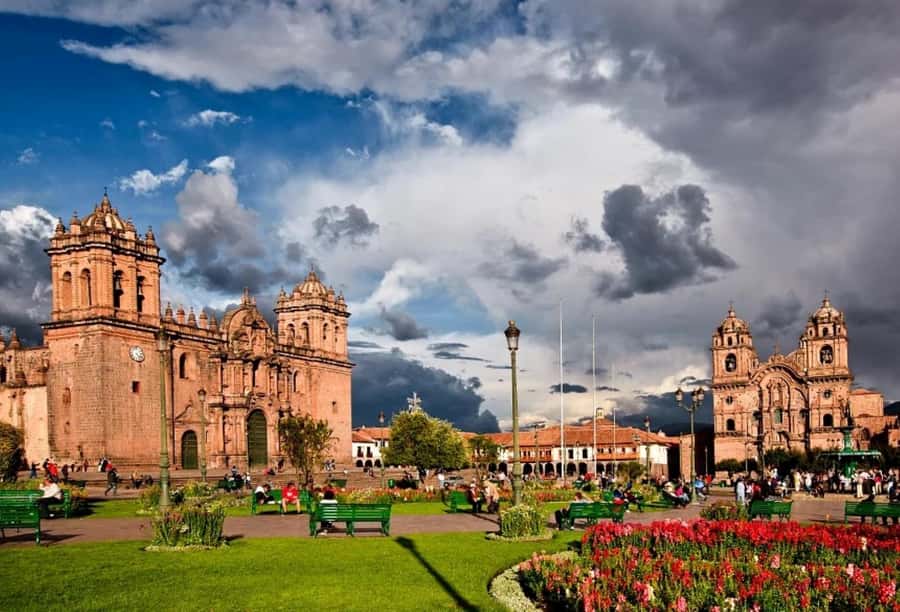
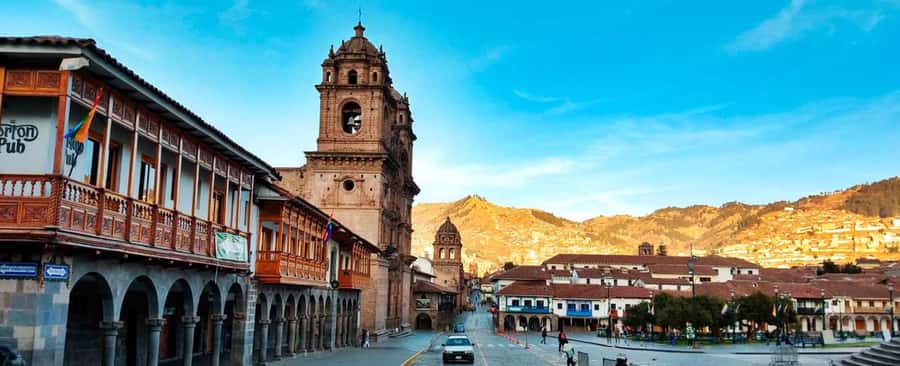
The tour begins at the central fountain in Plaza de Armas, next to the Inca monument. That is a practical meeting point, but the square can be busy, so arrive 10 minutes early and use the fountain as your landmark. The guide introduces the route here, then leads you through the first part of the city tour.
I think the order makes sense. Qorikancha explains the religious and architectural base of Cusco. Sacsayhuamán then shows the scale and precision of Inca stonework. Qenqo, Tambomachay, and Puka Pukara add ritual, water, military, and travel functions to the picture.
The tour runs in two shifts. The morning departure starts at 9:00 a.m. and finishes around 2:00 p.m. The afternoon option starts at 1:00 p.m. and ends around 6:30 p.m. The exact finish can vary with traffic, group pace, and time spent at each stop.
More City and Ruins Half-Days in Cusco:
- Cusco: Half-Day City Tour with Sacsayhuaman and Q’enco
★ 4.6 · 1,129 reviews - Open Bus Cusco City Tour
★ 4.5 · 219 reviews - Cusco: City Tour | Half-Day Tour to 4 Archaeological Sites
★ 4.6 · 206 reviews
Qorikancha, where Inca and Spanish Cusco meet
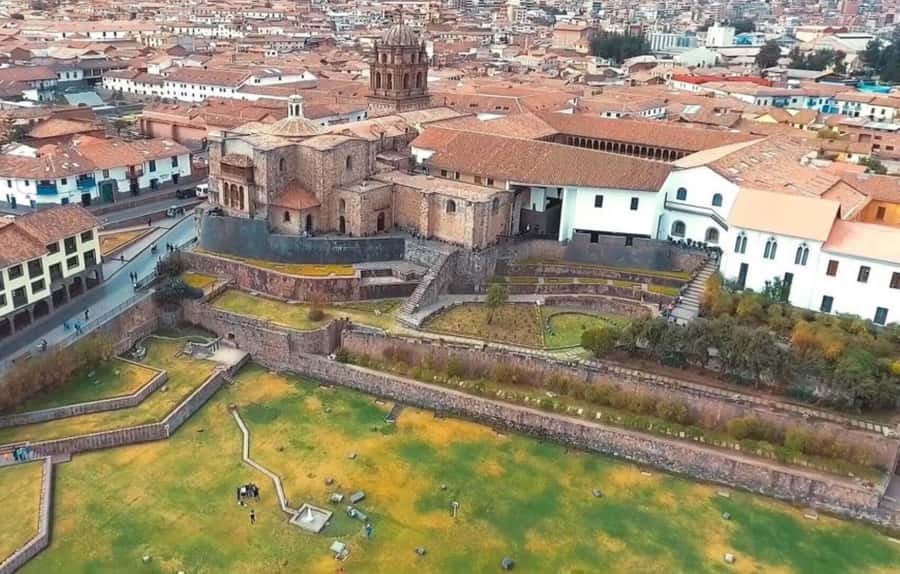
Your first major stop is Qorikancha, also written Coricancha or Qoricancha. This was the most important religious site of the Inca Empire, and the visit focuses on its ceremonial role, its carefully fitted stone walls, and the Santo Domingo Convent built over the earlier Inca foundations.
This is one of the most useful stops for understanding Cusco. You are not looking at a single period. You are seeing Inca construction and Spanish colonial building occupy the same site, with the later convent placed on top of the earlier temple.
Plan on roughly 40 minutes here, including the guided visit and photos. That is enough for an introduction, but not a long museum-style visit. I would listen closely to the guide’s explanation of how the site changed and keep your questions for the stop, since this is where the tour’s larger story begins.
Qorikancha admission is not part of the $13 price. The stated entrance fee is S/ 20.00. Bring soles or enough cash to cover this and the other required ticket. Prices and access rules can change, so confirm the current amount when booking.
Sacsayhuamán and the scale of Inca stonework
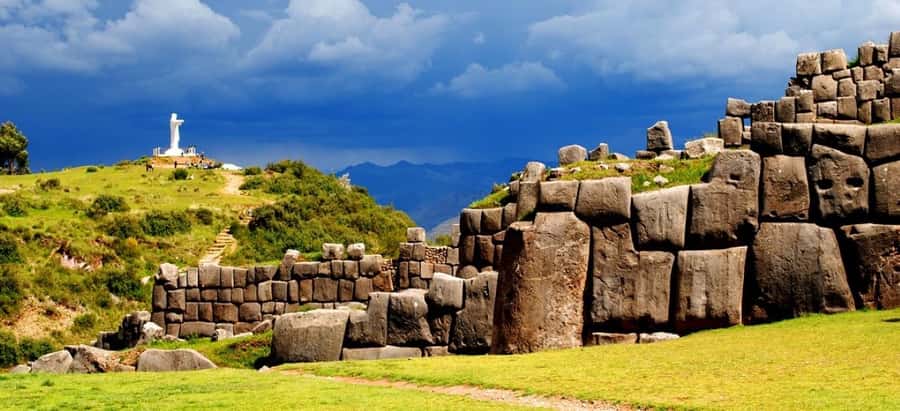
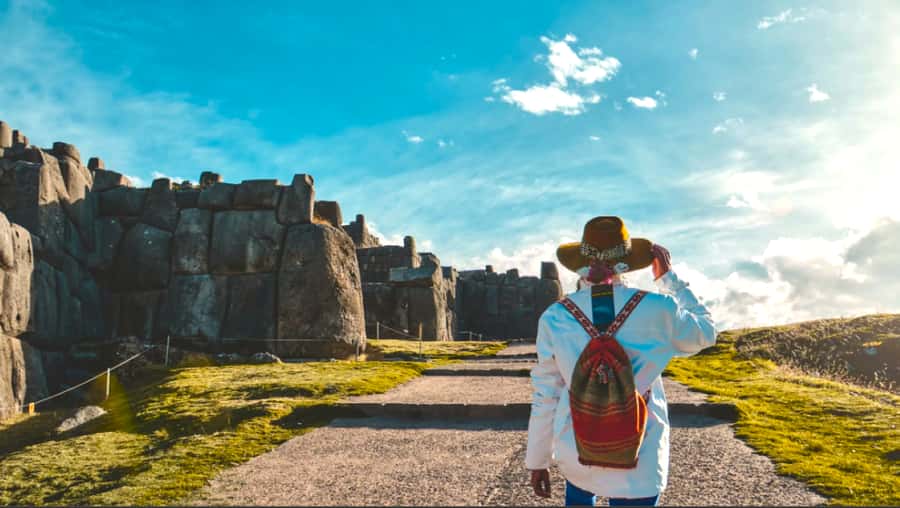
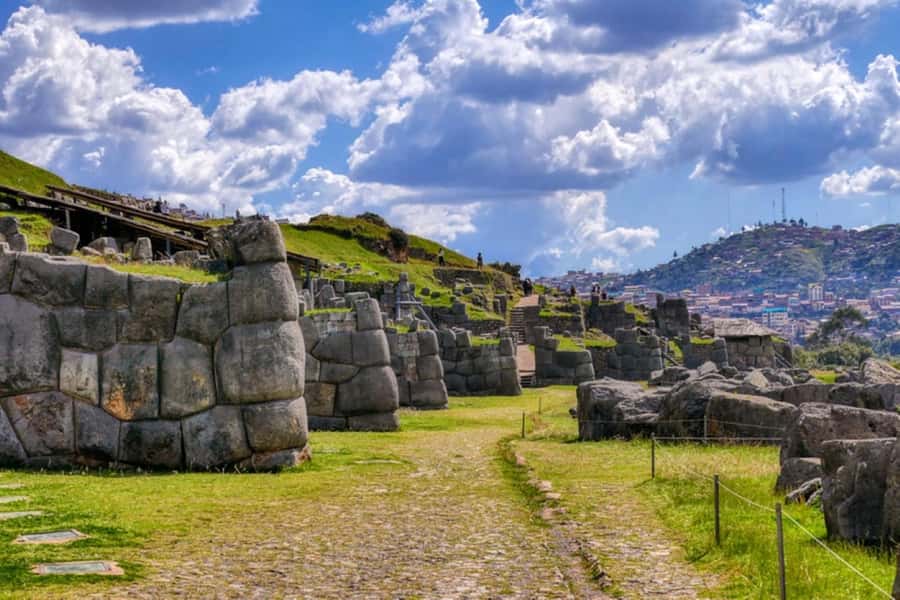
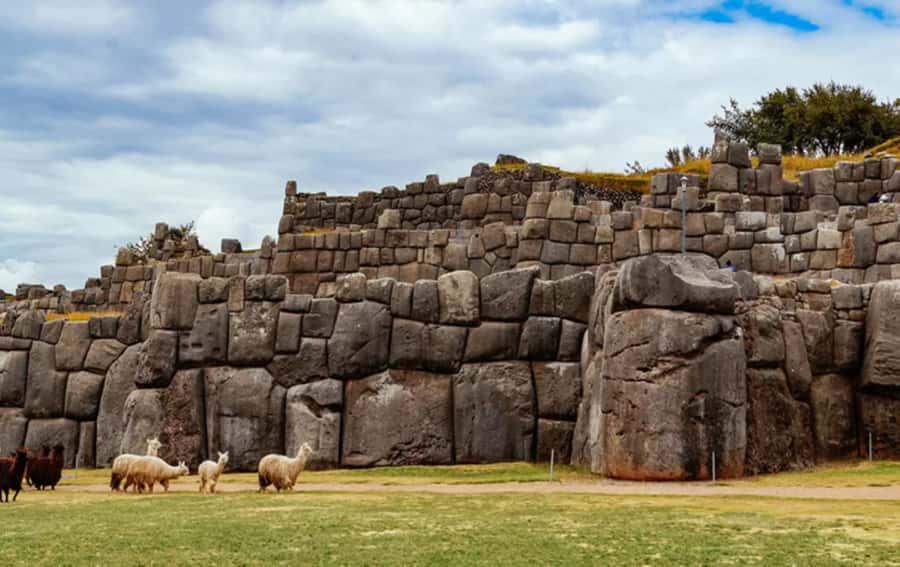
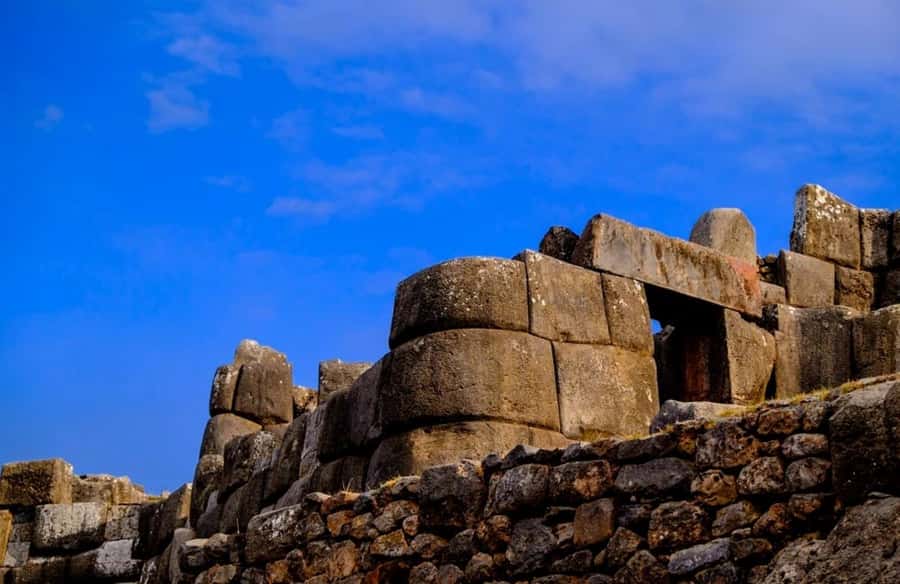
A shared coach takes about 25 minutes to reach Sacsayhuamán. The site is famous for its huge stone blocks, broad ceremonial and strategic importance, and open views over Cusco.
This is the stop where the size of the Inca building tradition becomes physical. You will have time for a guided visit, photos, a short break, and some independent looking. The listed stop lasts about 40 minutes, which is enough to see the main areas but may feel quick if you want to linger at every wall.
Wear shoes you can walk in comfortably. The itinerary includes walking at the archaeological sites, and the high setting can make even a moderate amount of movement feel harder than it would at sea level. A hat, sunscreen, water, and a small daypack are sensible.
The guide matters here. A strong explanation helps you see why the stonework is not simply impressive because the blocks are large. It also helps connect Sacsayhuamán to Cusco’s wider ceremonial and defensive setting. Guides such as Sergio and Nilo have been praised for answering questions and showing pictures that make the old city easier to picture.
Qenqo, a shorter stop with a ritual focus
After Sacsayhuamán, the coach ride to Qenqo takes about 10 minutes. Qenqo is described as a ceremonial center with altars, rock formations, and underground passages used for religious rituals.
You get about 25 minutes here. It is a compact stop, so pay attention during the guide’s explanation before wandering off for photographs. The rock-cut features are the main point, and the site adds a different mood to the route than the open walls at Sacsayhuamán.
This is also where the tour’s format becomes clear. You are not spending half a day at one large complex. Instead, you are collecting several pieces of Cusco’s past, with short coach rides between them. That is efficient for a first visit, but anyone who prefers slow archaeology will find the schedule brisk.
A few more Cusco days worth weighing up
- City Tour in Cusco & visit Museum South American Camelid Private.
★ 5.0 · 147 reviews - Cusco City Sightseeing, San Pedro Market, Cathedral and Qorikancha Temple
★ 4.5 · 139 reviews - Cusco: Half-Day City Tour
★ 4.2 · 129 reviews - Cusco City Sightseeing and Sacsayhuaman Archeological Park Tour
★ 4.5 · 101 reviews
Tambomachay and the living water channels
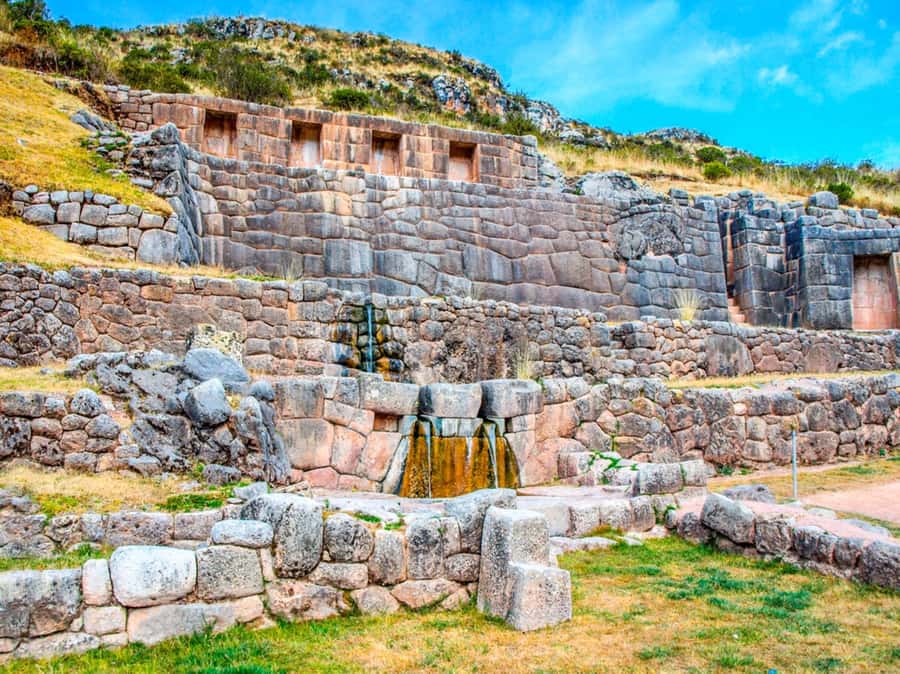
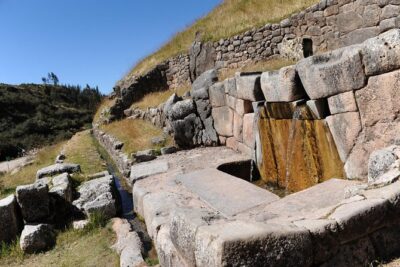
The coach ride from Qenqo to Tambomachay takes about 15 minutes. Tambomachay is known as the Inca Baths, a place linked to the worship of water. Channels and fountains still flow at the site.
The visit lasts about 20 minutes and includes a guided explanation, photos, and a brief period to look around. The water features give this stop a different character from the stone mass of Sacsayhuamán and the ceremonial rock at Qenqo.
I like including Tambomachay because it shows how water was treated as more than a practical resource. The guide can place the channels and fountains within the religious ideas of the Inca world, giving you a better sense of how these sites worked together.
The site is outdoors, and you may find the sun strong even when the air feels cool. Bring sunglasses, a sun hat, and sunscreen. Comfortable clothes are recommended, and cash is useful for any personal spending during the day.
Puka Pukara, the final high-site stop
A short five-minute ride brings you to Puka Pukara. This ancient complex served as a military and control post and also as a resting point for Inca travelers. Its terraces and defensive features look across the surrounding area.
The visit lasts about 20 minutes and focuses on photos, the guide’s explanation, and views along the route. It is a good final archaeological stop because it broadens the story beyond temples and ceremonies. You see how the Inca network also depended on movement, control, and rest.
The schedule places Puka Pukara after Tambomachay. That means you finish the high-site circuit with a brief visit rather than a long final stop. If you want more time for personal photography, tell the guide early and stay aware of the group’s meeting time.
After Puka Pukara, the coach ride back takes about 30 minutes. The tour ends at Plaza Regocijo or a nearby point in Cusco’s historic center, a useful location for lunch, an evening walk, or a short ride back to your accommodation.
What the guide adds to the day
This experience depends heavily on the person leading it. The best guide reports describe a lively, patient style with plenty of answers. Nilo is repeatedly praised for his English, care with questions, and willingness to take group photos. Erick is described as funny and informative, while Manuel is noted for his warmth and passion for Peruvian culture.
Other guides named in the feedback include Sergio, Condor, Luis, Kali, and Ernesto. You should not assume you will receive a particular guide unless the operator confirms it, but these names show the kind of guiding style associated with the experience.
Some guides use picture books to show relevant images while explaining Cusco. One guide also included a visit to a musical instrument shop and played several instruments, while some departures included small extras such as chocolate, a llama keychain, or a Pisco sour at the end. Treat these as possible additions, not guaranteed parts of the advertised service.
The language setup deserves attention. The live guide and audio guide are available in English and Spanish. In a mixed group, though, the guide may alternate languages, and the time can feel uneven. If you need detailed English explanations at every stop, ask before booking if an English-focused departure is available.
Price, tickets, and what the $13 really buys
At $13 per person, the tour is inexpensive for a five-hour route with transport and a professional local guide. You are paying for the structure: someone else handles the movement between the sites, introduces the main history, and keeps the group on schedule.
The extra admissions change the final cost. Qorikancha requires S/ 20.00, and the Cusco Tourist Ticket is listed at S/ 70.00. Add those amounts before comparing this tour with a private guide or a different package.
The low price is best understood as an efficient introduction, not a private archaeological lesson. You get a wide sample of Cusco in one outing, but you do not control every stop or spend unlimited time at one site.
Some departures finish with a Pisco-based drink, and some guides may offer small local treats. Those details are pleasant, but I would not use them as the main reason to book. The core value is the route, transportation, and explanation.
Timing, altitude, and what to carry
I would schedule this tour near the start of your Cusco stay. It gives you an overview of the city and leaves you with places to revisit later. Several people also found that the pace was manageable while they were getting used to Cusco’s altitude.
The morning shift gives you the rest of the day afterward. The afternoon shift may suit you if you arrive late or want a slower morning, but it finishes later and may leave less time for evening plans.
Carry your passport or identification, as the operator states that passport validity of six months is required for trips. Pack sunglasses, a hat, sunscreen, a camera, comfortable clothing, cash, and a daypack.
The rules prohibit weapons, drones, alcohol, drugs, fireworks, littering, fire-making, and loose clothing. The information also says that crutches are not allowed. Since one part of the activity information describes the tour as wheelchair accessible while another says it is not suitable for wheelchair users, I would contact the provider directly before reserving if mobility access affects your decision.
Who should book this Cusco tour
I would choose this experience if you have one or two days in Cusco and want the main sights organized for you. It suits solo visitors, couples, families, and anyone who wants context before walking around the city independently.
It is especially useful if you want a guide who can explain Spanish, Inca, and pre-Inca elements together rather than treating the ruins as isolated photo stops. The route also works well for people who like a mix of coach transport, short walks, views, and guided talks.
I would look elsewhere if you want a private group, long visits at each site, or a fully controlled English-only program. The shared vehicle and bilingual format can make the day less personal, and the extra entry fees reduce the simplicity of the headline price.
Should you book it?
Book this City Tour Cusco if you want an affordable first look at Qorikancha and the main archaeological sites above Cusco. The strongest reason to go is the combination of sites and guide support: in one half-day, you see religious, ceremonial, defensive, and water-related places that would be awkward to connect on your own.
Before paying, confirm the language balance, current entrance fees, meeting point, and accessibility. Arrive early at the Plaza de Armas fountain, bring sun protection and cash, and expect a fairly active schedule. For most first-time visitors, the tour offers a useful map of Cusco’s past and a good start to exploring the city on your own.
FAQ
How long does the Cusco city tour last?
The activity lasts about five hours. The morning departure runs from 9:00 a.m. to approximately 2:00 p.m., while the afternoon departure runs from 1:00 p.m. to approximately 6:30 p.m.
Where does the tour begin and end?
Meet at Cusco’s Plaza de Armas, next to the central fountain and near the Inca monument. The tour finishes at Plaza Regocijo or a nearby point in Cusco’s historic center.
Which places are included in the route?
The route includes Plaza de Armas, Qorikancha, Sacsayhuamán, Qenqo, Tambomachay, and Puka Pukara. Shared transportation connects the city center with the archaeological sites.
Are entrance fees included in the $13 price?
No. Qorikancha entry is listed at S/ 20.00, and the Cusco Tourist Ticket is listed at S/ 70.00. These costs are separate from the tour price.
Is the tour available in English?
Yes. Live guiding and audio support are offered in English and Spanish. In a bilingual group, the amount of time given to each language can vary, so ask about the language arrangement before booking.
Is the tour suitable for wheelchair users?
The activity information gives conflicting details. It lists the experience as wheelchair accessible but also says it is not suitable for wheelchair users. Contact the provider before booking to confirm the current access conditions.
Just added around Cusco
- Zipline over the Sacred Valley Trip★ 5.0 · 11 reviews
- Valle Sur Cusco | half day★ 4.3 · 3 reviews
- Visit Pisac from Cusco: Private Transport★ 4.6 · 9 reviews
- Trek to Humantay Lake from Cusco★ 4.9 · 8 reviews
- Transfer from Cusco to Ollantaytambo★ 5.0 · 30 reviews
- Exclusive Huayna Picchu Tour in 1 Day from Cusco★ 5.0 · 31 reviews
- Private Tour Sacred Valley, Chinchero, Maras Moray, Ollantaytambo★ 5.0 · 29 reviews
- 5 Day – Salkantay trek to Machu Picchu – Group Service★ 4.5 · 27 reviews
Cusco City Tours & Inca Ruins, compared.
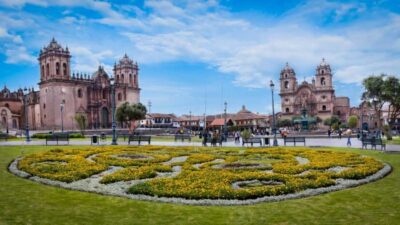
Half-Day City Tour with Sacsayhuaman and Q’enco
Read our review →
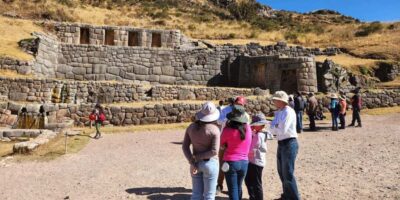
City Tour | Half-Day Tour to 4 Archaeological Sites
Read our review →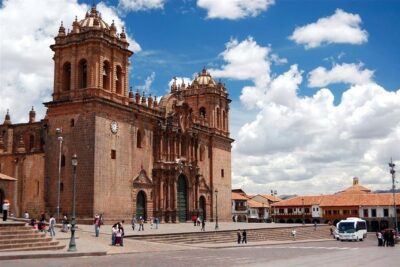
City Tour in Cusco & visit Museum South American Camelid Private.
Read our review →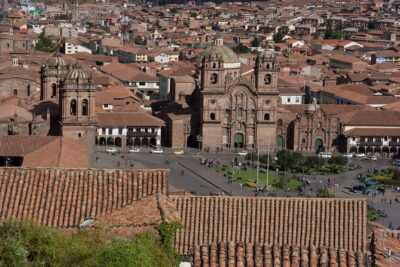
Cusco City Sightseeing, San Pedro Market, Cathedral and Qorikancha Temple
Read our review →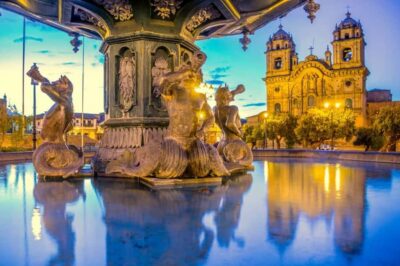
Cusco City Sightseeing and Sacsayhuaman Archeological Park Tour
Read our review →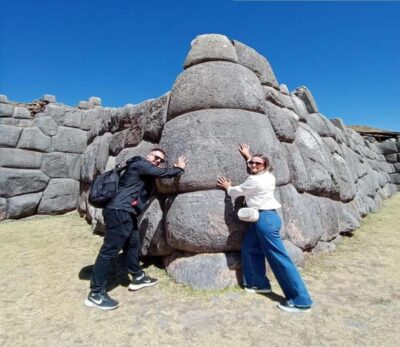
Browse the lists this tour appears in