
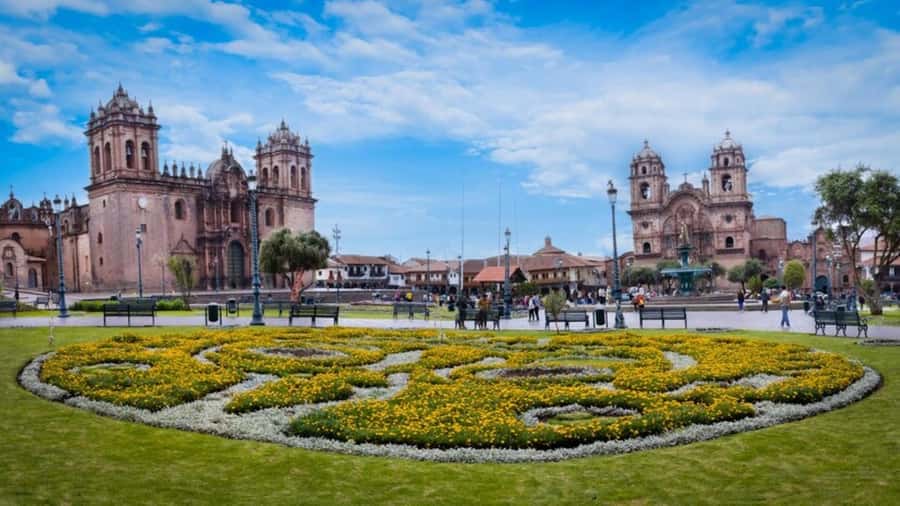
Reviewed · CUSCO CITY TOURS & INCA RUINS
Cusco: Half-Day City Tour with Sacsayhuaman and Q’enco
Cusco’s best first lesson comes in a single sweep from the golden walls of Qoricancha to the enormous stones of Sacsayhuamán and the water channels at Tambomachay. This five-hour outing gives you the city center, four nearby archaeological sites, a guide, and minivan transport for $13.
I like the way the tour packs in so much without turning into an all-day commitment. I also like the guides’ patience, especially for older visitors or anyone who needs extra time on the uphill paths. The main catch is simple: entrance tickets cost extra, and the pace can feel brisk when the group has several sites to cover.
Key points to know before you book
- Five major stops in one half-day: Qoricancha, Sacsayhuamán, Q’enqo, Puka Pukara, and Tambomachay.
- Guides make the difference: Luis, Wilson, Victor, Jared, Samuel, and others have been praised for clear historical explanations and careful pacing.
- The $13 price is transportation and guiding only: Qoricancha costs S/20, while the tourist ticket is listed at S/70.
- Morning and afternoon departures are available: The morning run is about 9:00 a.m. to 2:00 p.m.; the later run is about 1:00 p.m. to 6:30 p.m.
- You will walk and climb: Bring good shoes, water, sun protection, and a small daypack.
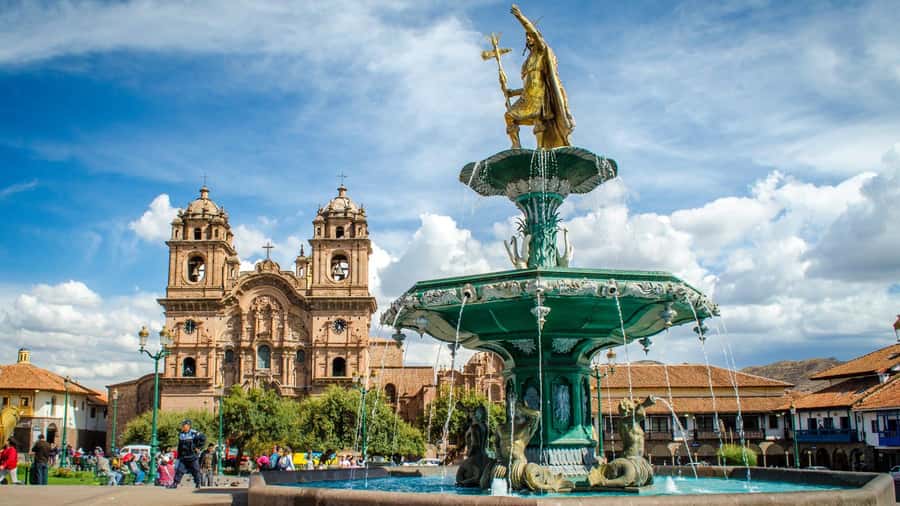
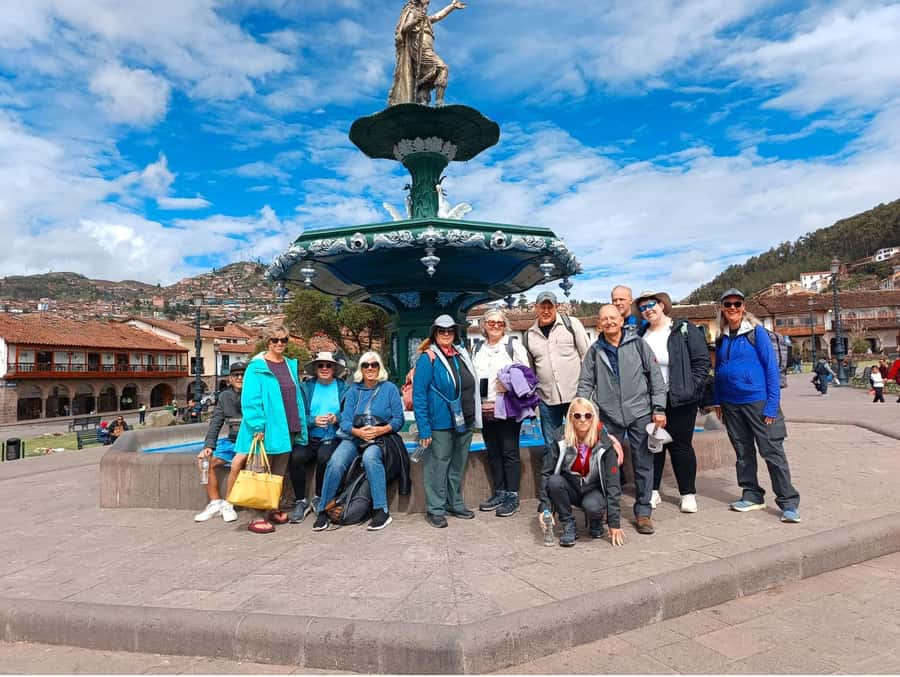
- The meeting point can be crowded: Look by the fountain in Cusco’s main square for a guide with the company flag and a name board.
Why this half-day tour works in Cusco
Cusco is not a city you understand from one plaza or one museum. Its Spanish colonial center was built over an Inca capital, and the most useful introduction connects those layers. This tour does that by starting near the center and then climbing into the hills above town.
The outing suits first-time visitors who want a broad look at Cusco before choosing where to spend more time. You get a taste of ceremonial architecture, military construction, water worship, city views, and colonial-era surroundings in one outing.
The price is unusually low for five hours of transport and a live guide. That makes the tour especially useful if you are watching your budget or have only one free afternoon. Just price in the required or optional admissions before you decide what the final cost will be.
The tour operates in English and Spanish. An audio guide is also listed in both languages. The strongest part of the experience is likely to be the live explanation. Guides including Luis, Wilson, Victor, Jared, Samuel, and Joel have been praised for answering questions, switching between languages, and adding local context rather than simply pointing at ruins.
More City and Ruins Half-Days in Cusco:
- City Tour Cusco Qoricancha Sacsayhuaman y Tambomachay
★ 4.7 · 617 reviews - Open Bus Cusco City Tour
★ 4.5 · 219 reviews - Cusco: City Tour | Half-Day Tour to 4 Archaeological Sites
★ 4.6 · 206 reviews
Qoricancha: the Inca temple beneath the colonial church
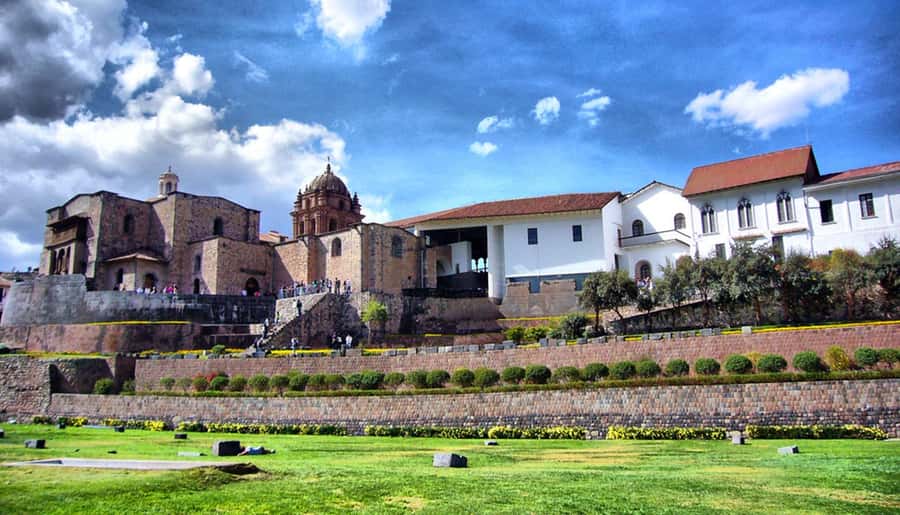
The tour begins at Coricancha, also spelled Qoricancha or Qorikancha. This was one of the most important Inca religious complexes in Cusco. The name is often translated as the Golden Enclosure, a reference to the precious metal once associated with its interior.
The site is especially useful because it shows how Spanish and Inca architecture occupy the same space. You can look at carefully fitted Inca stonework and then consider the later colonial religious building above it. The contrast gives you a quick way to understand Cusco’s layered past.
The stop is listed as optional, with an entrance fee of S/20. Confirm the arrangement before departure, since the overall tour price does not include this admission. If you have never visited Qoricancha, I think the extra cost is worthwhile because it gives the rest of the day a stronger foundation.
Plan on roughly an hour here, including the guided visit and walking. The central location also makes this an easy place to visit on your own later if you choose the afternoon departure and want to spend the morning elsewhere.
Sacsayhuamán: the tour’s big visual moment
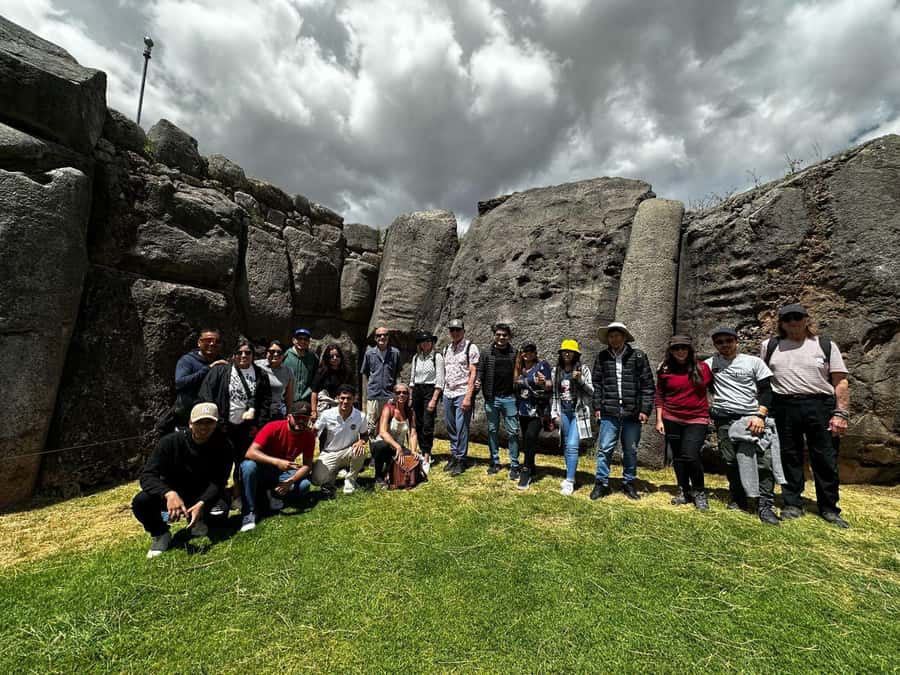
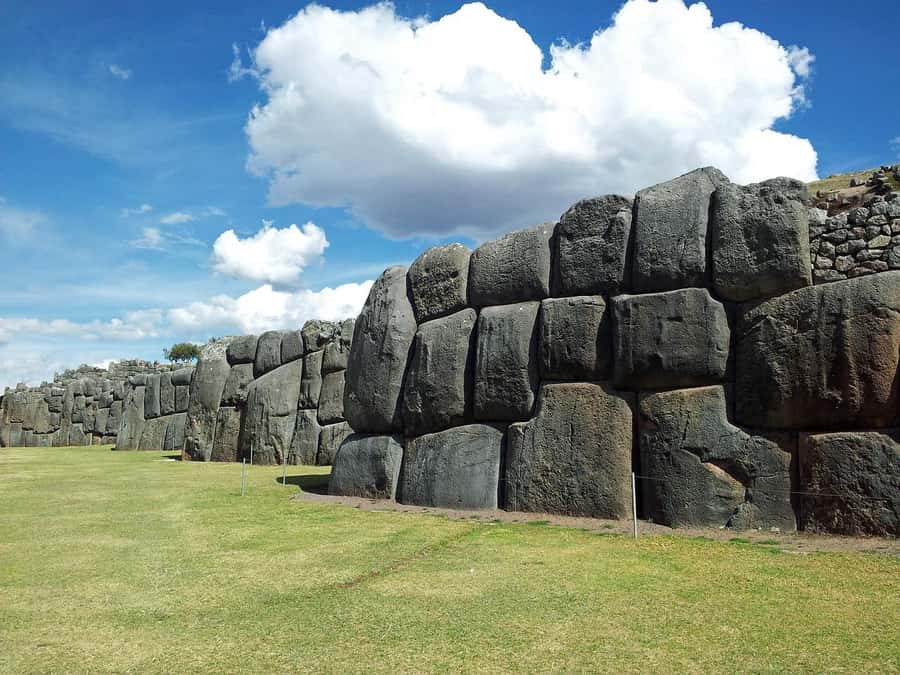
A short minivan ride takes you uphill to Sacsayhuamán, the site most likely to dominate your memory. Massive stones form broad zigzag walls, and the scale is hard to grasp until you are standing beside them.
The site also gives you a high view across much of Cusco. Bring your camera, but do not spend the whole stop looking through it. The relationship between the stone walls, the city below, and the surrounding slopes is part of what makes this place special.
The scheduled visit is about 40 minutes. That is enough for a guided explanation, photographs, and a walk around the main area, but it is not enough for a slow, extended exploration of every corner. Several people have found the timing comfortable, while others have felt that the full day of sites can become a little rushed.
Your guide matters here. A good explanation helps you notice the engineering, stone placement, ceremonial meaning, and defensive appearance instead of seeing only a large wall. Guides such as Luis and Wilson have received especially strong praise for answering detailed questions and explaining the importance of each structure.
The elevation and uneven ground also matter. Move at your own speed, and tell the guide if you need a slower pace. One guide, Wilson, was specifically praised for allowing two visitors in their seventies extra time to reach the top of Tambomachay later in the day. That sort of patience is valuable in Cusco.
Q’enqo: stone, ritual, and a more enclosed visit
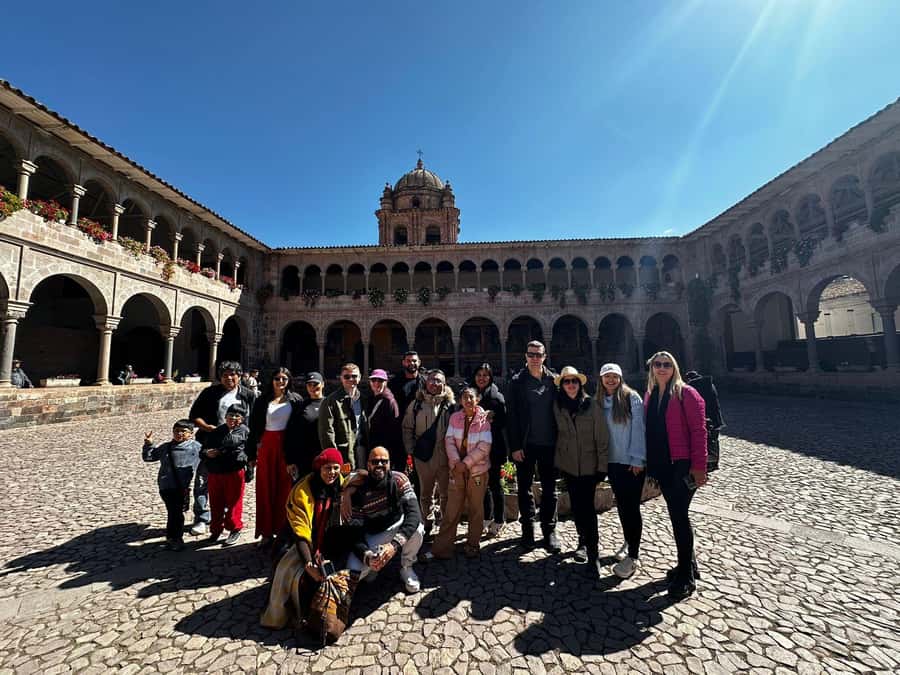
Q’enqo is a smaller archaeological complex with a different feel from Sacsayhuamán. Its use is generally linked to ceremony and astronomy, and the visit gives you a chance to see how the Incas worked with natural rock as well as cut stone.
The stop lasts about 30 minutes. You will have time for a guided explanation and photographs, but the site is not designed as a long independent walk. Listen closely here, since the guide’s interpretation helps explain features that can be easy to miss at first glance.
Q’enqo works well after Sacsayhuamán because the two sites are not duplicates. Sacsayhuamán impresses through scale and views. Q’enqo is more about ritual spaces, carved surfaces, and the way the Incas used the shape of the rock.
A few more Cusco days worth weighing up
- Cusco: Half-Day City Tour
★ 4.2 · 129 reviews - From Cusco: Moray, Maras Salt Mines & Chinchero Weavers Half-Day
★ 5.0 · 126 reviews - Cusco: Half-Day Horseback Riding at Devil’s Balcony
★ 4.9 · 89 reviews - Sacsayhuaman Temple, Tambomachay and Puca Pucara Half-Day Tour
★ 4.5 · 59 reviews
Puka Pukara: a small fortress on the route
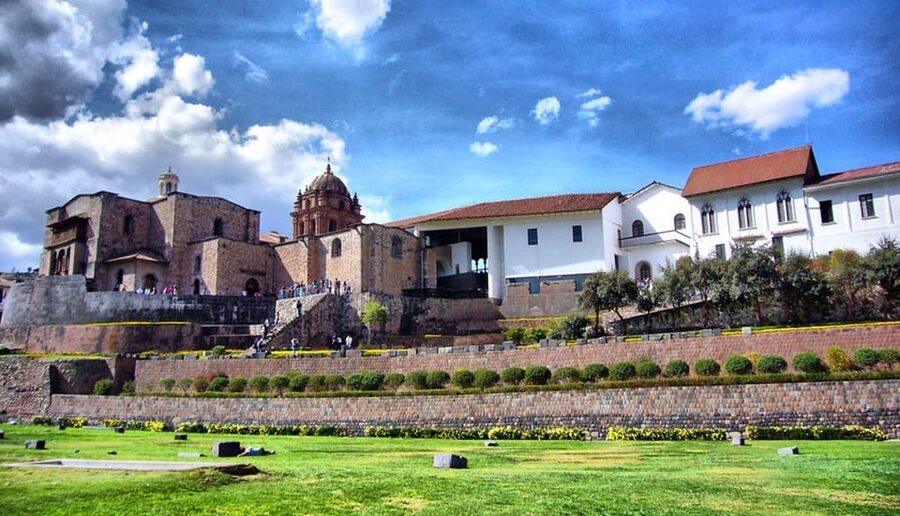
Puka Pukara is associated with military use and includes walls, towers, courtyards, rooms, bathrooms, and water channels. Compared with Sacsayhuamán, it is more compact and less dramatic, but its position along the route helps you picture how the wider Cusco area was organized.
The planned stop is about 25 minutes. That is enough for a short walk, some photos, and a guide’s explanation. If you are expecting another giant stone complex, you may find this stop modest. I see its value in the bigger picture: it adds a military and administrative layer to a day that otherwise leans heavily toward temples and ceremonies.
This is also a good place to keep your camera ready. The elevated setting and open views make it a pleasant pause between the more enclosed or heavily built sites.
Tambomachay: water channels at the end of the circuit
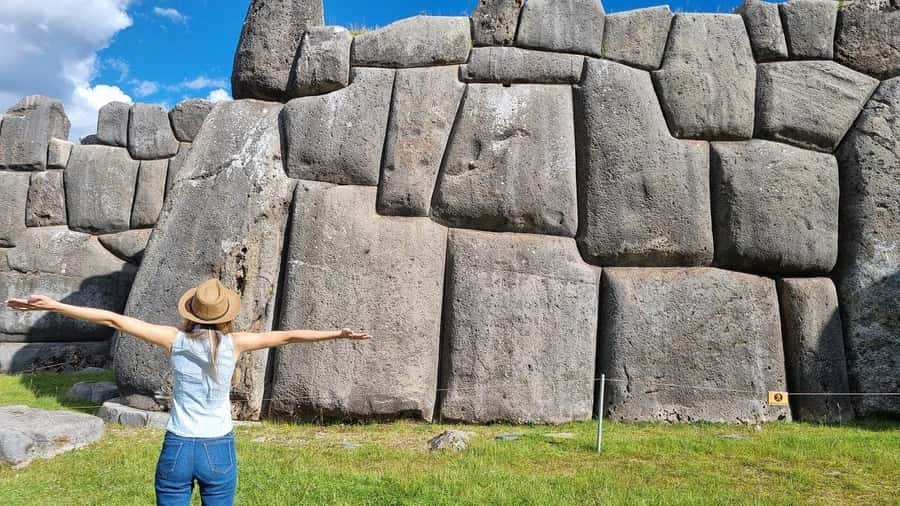
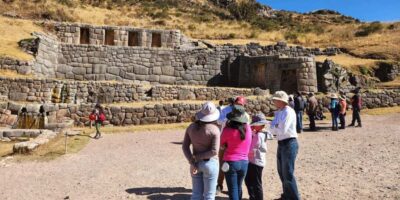
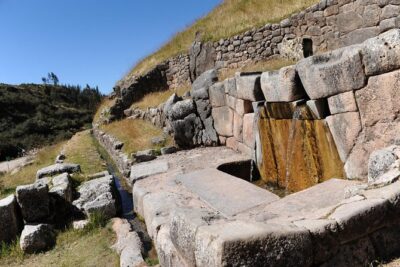
Tambomachay is linked with water worship and features carved stone channels. Water still gives the site its character, and the setting provides a calmer finish than the huge walls at Sacsayhuamán.
The visit is scheduled for about 40 minutes. You will walk, take photographs, and have time for an explanation. The path can require a little effort, so comfortable shoes are not optional decoration. They are practical gear.
This stop also shows why the tour is more than a quick ruins checklist. The sites cover different parts of Inca life: ceremony, military organization, sacred water, astronomy, and monumental construction. You may not leave with every detail fixed in your mind, but you will have a useful framework for understanding what you see elsewhere in the Cusco region.
What the minivan schedule means for your day
The morning departure runs approximately from 9:00 a.m. to 2:00 p.m. The later departure begins around 1:00 p.m. and finishes around 6:30 p.m. Actual timing can shift with traffic, group movement, and time at each stop.
Transport is by tourist minivan. The route includes several short rides, with the longest listed rides around 20 and 30 minutes. That matters because the vehicle gives your feet a break and makes it possible to reach the sites above the city without arranging separate taxis.
Pickup may be available at the door of a hotel in Cusco’s urban area, or you may meet at the main square. The stated meeting point is by the fountain at coordinates -13.516772, -71.9787231. The plaza can be crowded with guides and groups, so arrive early and look for the company flag and a board showing your name.
This is one area where clearer directions would help. Some people have had trouble finding the correct guide when given an address near, rather than directly at, the fountain. If you are meeting in the square, use the fountain itself as your landmark and keep your phone available for contact.
The tour finishes on Calle Plateros in the historic center. That is convenient for dinner, a walk through the old streets, or a return to your hotel.
The real cost: $13 plus admissions
At $13 per person, this is strong value if you want transport and a guide for the major sites. The low price also makes it an easy last-minute choice. People have booked the night before and still found the day well organized.
The advertised price does not cover meals, Qoricancha entry, or the tourist ticket. Qoricancha is listed at S/20, and the tourist ticket at S/70. Because the information describes Qoricancha as optional, ask which sites require the tourist ticket and how payment is handled before you set out.
Bring cash. That is specifically recommended, and it is useful for admissions or small purchases. Food is not included, so eat before the morning tour or plan a meal afterward. The afternoon tour gives you more flexibility for breakfast and lunch, but it finishes later.
Some outings also include a stop at an alpaca goods shop. This is not presented as a central sightseeing stop, and there is no pressure to buy. If you are interested in wool clothing, you may find it useful because staff can explain the difference between natural alpaca goods and imitations. If shopping is not your aim, simply treat it as a short additional stop.
How demanding is the walking?
The tour is listed as suitable for all ages, but it is not a sit-down city tour. You will walk at each site, use uneven paths, and handle Cusco’s high-altitude setting. Sacsayhuamán and Tambomachay can be tiring, especially if you have just arrived in Peru.
Wear comfortable shoes and clothes. Pack water, sunscreen, sunglasses, and a sun hat. A small daypack is easier to manage than a large bag, and a camera is worth bringing for the views.
The activity is not recommended for pregnant women or people with epilepsy. If you have concerns about the walking or altitude, ask the operator before booking. A patient guide can help with pace, but the route itself still includes outdoor walking and some climbs.
Who should book this Cusco city tour?
I would choose this outing if you want a fast but meaningful introduction to Cusco’s major Inca sites. It is also a good fit if your schedule includes Machu Picchu, the Sacred Valley, or other longer excursions and you want to use one half-day efficiently.
It works particularly well for:
- First-time visitors who want context before exploring alone
- Budget-conscious visitors who value transport and a live guide
- Families with older children who can manage walking
- Older adults who appreciate a guide willing to slow the pace
- Anyone who wants English or Spanish explanations
- Visitors with only a morning or afternoon available
I would think twice if your main goal is quiet photography or long, unhurried archaeological study. Five hours covers a lot of ground, and the group must keep moving. If you want extended time at every site, a private tour or a longer format may suit you better.
The language mix can also affect the pace of explanations. Guides have handled bilingual groups successfully, but complex historical points may take longer to follow when a guide repeats everything in two languages. Ask questions when something is unclear. The guides are generally praised for taking time to answer.
Should you book it?
Book this tour if you want the best basic orientation to Cusco for very little money. Sacsayhuamán is the visual highlight, while Qoricancha provides the strongest connection between Inca and colonial Cusco. Q’enqo, Puka Pukara, and Tambomachay add variety and make the half-day feel full.
Before paying, confirm the meeting point, which admissions you need, and whether Qoricancha is included in your chosen arrangement. Then bring water, sun protection, cash, and shoes you can trust.
If you accept a brisk schedule and extra entrance fees, this is an efficient, well-supported way to begin your time in Cusco. If you prefer slow visits and total control over the day, visit the sites independently instead.
FAQ
How long does the Cusco city tour last?
The tour lasts about five hours. The morning schedule runs approximately from 9:00 a.m. to 2:00 p.m., and the later schedule runs approximately from 1:00 p.m. to 6:30 p.m.
Which sites are included?
The route includes Qoricancha, Sacsayhuamán, Q’enqo, Puka Pukara, and Tambomachay. Qoricancha is described as optional and has a separate entrance fee.
Is transportation included?
Yes. Tourist transportation by minivan is included.
Is a guide included?
Yes. A professional live guide is included, with English and Spanish available. An audio guide is also listed in English and Spanish.
How much does the tour cost?
The listed price is $13 per person. Meals, Qoricancha entry, and the tourist ticket are not included.
Where is the meeting point?
The meeting point is by the fountain in Cusco’s main square. Pickup may also be available from hotels in Cusco’s urban area, depending on the arrangement.
What should I bring?
Bring your passport or ID, comfortable shoes, sunglasses, a sun hat, sunscreen, water, comfortable clothing, cash, a camera, and a daypack.
Is food included?
No. Breakfast and lunch are not included.
Can I cancel the booking?
You can cancel up to 24 hours in advance for a full refund. Reserve now and pay later is also available.
Is the tour suitable for everyone?
The tour is listed as suitable for all ages, but it involves walking and some uphill sections. It is not suitable for pregnant women or people with epilepsy.
Just added around Cusco
- Zipline over the Sacred Valley Trip★ 5.0 · 11 reviews
- Valle Sur Cusco | half day★ 4.3 · 3 reviews
- Visit Pisac from Cusco: Private Transport★ 4.6 · 9 reviews
- Transfer from Cusco to Ollantaytambo★ 5.0 · 30 reviews
- Exclusive Huayna Picchu Tour in 1 Day from Cusco★ 5.0 · 31 reviews
- Trek to Humantay Lake from Cusco★ 4.9 · 8 reviews
- 5 Day – Salkantay trek to Machu Picchu – Group Service★ 4.5 · 27 reviews
- 2 Day – Short Inca Trail to Machu Picchu – Group Service★ 5.0 · 30 reviews
Cusco City Tours & Inca Ruins, compared.
City Tour Cusco Qoricancha Sacsayhuaman y Tambomachay
Read our review →
City Tour | Half-Day Tour to 4 Archaeological Sites
Read our review →
City Tour in Cusco & visit Museum South American Camelid Private.
Read our review →
Cusco City Sightseeing, San Pedro Market, Cathedral and Qorikancha Temple
Read our review →
Cusco City Sightseeing and Sacsayhuaman Archeological Park Tour
Read our review →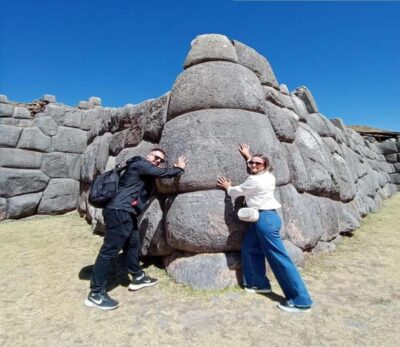
Browse the lists this tour appears in