
Reviewed · CUSCO CITY TOURS & INCA RUINS
Cusco: City Tour | Half-Day Tour to 4 Archaeological Sites
Cusco’s best-known Inca sites sit outside the old center, and this four-hour city tour links them in one tidy half-day outing. You see the polished stonework of Qoricancha, the giant walls of Sacsayhuamán, and three smaller hilltop sites without arranging taxis or piecing together separate entrance plans.
I like the strong mix of history and scenery, and I like that hotel pickup and transport are included. Guides such as Luis, Maribel, Joel, and Fabrisio have earned praise for clear explanations and patient bilingual guiding. The main catch is that entry fees are extra, and a tour conducted in English and Spanish can feel slow or rushed, depending on the group.
- Five major sites in four hours: Qoricancha, Sacsayhuamán, Qenqo, Puca Pucara, and Tambomachay make this a useful first look at Cusco.
- Pickup from Cusco’s historic center: You avoid finding transport to the hilltop ruins on your own.
- Bilingual guiding: The guide repeats the material in English and Spanish, so timing can vary.
- Extra costs matter: Qoricancha costs 20 soles, while the tourist ticket costs 70 to 120 soles.
- Best final view: Tambomachay and the return toward Cusco can bring fine evening views, especially on the afternoon departure.
- A practical first-day choice: You get orientation, archaeology, local culture, and dinner-time return in one outing.
Why This Half-Day Tour Works in Cusco
Cusco can feel confusing at first. The central streets are easy enough to walk, but the major Inca sites sit on higher ground beyond the compact colonial core. Sacsayhuamán, Qenqo, Puca Pucara, and Tambomachay are close enough to combine, yet spread out enough that a private taxi plan takes more thought than it first appears.
This tour handles that link-up for you. The vehicle carries you between the sites, while the guide supplies the thread connecting imperial religion, military planning, water worship, and Spanish colonial rule. I see this as an orientation tour rather than a final word on Inca archaeology. You get the shape of the area, then you can return to the places that catch your interest.
The price is appealing at $29 per person, especially because pickup, tourist transport, and a bilingual guide are included. But do your sums before booking. Qoricancha requires a separate 20-sol payment, and the archaeological sites require a tourist ticket priced at 70 to 120 soles. If you already have the appropriate ticket from another tour, you can use it.
Some people buy the full tourist ticket from the office near the main plaza before this outing. That can be good value if you also plan to visit other museums and sites in Cusco or the Sacred Valley. It is not a minor detail: the extra entrance cost can exceed the tour price itself.
Qoricancha: Inca Gold Beneath Santo Domingo
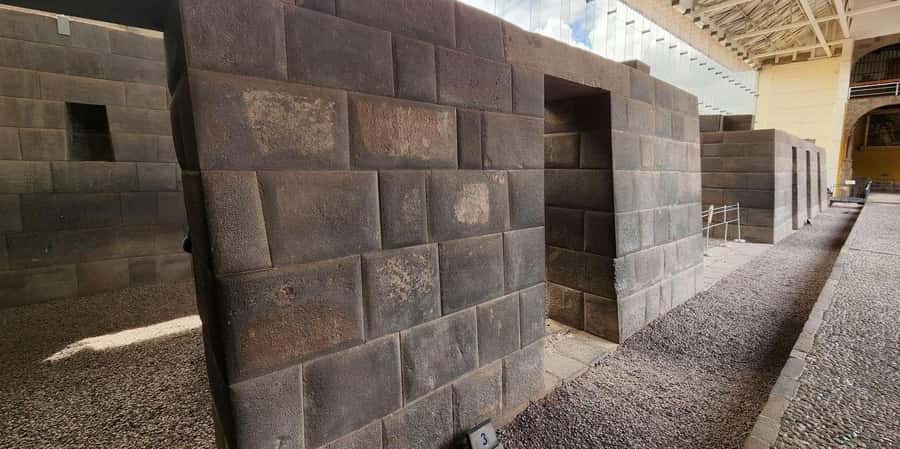
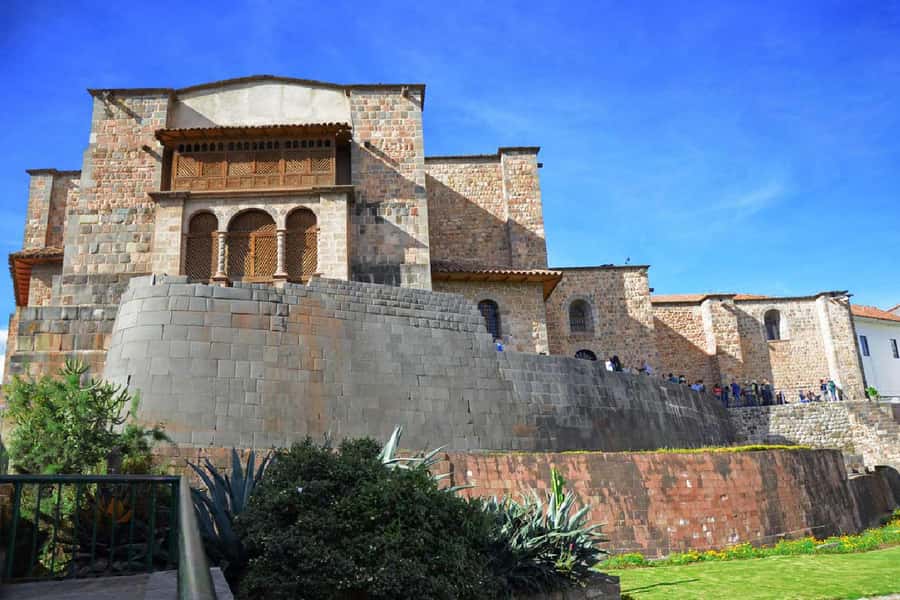
The tour begins around the main square, then moves to Qoricancha, the former Temple of the Sun. This is the one central religious site on the route, and it gives you the clearest lesson in how Inca and Spanish Cusco overlap.
Inside, you see Inca masonry incorporated into the colonial Temple of Santo Domingo. The stonework is the star. Tight joints and carefully fitted blocks show the precision of Inca construction, while the colonial church and paintings from the Cusquenian School reveal how Spanish rule reshaped the sacred center.
Your guide explains the different temple spaces and the importance of the sun in Inca belief. I like beginning here because it gives the rest of the tour a useful frame. At the outer sites, you see walls, terraces, and platforms. At Qoricancha, you first understand how those building skills served religion and government.
Allow for the fact that Qoricancha has its own entrance fee. If you are counting every sole, this is one of the costs to settle before departure. The tour description also lists the Cathedral of Cusco as an optional visit, but it is not part of the core route, so you should not expect a full cathedral tour within the four-hour schedule.
More City and Ruins Half-Days in Cusco:
- Cusco: Half-Day City Tour with Sacsayhuaman and Q’enco
★ 4.6 · 1,129 reviews - City Tour Cusco Qoricancha Sacsayhuaman y Tambomachay
★ 4.7 · 617 reviews - Open Bus Cusco City Tour
★ 4.5 · 219 reviews
Sacsayhuamán and the Giant Stone Walls
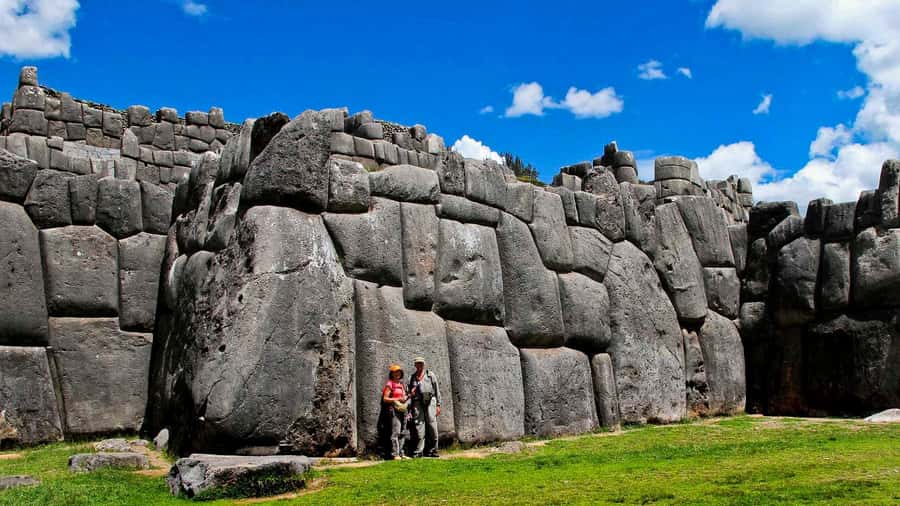
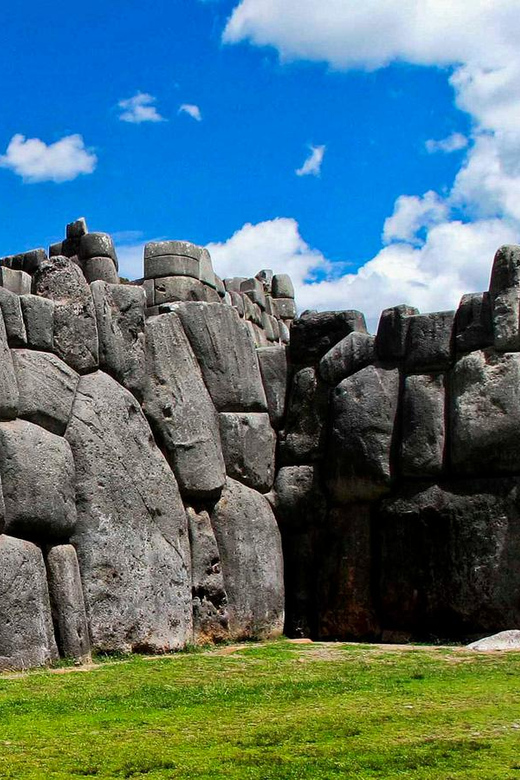
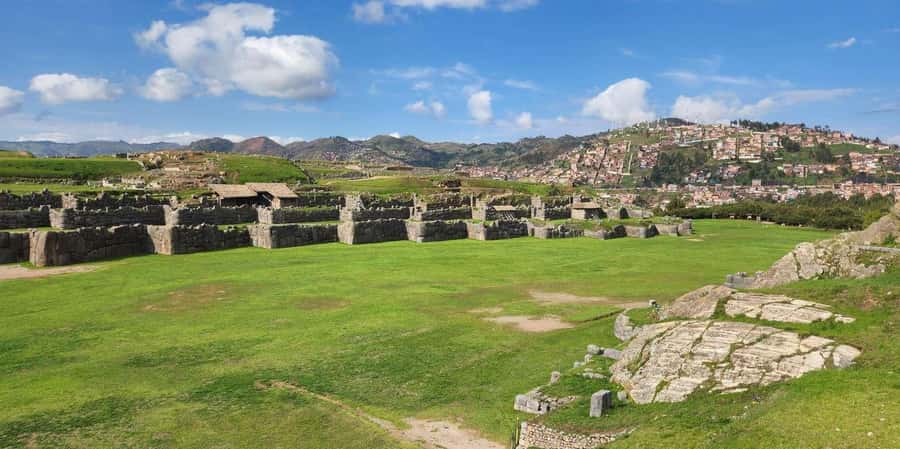
From Qoricancha, the group heads toward Sacsayhuamán, the largest and most dramatic stop. Its huge stones are fitted together without mortar, and some blocks are described as reaching about 9 meters high and weighing more than 350 tons. Even with a guide, the scale is hard to absorb.
Sacsayhuamán was a major ceremonial and defensive complex. Its broad terraces and zigzag walls show careful planning, but the site also carries modern importance. The annual Inti Raymi, or Festival of the Sun, is held here each June 24.
You will have time to walk, look closely at the masonry, and hear the main explanations. The exact time can depend on traffic, group size, and how smoothly the earlier pickup goes. One poorly timed outing reached Sacsayhuamán with only about 30 minutes before closing, so I would treat punctuality as important. A textile-market stop has also been included on at least one departure, taking time away from the archaeological sites. If you are mainly booking for ruins, ask the guide early about the day’s route and keep an eye on the clock.
That caution should not overshadow the site itself. Sacsayhuamán is the point where the modest tour price begins to feel especially worthwhile. Getting here by taxi is possible, but having transport, orientation, and the right ticket arranged in a group is simpler.
Qenqo’s Rock-Cut Ceremonial Space
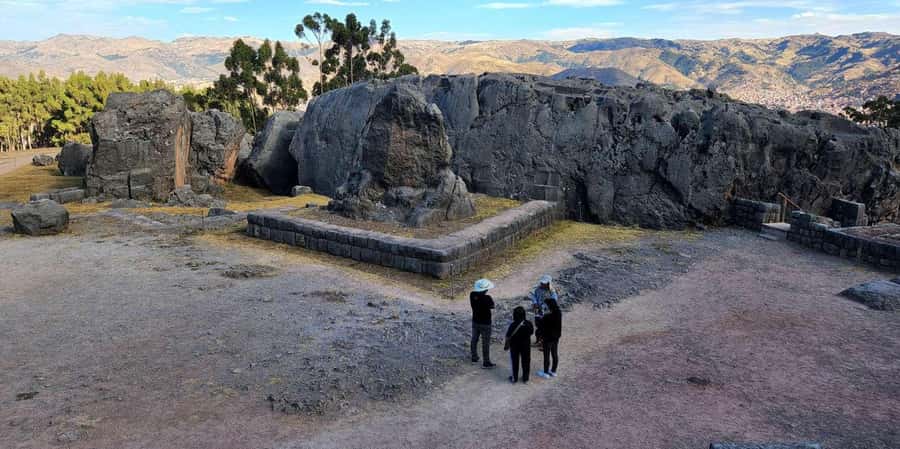
Qenqo is smaller and more puzzling than Sacsayhuamán. The route leads through rocky formations, narrow paths, and carved spaces associated with ceremonial and religious use. The site is often described as an amphitheater, with theories connecting it to ritual sacrifice.
This is a place where I prefer a guide who separates firm evidence from interpretation. One guide may present a theory with great certainty, while the archaeology can leave room for debate. A careful explanation should tell you what is visible, what scholars propose, and what remains unknown.
The pathways can feel tight, and the stone surfaces are uneven. You are not covering a long hiking route, but comfortable shoes help. Qenqo also gives the tour welcome variety. After the broad walls of Sacsayhuamán, you move into a more enclosed setting where carved rock and shadow do much of the work.
Puca Pucara and the Road Through the Hills
Puca Pucara was an Inca surveillance post and entry-control point for the capital. Its name is commonly translated as Red Fortress, though the attraction here is less about a single grand structure than about its position, terraces, walls, and commanding route through the hills.
This stop is usually shorter than Sacsayhuamán. You walk among the stone remains, listen to the explanation, and see how the Inca road system connected the capital with surrounding places. The site makes more sense when your guide explains it as part of a wider network rather than an isolated ruin.
The open setting can be cool, particularly later in the day. Bring a light layer even if Cusco feels warm at lunchtime. An afternoon departure may finish with cooler air and evening light, so a jacket is useful without adding much weight to your day pack.
A few more Cusco days worth weighing up
- Cusco: Half-Day City Tour
★ 4.2 · 129 reviews - From Cusco: Moray, Maras Salt Mines & Chinchero Weavers Half-Day
★ 5.0 · 126 reviews - Cusco: Half-Day Horseback Riding at Devil’s Balcony
★ 4.9 · 89 reviews - Sacsayhuaman Temple, Tambomachay and Puca Pucara Half-Day Tour
★ 4.5 · 59 reviews
Tambomachay and the Water of Youth
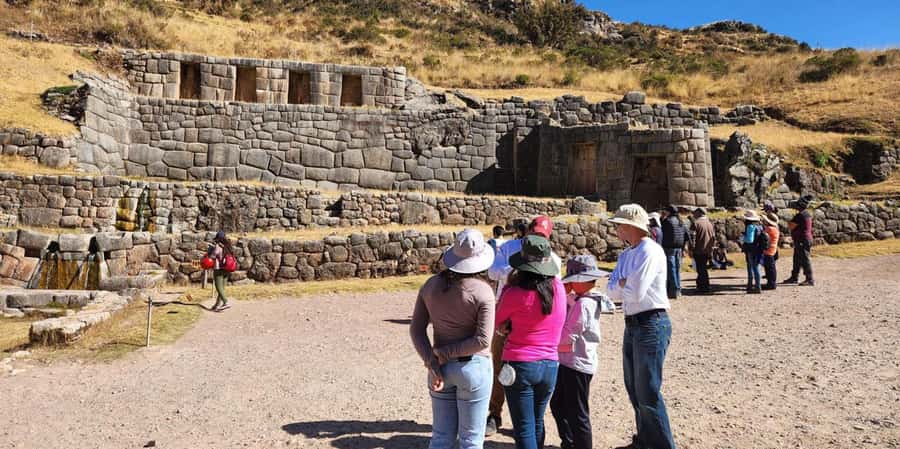
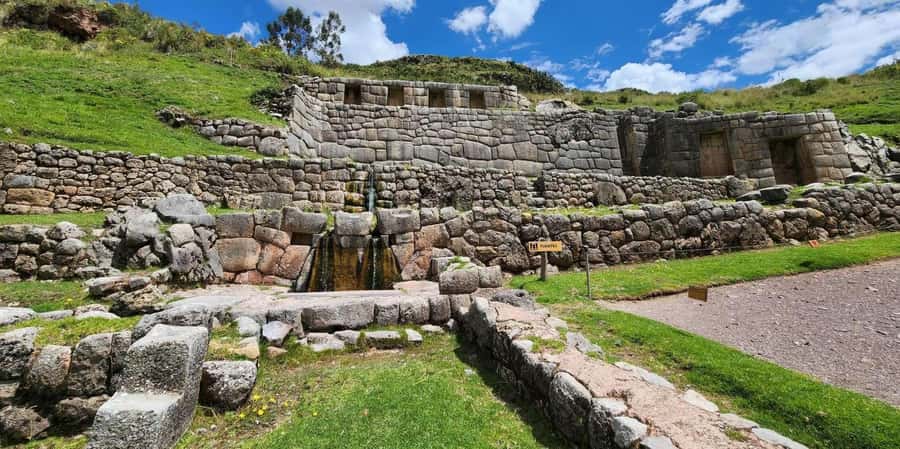
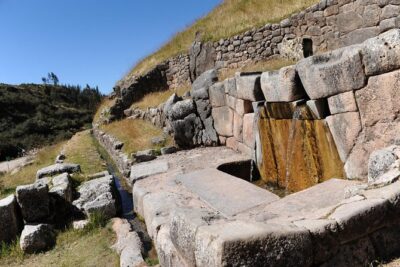
Tambomachay is the final archaeological stop, and it changes the mood again. Instead of focusing on massive defensive walls, you see terraces, stone channels, and fountains linked to water worship. It is also known as the place of the waters of eternal youth.
The site is compact, but the waterworks invite a closer look. The channels and fountains show that Inca engineering was not only about moving armies or building temples. Water had religious meaning, and the setting provided a place for ceremony and leisure.
Do not treat Tambomachay as an afterthought. Several departures have finished with broad views toward Cusco, and the late-day light can make this a fine closing stop. One afternoon tour returned to the city in time for dinner and drinks, which is exactly how I would use this outing: let the tour handle the outer sites, then choose your own evening meal back in town.
Bilingual Guiding: Helpful, With a Time Cost
The guides work in English and Spanish, switching between the two languages throughout the day. This is valuable if your group includes speakers of both languages, and guides such as Luis have been praised for making sure English speakers are not left behind. Maribel, Joel, America, Yenny, Jessica, Leo, and Fabrisio have also been singled out for clear explanations, humor, patience, and local insight.
Still, bilingual touring has a practical tradeoff. Every explanation takes longer, and questions in one language may not always be repeated fully in the other. Several departures have moved at a good pace, but others have felt rushed or extended beyond the planned four hours. One group took about five and a half hours after an unplanned textile-market stop.
I would ask at the start how the guide plans to divide the language time. Stay close during transitions, since five sites and several vehicle transfers leave little room for stragglers. If the group is evenly split between English and Spanish, expect a longer day than a private English-only tour.
The guide can make or break the experience. The best leaders do more than recite dates. They connect the stonework to religion, government, local culture, and daily life, while admitting when an explanation is a theory. Luis has been praised for writing a detailed book about the Incas and the region, and other guides have been noted for their humor, photography, and ability to answer questions.
Timing, Transport, and What to Carry
Pickup is included from hotels in Cusco’s historic center. The tour then uses shared tourist transport to reach the outer sites and returns you to the city center. Pickup can be smooth, but some departures have had a late or chaotic start because of vehicle coordination. Give yourself patience at the beginning and do not schedule a tight appointment immediately after the advertised finish.
The stated duration is four hours. In practice, traffic, site crowds, bilingual explanations, weather, and extra stops can change the timing. Afternoon tours can be especially pleasant because they may end with a city view and leave you free for dinner, but you should allow a cushion afterward.
Pack:
- Comfortable shoes for uneven stone paths and steps
- A warm layer for the exposed sites
- Rain protection, especially in changeable weather
- Water and sun protection
- Cash for the Qoricancha fee and any entrance tickets not already covered
- A camera, while remembering to keep pace with the group
Rain does not necessarily stop the outing. One departure adjusted the order so the group could explore when the weather cleared. Even so, a wet afternoon can slow the route, so do not plan something unmovable right afterward.
Who Gets the Best Value
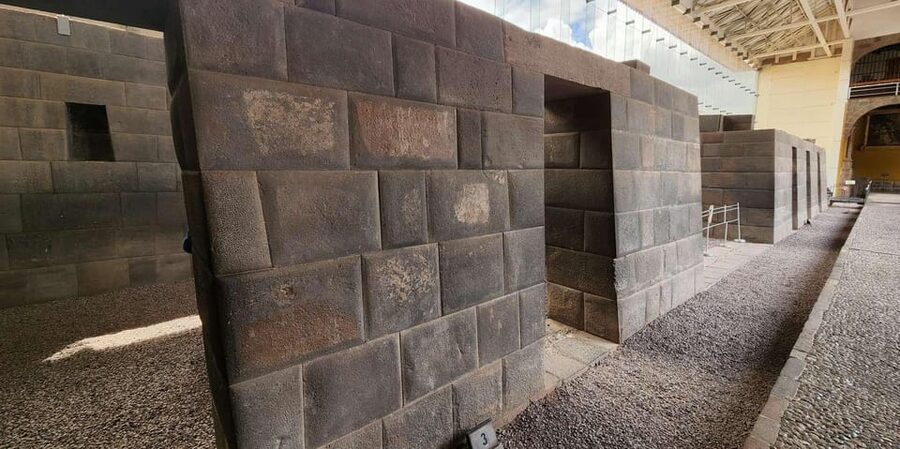
This tour suits you if you have just arrived in Cusco and want a quick introduction before choosing which sites deserve more time. It also works well if you have one free half-day and want to see the outer ruins without negotiating taxis.
Families and first-time visitors may appreciate the transport and clear structure. Independent history fans should enjoy the range of sites, but may find the group pace too fixed. If you want long photography sessions, extended archaeology discussions, or an English-only experience, a private tour would give you more control.
The value depends on how you handle the entrance fees. At $29, the guiding and transport are inexpensive, but the total cost rises once you add Qoricancha and the tourist ticket. Still, the ticket may cover other Cusco and Sacred Valley sites, so it can be a sensible purchase if you plan to keep sightseeing.
Should You Book This Cusco City Tour?
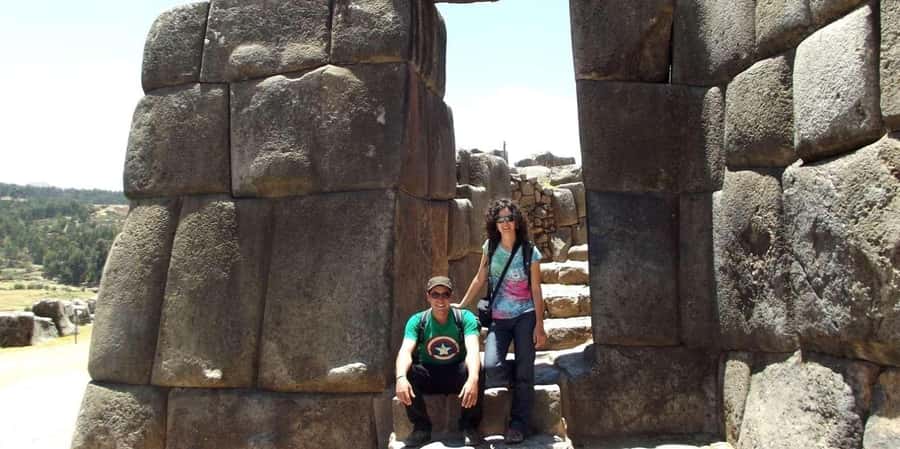
I would book it as a first Cusco outing, especially if your hotel is in the historic center and you want a strong overview without spending a full day away from town. The route covers religious, military, ceremonial, and water sites, and the views give you a useful sense of how Cusco sits among the surrounding hills.
Go in prepared for extra entrance fees, a shared vehicle, and bilingual explanations. Confirm that the day will focus on the archaeological sites, and leave spare time after the scheduled return. If you can accept those limits, $29 buys a lot of orientation, stonework, and high-altitude scenery in one compact trip.
FAQ
How long does the Cusco City Tour last?
The scheduled duration is four hours. Actual timing can vary because of traffic, bilingual explanations, weather, crowds, pickup delays, or additional stops.
Which archaeological sites are included?
The route includes Qoricancha, Sacsayhuamán, Qenqo, Puca Pucara, and Tambomachay.
Is hotel pickup included?
Yes. Pickup is included from hotels in Cusco’s historic center.
Is the guide bilingual?
Yes. The tour is conducted in English and Spanish by a live bilingual guide.
Is transportation included?
Yes. Tourist transport between the city and the archaeological sites is included.
Are entrance tickets included in the price?
No. Qoricancha requires an additional 20 soles, and the tourist ticket costs 70 to 120 soles. You can use a suitable ticket you already purchased for another tour.
Is the Cathedral of Cusco included?
The Cathedral is listed as an optional visit, not as one of the core archaeological stops.
Can I cancel the tour for a refund?
You can cancel up to 24 hours in advance for a full refund.
Can I reserve now and pay later?
Yes. The booking terms allow you to reserve the tour and pay later, keeping your plans flexible.
Just added around Cusco
- Zipline over the Sacred Valley Trip★ 5.0 · 11 reviews
- Valle Sur Cusco | half day★ 4.3 · 3 reviews
- Visit Pisac from Cusco: Private Transport★ 4.6 · 9 reviews
- Transfer from Cusco to Ollantaytambo★ 5.0 · 30 reviews
- Exclusive Huayna Picchu Tour in 1 Day from Cusco★ 5.0 · 31 reviews
- Trek to Humantay Lake from Cusco★ 4.9 · 8 reviews
- Private Tour Sacred Valley, Chinchero, Maras Moray, Ollantaytambo★ 5.0 · 29 reviews
- 5 Day – Salkantay trek to Machu Picchu – Group Service★ 4.5 · 27 reviews
Cusco City Tours & Inca Ruins, compared.
Half-Day City Tour with Sacsayhuaman and Q’enco
Read our review →
City Tour Cusco Qoricancha Sacsayhuaman y Tambomachay
Read our review →
City Tour in Cusco & visit Museum South American Camelid Private.
Read our review →
Cusco City Sightseeing, San Pedro Market, Cathedral and Qorikancha Temple
Read our review →
Cusco City Sightseeing and Sacsayhuaman Archeological Park Tour
Read our review →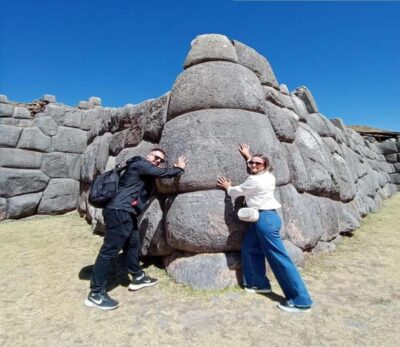
Browse the lists this tour appears in