
Reviewed · TIPON & THE SOUTH VALLEY TOURS
SOUTH VALLEY CUSCO
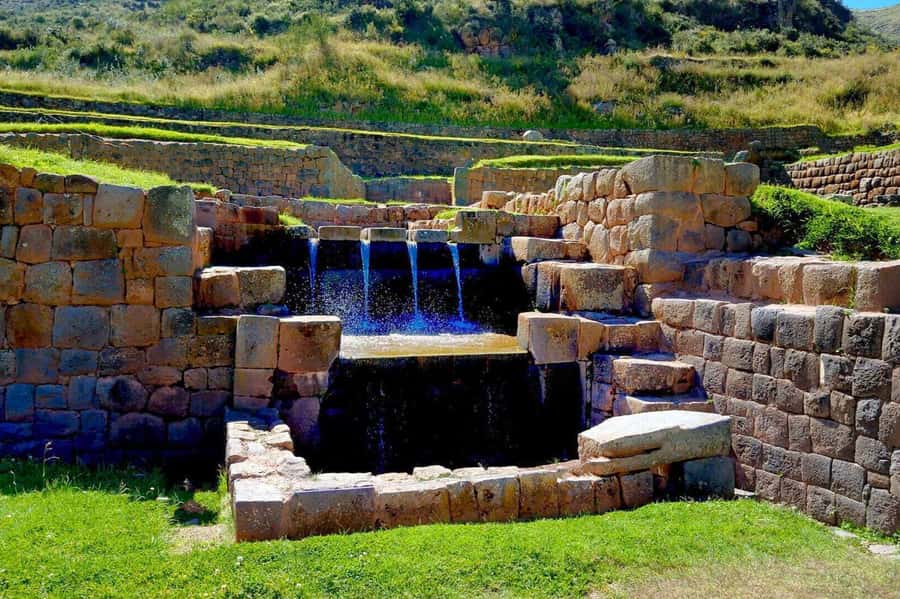
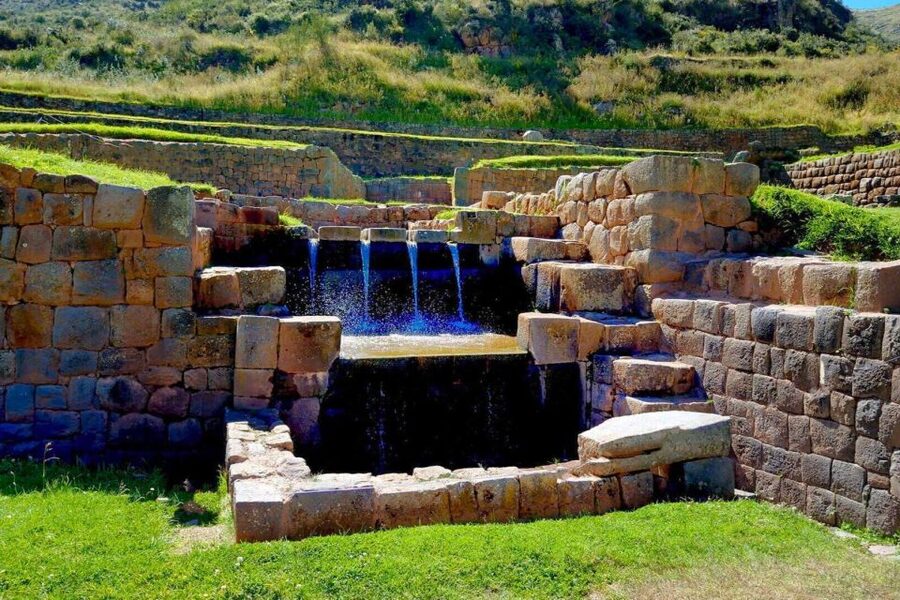
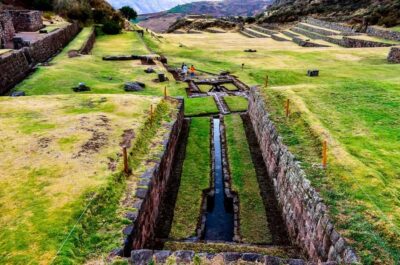
Tipón is the star here: its Inca canals still carry water through carefully built terraces, giving you a close look at engineering that was both practical and beautiful. You also get two very different stops, the pre-Inca city of Pikillacta and the lavish colonial church at Andahuaylillas.
I like the excellent variety packed into one day, and I like the low $20 price, which covers central hotel pickup, transport, and an English or Spanish-speaking guide. The main catch is time: Pikillacta can feel rushed, and lunch is not included or fully fixed.
- Tipón’s water channels: See Inca irrigation working its way through terraces and stonework.
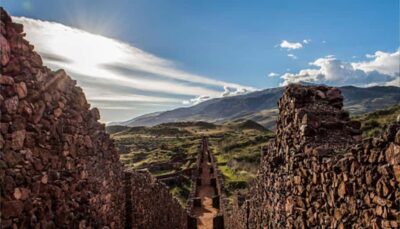
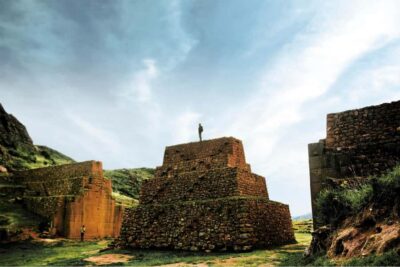
- Pikillacta’s Wari ruins: Walk through one of the region’s major pre-Inca urban sites.
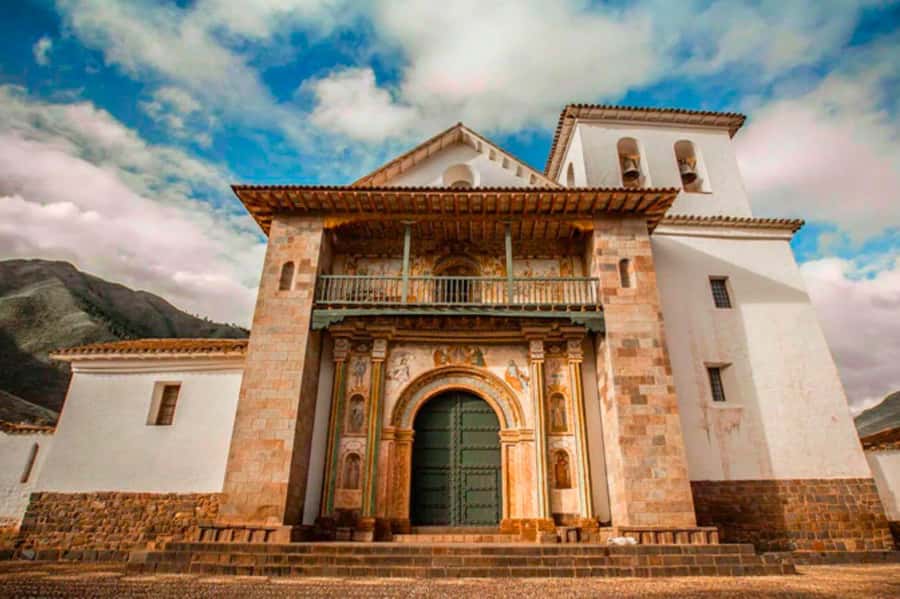
- Andahuaylillas church: Visit the colonial church often called the Sistine Chapel of South America.
- A seven-hour outing: Leave Cusco in the morning and finish near Plaza Kusipata at about 4 p.m.
- Low base price: Pay $20 per person, then budget separately for site tickets, the church, and food.
- Flexible lunch plan: The guide asks the group about lunch, but you should carry a sandwich or snack.
Why Cusco’s South Valley deserves a day
Cusco’s South Valley gives you a useful change of pace from the city’s Inca streets and the usual Sacred Valley circuit. The route follows open countryside south of Cusco, with archaeological sites that tell three different stories: Wari city planning at Pikillacta, Inca water control at Tipón, and Spanish colonial religion at Andahuaylillas.
I like this combination because the sites do not blur together. Tipón is about water and farming. Pikillacta is about an organized pre-Inca settlement. Andahuaylillas turns your attention indoors, toward painted walls, religious art, and colonial power.
At $20, this is an inexpensive way to fill a full day. You are not paying for entrance fees or lunch, so the final cost will be higher, but transportation and a guide are already covered. For a visitor who wants to see more than central Cusco without arranging a private vehicle, the basic value is strong.
The tradeoff is a fairly structured day. You spend about an hour getting to Tipón, then ride between the sites, and finish back in the city around 4 p.m. You get a broad introduction rather than long, unhurried visits.
The morning ride south from Cusco
Pickup is offered from central locations around the Plaza de Armas. If your hotel is outside the central area, you should plan to reach the Mermaid Fountain in the Plaza de Armas, the stated meeting point. With hotel pickup, wait in the lobby and allow time for the vehicle to reach you.
The first ride takes about one hour. That is a sizable stretch before the first visit, but it also lets you settle into the day and watch Cusco give way to rural scenery. The supplied schedule describes tourist transportation, not a train or public bus, and the vehicle has been described as comfortable.
The tour uses both English and Spanish. That matters because the quality of a day like this depends heavily on how clearly the guide explains unfamiliar sites. One guide named Bernabe received especially warm praise for being friendly and kind. At the same time, English and Spanish delivery may not always be easy to follow, so stay close to the guide during explanations and ask for a point to be repeated when needed.
More South Valley Days from Cusco:
- Cusco South Valley: Morning Half Day Tour
★ 4.2 · 15 reviews - Half-Day Tour Tipón, Pikillaqta & Andahuaylillas Shared Tour
★ 5.0 · 4 reviews - Valle Sur Cusco | half day
★ 4.3 · 3 reviews
Tipón and its carefully managed water
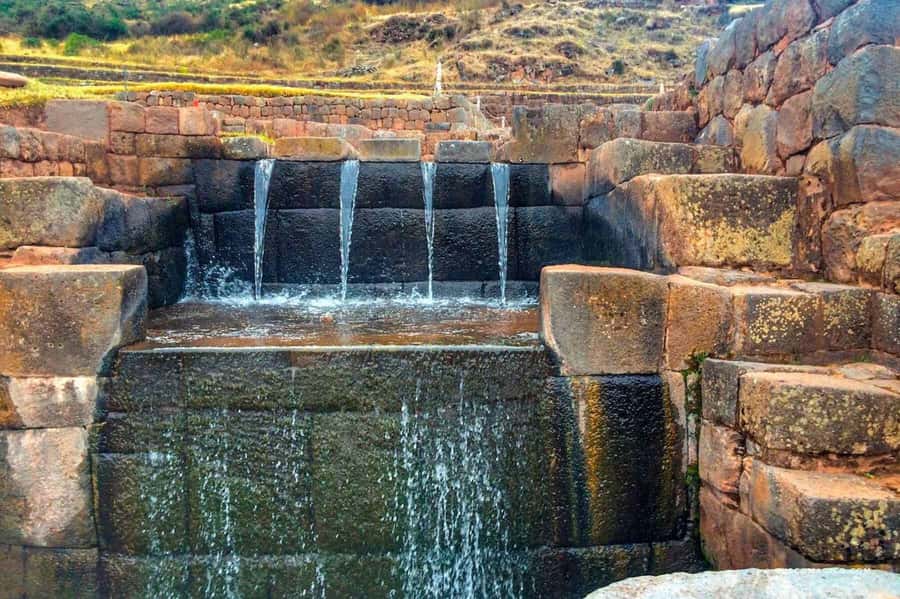
Tipón is the strongest stop for anyone interested in Inca engineering. The site is known for agricultural terraces and irrigation canals, but these are not just dry stone remains. Water is the point. Channels guide it through the complex, showing how the Incas controlled a precious resource for farming and daily use.
You get about 50 minutes with a guide. That is enough to understand the layout and see the most important water features, but it is not a slow exploration of every terrace. Wear shoes you can walk in comfortably and clothing suited to an outdoor archaeological site.
Tipón also helps correct the idea that Inca sites are only about temples and royal walls. Here, practical design is the attraction. The terraces made farming possible on sloping ground, while the channels directed water with impressive precision. You can look at the stonework and see that the site was built around a working system, not only ceremony.
The visit is especially useful if you have already seen Machu Picchu and want a different side of Inca achievement. Machu Picchu may command more attention, but Tipón makes water management easier to understand. The guide’s explanation is important, since the channels can look simple until you learn what they were designed to do.
Pikillacta, the pre-Inca city
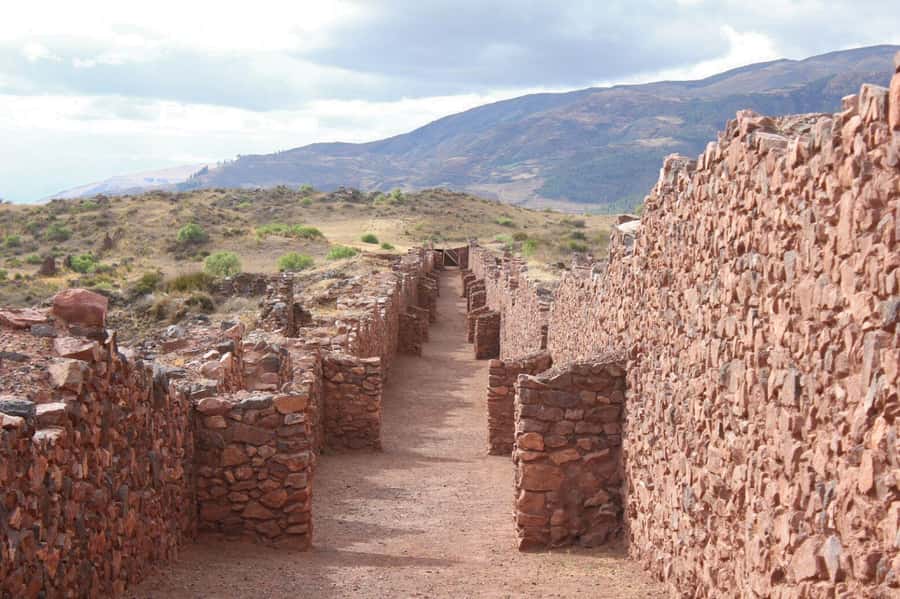
After Tipón, the vehicle continues for about 30 minutes to Pikillacta, also written Pikillaqta. This is a pre-Inca city associated with the Wari culture, which flourished before Inca control reached the area.
Pikillacta is valuable because it shifts your focus away from the Inca period. You see the remains of a planned settlement and get a reminder that the Andes had powerful societies long before the Inca state. The site’s broad urban form is the main draw, and your guide can place it in the larger sequence of Andean history.
The guided visit lasts about 50 minutes. For many people, that will be enough for a clear introduction, but you should not expect unlimited time. I would pay close attention here, because this is the stop most likely to feel short. A direct account of the day described the visit as too quick, with a wish for more time to explore.
That is the central weakness of the route. Tipón and Pikillacta both deserve patience, yet the schedule must also allow for the church and the return to Cusco. If you are fascinated by archaeology and want to study walls, routes, and site plans at length, a private visit or a separate excursion would suit you better.
Still, Pikillacta earns its place. It gives the day historical range. Without it, the outing would be mainly an Inca and colonial tour. With it, you see a pre-Inca city, an Inca hydraulic complex, and a Spanish colonial church in one sequence.
A short ride and a major colonial church
The ride from Pikillacta to Andahuaylillas takes about 45 minutes. This is where the day changes mood. You leave open-air ruins and enter a colonial religious setting.
Andahuaylillas is presented as the oldest colonial temple in South America and is widely known by the nickname the Sistine Chapel of South America. The comparison points to its painted interior and ornate decoration. The church is not simply a quick final stop. It gives you a chance to see how Catholic art and colonial power were expressed in the Andes.
The guided visit lasts about 45 minutes. Entrance is not included and costs 18 soles. Bring cash, since the tour information specifically advises carrying money. That extra fee is easy to overlook when comparing $20 tours, so add it to your budget before booking.
Andahuaylillas is a good counterweight to Tipón and Pikillacta. At the first site, water supports farming. At the second, urban planning reveals an older society. Here, the interior tells a story of religion, art, and colonial rule. Even if churches are not your main interest, the contrast makes the full day more meaningful.
Photography rules and access conditions can vary at churches, so listen to the guide and local instructions. The key point is to allow enough attention for the interior rather than treating this as a photo stop on the way home.
Same altitude, a completely different day:
- Cusco: Humantay Lake Tour with Breakfast and Buffet Lunch
★ 4.9 · 2,976 reviews - From Cusco: Sacred Valley & Maras Salt Mines Tour with Lunch
★ 4.8 · 2,227 reviews - From Cusco: Moray, Maras Salt Mines & Chinchero Weavers Tour
★ 4.8 · 1,925 reviews - From Cusco: Full-Day Group Tour of Machu Picchu
★ 4.7 · 1,767 reviews
The lunch question and what to pack
Lunch is not included. The guide asks the group if it wants to stop, and if most people agree, the tour makes a one-hour lunch stop. This means the timing and meal plan depend partly on the group.
That arrangement can work well if you want a sit-down meal. One account described a restaurant serving typical Peruvian food for about 25 soles per dish, outside the main tourist route. That gives you a chance to eat local food at a modest price, but it is still an additional expense.
The less convenient possibility is that the food stop may not feel substantial or may not happen at the moment you expect. Another account described no proper chance to buy food and recommended bringing a sandwich. I would follow that advice even if you hope to eat at a restaurant.
Pack a sandwich, fruit, or another simple snack, plus water and cash. You can then join the group lunch if it suits you, without being stuck hungry if the stop is delayed or limited. This is one of those small preparations that can improve a full-day bus outing considerably.
What the $20 price really covers
The $20 price is attractive because it includes the parts that are often expensive to arrange independently: central pickup, tourist transportation, and a professional guide in English or Spanish. You also avoid working out the route between three separate sites.
You still need to budget for:
- The partial or general archaeological ticket
- The 18-sol entrance fee for Andahuaylillas church
- Lunch or snacks
- Travel insurance
The exact archaeological ticket cost is not provided here, so check the current fee before you go. Do not assume the $20 covers every entrance.
For the right person, this is good value. You get a full seven-hour outing, three meaningful stops, and transport back to central Cusco. The price becomes less compelling if your priority is slow photography, long walks, or detailed study at each site, since the group schedule keeps moving.
Timing, transport, and the end of the day
The stated sequence looks like this: one hour from Cusco to Tipón, 50 minutes at Tipón, 30 minutes to Pikillacta, 50 minutes at Pikillacta, 45 minutes to Andahuaylillas, 45 minutes at the church, and one hour back to Cusco.
The tour finishes at Plaza Kusipata at about 4 p.m. That is useful if you have an evening meal booked or another city activity planned. I would not schedule anything that requires exact timing, though. Pickup, traffic, the lunch decision, and group movement can all affect the final arrival.
The transport has been described as comfortable, which matters on a route with several road sections. You spend roughly three hours riding if the listed travel times hold. Bring a light layer and keep your essentials with you rather than placing everything out of reach in the vehicle.
The tour is not suitable for wheelchair users. The combination of archaeological grounds, outdoor walking, and group transport makes this a poor fit if you need step-free access or adapted assistance.
Who will get the most from this outing
I would choose this tour if you want a low-cost introduction to three different periods of regional history and prefer having transport and guiding arranged. It suits first-time visitors with a spare day in Cusco, especially those who want to move beyond the city center without committing to a longer trip.
It is also a good choice if you enjoy contrasts. Tipón rewards interest in engineering, Pikillacta suits archaeology fans, and Andahuaylillas appeals to people interested in colonial art and religion.
I would hesitate if you dislike group schedules or need extensive time at ruins. Pikillacta in particular may feel too brief. I would also hesitate if you expect lunch and all admission fees to be included, since they are not.
The guide can make a real difference. Bernabe was specifically praised for his kindness, but guide communication may vary. Keep an open mind, stay near the guide, and use the ride between sites to ask questions.
Should you book the South Valley tour?
Book it if you want a good-value, full-day route from Cusco that combines Tipón’s waterworks, Pikillacta’s Wari ruins, and Andahuaylillas church. The variety is the main reason to go, and the $20 starting price keeps the outing accessible.
Bring cash, a snack, comfortable clothes, and your passport or ID. Add the church fee, archaeological ticket, and possible lunch to your budget. If you can accept a quick pace at Pikillacta and a lunch plan that depends on the group, this is a sensible way to see a less predictable and more varied side of the Cusco region.
FAQ
How long does the South Valley tour last?
The tour lasts about seven hours and is scheduled to finish at Plaza Kusipata at approximately 4 p.m.
Where does pickup take place?
Pickup is available from central hotels around the Plaza de Armas. If you do not choose hotel pickup, meet at the Mermaid Fountain in Plaza de Armas, Cusco.
What languages are available?
The tour provides a live guide in English and Spanish.
Is lunch included?
No. The guide asks the group whether it wants to stop for lunch. If most people agree, the tour makes a one-hour lunch stop. Bring a sandwich or snack in case the arrangement does not suit you.
How much is entrance to Andahuaylillas church?
Entrance to Andahuaylillas church costs 18 soles and is not included in the tour price.
Is the tour suitable for wheelchair users?
No. The experience is not suitable for wheelchair users.
Just added around Cusco
- Zipline over the Sacred Valley Trip★ 5.0 · 11 reviews
- Valle Sur Cusco | half day★ 4.3 · 3 reviews
- Visit Pisac from Cusco: Private Transport★ 4.6 · 9 reviews
- Transfer from Cusco to Ollantaytambo★ 5.0 · 30 reviews
- Exclusive Huayna Picchu Tour in 1 Day from Cusco★ 5.0 · 31 reviews
- Trek to Humantay Lake from Cusco★ 4.9 · 8 reviews
- Private Tour Sacred Valley, Chinchero, Maras Moray, Ollantaytambo★ 5.0 · 29 reviews
- 5 Day – Salkantay trek to Machu Picchu – Group Service★ 4.5 · 27 reviews
Tipon & the South Valley Tours, compared.
Half-Day Tour Tipón, Pikillaqta & Andahuaylillas Shared Tour
Read our review →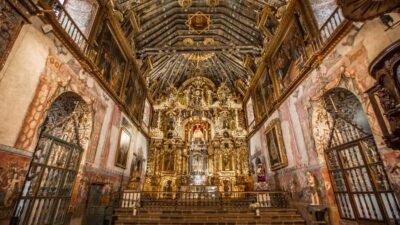
Browse the lists this tour appears in