
Reviewed · INCA JUNGLE TREK TO MACHU PICCHU
Inca Jungle Premium to Machu Picchu 4-Day and 3-Nights
The best part of this 4-day Inca Jungle route is that Machu Picchu is the finish line, not the whole show. You cycle down from the 4,350-meter Málaga Pass, walk through high forest, soak at Cocalmayo, and follow the Urubamba River toward Aguas Calientes. It is an active way to reach the ruins, with plenty of variety packed into four days.
I like the small group limit of 15, which makes a real difference on bike rides, trail walks, and shared meals. I also like that the price covers the moving parts that can be tricky in Peru: a bilingual guide, accommodations, meals, activity gear, Machu Picchu entry, return train, and buses. The main caution is physical demand. You need to handle long downhill cycling, several hours of walking, heat, humidity, and an early uphill walk to Machu Picchu.
Key points to know before booking
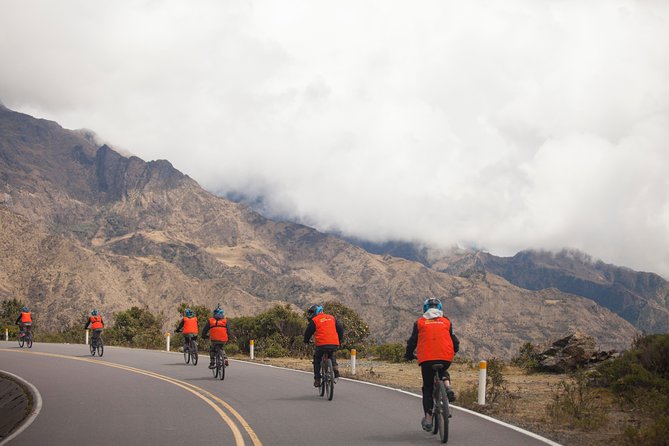
- Málaga Pass reaches 4,350 meters, then the route drops by bicycle toward Santa María.
- Cocalmayo Hot Springs gives you a welcome break after a roughly 4-hour jungle walk.
- Rafting is optional, so you can decide on the first day based on energy and conditions.
- The group is limited to 15 people, with a private bilingual guide assigned to the group.
- The final approach to Aguas Calientes is on foot, a roughly 3-hour walk from Hydroelectric.
- The $550 price covers major logistics, but not first-day breakfast, final-day lunch and dinner, snacks, water, or tips.
Why this route feels different from a standard Machu Picchu trip
Many visits to Machu Picchu are built around trains, buses, and a short guided tour. This one makes the journey part of the destination. You leave Cusco early, cross high mountain roads, ride through changing climates, walk among tropical plants, and reach the famous citadel after several days of effort.
That effort is the point. You will not simply arrive at Machu Picchu rested and ready for photos. You will have worked your way there by bicycle, raft, and foot. I like that sense of progress, but you should choose this route only if you want an active trip rather than an easy sightseeing package.
The tour begins with pickup around 5:30 a.m. in Cusco. That early start helps fit a lot into the first day, but it also means you should organize your clothes, passport, water, and personal items the night before. You need a current passport for the tour and must provide passport details when booking.
More Inca Jungle Runs from Cusco:
- 4-Day Inca Jungle Adventure, Mountain Biking, Rafting and Zipline
★ 5.0 · 60 reviews - 4 Days Inca Jungle to Machu Picchu Standard
★ 4.5 · 48 reviews - From Cusco: 4-Day Inca Jungle Adventure to Machu Picchu
★ 4.8 · 45 reviews
Day 1: From Ollantaytambo to Málaga Pass by bicycle
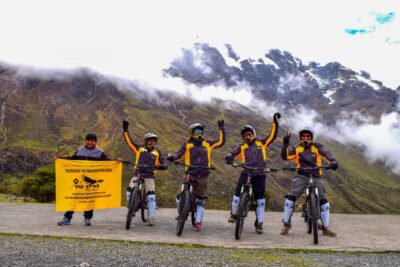
The first morning takes you from Cusco toward Ollantaytambo, where breakfast is arranged before the road climbs toward Málaga Pass. At 4,350 meters above sea level, this is the highest point of the trip, near the snowy peak of Verónica.
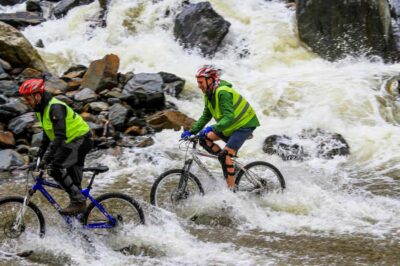
The cycling section is mainly a long descent from the pass toward Huamanmarca and Santa María at about 1,890 meters. That change in height brings a sharp shift in air, temperature, and vegetation. You begin in high mountain conditions and finish in warmer country.
A long downhill ride sounds easy until you remember the road, altitude, weather, and need to stay alert. You should be comfortable on a bicycle and follow the guide’s instructions closely. The tour supplies the equipment, but you should bring proper shoes, sun protection, and a rain jacket. A sweater and thick jacket are useful at the pass, while lighter clothing becomes more comfortable lower down.
After the ride, you stop for lunch. The schedule then offers an optional rafting trip on the Urubamba River. It is described as moderate rather than extreme, a good fit if you want some excitement without signing up for a serious whitewater challenge. Since rafting is optional, you can sit it out if the bicycle ride has taken enough from your legs.
The day ends at Bella Victoria, a local home where dinner is served by a native family. Coffee and achiote are part of the visit. This is one of the more personal parts of the route because the evening is tied to a local household rather than only a hotel dining room. It also gives you a chance to slow down after a busy day.
Your first night is in an ecolodge. The tour lists about seven hours of activity for the day, not counting every transfer and meal, so expect a full schedule.
Day 2: Four hours through the Inca Jungle
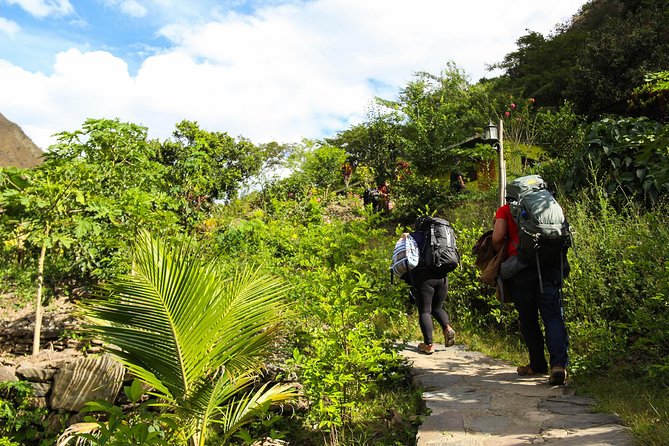
After breakfast, you start the main jungle walk. The route takes about four hours through high forest, with orchids, other plants, birds, and the possibility of seeing wildlife. The focus here is not a single major ruin. It is the steady change in the natural setting and the chance to walk at a pace that lets your guide point out what you would otherwise miss.
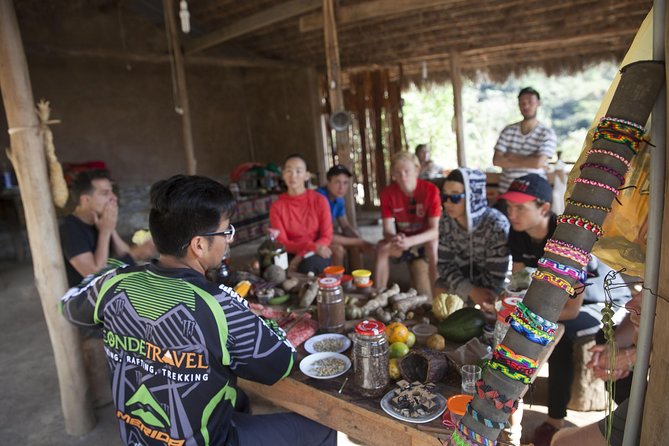
Lunch comes from a local community and includes native fruits and tubers. That detail matters because food becomes part of the place, not just fuel between activities. You should still carry money for snacks and drinks, since snacks and water are not included.
The trail can feel quite different from the first day’s cycling. On a bike, the route moves quickly. On foot, you spend more time among the plants and terrain. Four hours is manageable for someone with moderate fitness, but the combination of heat, walking time, and uneven ground can make the day tiring.
The reward is Cocalmayo Hot Springs near Santa Teresa. These warm mountain pools are the natural pause this itinerary needs. After the trail, you can soak your muscles and enjoy a slower part of the trip before going to bed.
The order of the day is sensible: walk first, hot springs later. You should bring a swimsuit, though the supplied packing information does not specifically list one. A towel may also be useful to confirm with the operator before departure. Your second night is hotel accommodation.
Day 3: Hydroelectric, waterfalls, and the walk to Aguas Calientes
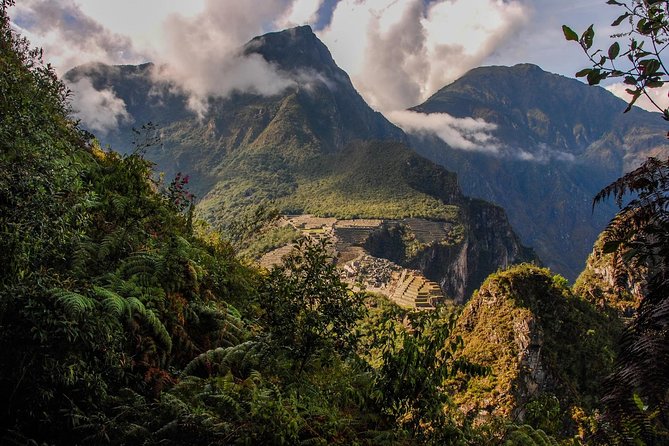
Day 3 includes another walk, this time from Hydroelectric to Aguas Calientes, also known as Machu Picchu Town. The path is relatively flat and takes about three hours. You follow the Urubamba River, pass waterfalls, and continue through an area where wildlife may be visible.
This is a quieter day than the first two, but it is not a rest day. You still need to walk for several hours, and the final arrival in Aguas Calientes comes after the activity at Santa Teresa and a transfer to Hydroelectric.
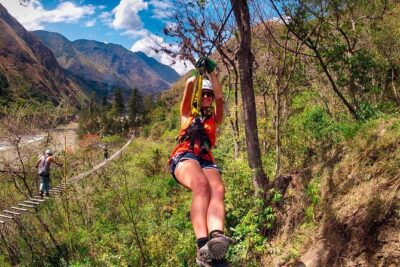
The itinerary also presents an optional zip-line activity in Santa Teresa. It uses six cables of about 800 meters each, with speeds reaching up to 80 kilometers per hour. The activity includes a suspension bridge and a light rock-climbing section before the bus ride to Hydroelectric. The supplied inclusions specifically list biking, rafting, and Cocalmayo Hot Springs, so you should confirm the price and availability of the zip line before counting it as part of the $550 package.
Lunch is arranged at Hydroelectric, followed by a short break. Then you walk toward Aguas Calientes. This final approach is valuable because you arrive under your own power rather than simply stepping off a train. It also means your legs may be tired by the time you reach town.
Dinner is included, along with a briefing about the Machu Picchu visit. You then have free time to walk around Aguas Calientes. Keep this evening modest. The next morning begins early, and the final ascent to Machu Picchu is on foot.
More Machu Picchu Days from Cusco:
- From Cusco: Full-Day Group Tour of Machu Picchu
★ 4.7 · 1,767 reviews - Machu Picchu Day Trip from Cusco
★ 4.5 · 1,644 reviews - Machu Picchu: Full-Day Tour from Cusco with Optional Lunch
★ 4.6 · 927 reviews - Cusco: 4-Day Inca Trail to Machu Picchu with Accommodation
★ 4.8 · 432 reviews
Day 4: Walking up to Machu Picchu
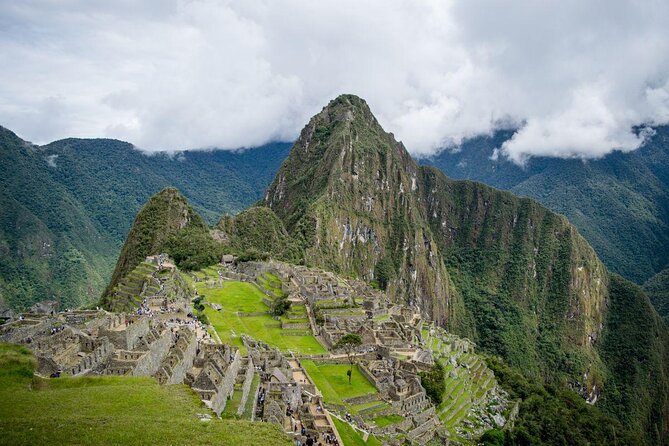
The group gets up early and follows an ascending route through high forest toward the sanctuary. The early departure offers the chance to see sunrise, though the actual view depends on weather and cloud cover.
The guide leads a roughly two-hour visit inside Machu Picchu. This is enough time for orientation and the main explanations, but it is not an all-day guided tour. Afterward, you are free to explore the citadel on your own within the rules and time allowed for your entry.
This arrangement works well if you like a balance of guidance and independence. You receive context from the guide, then have space to look around at your own pace. If you want a long private visit with extensive historical discussion, you should keep the two-hour guided portion in mind.
When you finish at Machu Picchu, the return trip uses the train to Ollantaytambo, followed by a transfer to Cusco. The round-trip bus service to Machu Picchu is included as listed, but the morning approach described for the group is on foot. The exact sequence of buses and walking depends on the departure arrangements, so listen carefully during the briefing.
The final day does not include lunch or dinner. Plan to keep cash available, and remember that snacks and water are also your responsibility throughout the tour.
What the $550 price really covers
At $550 per person, this is not a bare-bones trail package. The price includes transport from Cusco through the route and back to Cusco, one night in an ecolodge, two hotel nights, three breakfasts, three lunches, and three dinners.
It also includes a private bilingual professional guide, activity equipment, first-aid supplies, Machu Picchu entry, the return train to Ollantaytambo, transfers to Cusco, and the bus service connected with Machu Picchu. Handling those details yourself would require separate bookings and careful timing, especially on the final return.
I see the strongest value in the combination of logistics and activities. You are not paying only for a guide. You are paying to connect several types of transport, lodging, meals, trail sections, and Machu Picchu tickets into one plan.
There are extra costs to allow for. Breakfast on the first day is not included, and lunch and dinner on the last day are not included. You also pay for snacks, water, and gratuities. The optional rafting and possibly the Santa Teresa zip line should be clarified before departure.
Packing for heat, altitude, and changing weather
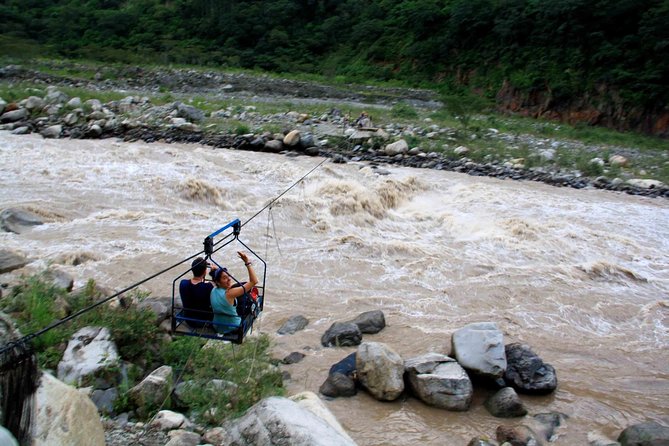
Pack light. You need a small backpack for personal items, not a large suitcase. The operator suggests strong walking shoes or tennis shoes, long and short pants, long-sleeve shirts, a hat, sunglasses, sunscreen with at least SPF 40, insect repellent, a raincoat, plastic bags, toilet paper, a lantern, personal medicines, a camera and charger, and some small cash.
The clothing list may look excessive until you consider the route. Málaga Pass can be cold. Lower sections can be warm and wet. The jungle walk calls for coverage and insect repellent, while the bicycle descent calls for secure clothing and good control.
Carry one bottle of water at the start, then buy more along the way. Since water is not included, do not assume the single bottle will last all day. A lightweight raincoat is more useful than a bulky umbrella on an active route.
You should also keep your passport dry and accessible. The tour requires a valid passport on the day of travel, and passport name, number, expiry, and country are required at booking.
The guide and group size
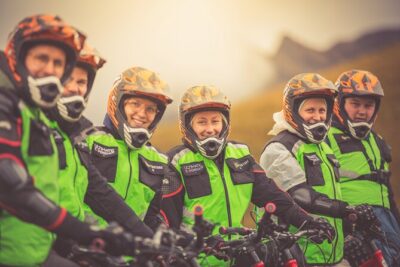
The group maximum is 15 people. That is small enough for a guide to give clearer instructions during cycling and outdoor activities, while still giving you a social group for meals and walks.
A bilingual guide is included, with a private professional guide assigned to the group. Stif is one guide associated with this experience, and his approach includes helping with practical details as well as explaining Peruvian culture. If he is leading your departure, you can expect a guide who is involved beyond simply pointing out the route.
The small group also helps on the trail. You are less likely to feel like a loose crowd during the safety briefing, lunch stops, and Machu Picchu visit. Still, this is a shared tour. You should be ready to keep to a schedule and adjust your pace to the group.
Who should book this route?
I would choose this trip if you want activity before archaeology. It suits people who enjoy cycling, walking, warm springs, optional rafting, and changing scenery more than those who want a relaxed train ride to Machu Picchu.
It is a good fit for someone with moderate physical fitness who can manage several hours of walking and an early uphill start. You do not need to be an elite athlete, but you should not treat the route as a light sightseeing tour.
I would be cautious about booking it if you dislike early mornings, heat, basic trail conditions, or changing plans around outdoor activities. The tour is also a poor match if you need a fully flexible schedule, since the return train, transfers, entry tickets, meals, and group movements all work on set timings.
The cancellation policy is strict: the experience is non-refundable and cannot be changed for any reason. Book only after checking your dates, passport details, fitness level, and comfort with the itinerary.
Should you book the Inca Jungle Premium route?
Book it if you want to reach Machu Picchu through effort and variety. The strongest parts are the bicycle descent from Málaga Pass, the forest walk, Cocalmayo’s warm pools, the river approach to Aguas Calientes, and the practical ease of having transport, meals, lodging, equipment, and tickets arranged.
Skip it if your main goal is a slow, comfortable Machu Picchu visit with little exertion. At $550, the value is good for an active route with a small group and extensive logistics, but the price does not remove the physical work. Bring light luggage, protect yourself from sun and rain, keep water money handy, and save some energy for the final uphill walk.
FAQ
How long is the Inca Jungle Premium tour?
The tour lasts 4 days and 3 nights, with roughly seven hours of scheduled activity on each of the first three days.
What time does the tour begin?
Pickup begins around 5:30 a.m. in Cusco.
Is rafting included?
Rafting is listed as an optional activity on the first day. Confirm any extra cost or operating details before departure.
How large is the group?
The group has a maximum of 15 people.
Are meals included?
Three breakfasts, three lunches, and three dinners are included. Breakfast on the first day, plus lunch and dinner on the final day, are not included.
Is the Machu Picchu entrance ticket included?
Yes. The Machu Picchu entrance, the guide’s visit of about two hours, and the return train to Ollantaytambo are included.
What documents do I need?
You need a current valid passport on the day of travel. Passport name, number, expiry date, and country are required for every person at booking.
More 4-Day Experiences in Cusco
- 4 Day Tour to the Manu National Park
★ 5.0 · 81 reviews - Choquequirao Trek 4 days and 3 nights
★ 5.0 · 81 reviews - Cusco Sacred Valley and Machupicchu 4 Days
★ 5.0 · 80 reviews - Ancascocha Trek To Machu Picchu 4 Days And 3 Nights
★ 5.0 · 77 reviews
Just added around Cusco
- Zipline over the Sacred Valley Trip★ 5.0 · 11 reviews
- Visit Pisac from Cusco: Private Transport★ 4.6 · 9 reviews
- Valle Sur Cusco | half day★ 4.3 · 3 reviews
- Transfer from Cusco to Ollantaytambo★ 5.0 · 30 reviews
- Exclusive Huayna Picchu Tour in 1 Day from Cusco★ 5.0 · 31 reviews
- Trek to Humantay Lake from Cusco★ 4.9 · 8 reviews
- Private Tour Sacred Valley, Chinchero, Maras Moray, Ollantaytambo★ 5.0 · 29 reviews
- 5 Day – Salkantay trek to Machu Picchu – Group Service★ 4.5 · 27 reviews
Inca Jungle Trek to Machu Picchu, compared.
4-Day Inca Jungle Adventure, Mountain Biking, Rafting and Zipline
Read our review →
Inca Jungle 4-Day Tour: Full Adventure to Machu Picchu Included
Read our review →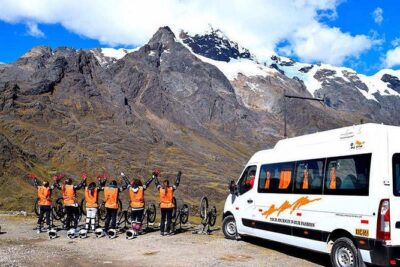
07 Day: Inca Jungle Adventure with Mountain Bike, Rafting, Zipline & Trek
Read our review →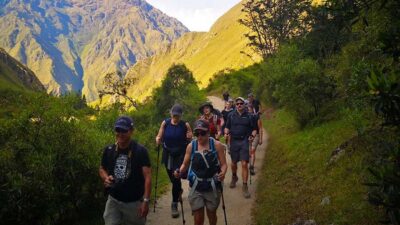
4 days/3 nights: Inka Jungle Trek to Machu Picchu
Read our review →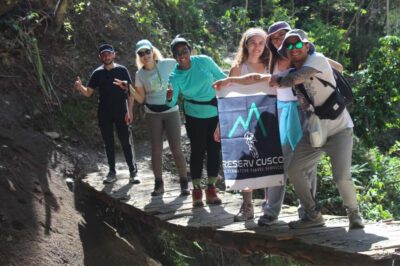
Browse the lists this tour appears in