
Reviewed · CUSCO COOKING CLASSES
Cusco: 3-Hour Peruvian Cooking Class
Cusco’s food tells a story of coast, mountains, jungle, and migration, and this three-hour cooking class gives you a practical taste of that mix. You begin at the Peruvian Central Market, then return to ChocoMuseo near Plaza Regocijo to prepare ceviche, a main dish, pisco sour, and chocolate fondue with local fruit.
I like the market visit, where you can see the produce before it becomes dinner, and I like the small group, limited to 10 people. Guides such as Miguel and Yil add food facts, cultural background, knife tips, and a good dose of humor.
The main thing to watch is the menu choice. The first person booked decides between lomo saltado and ají de gallina, so tell the operator your preference when you reserve, but understand it may not be the final choice. One dish may also be prepared well ahead of the others, which can leave rice or potatoes cool.
Key points to know before you book
- The Central Market comes first: You see and discuss the ingredients before cooking with them.
- Your main course depends on booking order: The first booking chooses lomo saltado or ají de gallina.
- The class stays small: A maximum of 10 participants makes it easier to follow the chef and take part.
- The menu covers four Peruvian favorites: Ceviche, a meat or chicken main, pisco sour, and chocolate fondue with local fruit.
- Miguel and Yil have led highly praised sessions: Expect food explanations, cultural stories, knife guidance, and practical cooking advice.
- It is good value at $49: The price includes the market tour, ingredients, instruction, cooking equipment, water, and the meal.
Starting at ChocoMuseo by Plaza Regocijo
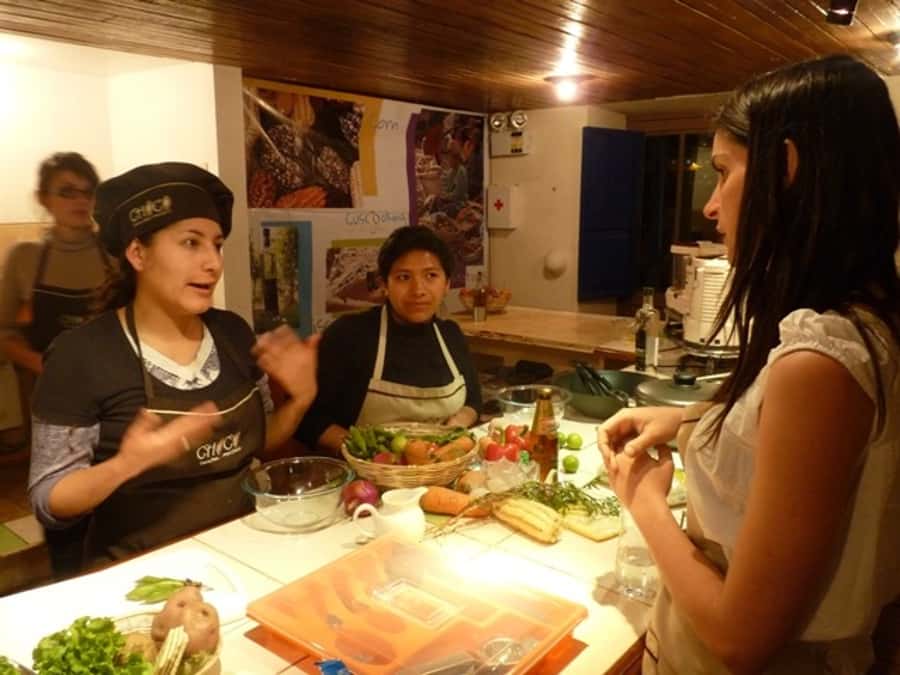
The class takes place inside ChocoMuseo, on the corner of Plaza Regocijo. Look for the green and orange flags hanging from the balconies. That meeting point is useful because it is central and easy to identify, but do not treat the class as a hotel pickup experience. You need to make your own way there.
The lesson lasts about three hours. With an English- or Spanish-speaking instructor and a maximum of 10 people, the setup feels more like a shared kitchen session than a large demonstration. You should have room to ask questions, watch the preparation closely, and handle some of the work yourself.
The class works particularly well early in a Cusco stay. You get an introduction to local foods before spending more time in restaurants, and you can ask the instructor about dishes you see elsewhere. It also gives you a useful break from churches, ruins, and altitude-focused sightseeing.
More Cooking Classes in Cusco:
- Cusco: Peruvian Cooking Class, Cocktails & Local Market Tour
★ 4.9 · 512 reviews - Cooking class and market tour with a local chef
★ 5.0 · 186 reviews - Private Andean Cooking Class, Pachamanca
★ 5.0 · 54 reviews
Seeing Peruvian ingredients at the Central Market
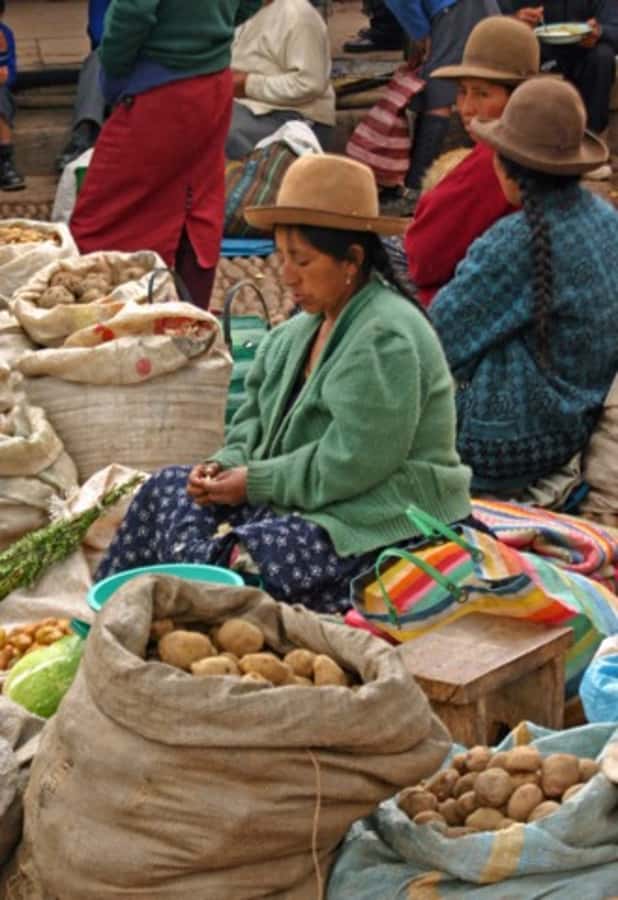
The market visit is more than a quick stop for shopping. It sets up the entire lesson. You look at the ingredients used in the menu and hear about vegetables, potatoes, fruits, and other foods common in Peru.
Peru has several food regions, and Cusco adds its own highland character. The market helps you see that food culture in physical form. You can compare produce, notice the range of potatoes, and try local fruit. The class does not simply hand you a bowl of prepared ingredients. You see where the meal begins.
Guide Miguel has been praised for explaining the origins of the ingredients and for adding cultural details while making selections. Yil has also led the class, sharing facts about food and Cusco history while introducing participants to Peruvian fruits. That kind of commentary is useful because the market can otherwise feel like a blur of unfamiliar names and colors.
I would pay close attention here, even if you are not passionate about cooking. The market gives you context for the dishes you will eat later. Ceviche, for example, is not just a famous restaurant plate. The ingredients, preparation, and balance of flavors become easier to understand when you have seen the raw materials first.
The market is also the most local part of the outing. You are not only looking at a recipe card. You are buying or discussing ingredients in a working food market, then carrying that knowledge back to the kitchen.
Preparing ceviche from the start
Ceviche is the starter, and it is the dish most closely associated with Peru outside the country. In this class, you learn how the components come together rather than simply receiving a finished plate.
The practical value is clear. You can watch the instructor explain the ingredients, follow the preparation, and taste the balance for yourself. The details matter with ceviche. Freshness, acidity, seasoning, and timing all affect the result.
The class gives you a chance to ask about the process in real time. That is more useful than reading a recipe later because you can see the texture and consistency the instructor is aiming for. You also eat the ceviche as part of the meal, so you can judge the result immediately.
This is one reason I would recommend the experience to people who want to recreate Peruvian dishes at home. You are not only collecting a list of ingredients. You are learning how the dish should look and taste when it comes together.
Choosing between lomo saltado and ají de gallina
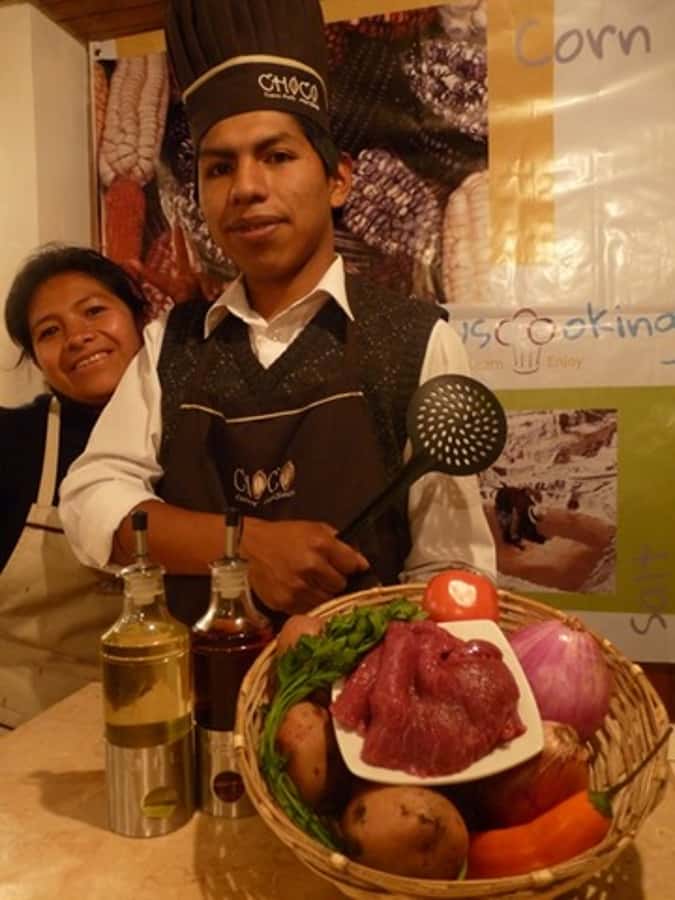
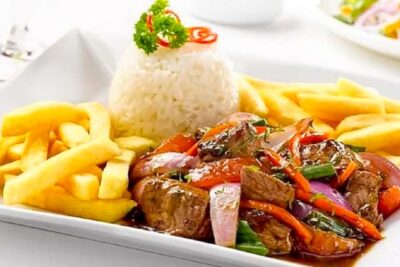
The main course is either lomo saltado or ají de gallina. The first is sautéed beef, while the second is chicken in a yellow pepper sauce. Both offer a different view of Peruvian cooking.
Lomo saltado is a lively combination of sautéed beef and familiar side dishes, while ají de gallina gives you a softer, saucier preparation built around chicken and yellow pepper. The choice can shape the whole class, so send your preferred option when booking.
There is an important catch: the first participant booked decides which main course the group prepares. Your request is noted, but it is not guaranteed if someone else reserved first. If one dish matters to you, book early and ask the provider to confirm the selected menu.
The main course is also where timing can affect the meal. One participant reported that the rice and potatoes were cool because they had been prepared much earlier. That is not a reason to reject the class, but it is a fair warning. Cooking in a group means some components may finish before others.
I would think of the meal as a teaching session first and a polished restaurant dinner second. The fun comes from preparing the food, learning the method, and sitting down together afterward. If you expect every element to arrive at peak restaurant temperature, you may find the format less satisfying.
A few more Cusco days worth weighing up
- Cusco: 3-Hour Horse Riding Tour to the Temple of the Moon
★ 5.0 · 105 reviews - Private Guide in Machu Picchu for 3 Hours
★ 4.2 · 17 reviews - Private & Flexible 3-Hour Guided Tour of Machu Picchu
★ 3.0 · 4 reviews
Mixing a proper pisco sour
The pisco sour is part of the lesson, not just a drink placed beside your plate. You learn how to prepare this well-known Peruvian cocktail and then taste it with the meal.
That is a nice addition because it gives the class a drink component as well as food. You also get a recipe you can try again after returning home. One session featured a chicha pisco sour, which added a local twist and was singled out as especially tasty.
If you prefer not to drink alcohol, ask in advance about the alternative. The pisco sour can be replaced with fresh fruit juice upon request. Other alcoholic drinks are not included, and wine is available to buy separately.
The class includes water, but it does not include gratuity or other alcoholic beverages. Keep those small extras in mind when comparing the $49 price with other food activities in Cusco.
Finishing with chocolate and local fruit
Dessert is chocolate fondue with local fruits. It is a simple, social finish, and it fits the ChocoMuseo setting without turning the whole activity into a chocolate tasting.
The fruit matters as much as the chocolate. Since you have already encountered Peruvian produce at the market, dessert gives you another chance to try local flavors in an easy format. You can dip, taste, and compare rather than sit through a formal plated dessert.
This course also helps the class keep a relaxed mood. The menu moves from a hands-on starter to a main dish, a cocktail, and a shared sweet finish. You are not racing through a demonstration. You are working toward a meal that the group eats together.
What the guides add to the lesson
A cooking class rises or falls on its instructor. Here, Miguel and Yil have led sessions that combine recipe instruction with food and cultural facts.
Miguel has been praised for guiding participants step by step, from choosing ingredients to preparing and plating the dishes. He has also helped participants with knife skills. That is a useful detail for beginners, since many cooking classes assume you already feel comfortable with basic chopping.
Yil has been described as adding fun facts about Cusco’s history and culture while leading the market visit and kitchen work. That broader context gives the class more value than a recipe lesson alone.
The language options are English and Spanish. If you need instruction in English, select the appropriate option when booking or confirm it ahead of time. A small class of no more than 10 people should make it easier to hear and follow the guide than a large group session.
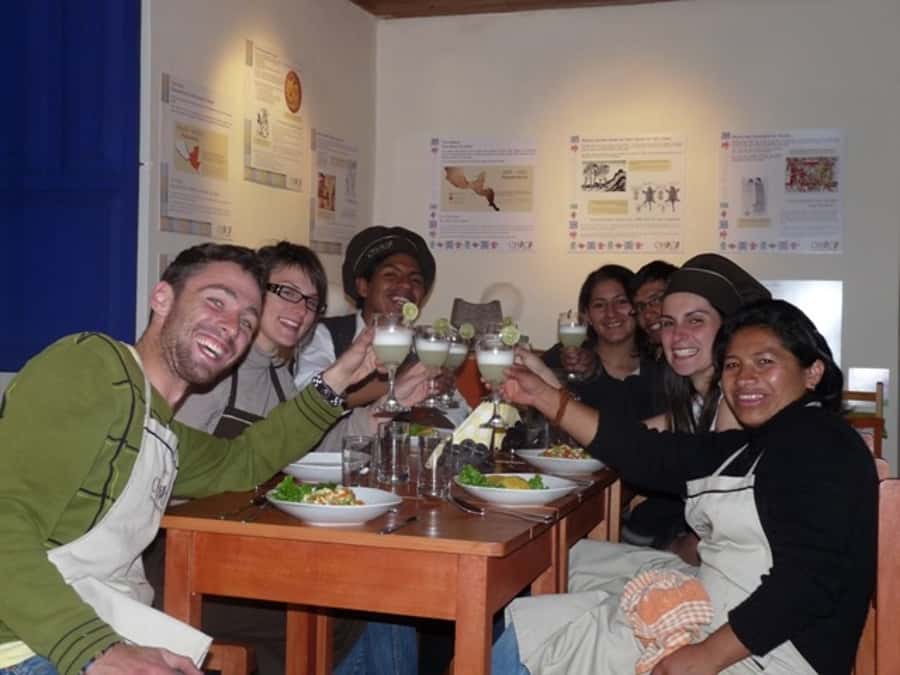
The tone appears friendly and social. You should expect to cook with other participants, share the kitchen, and eat together at the end. This is a good choice if you like meeting people while on the road. It may be less appealing if you want a private lesson or complete control over the menu.
Is $49 a fair price in Cusco?
At $49 per person, the class offers more than a meal. The cost covers the guided Central Market visit, ingredients, cooking instruction, kitchen supplies, water, and the food you prepare.
The value is strongest if you use the class as both a cultural activity and dinner. You get a market visit, a lesson, a cocktail preparation, and a four-part menu in three hours. A simple restaurant meal might cost less, but it would not teach you how to make ceviche or pisco sour, and it would not include the market context.
The price is also easier to justify for people who cook at home. You leave with techniques and combinations that can be repeated, especially the ceviche, main dish, and pisco sour. The class is less valuable if you mainly want a flawless restaurant-style meal and have no interest in participating.
The menu description calls it a four-course meal, while the included details also refer to a three-course meal with a pisco sour. In practice, you should expect the listed food and drink: ceviche, one main dish, pisco sour, and chocolate fondue with local fruit.
Who should book this class?
I would recommend it to food-focused visitors, couples, solo travelers who enjoy small groups, and families with older children who can take part in kitchen work. It also suits anyone who wants a break from standard sightseeing and prefers an activity with a meal built in.
It is a particularly good match for first-time visitors to Peru. The menu introduces several familiar national dishes, while the market adds a local frame that a restaurant alone cannot provide.
Vegetarians should contact the provider before booking. The meat course can be replaced with a vegetarian option upon request, but the standard menu is built around lomo saltado or ají de gallina. The pisco sour can also be changed to fresh fruit juice.
You should book at least 24 hours ahead. The kitchen needs time to prepare ingredients, and the class may be canceled if there is not enough notice. Free cancellation is available up to 24 hours before the activity, and you can reserve now and pay later.
Should you book the Cusco cooking class?
Book it if you want to learn by doing, see local ingredients at the Central Market, and eat a Peruvian meal you helped prepare. The combination of market, kitchen, cocktail, and dessert gives you plenty for three hours, and the small group keeps the session personal.
Think twice if you need a private class, have strong demands about the main dish, or expect every item to arrive with restaurant-level timing. Ask about the menu before you go, especially if you want lomo saltado, ají de gallina, a vegetarian main, or fruit juice instead of pisco sour.
For $49, I think this is a solid Cusco activity for curious eaters. The strongest parts are the market visit, the practical knife and cooking guidance, and the chance to connect Peruvian food with the people and ingredients behind it.
FAQ
Where does the cooking class meet?
The class meets inside ChocoMuseo on the corner of Plaza Regocijo. Look for the green and orange flags hanging from the balconies.
How long does the activity last?
The cooking class lasts three hours.
What languages are available?
Instruction is available in English and Spanish.
How many people are in the group?
The group is limited to 10 participants.
Which main dish will I prepare?
The group prepares either lomo saltado or ají de gallina. The first participant booked chooses the dish, so tell the provider your preference when you reserve.
Can I request vegetarian food or a nonalcoholic drink?
Yes. The meat dish can be replaced with a vegetarian option upon request, and the pisco sour can be replaced with fresh fruit juice.
What is included in the $49 price?
The price includes the guided market tour, cooking ingredients, instruction, cooking supplies, dinner, a pisco sour, and water. Gratuity, wine, and other alcoholic drinks are not included.
More Workshops in Cusco
- The First Class Machu Picchu Train by Inca Rail
★ 4.0 · 182 reviews - The Textile Workshop Experience in Cusco Region
★ 5.0 · 118 reviews - Sacred Valley Textile Workshop – Dyeing & Weaving in Cusco
★ 5.0 · 92 reviews - Chocolate Workshop in Cusco with Premium Organic Cacao
★ 5.0 · 75 reviews
Just added around Cusco
- Zipline over the Sacred Valley Trip★ 5.0 · 11 reviews
- Valle Sur Cusco | half day★ 4.3 · 3 reviews
- Visit Pisac from Cusco: Private Transport★ 4.6 · 9 reviews
- Trek to Humantay Lake from Cusco★ 4.9 · 8 reviews
- Transfer from Cusco to Ollantaytambo★ 5.0 · 30 reviews
- Exclusive Huayna Picchu Tour in 1 Day from Cusco★ 5.0 · 31 reviews
- Private Tour Sacred Valley, Chinchero, Maras Moray, Ollantaytambo★ 5.0 · 29 reviews
- 5 Day – Salkantay trek to Machu Picchu – Group Service★ 4.5 · 27 reviews
Cusco Cooking Classes, compared.
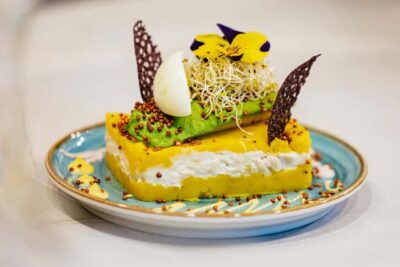
Peruvian Cooking Class, Cocktails & Local Market Tour
Read our review →
Cooking class and market tour with a local chef
Read our review →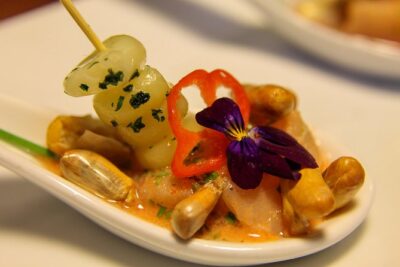
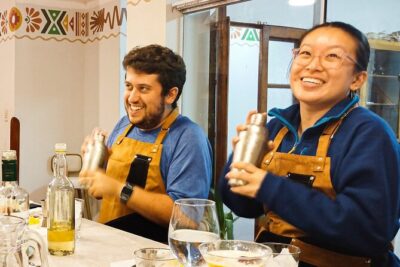
Vegan Peruvian Cooking Class Cocktails and Local Market in Cusco
Read our review →
Browse the lists this tour appears in