
Reviewed · CUSCO
Cusco Santuario de Animales Rescatados en Cusco
Cochahuasi Animal Sanctuary gives you a close look at Peru’s rescued wildlife without taking up a full day. You’ll meet animals from the Andes and jungle, hear how they arrived, and learn how the sanctuary works to protect and, when possible, return them to the wild. The animal stories are the heart of the visit.
I like the small-group format, with no more than 10 people, and the easy hotel or hostel pickup. I also like that your payment supports a working sanctuary, not just an animal display. The main thing to consider is timing: the sanctuary visit itself is listed as about one hour, so the total two to three hours includes the drive and pickup arrangements.
Key points to know before you book
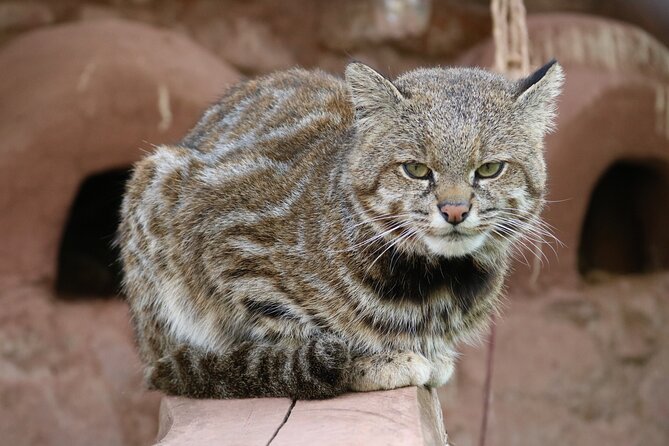
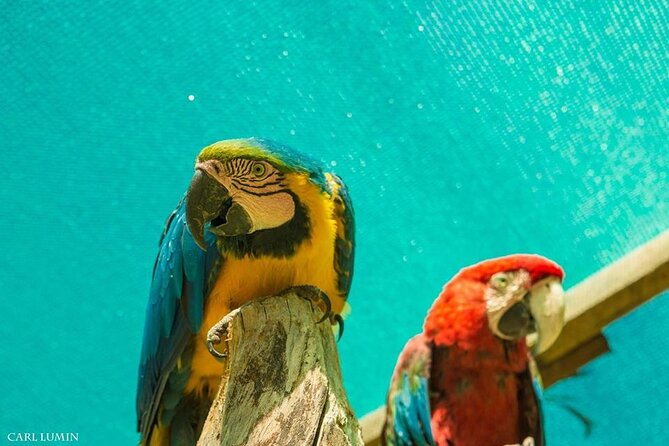
- Meet rescued Andean and jungle animals: Expect monkeys, macaws, turtles, deer, alpacas, bears, wild cats, foxes, and condors.
- Pickup keeps the morning simple: A car can collect you from your Cusco hostel, Airbnb, or an agreed meeting point.
- English guidance is included: Albert is one guide named in the experience details and provides a patient, story-focused tour.
- The sanctuary has an education mission: Its work includes teaching children and the public to respect wildlife.
- Small groups allow a slower visit: The maximum group size is 10, and the experience is presented as private and flexible.
- Your spending has a conservation link: Half of the alpaca-product shop sales goes to the animals, with the other half supporting nearby rural communities.
Meeting rescued wildlife near Cusco
Cochahuasi Animal Sanctuary is a practical choice for a short wildlife outing from Cusco. You do not need to give up a whole day for it, and the visit adds a different side of Peru to a schedule filled with churches, ruins, and mountain viewpoints.
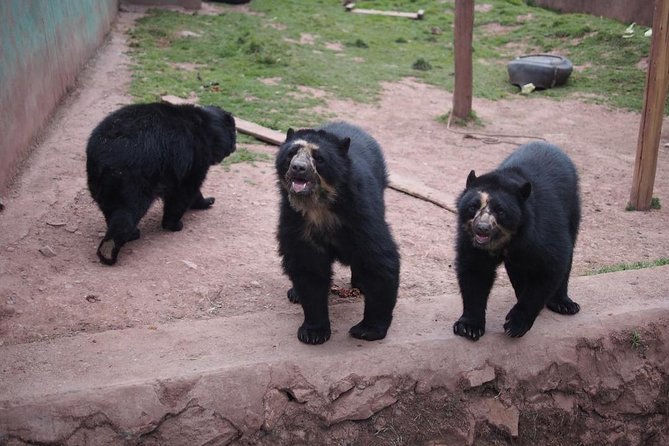
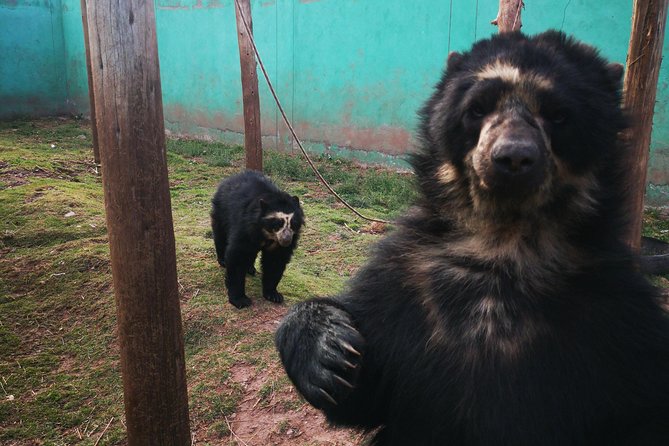
The sanctuary cares for animals from the Sierra and jungle regions. The exact mix you see can vary, but the listed residents include monkeys, macaws, turtles, deer, deer cats, alpacas, bears, wild cats, foxes, and condors. That range makes the visit feel less like a single-species rescue project and more like an introduction to the pressures facing Peru’s native animals.
I would approach the visit as an educational rescue center, not a conventional zoo. The purpose is to care for animals harmed by human behavior, teach people about nature, and work toward releasing suitable animals into their natural habitats. That mission gives the visit more weight than a simple animal-feeding stop.
The setting also matters. The sanctuary is described as a large space surrounded by nature, which is important for animals that cannot return to the wild but still need room, care, and a safe routine. You will not be seeing every creature in its original home, but you can learn why each animal is there and what responsible care involves.
Other days out of Cusco people book alongside this one:
- Cusco: Humantay Lake Tour with Breakfast and Buffet Lunch
★ 4.9 · 2,976 reviews - From Cusco: Sacred Valley & Maras Salt Mines Tour with Lunch
★ 4.8 · 2,227 reviews - From Cusco: Moray, Maras Salt Mines & Chinchero Weavers Tour
★ 4.8 · 1,925 reviews
What happens during the two to three hours
The morning begins with pickup from your hostel, Airbnb, or another location arranged with the operator. Selina Cusco Saphi at C. Saphy 601 is the stated meeting point, but pickup can be organized from your accommodation or another agreed spot.
Allow flexibility at the start. The pickup wording suggests that the exact collection point is coordinated directly, so make sure your location and contact details are clear before the morning of the tour. If you prefer certainty, use the official meeting point rather than waiting somewhere vague.
The drive takes you out from Cusco to the sanctuary. The transport is part of the short experience, and one particularly useful detail is that the driver may point out places to stop for photographs along the way. Do not count on a full sightseeing drive, but keep your camera ready if the route offers a good view.
At Cochahuasi, an English-speaking guide leads you through the animal areas. Albert is specifically named in the experience information, and the tour is built around the background of the rescued animals. You can expect explanations about where individual animals came from, what they experienced, and how the sanctuary looks after them.
The visit is listed as one hour. That is enough time for a focused introduction, but it is not a long wildlife study session. The timing works well if you have limited room in your Cusco plans. If you want a slower visit with extended observation, ask about the schedule before booking.
The animals are more than photo stops
The most appealing part of the visit is the chance to hear individual rescue stories. A monkey, macaw, bear, fox, condor, or alpaca is not simply presented as something to photograph. The guide explains the human actions that caused the animal’s problems and the care needed afterward.
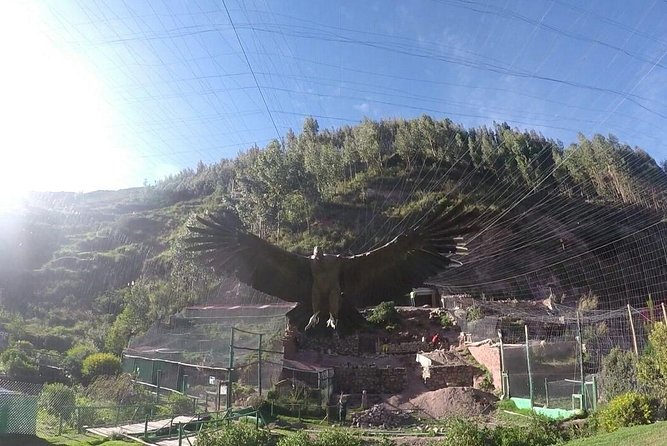
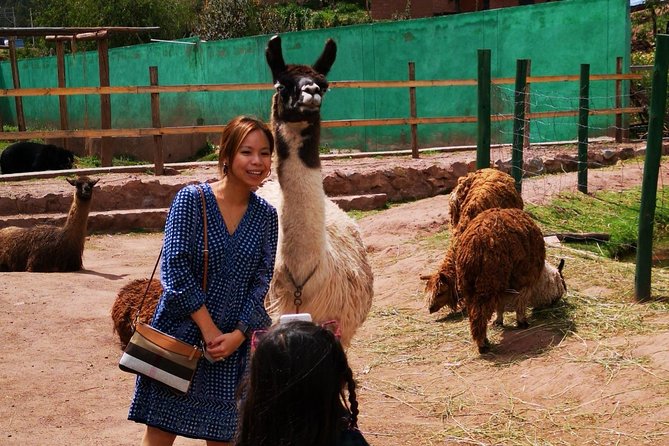
You may see birds, mammals, and other animals from very different parts of Peru in one place. Macaws and condors bring a strong connection to Peru’s wild spaces, while alpacas and llamas offer a gentler, more familiar encounter. Turtles, deer, foxes, wild cats, and monkeys show how wide the sanctuary’s work can be.
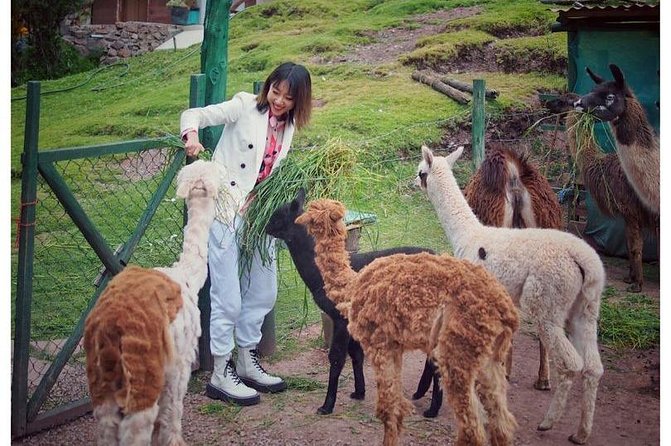
Some hands-on interaction may be offered. The experience information and visitor accounts describe feeding birds, alpacas, monkeys, and llamas, along with the chance to pet a toucan. The exact interaction depends on the animals and the staff’s judgment, so treat contact as a privilege rather than a guarantee.
That point is important. A responsible sanctuary should decide when an animal wants distance, and the guide or staff may limit handling. The most meaningful part of your visit may be listening and watching rather than touching every animal.
Alpaca feeding is presented as a lighthearted part of the visit. It can be fun, especially for children, but the larger value is learning how daily care works. You are seeing the routine behind the sanctuary’s mission, not just a staged animal encounter.
A condor flying overhead is another possible highlight. It is a powerful sight, but it is not something that can be scheduled like a performance. Keep your eyes up, especially if the guide points toward the sky.
A conservation project with a public purpose
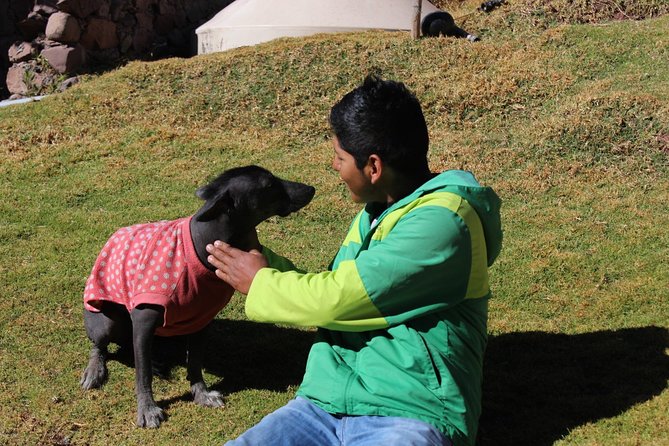
Cochahuasi’s mission includes education. The sanctuary welcomes schools and the public to teach children about respecting nature and animals. That makes this a useful outing for families, school-age children, and anyone who wants to connect a wildlife encounter with a clear lesson.
The goal is to release some animals into natural habitats. Not every rescued animal can be returned, and the information does not promise that you will see a release program in action. Still, the possibility of rehabilitation gives the work a practical direction.
The sanctuary also depends on its own income. It does not receive government support, so admissions, donations, and shop sales help keep the operation going. At the end of your visit, you can browse alpaca products. Half of the sales goes to the animals, while the other half supports rural communities near the sanctuary.
That arrangement gives you a way to support the project beyond the admission price. I would still ask what portion of your tour payment reaches the sanctuary, since the supplied details explain the shop split but do not specify the admission allocation.
Same altitude, a completely different day:
- From Cusco: Full-Day Group Tour of Machu Picchu
★ 4.7 · 1,767 reviews - Machu Picchu Day Trip from Cusco
★ 4.5 · 1,644 reviews - Cusco: Half-Day City Tour with Sacsayhuaman and Q’enco
★ 4.6 · 1,129 reviews - Cusco: Sacred Valley, Pisac, Ollantaytambo, Salt Mines Moray
★ 4.6 · 1,058 reviews
Why the $34 price can make sense
At $34 per person, the experience is priced as a short private or small-group outing with transportation, an English-speaking guide, and admission included. For someone staying in Cusco, the value comes from avoiding the trouble of arranging transport to the sanctuary yourself.
You are also paying for a focused visit rather than an entire day of activities. If you have only a morning free, this fits neatly around other plans. Pickup and return make it especially useful before an afternoon in the historic center or after an early arrival in Cusco.
The value is less convincing if you are only looking for a quick photo with animals. The sanctuary visit itself lasts about an hour, and the drive and pickup process make up much of the two to three-hour duration. Book it for the rescue mission and the stories, not only for the interaction.
The tour is described as private, while the maximum is 10 people. Those details can fit if the booking is for your own party, but I would confirm exactly how the private arrangement works before paying, particularly if you are traveling alone or with a larger family group.
Pickup, timing, and the Cusco return
The advertised start point is Selina Cusco Saphi, but pickup may be available from your hostel or Airbnb. The operator also allows an agreed meeting point. This is convenient, but you need to provide a precise location and stay reachable for the pickup instructions.
The formal end point is listed as the meeting point. The schedule also says the return can be to your accommodation or Cusco’s main square, depending on what you arrange. That flexibility is helpful if you want to continue sightseeing, but confirm the return location in advance rather than assuming the driver will choose it.
The experience is offered in English. Confirmation is received at booking, and most people can participate. No special fitness requirement is listed, but the activity takes place at an animal sanctuary rather than inside a city museum, so wear practical clothing and shoes suitable for walking around outdoor animal areas.
Good weather is required. If poor weather causes cancellation, you are offered another date or a full refund. You can cancel for a full refund up to 24 hours before the start time. Changes or cancellations inside that 24-hour window are not accepted.
Who will enjoy this sanctuary most
I would recommend this for animal lovers who want to support rescue work and learn the background of individual animals. It also suits families because the animals offer an immediate point of interest, while the education mission gives children something useful to take away.
It works well for first-time visitors to Cusco who want a short activity beyond the main archaeological sights. The pickup makes it easy to add without planning a full independent excursion.
This may not be the right choice if you want guaranteed close contact with every animal, a long wildlife walk, or a full-day conservation program. The schedule is short, and animal contact depends on the staff and the animals themselves.
It is also worth keeping expectations realistic. A rescued condor or wild cat may not behave like a domestic animal, and a careful sanctuary may limit touching or feeding. That restraint is a positive sign, even if it means your photographs are less predictable.
A thoughtful stop for families and animal lovers
The strongest part of Cochahuasi Animal Sanctuary is the connection between care and education. You see animals that need protection, hear what brought them there, and learn why public respect for wildlife matters.
The short format, hotel pickup, and $34 price make it an easy addition to a Cusco itinerary. I especially like the small maximum group size, the named guide Albert, the possibility of feeding alpacas and birds, and the chance to support both the sanctuary and nearby communities through the alpaca shop.
I would book this tour if you want a purposeful half-day outing and are comfortable with a one-hour sanctuary visit. I would skip it if your priority is a longer wildlife expedition or guaranteed animal handling. For most people, the best reason to go is simple: you are spending a few hours learning about rescued animals while helping a local project continue its work.
FAQ
Where does the tour begin?
The stated meeting point is Selina Cusco Saphi at C. Saphy 601, Cusco 08002, Peru. Pickup can also be arranged from your hostel, Airbnb, or another agreed location.
Where does the tour end?
The formal end point is back at the meeting point. The return can also be arranged for your accommodation or Cusco’s main square, so confirm your preferred drop-off location.
How long does the experience last?
The total experience lasts approximately two to three hours. The sanctuary visit itself is listed as one hour, with the remaining time covering pickup, transportation, and return.
What animals can I see?
The sanctuary is home to animals including monkeys, macaws, turtles, deer, deer cats, alpacas, bears, wild cats, foxes, and condors. The animals you see on a particular visit can vary.
Is the tour offered in English?
Yes. The experience is offered in English, with a personal guide leading the sanctuary visit.
How many people can join?
The activity has a maximum of 10 participants. It is also described as a private tour, so confirm how the private arrangement applies to your booking.
Can I cancel for a refund?
Yes. You can cancel up to 24 hours before the start time for a full refund. Cancellations or changes made less than 24 hours before the start time are not accepted. If poor weather causes the activity to be canceled, you can receive a different date or a full refund.
Just added around Cusco
- Zipline over the Sacred Valley Trip★ 5.0 · 11 reviews
- Valle Sur Cusco | half day★ 4.3 · 3 reviews
- Visit Pisac from Cusco: Private Transport★ 4.6 · 9 reviews
- Transfer from Cusco to Ollantaytambo★ 5.0 · 30 reviews
- Exclusive Huayna Picchu Tour in 1 Day from Cusco★ 5.0 · 31 reviews
- Trek to Humantay Lake from Cusco★ 4.9 · 8 reviews
- Private Tour Sacred Valley, Chinchero, Maras Moray, Ollantaytambo★ 5.0 · 29 reviews
- 5 Day – Salkantay trek to Machu Picchu – Group Service★ 4.5 · 27 reviews