
Reviewed · CUSCO CITY TOURS & INCA RUINS
Cusco Half Day City Tour: Four Ruins
Sacsayhuaman gives you the big opening scene: giant zigzag walls above Cusco, sacred mountain views, and enough mystery to keep your guide busy. I like the small maximum group of 15, and I like that one outing links four very different Inca sites instead of leaving you to arrange separate taxis. The possible catch is pace. Some departures have taken about four hours rather than six, and a few stops can feel brief.
Bring water, wear shoes with a firm grip, and expect stairs and uphill walking at altitude. I especially value the guides who take time to explain rather than hurry people along. Edith and Freddy are names associated with strong English-language departures, though your guide will depend on the day.
Four details worth knowing before you book
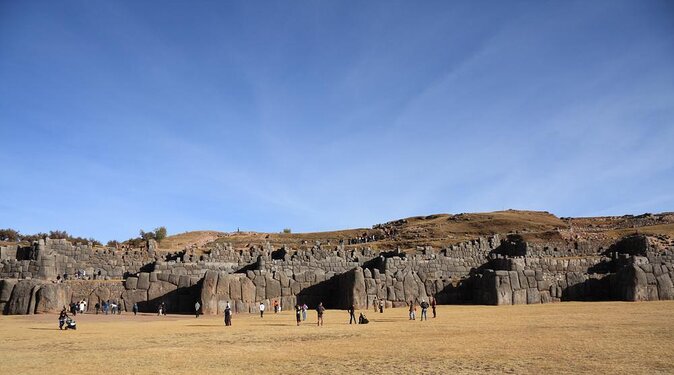
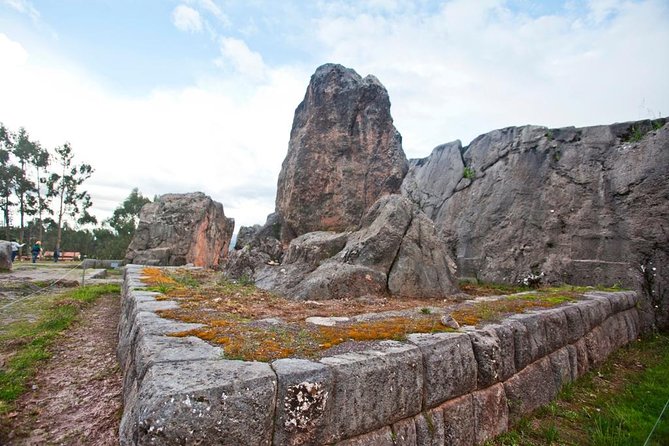
- Sacsayhuaman opens with enormous stonework: Some blocks reach about 5 meters high and weigh between 90 and 125 tons.
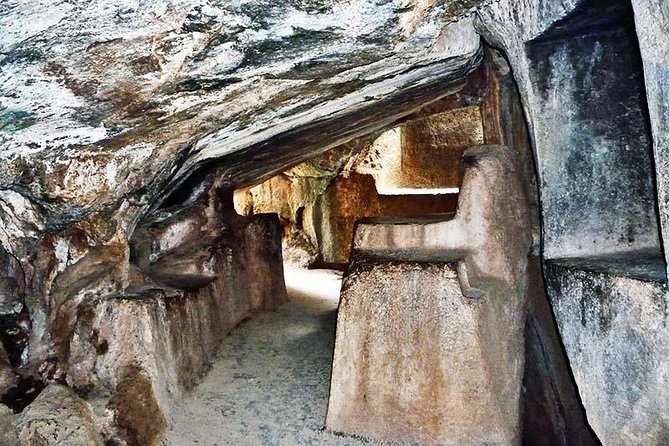
- Qenqo is the most mysterious stop: Its carved channels, tunnels, and stone chambers invite theories about water, chicha, blood, and ritual use.
- Puca Pucara explains Inca road travel: The site likely served as a stopping place and barracks near Tambomachay.
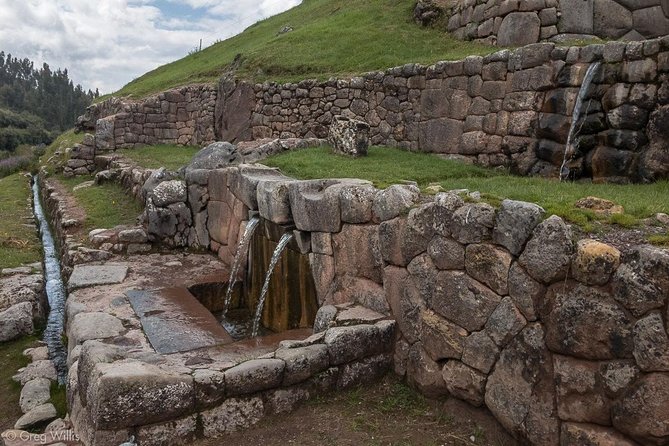
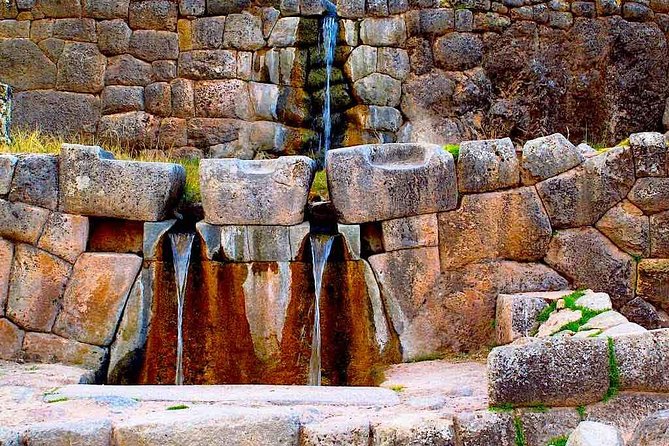
- Tambomachay is the quietest visit: Natural springs still feed its canals, small waterfalls, and terraces.
- The price is $45 per person: Transport and a bilingual guide are included, but entrance fees are extra.
- Altitude matters: The sites sit above Cusco, with Tambomachay at about 12,150 feet, or 3,700 meters.
Why this four-ruin route works
Cusco is full of churches, courtyards, museums, and Inca walls, but the four sites outside the center show a different side of the city. Here you see monumental building, ritual spaces, roads, water engineering, and military planning in one half-day outing.
The route also makes practical sense. Sacsayhuaman, Qenqo, Puca Pucara, and Tambomachay lie north of Cusco, so transport saves you from piecing together local rides. Between stops, you get short vehicle transfers instead of long walks through steep streets.
At $45, the tour offers fair value if you want an organized introduction to the ruins. You receive transport and bilingual guiding, and the group is limited to 15. The price does not include the entrance to the archaeological sites, listed at PEN70 per person. An additional Qorikancha entrance of PEN20 is also listed, although Qorikancha is not one of the four main stops described here.
The main tradeoff is control. You will not decide how long to linger at each wall or chamber. If you want detailed photography time or a slow archaeological study, a private guide would suit you better. If you want the major sites covered without fuss, this route is a useful first look.
More City and Ruins Half-Days in Cusco:
- Cusco: Half-Day City Tour with Sacsayhuaman and Q’enco
★ 4.6 · 1,129 reviews - City Tour Cusco Qoricancha Sacsayhuaman y Tambomachay
★ 4.7 · 617 reviews - Open Bus Cusco City Tour
★ 4.5 · 219 reviews
Sacsayhuaman and the stones that stop conversation
Sacsayhuaman is the reason many people choose this outing. The lower zigzag walls are built from huge stones fitted so closely that the construction still feels almost impossible. The largest blocks are described as reaching 5 meters high and weighing between 90 and 125 tons.
The name comes from Quechua and is commonly translated as place where the hawk is satiated. The site has been called a fortress, but its role may have been wider. Residential buildings, towers, shrines, storehouses, roads, aqueducts, and ceremonial structures point to a major sacred and strategic center rather than a simple military post.
Your guide can help separate what is known from what remains uncertain. The Spanish later called it a fortress because of its military appearance, and the site played a role during the Inca resistance. Yet its carefully planned terraces and religious structures also connect it to the ceremonial world of Cusco.
Allow about an hour here. That sounds generous, but the site covers enough ground to make the time pass quickly. You will likely walk on uneven surfaces and climb some steps. The reward is a broad view over Cusco and toward peaks such as Ausangate, Pachatusán, and Cinca, mountains treated as sacred by the Incas.
This is also the stop where the group may feel most noticeable. A 15-person maximum is modest, but everyone wants photos of the same walls. Stay close enough to hear the guide, then use any spare moments for your own views.
Qenqo, carved rock and unanswered questions
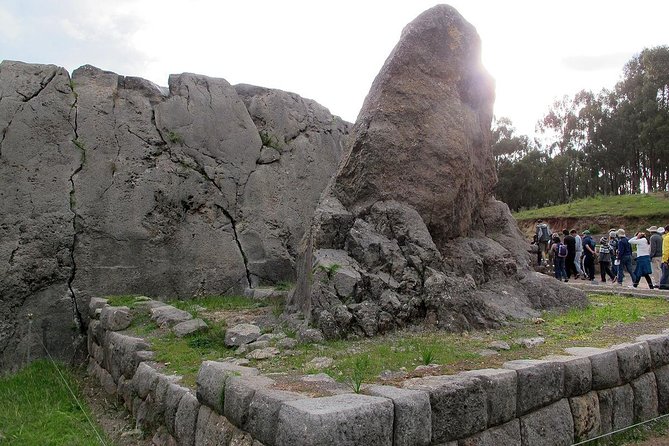
Qenqo sits about 15 minutes from Cusco and offers a different experience. Instead of towering masonry, you find a large natural rock shaped and cut by Inca builders. The name means labyrinth or zigzag, referring to a crooked channel carved into the stone.
The channel clearly carried some kind of liquid, but its purpose is not certain. Theories include holy water, chicha made from corn, or blood used in ritual. Those possibilities suggest that Qenqo may have been connected with death ceremonies, purification, sacrifice, or the treatment of bodies.
The site also includes tunnels and natural chambers joined to carved passages. One chamber has 19 small niches and an amphitheater-like arrangement. The original use is unknown, though the setting is often linked with ceremonies honoring the sun, moon, and stars.
This is a stop where a good guide matters. The stones do not explain themselves. A clear guide can point out the carved channels and niches, then explain the evidence without presenting every theory as fact. Guides such as Edith and Freddy have been praised for clear English explanations and considerate pacing on past departures, but the person leading your group may be different.
Qenqo is scheduled for about an hour. You may not need every minute, but do not expect a long period for independent exploration. The passageways and rock surfaces can be uneven, so take care if you are still adjusting to Cusco’s altitude.
Puca Pucara and the Inca road network
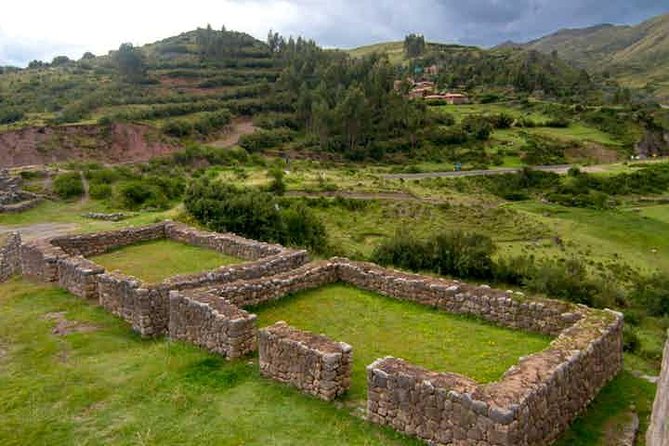
Puca Pucara means red fort, a name tied to the reddish earth and the site’s position. Its walls are less polished than those at Sacsayhuaman, and the stones vary in size. That rougher appearance can make the place seem less impressive at first, but it helps you see how practical Inca construction worked across different settings.
The site has three levels of walls, inner spaces, canals, aqueducts, baths, platforms, and an old road associated with the Qhapaq Ñan, the great Inca road network. Several rooms are arranged around the contours of the hill rather than forcing the ground into a rigid pattern.
Puca Pucara likely served as a tambo, or roadside lodging place, and as a military post. One account holds that when the Inca ruler went to bathe at Tambomachay, soldiers and dancers waited here. That gives the site a useful role in the wider route: it was not isolated architecture, but part of movement, ceremony, and administration.
The remains are spread across an open area, with broad views and some walking between sections. The tour allows about an hour, though the actual time may vary. One drawback is that the site has fewer instantly recognizable walls than Sacsayhuaman, so its value depends heavily on the explanation you receive.
There are stories of a tunnel linking Puca Pucara with Tambomachay. Treat that as a local tradition or unconfirmed claim, not a feature you should expect to enter. The visible site is enough to show how the Incas combined roads, water, lodging, and defense.
A few more Cusco days worth weighing up
- Cusco: City Tour | Half-Day Tour to 4 Archaeological Sites
★ 4.6 · 206 reviews - City Tour in Cusco & visit Museum South American Camelid Private.
★ 5.0 · 147 reviews - Cusco City Sightseeing, San Pedro Market, Cathedral and Qorikancha Temple
★ 4.5 · 139 reviews - Cusco: Half-Day City Tour
★ 4.2 · 129 reviews
Tambomachay and the sound of running water
Tambomachay is the most peaceful stop on the route. The site is built over a natural spring, and water still runs through small canals, aqueducts, and falls cut into three stepped terraces.
The name is often connected with the Bath of the Inca. It may have served as a private bathing place for the ruler or nobility, but its function could also have included ceremony and military use. The secluded setting and carefully directed water suggest that bathing was only one part of the story.
Look for the precise stonework and trapezoidal niches in the retaining walls. The terraces are smaller than the great walls at Sacsayhuaman, but they show the same care with angles, drainage, and fit. The spring gives the visit a sensory quality that the other sites lack. You hear water, see it move through the masonry, and understand why this location mattered.
The scheduled visit lasts about 45 minutes. This is enough to see the main terraces and listen to an explanation, but not enough for a long, quiet sit if the group is keeping to time. Tambomachay is also at roughly 3,700 meters, so even this short stop can feel demanding if you have just arrived in Cusco.
Timing, transport, and the altitude question
The tour begins at 10:00 a.m. at Heidi Travel EIRL on Plateros 324 in central Cusco and returns to the same meeting point. Transport is included, and the vehicle transfers between the nearby sites are short.
The advertised duration is about six hours, but plan with flexibility. Some departures have finished in roughly four hours, while others have used the full half day. Pickup delays of 30 to 40 minutes have also occurred, so do not schedule a flight, train, or fixed appointment immediately afterward.
The vehicle may be filled to the stated group limit. That is useful to know if you prefer extra personal space, though the short drives reduce the impact. The group size is still small enough for questions, provided you stay within earshot of the guide.
Altitude is the practical issue that matters most. You will walk uphill, climb stairs, and move around uneven archaeological sites. A past departure included people who became breathless, but the guide adjusted the pace rather than pushing them onward. That is encouraging, but you should still plan conservatively: carry water, walk slowly, and tell the guide if you need a pause.
What the $45 price really covers
The $45 fee covers transport and an English and Spanish-speaking guide. It does not cover the archaeological entrance fee of PEN70 per person. The listed Qorikancha fee is PEN20 per person, though Qorikancha is not part of the four-ruin route described here.
That makes the real cost higher than the headline price, so calculate the total before booking. Even with the extra admission, I consider the outing reasonably priced for anyone who wants all four sites in one organized trip. Arranging taxis separately would take more planning, and you would lose the historical connection between the ruins.
The value drops if you want a slow, highly detailed visit. The route covers a lot of ground, and some sections may feel brisk. The value rises if this is your first day of sightseeing in Cusco and you want a clear overview of Inca architecture, ritual, water systems, and roads.
Who should choose this tour
I would recommend it to first-time visitors, families, couples, and solo visitors who want a practical introduction to the major ruins near Cusco. The bilingual format suits mixed-language groups, and the 15-person limit is more manageable than a large coach outing.
It also works well as an early orientation to the area. You see the famous stonework at Sacsayhuaman, then gain context from the smaller ritual and road sites. The route gives you enough background to make later visits to museums, churches, or Machu Picchu more meaningful.
You may want another option if you have mobility limits, dislike stairs, or are very sensitive to altitude. The information says most people can participate, but it does not promise step-free access. You should also skip it if you need exact timing after the tour or want to spend an entire hour photographing each ruin.
Cancellation is flexible up to 24 hours before the 10:00 a.m. start for a full refund. Changes or cancellations made inside that window are not accepted for a refund.
Should you book the Four Ruins tour?
Book it if you want four important sites, one vehicle, and a bilingual guide at a reasonable starting price. Sacsayhuaman supplies the drama, Qenqo supplies the mystery, Puca Pucara explains movement through the Inca world, and Tambomachay brings the route to a quiet close beside running water.
Go in with realistic expectations. Budget for the entrance fee, allow extra time after the tour, and expect some uphill walking at high altitude. If you can accept a flexible pace, this is a useful and affordable way to get beyond Cusco’s central streets.
FAQ
How long does the Cusco Four Ruins tour last?
The tour is advertised as approximately six hours, beginning at 10:00 a.m. Some departures have taken about four hours, so you should allow flexibility.
Where does the tour begin and end?
It begins at Heidi Travel EIRL, Plateros 324, Cusco 08000, Peru. The tour ends back at the same meeting point.
Which archaeological sites are included?
The route visits Sacsayhuaman, Qenqo, Puca Pucara, and Tambomachay.
Is transportation included?
Yes. Transport between the meeting point and the four archaeological sites is included.
Is a guide included?
Yes. The tour includes a bilingual guide who speaks English and Spanish.
How much are the entrance fees?
The listed entrance fee for the archaeological sites is PEN70 per person. A Qorikancha entrance of PEN20 per person is also listed separately.
How many people can join the tour?
The maximum group size is 15 people.
Can I cancel for a full refund?
Yes, you can cancel at least 24 hours before the local start time for a full refund. Cancellations or changes made less than 24 hours before the start are not refunded.
Just added around Cusco
- Zipline over the Sacred Valley Trip★ 5.0 · 11 reviews
- Visit Pisac from Cusco: Private Transport★ 4.6 · 9 reviews
- Valle Sur Cusco | half day★ 4.3 · 3 reviews
- Transfer from Cusco to Ollantaytambo★ 5.0 · 30 reviews
- Exclusive Huayna Picchu Tour in 1 Day from Cusco★ 5.0 · 31 reviews
- Trek to Humantay Lake from Cusco★ 4.9 · 8 reviews
- Private Tour Sacred Valley, Chinchero, Maras Moray, Ollantaytambo★ 5.0 · 29 reviews
- 5 Day – Salkantay trek to Machu Picchu – Group Service★ 4.5 · 27 reviews
Cusco City Tours & Inca Ruins, compared.
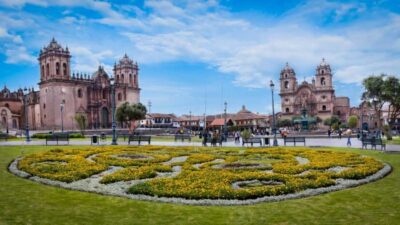
Half-Day City Tour with Sacsayhuaman and Q’enco
Read our review →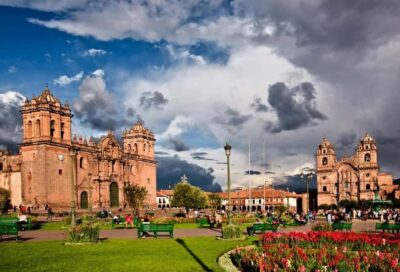
City Tour Cusco Qoricancha Sacsayhuaman y Tambomachay
Read our review →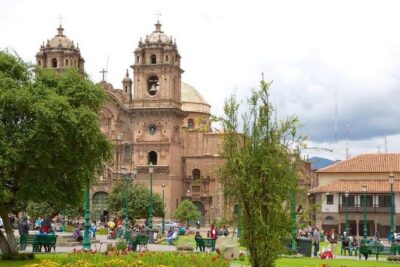
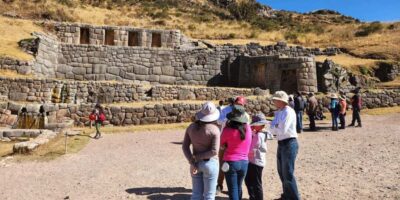
City Tour | Half-Day Tour to 4 Archaeological Sites
Read our review →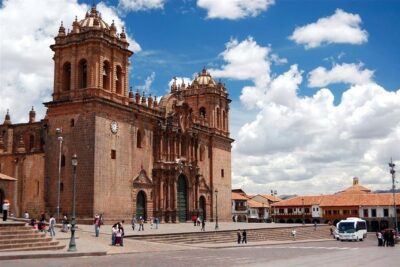
City Tour in Cusco & visit Museum South American Camelid Private.
Read our review →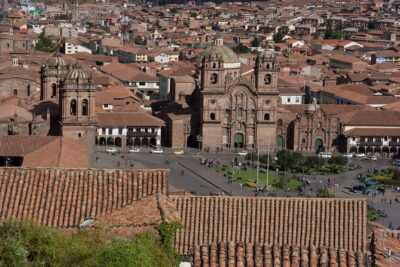
Cusco City Sightseeing, San Pedro Market, Cathedral and Qorikancha Temple
Read our review →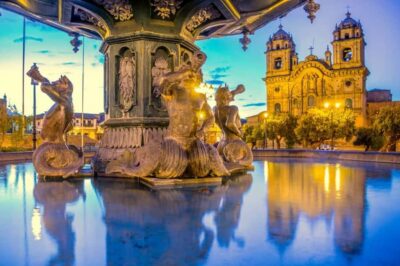
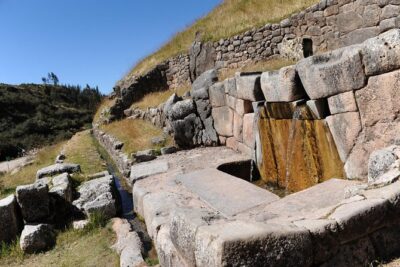
Cusco City Sightseeing and Sacsayhuaman Archeological Park Tour
Read our review →Browse the lists this tour appears in