
Reviewed · CUSCO CITY TOURS & INCA RUINS
Cusco City Tour with Sacsayhuaman & Inca Sites – Small Group
Cusco’s story comes into sharp focus when you see its Inca foundations beneath Spanish buildings and then climb above town to Sacsayhuaman. This half-day tour connects the city center with four important archaeological sites, so you get a strong first look without wrestling with maps, taxis, or ticket lines.
I like the small maximum of 16 people and the compact 4 to 5-hour plan. I also like that the fee covers Coricancha, transport to the hilltop sites, and the Partial Tourist Ticket for Sacsayhuaman, Qenqo, Puka Pukara, and Tambomachay. The catch is that the cathedral is not included, and six stops in one afternoon leave little time for lingering.
Key points to know before booking
- Start in the Plaza de Armas: Begin with Cusco’s main square, the 12 Angled Stone, and Loreto Street, a useful introduction to the city’s layered past.
- Compare two building traditions at Coricancha: See finely cut Inca foundations beneath the Santo Domingo convent.
- Reach four hilltop sites by vehicle: Sacsayhuaman, Qenqo, Puka Pukara, and Tambomachay are spread above Cusco and are much easier to visit with organized transport.
- Keep the group personal: The maximum is 16 people, small enough for questions without the cost of a private tour.
- Plan for a moderate physical day: Expect walking, uneven ground, stairs, and time outdoors at several archaeological sites.
- Check the ticket details: Coricancha and the four archaeological sites are covered, but the cathedral entrance is not.
Why this tour works as a first afternoon in Cusco
Cusco can feel confusing at first. Colonial churches, Inca walls, narrow lanes, and modern shops all occupy the same few blocks. This tour gives you a clear sequence: begin in the center, visit the city’s most important Inca temple, then head uphill to the major ceremonial and defensive sites.
The 1:00 pm departure is useful if you arrive in Cusco earlier in the day or want a gentler start after checking into your hotel. The activity ends back at the Plaza de Armas meeting point. The information also allows for morning or afternoon departures, so check the exact option available when booking.
The price is $98 per person. That is not a bargain-basement walking tour, but it includes a professional guide, hotel pickup and drop-off within Cusco’s Historic Center, Coricancha admission, transport to the outer sites, and the Partial Tourist Ticket for Circuit I. If you tried to arrange those pieces separately, you would spend time sorting out transport and site access.
The value is strongest if this is your first visit or you have only a short time in Cusco. You pay more than you would for wandering the Plaza de Armas alone, but you get the hilltop sites in one organized outing. The trade-off is a fixed schedule and limited time at each stop.
More City and Ruins Half-Days in Cusco:
- Cusco: Half-Day City Tour with Sacsayhuaman and Q’enco
★ 4.6 · 1,129 reviews - City Tour Cusco Qoricancha Sacsayhuaman y Tambomachay
★ 4.7 · 617 reviews - Open Bus Cusco City Tour
★ 4.5 · 219 reviews
Plaza de Armas, the city’s layered opening scene
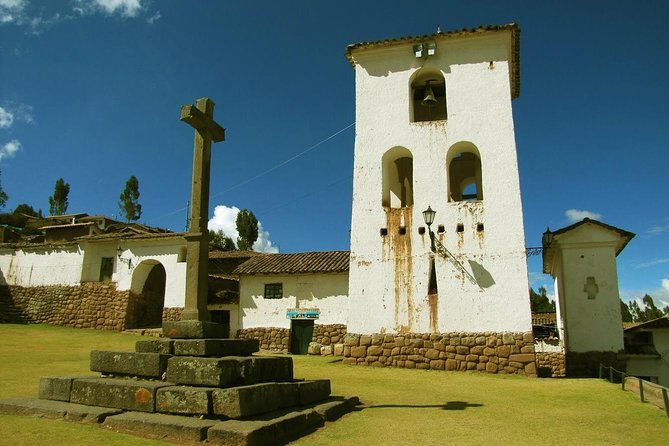
The tour begins in Cusco’s main square, where colonial facades, church buildings, and Inca foundations frame the center of town. Your guide explains how this area once served as the main ceremonial center of the Inca Empire before the Spanish reshaped it.
This is a good place to begin because the rest of the tour depends on understanding Cusco as two cities occupying one space. Look closely at the lower stonework and the upper colonial architecture. The contrast is not just visual. It shows how Spanish buildings were placed over, beside, and sometimes directly on earlier Inca construction.
From the square, you walk to the 12 Angled Stone, a small feature with a big lesson. Its carefully fitted edges show the precision of Inca masonry. The stone is easy to miss if you are walking alone, which is one reason a guide adds value here.
You continue along Loreto Street, where original Inca walls line both sides. The street is short, but it helps you see how Inca urban design was not limited to isolated monuments. The walls, angles, and tight construction formed part of an organized city.
The stop lasts about 30 minutes. That is enough for orientation and explanation, but not enough for a slow architectural study. If you love photographing stonework, take your pictures efficiently and keep listening, since the group will continue on a schedule.
Coricancha and the temple beneath Santo Domingo
Coricancha was the most important temple in the Inca Empire, dedicated to the Sun. The Spanish built the Santo Domingo convent over its foundations, creating one of Cusco’s clearest examples of two eras pressed into one building.
Inside, your guide helps you compare the smooth, tightly joined Inca masonry with the colonial structure above it. The contrast is the main reason to visit. Spanish construction may draw your eye first, but the Inca walls are the part that rewards close attention.
The temple once held great importance for ceremonies, worship, and astronomy. It was also said to have been covered in gold, a reminder of its political and religious power. The gold is gone, but the surviving foundations still communicate the scale of the place.
Coricancha admission is included. You should note the difference between this entrance and the cathedral visit. The cathedral is not part of this tour, so you would need a separate visit if its art and interior matter to you.
The half-hour stop is fairly brisk. I would focus on the masonry, the way the later convent sits above it, and the guide’s explanation of the temple’s role rather than trying to inspect every corner.
Sacsayhuaman, the big payoff above Cusco
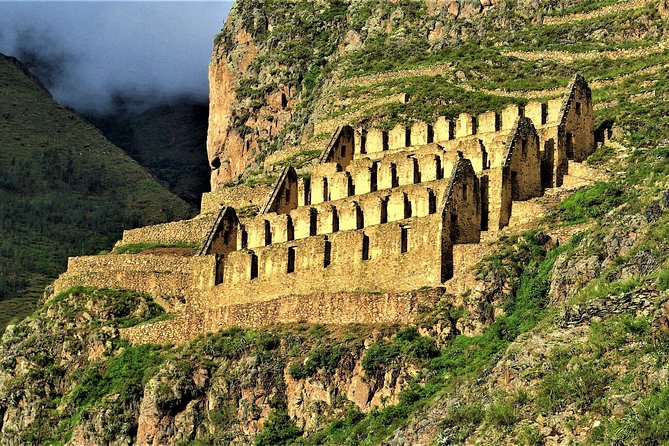
A vehicle takes you from central Cusco to Sacsayhuaman, the largest and most dramatic site on this route. The massive zigzag walls are the main attraction, built from enormous stones fitted with remarkable accuracy.
The familiar paper-between-the-stones description is not an exaggeration of the construction quality. The joints are so tight that the walls look almost poured into place, despite being made from huge blocks. You can appreciate the work at ground level, but the scale becomes clearer when you step back and view the long zigzag lines.
Sacsayhuaman was linked to battles, ceremonies, and political power. It remains important during the Inti Raymi festival, Cusco’s major celebration of the Inca sun tradition. Your guide can connect the stonework to those events and explain why this was more than a simple fortress.
The views back toward Cusco are another reason to value the stop. From here, the city spreads below you, with mountains beyond it. Bring a layer of clothing, since the open site can feel cooler and windier than the city center.
The scheduled visit is about 30 minutes. That is enough to see the principal walls and viewpoints, but it is short for a full exploration. If Sacsayhuaman is your main reason for booking, understand that this tour gives you an introduction rather than an unhurried archaeological study.
A few more Cusco days worth weighing up
- Cusco: City Tour | Half-Day Tour to 4 Archaeological Sites
★ 4.6 · 206 reviews - City Tour in Cusco & visit Museum South American Camelid Private.
★ 5.0 · 147 reviews - Cusco City Sightseeing, San Pedro Market, Cathedral and Qorikancha Temple
★ 4.5 · 139 reviews - Cusco: Half-Day City Tour
★ 4.2 · 129 reviews
Qenqo, a small site with unanswered questions
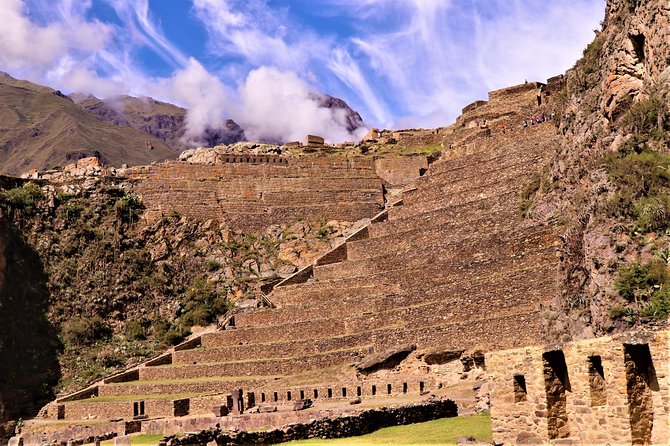
Qenqo is a ceremonial center carved largely from natural rock. Its name means zigzag in Quechua, and the site’s channels, passages, and carved surfaces explain the name.
This stop feels different from Sacsayhuaman. Instead of huge defensive walls, you find a more enclosed place with winding routes, hidden altars, and carved stone features. Some details are clear, while the exact purpose of others remains uncertain. A good guide should explain the leading ideas without pretending that every question has a settled answer.
The site may have been used for rituals, and your guide describes the spiritual meaning attached to the rock and carved channels. You will likely spend much of the 30-minute visit moving through tight or uneven areas, so sensible shoes matter.
Qenqo is valuable because it keeps the tour from becoming a parade of giant walls. It offers a glimpse of the ceremonial side of Inca life, though the compact site can feel crowded if several groups arrive together.
Puka Pukara and the road beyond Cusco
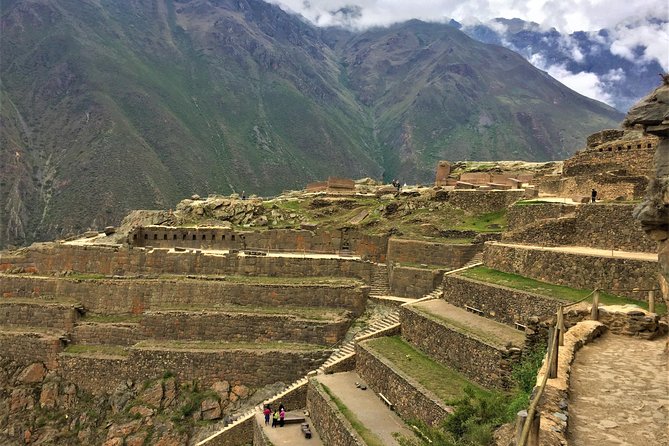
Puka Pukara means Red Fortress in Quechua. The site is smaller than Sacsayhuaman and less visually overwhelming, but its position explains its importance.
It likely served as a military checkpoint and resting place along the route linking Cusco with the Sacred Valley and the jungle. From the terraces and stone walls, you can imagine messengers, officials, and other travelers moving along the imperial road.
Your guide points out guard posts, rooms, and defensive features. The open views help you understand why this was a useful position. It was not simply a monument placed on a hill for decoration. It watched movement along an important route into and out of the capital.
The ticket is part of Circuit I, although the tour information lists the stop itself as free admission. Either way, you do not need to arrange a separate entrance for this visit.
Puka Pukara usually makes the most sense after you have seen the larger sites. On its own, it may not justify a special trip, but within this circuit it adds practical context about roads, communication, and protection.
Tambomachay and the Inca respect for water
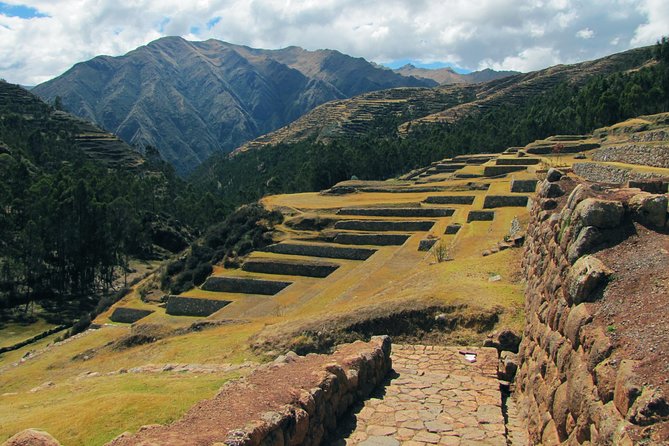
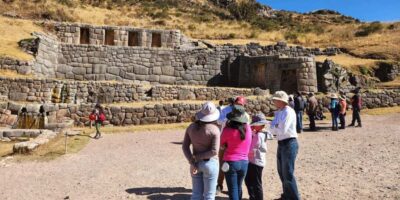
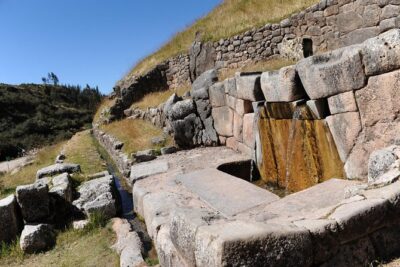
Tambomachay is the calmest stop on the route. It is known for clear fountains, canals, and carefully built water channels that still carry water after centuries.
The site is often called the Inca Baths. It may have been a place where Inca nobility rested or worshipped water. The exact use is less important than what the stonework shows: water was handled with care, directed through elegant channels, and made part of a sacred setting.
After the larger walls and rock-cut passages, Tambomachay gives you a quieter final stop. The fresh air, open setting, and flowing water make it a pleasant place for photographs. It also shows that Inca engineering was not only about roads and fortifications. Water management had practical and spiritual value.
The visit lasts around 30 minutes. You will not have time for a long walk, but you can see the main fountains and listen to the explanation before returning toward Cusco.
Group size, walking, and altitude considerations
The maximum group size is 16 people. That is a useful middle ground. You get a guide and organized transport without paying private-tour rates, and the group should remain small enough for questions.
This is not a physically extreme excursion, but it does require moderate fitness. You will walk on uneven archaeological ground, negotiate steps or sloping paths, and spend time outside at high-altitude sites. The supplied information does not give an exact altitude or accessibility plan, so anyone with mobility concerns should ask the operator before booking.
The route also moves at a steady pace. Each listed stop receives about 30 minutes, which keeps the overall outing within four to five hours. You should not expect long meals, extended shopping time, or a chance to explore each site independently.
Wear practical shoes and bring water. Meals and snacks are not included. Since the tour begins at 1:00 pm, eat beforehand or carry something small if you need it.
What the guide adds to the experience
The guide is central to the value here. Without explanations, the 12 Angled Stone is a clever wall detail, Coricancha is an old temple, and Puka Pukara is a collection of low stone ruins. With context, each site has a clearer role in the city and the Inca state.
TreXperience’s guide team has included people such as Katia, Jennifer, Roger, and Leo on its Peru programs. Their strengths, as reflected in the supplied material, include clear storytelling, answers to questions, attention to timing, and care when someone in a group feels unwell. Your assigned guide is not specified in advance, so do not book on the assumption that one particular person will lead this outing.
A strong guide should also help you separate accepted facts from theories, especially at Qenqo and Tambomachay. That balance matters in Cusco, where dramatic stories can sometimes outrun the evidence.
Who should book this Cusco tour?
I would choose this tour if you want a well-organized introduction to Cusco’s main Inca sites and prefer not to arrange separate taxis or tickets. It suits first-time visitors, people on a short schedule, and anyone who wants a guide to explain the connection between colonial Cusco and the Inca capital.
It also works well as an early sightseeing day before a longer Sacred Valley or Machu Picchu plan. The afternoon timing may leave your morning free, though you should still allow time to adjust to Cusco’s altitude and pace.
You may want something else if you dislike group schedules, want a private guide, or prefer to spend an hour or more at each site. The 30-minute stops are useful for seeing the major features, but they will feel rushed to serious archaeology fans and photographers.
The cathedral omission is another point to weigh. If you want a full central Cusco religious tour, you will need to add that visit separately.
Free cancellation is available up to 24 hours before the start time for a full refund. Changes or cancellations inside that window are not accepted for a refund, so keep the local cut-off time in mind.
Should you book it?
Book this tour if you want broad coverage, organized transport, and clear historical context in one half-day. The strongest parts are the contrast between Inca and colonial construction at Coricancha, the enormous walls and views at Sacsayhuaman, and the chance to reach four outer sites without negotiating local transport.
Skip it if you want a slow, private, highly detailed visit or if the cathedral is your main interest. At $98, the tour earns its price through the guide, included entries, central pickup, and efficient route. It is best understood as a smart first pass through Cusco, not the final word on every site.
FAQ
How long does the Cusco City Tour last?
The tour lasts approximately 4 to 5 hours.
What time does the tour start?
The stated start time is 1:00 pm at the Plaza de Armas in Cusco. The activity information also indicates that morning or afternoon departures may be available, so confirm the chosen departure when booking.
Where does the tour begin and end?
It begins at the Plaza de Armas, Cusco 08000, Peru, and ends back at the meeting point.
Is hotel pickup included?
Yes. Hotel pickup and drop-off are included for hotels in Cusco’s Historic Center.
What sites are included?
The route includes Plaza de Armas, the 12 Angled Stone, Loreto Street, Coricancha, Sacsayhuaman, Qenqo, Puka Pukara, and Tambomachay.
Is the cathedral entrance included?
No. Cathedral entrance and the cathedral visit are not included.
Which entrance fees are included?
Coricancha admission is included. The Partial Tourist Ticket, Circuit I, covers Sacsayhuaman, Qenqo, Puka Pukara, and Tambomachay.
How large is the group?
The group can include a maximum of 16 people.
Is the tour suitable for all fitness levels?
The activity requires a moderate physical fitness level. You should be prepared for walking at archaeological sites and uneven outdoor surfaces.
Are meals or snacks included?
No. Meals and snacks are not included, so plan to eat before the tour or bring something with you.
Just added around Cusco
- Zipline over the Sacred Valley Trip★ 5.0 · 11 reviews
- Valle Sur Cusco | half day★ 4.3 · 3 reviews
- Visit Pisac from Cusco: Private Transport★ 4.6 · 9 reviews
- Transfer from Cusco to Ollantaytambo★ 5.0 · 30 reviews
- Exclusive Huayna Picchu Tour in 1 Day from Cusco★ 5.0 · 31 reviews
- Trek to Humantay Lake from Cusco★ 4.9 · 8 reviews
- Private Tour Sacred Valley, Chinchero, Maras Moray, Ollantaytambo★ 5.0 · 29 reviews
- 5 Day – Salkantay trek to Machu Picchu – Group Service★ 4.5 · 27 reviews
Cusco City Tours & Inca Ruins, compared.
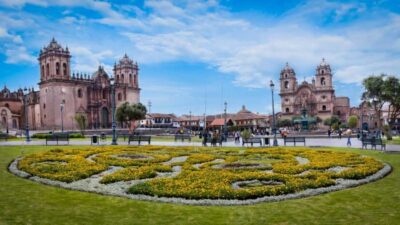
Half-Day City Tour with Sacsayhuaman and Q’enco
Read our review →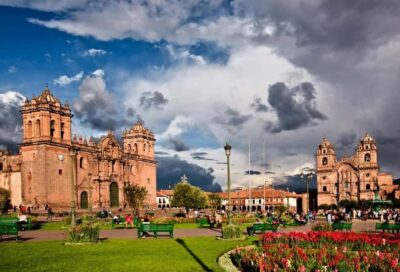
City Tour Cusco Qoricancha Sacsayhuaman y Tambomachay
Read our review →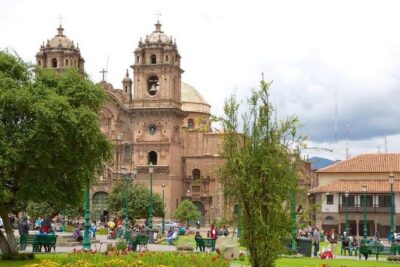
City Tour | Half-Day Tour to 4 Archaeological Sites
Read our review →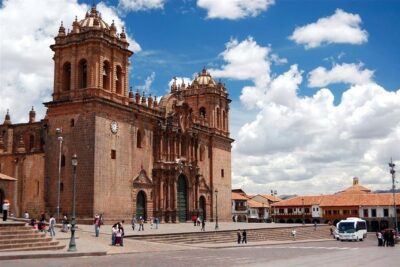
City Tour in Cusco & visit Museum South American Camelid Private.
Read our review →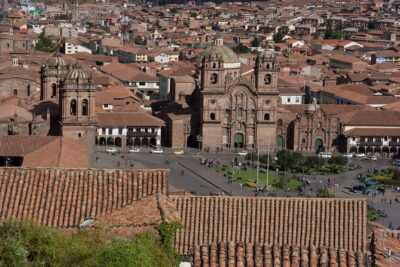
Cusco City Sightseeing, San Pedro Market, Cathedral and Qorikancha Temple
Read our review →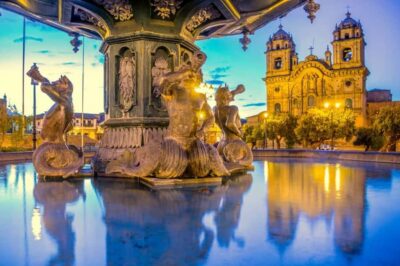
Cusco City Sightseeing and Sacsayhuaman Archeological Park Tour
Read our review →Browse the lists this tour appears in