
Reviewed · CHINCHERO VILLAGE & WEAVING TOURS
Sacred Valley Textile Workshop – Dyeing & Weaving in Cusco
This is not a workshop where you sit quietly while an artisan demonstrates. You gather plants, prepare natural dyes, handle alpaca wool, and work a backstrap loom with help from master weavers. Ruth Pimentel, presented as Peru’s only UNESCO-awarded Indigenous Master Weaver, leads the experience with other women from the Andean weaving communities.
I like the hands-on process and the warm, family-style meal shared with the weavers. I also like the chance to see how much patience and precision go into even a small bracelet or bookmark. The main drawback is the drive: although the workshop itself is listed at about eight hours, the journey from Cusco can take roughly an hour and a half each way, making this a full-day outing.
Key details before you book
- You make the textile yourself: Expect guidance with spinning, dyeing, winding yarn, setting up the loom, and weaving.
- Natural dyes begin with local plants: You may walk out to collect leaves, herbs, or other seasonal botanicals used for color and sometimes for traditional remedies.
- Ruth Pimentel leads the atelier: Other master weavers, including women from communities such as Patabamba and Parobamba, help teach the craft.
- The day includes lunch and drinks: Coffee or tea, a snack, and a home-cooked meal are part of the experience.
- Private transport starts in Cusco: Pickup is offered at about 8:30 am, with countryside stops possible along the route.
- Plan for floor-level weaving: The backstrap loom is used close to the floor, and the weaving can be harder than it first appears.
Why this textile workshop feels different
Cusco is full of polished craft shops, but buying a woven belt is not the same as learning how one begins. Here, you get your hands into the work. You see raw wool become yarn, watch plant material turn water into dye, and discover how a pattern is built thread by thread.
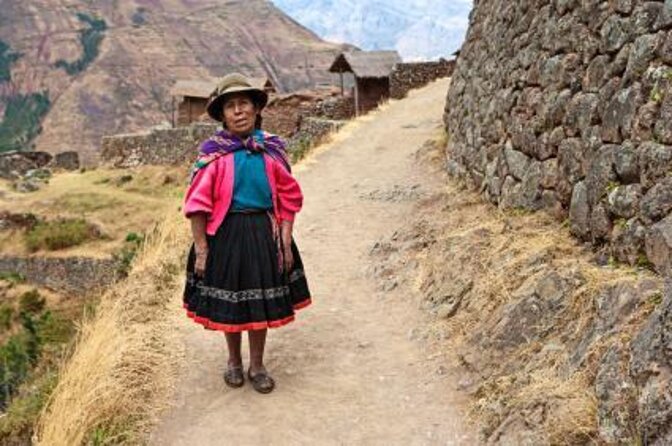
The workshop also gives you time with the people who keep these skills alive. The teaching is not limited to textile technique. You may learn bits of Quechua, hear about plant uses, see traditional clothing, and take part in a dance at the end of the day.
That broader setting matters. Andean textiles carry stories about community, place, identity, and family knowledge. A small bracelet may take you only part of a day, but it gives you a clearer sense of why larger woven pieces require such skill.
More Chinchero and Weaving Visits from Cusco:
- From Cusco: Moray, Maras Salt Mines & Chinchero Weavers Tour
★ 4.8 · 1,925 reviews - Cusco:Chinchero,Moray & Salt Mines drop-off in Ollantaytambo
★ 4.8 · 793 reviews - Sacred Valley: Chinchero, Moray, Ollantaytambo & Pisac+Lunch
★ 4.8 · 501 reviews
The morning drive from Cusco to the Sacred Valley
Pickup is scheduled for around 8:30 am. Private transport makes the start easy, particularly if you are still finding your way around Cusco or prefer not to arrange several separate connections.
The exact workshop location is described as being in the hills near Cusco, with the day commonly taking place around Calca or nearby Sacred Valley communities. The drive can last about an hour and a half, depending on the route and stops. That is the detail I would plan around most carefully.
The ride is part of the day rather than a minor transfer. You pass through the countryside, and the driver may stop for photographs. Drivers such as Pedro have also helped with practical matters along the way, including cash or directions, though you should confirm any special request when booking.
If you have only a short stay in Cusco, do not schedule another major activity for the evening. The listed duration is approximately eight hours, but the total day can be longer once the road time is included.
Meeting Ruth Pimentel and the weaving family
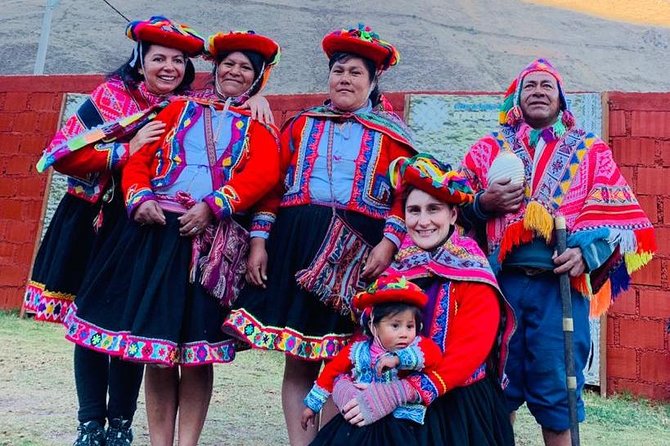
At the atelier, you receive an introduction to Ruth Pimentel, her family, and the tradition behind the workshop. Ruth is described as an Indigenous master weaver with UNESCO recognition, and the experience places her work within a living Andean craft tradition rather than treating weaving as a museum display.
Other instructors may include Delia, Nayda, Julia, Maria, Dalia, Martina, Marilus, Selena, Natividad, and Lucia. The exact teaching team can vary, but the format remains personal. A guide or translator helps connect you with the weavers, especially if you do not speak Spanish or Quechua.
This language support is useful. The workshop is social and conversational, not just a series of silent demonstrations. You can ask questions about the plants, the tools, the patterns, and daily life, while the translator helps keep the exchange flowing.
The welcome can include flowers, a snack, coffee, or tea. It is a small touch, but it sets the tone: you are being received into a family setting, not ushered through a commercial production line.
Gathering plants for natural dyeing
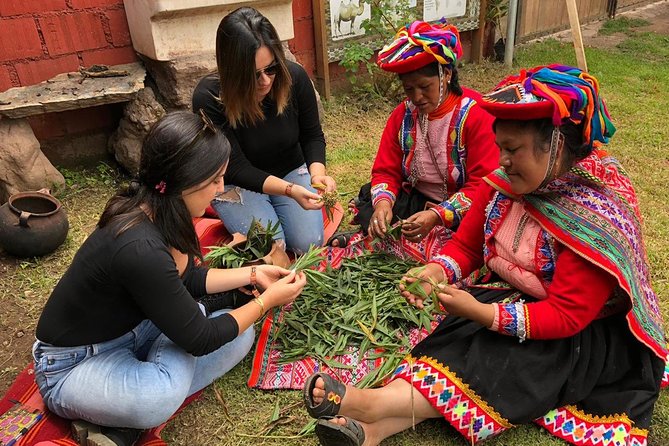
One of the most memorable parts comes before the dye pot. You walk with the weavers to collect leaves, herbs, or other plant materials used for color. The available plants depend on the season and the local setting, so you should not expect one fixed list of ingredients every time.
The women also explain that some plants have traditional medicinal uses. This turns a short walk into a lesson about how local knowledge connects food, health, color, and the surrounding countryside.
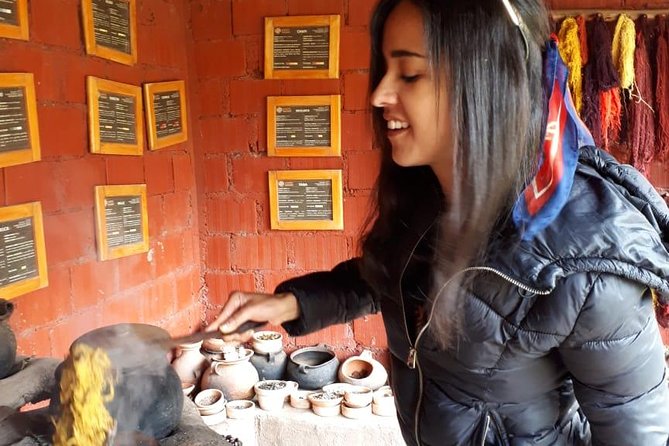
You then help prepare the dye bath and learn how the plant material affects the yarn. Natural dyeing is not a quick splash of color. The work involves preparation, timing, handling the wool, and understanding how different materials produce different shades.
This is where the workshop earns its price for anyone who cares about craft. You are not simply told that Andean textiles use natural dyes. You take part in the messy, practical steps that make the color possible.
More Sacred Valley Days from Cusco:
- From Cusco: Sacred Valley & Maras Salt Mines Tour with Lunch
★ 4.8 · 2,227 reviews - Cusco: Sacred Valley, Pisac, Ollantaytambo, Salt Mines Moray
★ 4.6 · 1,058 reviews - Sacred Valley: Maras & Moray by Quad Bike from Cusco
★ 4.6 · 418 reviews - From Cusco: 2-Day Trip to the Sacred Valley and Machu Picchu
★ 4.6 · 265 reviews
From alpaca wool to yarn
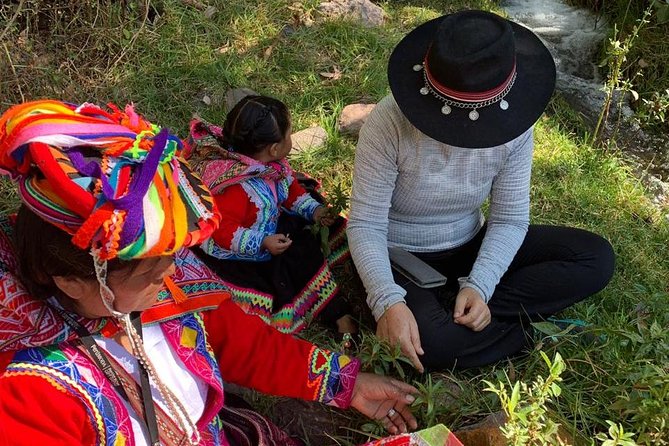
Depending on the day’s sequence, you may handle alpaca wool, learn how yarn is made, and see traditional spinning techniques. The workshop uses premium baby-alpaca yarn in the featured description, while other parts of the experience may show you how wool is prepared and spun.
The process gives you a better appreciation for the finished textiles sold in Peruvian markets. A soft scarf or finely patterned band can look effortless until you try to prepare even a small amount of thread yourself.
You may also wind dyed yarn into balls and select several colors for your own piece. Some sessions have included four colors for bracelets, while other participants have made bookmarks or headbands. The precise project can vary, so think of the finished item as a guided personal creation rather than a fixed product with one guaranteed shape.
Lunch with the artisans
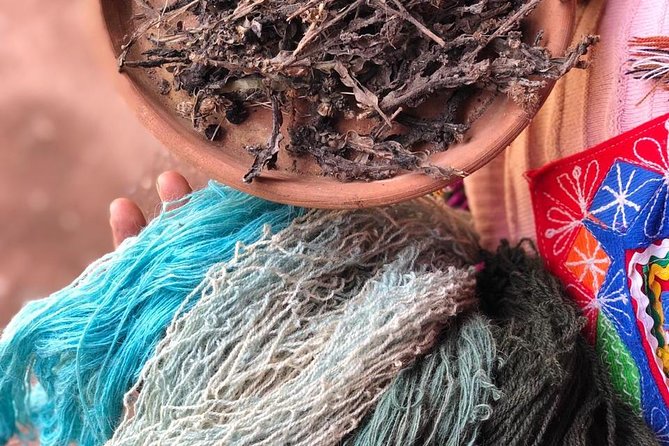
Lunch is included, and it is more than a pause between activities. You sit down with the weavers, guide, and driver for a home-cooked meal. Past menus have included generous portions of local food, fruit, vegetables, yucca, avocado, pineapple, passion fruit, and papaya.
The meal is also a natural time for conversation. You can learn about one another, practice a few Quechua words, and ask questions that may not occur during the technical demonstrations.
Food preferences are not specified in the available details, so tell the provider about dietary needs before the day. One participant was offered guinea pig during a countryside stop, but that is not presented as a standard part of the workshop or included meal.
The relaxed pace is a strength, though it also explains why the day takes so long. This is not an express class. The pauses, meal, conversation, and shared time are part of the cultural experience.
Learning the backstrap loom
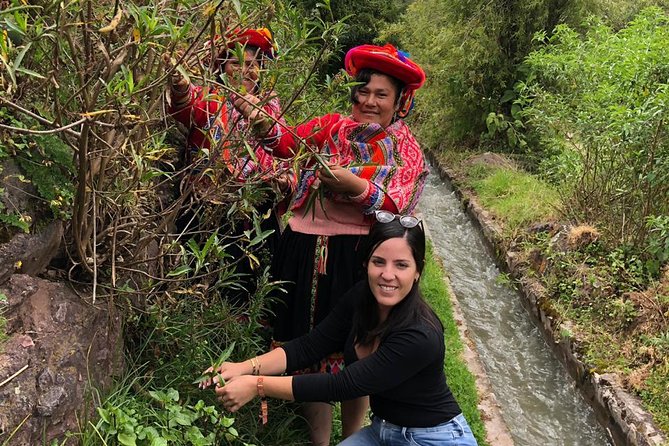
After lunch, you work with a backstrap loom. This traditional method is associated with generations of Andean women and requires coordination, tension, and close attention to the threads.
The weavers first show you how the loom is arranged and how the pattern begins. Then you try it yourself. You can expect patient help, but you should not expect to master the technique in a few minutes.
The weaving may take place on or close to the floor, so this is worth knowing if sitting low for several hours is uncomfortable. The physical setup is simple, but the work is not. You must keep track of the yarn, maintain tension, and follow the pattern. That difficulty is useful: it gives you a more honest respect for the skill behind a large Andean textile.
You may finish a bracelet, bookmark, headband, or similar small piece. In some versions of the activity, you also take home the yarn you dyed yourself. The finished item may include help from the artisan, and that is nothing to apologize for. The point is to learn the method, not to compete with someone who has practiced since childhood.
Traditional clothing, music, and the final presentation
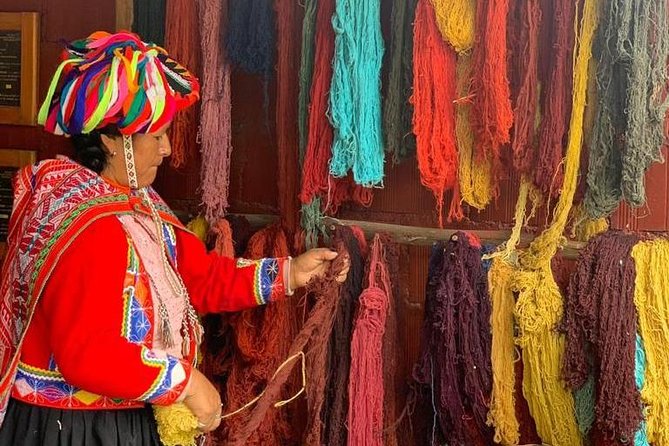
Near the end, the guide may introduce traditional clothing and help you try on selected pieces. A dance can follow, giving the day a light and social finish.
The workshop is educational, but it is not stiff. The dancing and clothing help you see how textiles function in everyday cultural expression. They are not merely decorative objects for sale.
Your textile is presented in packaging with a signed provenance card according to the main description. If you buy additional work from the atelier shop, the experience lets you meet the people who made it and see the quality up close. Prices have been described as more reasonable than expected, though you should bring whatever payment method the provider recommends.
Buying directly from the artisans can be meaningful, but it is still a purchase. Take your time, compare pieces, and choose something you genuinely want. The workshop should not pressure you into shopping.
What the $420 price includes
At $420 per person, this is an expensive day compared with a standard Sacred Valley sightseeing tour. You are not paying only for transport and a short demonstration. The price covers a private or small-group format, private transportation, instruction from master weavers, translation or guiding, lunch, coffee or tea, materials, and a full day of direct access to the craft.
The value is strongest for you if textiles, traditional crafts, or community-based cultural experiences are central interests. A textile designer, weaver, spinner, or curious maker will likely get much more from the day than someone looking only for a quick photo stop.
It is also a good option if you want to reduce logistical decisions. Pickup, the road journey, meals, teaching, and return transport are arranged together. That convenience has real value in the Sacred Valley, where independent transport can take time to organize.
The price is harder to justify if you are mainly interested in Inca ruins or broad sightseeing. This is not a replacement for Pisac, Ollantaytambo, or Machu Picchu. It is a focused cultural workshop, and you should book it for the people and process rather than for a long list of monuments.
Who will enjoy this most
I would choose this experience if you:
- Enjoy making things by hand.
- Want a closer look at Quechua textile traditions.
- Prefer a private or small-group day to a large coach excursion.
- Are happy to spend hours on one craft rather than moving between many sights.
- Want meaningful contact with local artisans.
- Are comfortable with a long drive from Cusco.
- Can sit at a low loom and work patiently with your hands.
Solo travelers can book it too. The instructors and guides create a welcoming setting, and the shared meal gives the day a friendly rhythm. Families can also enjoy it, though younger children may need help with the fine weaving work.
You do not need prior experience. The teaching is designed for beginners, but anyone who already spins, weaves, or works with fiber will have plenty to examine closely.
Practical points that affect your day
The experience starts at about 8:30 am and requires good weather. If poor weather forces cancellation, you are offered another date or a full refund.
Most people can participate, and service animals are allowed. The activity is listed as private, with only your group taking part, although the exact social setup should be confirmed when you book if that detail matters to you.
Wear clothes that are comfortable for sitting and working with plant dyes. Specific clothing requirements are not provided, so avoid bringing an outfit you would worry about staining. Bring space in your luggage for the textile, dyed yarn, or shop purchases.
You can cancel for a full refund up to 24 hours before the start time. Changes or cancellations inside that window are not accepted, and the cutoff follows local time in Peru.
Should you book this Cusco weaving workshop?
Book it if you want to spend a full day learning from Andean weavers rather than collecting another quick photo. The strongest parts are the plant-gathering walk, the natural dye work, the patient instruction, and the chance to share food and conversation with the women who practice the craft.
Think twice if you dislike long drives, floor-level activities, or slow hands-on work. The weaving is genuinely challenging, and the day is longer than the headline eight-hour duration may suggest.
For the right person, the $420 cost buys something rare: not just a souvenir, but a clearer understanding of the labor, skill, and cultural meaning behind Andean textiles. If that sounds like your kind of Cusco day, this is a strong choice.
FAQ
Where does the textile workshop begin?
Pickup is offered from your hotel in Cusco, with a listed start time of about 8:30 am. The atelier is in the hills near Cusco, in the Sacred Valley area.
How long does the experience take?
The workshop is listed at approximately eight hours. The drive from Cusco can take about an hour and a half each way, so you should plan for a full day.
What textile techniques will I learn?
You may learn to prepare and spin wool, collect plants for natural dyes, prepare and dye yarn, wind the yarn, set up a backstrap loom, and weave a small textile piece.
What can I take home?
Depending on the session, you may make a bracelet, bookmark, headband, or similar textile. The main description also states that your creation is packaged with a signed provenance card. Some sessions have included dyed yarn to take home.
Is lunch included?
Yes. Lunch and coffee or tea are included. The day may also include a snack, depending on the schedule.
Can I cancel for a full refund?
Yes. You can cancel at least 24 hours before the experience starts for a full refund. Cancellations or changes made less than 24 hours before the start time are not accepted.
More Workshops in Cusco
- Cusco: Peruvian Cooking Class, Cocktails & Local Market Tour
★ 4.9 · 512 reviews - Cooking class and market tour with a local chef
★ 5.0 · 186 reviews - The First Class Machu Picchu Train by Inca Rail
★ 4.0 · 182 reviews - The Textile Workshop Experience in Cusco Region
★ 5.0 · 118 reviews
Just added around Cusco
- Zipline over the Sacred Valley Trip★ 5.0 · 11 reviews
- Valle Sur Cusco | half day★ 4.3 · 3 reviews
- Visit Pisac from Cusco: Private Transport★ 4.6 · 9 reviews
- Transfer from Cusco to Ollantaytambo★ 5.0 · 30 reviews
- Exclusive Huayna Picchu Tour in 1 Day from Cusco★ 5.0 · 31 reviews
- Trek to Humantay Lake from Cusco★ 4.9 · 8 reviews
- 5 Day – Salkantay trek to Machu Picchu – Group Service★ 4.5 · 27 reviews
- 2 Day – Short Inca Trail to Machu Picchu – Group Service★ 5.0 · 30 reviews
Chinchero Village & Weaving Tours, compared.

Moray, Maras Salt Mines & Chinchero Weavers Tour
Read our review →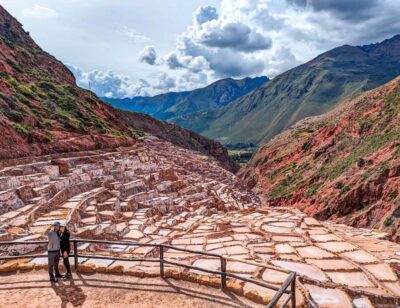
Chinchero,Moray & Salt Mines drop-off in Ollantaytambo
Read our review →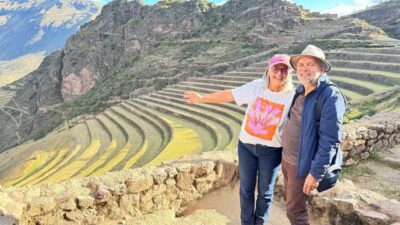
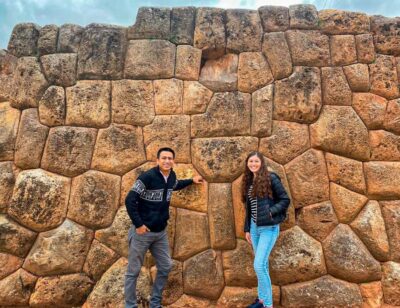
Sacred Valley Pisaq,Ollantaytambo,Chinchero with Lunch
Read our review →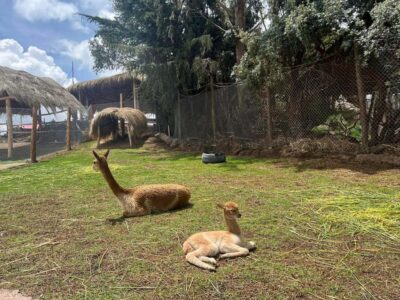
Alpaca and Llama Farm Tour w/ Transfer & Weaving Demo
Read our review →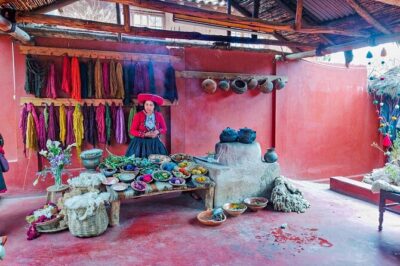
Moray, Maras Salt Mines & Chinchero Weavers Half-Day
Read our review →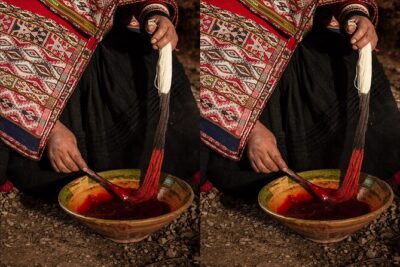
The Textile Workshop Experience in Cusco Region
Read our review →
Browse the lists this tour appears in