
Reviewed · CUSCO CITY TOURS & INCA RUINS
Open Bus Cusco City Tour
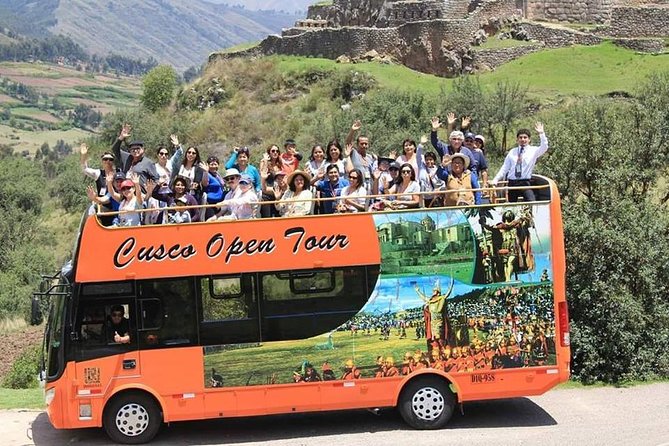
Cusco’s open-top bus ride gives you a quick look at the city and hills without demanding a day of steep walking. You start near Plaza de Armas, climb toward Cristo Blanco for broad views, and pass major Inca and colonial sights from the road.
I like the low price, $14.09 per person, and the chance to see places beyond the central streets. I also like that guides such as Paulo and Victor have received praise for explaining Cusco in several languages and adding local history to the ride. The main caution is timing: some departures have run late, and English commentary has not always been clear.
Key points to know before booking
- Cristo Blanco is the main sightseeing stop: You get time to walk around, take photographs, and look across Cusco.
- Most archaeological sites are viewed from the bus: This is a city overview, not a walking tour of Sacsayhuaman or Koricancha.
- An Andean ceremony may be part of the outing: Participation should be voluntary, but a stop connected with donations and sales can feel uncomfortable to some people.
- The open upper deck is weather-dependent: Rain gear is available, yet cold temperatures and wind can send you downstairs.
- English service can vary: Some guides, including Paulo and Victor, have been praised for strong English, while other departures have had little or no English explanation.
- Leave your schedule open: Delays of 40 minutes to more than an hour have been reported, so do not pair this with a tightly timed activity.
What this Cusco bus tour is really designed to do
This is best understood as a three-hour orientation ride, not a full archaeological tour. You sit on a double-decker bus, see Cusco from several angles, and get a quick introduction to the city’s history, traditions, and surrounding hills.
That distinction matters. If you expect to enter temples, walk through Inca walls, and spend time at several ruins, this outing will feel thin. If you have just arrived, are still adjusting to Cusco’s altitude, or have tired legs after Machu Picchu, the bus can be a sensible way to see more while doing less.
The advertised maximum is 24 people, though the upper deck can feel crowded when the weather forces everyone inside. The tour costs $14.09, which is fair for transportation, a guide, and the Cristo Blanco stop. It is less attractive if you dislike shopping stops or need a precise return time.
More Open-Top Bus Loops in Cusco:
- Cusco: Sightseeing Tour of the City on an Open-Top Bus
★ 4.0 · 481 reviews - Cusco: Open-Top Bus City Tour
★ 4.4 · 64 reviews - Cusco: Open Bus Tour of the City’s Wonder’s
★ 3.4 · 4 reviews
Starting at Plaza de Armas
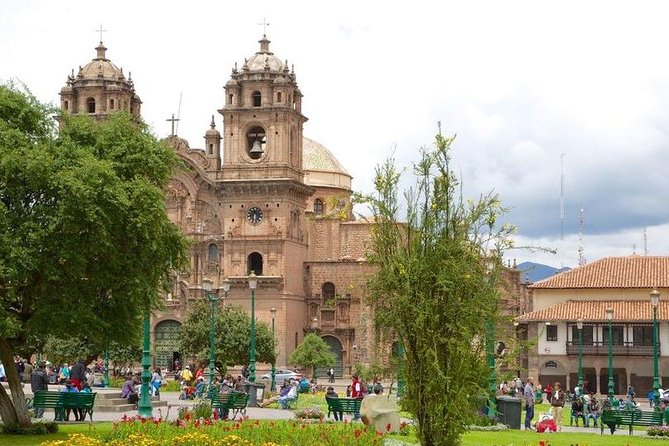
The outing begins at Sta. Catalina Angosta 120, close to Cusco’s main square. Plaza de Armas is a fitting place to begin because it brings together the city’s Spanish colonial center, Inca foundations, churches, arcades, and daily life.
The guide gives a short introduction here, so this is not a long walking lecture. Think of it as a quick orientation before you board. If you arrive early, use the time to confirm the meeting point and look for staff rather than assuming the bus will be waiting directly outside the square.
A few departures have involved a walk from the meeting point to the actual bus. One account describes a walk of about half a mile, while another says the pickup was confusing but staff eventually collected passengers from the meeting point. I would arrive early, keep your phone handy, and ask clearly where the bus will board.
The bus may leave on time, but punctuality has not been consistent. Delays have been linked to waiting for late arrivals and, on one occasion, bus maintenance. If you have a dinner reservation, train, airport transfer, or another tour later that day, this is not the place to cut things close.
Riding through Cusco’s everyday streets
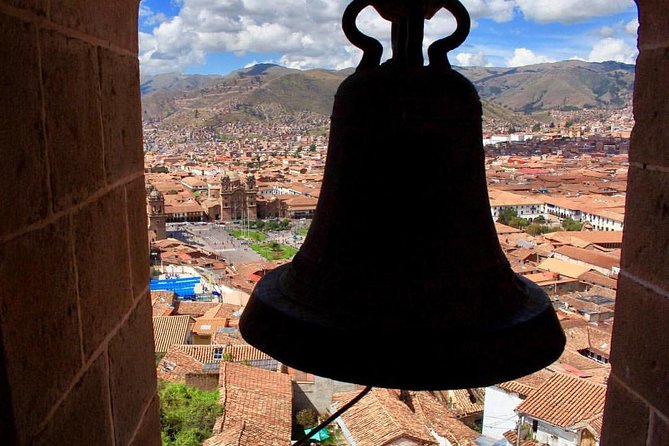
Once underway, the bus moves through parts of Cusco that many short walking routes skip. You see local neighborhoods, changing elevations, narrow streets, and the way the city spreads beyond the central plaza.
This part is useful because Cusco is not just a postcard square and a collection of ruins. The ride gives you a sense of how modern life fits around old stonework and long-held customs. The guide may point out traditions, local landmarks, and details you could miss while walking alone.
The quality of this explanation depends heavily on the guide and the position of your seat. Some people have praised guides for speaking clear English and sharing plenty of historical detail. Others have found the English limited, inaudible, or replaced by Spanish. Street noise, traffic, loud music, and the bus engine can all make commentary harder to follow from the upper deck.
If history is your main reason for booking, sit where you can hear the guide and ask questions early. Guides named Paulo and Victor have been singled out for friendly, multilingual explanations. Still, you should treat bilingual guiding as an aim of the service, not a guarantee that every departure will provide the same level of English.
Seeing Sacsayhuaman and Inca sites from the road
The bus passes near important archaeological places outside the center, including the great Inca fortress area commonly associated with Sacsayhuaman. You get a panoramic look from the road while the guide explains its importance.
This is one of the tour’s useful features, but also one of its easiest points to misunderstand. You generally do not get off to explore the archaeological sites. The itinerary describes a brief stop while remaining on the bus, and several accounts make the same point.
That can work well if you are tired, short on time, or mainly want an overview before choosing a longer ruins visit. It will disappoint you if you expect to climb among the stone terraces or examine the walls at close range.
The bus also passes Koricancha, the Inca temple that the Spanish built over with a church while retaining the original foundation. That short explanation gives helpful context for understanding Cusco’s layered architecture. You may not have time to study the site itself, but seeing the relationship between Inca construction and Spanish colonial power is worthwhile.
The route also includes Paccha and the Great Mural of Cusco. The mural depicts episodes from Inca history and the Spanish conquest, making it a useful visual stop even if you only see it while passing. Keep your camera ready, since traffic and the bus route control how long you have to look.
More City and Ruins Half-Days in Cusco:
- Cusco: Half-Day City Tour with Sacsayhuaman and Q’enco
★ 4.6 · 1,129 reviews - City Tour Cusco Qoricancha Sacsayhuaman y Tambomachay
★ 4.7 · 617 reviews - Cusco: City Tour | Half-Day Tour to 4 Archaeological Sites
★ 4.6 · 206 reviews - City Tour in Cusco & visit Museum South American Camelid Private.
★ 5.0 · 147 reviews
Cristo Blanco and the best city view
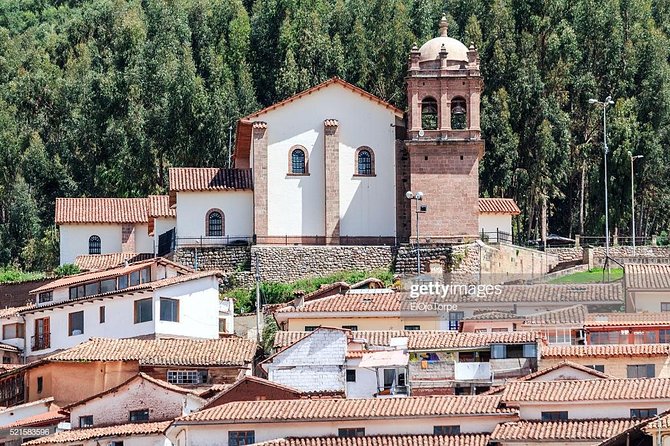
The clearest sightseeing stop is Cristo Blanco, the white Christ statue above Cusco. You get about ten minutes to walk around, take pictures, and look down over the city.
Ten minutes is enough for photographs and a quick look, but not enough for a long visit. The elevation and exposed position also make this the point where the temperature can drop sharply, especially later in the day. Several people recommend warm clothing, and that advice is practical rather than optional.
From here, the city’s layout makes more sense. The compact center sits below, while roads and neighborhoods spread into the surrounding hills. This is the strongest reason to choose the open-top format: from the upper deck, you see the setting of Cusco rather than only its individual buildings.
The return ride may be colder than the outward journey. One afternoon departure became uncomfortable as temperatures fell, and another account suggests bringing blankets would make late tours easier. The bus has rain gear, which helps when showers arrive, but it does not solve wind or cold.
The Andean ceremony and shopping concern
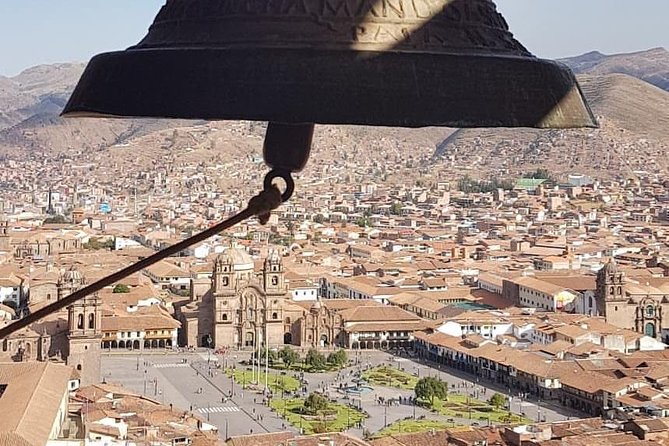
A cultural stop may include a traditional Andean ceremony connected with giving thanks to Pachamama, or Mother Earth. Some people find this moving and memorable. Others have found the setting unexpected, especially when the ceremony took place in a simple shed or backyard space.
You should know what you are being invited to do before joining. The ceremony is presented as part of living local culture, and the operator says participation is voluntary. That is important, because no one should feel pushed into a spiritual activity.
This stop can also involve alpacas or llamas, textiles, photographs, or a request for donations. I would approach it with an open mind and a clear budget. You do not need to buy anything to enjoy the educational side, and you should not feel obligated to donate more than you wish.
The shopping element is the tour’s biggest weakness for some people. Stops at craft or textile outlets can take time away from sightseeing, and prices may be higher than you expect. If you want a strictly historical route with no sales pressure, a private guide or museum-based tour may suit you better.
Weather, seating, and comfort on the upper deck
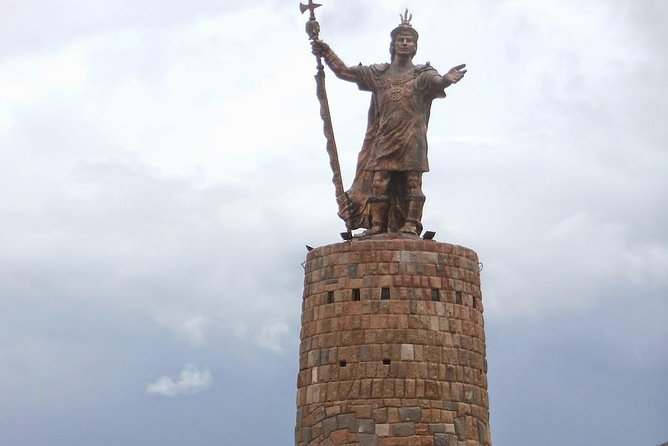
The upper deck is the reason to book this ride, but it is also the part that needs the most planning. You get open views, better photographs, and a fun ride through narrow Cusco streets. You also get direct sun, wind, rain, cold, and diesel fumes from city traffic.
Bring layers, a hat, and a waterproof outer layer. The bus provides rain gear, but you should not depend on it as your only protection. If clouds roll in, everyone may move downstairs, reducing the open-air benefit and making the interior feel crowded.
The music has also been too loud on some departures. That can make it harder to hear the guide, especially when combined with road noise. If you care about the commentary, choose a seat near the guide when possible and say something if the music prevents you from hearing.
This ride can be a good low-energy activity during your first days in Cusco. It lets you remain seated while the bus handles the hills, and it gives you an introduction before you commit to longer walks. It is not a substitute for acclimatization, though. If you feel unwell at altitude, tell the staff and do not treat the bus as a cure.
Language and guide quality
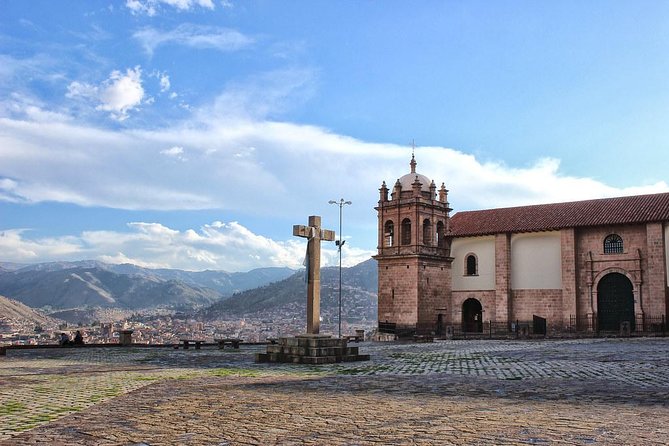
The experience is sold with a bilingual guide, and the strongest departures seem to depend on having the right person. Paulo has been praised for moving between three languages, while Victor has been praised for translating into English and providing clear historical background.
At the same time, English service has been uneven. Some departures have been almost entirely in Spanish, and one account describes an audio recording that was difficult to hear and sometimes ran ahead of the bus because traffic changed the timing.
That inconsistency is worth taking seriously if you do not speak Spanish. Before boarding, confirm that the guide will provide explanations in English. If the answer is unclear, you may want to reconsider rather than assume the language arrangement will sort itself out.
For Spanish speakers, the tour may offer better value because you can follow more of the commentary even when the English portion is brief. For English speakers, the bus remains useful for views, but the quality of the historical side can vary.
Price, timing, and who gets the most value
At $14.09, this is one of the cheaper ways to see the upper parts of Cusco and reach Cristo Blanco. The price includes transport and a bilingual guide. Meals, drinks, personal purchases, and tips are not included.
I see the best value in using it as your first-day city overview. You can identify places you want to revisit, see the city from above, and avoid a long walking route while you adjust to the altitude. It can also suit a family or group that wants a simple shared outing.
The value drops if you expect entry to archaeological sites, a tightly run schedule, or a fully English-speaking guide. Delays have ranged from roughly 40 minutes to more than an hour, and at least one departure returned well after the planned finish. Schedule nothing important afterward.
The end point is Calle Saphy 661, about two blocks from Plaza de Armas. That is convenient for returning to the center, but the tour does not end at the starting point.
Should you book this open bus tour?
Book it if you want a cheap, easy introduction to Cusco, especially after Machu Picchu or during your first days at altitude. You will get city views, Cristo Blanco, passing views of Inca and colonial sites, and possibly a memorable Andean ceremony.
Skip it if you want long visits inside ruins, guaranteed polished English, or a firm three-hour schedule. For the best chance of enjoying it, dress warmly, protect yourself from rain, confirm the English guide before departure, and keep the rest of your day open.
The tour is at its best when you treat it as a scenic orientation with cultural extras, not as a complete history lesson or archaeological visit.
FAQ
How long does the Open Bus Cusco City Tour last?
The advertised duration is approximately three hours. Actual timing can be longer because some departures have started late or returned behind schedule.
How much does the tour cost?
The listed price is $14.09 per person.
Where does the tour start?
The meeting point is Sta. Catalina Angosta 120 in Cusco, near Plaza de Armas.
Where does the tour end?
The tour ends at C. Saphy 661, about two blocks from Cusco’s main square.
Is a guide included?
Yes. Transport and a bilingual guide are included.
Does the tour visit archaeological sites?
The bus passes important archaeological sites and the guide explains them, but you generally remain on the bus rather than entering and exploring the sites.
Does the tour stop at Cristo Blanco?
Yes. The Cristo Blanco stop lasts about ten minutes and includes time for views, photographs, and a short walk.
Are meals and drinks included?
No. Meals and beverages are not included.
How many people can join the tour?
The maximum group size is 24 people.
Just added around Cusco
- Zipline over the Sacred Valley Trip★ 5.0 · 11 reviews
- Visit Pisac from Cusco: Private Transport★ 4.6 · 9 reviews
- Valle Sur Cusco | half day★ 4.3 · 3 reviews
- Transfer from Cusco to Ollantaytambo★ 5.0 · 30 reviews
- Exclusive Huayna Picchu Tour in 1 Day from Cusco★ 5.0 · 31 reviews
- Trek to Humantay Lake from Cusco★ 4.9 · 8 reviews
- Private Tour Sacred Valley, Chinchero, Maras Moray, Ollantaytambo★ 5.0 · 29 reviews
- 5 Day – Salkantay trek to Machu Picchu – Group Service★ 4.5 · 27 reviews
Cusco City Tours & Inca Ruins, compared.
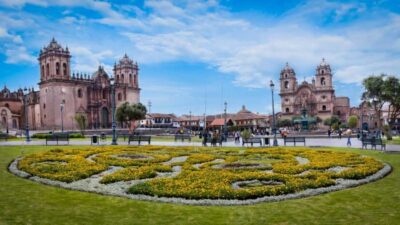
Half-Day City Tour with Sacsayhuaman and Q’enco
Read our review →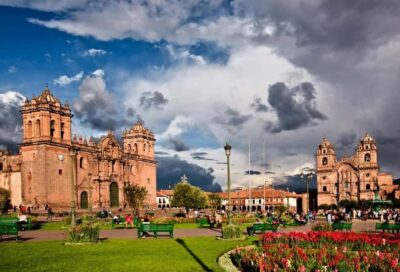
City Tour Cusco Qoricancha Sacsayhuaman y Tambomachay
Read our review →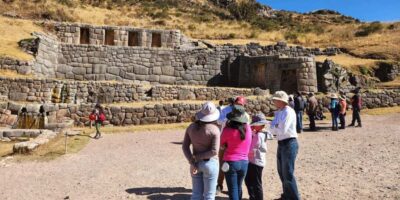
City Tour | Half-Day Tour to 4 Archaeological Sites
Read our review →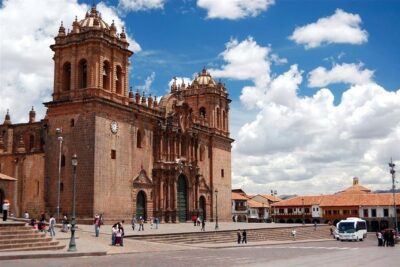
City Tour in Cusco & visit Museum South American Camelid Private.
Read our review →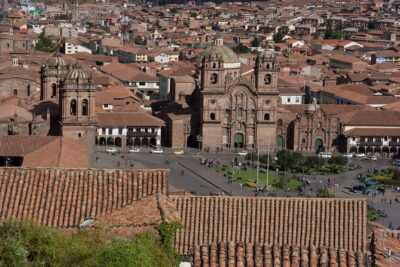
Cusco City Sightseeing, San Pedro Market, Cathedral and Qorikancha Temple
Read our review →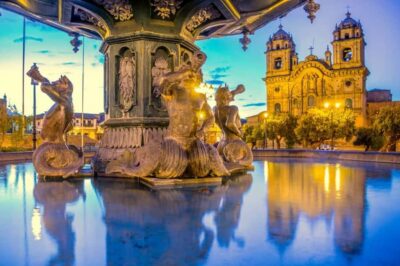
Cusco City Sightseeing and Sacsayhuaman Archeological Park Tour
Read our review →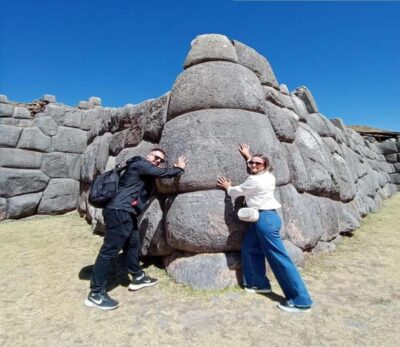
Browse the lists this tour appears in