
Reviewed · CUSCO CITY TOURS & INCA RUINS
City Tour in Cusco & visit Museum South American Camelid
Cusco’s best first lesson in Inca history comes in a compact half-day loop through the city and nearby ruins. You’ll see the Spanish colonial center, the former Temple of the Sun at Qorikancha, and four major Inca-era sites without arranging separate taxis.
I like the low price of $11.70 and the chance to choose a morning or afternoon departure. I also like the practical route: Sacsayhuaman, Q’enqo, Puka Pukara, and Tambomachay are spread beyond the center, so the air-conditioned vehicle saves time and effort. The main caution is that this is partly a bus tour, and bilingual guiding quality can vary.
Key points at a glance
- Six major stops in roughly four to five hours, including Qorikancha and the four nearby archaeological sites.
- Sacsayhuaman is the headline stop, with about 45 minutes for its huge stone terraces and walls.
- A bilingual guide leads the tour in English and Spanish, with past guides including Edwin, Regina, Pavel, and Luis.
- Entrance fees are extra, so plan on buying the required archaeological-site ticket separately.
- The route involves walking and climbing, making it useful for getting used to Cusco’s altitude.
- The title mentions a South American Camelid Museum, but the supplied schedule does not list a separate museum stop, so confirm this before paying.
A fast introduction to Cusco’s Inca and Spanish layers
This outing works best as an orientation tour. In a single morning or afternoon, you move from the Spanish-era Plaza de Armas to the Inca religious center at Qorikancha, then ride uphill and outward to four archaeological sites.
The route helps you understand Cusco as more than a pretty colonial city. Spanish churches and arcades occupy the center, but Inca walls remain beneath and beside them. At each stop, your guide connects the stones to the wider story of imperial power, religion, water, roads, and defense.
The tour is not a long walking tour of every street. One past participant described it accurately as a bus tour with one main walking stop followed by rides to the ruins. That is useful to know. You get broad coverage, but not much time for independent wandering.
More City and Ruins Half-Days in Cusco:
- Cusco: Half-Day City Tour with Sacsayhuaman and Q’enco
★ 4.6 · 1,129 reviews - City Tour Cusco Qoricancha Sacsayhuaman y Tambomachay
★ 4.7 · 617 reviews - Open Bus Cusco City Tour
★ 4.5 · 219 reviews
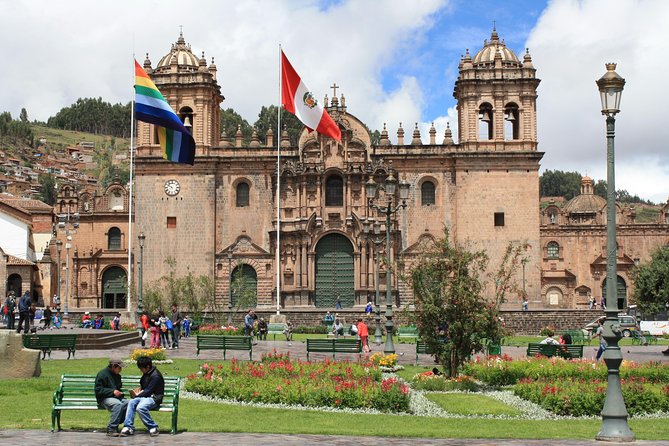
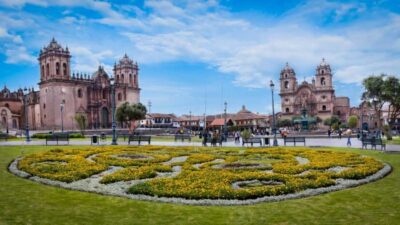
Plaza de Armas: a brief colonial starting point
The meeting point is on or near Cusco’s main square at Del Medio 123, Cusco 08000. The Plaza de Armas stop lasts about 10 minutes and is an external visit, with no admission ticket included.
That short pause gives your guide a place to explain the square’s role in both Inca and Spanish Cusco. It also sets up the central theme of the day: the city you see today was shaped by two very different cultures, with Spanish buildings placed over an older Inca foundation.
Do not expect a full guided walk around the square. Ten minutes is enough for an introduction, orientation, and perhaps a quick look at the surrounding architecture. If you want photographs without rushing, arrive early or return later on your own.
Qorikancha and the Temple of the Sun
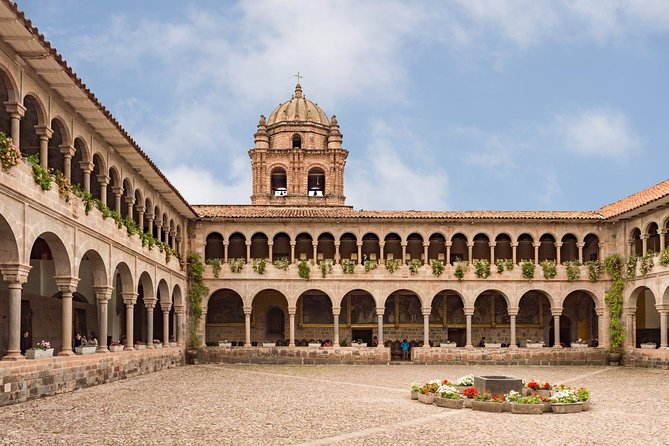
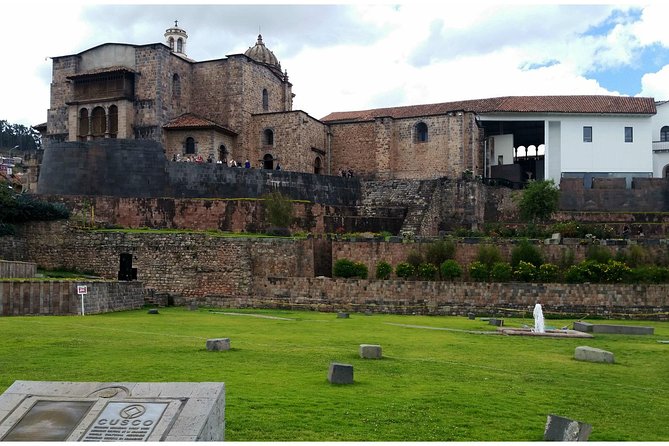
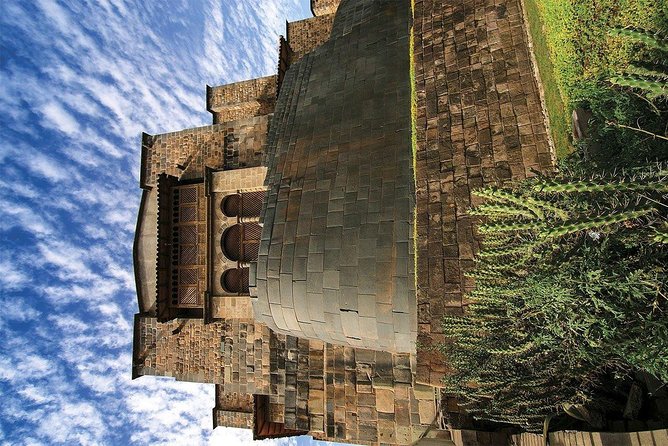
Qorikancha receives about 45 minutes. It is both a museum and an archaeological site, and it is the tour’s clearest look at Inca religion in the city itself.
The site was the Temple of the Sun, one of the most important religious places in the Inca capital. Your guide should help you read the surviving stonework and explain how Spanish construction altered the original complex. This stop is especially useful early in your Cusco visit because it gives meaning to the masonry you will see at the outer ruins.
Admission is not included. That matters because the advertised price looks extremely low until you add entry costs. Bring extra soles for tickets, and ask the guide which ticket applies to the sites on your route.
The schedule allows enough time for an explanation, but not a slow museum visit. If you want to study every display or photograph each wall, you may feel hurried. For a first introduction, the timing is sensible.
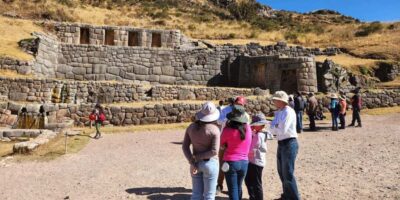
Sacsayhuaman: the essential ruin outside Cusco
The vehicle takes you to Sacsayhuaman, where you have about 45 minutes. Of all the archaeological sites on this route, this is the one I would prioritize.
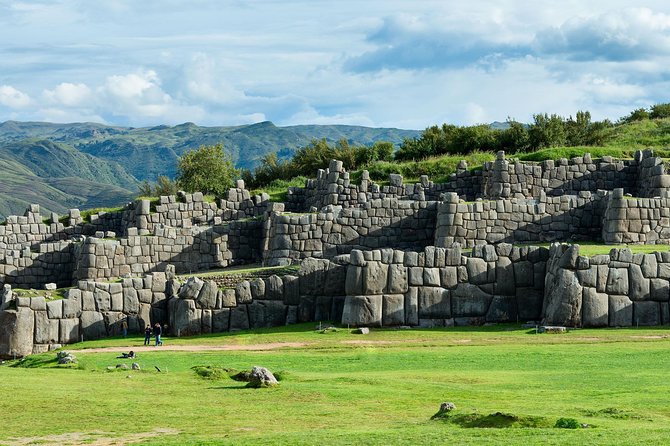
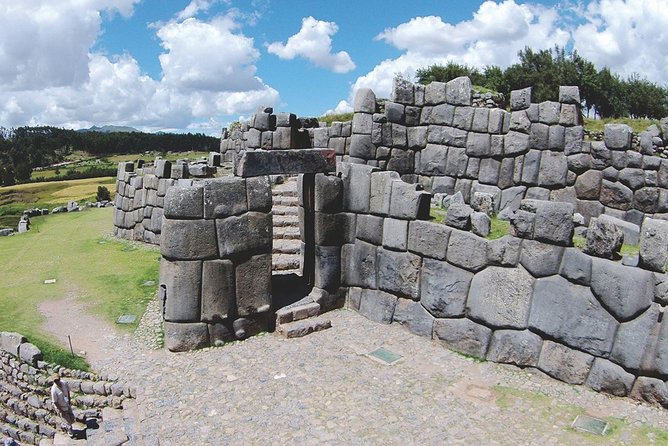
The massive stonework gives you an immediate sense of Inca construction skill and scale. The site is not just a single wall. It is a broad archaeological area with terraces and enormous fitted stones, and the open setting lets you see why it is one of Cusco’s defining sights.
The guide’s explanation adds value here. Without context, you may simply see large stones on a hillside. With a good bilingual guide, you can connect the site to the power of the Inca state and to Cusco’s role as its capital.
You should expect walking and some climbing. The altitude can make even a short uphill stretch feel harder than it looks. Move at your own pace, drink water, and keep your attention on footing rather than trying to keep up with the group.
Sacsayhuaman is included in the partial archaeological ticket, which costs 70 soles for foreign visitors according to the information supplied. If you plan to visit the Sacred Valley on another day, the general ticket at 130 soles may be the better buy. Check the current ticket rules when booking because admission details can change.
A few more Cusco days worth weighing up
- City Tour in Cusco & visit Museum South American Camelid Private.
★ 5.0 · 147 reviews
Q’enqo: a shorter stop with a different feel
Q’enqo receives about 30 minutes. Compared with Sacsayhuaman, it is smaller and more enclosed, so the guide’s interpretation matters even more.
The site gives you another view of Inca ceremonial life and stonework. You will have enough time to walk through the main area, hear the explanation, and take photographs, but this is not a place for an extended independent visit.
The half-hour stop also helps keep the whole route moving. Four archaeological sites in one afternoon can feel repetitive if you expect a long visit at each one. Here, the short schedule gives you variety instead: a huge fortified-looking complex at Sacsayhuaman, a more compact ceremonial site at Q’enqo, and different types of ruins to follow.
Puka Pukara and the high-road views
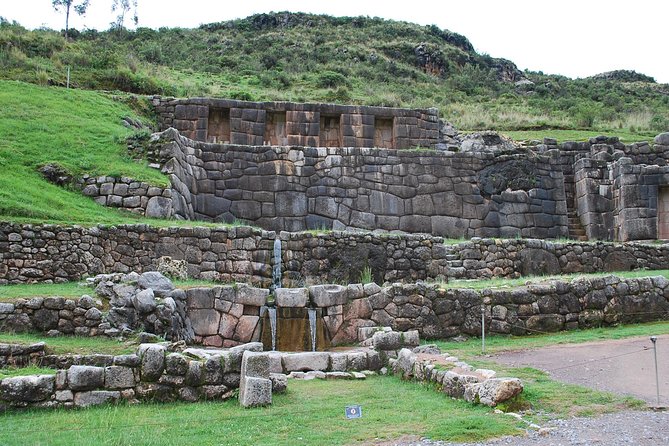
Puka Pukara lasts about 30 minutes. The site is positioned along the route beyond Cusco and is often understood in connection with movement through the surrounding area.
Your guide will provide the historical explanation, while the location gives you a change of setting from the city and from the enclosed spaces at Qorikancha and Q’enqo. The stop is brief, so listen first and save photographs for the end.
This is one of the moments when the vehicle makes sense. Reaching the outer ruins independently would require more planning and separate transport. With the group, you can see the site without spending your limited Cusco time working out directions and fares.
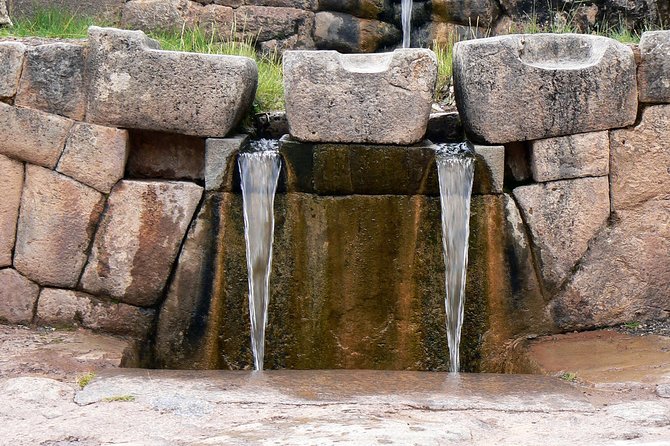
Tambomachay, the water temple
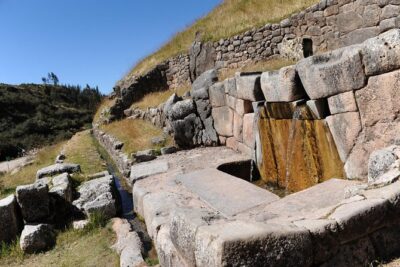
The final archaeological stop is Tambomachay, visited for about 30 minutes. It is described as a water temple, making it a useful contrast to the stone terraces and ceremonial spaces earlier in the route.
The site’s focus on water adds another piece to your understanding of Inca society. The tour is not only about fortifications or royal power. It also touches on ritual, engineering, and the careful use of natural resources.
As with the other ruins, entry is not included. The walk may involve uneven ground and steps, and the high altitude still matters at the end of the route. You may be tired by this point, but the shorter stop keeps the schedule manageable.
What the bilingual guiding is really like
The guide is the heart of this experience. The tour is conducted in English and Spanish, not Portuguese, and the guide normally explains the sites in both languages.
Several named guides received especially warm praise. Edwin was credited with making the Inca and pre-Inca material easy to follow. Regina was praised for explaining each site in both languages, keeping a good pace, and answering questions. Pavel was noted for punctual timing and for making the route useful as an introduction to Cusco’s altitude. Luis, also called Lucho, was singled out for strong historical explanations.
That said, bilingual tours require patience. One poor experience involved a guide whose English was difficult to understand and who appeared to give more attention to the Spanish-speaking group. This is the biggest risk in booking a shared bilingual outing. If your English comprehension is limited or you want a long, detailed discussion at every stop, a private guide may suit you better.
The group limit is 15 people, which is small enough to keep the guide nearby without promising a private experience. Ask questions early, stay close during site explanations, and tell the guide if you need a point repeated.
Timing, transport, and physical effort
The experience lasts about four to five hours. One reported schedule ran from 9 a.m. to 2 p.m., including transportation, though your exact start time may be morning or afternoon.
The air-conditioned vehicle is a real benefit. This is not a flat city stroll. The route climbs away from the center and links sites that are too spread out for a comfortable half-day walk. The vehicle also protects you from wasting time arranging taxis between each ruin.
You still need to walk at every stop. The route includes archaeological ground, steps, and climbing, and one useful benefit is that it can help you judge how your body responds to Cusco’s altitude. Do not mistake a four-hour tour for an easy outing. The total walking is moderate, but altitude can make it feel demanding.
Most people can participate, according to the supplied activity information. No special accessibility details are given, so contact the provider if uneven ground, stairs, or altitude may affect you.
The South American Camelid Museum question
The experience is presented with a reference to a South American Camelid Museum, but the detailed schedule names only the Plaza de Armas, Qorikancha, Sacsayhuaman, Q’enqo, Puka Pukara, and Tambomachay.
No separate camelid museum stop or admission detail is specified in the information provided. If alpaca, llama, vicuña, or textile exhibits are a main reason you are considering this outing, confirm directly with Chullos Travel Peru before booking. Do not assume the museum is part of the four to five-hour route unless the operator confirms it.
Is $11.70 good value?
At $11.70 per person, the tour is priced as an inexpensive way to cover a lot of ground. The value comes from the transport and the guide. A half-day of separate taxis to four outer sites could cost more and would leave you without a single person tying the locations together.
The low price does not include entrance fees or meals. You should budget separately for the archaeological ticket, with the supplied information citing 70 soles for the partial ticket and 130 soles for a general ticket that can also cover the Sacred Valley. If your wider itinerary includes that valley, the more expensive ticket may make better sense.
The price is strongest for first-time visitors who want an overview. It is less attractive if you already know Cusco well, dislike group schedules, or want long visits at each site. You are paying for coverage, not depth.
Who should book this Cusco tour?
I would choose this tour for a first full day in Cusco, especially if I wanted an organized introduction before visiting Machu Picchu. The Inca background can make later archaeological sites easier to understand, and the route gives you a useful map of the city and its surroundings.
It also suits solo visitors, couples, families, and friends who want a simple half-day plan. The modest group size, included vehicle, and bilingual guide keep the logistics easy.
I would think twice if you need a fully English-only tour, have limited mobility, or prefer to linger at one site. The bilingual format has worked very well with some guides, but communication quality is not guaranteed. Confirm the museum stop as well, especially if it is central to your plans.
Free cancellation is available up to 24 hours before the start time for a full refund. Changes or cancellations made less than 24 hours before departure are not accepted for a refund, and the cut-off follows local Cusco time.
Should you book it?
Book this tour if you want a low-cost, organized introduction to Cusco’s Inca sites, with Sacsayhuaman as the main prize. The route is efficient, the vehicle saves effort, and strong guides such as Edwin, Regina, Pavel, and Luis can turn a quick visit into a useful history lesson.
Skip it if you want a private, slow-paced archaeological tour or if the South American Camelid Museum is essential and the operator cannot confirm it. For most first visits, though, this is a practical way to get your bearings, see the city’s major ruins, and decide which places deserve a longer return visit.
FAQ
How long does the Cusco tour last?
The tour lasts approximately four to five hours.
Where does the tour begin?
It begins at Del Medio 123 near the Plaza de Armas in Cusco, Peru.
Where does the tour end?
The activity ends back at the same meeting point.
Is transportation included?
Yes. An air-conditioned vehicle is included for the route between Cusco and the archaeological sites.
Is a guide included?
Yes. A professional bilingual guide in English and Spanish is included.
Are entrance fees included?
No. Entrance tickets to the sites are not included in the tour price.
Are meals included?
No. Meals are not included.
Which sites are visited?
The route includes the Plaza de Armas, Qorikancha, Sacsayhuaman, Q’enqo, Puka Pukara, and Tambomachay.
Is the tour offered in Portuguese?
The tour is bilingual in English and Spanish. Portuguese guiding is not offered according to the supplied provider response.
How many people can join the tour?
The maximum group size is 15 people.
Can I cancel for a full refund?
Yes. You can cancel at least 24 hours before the experience starts for a full refund. Changes or cancellations made less than 24 hours before the start time are not accepted for a refund.
Just added around Cusco
- Zipline over the Sacred Valley Trip★ 5.0 · 11 reviews
- Valle Sur Cusco | half day★ 4.3 · 3 reviews
- Visit Pisac from Cusco: Private Transport★ 4.6 · 9 reviews
- Transfer from Cusco to Ollantaytambo★ 5.0 · 30 reviews
- Exclusive Huayna Picchu Tour in 1 Day from Cusco★ 5.0 · 31 reviews
- Trek to Humantay Lake from Cusco★ 4.9 · 8 reviews
- Private Tour Sacred Valley, Chinchero, Maras Moray, Ollantaytambo★ 5.0 · 29 reviews
- 5 Day – Salkantay trek to Machu Picchu – Group Service★ 4.5 · 27 reviews
Cusco City Tours & Inca Ruins, compared.
Half-Day City Tour with Sacsayhuaman and Q’enco
Read our review →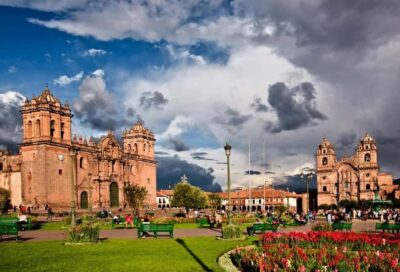
City Tour Cusco Qoricancha Sacsayhuaman y Tambomachay
Read our review →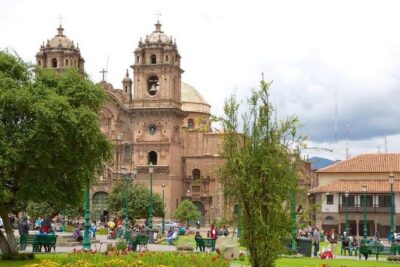
City Tour | Half-Day Tour to 4 Archaeological Sites
Read our review →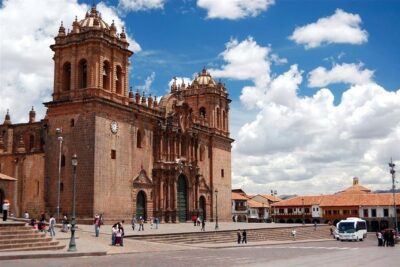
City Tour in Cusco & visit Museum South American Camelid Private.
Read our review →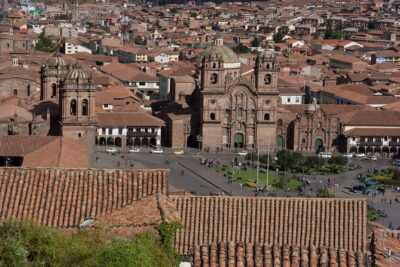
Cusco City Sightseeing, San Pedro Market, Cathedral and Qorikancha Temple
Read our review →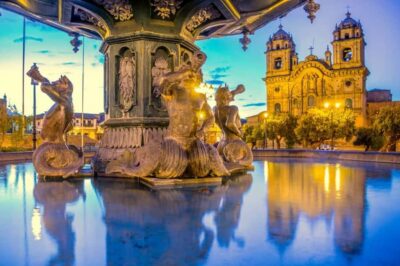
Cusco City Sightseeing and Sacsayhuaman Archeological Park Tour
Read our review →Browse the lists this tour appears in