
Reviewed · CUSCO CITY TOURS & INCA RUINS
City Tour in Cusco
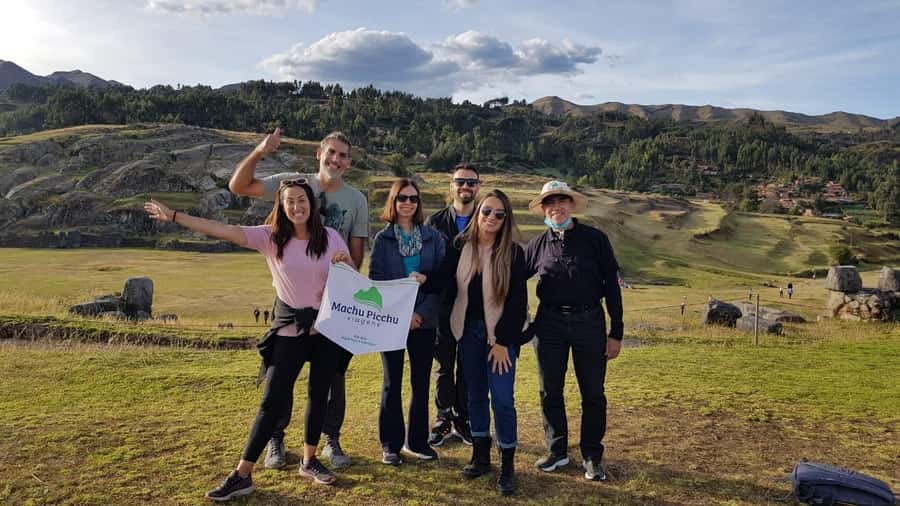
Cusco’s greatest sights are packed into a small area, but they tell very different stories. This four-hour tour links an Inca sun temple, a Spanish cathedral, huge stone walls, ceremonial sites, mountain views, and old water channels in one well-organized route.
I like the mix of Qorikancha and the Cathedral, which shows how Inca and colonial Cusco were built on top of each other. I also like that the tour reaches the hilltop sites outside town, including Sacsayhuaman and Tambomachay, without asking you to arrange separate transport.
The main caution is communication. One booking was made for Portuguese but the tour was not conducted in that language, and the pickup instructions were unclear. Confirm both your language and hotel meeting point before the day begins.
Key things to know before booking
- Qorikancha reveals Cusco’s layered past: See the Inca Temple of the Sun and the Catholic church built over its foundations.
- Sacsayhuaman is the visual showstopper: Massive fitted stones make this the most impressive outdoor stop.
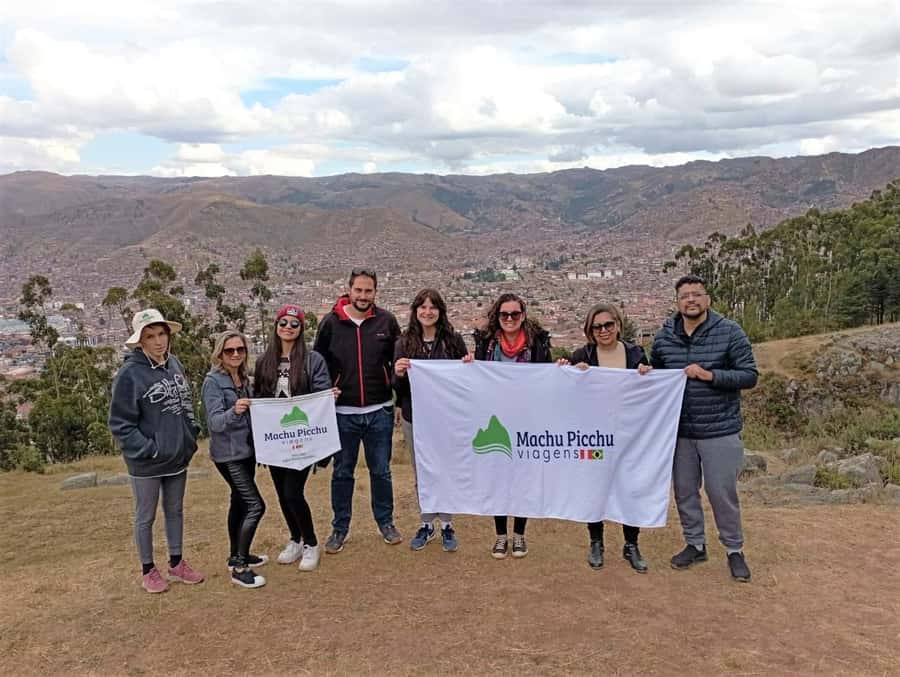
- The route climbs above the city: Puca Pucara gives you a useful view of Cusco from the surrounding mountains.
- Tambomachay still carries water: Its channels and three fountains show the care the Incas gave to water management.
- The $20 price covers transport and a guide: You still pay separately for admission tickets, food, and drinks.
- Language needs checking: English, Spanish, and Portuguese are offered, with one bus assigned to each language.
What this four-hour Cusco tour is really like
This is a compact introduction to Cusco, not a slow museum visit. You move from the city center to four important archaeological sites, with a certified guide explaining the religious, political, and practical meaning of what you see.
That pace works well if you have only a short stay in Cusco or want a first look before planning longer visits. It also saves you from arranging taxis to the hilltop ruins. The tradeoff is simple: four hours gives you breadth, not much time for lingering.
Transportation is provided in an air-conditioned vehicle, with pickup and return to most Cusco hotels. At the end, you can be dropped at your accommodation or at the Plaza de Armas, which is handy if you want to continue exploring on foot.
A complimentary bottle of water is included. Meals and drinks are not, so do not expect a food stop to be part of the route.
More City and Ruins Half-Days in Cusco:
- Cusco: Half-Day City Tour with Sacsayhuaman and Q’enco
★ 4.6 · 1,129 reviews - City Tour Cusco Qoricancha Sacsayhuaman y Tambomachay
★ 4.7 · 617 reviews - Open Bus Cusco City Tour
★ 4.5 · 219 reviews
Qorikancha: where Inca worship meets colonial Cusco
Qorikancha, also known as the Temple of the Sun, is one of the most important stops because it makes Cusco’s layered architecture easy to understand. This was the main worship center of the Inca world, and its foundations now support a Catholic church.
The contrast is the point. You can look at the church as a colonial building, then focus on the Inca masonry below it. The site helps explain how Spanish colonial Cusco was created over the former imperial capital rather than built apart from it.
I would pay close attention to the stonework and the way the building’s earlier purpose is presented. This is not just a stop for taking photographs. It gives you the basic story you need for the rest of the tour: Inca religious spaces were reused, covered, and placed within a new Spanish order.
Because admission is not included in the $20 tour price, check the current ticket arrangements before setting out. The supplied details do not state the admission fee or whether the guide handles ticket purchases, so you should be ready to pay separately.
The Cathedral of Cusco and the city’s colonial center
The Cathedral brings a different style and a different era. Its colonial baroque design sits on the foundations of a former Inca palace, making it another clear example of Cusco’s layered past.
The historic center is where the tour connects architecture with daily city life. You move through the heart of Cusco, seeing old Inca design alongside Spanish buildings. That mixture is one of the city’s defining features, and a guide can help you notice details you might otherwise pass without a second look.
I like the pairing of the Cathedral with Qorikancha. The two stops prevent the tour from presenting Cusco as only an archaeological destination. You get both the imperial Inca capital and the colonial city that followed it.
The cathedral visit may feel more formal than the outdoor ruins. If religious or historic interiors matter to you, this part adds welcome variety. If you prefer open-air sites, it may be less memorable than Sacsayhuaman, but it provides important context for understanding Cusco’s center.
Sacsayhuaman: huge stones above the city
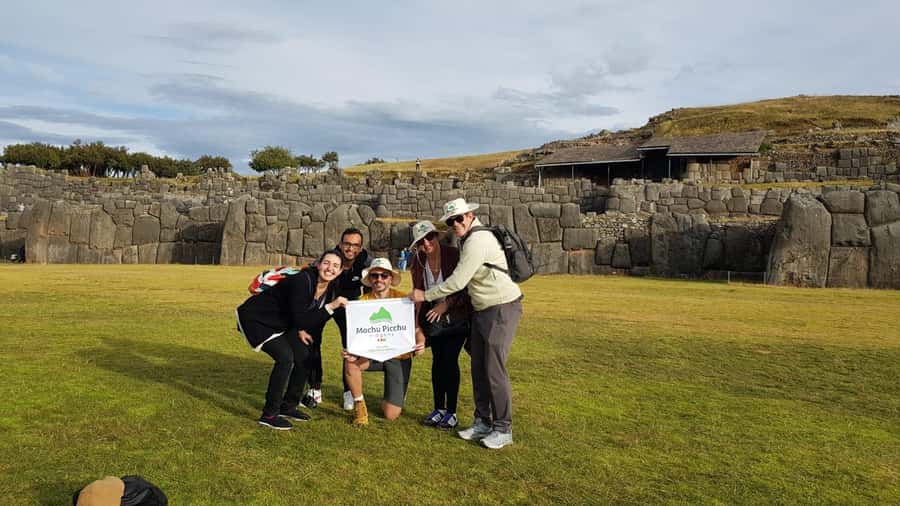
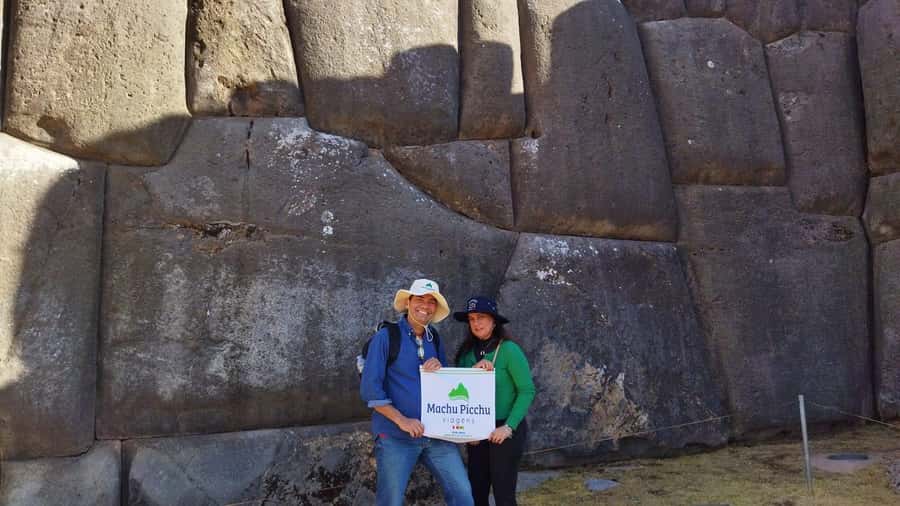
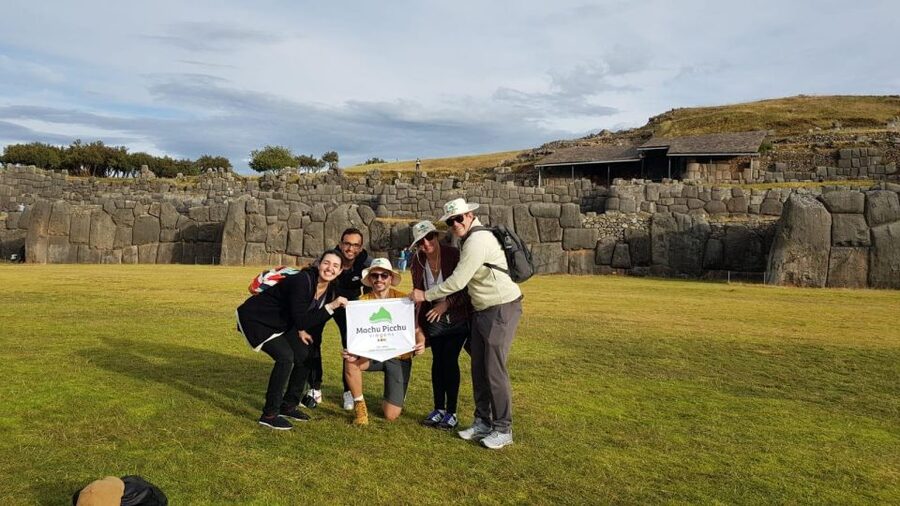
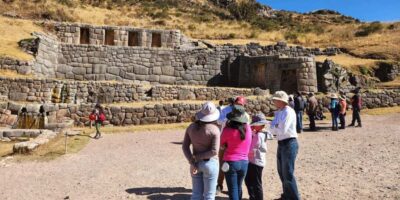
Sacsayhuaman is likely to be the most dramatic stop on the route. This ceremonial fortress is made from enormous stones fitted together with remarkable precision. The scale is hard to grasp from photographs, especially when you are close to the walls.
The site also changes how you see Cusco. From above, the city’s position among the surrounding mountains becomes clearer, and you get a stronger sense of why this area mattered to the Inca state.
Your guide will frame Sacsayhuaman as both a ceremonial place and an example of Inca building skill. The tour description calls it a megalithic structure, and that is exactly the right expectation: this is a large outdoor site where the stonework is the main event.
Bring practical footwear. The tour is only four hours, but the archaeological sites are outdoors and involve moving around uneven areas. The supplied information confirms wheelchair accessibility for the activity, though it does not explain the exact route or surfaces at each individual site. If you use a wheelchair, ask the operator how access works at Sacsayhuaman and the other ruins before booking.
A few more Cusco days worth weighing up
- Cusco: City Tour | Half-Day Tour to 4 Archaeological Sites
★ 4.6 · 206 reviews - City Tour in Cusco & visit Museum South American Camelid Private.
★ 5.0 · 147 reviews - Cusco City Sightseeing, San Pedro Market, Cathedral and Qorikancha Temple
★ 4.5 · 139 reviews - Cusco: Half-Day City Tour
★ 4.2 · 129 reviews
Qenqo: a darker ceremonial stop
Qenqo has a more mysterious mood than Sacsayhuaman. It was a ceremonial center where important rituals and sacrifices are believed to have taken place. The site is often remembered less for its scale than for the questions it raises.
This is where a guide matters most. Stones, channels, and carved areas can be difficult to interpret without some explanation. The tour’s focus on Inca ceremony gives you a reason to look beyond the surface and consider how the site may have functioned.
Qenqo may not impress you in the same immediate way as the giant walls at Sacsayhuaman. That is not a flaw, but it does mean you should arrive ready to listen and observe rather than expect a grand ruin. Its value comes from the connection to ritual life and the less obvious details.
Puca Pucara and the view from the mountain road
Puca Pucara adds a high point to the outing. The site sits in the mountains above Cusco and offers a chance to look back toward the city and its surrounding ridges.
The tour description specifically highlights seeing Cusco from above here. That makes Puca Pucara useful as a viewing stop as well as an archaeological one. After visiting temples and ceremonial spaces, you get a wider sense of the setting that shaped the Inca capital.
This is also a good place to keep your expectations in check. The experience is not presented as a long hike or a full mountain excursion. You are visiting a highland site as part of a tightly timed route, so the stop is best understood as a short combination of ruins and views.
Weather can affect how much you see, but the supplied information does not provide a forecast or a seasonal schedule. Bring a layer that you can carry easily, since the tour moves between the city and higher sites.
Tambomachay and the Inca approach to water
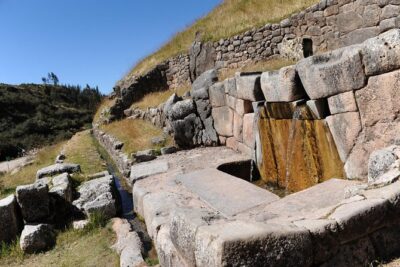
Tambomachay is the final archaeological highlight in the route, and it offers a welcome change from fortress walls and ritual spaces. The site is known for its hydraulic channels and three water fountains, which are still functioning.
I find this kind of stop especially valuable because it shows the practical side of Inca society. The tour is not only about temples, rulers, and ceremonies. Tambomachay lets you see how water was directed and used in a mountain setting.
The functioning fountains are the detail to watch for. They turn an abstract explanation of Inca engineering into something visible. You can see water moving through a system that has continued to operate for centuries, according to the tour information.
As with the other archaeological sites, admission is separate. The $20 price does not include entry tickets, so factor that into your total budget.
What the $20 price includes, and what it does not
At $20 per person, this tour offers a useful amount of transportation and guiding for a half-day. You receive a certified guide in English, Spanish, or Portuguese, round-trip transport to and from most Cusco hotels, an air-conditioned vehicle, and a bottle of water.
The value depends on what you would otherwise spend arranging the same route yourself. The four sites outside the center are spread across the hills, so transport is the main practical benefit. You also get a single narrative linking the places together instead of treating them as unrelated ruins.
The price does not include admission tickets, meals, drinks, or gratuity. That is important because the headline cost is not the full cost of the outing. Before you confirm, ask for the current entrance fees and bring money for any tickets that are required.
The tour is most useful for people who want a straightforward introduction. If you prefer to set your own pace, spend a long time at one site, or stop for meals along the way, a private arrangement may suit you better. The information provided does not state the group size, so you should ask if group size matters to you.
Guide language and pickup details matter
The guide service is offered in English, Spanish, and Portuguese, with one bus assigned to each language. That arrangement sounds clear, but you should still confirm your chosen language at booking and again before departure.
A Portuguese-speaking family had a serious problem when the tour was not conducted in the language they had requested. Their child could not follow the explanations, which defeated the educational purpose of the outing. The guide, Fernando, was described as helpful and polite, but a pleasant guide cannot make up for the wrong language on a history tour.
Pickup is another point to handle early. The same booking involved confusion over the meeting point, creating a last-minute scramble to avoid missing the tour. Ask for the exact pickup location, not just the hotel name, and keep the operator’s contact details available.
Most Cusco hotels are covered for round-trip pickup and return. If your accommodation is outside the usual area, confirm coverage before paying.
Who will get the most from this half-day route
You are a good match for this tour if you want to cover Cusco’s major sights in a short time, prefer included transport, and like having a certified guide explain the connections between Inca and colonial sites.
It also suits families and first-time visitors who want a broad introduction before deciding which places deserve a longer return visit. The mix of indoor and outdoor stops keeps the route varied, while the city center and mountain sites give you two different views of Cusco.
You may want another option if your main goal is detailed study. Four hours is enough to see the listed landmarks, but not enough for long, unhurried visits at every one. You should also reconsider if your preferred language is essential and the operator cannot confirm it in writing.
The activity is listed as wheelchair accessible. Since individual site conditions are not described, ask how the route works at the archaeological stops if you need specific access arrangements.
Booking advice for a smoother morning or afternoon
Check the starting time when you book, since the available times can vary. Make sure your hotel pickup is confirmed and that the language assigned to your bus matches your booking.
Wear comfortable shoes and bring water beyond the complimentary bottle if you like to drink regularly. The tour includes several outdoor archaeological sites, mountain views, and movement between locations, so practical clothing will serve you better than anything formal.
Keep your admission money separate from the tour price. Food and drinks are not included, and the tour ends either at your accommodation or at the Plaza de Armas. Choosing the plaza can work well if you want to continue exploring central Cusco after the tour.
Free cancellation is available up to 24 hours before departure for a full refund, and you can reserve now and pay later. Those terms help if your Cusco schedule is still changing.
Should you book this Cusco city tour?
Book it if you want a low-cost, four-hour overview that combines the city center with Sacsayhuaman, Qenqo, Puca Pucara, and Tambomachay. The strongest parts are the range of sights, the included transport, and the contrast between Qorikancha, the Cathedral, and the outdoor ruins.
Do not book without confirming the pickup point and guide language. Those details caused the biggest problems, and they matter more here than the modest price. If the operator confirms both clearly, this is a sensible first-day introduction to Cusco, especially for anyone who wants to see the main sites without arranging several rides independently.
FAQ
How long does the Cusco city tour last?
The tour lasts four hours.
What places are included?
The route includes Qorikancha, the Cathedral of Cusco, Sacsayhuaman, Qenqo, Puca Pucara, and Tambomachay. It also includes time in Cusco’s historic center.
What languages are available?
Guiding is available in English, Spanish, and Portuguese. One bus is assigned to each language, so confirm your selected language before departure.
Is transportation included?
Yes. Round-trip transportation is provided to and from most Cusco hotels in an air-conditioned vehicle.
Are admission tickets and meals included?
No. Admission tickets, meals, and drinks are not included. A complimentary bottle of water is provided.
Can I cancel the booking?
Yes. You can cancel up to 24 hours in advance for a full refund. You can also reserve now and pay later.
Just added around Cusco
- Zipline over the Sacred Valley Trip★ 5.0 · 11 reviews
- Valle Sur Cusco | half day★ 4.3 · 3 reviews
- Visit Pisac from Cusco: Private Transport★ 4.6 · 9 reviews
- Transfer from Cusco to Ollantaytambo★ 5.0 · 30 reviews
- Exclusive Huayna Picchu Tour in 1 Day from Cusco★ 5.0 · 31 reviews
- Trek to Humantay Lake from Cusco★ 4.9 · 8 reviews
- Private Tour Sacred Valley, Chinchero, Maras Moray, Ollantaytambo★ 5.0 · 29 reviews
- 5 Day – Salkantay trek to Machu Picchu – Group Service★ 4.5 · 27 reviews
Cusco City Tours & Inca Ruins, compared.
Half-Day City Tour with Sacsayhuaman and Q’enco
Read our review →
City Tour Cusco Qoricancha Sacsayhuaman y Tambomachay
Read our review →
City Tour | Half-Day Tour to 4 Archaeological Sites
Read our review →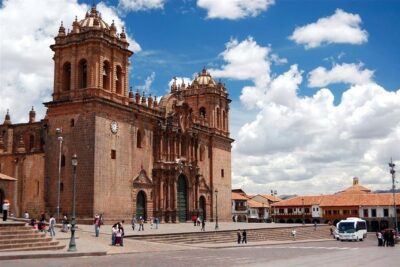
City Tour in Cusco & visit Museum South American Camelid Private.
Read our review →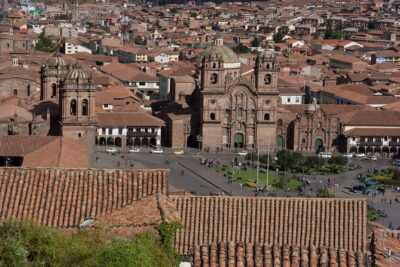
Cusco City Sightseeing, San Pedro Market, Cathedral and Qorikancha Temple
Read our review →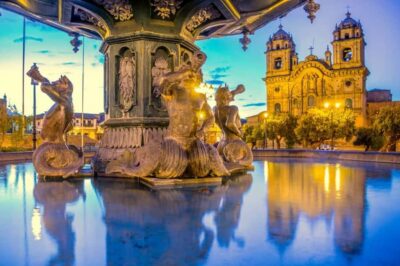
Cusco City Sightseeing and Sacsayhuaman Archeological Park Tour
Read our review →Browse the lists this tour appears in