
Reviewed · CUSCO CITY TOURS & INCA RUINS
Cusco: Half-Day City and Nearby Archaeological Sites Tour
Cusco’s Inca story comes into sharp focus on this five-hour route, which links the city’s most important colonial and archaeological sites. You begin at Coricancha, the former Temple of the Sun, then climb to the giant stone walls of Sacsayhuaman before visiting Qenqo and Puka Pucara.
I like the efficient mix of city sights and hilltop ruins, and I like that hotel pickup, a professional guide, Coricancha, and the Cathedral are included in the $49 price. The main catch is the Cusco Tourist Ticket, or BTC, which you must buy separately to enter the four archaeological sites.
Past guides have included Fred, praised for his patient help, and Jose, who earned high marks for making the day run smoothly. Still, check your pickup details carefully, since service is limited to hotels in the Historic Center and does not include private residences.
Key points to know before booking
- Five hours covers both Cusco and the hills above town, making this a useful first outing after arrival.
- Coricancha reveals the collision of Inca and Spanish power, with the Santo Domingo Convent built over the former temple.
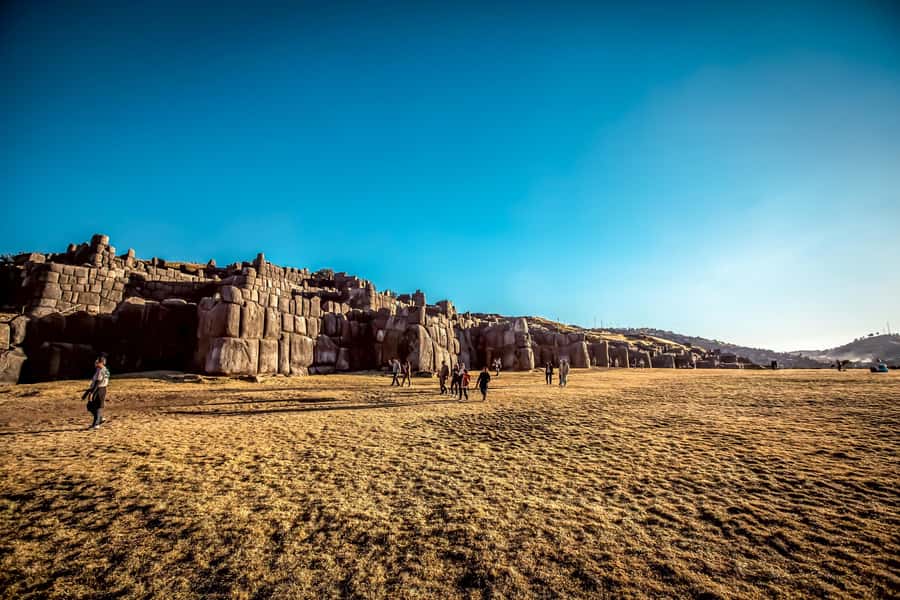
- Sacsayhuaman is the visual star, with enormous fitted stones and broad views over Cusco.
- The $49 fee includes two central admissions, but the BTC required for the archaeological sites costs extra.
- Hotel pickup and drop-off are included in the Historic Center, but Airbnb pickups need a separate meeting point.
- The tour is offered in four languages, Spanish, English, Portuguese, and French.
Why this five-hour route works well in Cusco
Cusco can feel like two cities stacked on top of each other. Colonial churches and paved plazas occupy the center, while Inca walls, shrines, and military sites rise on the hills around it. This tour gives you both sides in one morning or afternoon.
That makes it a useful introduction if you have just arrived and want a clear sense of the city’s layout. You do not spend the entire day at one ruin, but you see enough major sites to understand how Cusco functioned as the center of the Inca Empire and how Spanish builders later claimed that same space.
The route lasts five hours, including the pickup service and movement between stops. Since no group size or exact vehicle details are provided, you should not book it expecting a private tour or a small custom outing. Think of it as a structured orientation with a guide handling the route.
The $49 price is reasonable for what is included. You get roundtrip pickup from an eligible hotel, a professional guide, and admission to Coricancha and Cusco Cathedral. The price does not cover meals, drinks, photographs, personal purchases, gratuity, or the BTC needed for the four archaeological sites.
That ticket requirement is the key cost detail. If your goal is to enter Sacsayhuaman, Qenqo, Puka Pucara, and the other archaeological sites covered by the local system, arrange the BTC before or during the tour process. Without it, you may be able to see the sites from outside but not enter them.
More City and Ruins Half-Days in Cusco:
- Cusco: Half-Day City Tour with Sacsayhuaman and Q’enco
★ 4.6 · 1,129 reviews - City Tour Cusco Qoricancha Sacsayhuaman y Tambomachay
★ 4.7 · 617 reviews - Open Bus Cusco City Tour
★ 4.5 · 219 reviews
Coricancha, where Inca gold met Spanish stone
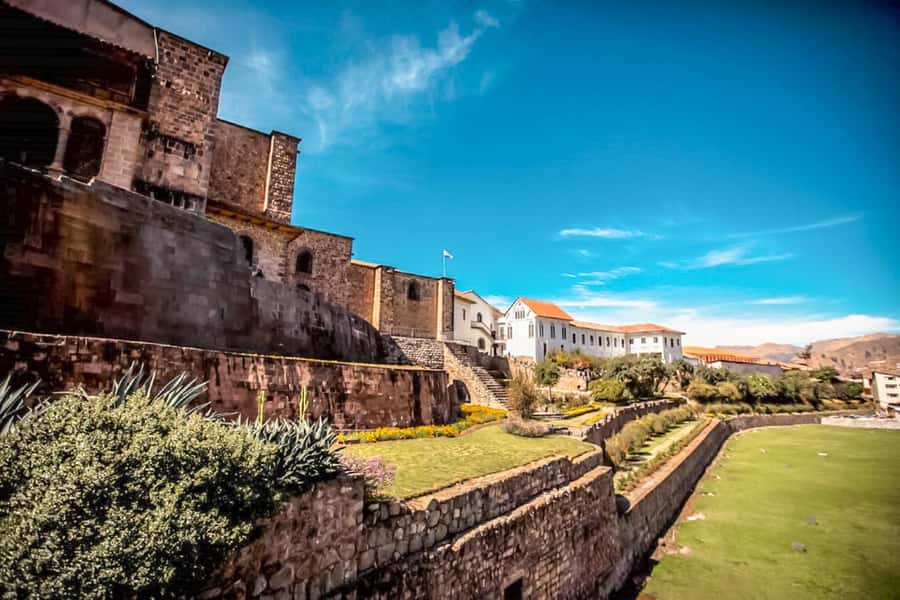
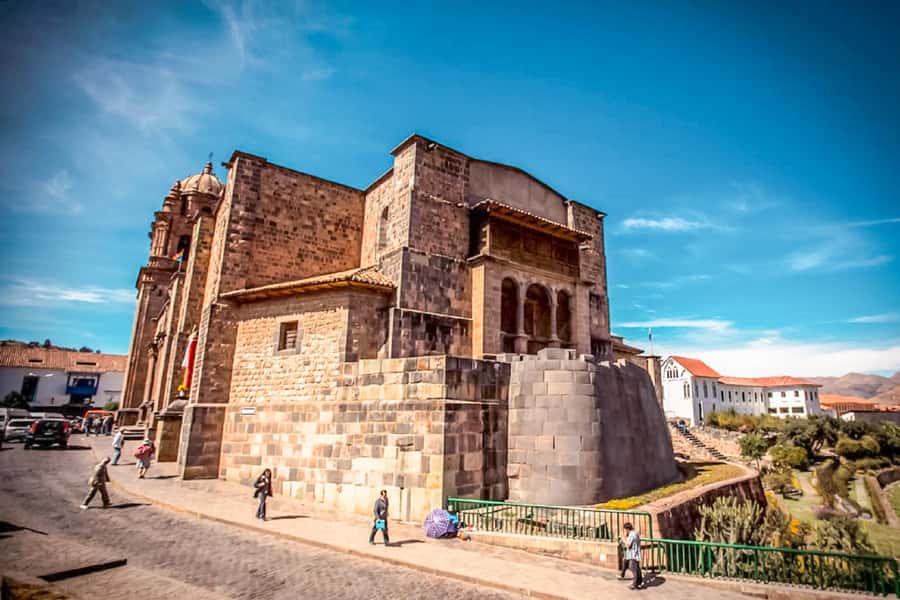
The tour begins at Coricancha, also called the Temple of the Sun. It was built by the Inca ruler Pachacutec, the leader closely linked with the grand rebuilding of Cusco in the fifteenth century.
Coricancha matters because it shows the old Inca center beneath the later Spanish structure. After the Spanish conquest, the Santo Domingo Convent was built on the site. You can still see how Inca masonry forms the foundation and lower structure, while colonial architecture occupies the space above.
This is not simply another church visit. The site helps you understand the way Spanish power was displayed in Cusco. Building a convent on an important Inca religious complex was both practical and symbolic. Your guide can connect the surviving walls with the role Coricancha once played in worship and imperial ceremony.
The included admission is a real benefit here. Coricancha is one of the two paid city sights covered by the tour, so you do not need to add a separate entrance fee for this stop.
Allow yourself time to look closely at the stonework. Inca walls are not plain piles of rocks. The stones were cut and fitted with great care, often without visible mortar. The contrast between that work and the later convent gives you a quick lesson in the different building traditions that shaped Cusco.
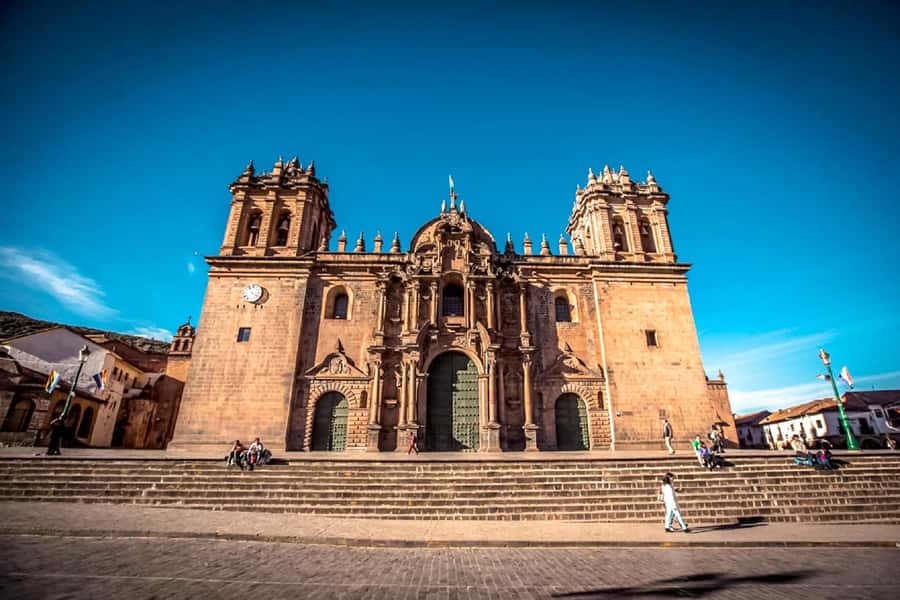
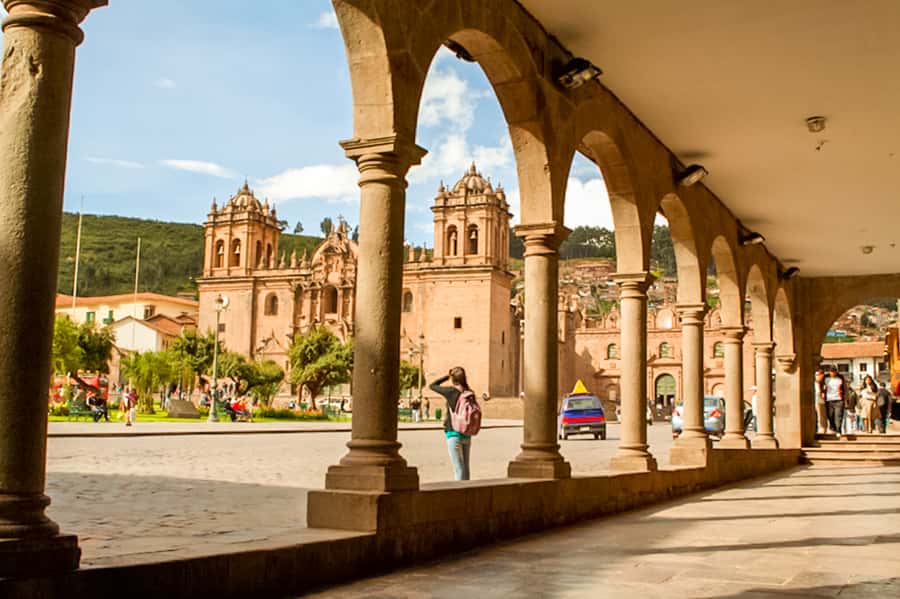
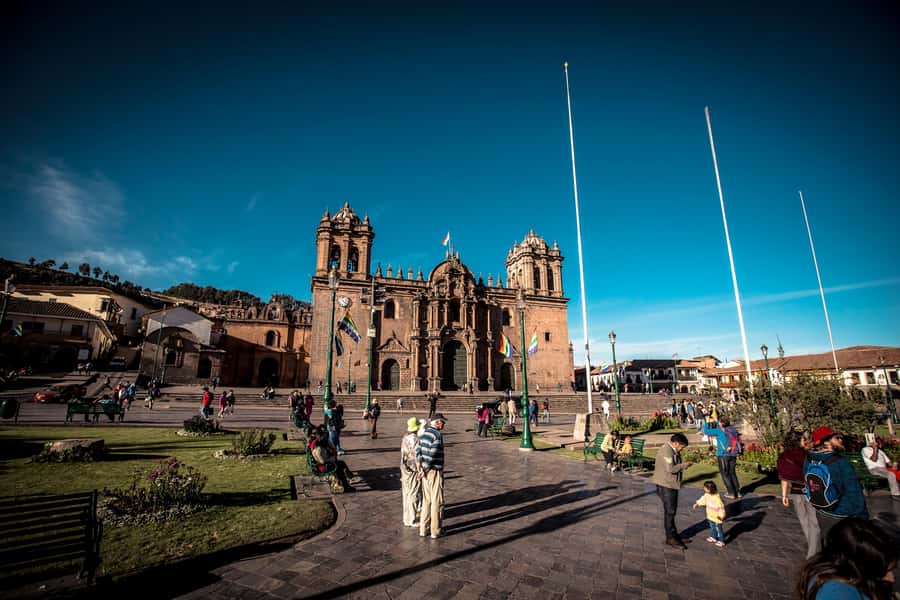
Cusco Cathedral and the Main Square
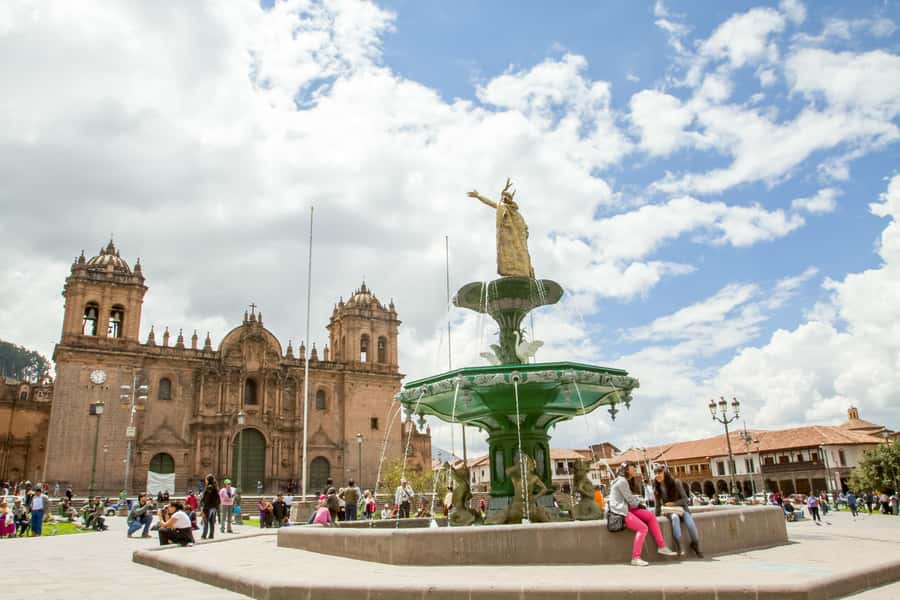
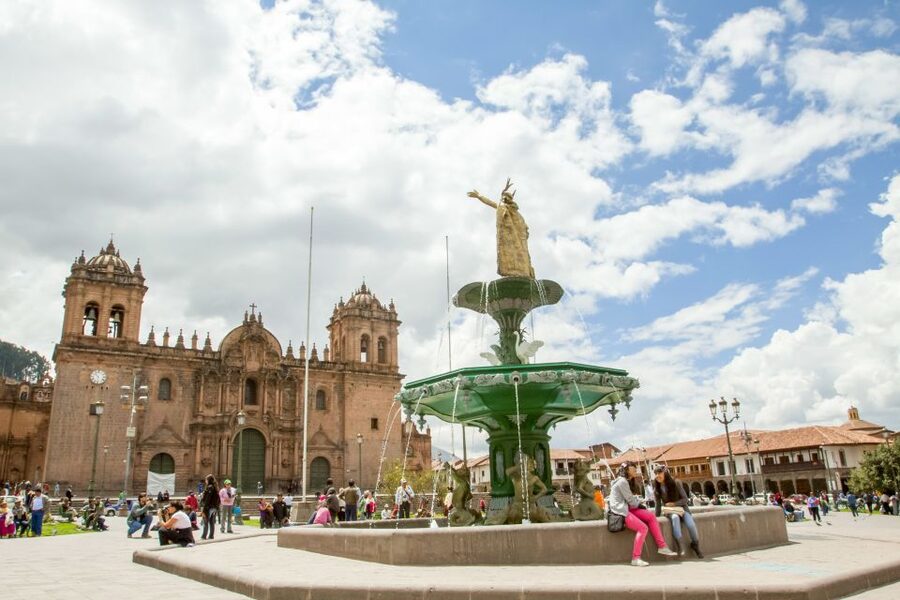
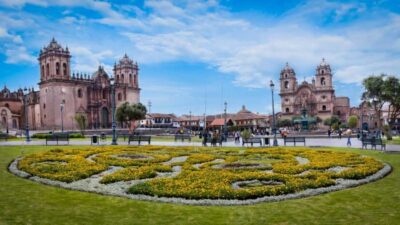
From Coricancha, the tour continues to Cusco Cathedral, the major monument on the Main Square. The cathedral brings you into the Spanish colonial chapter of the city, and its location makes the change from Inca ceremonial center to colonial religious center easy to grasp.
The cathedral is included in the price, which helps the tour’s value. You are not paying only for transport to the ruins. Two of Cusco’s major central sights are part of the admission package.
This stop also breaks up the hill visits. You begin in the historic center, see the cathedral, and then head uphill to the larger archaeological sites. That order gives you a practical sense of how the city spreads from the central plaza toward the surrounding heights.
The description does not specify how long you spend inside the cathedral, so keep your expectations measured. This is one section of a five-hour program, not an extended art-history visit. If you want a slow look at every chapel and collection, you may need to return on your own.
Sacsayhuaman and the giant stones above Cusco
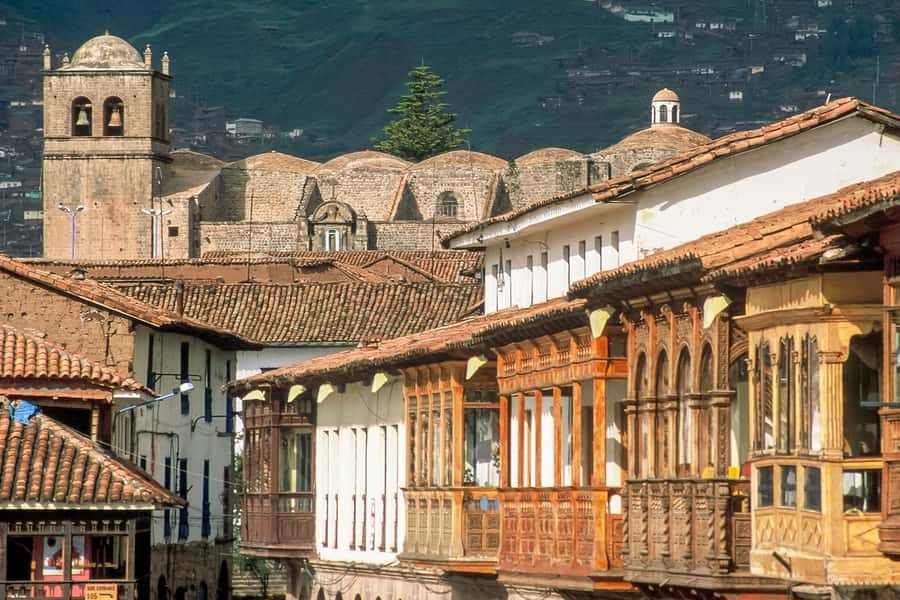
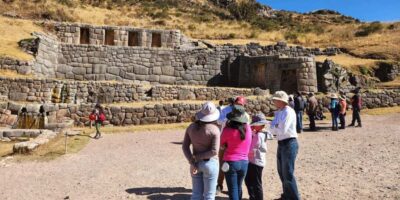
Sacsayhuaman is the tour’s biggest visual payoff. The site is described as a huge fortress built under Pachacutec in the fifteenth century, with massive stones whose transport remains a puzzle.
The scale is what makes the visit memorable. From the center of Cusco, the ruins look imposing even before you reach them. Once you are among the walls, the size and careful fitting of the stones become easier to appreciate.
The site is also tied to Inti Raymi, the Festival of the Sun, which is recreated here each June 24. That annual ceremony gives Sacsayhuaman a living connection to the Inca practice of honoring the sun, rather than leaving the ruins as a silent pile of masonry.
Your guide’s explanation is particularly useful at Sacsayhuaman because the site can be hard to read on your own. Large walls, open areas, and broken structures do not automatically explain their original purpose. A guide can provide the historical frame and point out why the construction remains so impressive.
There is a practical issue here: Sacsayhuaman sits uphill from Cusco. The tour uses pickup and transport between locations, but you should still wear comfortable shoes and clothing. Sunscreen is also a smart choice, since the route includes open archaeological sites.
Sacsayhuaman requires the BTC rather than the separate admission included for Coricancha and the Cathedral. Factor that into your total budget before booking.
A few more Cusco days worth weighing up
- Cusco: City Tour | Half-Day Tour to 4 Archaeological Sites
★ 4.6 · 206 reviews - Cusco: Half-Day City Tour
★ 4.2 · 129 reviews - From Cusco: Moray, Maras Salt Mines & Chinchero Weavers Half-Day
★ 5.0 · 126 reviews - Cusco: Half-Day Horseback Riding at Devil’s Balcony
★ 4.9 · 89 reviews
Qenqo, a smaller site with a religious role
Qenqo follows Sacsayhuaman and is presented as a complex used mainly for religious purposes. It does not have the sheer scale of Sacsayhuaman, but that difference is part of its value.
Here, your attention shifts from giant defensive-looking walls to ceremonial space. The site adds another piece to the picture of Inca society, showing that the surrounding hills were not used only for military protection or grand public works.
Because Qenqo is one stop in a packed half-day route, your visit will likely be more focused than leisurely. Listen for the guide’s explanation of its religious function and look for the way the remains fit into the wider group of sites around Cusco.
Again, entry depends on the BTC. The tour price does not include that ticket, so do not confuse the included Coricancha and Cathedral admissions with access to the archaeological sites.
Puka Pucara, the Red Fortress
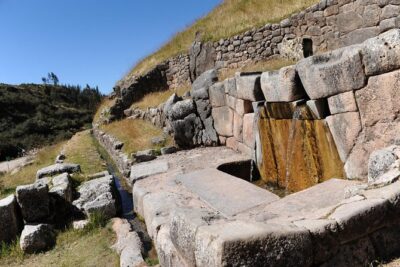
The final archaeological stop is Puka Pucara, whose name means Red Fortress. The site includes multiple spaces, plazas, baths, aqueducts, walls, and towers, and it is associated with possible military use.
Its exact role is described with some caution. It is believed that the Inca’s entourage used Puka Pucara while resting at Tambomachay. The word alleged matters here, since not every interpretation of an archaeological site is certain.
That uncertainty does not make the stop less useful. Puka Pucara helps you see how the Inca organized movement through the hills around Cusco. Its combination of walls, waterworks, open areas, and towers suggests a place that supported people on the road as well as protected important routes.
Tambomachay is mentioned as part of the site’s context, but it is not listed among the tour’s stops. Do not assume you will visit it unless the operator confirms a change to the route.
Puka Pucara also reinforces why the four-site ticket matters. The archaeological stops are the part of this tour most likely to interest you if you want more than central Cusco churches, but they are also the part that requires the extra BTC purchase.
Guides, languages, and the human side of the tour
The tour is offered with a live guide in English, Spanish, Portuguese, or French. That is helpful in Cusco, where the sites have layers of political, religious, and architectural meaning that can be difficult to sort out from a quick visit.
The guide names connected with past departures include Fred and Jose. Fred was described as attentive and willing to explain and help when needed. Jose was praised for making the experience especially effective. You are not guaranteed either guide, but those examples suggest the guide can make a major difference in how much you take away from the ruins.
One caution is worth noting. A past booking had confusion between the operator and guide over what was included, although the guide resolved the problem. I would confirm the included admissions and BTC requirement before the day begins. That simple check can prevent an awkward discussion at the entrance.
The quality of the commentary matters more here than on a simple sightseeing drive. Coricancha needs context, Sacsayhuaman needs scale explained, and Qenqo and Puka Pucara benefit from a clear explanation of their possible uses. If your guide gives you time to ask questions, use it.
Pickup rules and what to bring
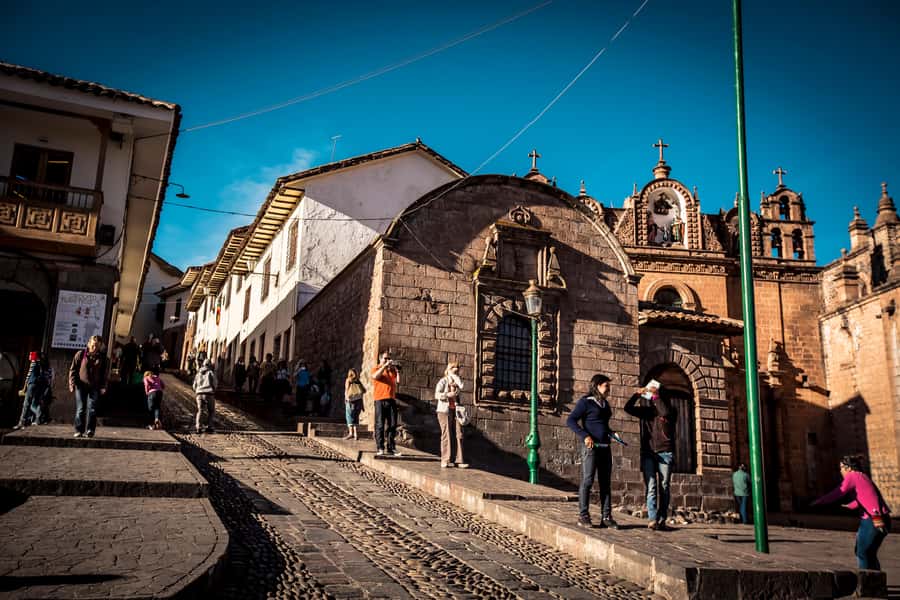
Roundtrip pickup is available from hotels in Cusco’s Historic Center. The service does not include pickup from private residences or Airbnb properties. If you are staying in an Airbnb, contact LimaTours a few days before the tour to arrange a meeting point.
That detail is easy to miss and important to handle early. A hotel pickup sounds simple, but it applies only to the stated hotel area. Do not wait until departure time to solve an address problem.
Bring comfortable shoes, sunscreen, and comfortable clothes. The tour moves between the city center and open archaeological areas, including an uphill site. You should also leave large bags and luggage behind, since these are not allowed.
Food and drinks are not included. The supplied information does not provide a meal stop, so eat beforehand or plan around the tour. Gratuity is also not included, and tips are optional according to your own judgment.
Children must be accompanied by an adult, and unaccompanied minors are not accepted. The tour is not wheelchair accessible, so it is not suitable for wheelchair users.
Who will get the most from this tour
I would choose this experience if you are visiting Cusco for the first time and want a broad introduction without committing to a full-day program. It gives you the central religious sites, the best-known nearby ruins, and a guide to connect them.
It also suits you if you have limited time. Five hours is long enough to see the major stops but short enough to leave part of the day open for lunch, rest, shopping, or another activity.
The tour is less suitable if you want a slow archaeological study. Four sites plus two city monuments create a full schedule, and the tour description does not promise long free periods at each stop. Independent visitors who prefer to set their own pace may want separate visits instead.
It is also not the right choice if you need step-free access or hotel pickup outside the Historic Center. Those are firm limits, not minor inconveniences.
Should you book the Cusco half-day tour?
Book it if you want a practical first look at Cusco, especially if you value having transport and a guide handle the route. The strongest parts are the pairing of Coricancha with Sacsayhuaman, the useful context at Qenqo and Puka Pucara, and the included admissions to the city’s two major sights.
Before paying, budget for the BTC and confirm the meeting point. If you are staying in an Airbnb, arrange pickup details in advance. With those points settled, the $49 cost offers a sensible introduction to Cusco’s Inca and colonial sides in one manageable half-day.
FAQ
How long does the Cusco city and archaeological sites tour last?
The tour lasts five hours.
What sites are included in the route?
The route includes Coricancha, Cusco Cathedral, Sacsayhuaman, Qenqo, and Puka Pucara.
Is hotel pickup included?
Yes. Roundtrip pickup is available from hotels located in Cusco’s Historic Center.
Can I be picked up from an Airbnb?
No. Private residences and Airbnb properties are not included in the pickup service. You must contact the local operator a few days before the tour to arrange a meeting point.
Is the Cusco Tourist Ticket included?
No. You must acquire the Cusco Tourist Ticket, or BTC, to visit the four archaeological sites.
Which admissions are included in the price?
Admission to Coricancha and Cusco Cathedral is included.
Which languages are available for the live guide?
The tour is available in Spanish, English, Portuguese, and French.
What should I bring?
Bring comfortable shoes, sunscreen, and comfortable clothing. Large bags and luggage are not allowed.
Just added around Cusco
- Zipline over the Sacred Valley Trip★ 5.0 · 11 reviews
- Visit Pisac from Cusco: Private Transport★ 4.6 · 9 reviews
- Valle Sur Cusco | half day★ 4.3 · 3 reviews
- Transfer from Cusco to Ollantaytambo★ 5.0 · 30 reviews
- Exclusive Huayna Picchu Tour in 1 Day from Cusco★ 5.0 · 31 reviews
- Trek to Humantay Lake from Cusco★ 4.9 · 8 reviews
- Private Tour Sacred Valley, Chinchero, Maras Moray, Ollantaytambo★ 5.0 · 29 reviews
- 5 Day – Salkantay trek to Machu Picchu – Group Service★ 4.5 · 27 reviews
Cusco City Tours & Inca Ruins, compared.
Half-Day City Tour with Sacsayhuaman and Q’enco
Read our review →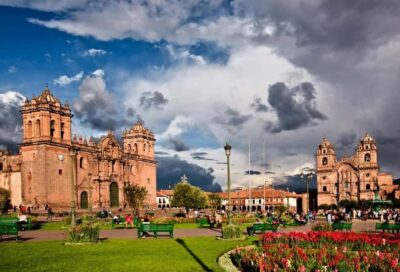
City Tour Cusco Qoricancha Sacsayhuaman y Tambomachay
Read our review →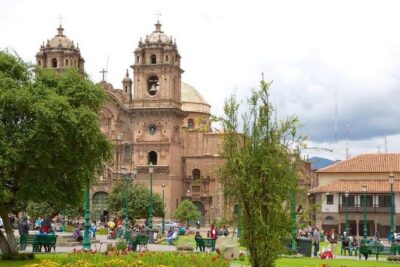
City Tour | Half-Day Tour to 4 Archaeological Sites
Read our review →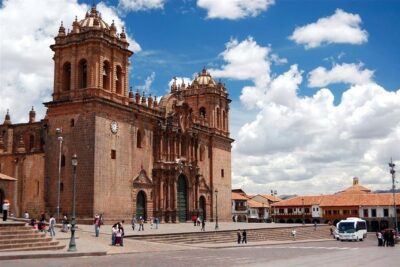
City Tour in Cusco & visit Museum South American Camelid Private.
Read our review →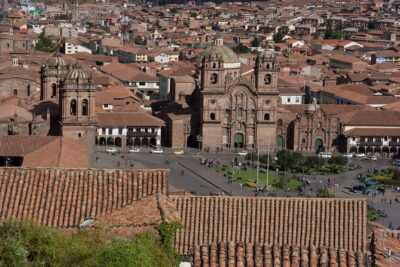
Cusco City Sightseeing, San Pedro Market, Cathedral and Qorikancha Temple
Read our review →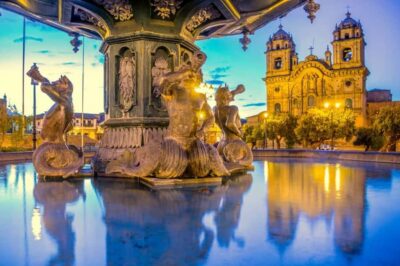
Cusco City Sightseeing and Sacsayhuaman Archeological Park Tour
Read our review →Browse the lists this tour appears in