
Reviewed · PISAC RUINS & MARKET TOURS
Cusco: Pisac, Sacsayhuaman, Q’enqo, and Tambomachay Tour
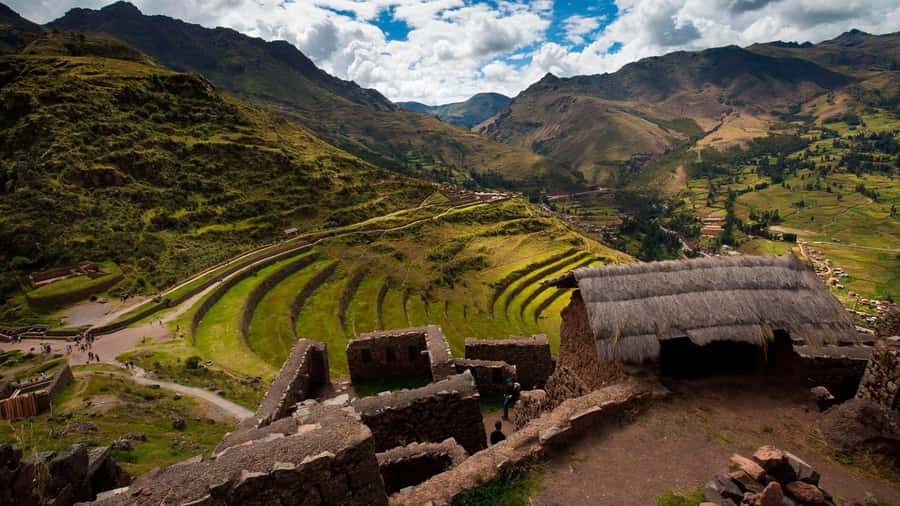
Pisac gives this six-hour Cusco outing its best sense of place. You move from artisan stalls and narrow streets to ancient terraces, then return toward the city for Sacsayhuaman, Q’enqo, Tambomachay, and Puka-Pukara. I like the mix of Sacred Valley scenery and major Inca sites, and I like having a private guide who can explain how the sites connect.
I also like the Taray Viewpoint stop, where the great spread of terraces becomes easy to understand from above. Guides Juan Carlos and Jessica have earned especially strong praise for clear, thoughtful explanations and kind service. The main caution is the pace: you cover a lot in six hours, and one report noted that the vehicle was a tight fit for four adults.
Key points at a glance
- Pisac combines a market visit with its archaeological park, so you get both present-day local life and Inca remains.
- Taray Viewpoint gives you the big picture, with broad views across the Sacred Valley and its many terraces.
- Sacsayhuaman, Q’enqo, Tambomachay, and Puka-Pukara sit close to Cusco and make a useful cluster of sites.
- Private transport and a private group give you more control than a large coach tour.
- Juan Carlos, a trained archaeologist, and Jessica have both received especially strong praise for their guiding and care.
- The price does not include entrance tickets, so foreign visitors should budget about $95.70 total, including the $77 tour and $18.70 admission.
Why this Pisac and Cusco ruins route works
This tour is built around contrast. In Pisac, you see a living town, craft stalls, and a market before stepping into an archaeological park. Near Cusco, the focus shifts to monumental stonework, ritual places, water worship, and Inca road defenses.
That combination makes the route useful if you have only one open morning or afternoon for sights outside central Cusco. You will not study every site at length, but you will get a clear introduction to the Sacred Valley and four important places around the city.
The tour lasts six hours and includes pickup and drop-off at your hotel in Cusco’s historic center. If your hotel is farther out, you will receive a separate meeting point after coordination. The group is private, with transport by car or minibus and a live guide in English or Spanish.
I would treat this as a full sightseeing half-day rather than a relaxed day in the countryside. The route covers several stops, and the value comes from seeing them efficiently with explanations along the way.
More Pisac Ruins and Market Runs from Cusco:
- Cusco: Sacred Valley, Pisac, Ollantaytambo, Salt Mines Moray
★ 4.6 · 1,058 reviews - Sacred Valley: Chinchero, Moray, Ollantaytambo & Pisac+Lunch
★ 4.8 · 501 reviews - Pisac Indian Market and Ollantaytambo Fortress with Lunch
★ 4.5 · 395 reviews
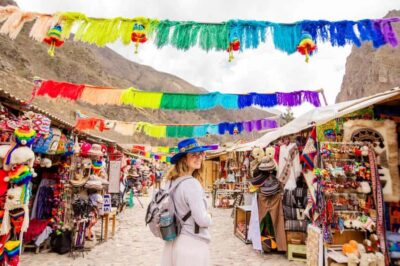
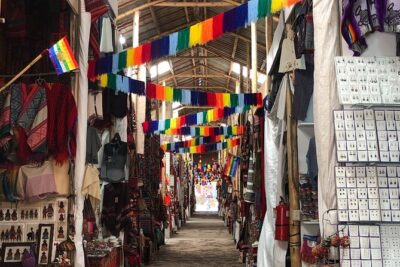
Pisac market and the town’s everyday face
Pisac is more than a quick shopping stop. The town’s picturesque streets and artisan stalls give you a look at the modern community before the tour turns toward the old Inca site.
The market is famous, so you can expect an active setting with local handicrafts and stalls. I like this part of the route because it gives the ancient terraces a human context. You are not looking at ruins in isolation. You first see a town that still serves as a local center in the Sacred Valley.
Keep your expectations practical. A guided market visit is not the same as a long, unhurried shopping session. The tour also needs time for the archaeological park and the Cusco sites, so you may need to make quick choices if something catches your eye.
The guide can help you understand the difference between the market area and the archaeological park. That matters, since Pisac’s fame comes from both its present-day craft culture and its Inca remains.
Pisac archaeological park and its terraces
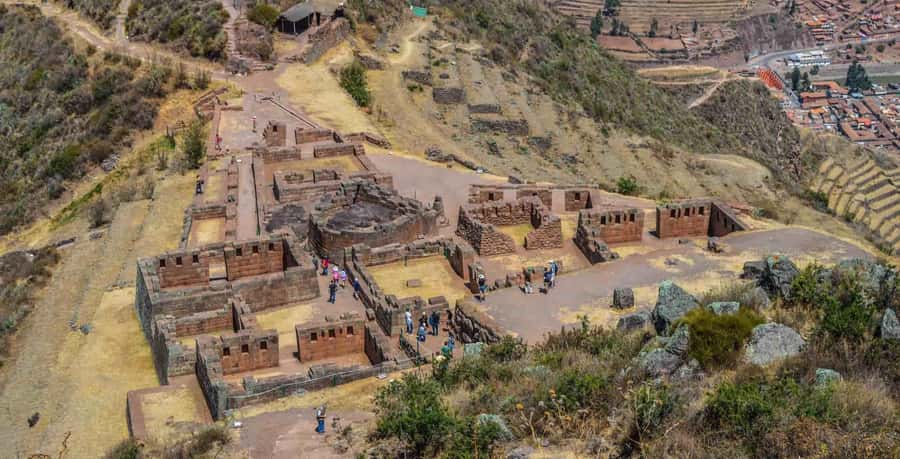
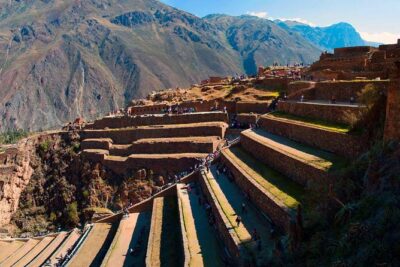
After the town and market, the tour continues to Pisac’s archaeological park. This is one of the key Inca sites in the Sacred Valley, and the terraces are central to what makes it memorable.
The terraces are not just pretty slopes. They show how the Incas shaped steep ground for farming and made practical use of difficult terrain. From the site, you can begin to see why the Sacred Valley was so important: it offered fertile ground, high mountain routes, and settlements linked by roads.
This is where a good guide makes a real difference. Juan Carlos, who is trained in archaeology, has been praised for explaining the sites in a clear, evidence-based way and for answering difficult questions. That sort of guide suits you if you want more than a list of dates and names.
The drawback is time. Pisac deserves a slower visit if you want to examine every terrace, wall, and view. On this route, you will get a strong overview, but the schedule then moves back toward Cusco.
Taray Viewpoint and the Sacred Valley from above
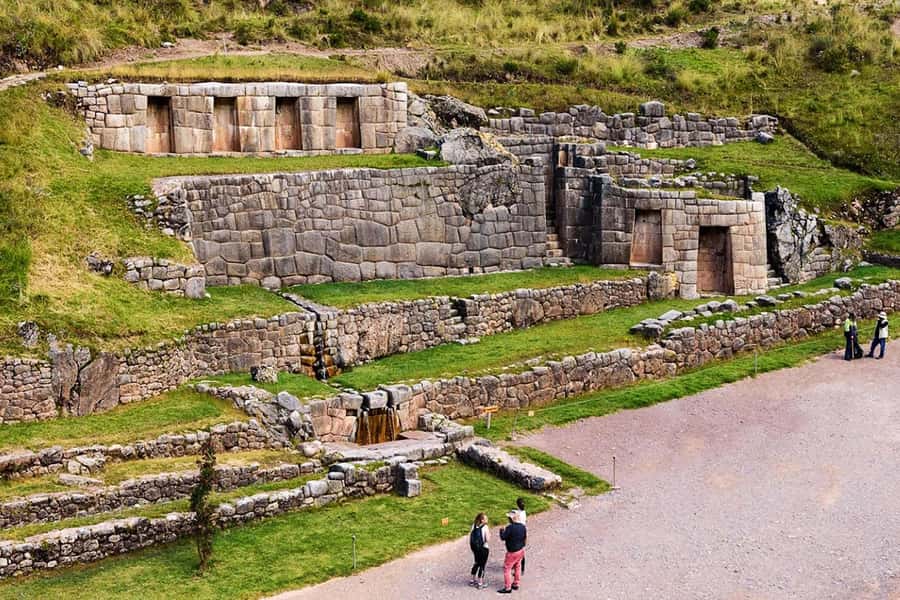
On the way back to Cusco, the tour stops at Taray Viewpoint. This is one of the most useful pauses on the route because it lets you see the scale of the Sacred Valley in one sweep.
From the viewpoint, the terraces become easier to read. Instead of seeing one wall or field at a time, you can notice how much of the valley was shaped for cultivation. Bring your camera, but give yourself a moment to look without the screen. The viewpoint is meant for the broad view.
Sun protection matters here. The supplied guidance recommends a hat, sunscreen, and water, and those items are sensible for every stop. Weather can change, so wear clothing that works for both sun and cooler conditions.
Taray is also a good place to ask your guide to connect Pisac with the broader Inca system. You can use the viewpoint to make sense of the valley’s terraces, settlements, and routes before returning to the more concentrated ruins around Cusco.
More City and Ruins Half-Days in Cusco:
- Cusco: Half-Day City Tour with Sacsayhuaman and Q’enco
★ 4.6 · 1,129 reviews - City Tour Cusco Qoricancha Sacsayhuaman y Tambomachay
★ 4.7 · 617 reviews - Open Bus Cusco City Tour
★ 4.5 · 219 reviews - Cusco: City Tour | Half-Day Tour to 4 Archaeological Sites
★ 4.6 · 206 reviews
Sacsayhuaman and the power of stone
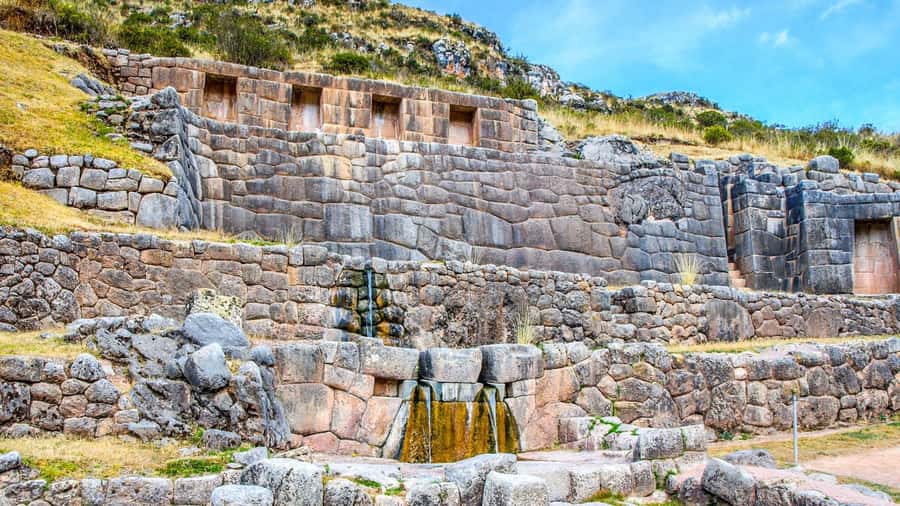
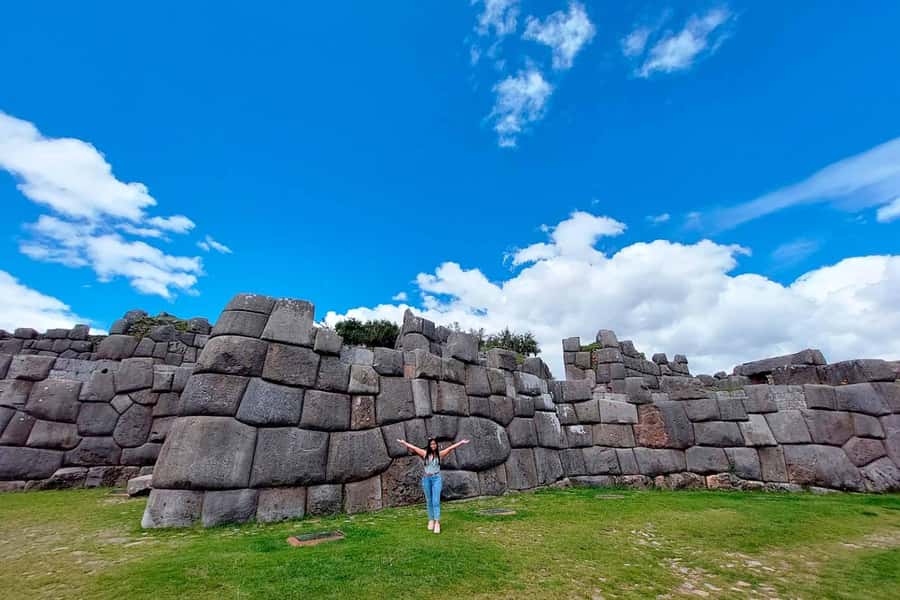
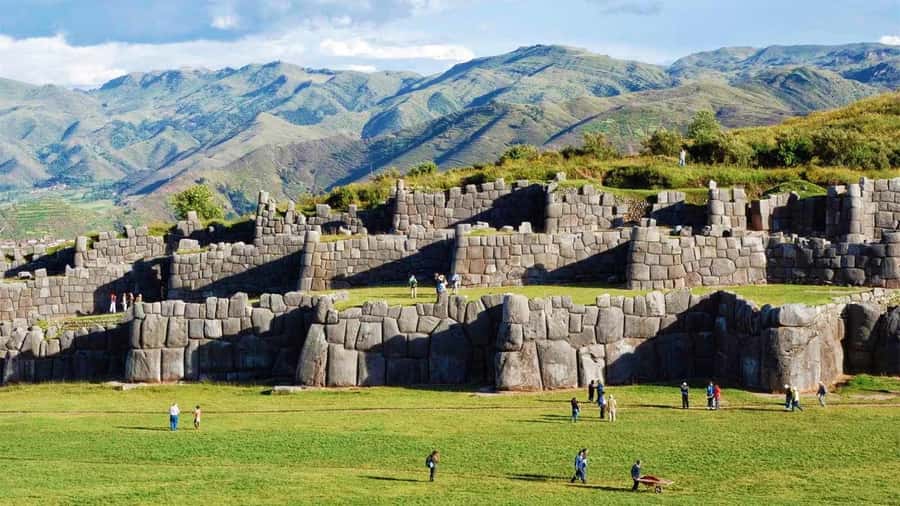
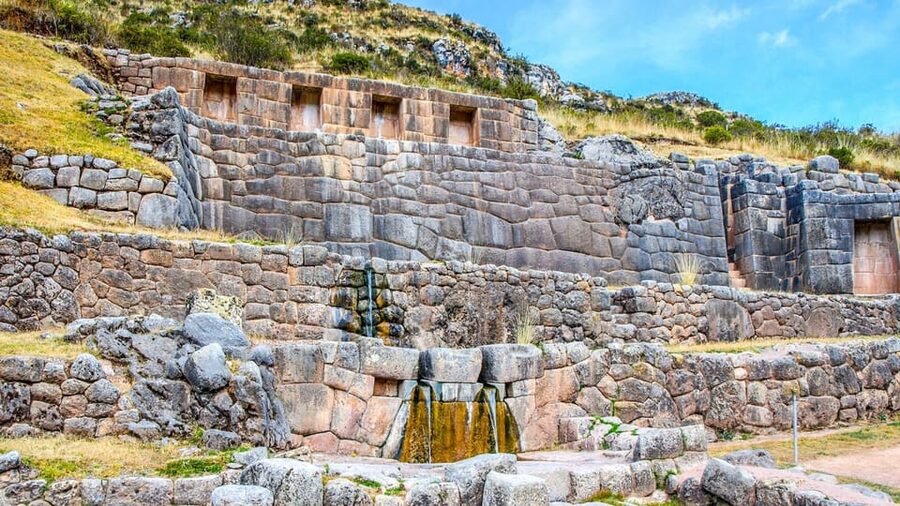
Sacsayhuaman is the most imposing stop near Cusco. The site is described as a ceremonial fort with massive stone monuments, and its scale gives you a strong sense of Inca engineering.
Your guide should help separate what can be observed from later stories about the site. The stonework, placement, and size are enough to make an impression without exaggerated claims. I would pay close attention to how the walls fit together and how the site relates to the hills above Cusco.
Sacsayhuaman can be demanding if you have back problems or find uneven walking difficult. The tour is not suitable for wheelchair users, and comfortable walking shoes are specifically recommended. Take the route at a steady pace and keep water with you.
A private group helps here. You can ask for a clearer explanation, pause briefly to take photographs, or spend more time on a feature that interests you, although the six-hour schedule still limits how long you can linger.
Q’enqo, a ritual site carved into the rock
Q’enqo offers a different kind of visit. Rather than the broad ceremonial scale of Sacsayhuaman, this is a ritual site associated with sacrifices. The stop adds a more intimate and mysterious element to the route.
Your guide can explain what is known about the site and help place its carved areas within Inca religious practice. This is a good moment to ask questions, since Q’enqo can be harder to understand from the remains alone.
I would not expect a long standalone visit. Q’enqo is one part of a tightly arranged circuit, and its value comes from the contrast with Sacsayhuaman and the water temple at Tambomachay. If you want every detail, you may feel the stop passes quickly. If you like seeing several types of site in one outing, the variety works well.
Tambomachay and the worship of water
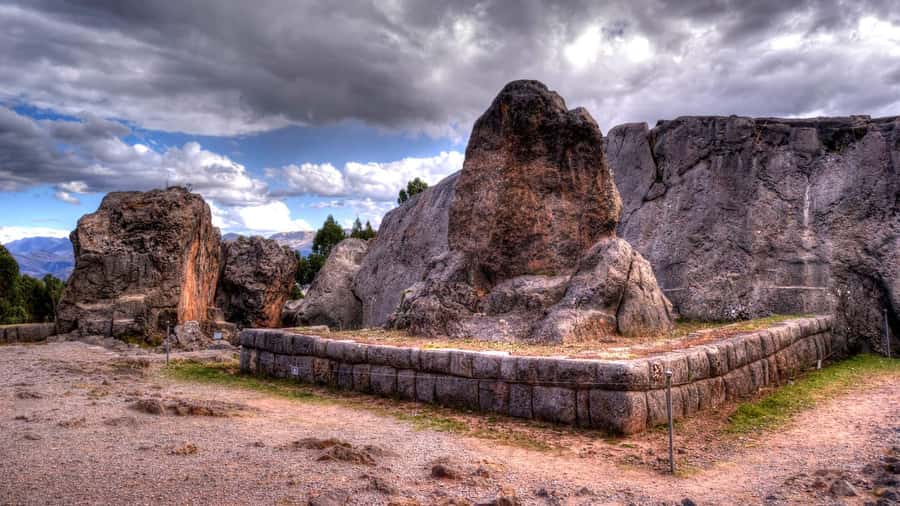
Tambomachay is presented as a temple dedicated to the worship of the Inca god of water. Its water features give the stop a different mood from the fortress-like walls at Sacsayhuaman and the ritual setting at Q’enqo.
This is a useful place to think about how water shaped life in the Andes. The site is not simply another set of old stones. Its purpose connects belief, engineering, and the importance of controlled water in a high-altitude environment.
You should wear shoes that feel secure for walking and be ready for changing weather. The tour data does not specify the amount of walking at each ruin, so it is best to plan for uneven ground rather than city sidewalks.
Tambomachay may be especially appealing if you prefer smaller sites with a clear function. Sacsayhuaman makes its impact through size. Tambomachay asks you to look more closely at water and design.
Puka-Pukara, the roadside lookout
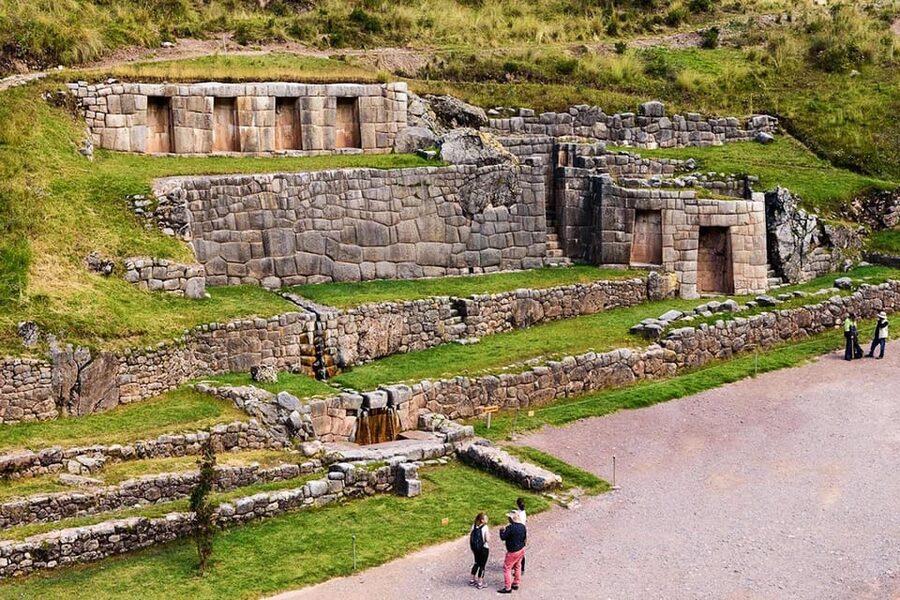
The final archaeological stop is Puka-Pukara, an ancient tambo, or guard post, along the Inca roads. The tour includes a panoramic view rather than promising a long exploration of the whole site.
That brief stop still helps complete the route. The Inca road system depended on places where people could rest, watch routes, and move through the empire. Puka-Pukara lets you consider the practical side of Inca control after the ceremonial and religious sites earlier in the afternoon.
Because the visit is described as a panoramic view, do not book this tour expecting an extended archaeological study at every stop. Think of Puka-Pukara as a concise final view that rounds out the story of roads, movement, and defense.
What the guide adds to the day
The guide is the most important variable in a tour like this. The route is fixed, but the quality of the explanation can change how much you take away from each ruin.
Juan Carlos is a trained archaeologist who has been praised for precise explanations, logical answers, and a strong command of the subject. That is a good match for you if you enjoy asking how archaeologists know what they know.
Jessica has also been praised as both driver and guide. Her kindness and ability to make the day work despite a transport problem were singled out as major strengths. You should note that the guide may be handling both the road and the interpretation, depending on the arrangement for your group.
The tour operates in English or Spanish. Since it is a private group, you can ask questions without worrying about holding up a large bus. That is one of the strongest reasons to choose this format.
Transport, comfort, and the six-hour schedule
Hotel pickup and drop-off are included for hotels in Cusco’s historic center. Transport is by car or minibus, but the exact vehicle can matter. One booking for four adults resulted in a vehicle that was not comfortable for the group, even though the booking was for four people.
I would confirm the vehicle arrangement if you are booking for four adults or if personal space matters to you. A car or small minibus can be convenient on Cusco’s roads, but it is not automatically spacious.
The six-hour length is efficient. You can see Pisac, Taray, and four nearby sites without committing an entire day. The tradeoff is that meals and extended free time are not listed as included. One guide took a group to an excellent restaurant near Pisac, but you should not assume that meal stop is guaranteed as part of every departure.
Start with water, sunscreen, a hat, comfortable shoes, and a camera. Smoking is not allowed during the activity.
Is the $77 price good value?
The tour costs $77 per person, before admission tickets. Foreign visitors pay S/ 70, listed as about $18.70, for the archaeological sites. That brings the stated total to roughly $95.70 per foreign adult.
For that price, you receive hotel pickup and drop-off, transport, and a private English or Spanish-speaking guide. The value is strongest if you want one person to connect Pisac and the Cusco ruins instead of arranging separate transport and explanations.
The price is less attractive if you want a slow, independent visit with lots of free time. You are paying for convenience and interpretation, not just entrance to the sites. Remember to budget the admission fee separately, and confirm the ticket process before setting out.
Free cancellation up to 24 hours before the tour and reserve-now-pay-later booking add flexibility. Those terms are useful if your Cusco plans may change, but they do not alter the main question: do you want a compact private route with a guide?
Who should book this Cusco tour?
I would recommend it to a first-time visitor with limited time, a couple or small private group that values questions, and anyone who wants both Pisac and the main ruins near Cusco in one outing.
It also suits you if you prefer context to simply taking photographs. A strong guide can explain why terraces mattered, how ritual sites differed, and where Puka-Pukara fitted into the road system.
I would hesitate if you have back problems, use a wheelchair, or dislike walking on uneven ground. I would also think twice if four adults need a roomy vehicle unless the transport is confirmed in advance.
Should you book it?
Book this tour if you want a well-packed introduction to Pisac and the major ruins around Cusco, with private transport and a guide who can give the stones a clear purpose. The strongest guide reports are for Juan Carlos and Jessica, so asking about guide assignment may be worthwhile.
Skip it if your priority is a leisurely Pisac market visit, a long meal, or extended time at each ruin. For most first visits, though, the route gives you a useful mix: valley terraces, market life, massive stonework, ritual places, water worship, and an Inca road post in six hours.
FAQ
How long does the tour last?
The tour lasts six hours, including the visits to Pisac, Taray Viewpoint, Sacsayhuaman, Q’enqo, Tambomachay, and Puka-Pukara.
What does the tour cost?
The listed price is $77 per person. Admission tickets are separate.
How much are the archaeological site tickets?
Foreign visitors pay S/ 70, listed as about $18.70 per person. Peruvian visitors pay S/ 40, listed as about $10.70 per person.
Is hotel pickup included?
Yes. Pickup and drop-off are included for hotels within Cusco’s historic center. If your hotel is farther away, a meeting point will be arranged in advance.
Is the tour private?
Yes. The activity is operated as a private group.
What languages are available?
The live guide is available in English or Spanish.
Are entrance tickets included?
No. You must pay the archaeological site admission separately.
What should I bring?
Bring comfortable shoes, a hat, sunscreen, water, and a camera. Clothing should suit walking and changing weather.
Is the tour suitable for wheelchair users?
No. The tour is not suitable for wheelchair users or people with back problems.
Just added around Cusco
- Zipline over the Sacred Valley Trip★ 5.0 · 11 reviews
- Valle Sur Cusco | half day★ 4.3 · 3 reviews
- Visit Pisac from Cusco: Private Transport★ 4.6 · 9 reviews
- Transfer from Cusco to Ollantaytambo★ 5.0 · 30 reviews
- Exclusive Huayna Picchu Tour in 1 Day from Cusco★ 5.0 · 31 reviews
- Trek to Humantay Lake from Cusco★ 4.9 · 8 reviews
- Private Tour Sacred Valley, Chinchero, Maras Moray, Ollantaytambo★ 5.0 · 29 reviews
- 5 Day – Salkantay trek to Machu Picchu – Group Service★ 4.5 · 27 reviews
Pisac Ruins & Market Tours, compared.
Sacred Valley, Pisac, Ollantaytambo, Salt Mines Moray
Read our review →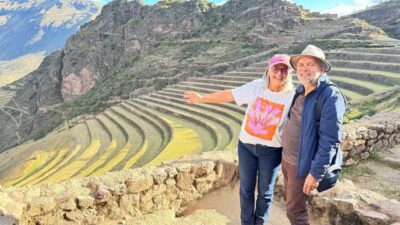
Pisac Indian Market and Ollantaytambo Fortress with Lunch
Read our review →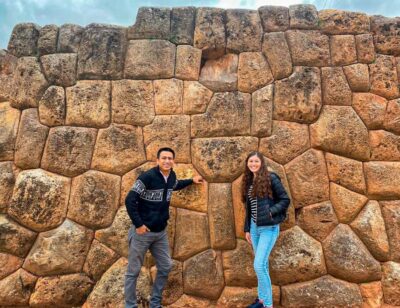
Sacred Valley Pisaq,Ollantaytambo,Chinchero with Lunch
Read our review →
Full-Day Excursion to Sacred Valley, Pisac and Ollantaytambo from Cusco
Read our review →
Sacred Valley of the Incas – Pisaq, Ollantaytambo and Chinchero
Read our review →
Private Ollantaytambo, Pisac Ruins Tour with Farm Visit, Gourmet Picnic Lunch
Read our review →Browse the lists this tour appears in