Reviewed · TOURS
Excursion + Sillar and Culebrillas Route in Arequipa
Arequipa’s white volcanic stone is not just a building material. It gives the city much of its character, and this tour takes you to the quarries where sillar is cut by hand. The best moment is the Añashuayco Quarry, where you can see tall ignimbrite walls and a huge carving of the Church of the Society of Jesus made by local stonemasons.
I like two things here. First, the tour connects Arequipa’s grand colonial buildings with the work behind them. Second, the short walk through Culebrillas canyon ends with Wari petroglyphs more than a thousand years old. That is a lot of variety for four hours and $14.
The main caution is transport. One recent booking noted delays while the group waited for other members, and the bus had no air conditioning. Expect a practical group excursion, not a private, perfectly timed outing.
Key points at a glance
- Añashuayco is still a working quarry: You see the tall stone walls formed by sillar extraction and learn how the blocks are produced.
- The Church of the Society of Jesus is carved in stone: A large replica or mega carving gives the quarry a memorable visual centerpiece.
- You can try the stonemason’s work: A quarry worker may explain the daily process and let you cut a stone block yourself.
- Culebrillas adds a second kind of history: Its narrow canyon leads to Wari petroglyphs that are more than 1,000 years old.
- The tour includes Arequipa viewpoints: Depending on the season, you may stop to see volcanoes and the Chilina Valley.
- The price is low, but extras matter: Transport and a professional guide are included, while the entrance fee is 10 soles.
Why the Sillar Route is worth your morning
Arequipa is often called the White City because sillar, a pale volcanic stone, appears throughout its historic architecture. You see it in churches, courtyards, walls, and carved facades. This excursion lets you look past the finished buildings and see the source of the material.
That shift in perspective is the real value. A stroll around the Plaza de Armas shows you polished colonial architecture. At Añashuayco, you see the rough cliffs, the cut marks, and the work needed to turn volcanic rock into a usable block. The city’s stone suddenly feels less decorative and more human.
The excursion lasts about four hours. The morning departure begins at 9:15 am, with a return near Arequipa’s Plaza de Armas around 1:30 pm. A second departure is available at 2:00 pm. If you choose the afternoon shift, the supplied timing does not give a separate return time, so confirm that when booking.
You travel by tourist transport with a live guide in Spanish or English. The group format keeps the cost down to $14 per person, but it also means the pace depends partly on other people. Build in a little flexibility after the tour rather than scheduling a tight lunch reservation, bus connection, or museum visit.
Other days out of Cusco people book alongside this one:
- Cusco: Humantay Lake Tour with Breakfast and Buffet Lunch
★ 4.9 · 2,976 reviews - From Cusco: Sacred Valley & Maras Salt Mines Tour with Lunch
★ 4.8 · 2,227 reviews - From Cusco: Moray, Maras Salt Mines & Chinchero Weavers Tour
★ 4.8 · 1,925 reviews
First stop: volcano views and the Chilina Valley
The route begins with a short stop at a strategic viewpoint. From here, you can see volcanoes and the Chilina Valley. Depending on the time of year, the guide may use a different traditional viewpoint instead.
This opening stop helps you get your bearings. You are not looking only at distant peaks for a photo. You are seeing the wider setting around Arequipa before heading into the quarry zone. The exact viewpoint changes with the season, so do not expect one fixed stop every time.
The stop is brief, which is sensible on a half-day outing. The main purpose is orientation, not a long scenic walk. If volcano views are important to you, keep your expectations measured. Weather, light, and the seasonal choice of viewpoint will affect what you see.
Inside Añashuayco Quarry
After roughly 45 minutes of travel, the group reaches Añashuayco Quarry. This is the central stop, and it gives the tour its strongest sense of place.
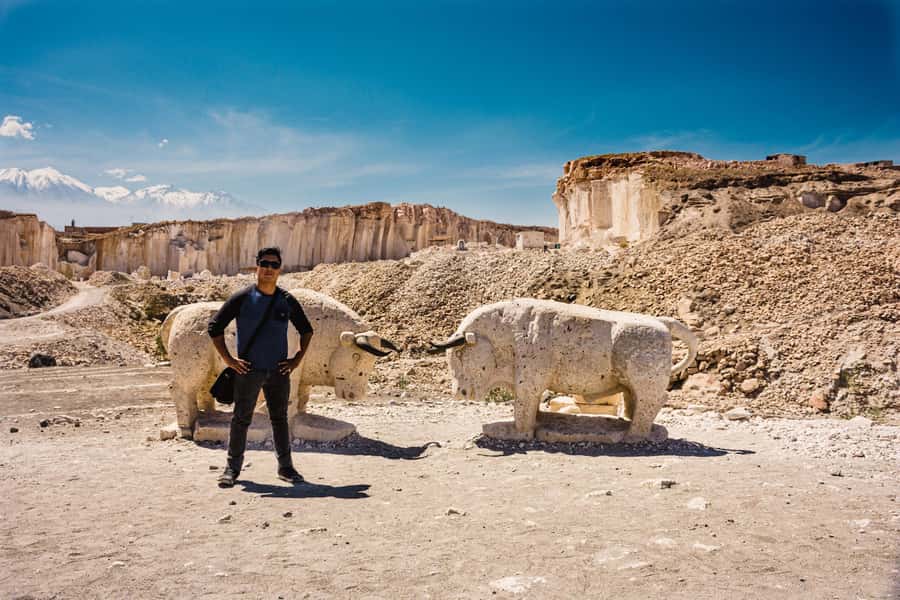
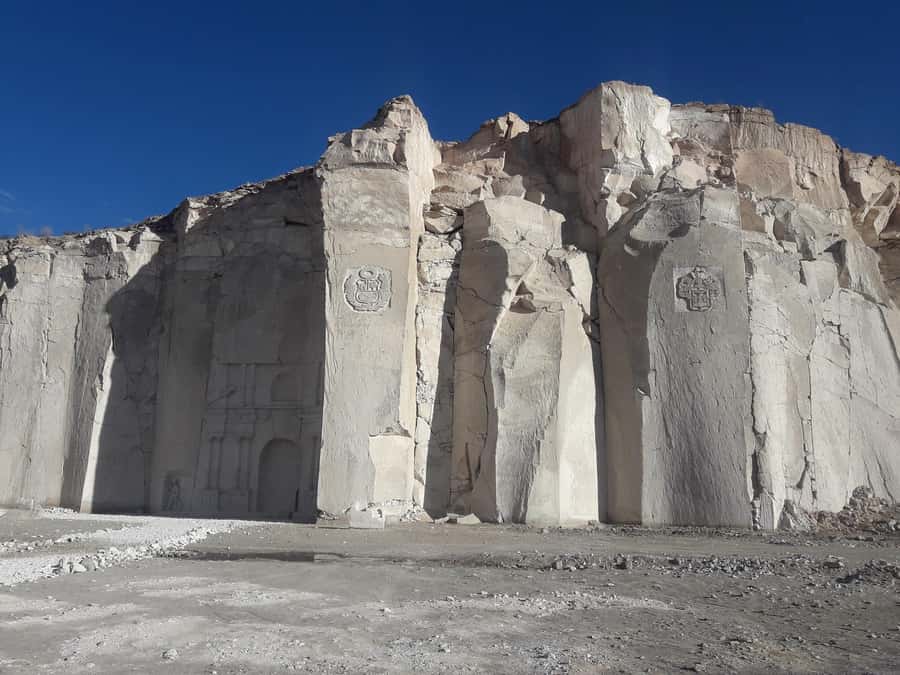
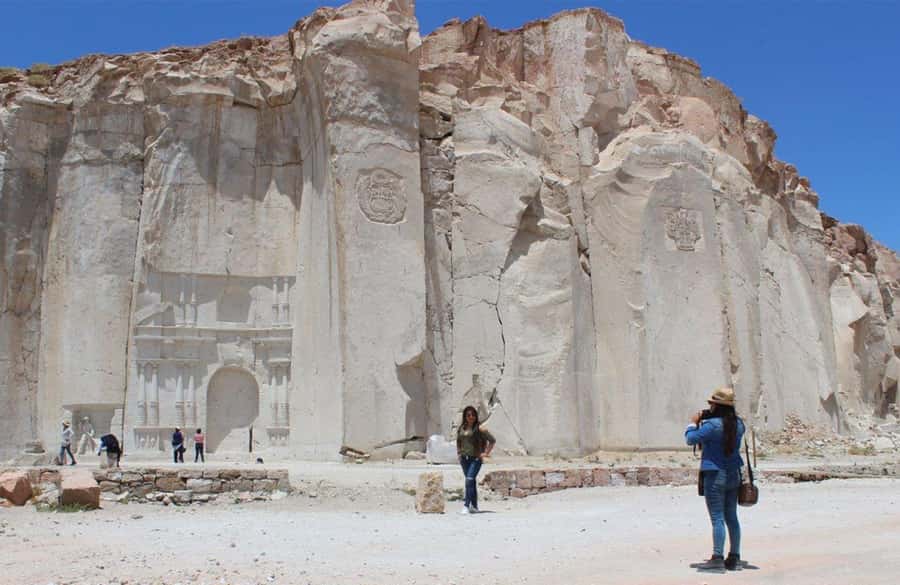
The quarry remains in operation. Its walls are made of ignimbrite, the volcanic material from which sillar is cut. Extraction has left an immense canyon with cliffs several meters high. The scale makes the process easy to understand: these are not small decorative stones gathered from the ground. Workers cut blocks from enormous volcanic walls.
The guide explains the origin of sillar, how it is produced, and how it has been used over time. Those details matter because the stone is closely tied to Arequipa’s appearance and identity. You begin to recognize that the white city is linked to a working trade, not only to historic facades and church tours.
Quarry work starts early in the day, so conditions and activity may vary by the time you arrive. The tour information notes that quarrymen do their work very early. You may see an active work area, but you should not expect a full production demonstration at every moment.
The carved Church of the Society of Jesus
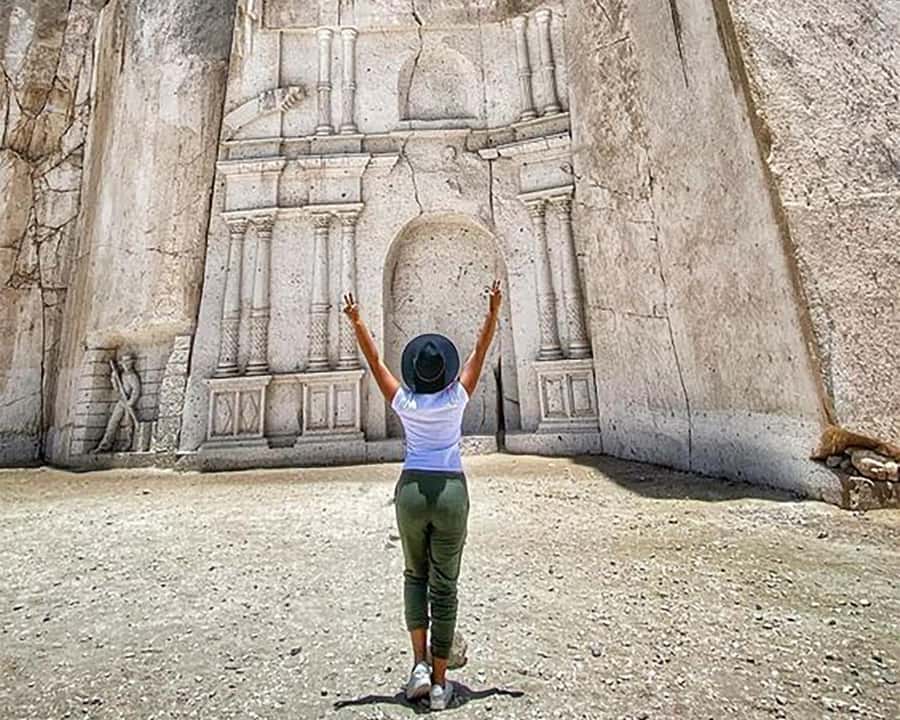
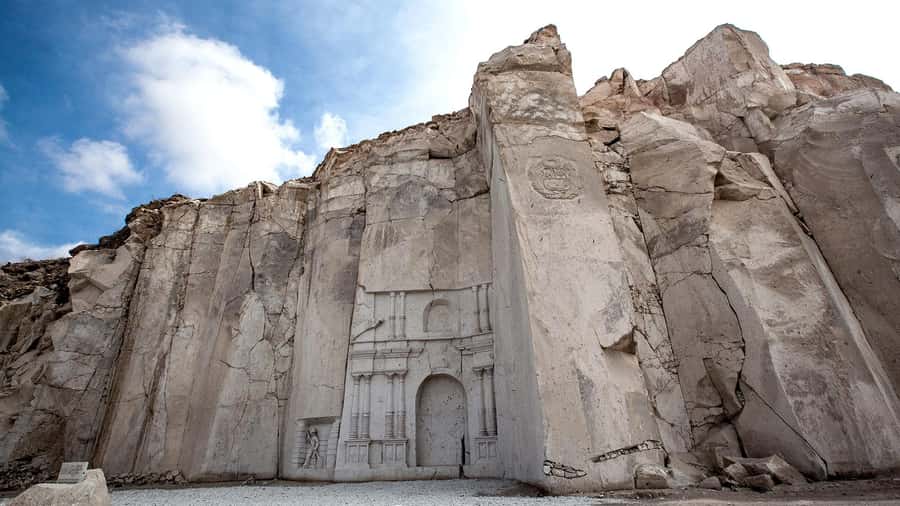
One of the quarry’s most striking features is a large carving of the Church of the Society of Jesus. Local stonemasons created it in the quarry itself.
This is a useful stop because it shows what sillar can become. First, you see raw stone walls. Then you see that same material shaped into a recognizable church facade. The carving gives the explanation a clear visual focus and makes for one of the more memorable photographs on the route.
The church carving also brings the subject back to Arequipa. You are not studying an isolated quarry with no connection to the city. You are looking at a recreation of one of the city’s important architectural forms, made by people who work with the material directly.
If you enjoy craft demonstrations, this is the part to watch closely. The visit is not simply a photo stop. The quarry is presented as a place of living work and local skill.
Same altitude, a completely different day:
- From Cusco: Full-Day Group Tour of Machu Picchu
★ 4.7 · 1,767 reviews - Machu Picchu Day Trip from Cusco
★ 4.5 · 1,644 reviews - Cusco: Half-Day City Tour with Sacsayhuaman and Q’enco
★ 4.6 · 1,129 reviews - Cusco: Sacred Valley, Pisac, Ollantaytambo, Salt Mines Moray
★ 4.6 · 1,058 reviews
Meeting the quarry worker and cutting sillar
The excursion may include a visit with a stonemason who explains the daily work. You may also get the chance to try cutting one of the stone blocks yourself.
That hands-on moment adds something a standard sightseeing stop cannot. Even a short attempt gives you a better feel for the effort involved in shaping the stone. It also puts the craftsperson at the center of the experience rather than treating the quarry as a dramatic backdrop.
The wording of the activity indicates that this depends on visiting a quarry worker, so the exact interaction may vary. Keep it practical. You are not signing up for a full workshop or leaving with a finished carving. The value is the brief contact with the work and the chance to understand the technique.
Wear something you do not mind getting dusty. The information provided does not specify protective equipment, clothing requirements, or the exact tools used, so ask the guide what is suitable before beginning.
Walking into Culebrillas canyon
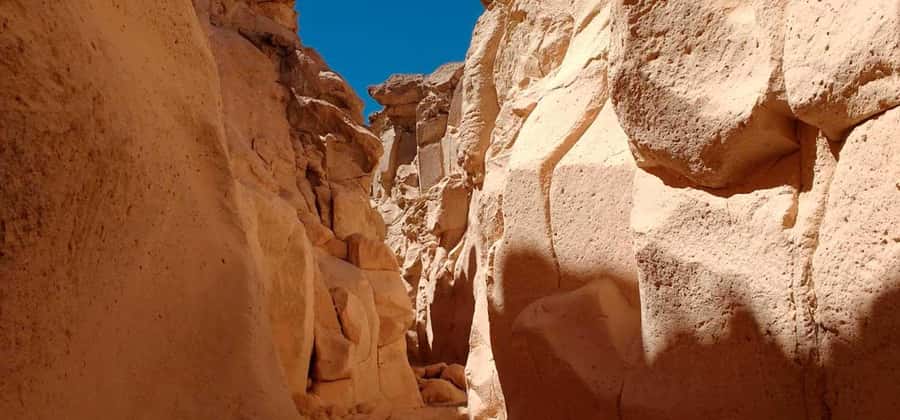
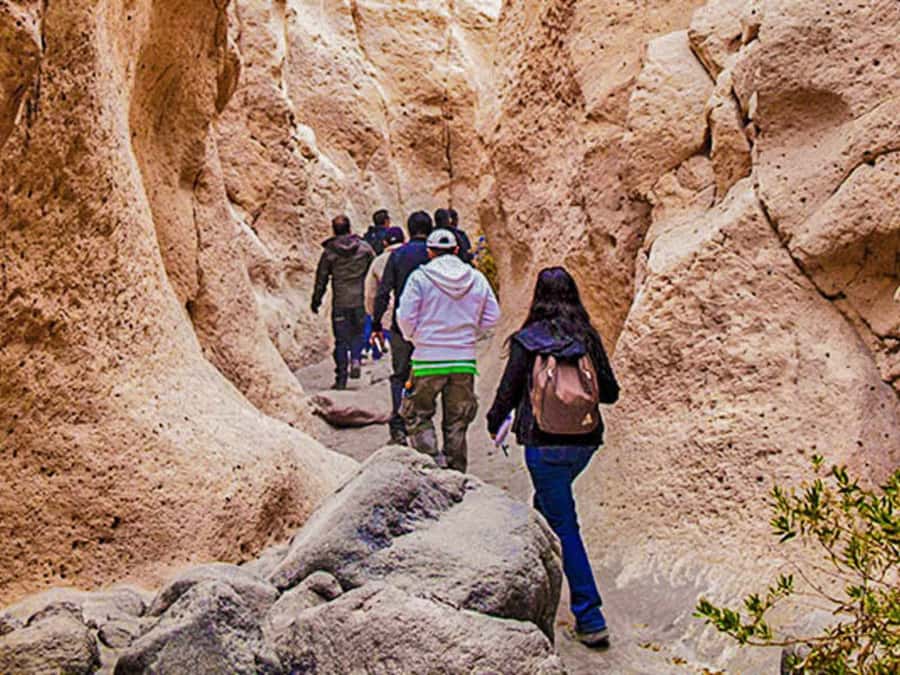
From Añashuayco, the vehicle continues for about 30 minutes to Quebrada de Culebrillas. The stop changes the mood of the trip. Instead of viewing a broad quarry cut open by extraction, you walk through a narrow canyon formed by water.
The walk inside the canyon takes about 20 minutes. Its walls rise roughly 15 to 20 meters, and they become higher as you go farther in. That makes this a short but enclosed walk, with the rock walls providing the main visual drama.
You should be comfortable walking for this section. The supplied information does not give details about the trail surface, steps, shade, or accessibility, so anyone with mobility concerns should ask the provider before booking. The route is described as a walk into the small canyon, not as a long hike.
Culebrillas works well as a second act. Añashuayco shows how people extract and shape volcanic stone. Culebrillas shows how water formed a narrow natural passage. Together, the two stops give you both the human and geological sides of the area.
Wari petroglyphs at the end of the walk
At the end of the canyon walk, you can see petroglyphs attributed to the Wari culture and dated to more than 1,000 years ago. This gives the stop an archaeological layer that is easy to miss if you think of the excursion as only a quarry visit.
The petroglyphs are not described in detail, so you should not expect a large archaeological site or a museum-style presentation. Their importance comes from their age and setting. You reach them on foot inside the canyon, where the rock walls already feel separate from the city.
Listen closely to the guide here. The exact location and meaning of rock markings are best understood with context, and the tour includes a professional guide for that reason. Avoid touching or climbing near the carvings. The information provided does not state any formal site rules, but careful viewing is the sensible approach around ancient markings.
Apachetas and the return to Arequipa
Before heading back, the group sees apachetas. These are small stone formations made by placing stones one on top of another. They are described as symbols of gratitude toward nature and as signs associated with good luck.
Apachetas are simple, but they give the final stop a different feel from the quarry and petroglyphs. The quarry focuses on labor. The petroglyphs focus on the distant past. Apachetas connect the route to a continuing spiritual practice and to the personal gestures people make along a journey.
The tour then returns to Arequipa. The planned arrival is around 1:30 pm for the morning departure, with drop-off near the Plaza de Armas. That central location is useful if you want to continue exploring on foot, find lunch, or return to your accommodation.
The full schedule is described as four hours, though the listed morning times run from 9:15 am to 1:30 pm. That is closer to four hours and 15 minutes. It is a small difference, but practical planning matters, especially if you have an onward booking.
What $14 really gets you
At $14 per person, this is an inexpensive way to reach places outside central Arequipa. Tourist transport and a professional guide are included. The entrance fee is not included and costs 10 soles.
That price makes sense if you want the basic route without adding a long list of extras. You are paying mainly for transport to two sites and guided interpretation. Organizing those stops independently could be awkward, especially if you do not have your own vehicle.
The low price also signals what this is not. It is not a private tour with a custom schedule. It is not a luxury vehicle experience. One verified booking reported that the bus did not have air conditioning, and delays occurred while waiting for other group members.
Those points are worth weighing against the cost. If you care most about comfort, personal space, and exact departure times, pay more for a private option if one is available. If you want an affordable route to the quarries and canyon, $14 is strong value even after adding the 10-sol entrance fee.
The overall rating provided for the activity is 4.1 out of 5 from four bookings. The small number means you should treat it as a useful signal, not a final verdict. The clearest positive detail is the guide’s friendly manner, while the practical concern is vehicle comfort and group timing.
Who should book this excursion
I would choose this tour if you have a free half-day in Arequipa and want more than colonial streets. It suits you especially well if you are interested in:
- Local stonework and traditional trades
- Arequipa’s connection to volcanic material
- Short walks with geological and archaeological interest
- A low-cost guided outing
- A mix of scenery, craft, and cultural explanation
Families may like the stone-cutting demonstration because it gives the quarry a hands-on element. People who enjoy photography will find strong subjects in the white quarry walls, carved church, canyon, and stone apachetas.
I would hesitate if you need air conditioning, a private vehicle, or a rigid timetable. The canyon walk may also require more care from anyone who has difficulty walking, since no accessibility details are provided.
The English or Spanish guide option is useful for international visitors. No guide names are supplied, so you cannot request a particular guide in advance based on the available information.
Practical advice before you go
Bring water and wear practical clothes for an outdoor quarry and canyon visit. The supplied details do not state how much shade is available, and the transport may not have air conditioning, so prepare for a warm ride.
Keep some room in your schedule. Group departures can lose time while waiting for other members, and the morning timing already allows a little more than four hours from start to central drop-off.
Carry the 10-sol entrance fee separately from the tour price. Transport and the professional guide are included, but entry to the places is not.
If the weather or season affects the opening viewpoint, accept the alternate stop as part of the route. The main attractions are Añashuayco, the stone carving, Culebrillas, and the Wari petroglyphs.
You can cancel up to 24 hours before departure for a full refund, and the reserve-now, pay-later option keeps you from paying at the time of booking. Those terms are helpful if your Arequipa plans are still shifting.
Should you book the Sillar and Culebrillas Route?
Book it if you want an affordable, focused half-day that explains where Arequipa’s famous white stone comes from. The combination of an active quarry, a large church carving, a chance to try the craft, a narrow canyon, ancient petroglyphs, and apachetas gives the outing real range.
Skip it if transport comfort and perfect timing matter more to you than price. The no-air-conditioning report and possible group delays are fair warnings.
For most visitors with a spare morning or afternoon, I think the route earns its place. You get beyond the city center, meet the material behind Arequipa’s architecture, and see an archaeological site without committing to a long day. Just budget the 10 soles for entry, allow extra time, and treat the bus as functional rather than fancy.
FAQ
How long does the Sillar and Culebrillas tour last?
The activity is described as lasting four hours. The morning schedule begins at 9:15 am and reaches central Arequipa around 1:30 pm.
What time does the morning tour begin?
The morning departure begins at 9:15 am.
Is there an afternoon departure?
Yes. A second shift is available at 2:00 pm.
What languages are available?
The live guide is available in Spanish and English.
What is included in the price?
Tourist transport and a professional guide are included.
Is the entrance fee included?
No. The entrance fee is 10 soles.
Where does the tour finish?
The morning service returns to Arequipa and drops you off near the Plaza de Armas.
Can I cancel for a full refund?
Yes. You can cancel up to 24 hours in advance for a full refund.
Just added around Cusco
- Zipline over the Sacred Valley Trip★ 5.0 · 11 reviews
- Valle Sur Cusco | half day★ 4.3 · 3 reviews
- Visit Pisac from Cusco: Private Transport★ 4.6 · 9 reviews
- Transfer from Cusco to Ollantaytambo★ 5.0 · 30 reviews
- Exclusive Huayna Picchu Tour in 1 Day from Cusco★ 5.0 · 31 reviews
- Trek to Humantay Lake from Cusco★ 4.9 · 8 reviews
- Private Tour Sacred Valley, Chinchero, Maras Moray, Ollantaytambo★ 5.0 · 29 reviews
- 5 Day – Salkantay trek to Machu Picchu – Group Service★ 4.5 · 27 reviews
Tours, compared.
Humantay Lake Tour with Breakfast and Buffet Lunch
Read our review →
Sacred Valley & Maras Salt Mines Tour with Lunch
Read our review →
Moray, Maras Salt Mines & Chinchero Weavers Tour
Read our review →
Half-Day City Tour with Sacsayhuaman and Q’enco
Read our review →
City Tour Cusco Qoricancha Sacsayhuaman y Tambomachay
Read our review →