
Reviewed · CUSCO CITY TOURS & INCA RUINS
From Cusco: City tour 4 ruins + Qoricancha
Cusco’s best introduction to the Inca capital may be this five-hour circuit from Qoricancha to four nearby ruins. You begin in the city center, then ride uphill to Sacsayhuamán, Qenqo, Puca Pucara, and Tambomachay before returning near the Plaza de Armas.
I like the clever mix of Inca and Spanish history, and I like the low $11 tour price, which covers transport and a bilingual guide. Guides Werner and Angélica received especially warm praise for their care and clear explanations. The main catch is that entrance tickets cost extra, and unplanned museum or clothing-shop stops have sometimes cut into time at the ruins.
Key points to know before booking
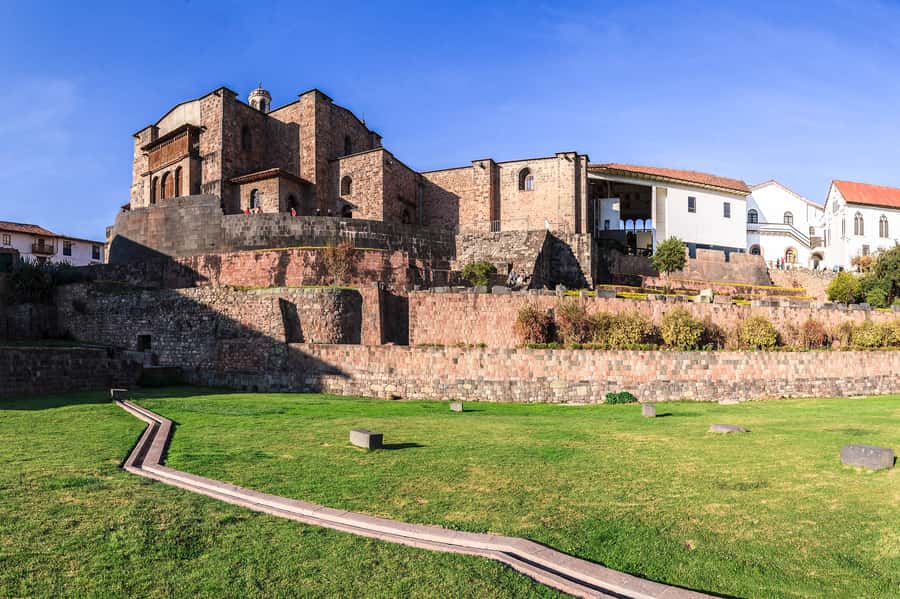
- Qoricancha gives you the Inca-Spanish story in one place: The former Temple of the Sun now includes Spanish colonial buildings and religious art.
- Four archaeological sites follow outside Cusco: Sacsayhuamán, Qenqo, Puca Pucara, and Tambomachay each served a different purpose.
- The $11 price is for transport and guiding only: You must pay separately for the required tourist ticket or other entrance fees.
- Two start times make this easy to fit into your day: Meet in the Plaza de Armas around 8:40 to 9:00 a.m. or 12:40 to 1:00 p.m.
- Shopping stops need watching: Some departures have included a clothing shop or museum not listed in the planned route.
- Altitude preparation matters: Comfortable shoes, sun protection, and a gradual first day in Cusco can make the outing much easier.
What this Cusco tour actually covers
This is a city-and-ruins tour rather than a long day trip into the Sacred Valley. You stay close to Cusco, but the route gives you a useful first look at how the Inca capital worked: religion at Qoricancha, military power at Sacsayhuamán, ritual at Qenqo, defense at Puca Pucara, and water worship at Tambomachay.
The advertised duration is about five hours. The morning departure gathers between 8:40 and 9:00 a.m. and should finish around 2:30 p.m. The afternoon departure gathers between 12:40 and 1:00 p.m. and finishes around 6:30 p.m. On Sundays, opening hours at some sites can change, so confirm the schedule before you set your day around it.
You meet in or near the Plaza de Armas, then walk about three blocks to Qoricancha. After the city-center visit, tourist transport takes you to the outer archaeological sites and brings you back close to the Plaza de Armas.
That structure works well if you have just arrived in Cusco and want a guided orientation without committing to a full Sacred Valley excursion. It also gives you transport between sites, which is useful because the ruins are spread around the hills above the city.
More City and Ruins Half-Days in Cusco:
- Cusco: Half-Day City Tour with Sacsayhuaman and Q’enco
★ 4.6 · 1,129 reviews - City Tour Cusco Qoricancha Sacsayhuaman y Tambomachay
★ 4.7 · 617 reviews - Open Bus Cusco City Tour
★ 4.5 · 219 reviews
Qoricancha: where Inca and Spanish Cusco meet
Qoricancha, also called the Temple of the Sun, is the tour’s strongest historical starting point. The name refers to the Inca religious complex that once held great importance in Cusco. Today, the site also contains Spanish colonial construction, creating the direct contrast this tour promises.
I like beginning here because you can see two layers of Cusco in a short walk. The Inca side is represented by carefully built stonework and the former religious center. The Spanish side appears in the later church and colonial use of the site. That mix is not an abstract idea. You can see it in the building itself.
Your guide leads the visit rather than simply dropping you at the entrance. That matters at Qoricancha because a quick look at stone walls does not explain why the temple mattered or how the Spanish reshaped it. The guide’s commentary should help connect the site to the wider story of the Inca Empire and the city you will see later in the tour.
Qoricancha requires an entrance fee that is not part of the $11 tour price. The supplied details specify that entrances, usually handled through the relevant tourist ticket, are separate. Check exactly which ticket you need before arrival, especially if you plan to visit other Cusco or Sacred Valley sites afterward.
This is also the stop where the tour feels most like a city tour. The four outer sites are open-air archaeological places, while Qoricancha brings you into the center of modern Cusco and its Spanish-era buildings.
Sacsayhuamán: the major stop on the hill
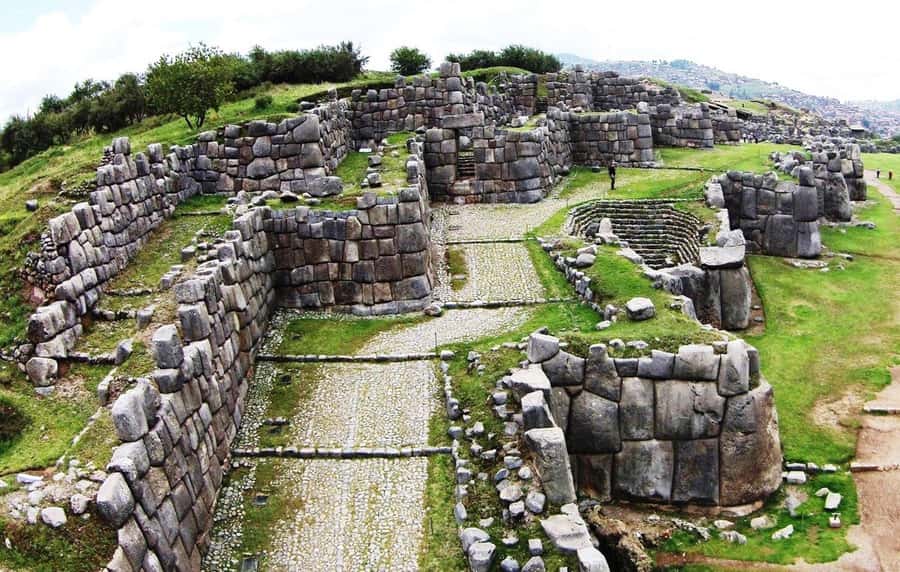
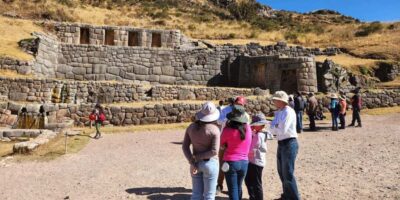
From Qoricancha, the tour heads to Sacsayhuamán, the largest and most visually powerful site on the route. Its huge, tightly fitted stone walls show the strength of Inca military architecture.
This is the place where your guide’s explanation earns its keep. The stones are impressive on their own, but the important point is how the walls were assembled and how the site formed part of Cusco’s defense. The enormous blocks, terraces, and high position give you a clear sense of the effort involved in protecting and building the Inca capital.
Sacsayhuamán is also likely to be the stop where you want the most time for photographs. Bring a camera, but do not let the photo stop replace the explanation. Ask your guide to point out the defensive features and explain how this site related to Cusco below.
The practical issue is time. If the group makes an additional stop at a museum or clothing shop, Sacsayhuamán may not be the only place affected. Since the entire outing lasts about five hours, a thirty-minute detour can make later sites feel rushed. If you care most about the ruins, ask at the start whether any commercial stops are planned.
Qenqo: a smaller site with a ritual purpose
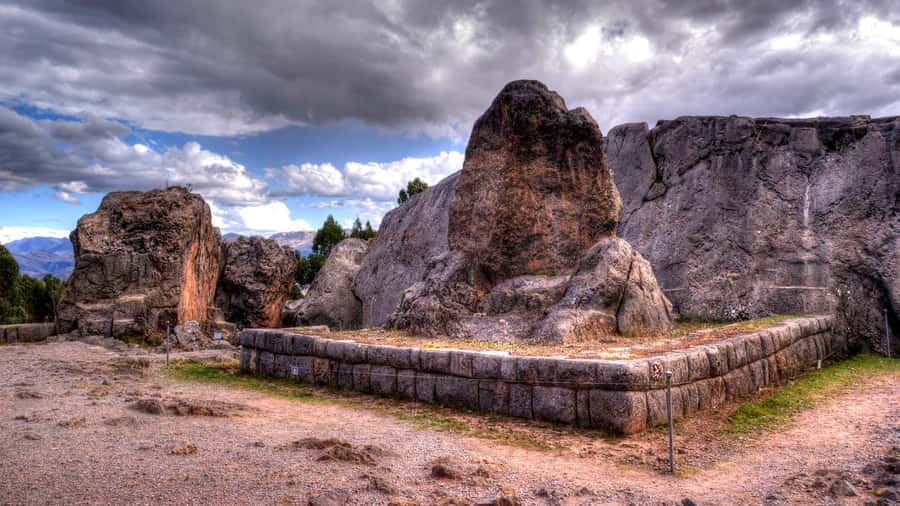
Qenqo is very different from Sacsayhuamán. Instead of vast defensive walls, you find a ceremonial center shaped around a natural rock formation. The site was used for religious rituals, and its carved stone features make more sense when your guide explains how the space functioned.
I would not judge Qenqo by size. It is a shorter, more focused visit, and its interest lies in the relationship between the rock and the ritual setting. The stop adds variety to the route. Without it, the tour would be mostly about military and architectural scale.
This is also a spot where a live guide is more useful than a printed description. The rock formations and channels can look confusing if you do not know what to notice. Guide Angélica received especially strong praise for her historical explanations, while Werner was praised for being attentive. If either guide leads your departure, you can expect a more personal layer to the visit based on those strengths, though guide assignments are not guaranteed.
The site is outdoors, so wear shoes that can handle uneven ground. You should also be comfortable walking and standing during several stops. The operator specifically says the experience is not suitable for people with vertigo, which is an important warning for anyone uneasy around heights or exposed viewpoints.
A few more Cusco days worth weighing up
- Cusco: City Tour | Half-Day Tour to 4 Archaeological Sites
★ 4.6 · 206 reviews - City Tour in Cusco & visit Museum South American Camelid Private.
★ 5.0 · 147 reviews - Cusco City Sightseeing, San Pedro Market, Cathedral and Qorikancha Temple
★ 4.5 · 139 reviews - Cusco: Half-Day City Tour
★ 4.2 · 129 reviews
Puca Pucara: a brief look at Inca defense
Puca Pucara was a military fortress in Cusco’s defensive system. Its walls, terraces, and stairways are more compact than the structures at Sacsayhuamán, but the stop helps you understand that Inca defense relied on a network of places rather than one isolated fort.
This visit may feel brief, especially if the group has lost time earlier. That does not make it pointless. Puca Pucara adds the practical side of the story: movement, watch points, and control of routes around the capital. Your guide can help you see how it differs from Sacsayhuamán rather than treating both as generic ruins.
I would pay attention to the layout and ask how the site fit into the wider system. That question turns a quick stop into a useful comparison. Sacsayhuamán gives you monumental walls; Puca Pucara gives you a smaller defensive position.
The open setting also means strong sun can become tiring by this point. A hat, sunscreen, and sunglasses are not optional extras here. The tour information specifically calls for sun protection and suitable clothing.
Tambomachay: water, channels, and a quiet finish
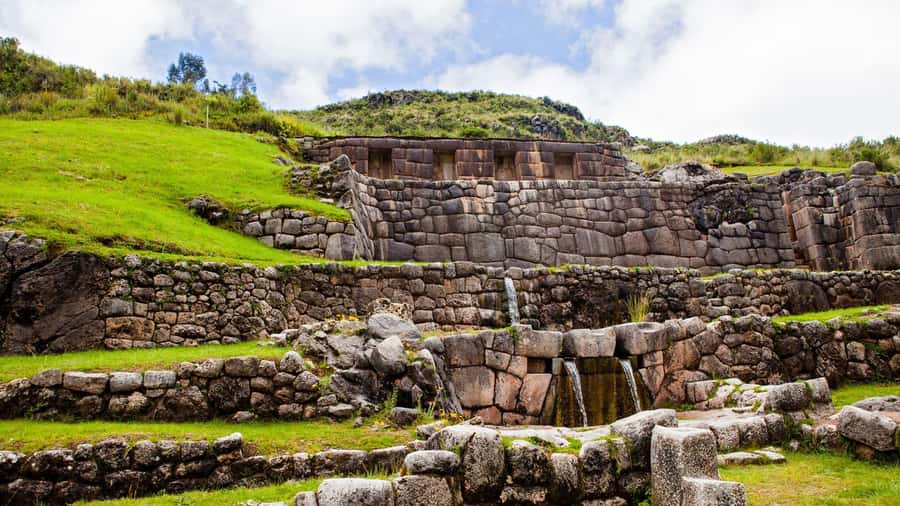
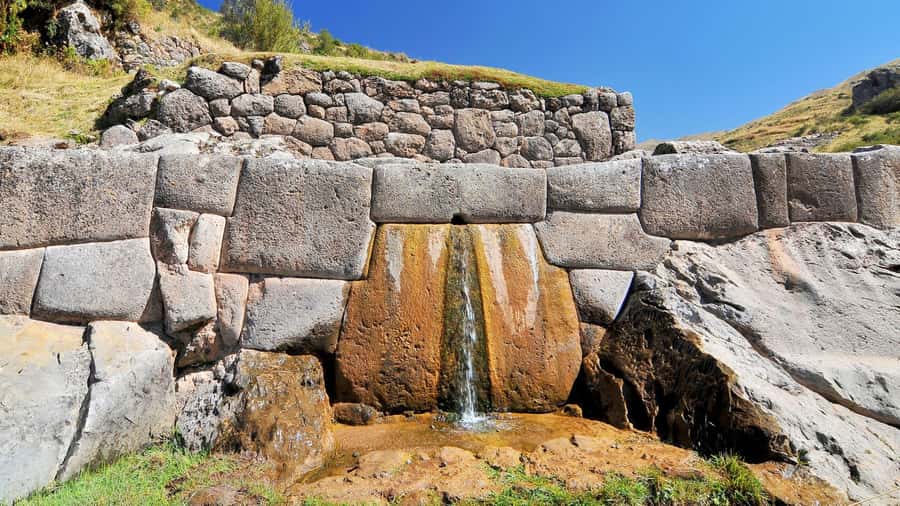
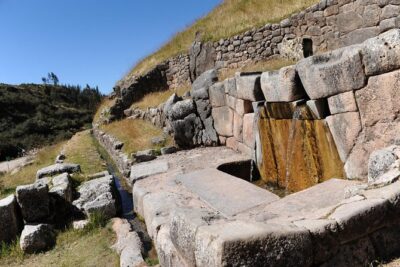
Tambomachay ends the archaeological portion of the route. This site was dedicated to the worship of water and purification, and it is known for its canals and fountains.
After the stone mass of Sacsayhuamán and the military role of Puca Pucara, Tambomachay changes the mood. Water becomes the central subject, and the site shows another side of Inca planning and belief. The fountains and channels are the key details, so listen for the explanation of how water shaped the purpose of the place.
This can be a satisfying final stop because it completes the tour’s range of themes. You have seen religion, defense, ritual, and water worship in one half-day circuit. The drawback is that Tambomachay is one of the sites most likely to feel hurried if commercial stops have been added earlier.
The tour then returns to Cusco and ends near the Plaza de Armas. That ending is convenient for lunch, dinner, or a walk through the historic center. The exact return time depends on the departure shift and the pace of the group.
Why the $11 price can be good value
At $11 per person, this is an inexpensive way to get transport and a bilingual Spanish-English guide for five hours. If you were arranging separate rides to four hilltop sites, the convenience alone would matter. You also receive historical context instead of simply seeing the ruins without explanation.
But the headline price is not the final cost. Entrance tickets are excluded, as are meals and personal expenses. You need to budget for the tourist ticket or site entrance separately. If you are also visiting the Sacred Valley, one review specifically pointed out the value of asking about the full tourist ticket, listed there as S/130, with a student price of S/70. Prices and eligibility can change, so confirm the current figures at the ticket office.
The tour gives you value when you want a broad introduction. It gives you less value if you want long, quiet visits at every site or a tightly controlled schedule with no shopping. The low price can also explain why the format is built around a shared transport operation rather than a private custom route, although a group size is not provided.
The shopping-stop problem and how to handle it
This is the main concern I would raise before booking. Some departures have included a museum or clothing shop that was not part of the stated route. One report described more than thirty minutes at a clothing store, with the final ruins then visited quickly. Another described too many buying stops and not enough time at the sites.
That does not mean every departure follows this pattern. Several scores were high, and the strongest praise focused on the guides and the quality of the explanations. Still, the repeated concern is specific enough to take seriously.
At the start, ask the guide directly if the group will stop at a clothing shop or museum. If you do not want that, say so clearly and ask how much time will remain at each ruin. You may not control the whole group schedule, but asking early can help you understand what you are buying.
If your priority is seeing Sacsayhuamán and Qoricancha, this tour can still work well. If your priority is a slow visit to all four outer sites, look for a private or more tightly scheduled option instead.
Timing, pickup, and altitude advice
The central meeting point is the Plaza de Armas. The walking connection to Qoricancha is about three blocks. Pickup information says the guide may write or call about fifteen minutes before pickup, and you should wait about ten minutes in your hotel lobby if hotel pickup applies.
Because the meeting instructions include both the plaza and hotel contact, read your booking message carefully. Confusion in the plaza has caused problems for some people, including difficulty finding the correct group and a missing name on the list. A guide named Sam was able to sort out one such problem, but you should still arrive early and keep the operator’s contact details handy.
Cusco sits at high altitude, and the tour information recommends drinking coca tea before the outing to help prevent altitude sickness. The tour is not a technical hike, but you will walk, stand, and visit elevated outdoor sites. Take the first day gently if you are newly arrived, drink coca tea if it suits you, and do not underestimate the sun.
Bring:
- Passport or identity card
- Comfortable walking shoes
- Hat
- Sunscreen
- Sunglasses
- Camera
Alcoholic drinks, drugs, pets, and drinks in the vehicle are not allowed. Littering is also prohibited. These rules are simple, but they help keep the transport and sites pleasant for everyone.
Who should choose this half-day route
I would recommend this tour to you if you want a first look at Cusco’s main nearby ruins, prefer having transport arranged, and value a guide who can explain the difference between a temple, fortress, ceremonial center, and water site.
It is also a good fit for a first full day in Cusco, after you have had time to rest. One strong use of the tour is as an orientation outing before a Sacred Valley visit. You see the basic Inca themes first, then have a better frame of reference for later archaeological sites.
I would be more cautious if you dislike group schedules, shopping stops, or short visits. People with vertigo should avoid it, and anyone hoping to spend long periods at each site should ask very specific questions before paying.
You can cancel up to 24 hours before the activity for a full refund, and the reserve-now-pay-later option keeps the booking flexible. Those terms are useful when your Cusco arrival plans are still moving.
Should you book it?
Book this tour if you want an affordable, guided introduction to Cusco’s Inca sites and you are willing to pay entrance fees separately. Qoricancha and Sacsayhuamán are the main reasons to go, while Qenqo, Puca Pucara, and Tambomachay fill out the picture with ritual, defense, and water worship.
Before you commit, ask about extra museum or shopping stops. If the answer is clear and you accept the five-hour group format, the $11 price is sensible. If you want maximum time at the ruins, choose a tour with a firm no-shopping policy or arrange a private visit.
FAQ
How long does the Cusco city tour last?
The advertised duration is about five hours. The morning shift begins between 8:40 and 9:00 a.m. and ends around 2:30 p.m. The afternoon shift begins between 12:40 and 1:00 p.m. and ends around 6:30 p.m.
What sites are included?
The route includes Qoricancha, Sacsayhuamán, Qenqo, Puca Pucara, and Tambomachay.
Are entrance tickets included in the $11 price?
No. The price includes tourist transport and a bilingual guide, but entrance tickets, meals, and extra expenses are separate.
What languages does the guide speak?
Live guiding is available in Spanish and English.
Where does the tour start and finish?
You meet at the Plaza de Armas, then walk about three blocks to Qoricancha. The tour returns to Cusco and ends near the Plaza de Armas.
What should I bring?
Bring your passport or identity card, comfortable shoes, sunglasses, a camera, sunscreen, and a hat. The activity is not suitable for people with vertigo.
Just added around Cusco
- Zipline over the Sacred Valley Trip★ 5.0 · 11 reviews
- Valle Sur Cusco | half day★ 4.3 · 3 reviews
- Visit Pisac from Cusco: Private Transport★ 4.6 · 9 reviews
- Transfer from Cusco to Ollantaytambo★ 5.0 · 30 reviews
- Exclusive Huayna Picchu Tour in 1 Day from Cusco★ 5.0 · 31 reviews
- Trek to Humantay Lake from Cusco★ 4.9 · 8 reviews
- Private Tour Sacred Valley, Chinchero, Maras Moray, Ollantaytambo★ 5.0 · 29 reviews
- 5 Day – Salkantay trek to Machu Picchu – Group Service★ 4.5 · 27 reviews
Cusco City Tours & Inca Ruins, compared.
Half-Day City Tour with Sacsayhuaman and Q’enco
Read our review →
City Tour Cusco Qoricancha Sacsayhuaman y Tambomachay
Read our review →
City Tour | Half-Day Tour to 4 Archaeological Sites
Read our review →
City Tour in Cusco & visit Museum South American Camelid Private.
Read our review →
Cusco City Sightseeing, San Pedro Market, Cathedral and Qorikancha Temple
Read our review →
Cusco City Sightseeing and Sacsayhuaman Archeological Park Tour
Read our review →Browse the lists this tour appears in